






XPS in food processing plants: matching floor insulation to the process
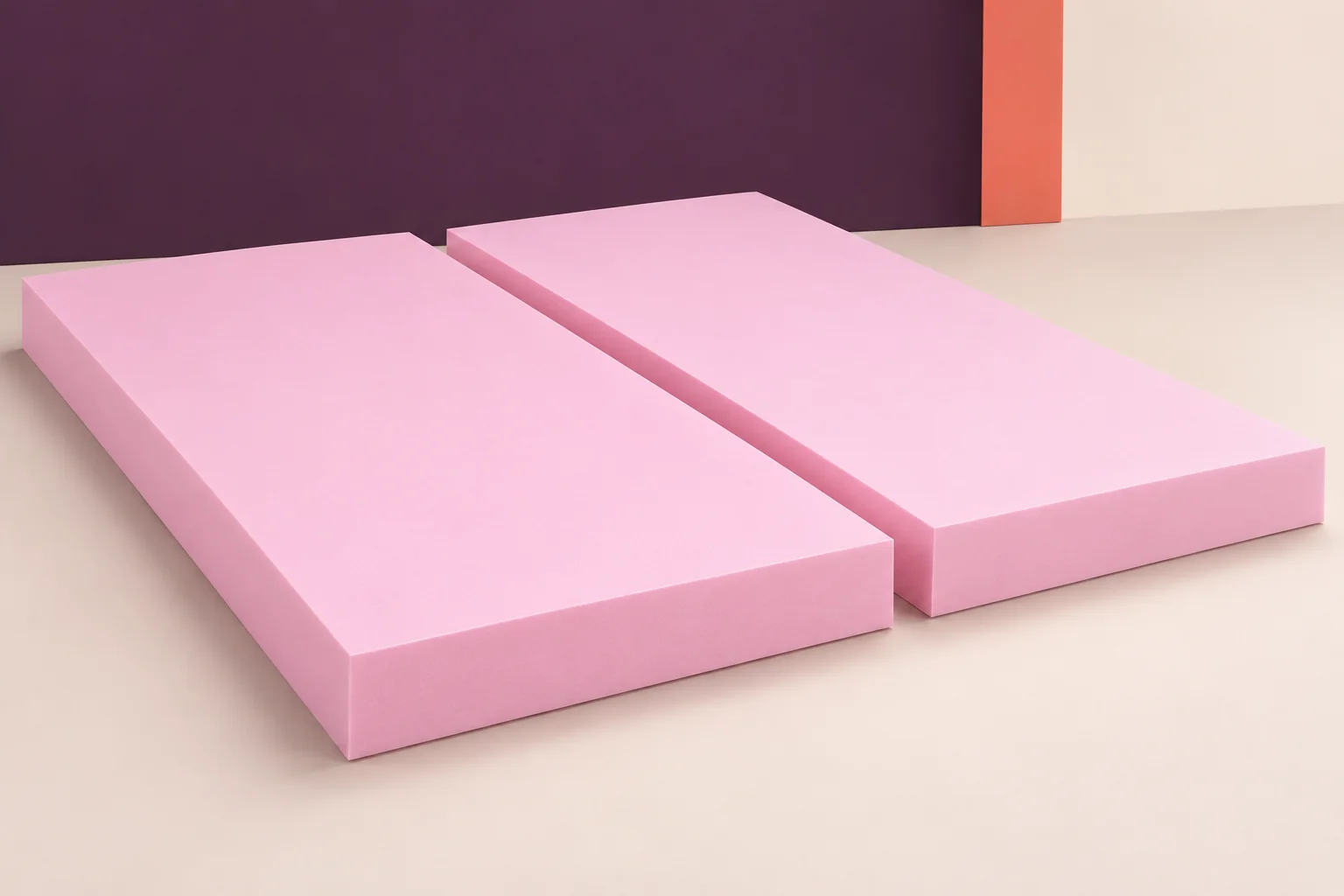
XPS insulation
In a food processing plant, the wash bay, production line, dry store and cold room place different demands on the floor. XPS can provide thermal insulation beneath the load-spreading slab. The layers above it have to withstand cleaning, process temperatures and traffic. Start with a room schedule showing temperature, cleaning agents and application temperatures, drainage points, machine supports and vehicle routes. Use the schedule to specify the insulation, wearing surface and seals in each room. Where chilled storage meets warm production, detail the vapour barrier across the threshold and at the wall junction.
In this guide
Divide the plant by temperature and process
Choose XPS thickness and performance class for each zone. Consider future changes to the process as well. A different operating temperature may require a fresh assessment of the floor. A room-by-room schedule helps coordinate insulation, services, drainage and equipment before floor construction starts.
XPS beneath the wearing surface
The structural and finish layers protect the insulation. Select a working surface suitable for the cleaning regime, traffic and production process. Beneath this surface, XPS restricts heat flow and carries the loads for which it has been specified. It needs a separate hygienic finish above it.
Light boards that are easy to cut help installers form a level insulation layer around numerous service penetrations. Set out those penetrations before laying the insulation. Each extra hole cut later introduces another junction that must be sealed and inspected.
Keeping wash water out of the floor build-up
Low water absorption makes XPS useful in damp surroundings. The floor still needs waterproofing because wash water can enter at joints and through adjoining layers. Design drainage outlets, falls and wall junctions for the actual process. Pay particular attention to pipes and the way drainage channels are bedded and sealed.
Inspect the path from the surface to each outlet. Water entering the build-up can affect other components even when the insulation has low absorption. Sound finishes and continuous seals protect the assembly and allow the insulation to operate under its specified conditions.
Check chemical and temperature compatibility
Cleaning agents differ in composition and application temperature. XPS is sensitive to some solvents. Check the manufacturer’s service temperature range and provide protective layers wherever the process could expose the insulation to incompatible substances or temperatures.
Suitability for hot-water washdown depends on the finish, seals and movement joints as well as the layers beneath. Obtain the cleaning procedure before ordering these materials. It provides the conditions against which to check the exposed components of the floor.
Machinery and traffic determine mechanical requirements
A machine may carry its weight on small feet, while a pallet truck introduces moving wheel loads. Select XPS for the forces that reach it after distribution through the slab. Its CS rating alone does not give a permissible permanent load for the assembly. Check creep and deformation limits too.
The area under a machine may need a different slab or foundation from the surrounding floor. Agree foundation positions, anchors and levels during equipment planning. This avoids cutting through or removing insulation during installation and lets the specified grade serve its structural and thermal purpose.
Vapour control at cold-room entrances
Where a cold room adjoins a warm production area, trace the vapour control layer through the floor-to-wall junction and door threshold. XPS contributes diffusion resistance, but board joints need a separate continuous vapour control detail.
Ravago, Austrotherm and URSA supply XPS. Use their product documentation to compare specific properties against the process conditions, including the protection provided by other layers. Direct food contact requires separate evidence for the exact product and application.
Link inspections to the process specification
Before covering the insulation, inspect continuity, bearing and service penetrations. Keep photographs of areas where machines will stand. Record the installed materials against the intended use of each room to support repairs and future production-line alterations.
XPS can serve a floor that must control heat flow and withstand operational loads. Evaluate the complete build-up against the process, including its finish, drainage and seals. This shows whether the insulation will remain protected throughout cleaning and production.

Free quote
What to include in your enquiry
Tell us how you plan to use the material, the dimensions and the quantity you need. Include the thickness, grade or variant name, along with the delivery town or your preferred collection branch. For a specific product, add its name or a link to the product page. We will reply to the email address you provide to discuss availability and the terms of your order.
Read next
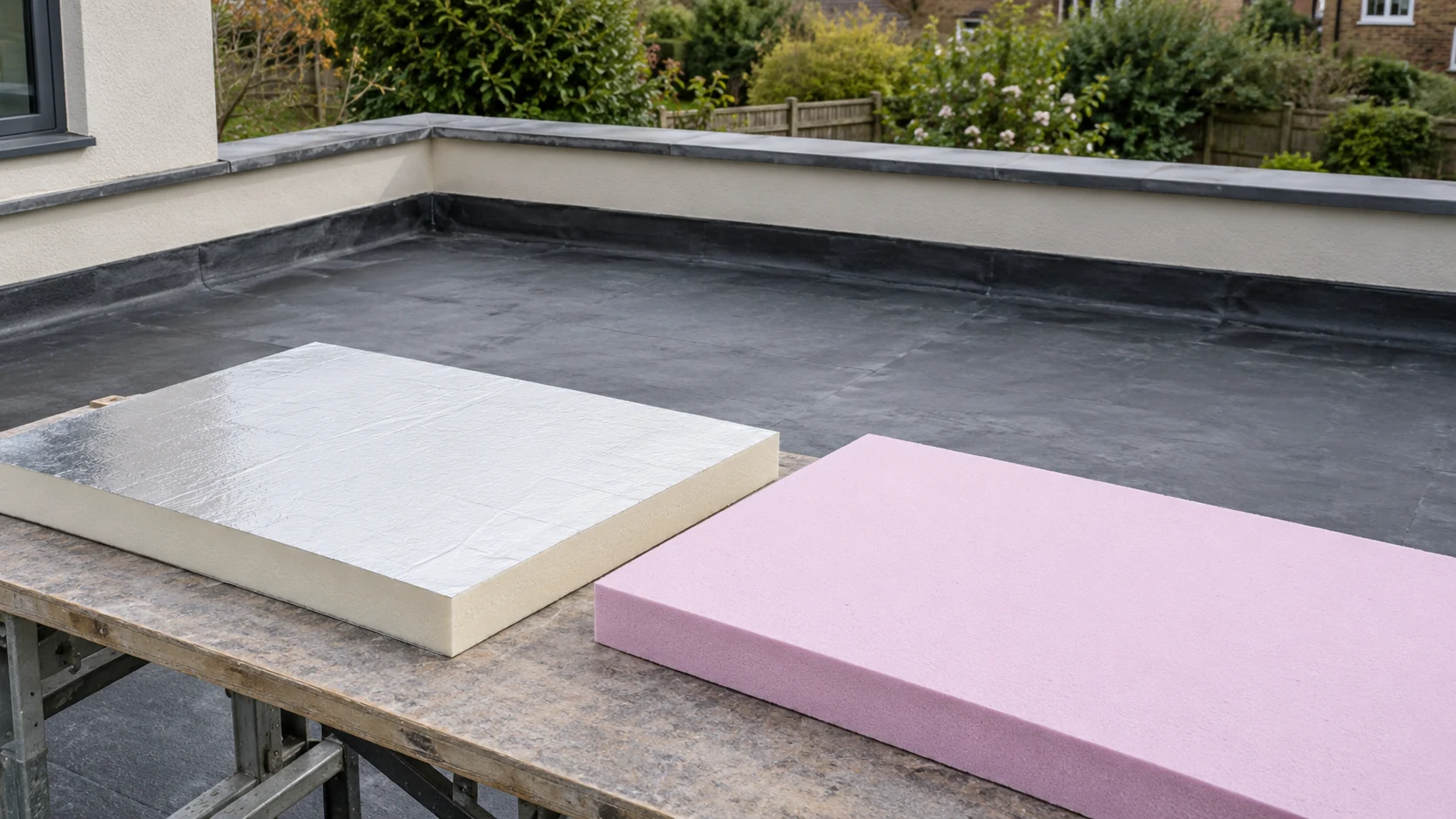
The position of the waterproofing is the starting point for choosing flat roof insulation. On a warm roof the insulation sits below…
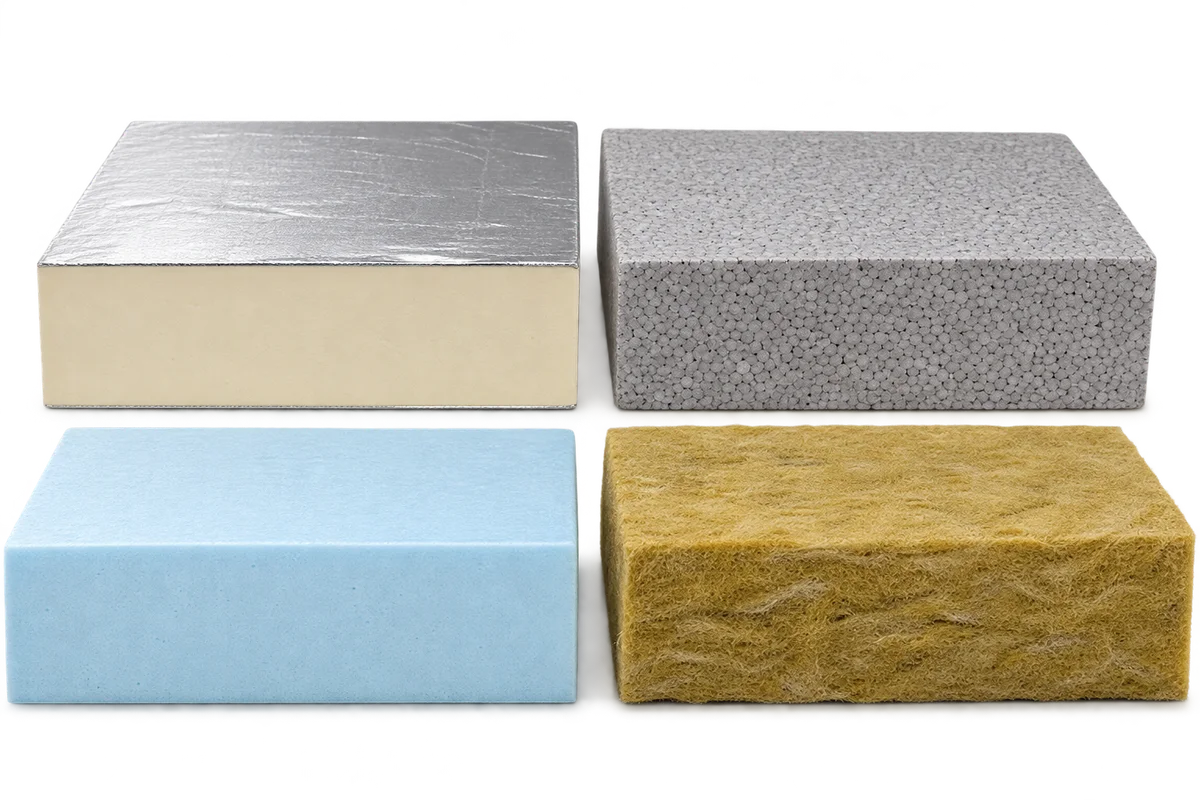
An environmental product declaration, or EPD, provides environmental impact data for the product it describes, but it is not a simple insulation…
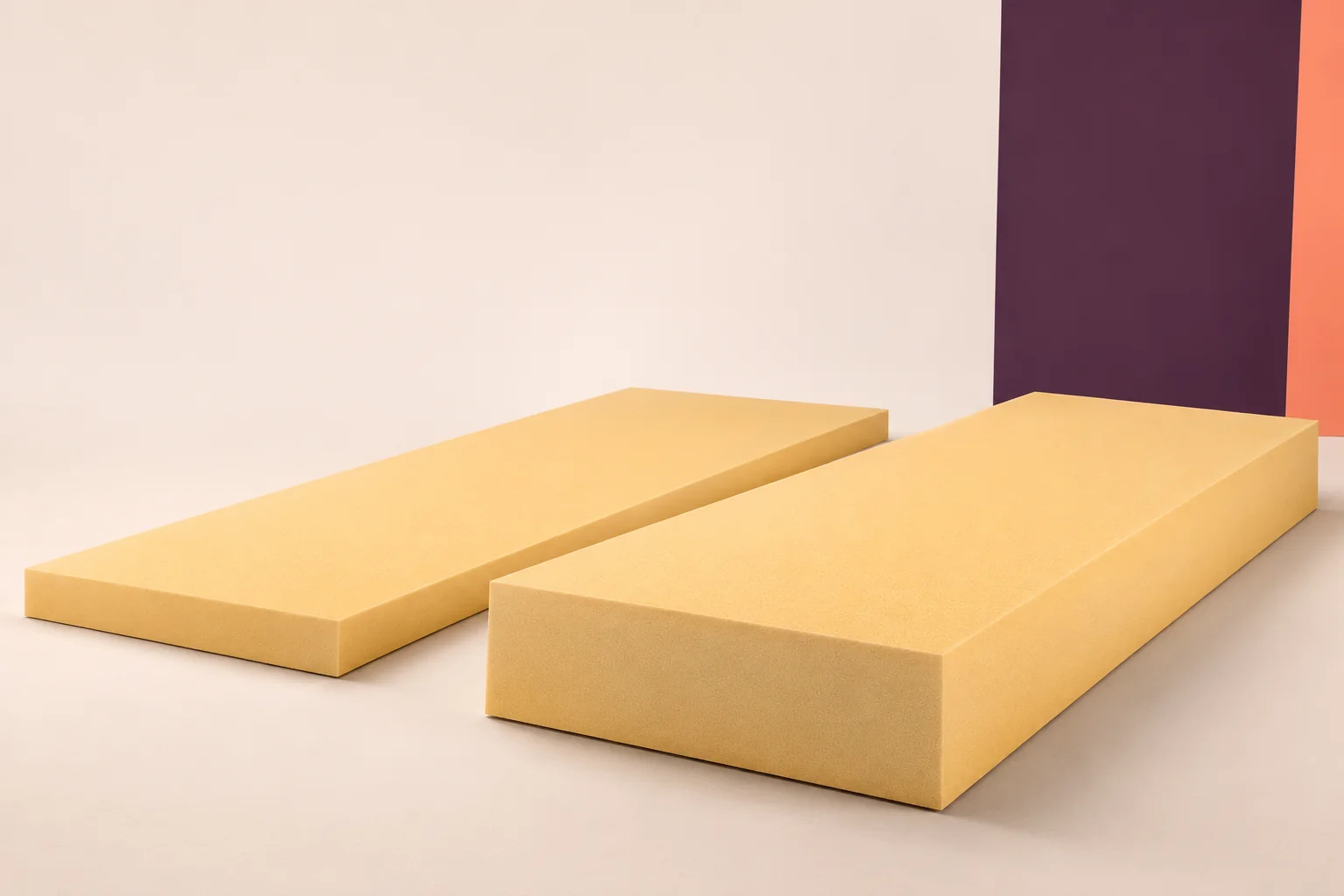
A cold strip along the base of an industrial door can have several causes. Heat can pass through the door leaf, through…
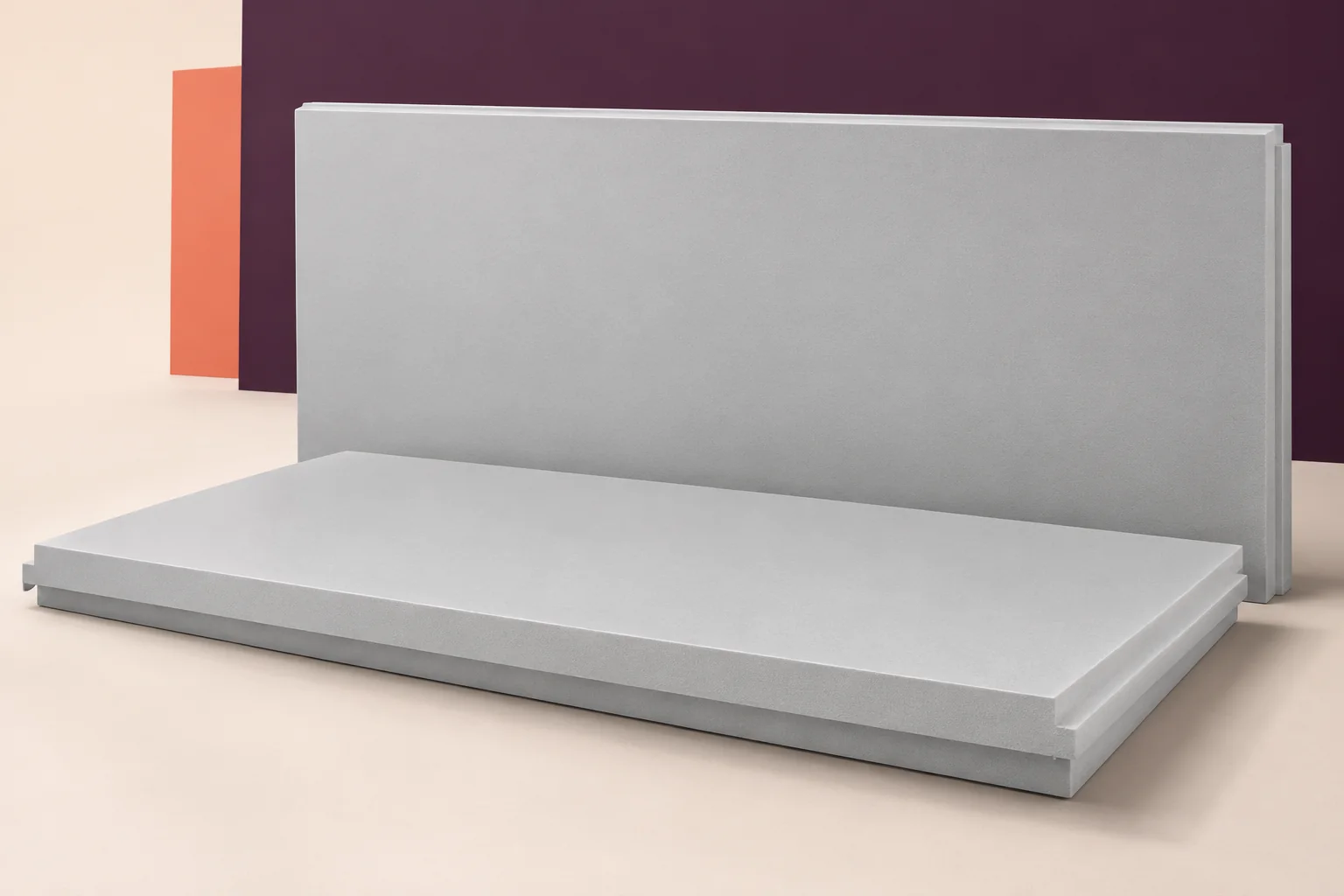
Choosing XPS beneath a warehouse floor starts with two figures from the operating plan: the reaction at a loaded rack foot and…
In an industrial building clad with sandwich panels, XPS can insulate the floor, foundation walls and plinth where the selected grade suits…

Mark the machine feet, rack uprights and transport routes on the workshop plan before choosing underfloor XPS. For each machine, record its…
Measure the depth available at the eaves, roof windows and parapets, then compare insulation products at the thermal resistance your roof needs.…
Different insulation materials can work together in one building element when each solves a specific problem. PIR can keep the build-up thin,…
