Which roof covering suits a holiday cottage?
Roof coverings
For a holiday cottage, start with the months you expect to use it. A building kept cold all winter and one heated for autumn weekends need different roof build-ups to manage moisture. Once the pitch, supports and drainage are known, compare the straight ribs of trapezoidal steel with the courses of tile-effect sheets. Also measure the delivery route. A sheet that reaches from eaves to ridge may be practical on the roof but difficult to carry past trees or along a narrow drive. Include insulation, flashings, transport and access for cleaning when pricing the alternatives.
Will the cottage only be used in warm weather?
An unheated summer cabin has a different indoor climate from a cottage warmed up for a few days in autumn. Intermittent heating can also cause moisture problems. Even a building that stands empty for much of the year needs a roof that can cope with condensation.
Consider future use before ordering the covering. Adding insulation from inside can be difficult if the original layers leave no suitable space or drying path. If longer stays are likely, allow for them in the design. The insulation and the rest of the build-up determine much of the comfort indoors.
What should you check on a lightweight structure?
Check the spacing and condition of the supports and the loads they can carry. Snow and wind act on the cottage throughout the year. Light sheets reduce part of the permanent load but still require secure anchorage. Pay close attention to edges and roof-to-wall connections.
Measure the pitch and establish how rain will drain. Minimum pitch requirements apply even to a small roof. For a shallow slope, choose a system approved for that pitch. The substrate and batten spacing must match the selected covering.
When are T18 or T35 sheets a good fit?
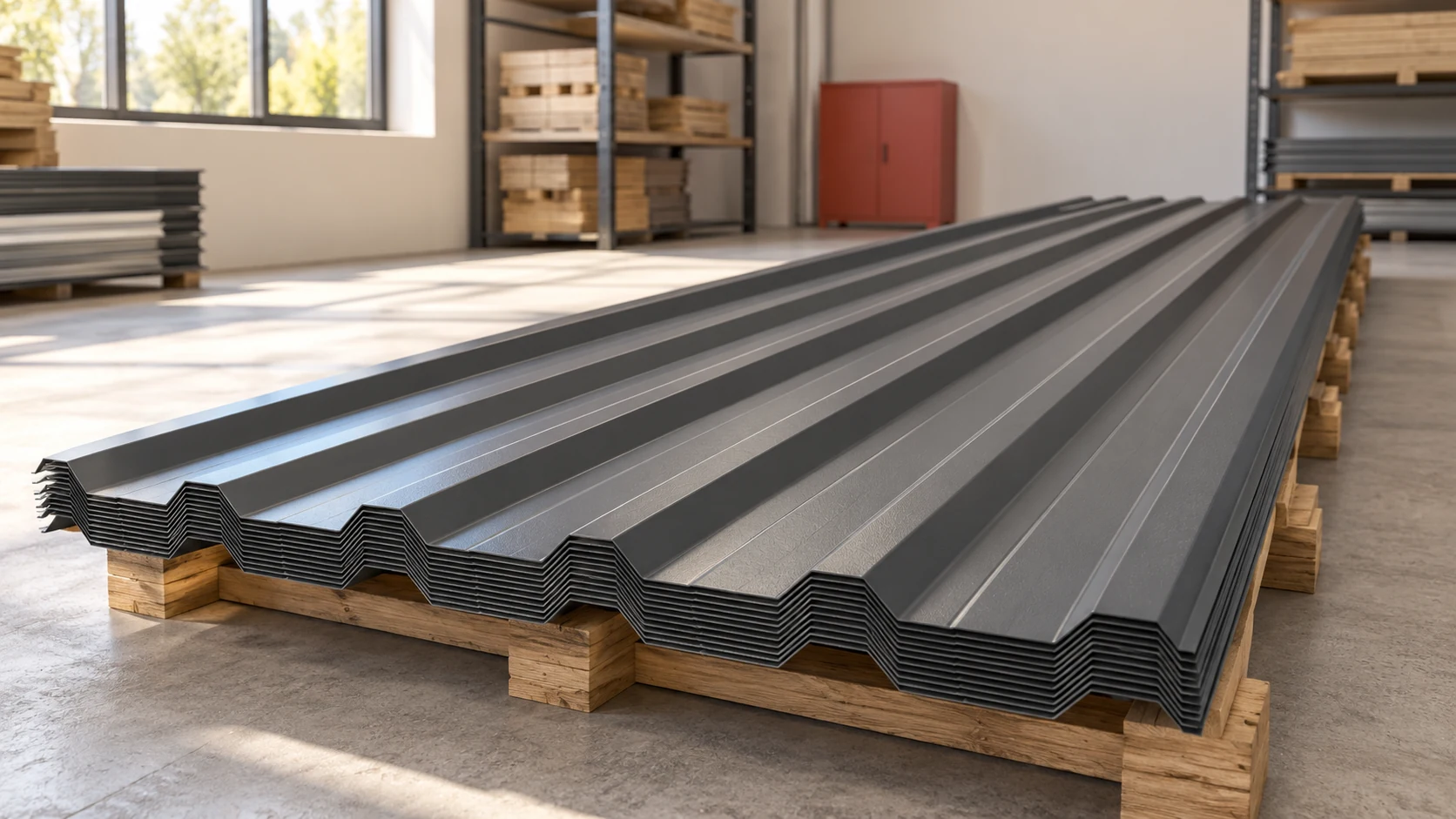
Trapezoidal steel works visually on simple roof forms. T18 has shallower ribs, while T35 produces a more pronounced profile. Check stiffness for the actual steel thickness, span and support arrangement. The size of the cottage alone gives too little information to choose between them.
On a short slope, a single sheet from eaves to ridge can reduce end laps if the product instructions allow it. Check the route to the plot and the space for unloading. A narrow lane, trees or a tight turning area may make shorter formats easier to handle without bending them.
When does tile-effect steel suit a cottage?
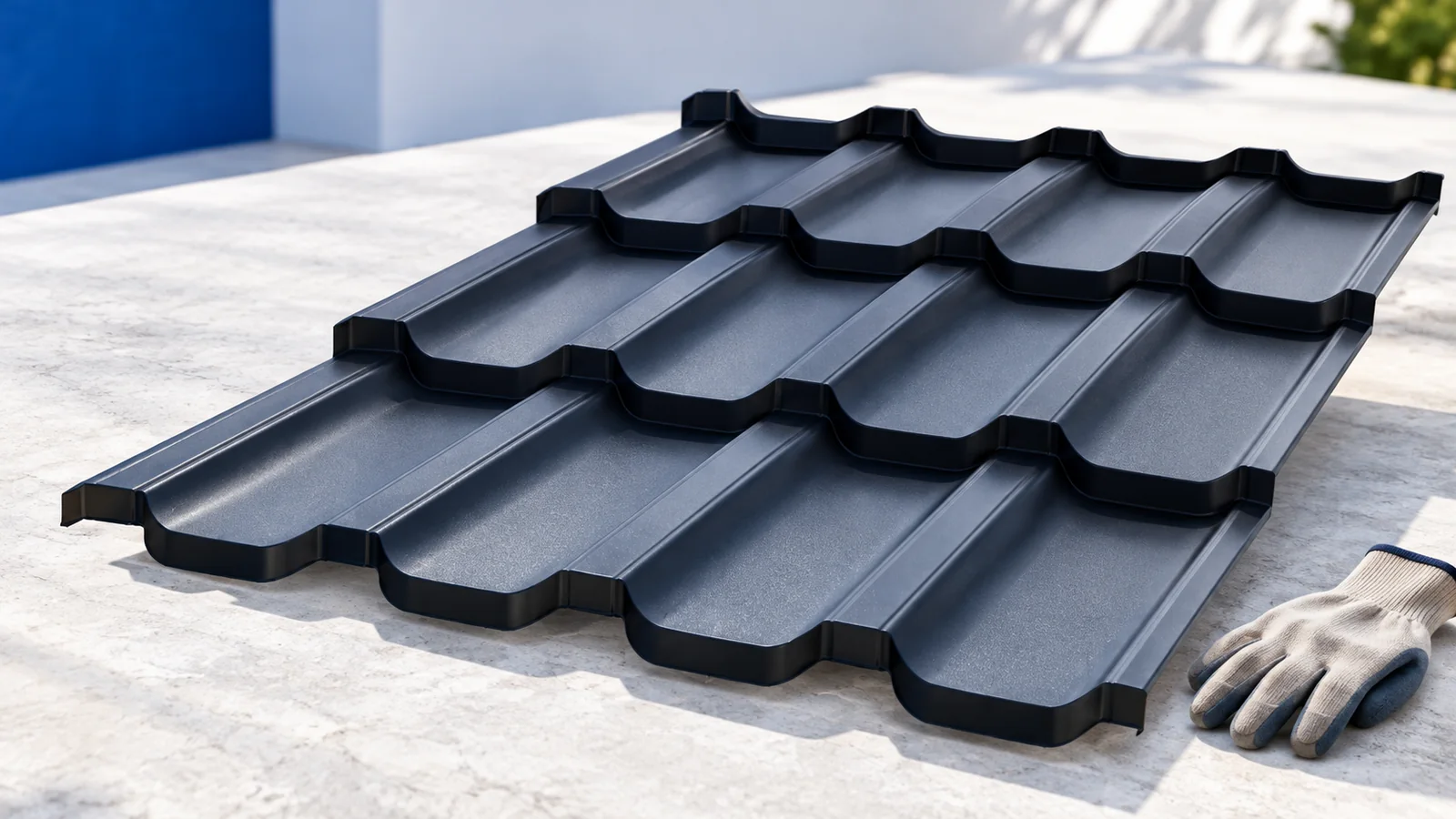
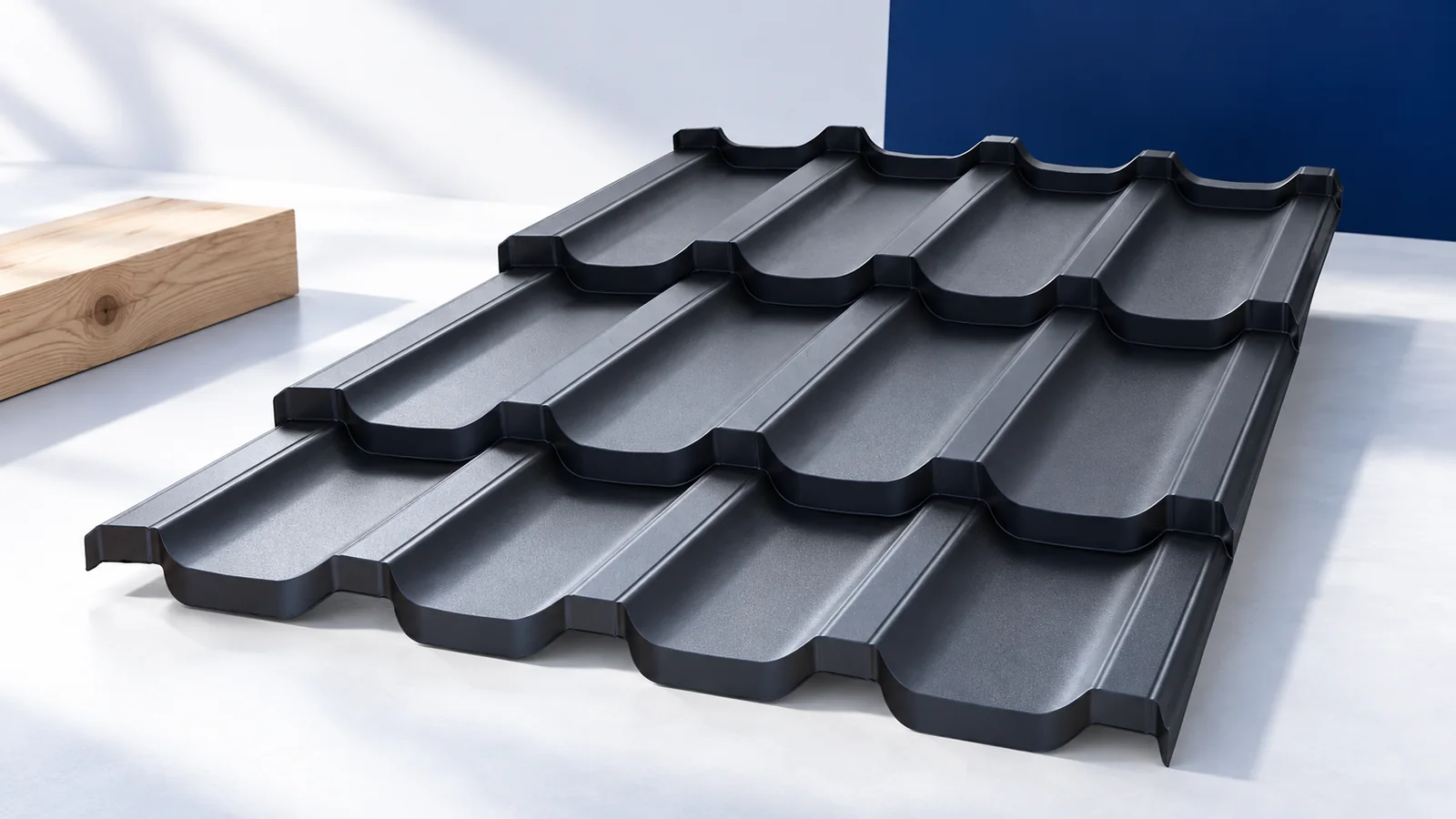
Tile-effect sheets give the roof a pattern familiar from tiled houses. Compare cut-to-length sheets for a simple slope. Modules are easier to manoeuvre in confined spaces or around changes of direction. Check the cutting layout and labour cost for both formats.
Check the specified pitch, batten spacing and accessories. Before using sheets left over from another roof, verify that they fit the system. Eaves, verges and ridge still need finishing. On a small roof these components can account for a sizeable proportion of the price.
How can you limit condensation and summer overheating?
A heated cottage needs insulation, an air seal and moisture protection designed to work together. In an unheated cabin, allow for ventilation and drying. Anti-condensation fleece beneath metal can hold droplets temporarily and release the moisture later when drying conditions allow. Its role differs from that of thermal insulation.
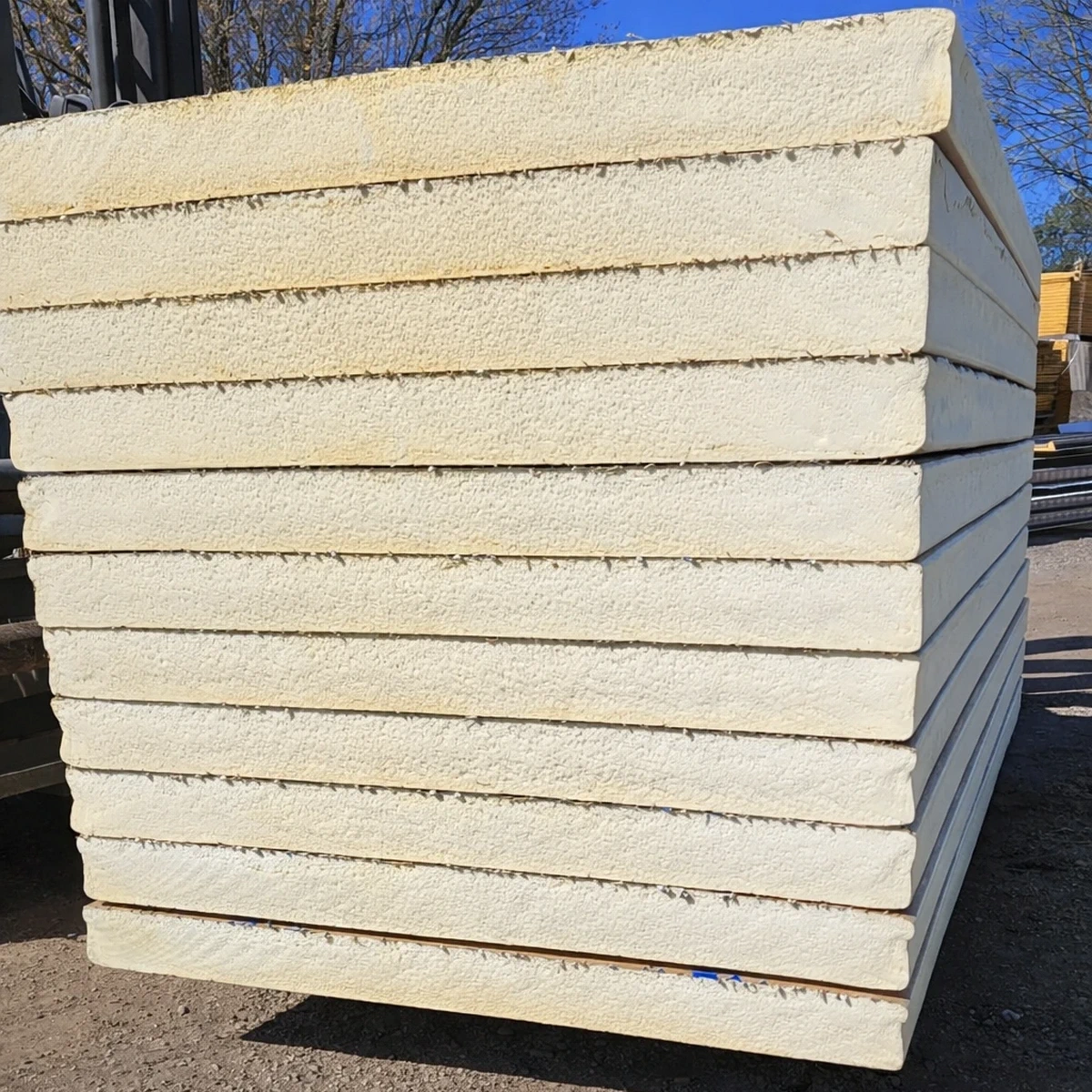
In hot weather, insulation, ventilation and window shading all contribute to comfort. Choose the covering colour as part of the overall design. PIR boards may help where depth is limited, provided the roof assembly and room-side lining are suitable.
How should you plan drainage and maintenance?
Size gutters and downpipes for the area draining into them. Discharge water at the planned location on the plot to avoid eroding the soil beside the building. Near trees, check for leaves and fallen branches. Accumulated debris can block outlets and keep metal surfaces wet.
If the cottage is left unattended for long periods, provide safe access to places that need cleaning or inspection. Check the roof and its surroundings after severe wind before the next stay. A look from the ground can often reveal a displaced fitting before water damage spreads.
How do you choose a roof within budget?
Compare the installed cost, including flashings, drainage, delivery and labour. On a small project, transport and the installer’s travel can be a substantial share. Include all required layers and suitable screws in the estimate. A leak during a long absence can damage much of the interior.
A simple roof form usually makes installation and servicing easier. Shortlist T18, T35 and tile-effect sheets according to the structure, surrounding architecture and planned use. The final choice should also allow for access during construction and the way you will check the roof after the season.

Free quote
What to include in your enquiry
Tell us how you plan to use the material, the dimensions and the quantity you need. Include the thickness, grade or variant name, along with the delivery town or your preferred collection branch. For a specific product, add its name or a link to the product page. We will reply to the email address you provide to discuss availability and the terms of your order.
Read next
After a grandstand canopy is handed over, the operator needs records that identify the installed sheets, explain the details and support maintenance.…
A factory-applied fleece on the underside of trapezoidal steel sheeting can temporarily hold condensation and may affect how the roof sounds. For…
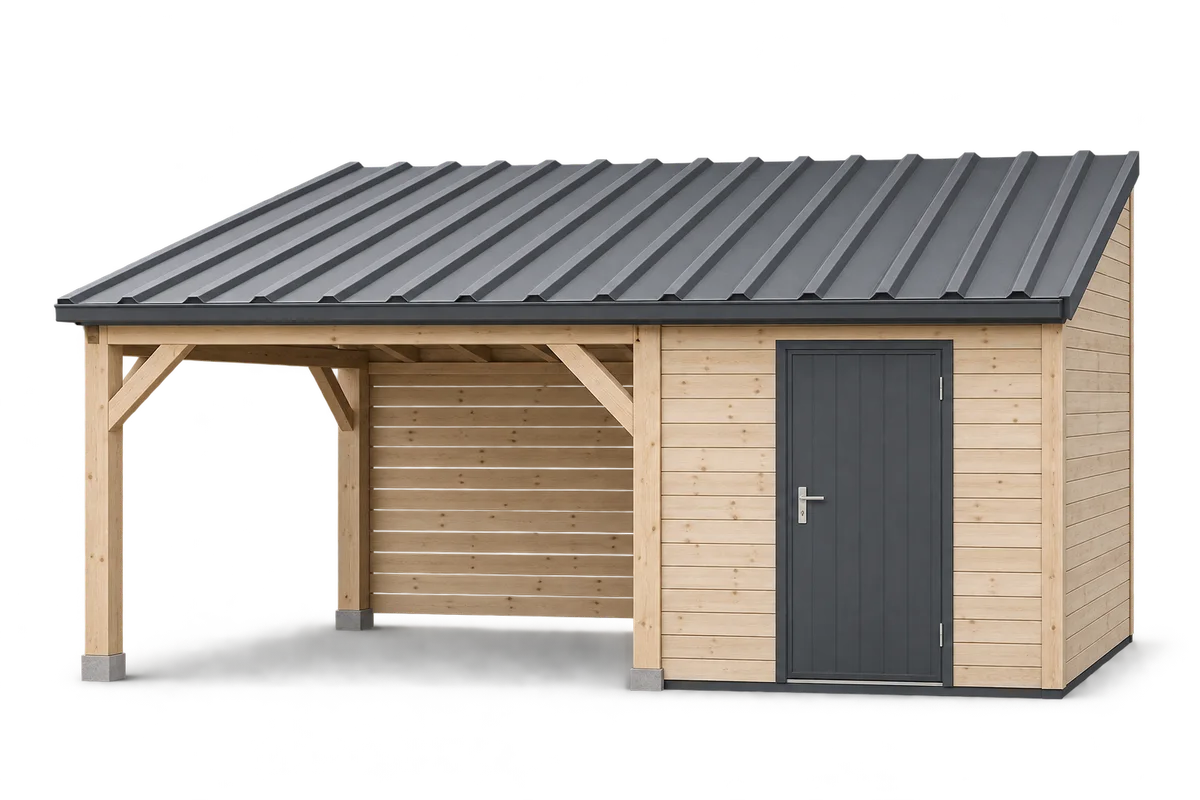
A store beside a carport used by several people is best planned around activities that may happen at the same time. One…
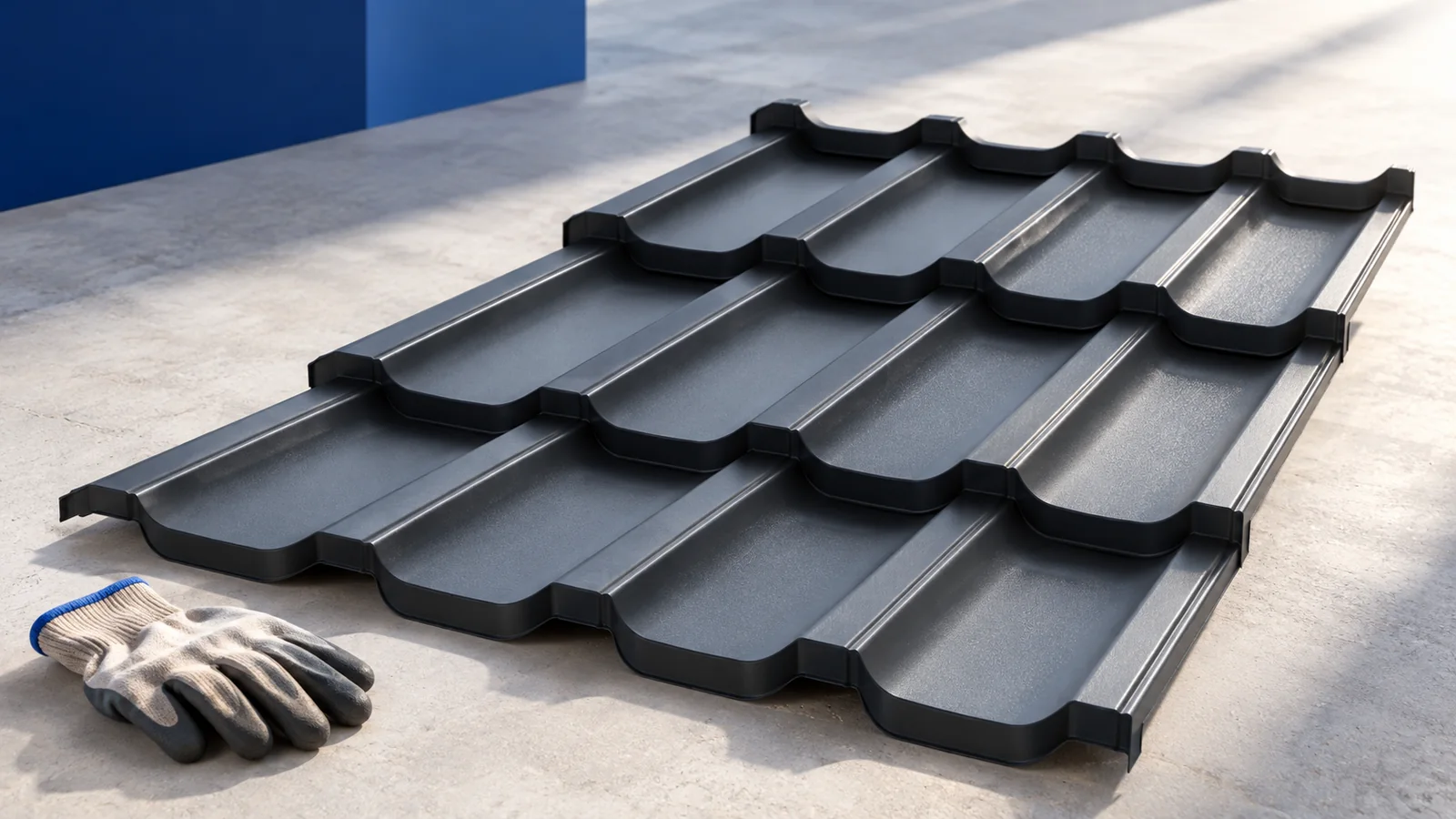
Price the roof you need, not just the sheet you can buy most cheaply. An open terrace may need little more than…
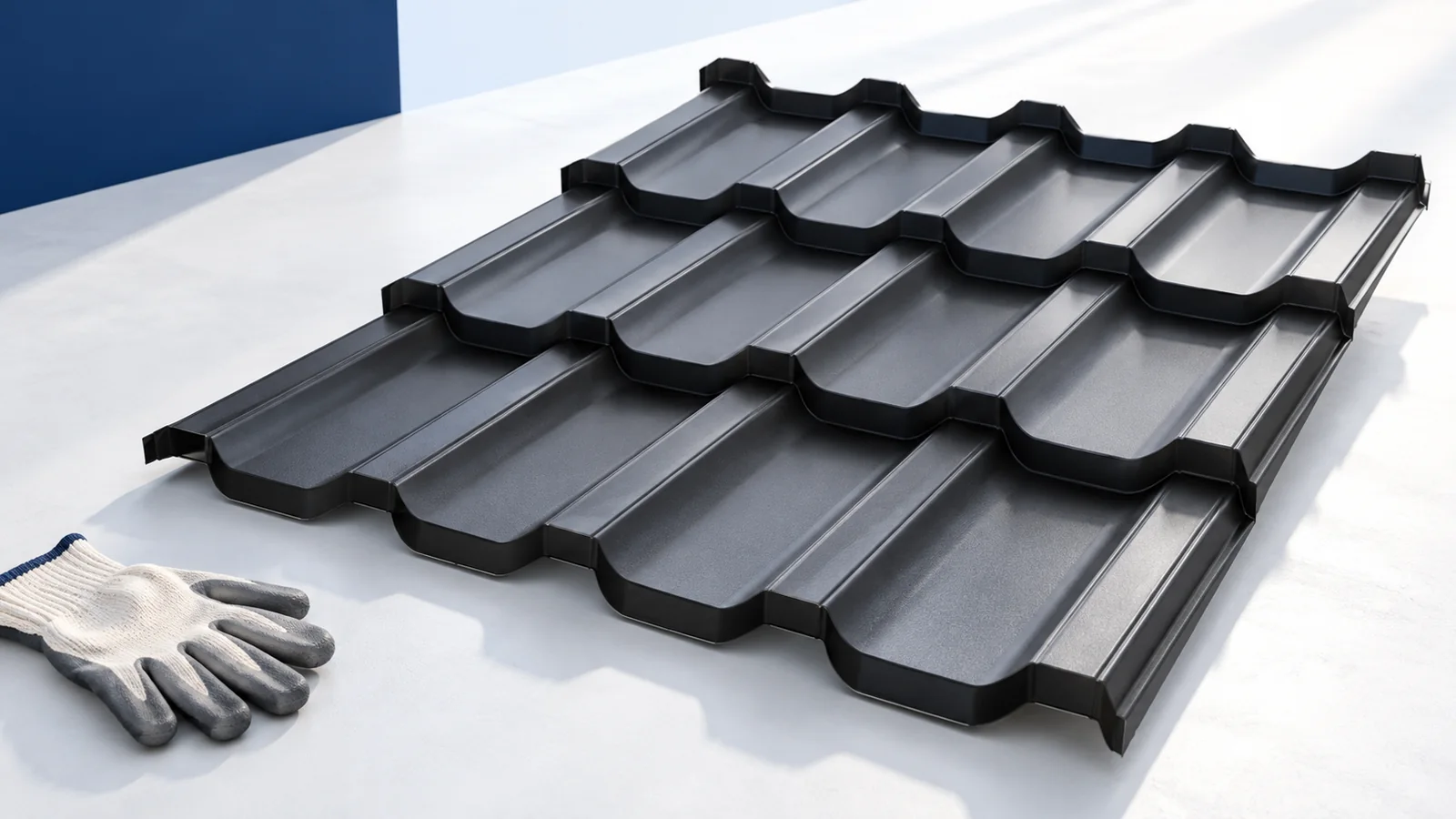
Before specifying a roof vent, trace the intended air path in section. If the space beneath the sheets is ventilated, air needs…
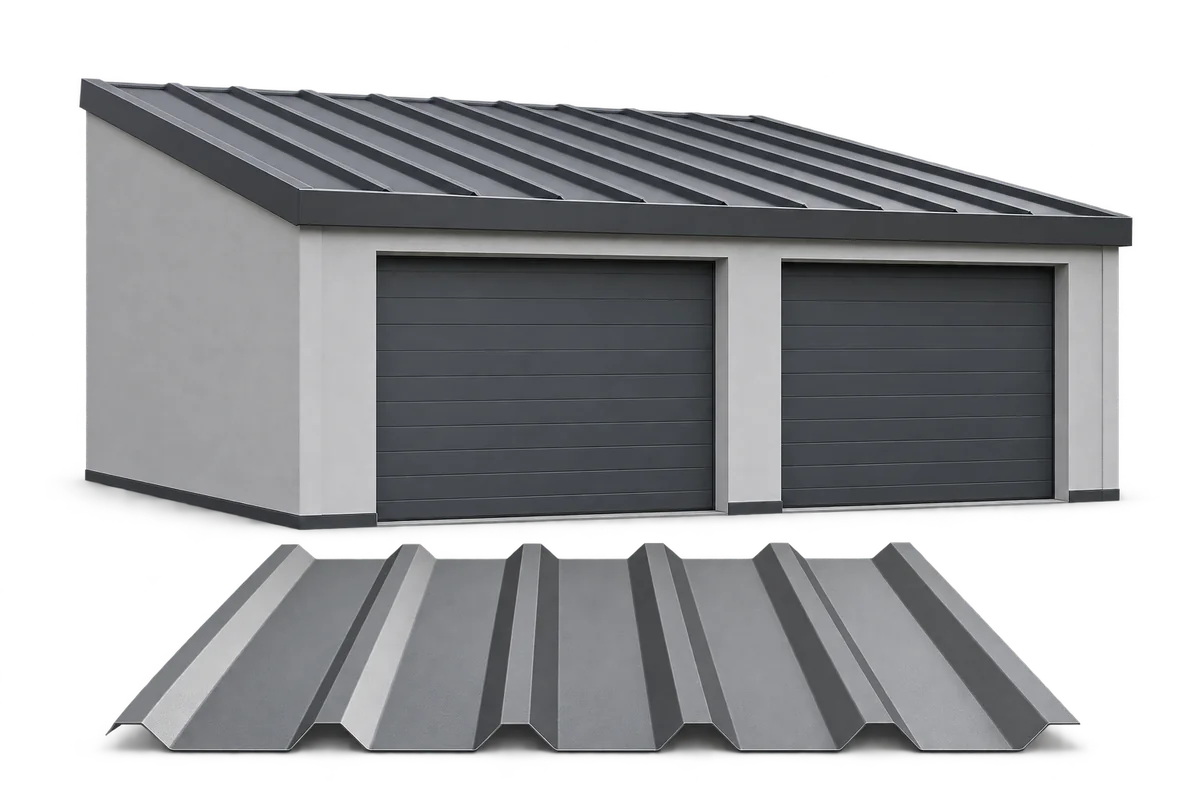
Trapezoidal steel sheets can cover a garage roof, clad its walls or screen the side of a carport. Choose the coating and…
A price per square metre is not enough to select trapezoidal steel sheet. Comparable offers identify the profile, thickness, coating, dimensions and…
Mark the pitch, valleys and sheet lengths on a roof plan before comparing finishes. Tile-effect sheets reproduce the rhythm of courses of…