






Insulation over time: purchase, upkeep and future replacement costs
PIR insulation
Assessing insulation costs need not stop at the installation invoice or a simple payback figure. Comparing solutions can also involve how the complete building element will be maintained, access for repairs and expected expenditure over a chosen period of use. This does not mean assuming that every insulation board will be replaced on a fixed timetable. This guide proposes an orderly comparison: use a common study period, distinguish the service lives of different layers and make uncertain costs explicit. It also separates the purchase price from the cost of the complete solution. It gives no universal material lifespan or savings promise; decisions need the selected system’s documentation and the actual building conditions.
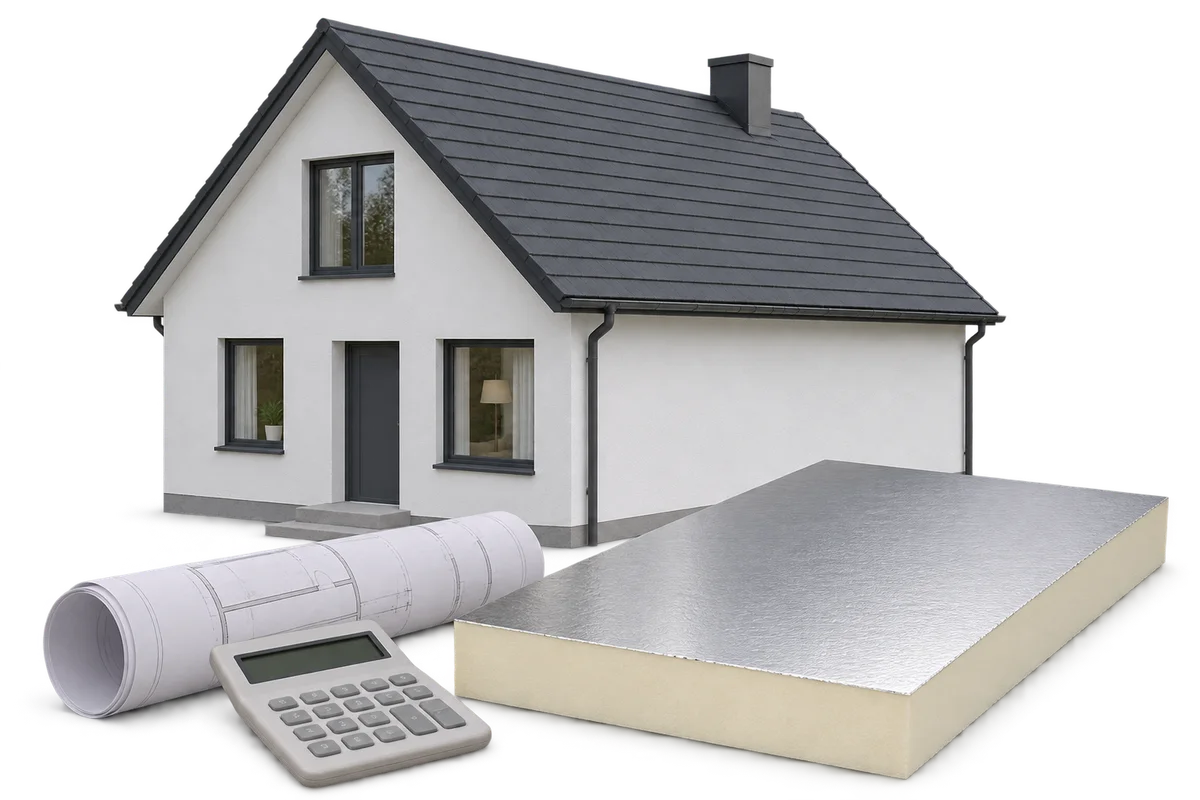
In this guide
Choose a common comparison period
First define the decision: buying material, renovating a building element or choosing how it will be managed over the coming years. Otherwise, the price of boards alone can be mistaken for an alternative’s complete installation and upkeep cost.
A life-cycle cost comparison needs the same study period for every option. Record its start and end dates and why they were chosen. An owner expecting to use the building for many years may adopt a different horizon from someone considering a shorter investment plan. If this assumption changes, recalculate every solution rather than only one of them.
Separate insulation from the other layers
List the building element’s layers and components separately. Insulation, covering, seals, flashings and fixings are not a single item with an automatically shared service life. Identify the document setting out upkeep requirements for each component. Where information is missing, leave a question for the designer or supplier rather than assigning a lifespan from the material name alone.
For each anticipated upkeep task, record the work and the basis for including it. “Façade maintenance” is too vague for comparing quotations. Distinguish inspection, cleaning, local repair and renewal of the outer finish where the chosen solution calls for them. Any proposed frequency needs a basis appropriate to that particular system.
Record inspection and upkeep arrangements
Discuss upkeep arrangements while choosing the solution, before all details are covered. Ask which components require periodic checks and how they can be inspected. Mark available access routes and locations needing a separate access method on the drawing. These are planning questions, not instructions for carrying out work at height yourself.
A future repair may involve more than the material used at the damaged spot. Provide separate working-table fields for travel, access, protection, removal and reinstatement where needed. Do not add these items again if they are already included in a lump sum. Link each amount to a description of its scope, rather than only to a task name.
Account for access during future work
When one layer is replaced, ask what happens to the adjacent layers. Keeping existing insulation should depend on its assessed condition and compatibility with the proposed solution, not on an assumption made to simplify a calculation. The table can show two explicit scenarios: retention following a satisfactory assessment, or a replacement scope requiring further investigation.
Label future work dates as assumptions unless they come from a confirmed schedule. Keep planned tasks separate from failures whose occurrence and cost are unknown. Assigning an exact day to every item many years ahead creates an appearance of precision without evidence. With uncertain information, explaining the reason and extent of uncertainty is more useful.
Make future expenditure and uncertainty visible
Simple payback does not describe the full pattern of future costs. Two proposals can have a similar payback figure but different requirements for later work. Keep an expenditure timeline alongside that indicator. If a present-value analysis is prepared, its author should state how future amounts are converted; do not mix results calculated using different assumptions.
The end of the comparison period need not coincide with the end of the building element’s useful life. If the analysis includes a residual value, ask how it was determined and whether the method was applied consistently to every option. Do not equate that calculated value with a guaranteed building sale price or money that will certainly be repaid to the owner.
Compare complete solutions
Before choosing, check each option’s completeness in the same order: installation, operation, upkeep and any work at the end of the study period. A blank field should mean “information missing” or “not applicable”, with a reason. It must not silently become a zero cost. This prevents a lower total from being merely the result of omitting an inconvenient item.
After installation, add actual events to the record: inspection dates, repair scope and supporting cost documents. Also retain findings where an inspection resulted in no work being recommended. This creates an upkeep history for the particular building element and supports later decisions. It is not a universal price list or proof of the lifespan of every product in the same family.

Free quote
What to include in your enquiry
Tell us how you plan to use the material, the dimensions and the quantity you need. Include the thickness, grade or variant name, along with the delivery town or your preferred collection branch. For a specific product, add its name or a link to the product page. We will reply to the email address you provide to discuss availability and the terms of your order.
Read next
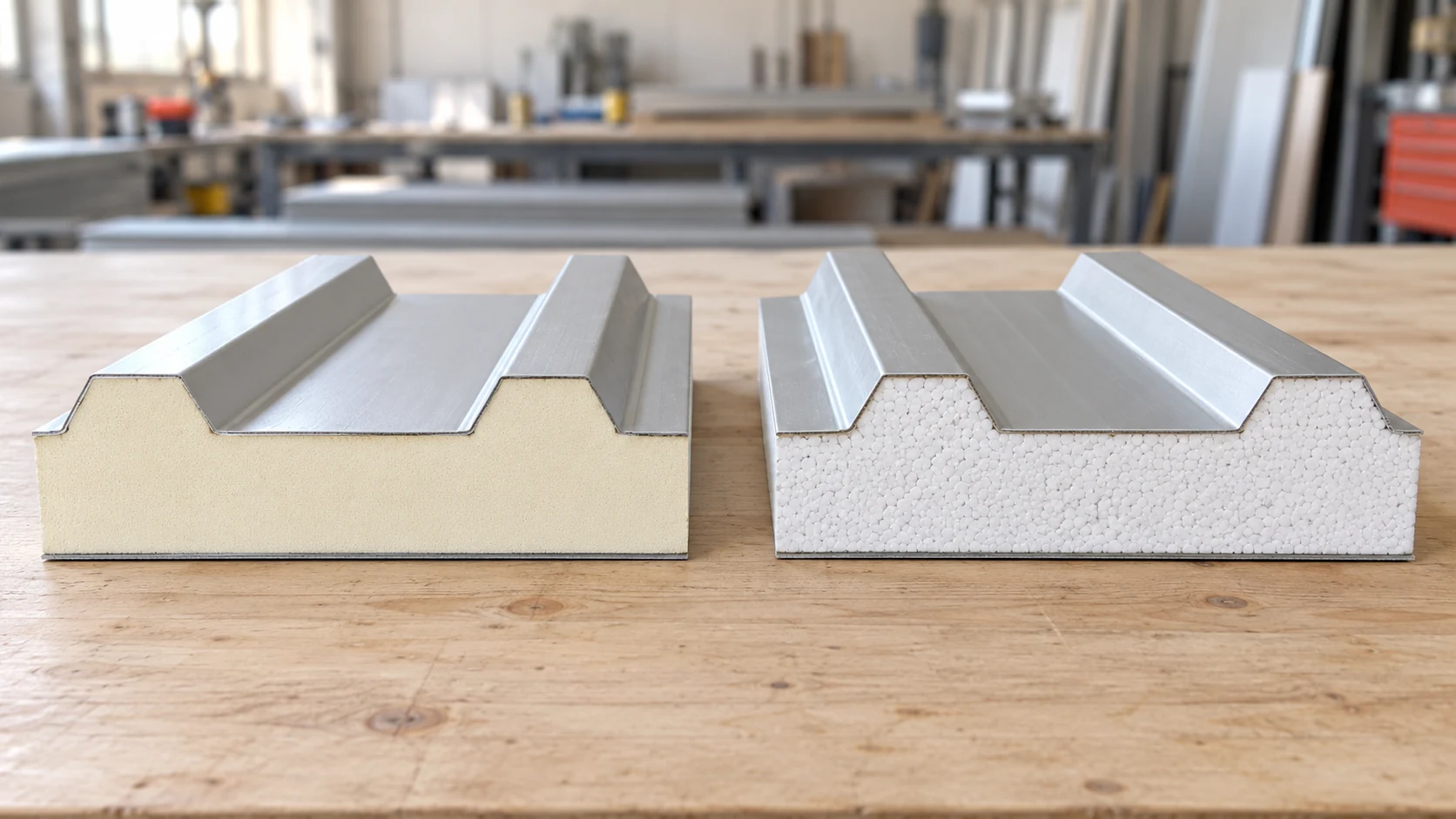
Compare PIR and EPS roof panels against the same design brief. Set the required U-value, loads, fire performance and exposure conditions, then…
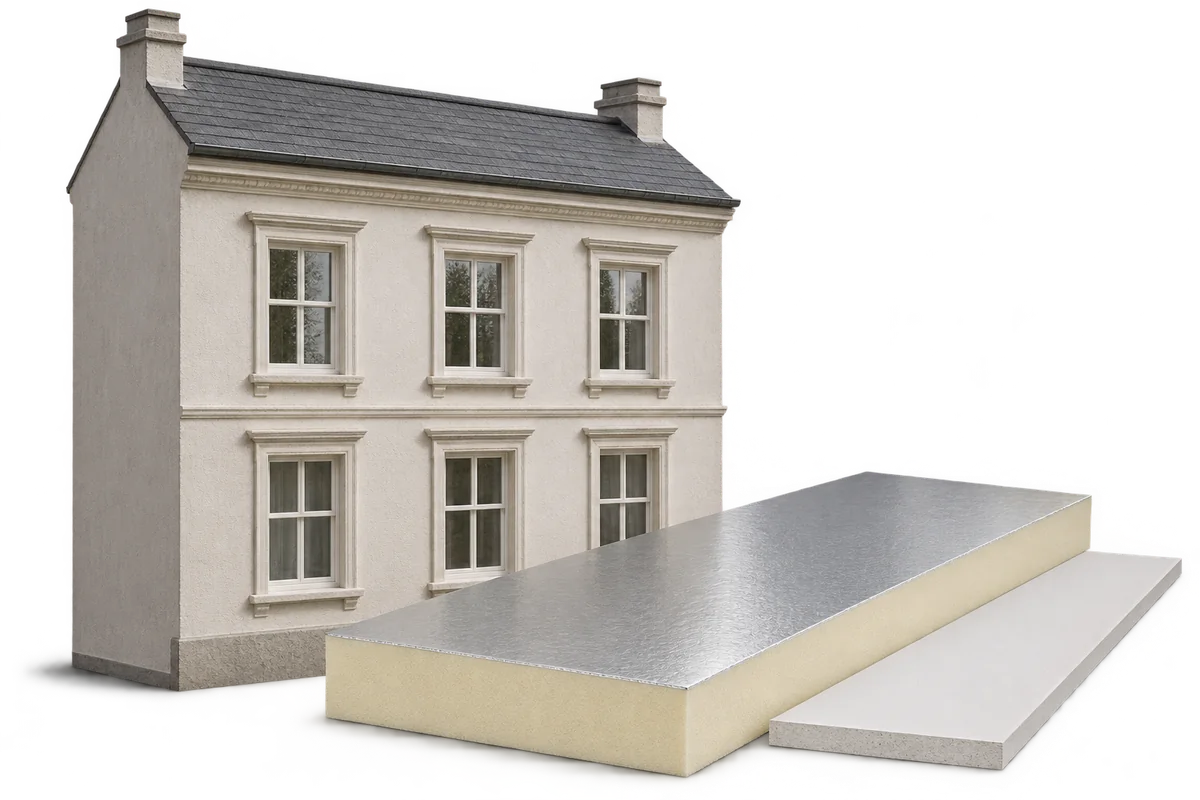
Before choosing insulation or finishes for a historic building, establish which features give it its character, what condition it is in and…
The withdrawal of a sprout suppressant formerly used in potato stores changed storage practices. Residues in older buildings need separate assessment even…
An environmental product declaration, or EPD, provides environmental impact data for the product it describes, but it is not a simple insulation…
Glass-reinforced resin can form the inner facing of a PIR panel. It changes how that side of the enclosure is protected and…
PIR insulation can reduce heat loss through the treated building element, but it does not set the heating controls for you. After…
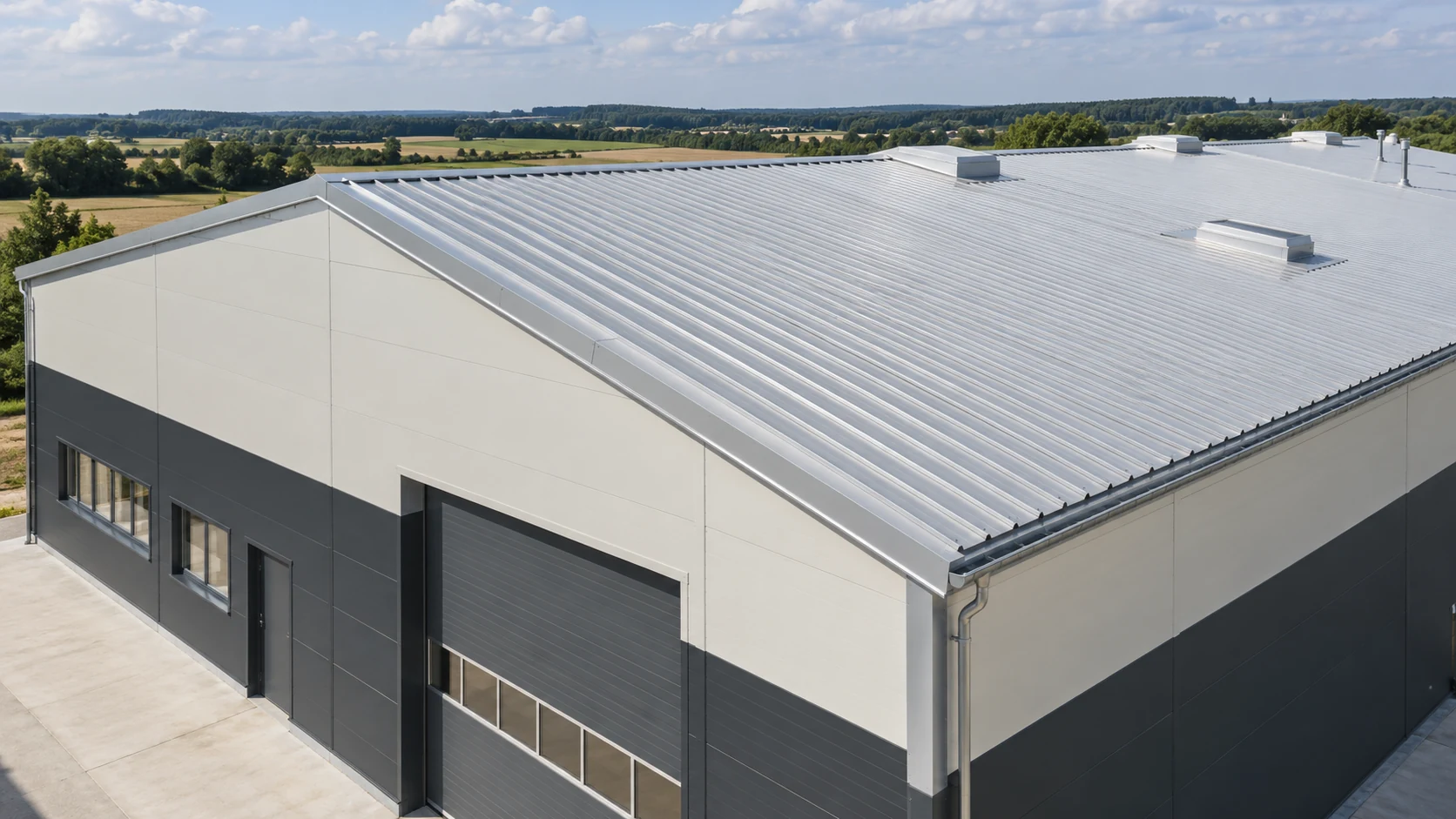
Start with the fire requirements in the building design and the function the roof must perform. A PIR roof panel can meet…
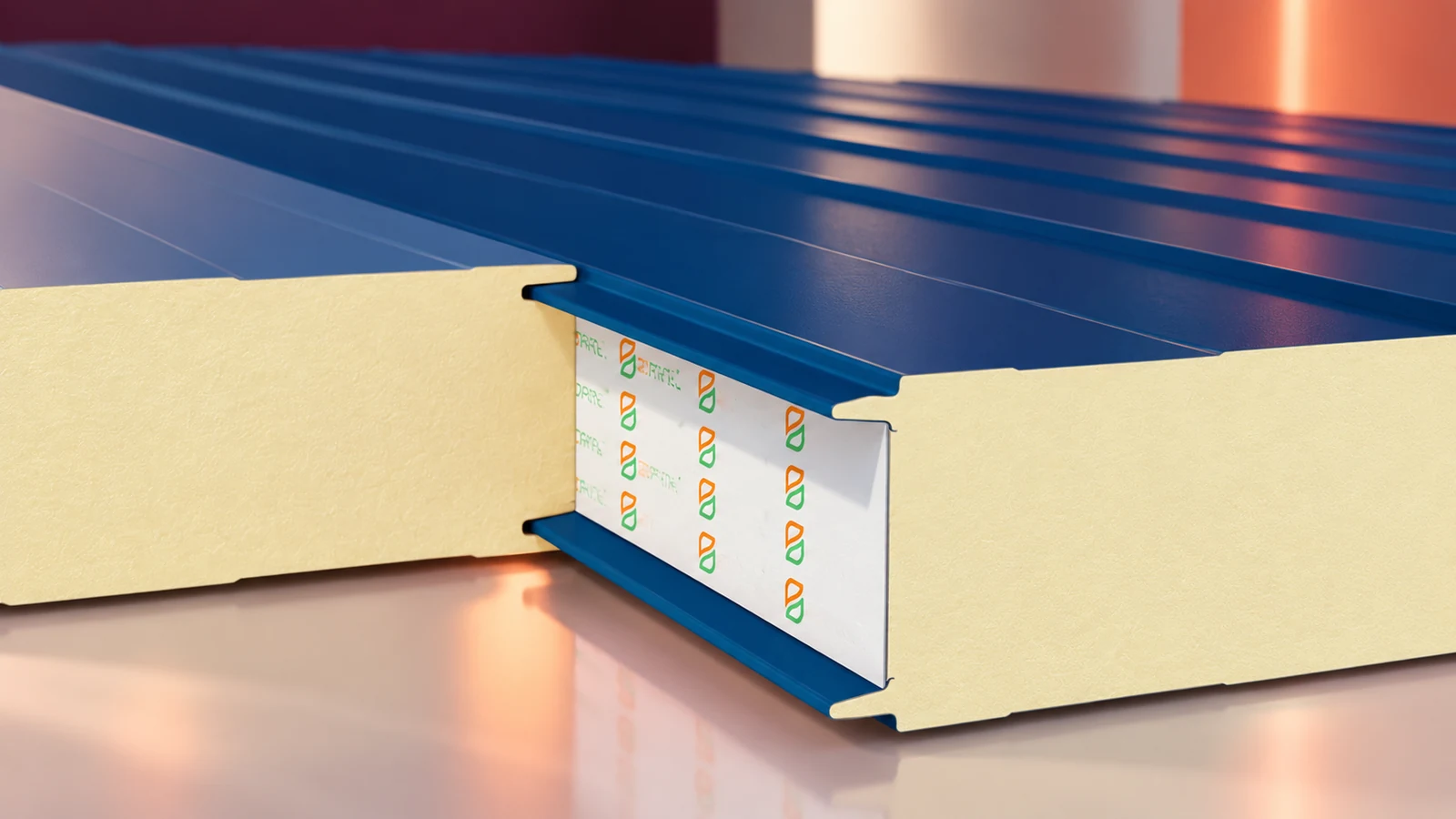
PIR sandwich panels are factory-bonded elements with an insulating core and metal facings. They are made for walls, roofs and specialist enclosures…
