PIR, EPS, XPS and mineral wool EPDs: preparing a meaningful environmental comparison
PIR insulation
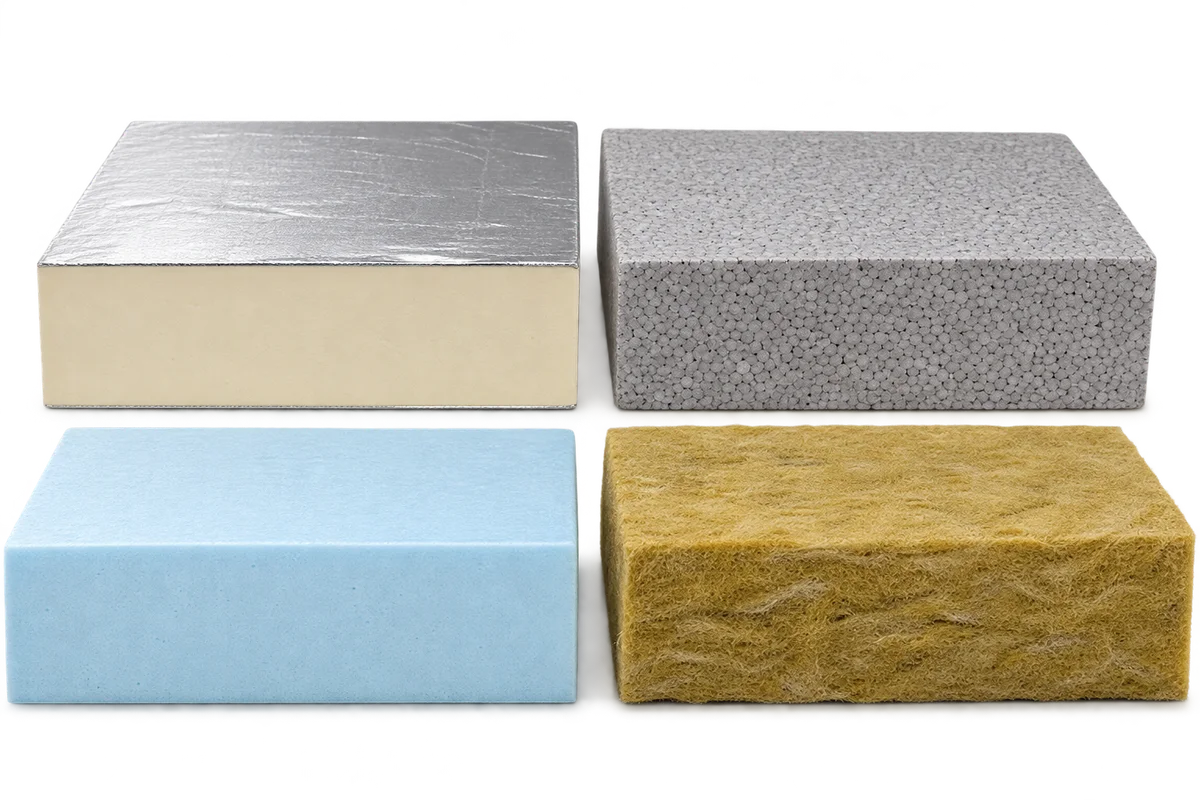
An environmental product declaration, or EPD, provides environmental impact data for the product it describes, but it is not a simple insulation ranking. Comparing PIR, EPS, XPS and mineral wool requires attention to document coverage, reference units, life-cycle stages and the material’s role in the building. The lowest number copied from a table does not establish a better solution. This guide explains how to organise information before passing it to the person assessing a project’s environmental performance. It separates product identification, technical selection and interpretation of indicators, and helps identify gaps that prevent comparison. It does not favour one insulation family universally or promise emissions savings without calculations for a defined scope.
In this guide
Match the declaration to the offered product
A comparison needs the complete declaration, not merely an EPD logo in a catalogue.
Record the declaration number, revision and validity period. Check whether it covers the offered variant and the relevant factory where production sites are distinguished. A group declaration should not be described as an individual measurement of every delivered board.
Record the function to be compared
First establish what the insulation must achieve in the project. Material quantities should not be compared independently of required performance. An option that fails the technical requirements does not become equivalent because one environmental indicator looks favourable.
List the materials and operations that differ between complete solutions. Insulation works with other building components. Agree the assessment boundary with the person performing the calculations so that omitted items do not appear to determine the outcome.
Align units without guessing
Read the unit underlying the tables. One cubic metre, one square metre at a specified thickness and a unit defined by a required function are not automatically the same basis. Retain the input and the conversion rule for every calculation.
Do not scale another variant’s data solely by thickness unless the declaration supports that method. Facing, composition and coverage can matter. If the appropriate rule is missing, raise a query with the data provider rather than concealing an assumption in the result.
Compare matching stages and indicators
Record the indicator name, unit and included modules. A manufacturing-stage value does not automatically include transport, installation and end of life. Do not compare it with a broader total while presenting both as the product’s complete impact.
Check the methodological basis of the documents and the meaning of blanks and abbreviations. An undeclared stage is not evidence of zero impact. If scopes remain different, report the limitation instead of inserting zeros to simplify the spreadsheet.
Separate scenarios from project facts
Keep transport or end-of-life assumptions with the results that depend on them. A declaration’s scenario does not establish what will happen on a particular project. Collect available project data and label the remaining inputs as assumptions.
Use a consistent scope and explain differences between options. Do not select a more favourable scenario for only one material. Show the effect of changed assumptions separately so readers can distinguish product data from a modelling choice.
State the conclusion with its limitations
State which solutions, scope and indicator the conclusion concerns. A result for one impact category should not become a claim of overall environmental superiority. An EPD informs assessment; it is not a universal verdict on the best material for every building.
Keep the declarations with the comparison and its date. If the ordered product changes, check its assigned environmental data too. Replacing only a spreadsheet label can leave values for the previous product behind, producing a precise-looking but inappropriate result.

Free quote
What to include in your enquiry
Tell us how you plan to use the material, the dimensions and the quantity you need. Include the thickness, grade or variant name, along with the delivery town or your preferred collection branch. For a specific product, add its name or a link to the product page. We will reply to the email address you provide to discuss availability and the terms of your order.
Read next

PIR insulation boards reduce heat flow through roofs, walls and floors. They have a rigid polyisocyanurate foam core but vary in their…
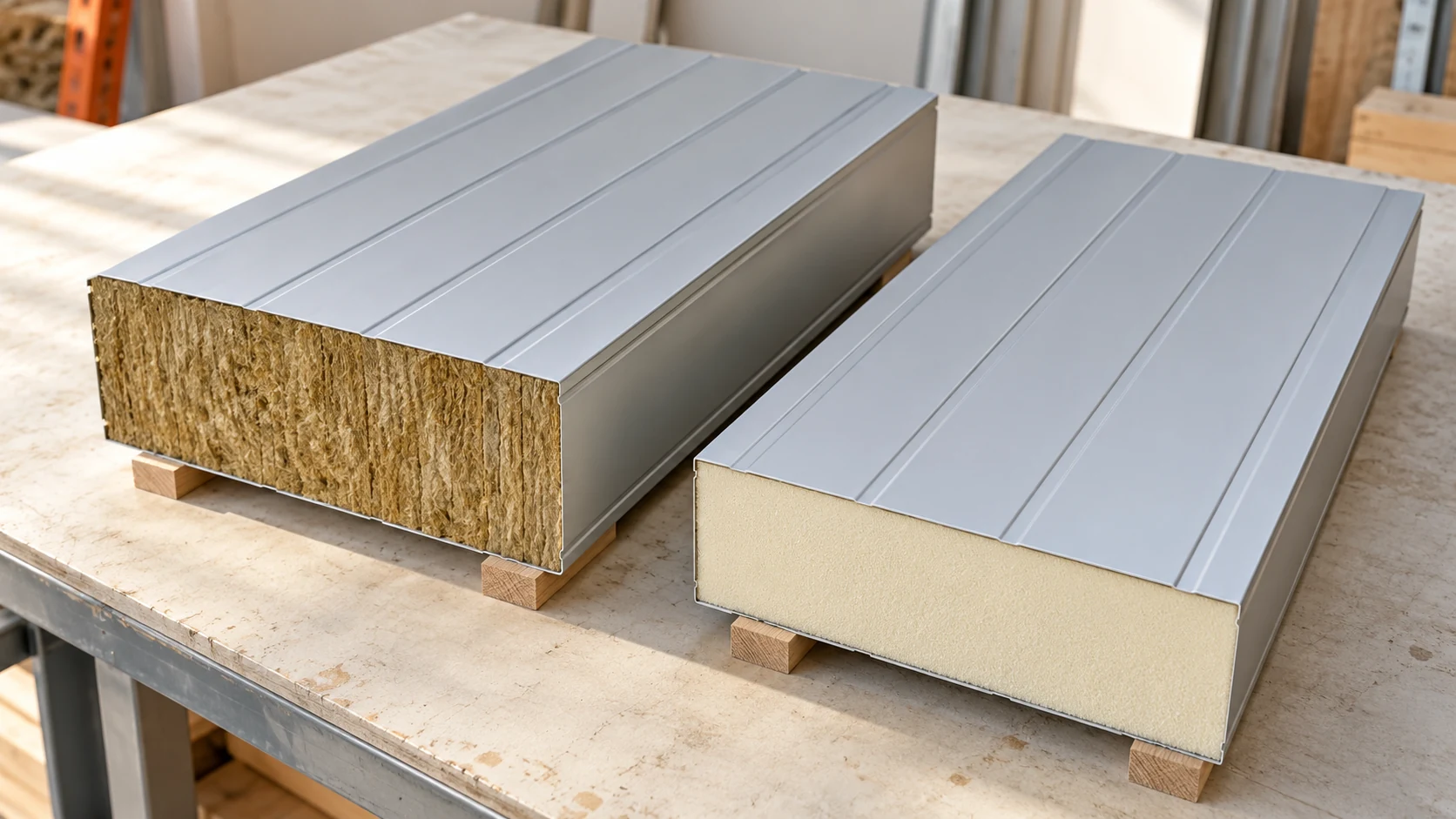
Choose the core for the job the wall or roof must do. Mineral wool and PIR offer different combinations of insulation, weight…

An unheated warehouse wall and the envelope of a continuously heated office face different conditions. In a workshop, the time doors stand…
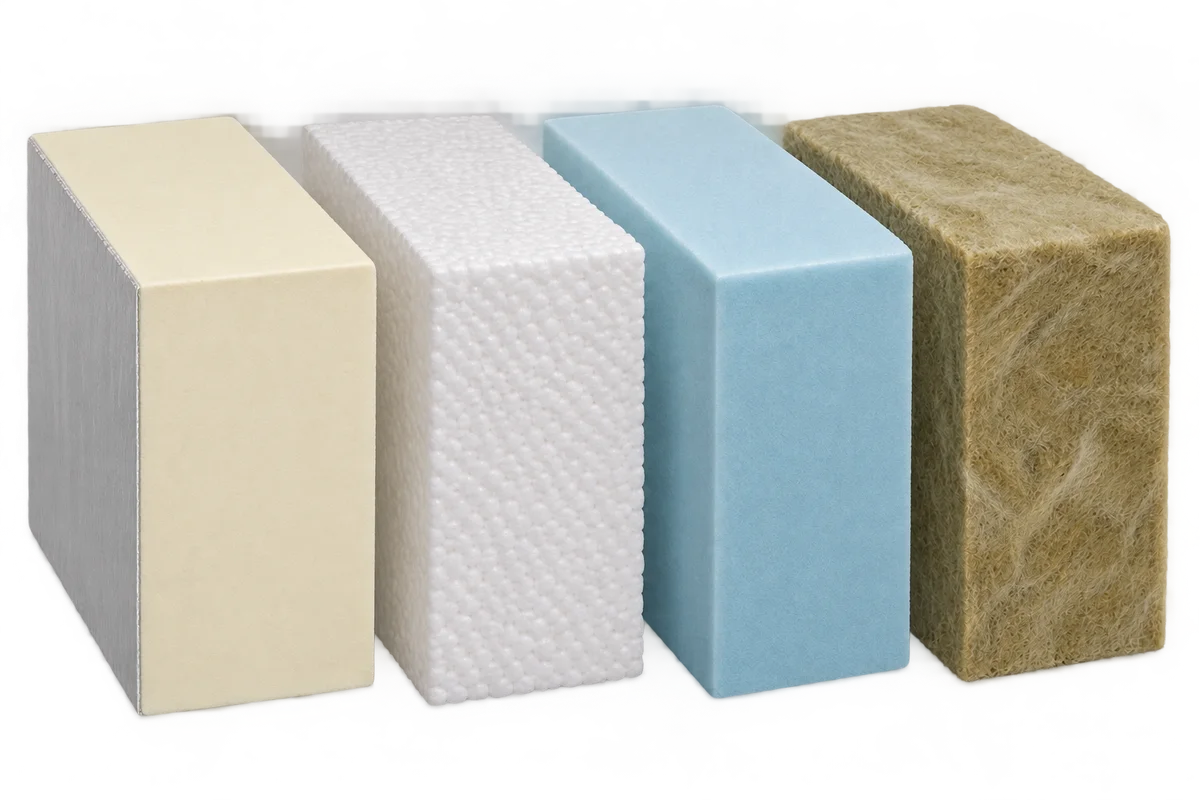
Different insulation materials can work together in one building element when each solves a specific problem. PIR can keep the build-up thin,…
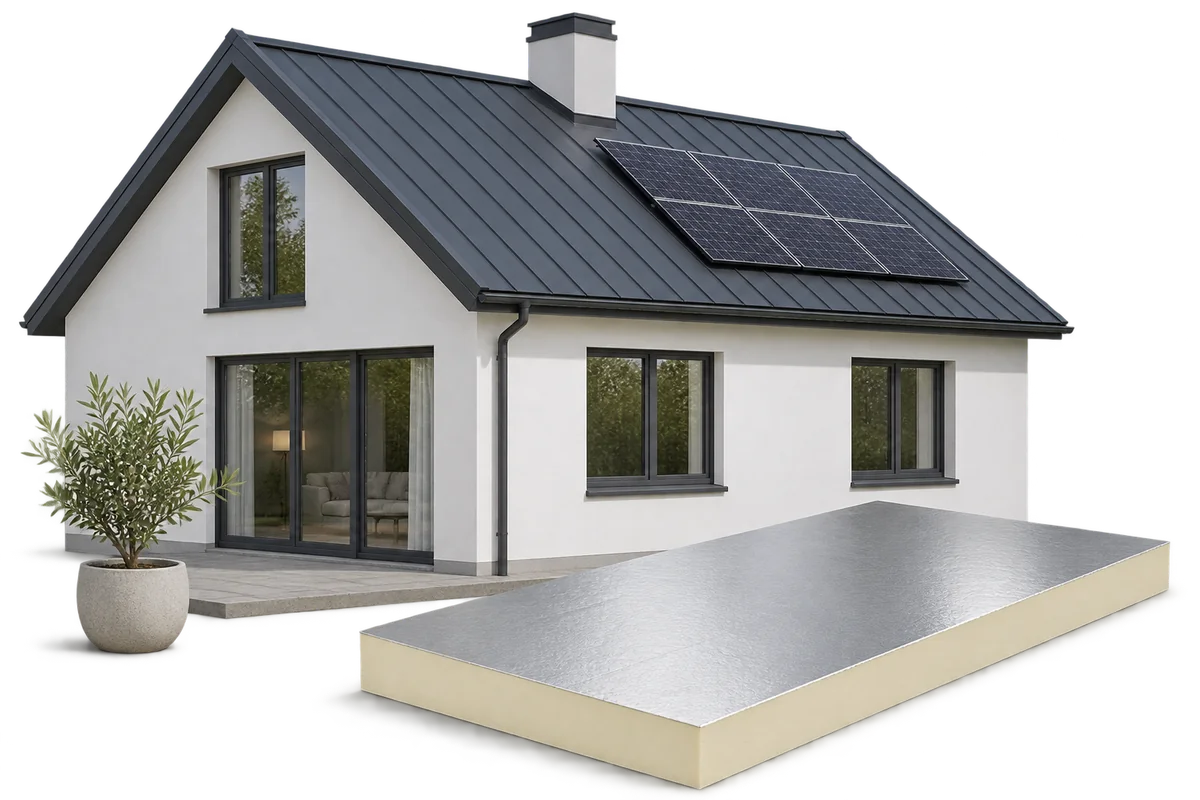
A home can use little energy in operation and still have significant environmental impacts from its materials, maintenance or replacement work. Reducing…
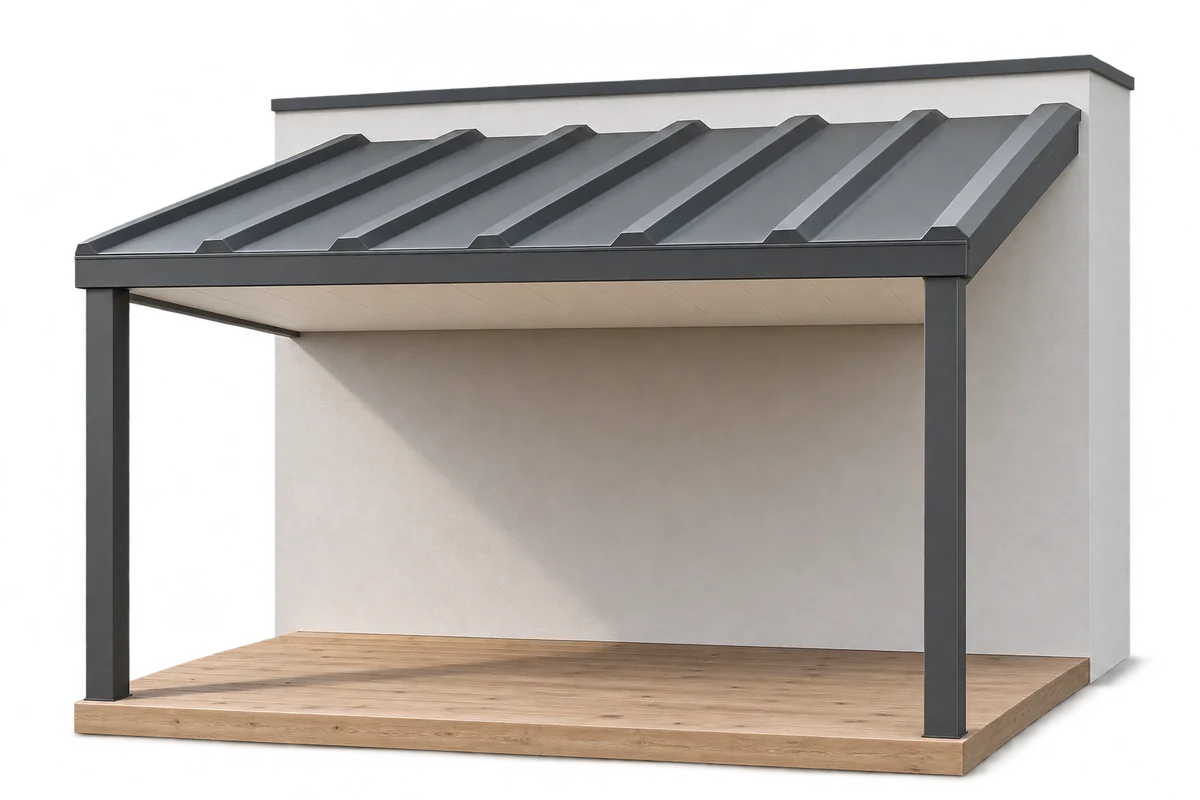
A canopy shelters the people on a terrace from rain and sun. If there is a heated room below, the terrace floor…
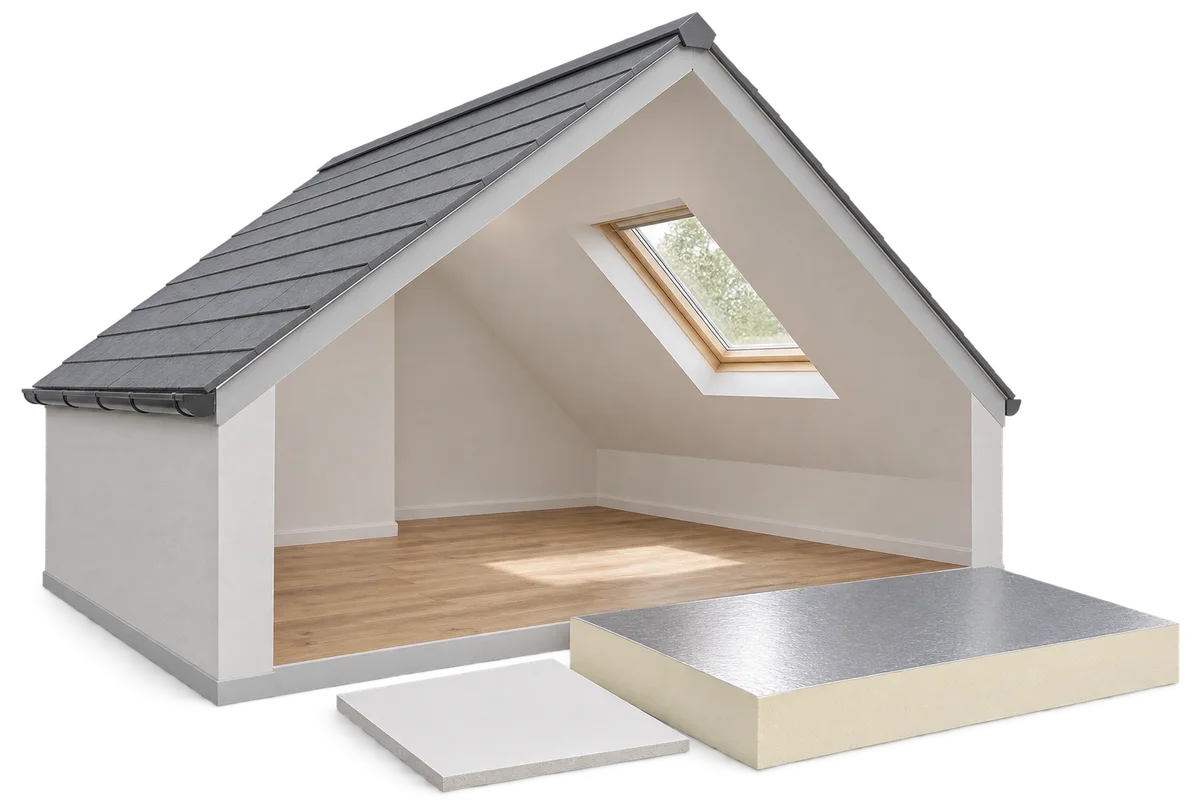
A loft fit-out starts well before the first plasterboard goes up. Inspect the roof, plan the insulation and establish how the layers…

Insulating a loft from the inside can make it more comfortable without taking the roof covering off. PIR bonded to plasterboard provides…