






How to match thermal conductivity in a Polish specification to an overseas insulation quotation
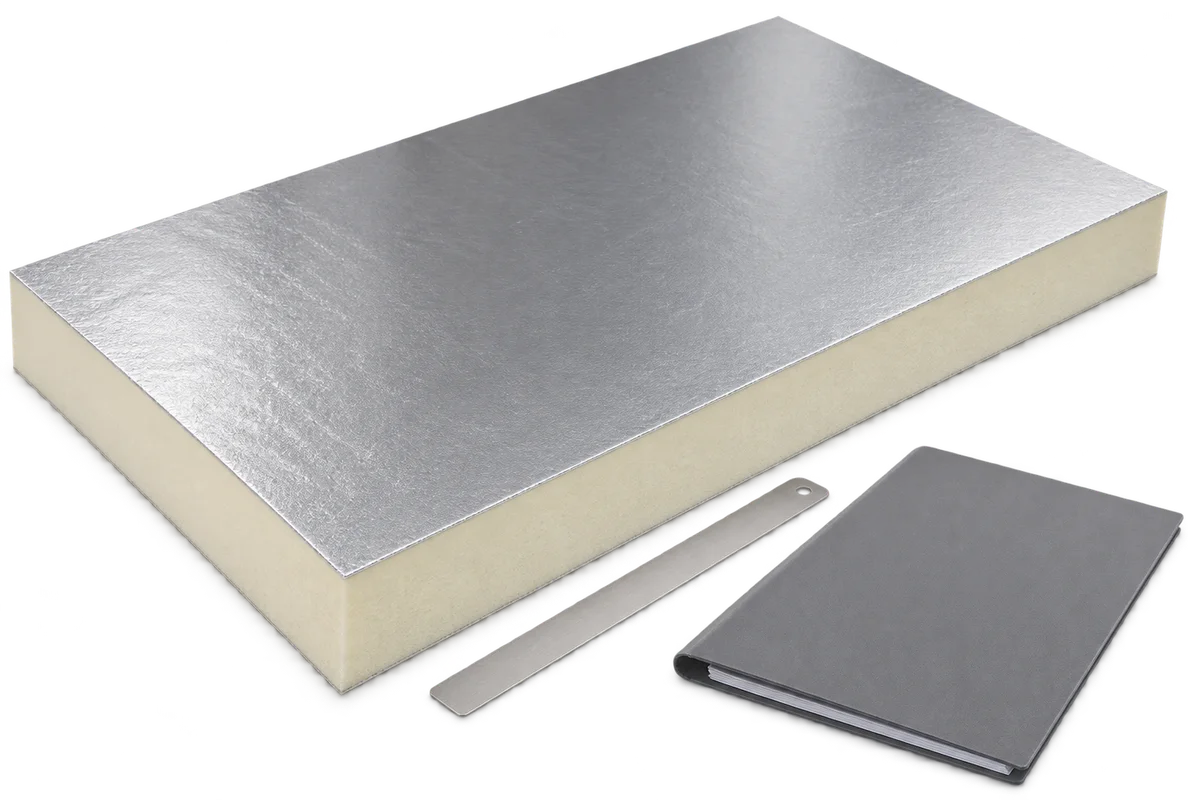
PIR insulation
An English or German quotation may state a perfectly valid thermal conductivity without answering the question in a Polish specification. What matters is the word next to the number: does it describe a value declared by the manufacturer or one adopted for design? This guide shows how to line up the two documents, preserve their original notation and ask for the missing information. Sample questions in English and German help clarify the offer without changing the design requirement or assigning unverified properties to the product.
In this guide
Start with the exact wording of the requirement
Copy one complete requirement into the comparison, including its symbol, unit and any inequality sign. “No more than” does not mean “exactly equal to”. Also record whether the requirement is for the material, an insulation layer or the finished building element.
Three languages, two distinct fields
The Polish phrase „deklarowana przewodność cieplna” corresponds to declared thermal conductivity. In a German document, look for Nennwert der Wärmeleitfähigkeit and the symbol λD, then check the document key. The word conductivity or Wärmeleitfähigkeit on its own does not identify the kind of value.
Reserve a separate field for the Polish „obliczeniowa przewodność cieplna”: design thermal conductivity in English or Bemessungswert der Wärmeleitfähigkeit in German. If one field is empty, do not fill it by copying the other. The blank identifies the information that is still needed.
Example: the same number in two documents
Suppose the design requires a design conductivity no greater than 0.024 W/(m·K). The overseas quotation reads “λD 0.024 W/(m·K)”, while the Polish drawing uses a decimal comma. Both decimal marks denote the same number here. It is the property qualifier, not the punctuation, that makes the difference.
Record the outcome as “declared value supplied; design value for this project unconfirmed”. At this point there is no basis for either confirming compliance or rejecting the product. The missing step is to establish which value applies in the proposed use.
What to ask the supplier
A concise English enquiry is: “Does the quoted figure refer to declared or design thermal conductivity? Please identify the product and the supporting document.” Attach the relevant specification line and state the intended use so that the reply cannot easily be mistaken for advice on a different board.
In German, ask: “Ist die angegebene Zahl der Nennwert oder der Bemessungswert der Wärmeleitfähigkeit? Bitte nennen Sie die Produktbezeichnung und die zugehörige Unterlage.” If the supplier can only confirm the manufacturer’s declaration, refer the design value to the project designer.
Attach the reply to the correct quotation line
File the reply under the quotation line, product thickness and offer date. Keep a document for a board with another facing as a separate attachment unless its scope is confirmed to include both models. A similar trade name is no substitute for a product identifier.
In a bilingual schedule, keep the source wording in one column and the agreed translation next to it. Carry λD and its unit alongside the number. Switching the catalogue language then preserves the fact that the value was declared.
Approval and subsequent revisions
At approval, note who selected the design input and where it came from. Do not translate “documentation accepted” as “product meets all requirements” if only thermal conductivity was reviewed. The wording should reflect the actual scope of the check.
If a revised quotation names a substitute, recheck the identifier and declaration even when the conductivity figure has not changed. This keeps the approval tied to the product that was actually assessed rather than to a later entry with a similar description.

Free quote
What to include in your enquiry
Tell us how you plan to use the material, the dimensions and the quantity you need. Include the thickness, grade or variant name, along with the delivery town or your preferred collection branch. For a specific product, add its name or a link to the product page. We will reply to the email address you provide to discuss availability and the terms of your order.
Read next
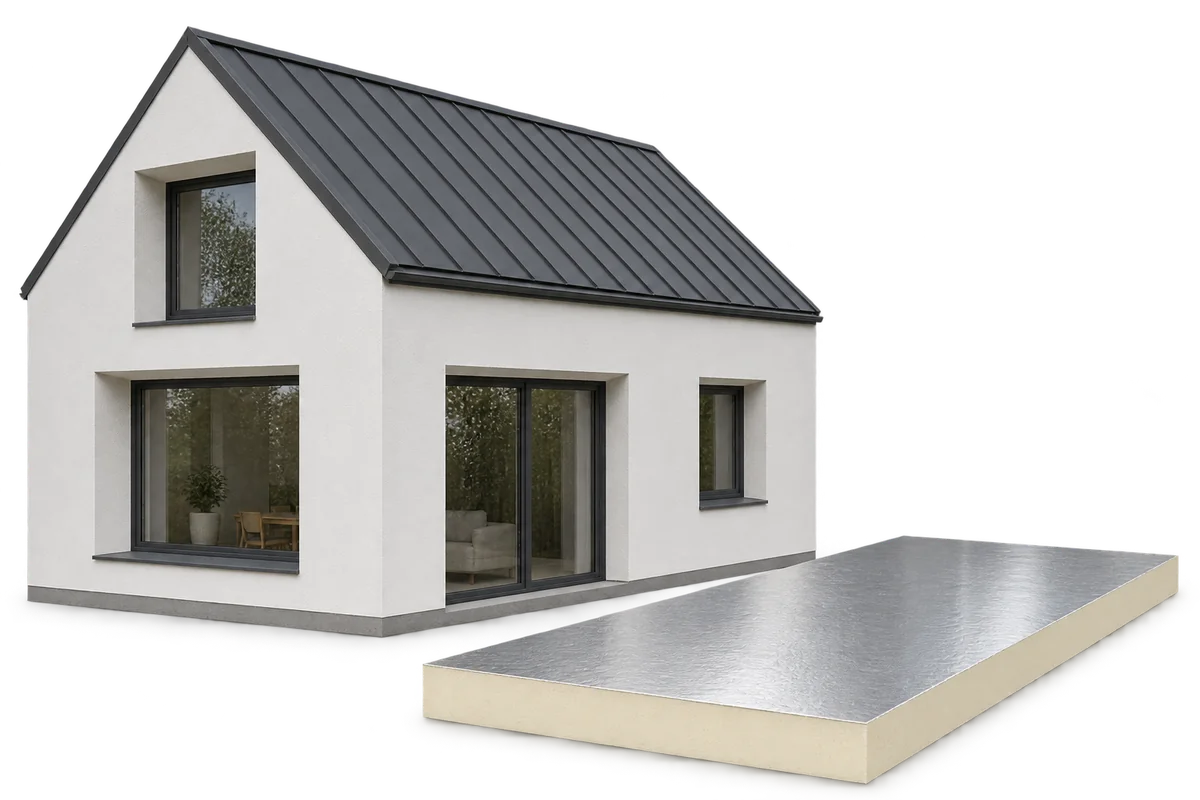
A passive house needs little energy to maintain a comfortable indoor temperature. Its insulation, airtight envelope, windows and ventilation work together to…
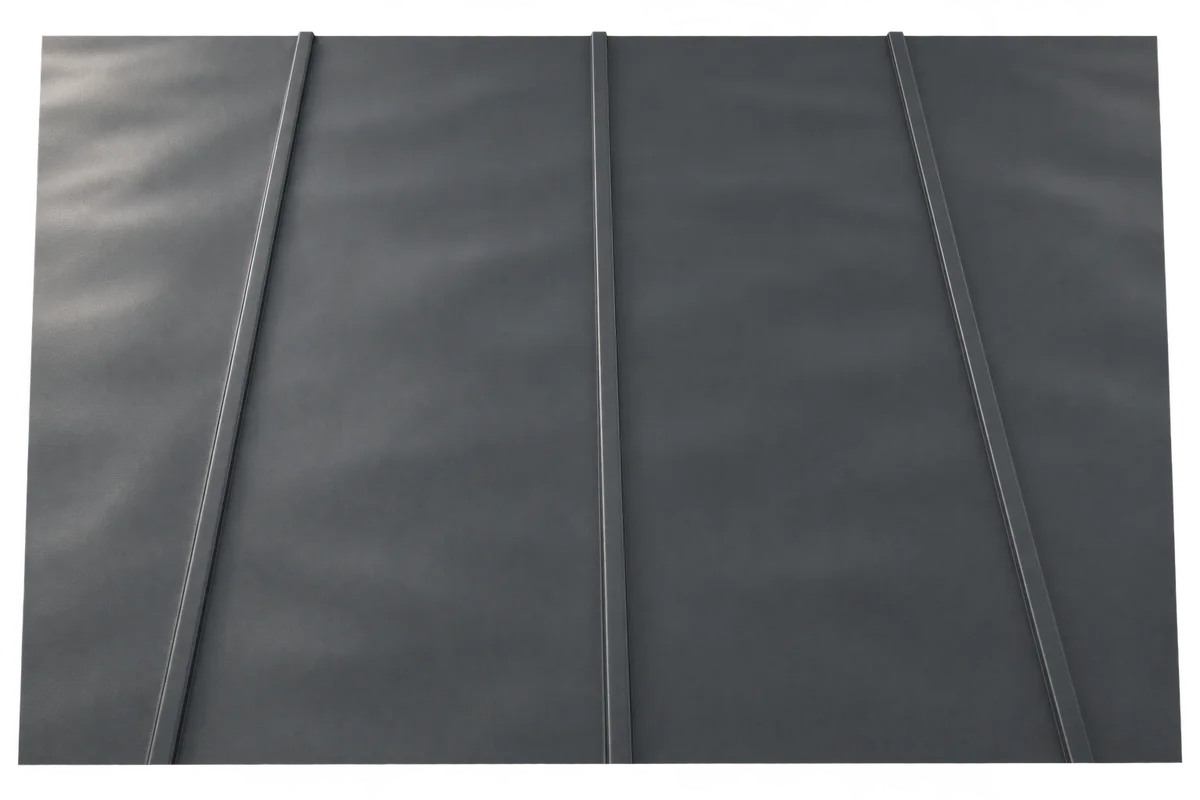
Slight ripples in the flat part of a metal roof panel may only show up in strong sunlight. Residual stress in the…
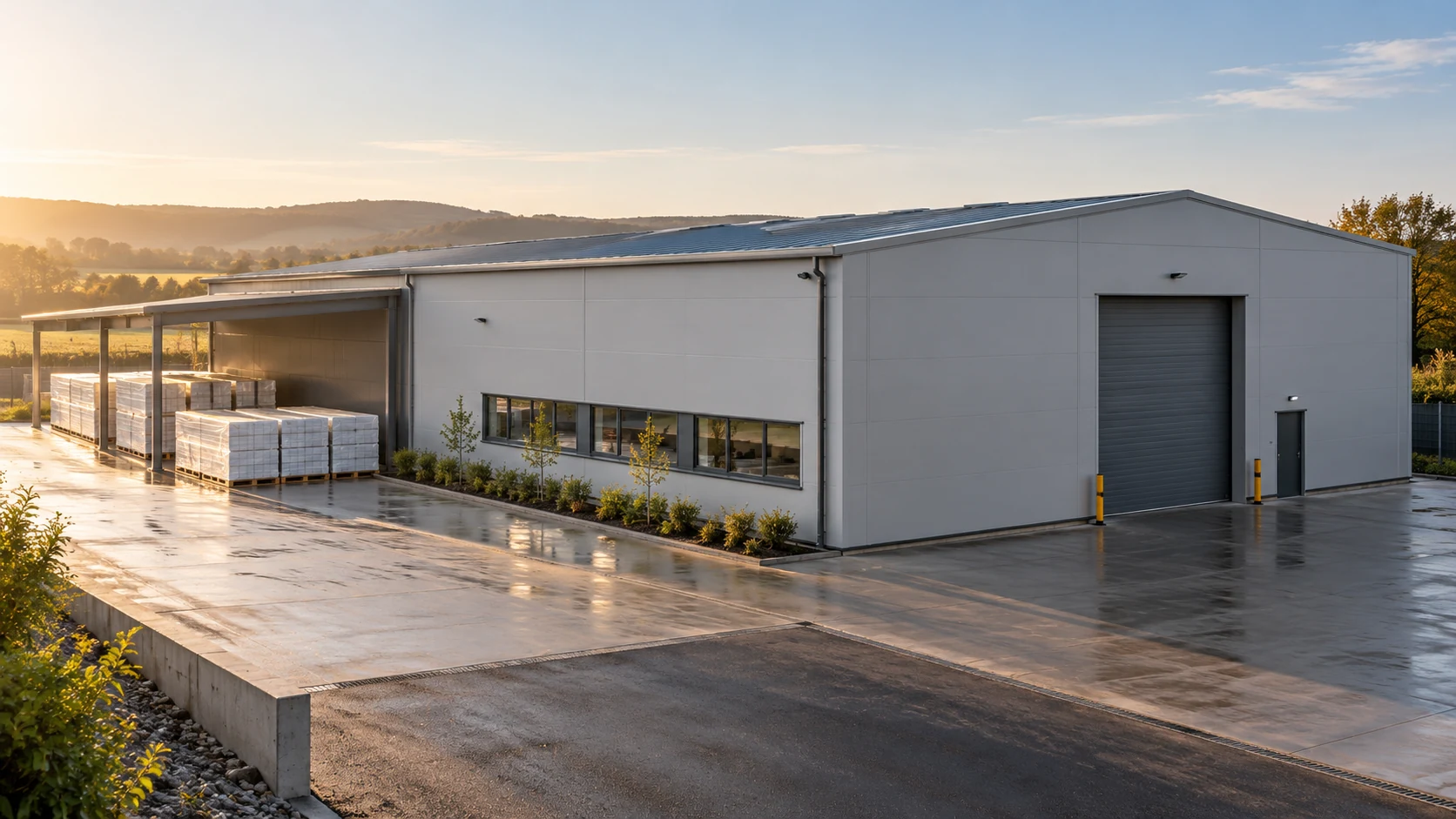
Two steel halls with the same floor area need not cost the same. A long, narrow building has more external wall than…
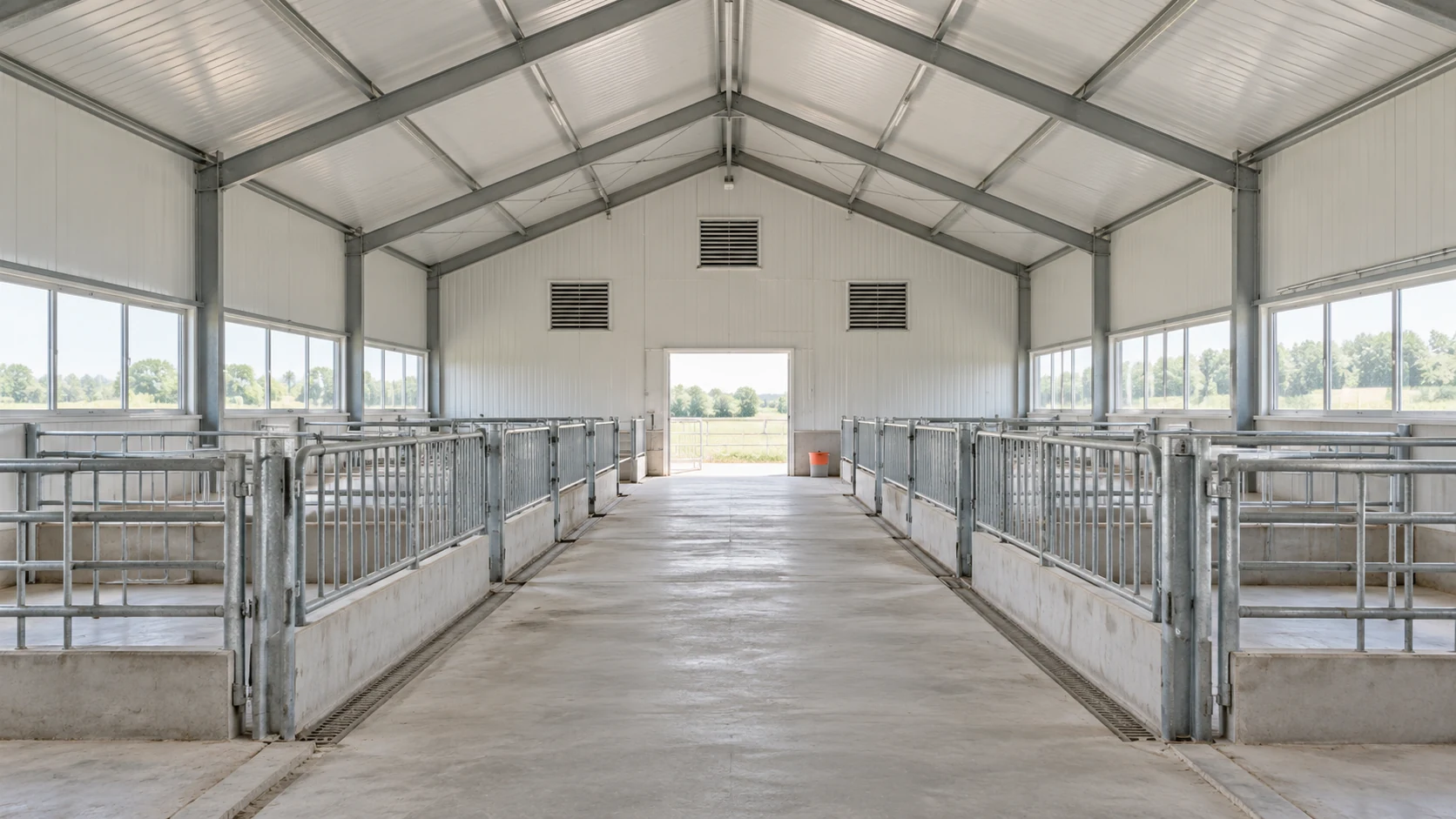
Livestock building panels face humidity, dirt and regular washing, but exposure varies within the building. Animal housing, feed storage and plant rooms…
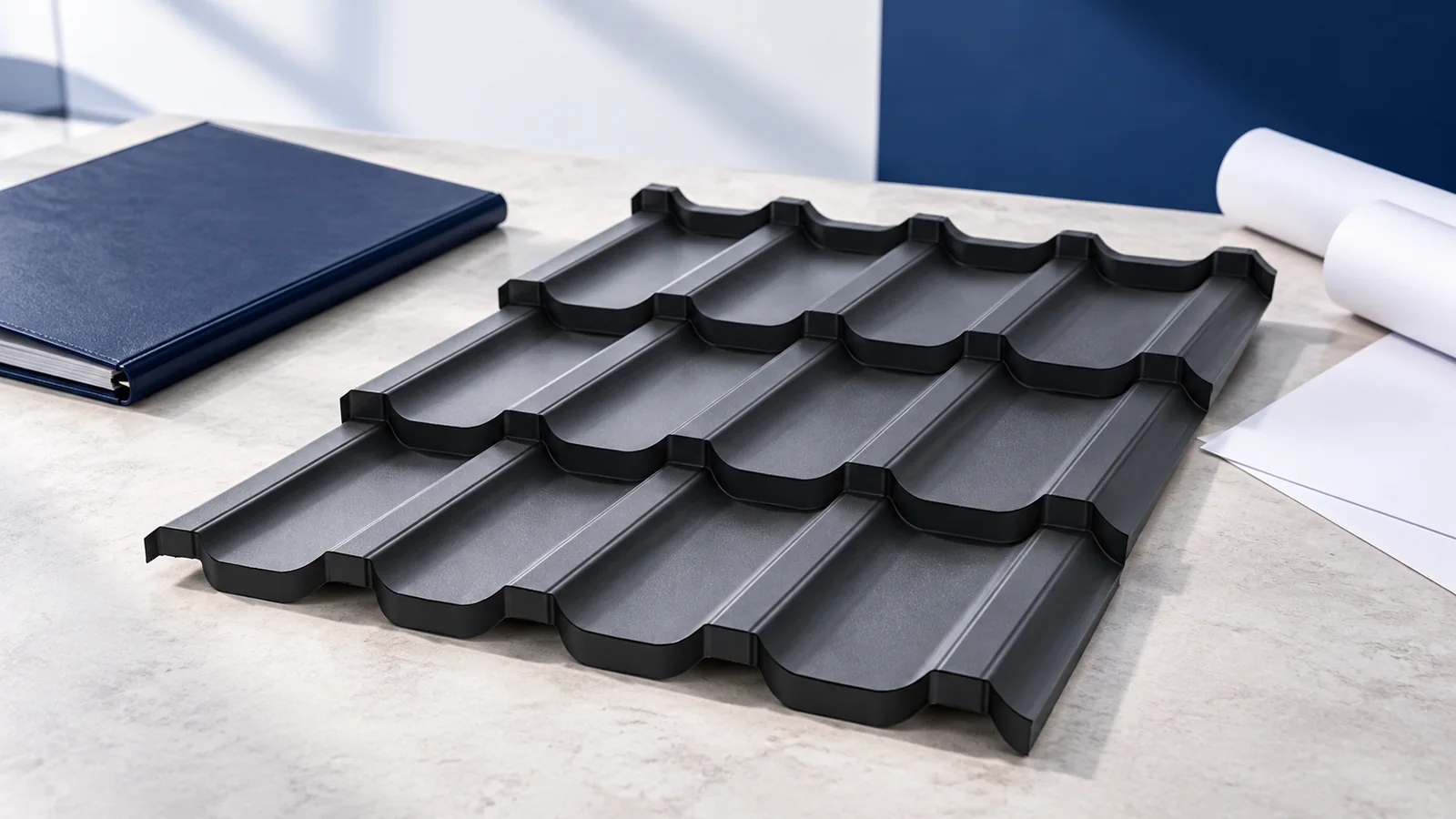
If a building in Poland differs from its approved plans, establish which works caused the discrepancy and when they were completed. A…
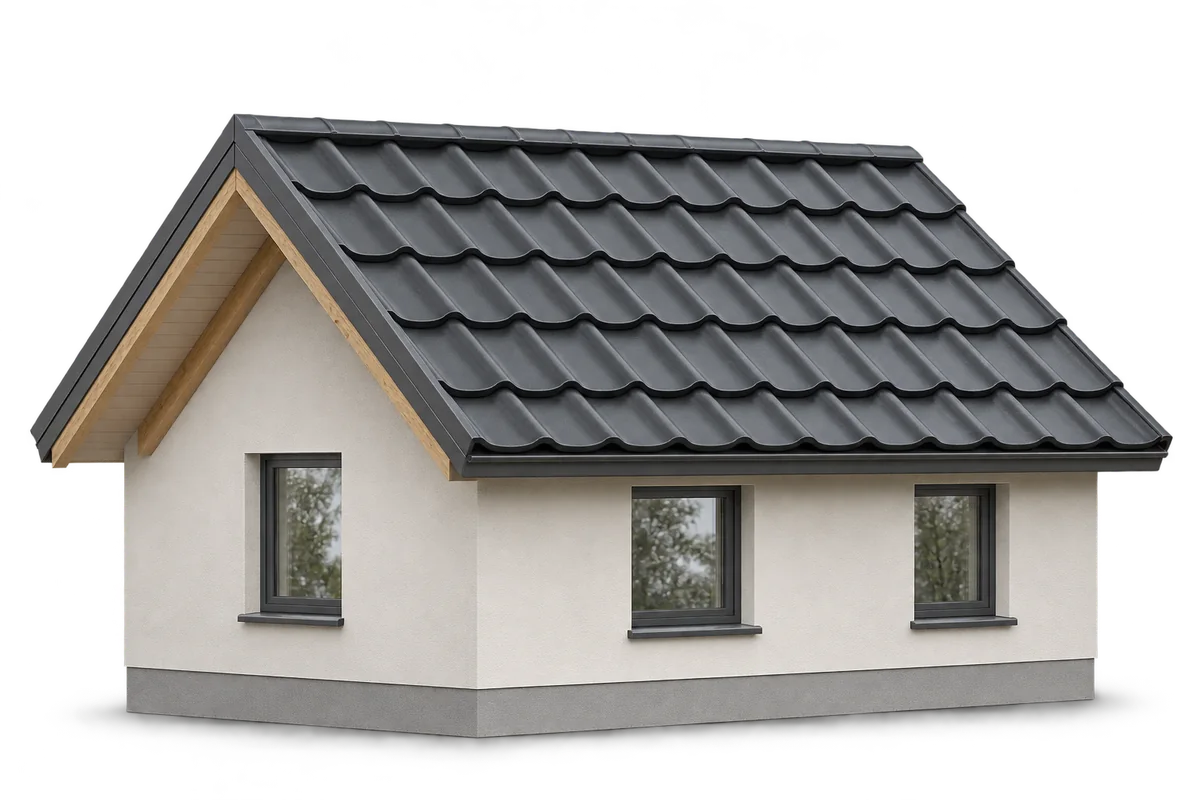
A gable roof has two slopes that meet at the ridge. This simple shape makes the roof covering easier to lay out…
Changes to Polish building law in 2026 affect permit exemptions, certain departures from approved plans and the documents used during construction. The…
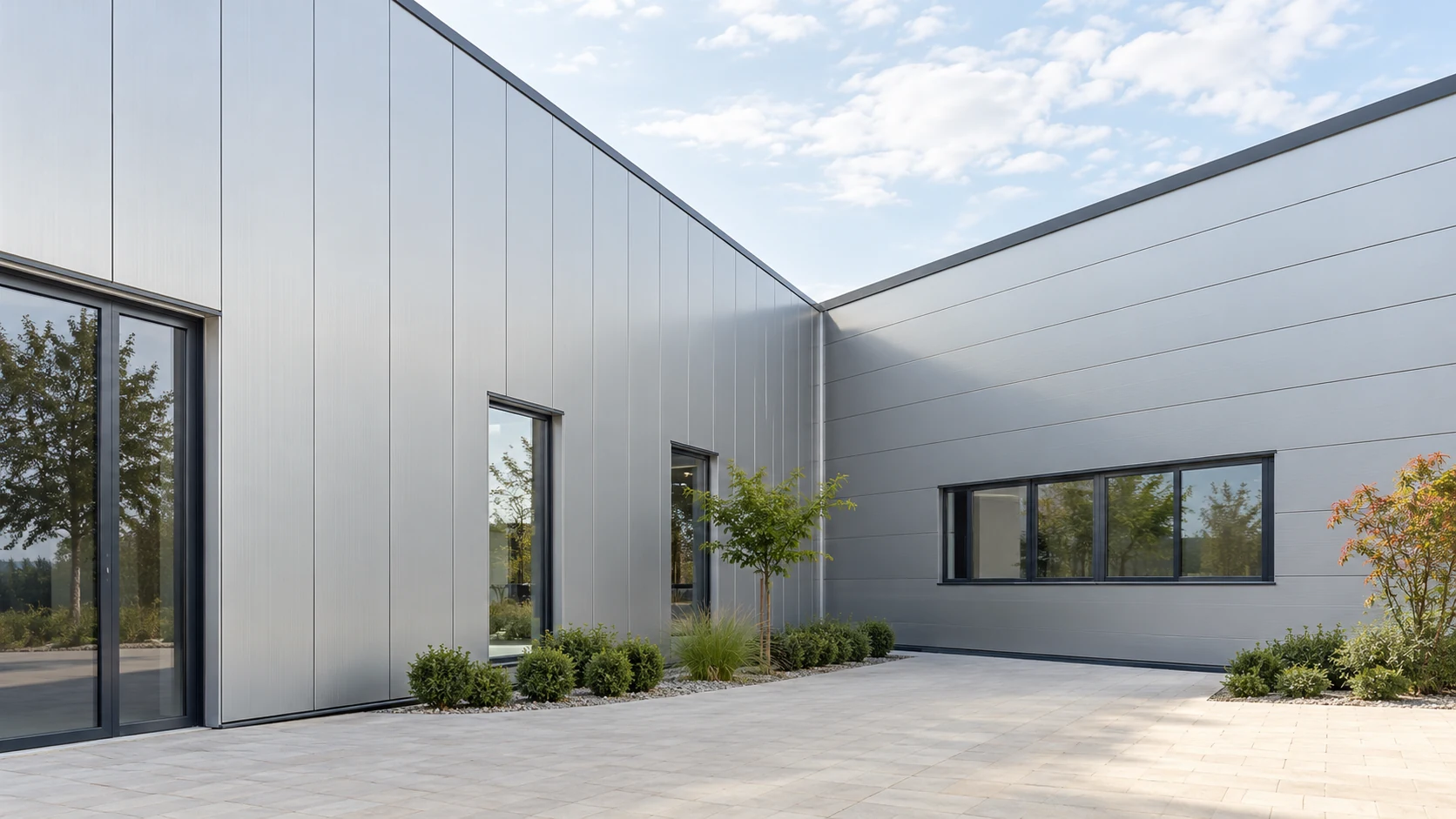
Panel orientation affects façade appearance, the supporting structure and the number of junctions to detail. Draw the same wall in both orientations…
