What changed in Polish building law in 2026 and how should you prepare a project?
Costs and paperwork
Changes to Polish building law in 2026 affect permit exemptions, certain departures from approved plans and the documents used during construction. The route for a proposed metal canopy, for example, depends on whether it is a terrace roof, a shelter, an extension or a separate building. For existing work, the date of completion and the type of breach determine which provisions may apply. Establish the classification and applicable dates with the designer before revising drawings, booking a crew or ordering roofing panels made to size.
Why check when a provision takes effect?
An amendment may have several commencement dates. Most provisions of the Polish Act of 4 December 2025 took effect on 7 January 2026. Some had different dates. Check the commencement provision for the particular obligation you are dealing with.
Transitional provisions can determine what happens to applications already filed or proceedings under way. Read them before revising a design or withdrawing documents. Existing applications may continue under the applicable transition rule. Check that a proposed change has actually been enacted.
What does a simpler procedure involve?
The expanded list of permit exemptions covers specified types of development. Some still require notification, while others are exempt from both procedures. Planning, technical and heritage protection requirements continue to apply. Read the entire exemption, including conditions beyond the stated floor area.
For a metal canopy, determine whether the works create a roof over a domestic terrace, an open shelter, an extension or a separate building. The sales description, prefabrication and quick assembly do not settle the classification. The designer should assess the actual use and how the structure is connected to the ground.
Can all unauthorised construction use a simpler route after ten years?
No. The rules for certain works completed at least ten years earlier address different circumstances from the ordinary simplified procedure for a structure built without the required consent. For that latter route under Article 49f, at least twenty years must have elapsed since completion of construction.
The ten-year provision covers specified works and material departures. The applicable route depends on the breach and supporting documents. When purchasing an older property, establish both its approval history and whether the authority has already issued decisions or orders affecting the proceedings.
How can departures from approved plans be corrected?
For certain material departures the supervision authority can issue a warning so that works can be brought back into line with the approved plans. A proposed design change still needs to be classified before implementation. Waiting for an inspection can leave unauthorised structural work to be corrected.
Examples include raising a ridge, changing the arrangement of roof slopes or altering the roof frame. Changing a protective finish on the sheets usually raises different questions. Agree material changes in advance and record them in the construction documents so that the crew has the current detail.
What happens to paper construction records?
Subject to statutory exceptions, paper construction logs may be issued up to 31 December 2031. The amendment also changed the deadline for transferring certain existing building records to electronic form. Follow the rules for the particular record and use the prescribed format consistently.
For a new project, agree the record-keeping arrangements with the site manager. Provide the current design, inspection records and material documents. Link sandwich panel data sheets and declared sheet properties to the relevant order lines so that the installed products can be identified.
What changed in autumn for technical building requirements?
The Act of 31 July 2026 provides an 18-month period counted from 20 September 2026. For specified applications and construction notifications, designs may follow the technical provisions applicable up to 19 September if the developer submits the required declaration. Separate rules apply to works outside those procedures. Clarify the legal basis with the designer before selecting insulation or changing the design. This account reflects the position on 1 November 2026.
How should these changes affect procurement?
Confirm the procedure and documents, then finalise the roof build-up, insulation and supports. Order long sheets or custom panels once these decisions are settled. Even where the administrative route is simpler, design, manufacture and preparation of the supporting structure each need their own place in the programme.
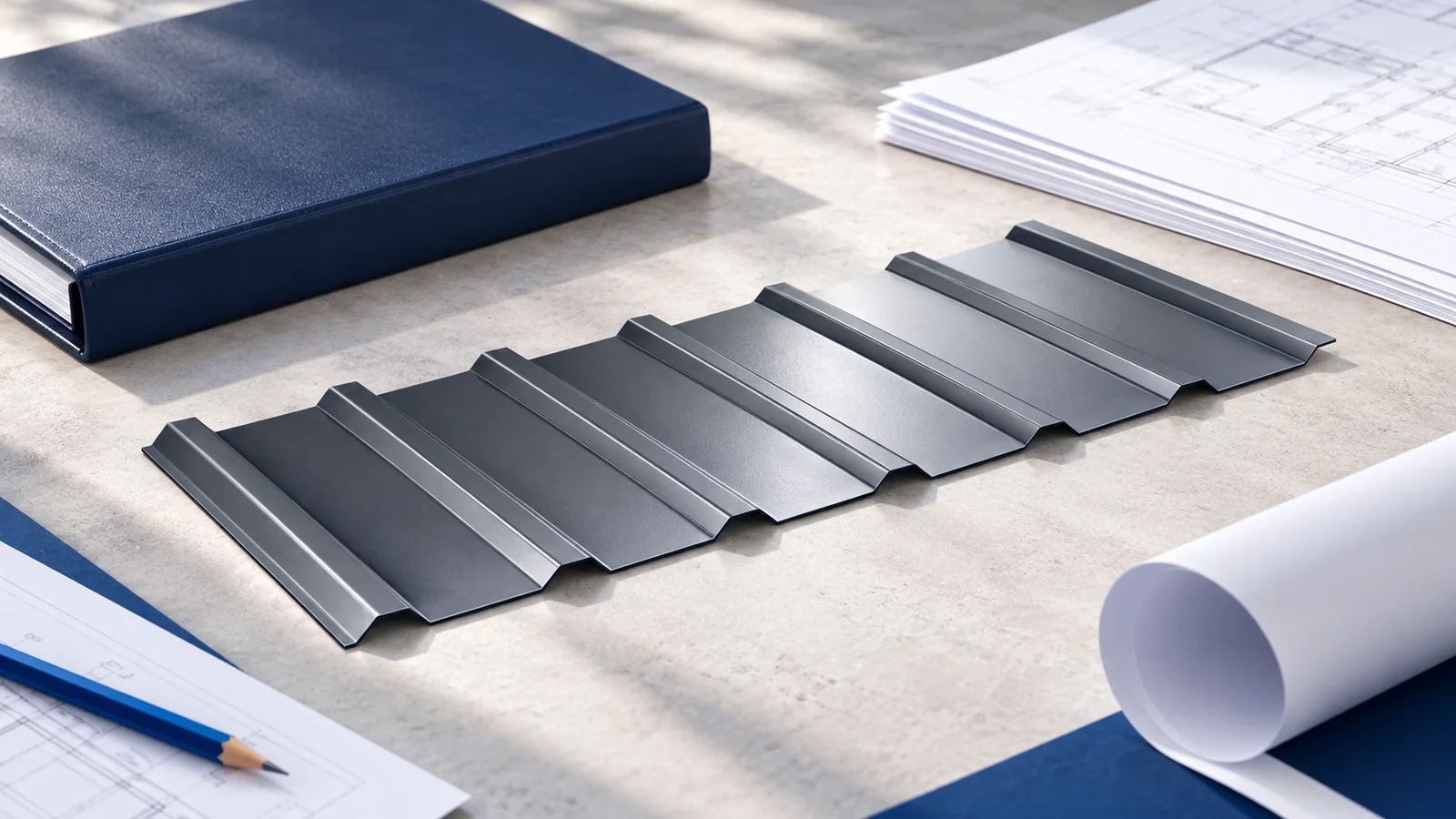
Before delivery, compare the order with the current drawings. Check core thickness, facing type, cover width and the full set of flashings. Update the quote if the project has changed. T18, T35 and roof panels must suit the building’s actual loads and conditions whichever procedure applies.

Free quote
What to include in your enquiry
Tell us how you plan to use the material, the dimensions and the quantity you need. Include the thickness, grade or variant name, along with the delivery town or your preferred collection branch. For a specific product, add its name or a link to the product page. We will reply to the email address you provide to discuss availability and the terms of your order.
Read next
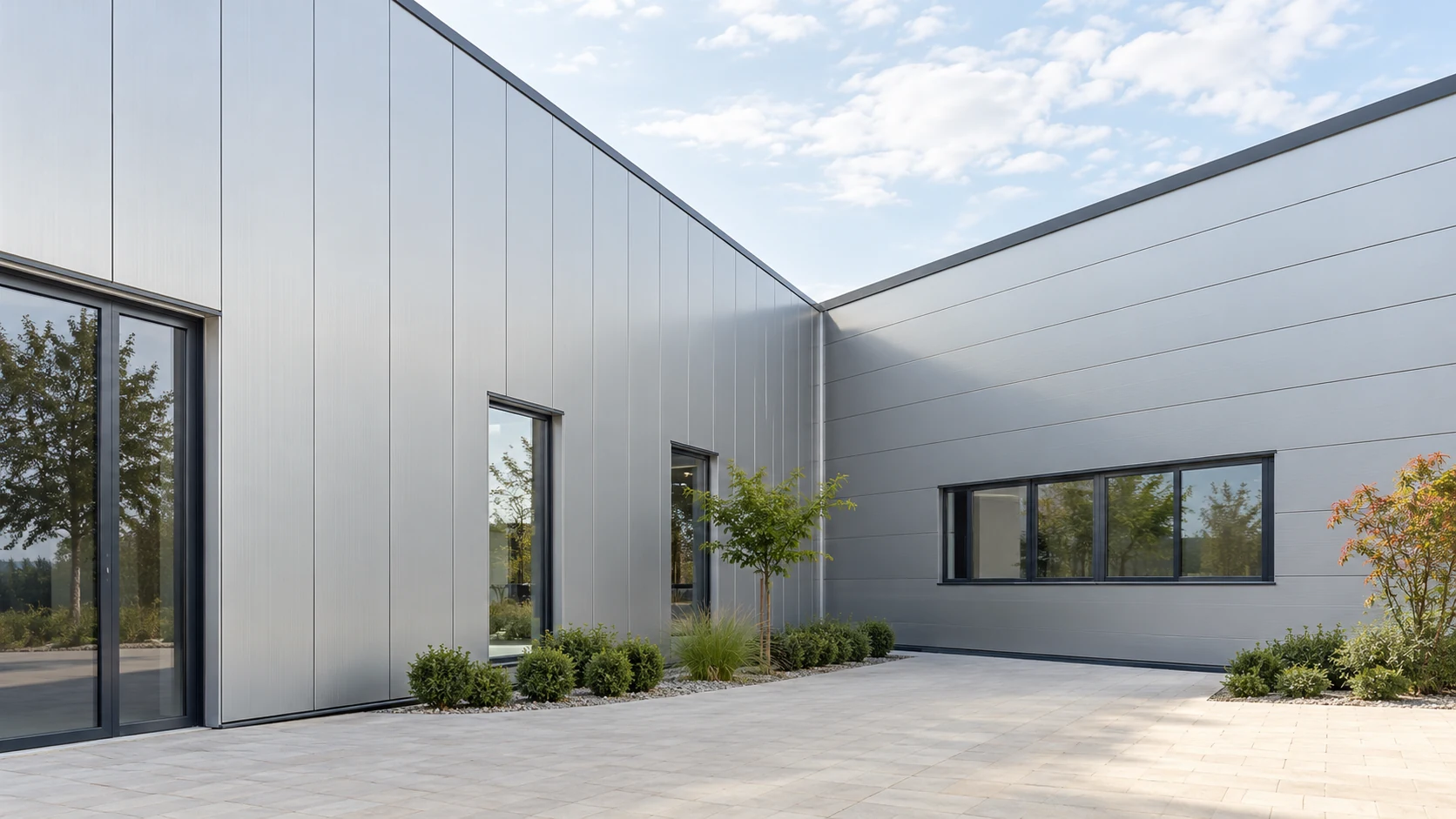
Panel orientation affects façade appearance, the supporting structure and the number of junctions to detail. Draw the same wall in both orientations…
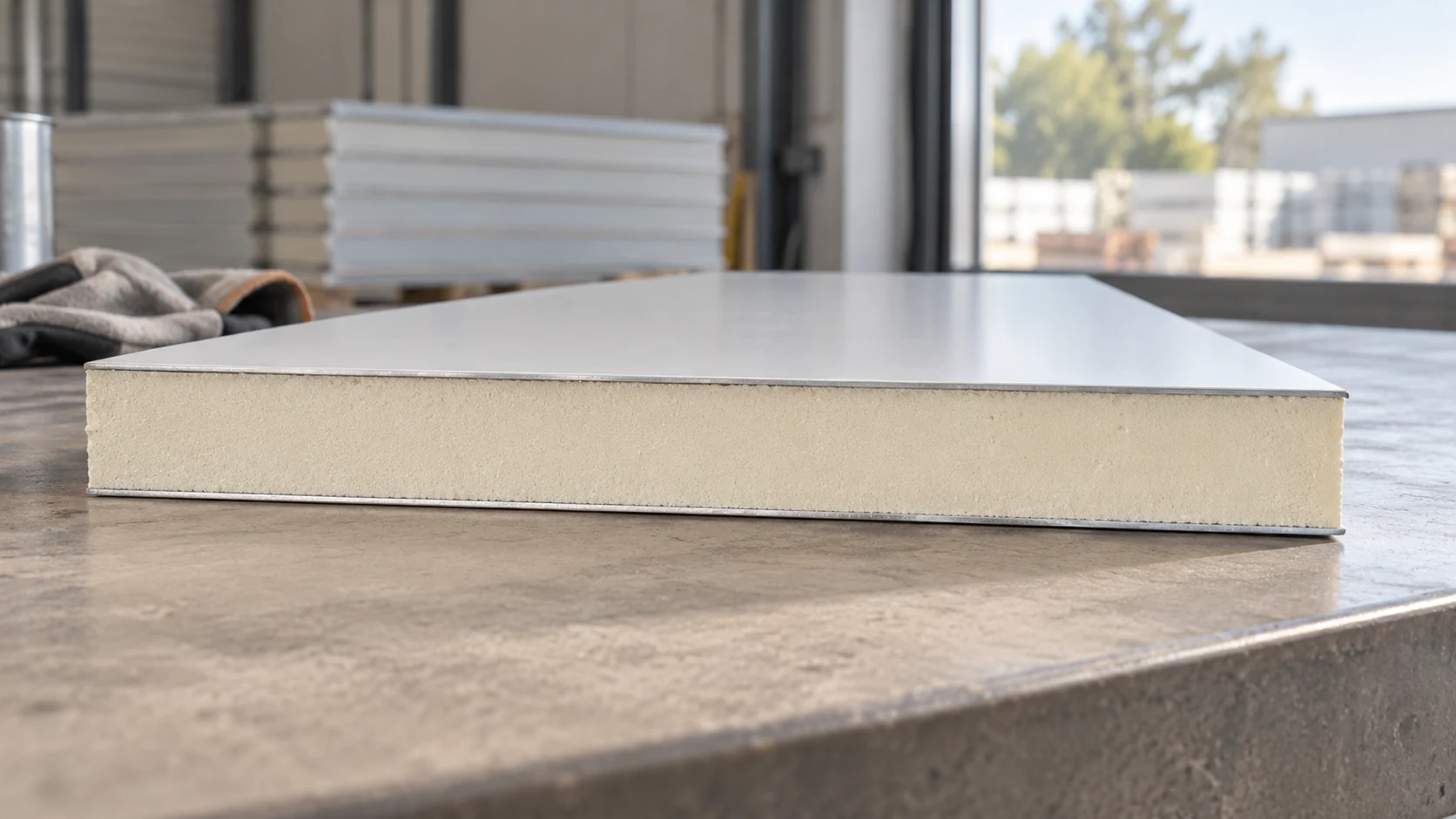
A price per square metre is only the starting point for a thin wall panel. Identify the core, facings and sales unit,…
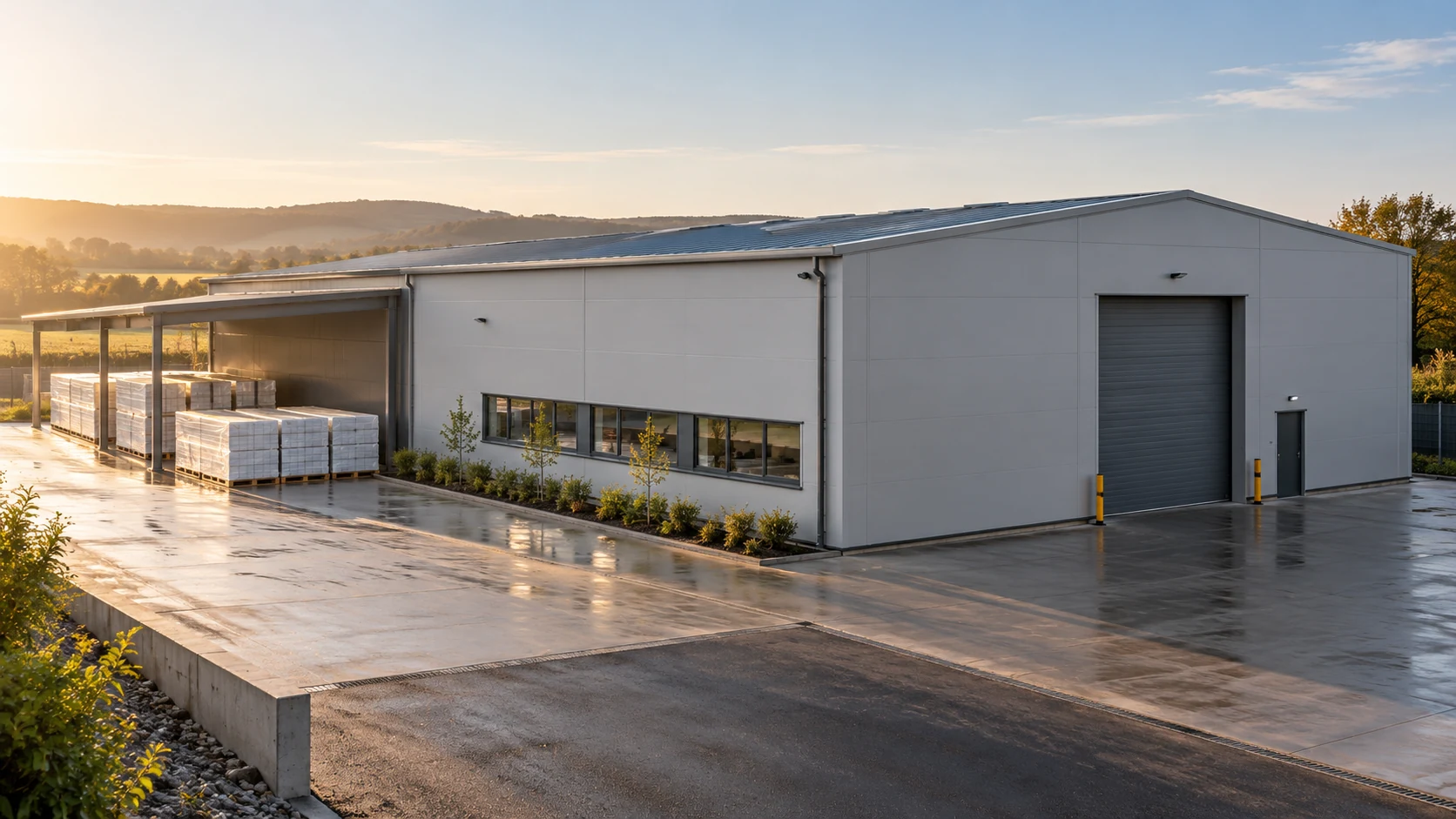
Two steel halls with the same floor area need not cost the same. A long, narrow building has more external wall than…
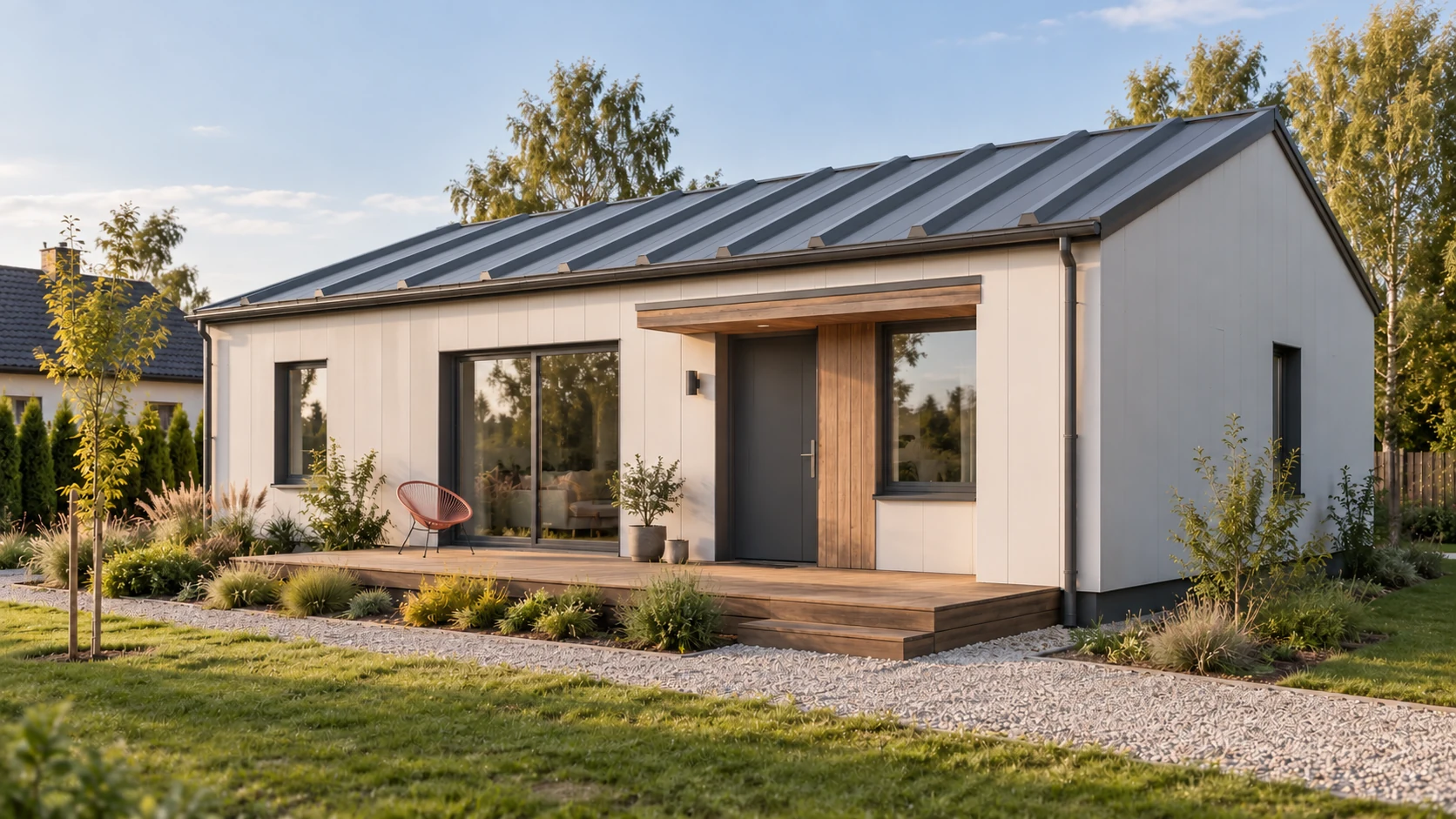
Start with the area of the walls and roof. The panel price per square metre covers only one part of a house.…
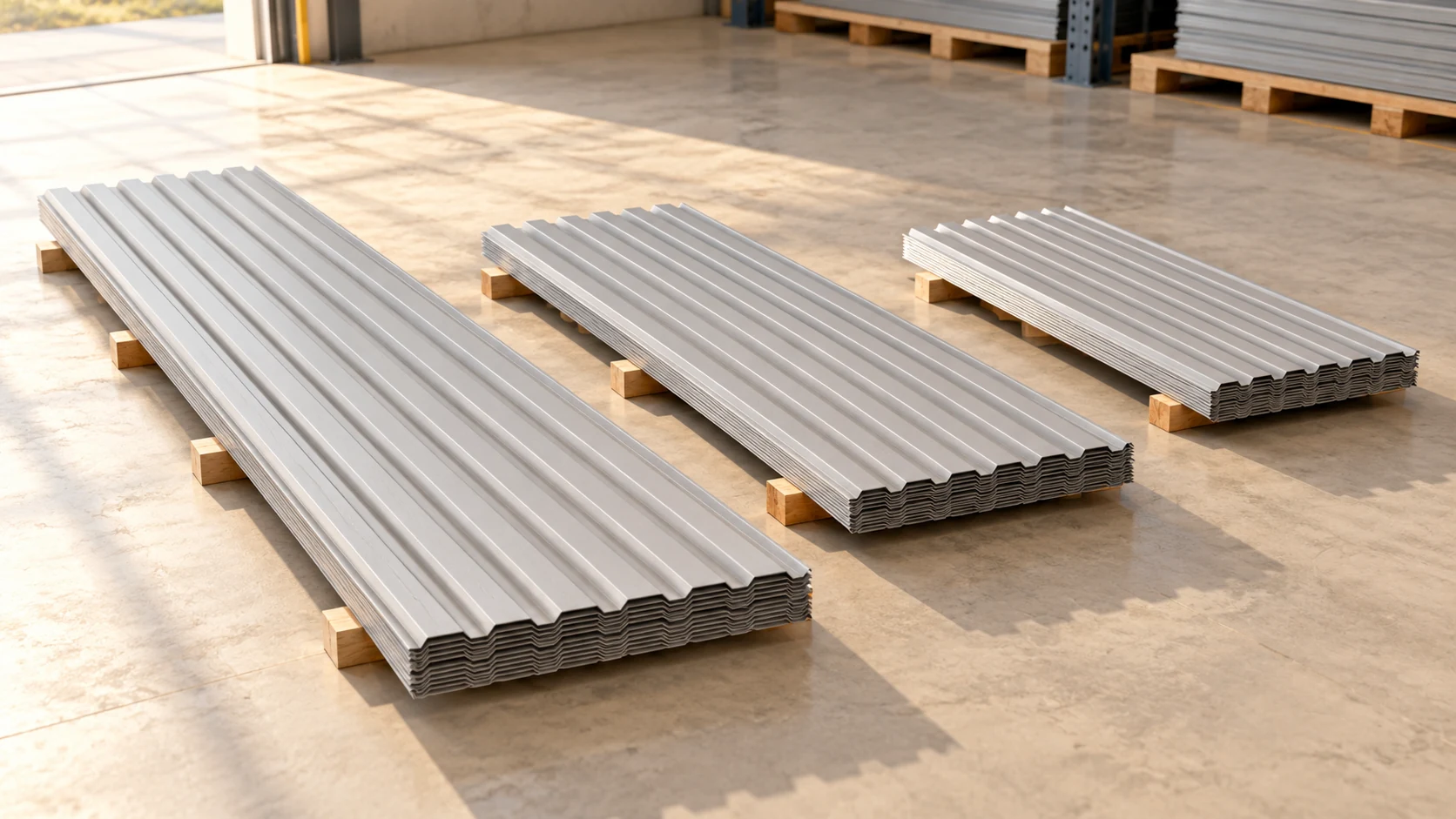
A quotation for “100 metres of sheeting” needs a unit. It could refer to sheet length or area, and the area could…
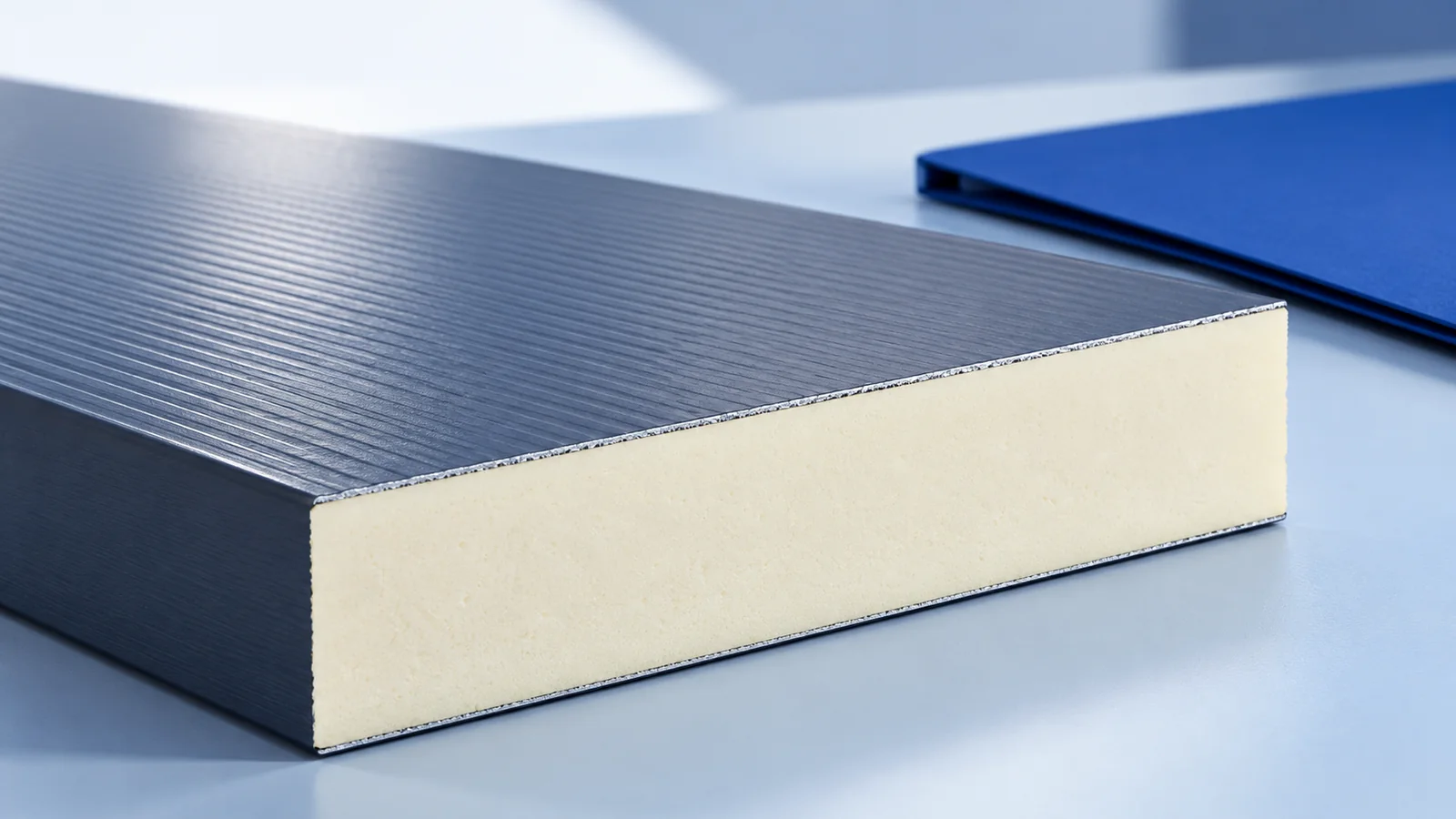
Start the design of a panel-clad commercial building by tracing a normal working day. Where do forklifts unload, which rooms stay heated…
A passive house needs little energy to maintain a comfortable indoor temperature. Its insulation, airtight envelope, windows and ventilation work together to…
Both profiles can work on a house. Start with the roof section, slope layout, pitch and supporting structure before choosing the appearance.…