






Which PIR board size reduces cutting on site?
PIR insulation
At a glance
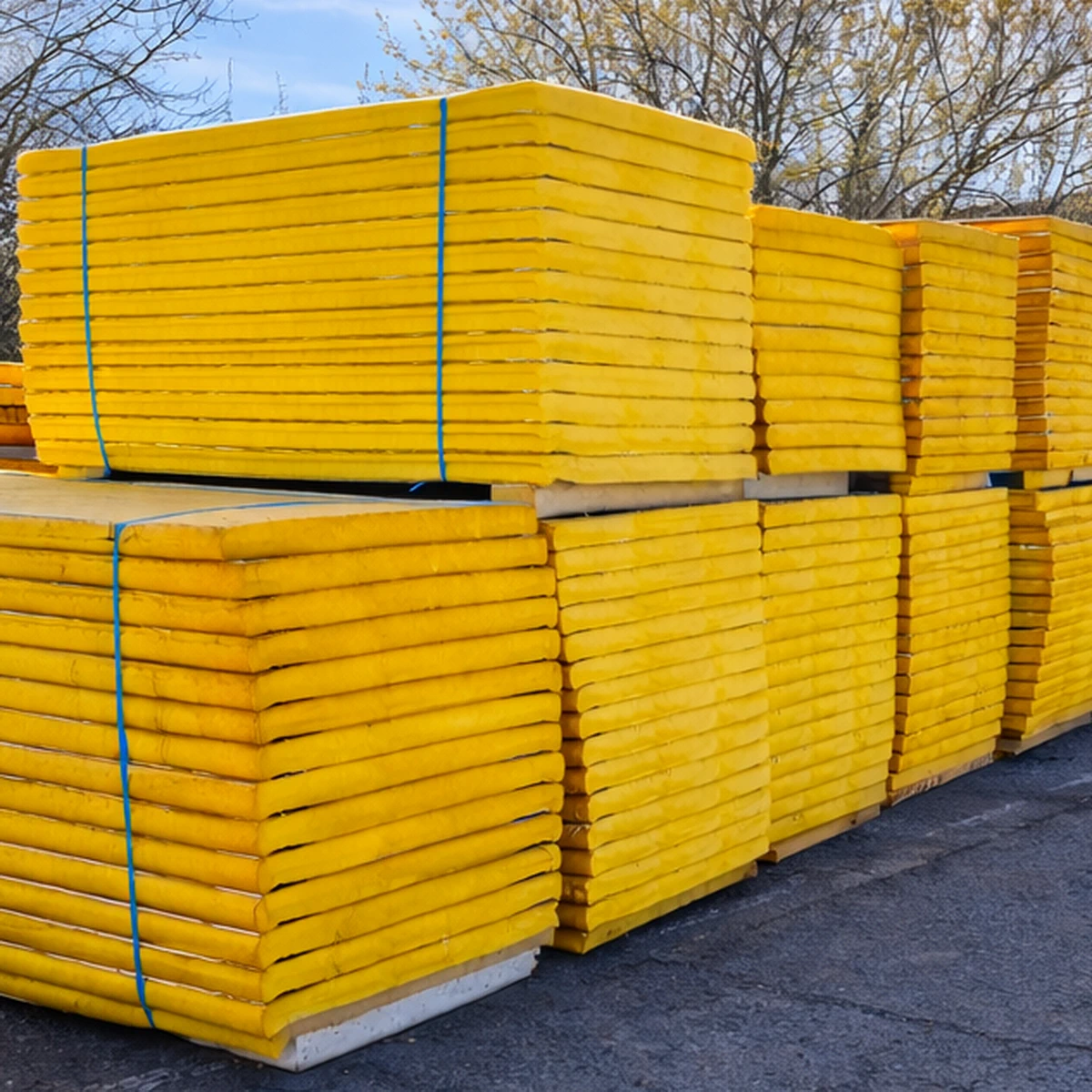
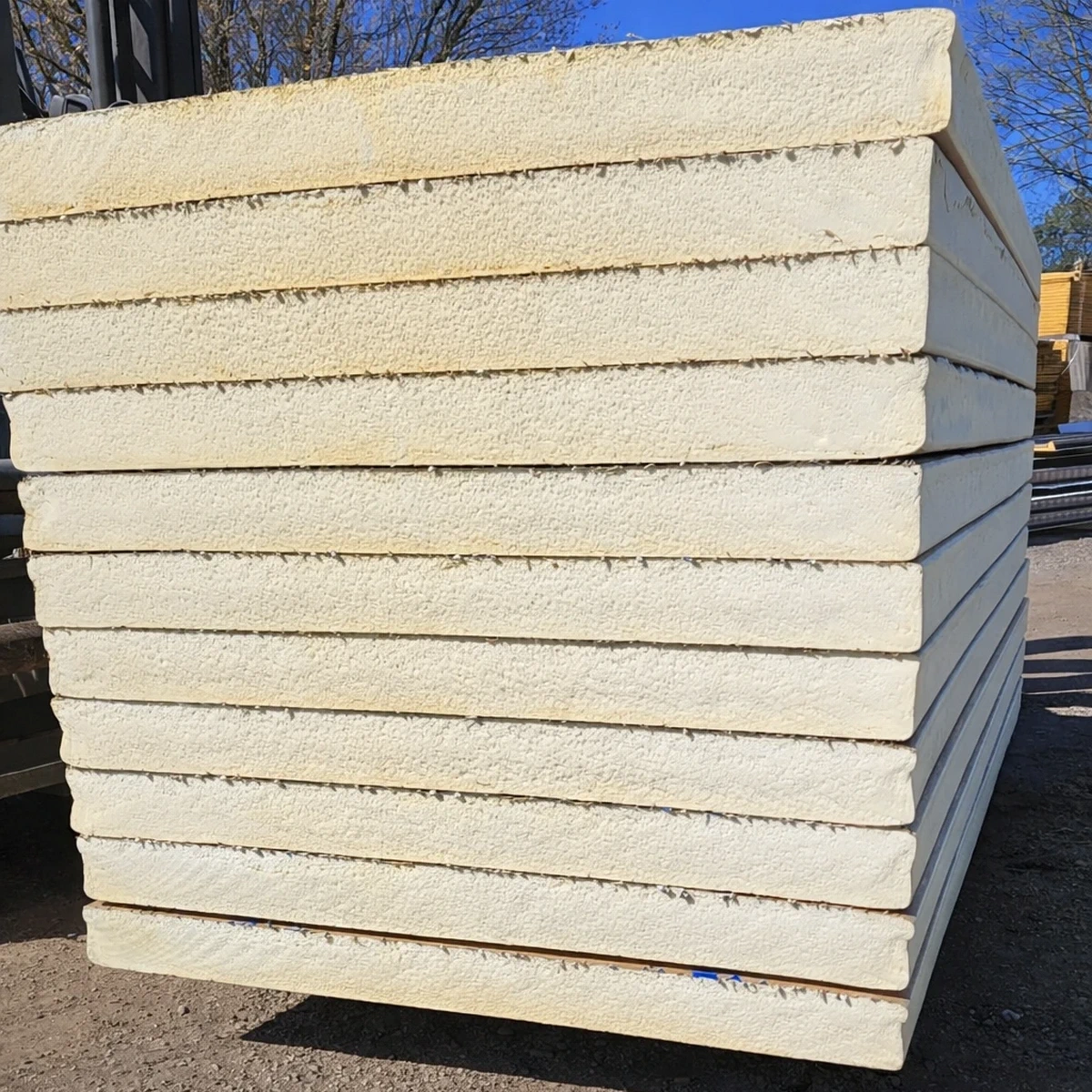
Large boards give fewer joints, but waste depends on the layout. Small boards are easier to carry up narrow stairs and fit around openings in a loft. Before ordering, measure the width and height of the area in several places and mark windows, doors and changes of direction. For a pitched roof, measure each slope and obstruction. Draw a cutting plan, check the access route and find out whether the data sheet lists overall dimensions or installed coverage. Square metres help estimate quantities, but cannot show how many boards will fit a particular shape.
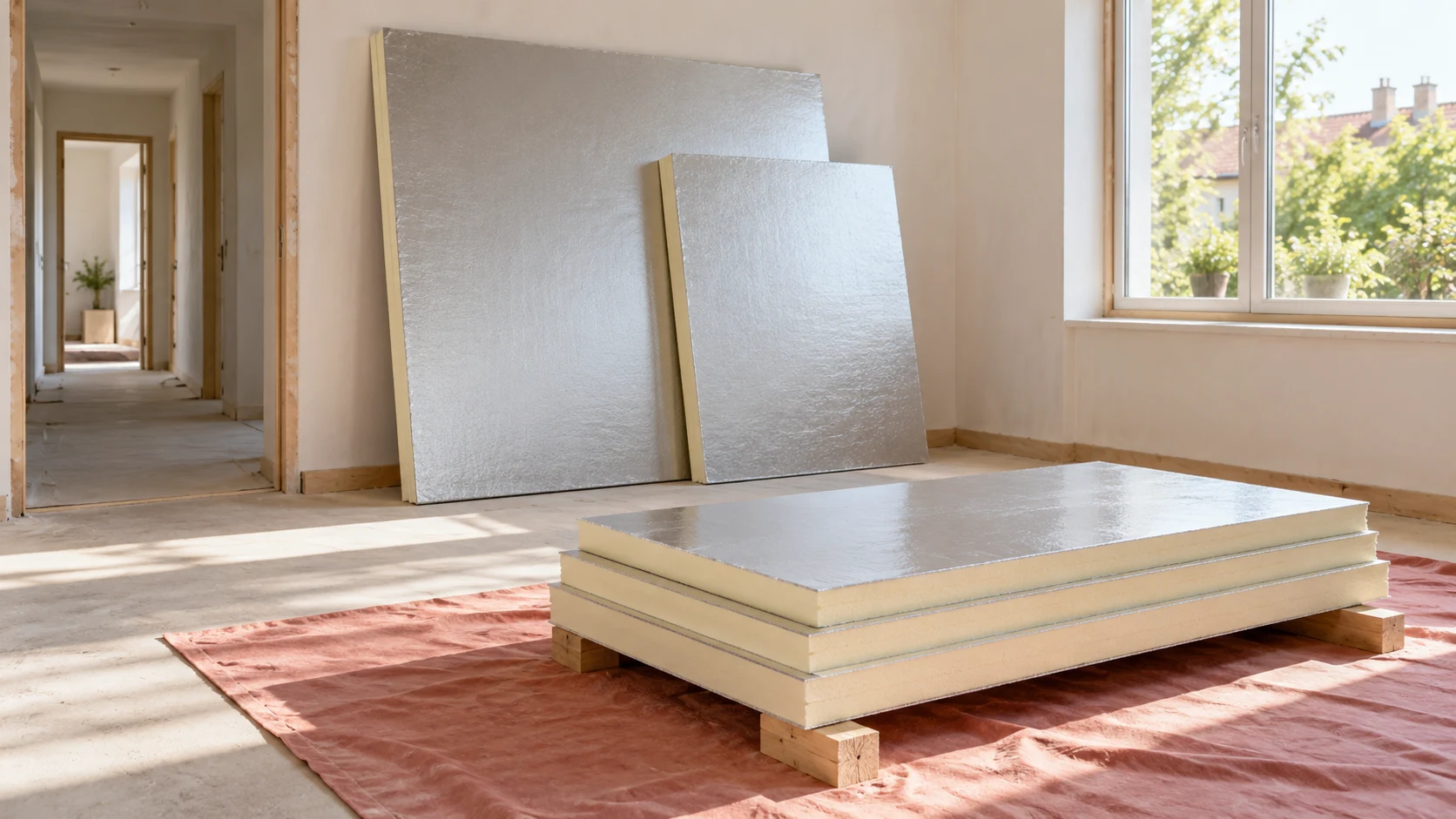
Measure the area and openings
Check the joint pattern and laying direction required by the system. For boards bonded to plasterboard, account for joints in the finishing layer too. Narrow offcuts cannot necessarily be used anywhere. Minimum piece dimensions and fixing rules must match the intended system.
Weigh the benefits of a smaller board
Boards around 600 × 1200 mm are easier to handle in confined rooms and can suit lofts or walls with many openings. Every extra joint still needs fitting and finishing to system requirements. Compare the reduction in waste with the work at the extra joints.
A 3.5 × 2.7 m wall covers 9.45 m². Dividing by a nominal 0.72 m² per board gives a minimum of 14 boards. This is only an arithmetic lower bound. Joint layout, actual coverage and which offcuts can be reused may increase the order.
Check how much of a large board fits
A 1200 × 2400 mm board has a nominal area of 2.88 m². The same wall needs at least four by area, but a vertical board leaves a strip above it in a 2.7 m high room. Draw the strip and its joint. A larger board still needs cutting where its dimensions do not match the room.
Composite boards may come in other lengths such as 2600 mm. Check the range offered for the specific product. For manual handling, consider weight and stiffness. A long thin panel can need a different handling method from a small board of equal thickness.
Distinguish overall size from installed coverage
Profiled edges affect coverage. Check whether dimensions describe the whole board or the area covered once joined, especially with laps or tongue-and-groove edges. Calculate with the correct figure for the product. A small discrepancy repeated over many rows may change the number of packs.
Mark factory and cut edges on the drawing. Facings and edge direction may prevent an offcut being turned around. Material cut from an opening may not fit beside it. Determine the allowance from the plan, since a plain wall and a roof with many changes of direction produce different waste.
Walk the delivery route to the work area
Check door widths, corridor heights and turns on stairs. A board may fit through a doorway but cannot necessarily turn on the landing. Try a lightweight template or check the route on plan. Cutting every board before carrying it inside can cancel the benefit of the larger size.
Agree pack sizes, unloading and dry storage when ordering. Protect boards from weather and edge damage. Transport wrapping may not be adequate protection on site. Separate packs by work stage to reduce repeat handling and damage to facings.
Order from the cutting plan
Specify format, thickness, facing, edge and whole packs. Include the allowance from the actual layout and a place to store reusable offcuts. Check consumption after the first area is complete, before distributing all the packs.
On delivery, inspect corners and facings and check dimensions. A damaged edge may prevent a tight joint even if the face looks intact. Check the variant markings too: the correct size with the wrong facing may be unsuitable for the planned finish.
Questions and answers
Is 120 × 240 cm always the most economical size?
No. Larger boards reduce joints but can create more waste or access problems. A cutting plan for the actual area shows which size works best.
Can I just divide the wall area by the area of one board?
That gives an initial minimum. Include installed coverage, edge layout, openings, required joints and pack quantities. Use the cutting plan to set the order quantity.

Free quote
What to include in your enquiry
Tell us how you plan to use the material, the dimensions and the quantity you need. Include the thickness, grade or variant name, along with the delivery town or your preferred collection branch. For a specific product, add its name or a link to the product page. We will reply to the email address you provide to discuss availability and the terms of your order.
Read next
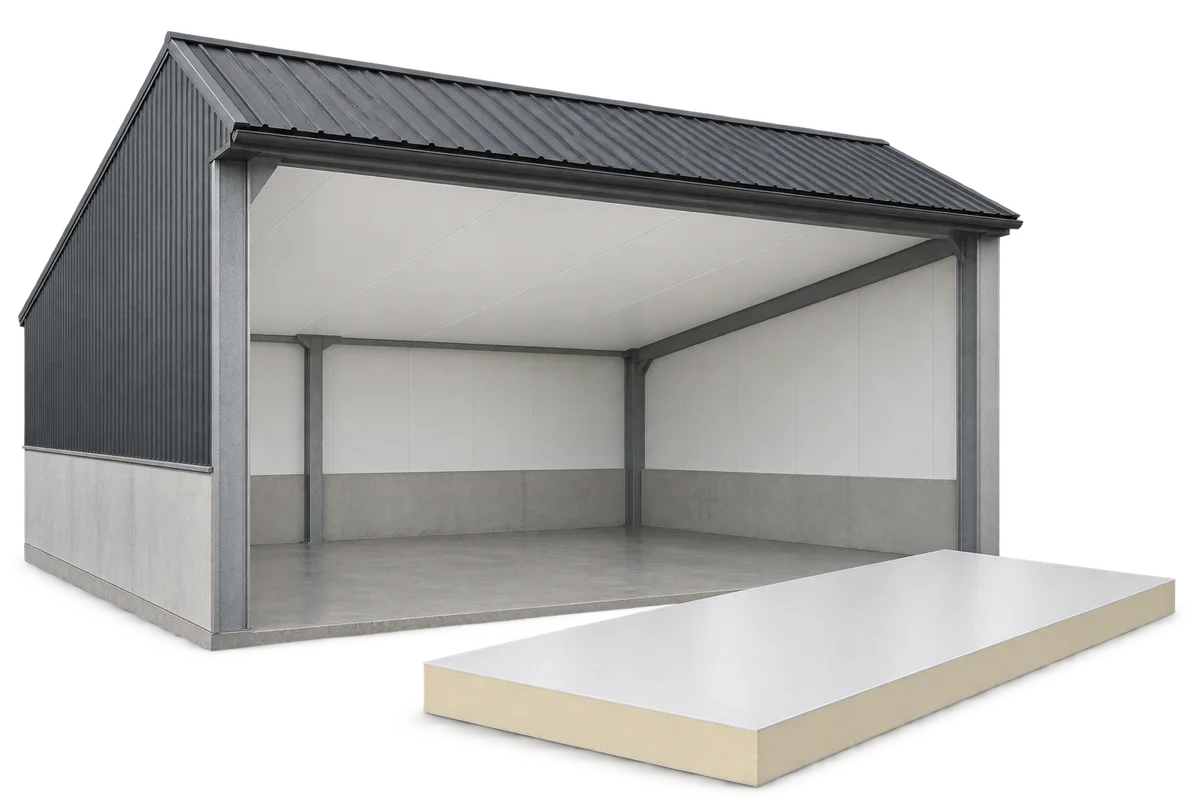
An internal ceiling can separate a heated or climate-controlled room from the roof void. In a cattle shed or warehouse, its appearance…
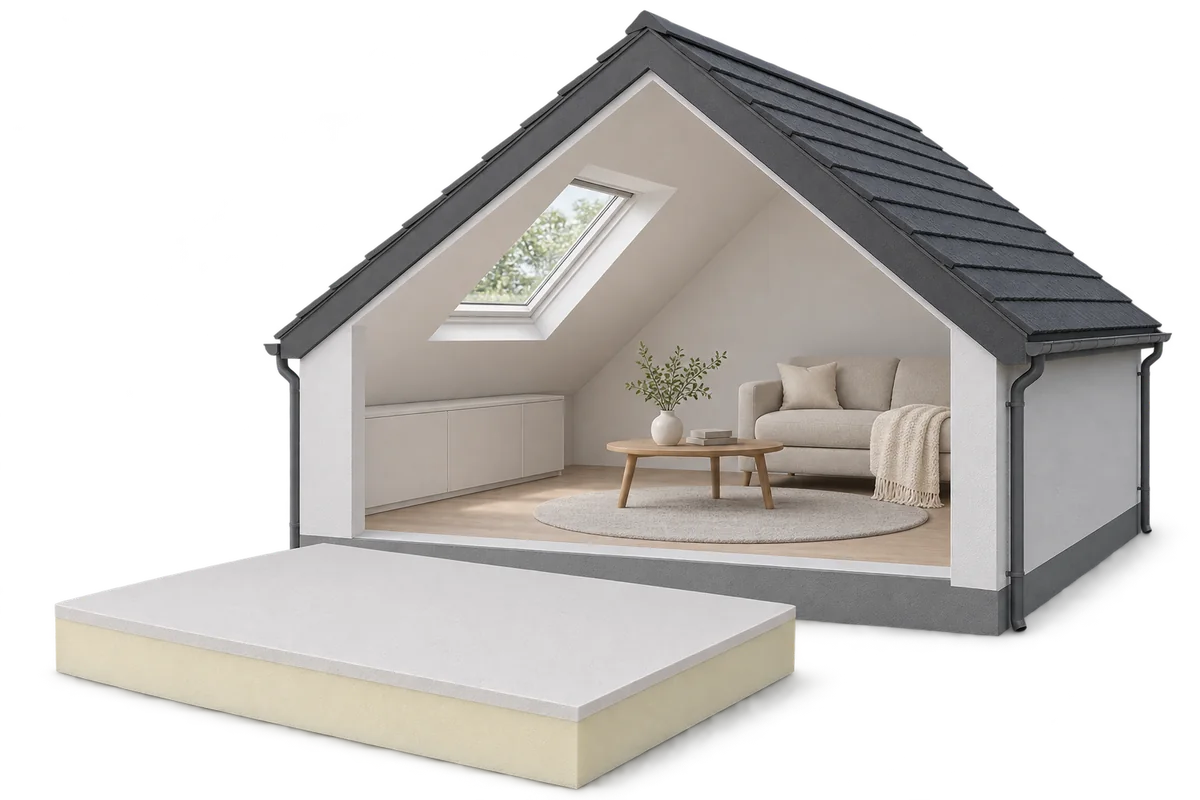
Insulating a loft from the inside can make it more comfortable without taking the roof covering off. PIR bonded to plasterboard provides…
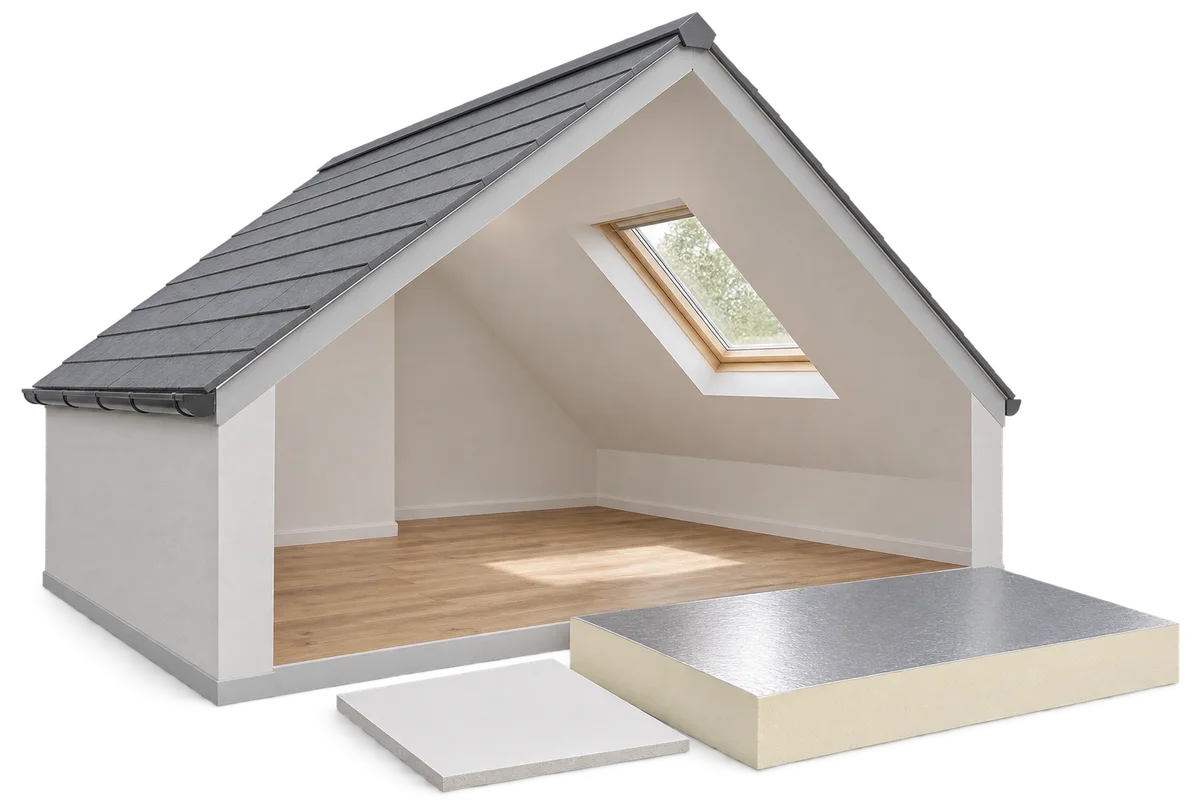
A loft fit-out starts well before the first plasterboard goes up. Inspect the roof, plan the insulation and establish how the layers…
When a historic façade must be preserved, internal insulation may be an option. First establish how the walls and floors are built.…
A calculator can compare insulation thicknesses quickly if the inputs describe the actual construction. Common errors involve the wrong board, inconsistent units…
The position of the waterproofing is the starting point for choosing flat roof insulation. On a warm roof the insulation sits below…
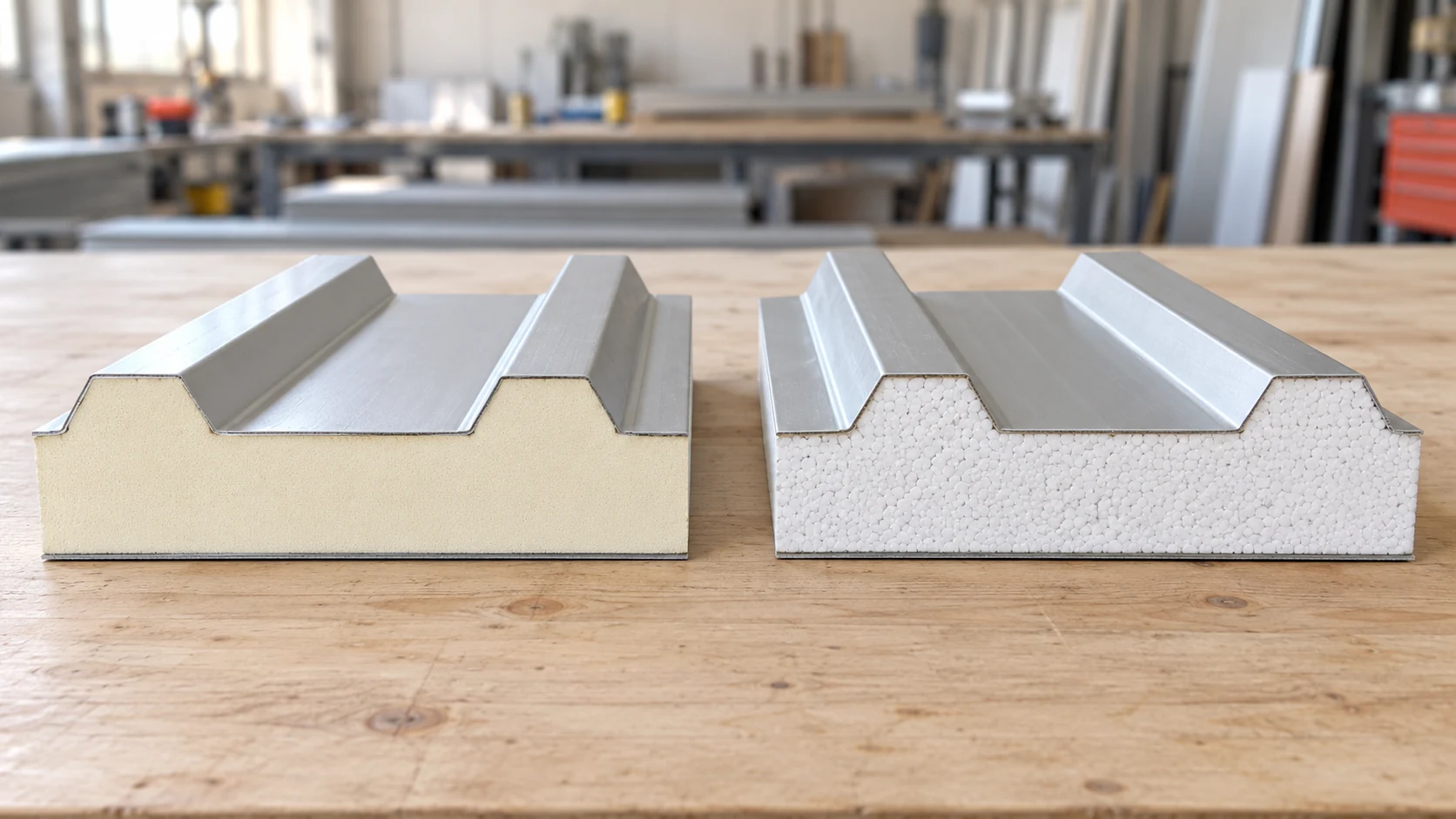
Compare PIR and EPS roof panels against the same design brief. Set the required U-value, loads, fire performance and exposure conditions, then…
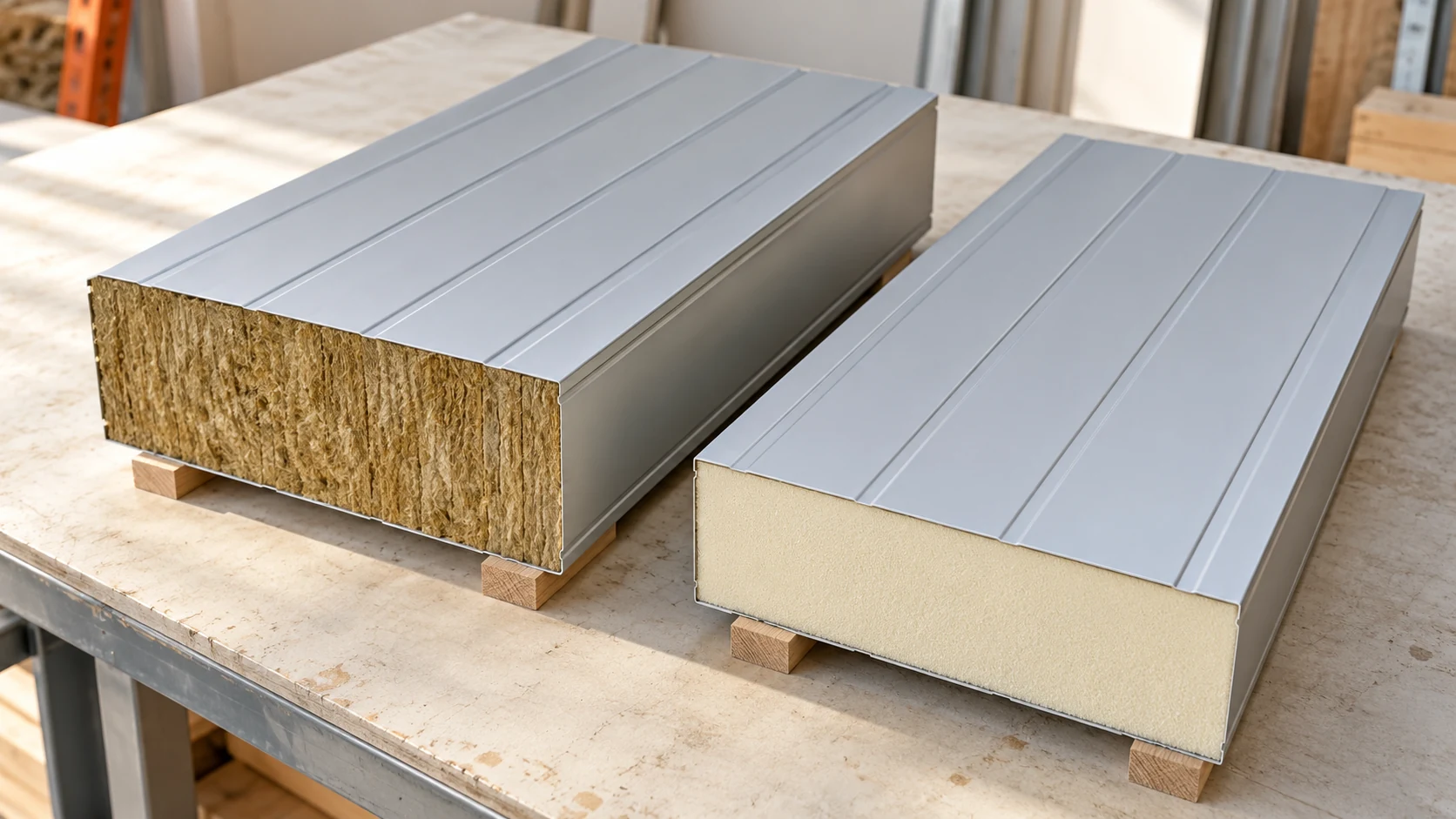
Choose the core for the job the wall or roof must do. Mineral wool and PIR offer different combinations of insulation, weight…
