






How can you assess a roofer before work starts?
Structure and installation
Ask a prospective roofer to walk you through one difficult junction on your roof. How will water pass the chimney, which layers meet at the eaves, and what will still be accessible for inspection? Compare those answers with the drawings, the installation instructions for the exact product and photographs of similar details the team has built. Also establish who will unload long sheets, arrange fall protection and document hidden repairs. A good quotation identifies the team’s responsibilities and the points where missing structural information needs a designer’s decision. Make these checks before ordering the covering.
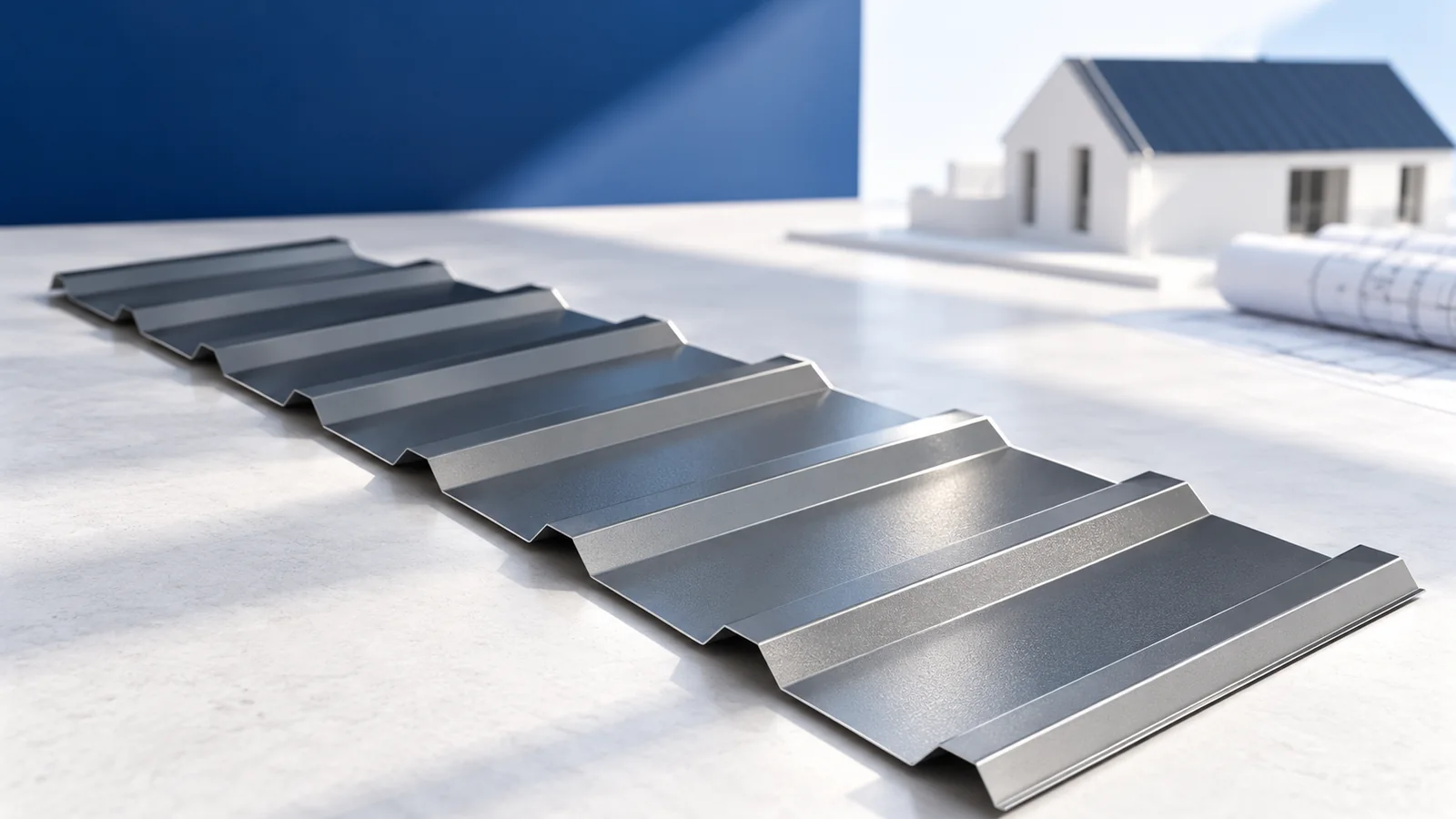
What does a roofer ask at the first meeting?
Expect questions about the design, material, pitch and substrate condition. Past leaks and plans for a change of use in the loft matter on a refurbishment. House floor area alone misses work associated with roof geometry and areas particularly exposed to water.
A competent roofer recognises the limits of a site assessment. A similar roof that has survived is no substitute for an engineer’s calculations. Missing support or loading data may call for design advice. Spotting this early helps prevent an unsuitable installation.
How much does a portfolio tell you?
A distant photograph shows the finished appearance but little about membrane laps, fixings or chimney junctions. Ask for close-ups and examples using similar materials. If possible, see a roof after several seasons. Its condition can reveal details absent from a completion photograph.
Find out which parts of the reference project the team actually completed. Another contractor may have fitted the complicated flashings. Numbers of projects matter less than relevant experience with the specific system, particularly for sandwich panels or unusual junctions.
How should installation instructions be used?
The roofer should use the documentation for the product on order. Similar profiles may have different batten spacing, fixing positions and overlaps. Experience helps interpret the instructions. Where a detail is unclear, resolve it before installation rather than improvising on the roof.
Ask how screws are selected for the substrate and roof zones. The answer should account for covering type and loads. A universal number per square metre is inadequate. If the team claims any cutting tool will do, discuss how it will protect the sheet coating at cut edges.
What can you learn from site organisation?
Unloading, storage and lifting affect the finished roof. Sheets should not be dragged or left in damp bundles. Long pieces need support. A prepared team plans these steps before the lorry arrives, preventing blocked access and distorted sheets.
Protection for work at height matters just as much. A roofer should know when weather calls for a stop. Handling sheets rapidly in high winds puts people and materials at risk. Look for a crew that manages those risks throughout the job.
How does the roofer approach difficult details?
Ask the roofer to explain a valley, the eaves and the chimney penetration. Listen for how water flows and how the layers connect. An answer based entirely on adding sealant is incomplete. Geometry and compatible materials make the detail function, with each seal performing a defined task.
Discuss ventilation under the covering. Closing every gap for appearance can obstruct the intended airflow. The roofer should distinguish resistance to rain, airtightness at the inside and air movement through the ventilation cavity. A sound design can meet all three requirements.
What needs to be agreed in writing?
Record the work scope, payment method and dates for inspecting each stage. For refurbishment, agree the procedure for repairs discovered after stripping. Set out who orders accessories and checks compatibility. A clear specification gives both parties a common reference.
Request photographs of work that will be concealed. They simplify assessment of joints and later alterations. At handover, obtain instructions for maintenance and safe access. The client needs enough information to look after the roof after the visual inspection.
How can you choose between several teams?
Give each team the same questions and compare the scope of its answers and price. Look beyond the earliest start date to experience with the material, relevant projects and the ability to explain junctions. Clarify how changes are priced and what must be ready before work starts.
Sound roofing cannot correct every defect in the underlying structure. A skilled roofer identifies problems, agrees how to resolve them and carries out the detail carefully. A tidy roofline is visible from the ground. Ask for evidence of the equally important connections beneath it.

Free quote
What to include in your enquiry
Tell us how you plan to use the material, the dimensions and the quantity you need. Include the thickness, grade or variant name, along with the delivery town or your preferred collection branch. For a specific product, add its name or a link to the product page. We will reply to the email address you provide to discuss availability and the terms of your order.
Read next
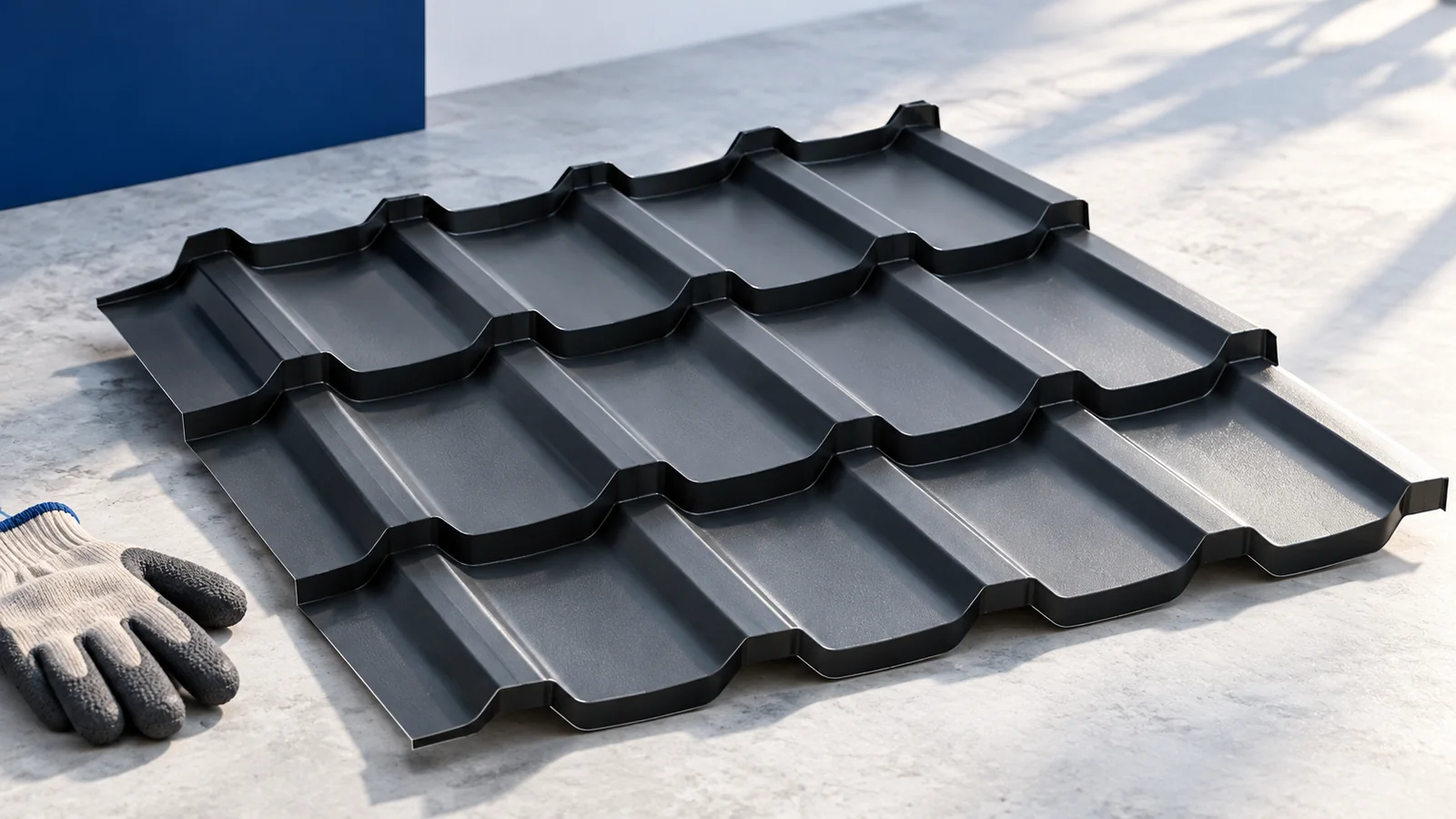
Metal roofing can reduce the weight the covering adds to a roof and gives the designer a choice of profiles, finishes and…
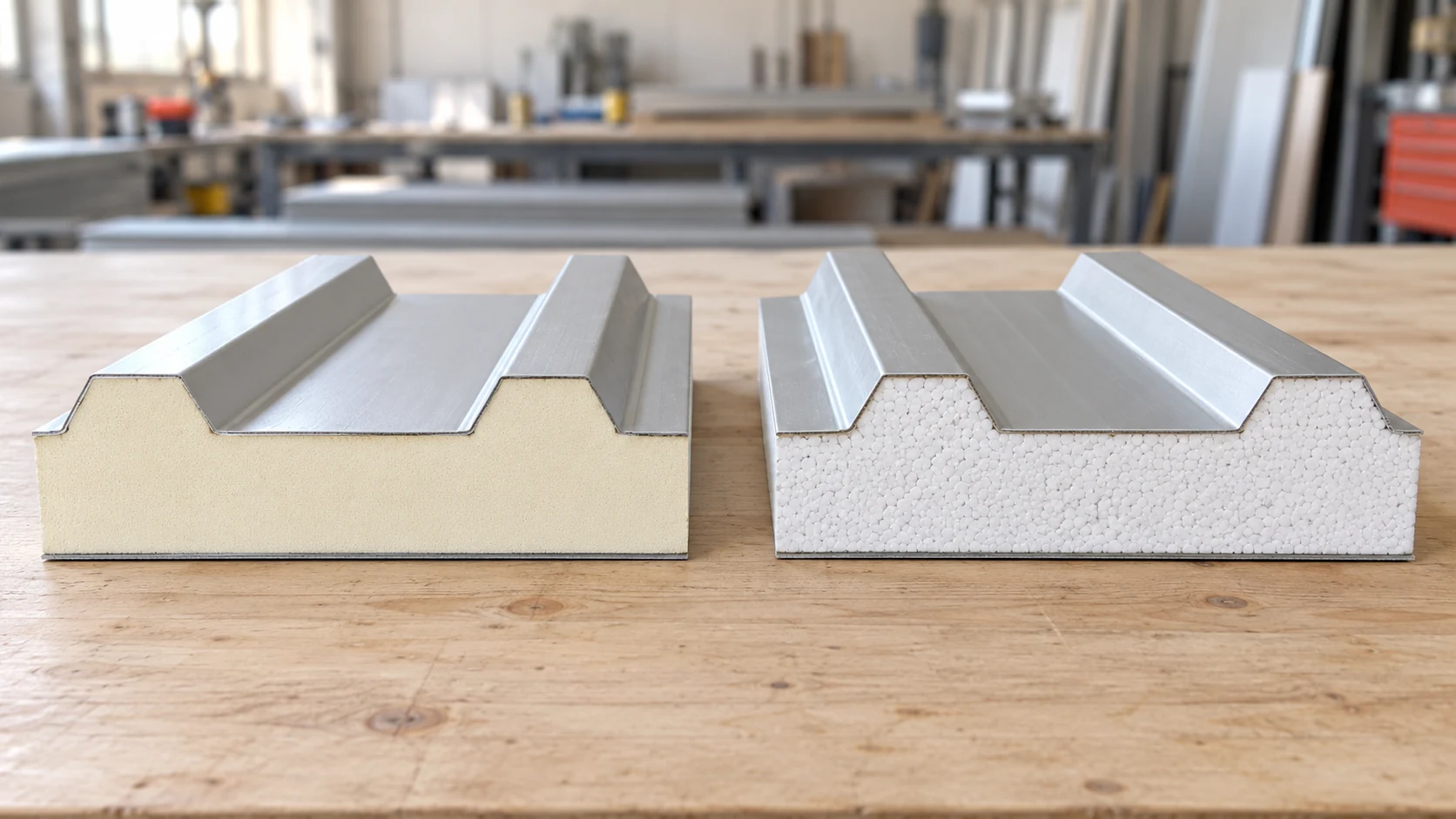
Compare PIR and EPS roof panels against the same design brief. Set the required U-value, loads, fire performance and exposure conditions, then…
A complete roof price covers the load-bearing structure, the layers beneath the covering, the covering itself and the details that keep water…
To select gutters for a metal roof, mark the area draining to each outlet on a roof plan. A valley may concentrate…
A roof that looks flat still needs a reliable drainage path. For a sandwich panel roof, check the minimum pitch for the…
Start with the fire requirements in the building design and the function the roof must perform. A PIR roof panel can meet…
Start with the price of covering the measured roof, including laps, fixings and delivery. A sheet that looks cheaper per square metre…
Two roofers can quote different prices per square metre for the same slope because they are pricing different work. One may include…
