






Buying a roof: where can you save and what should stay in the specification?
Costs and paperwork
Start with the price of covering the measured roof, including laps, fixings and delivery. A sheet that looks cheaper per square metre may cost more once you compare the area it actually covers. Ask for a cutting plan: shorter runs or a different sheet layout can reduce waste without reducing the thickness of the steel. Keep the coating, support spacing and fixing details appropriate to the building. The worked example below shows how to put two quotations on the same footing before looking at discounts, surplus stock or future maintenance costs.
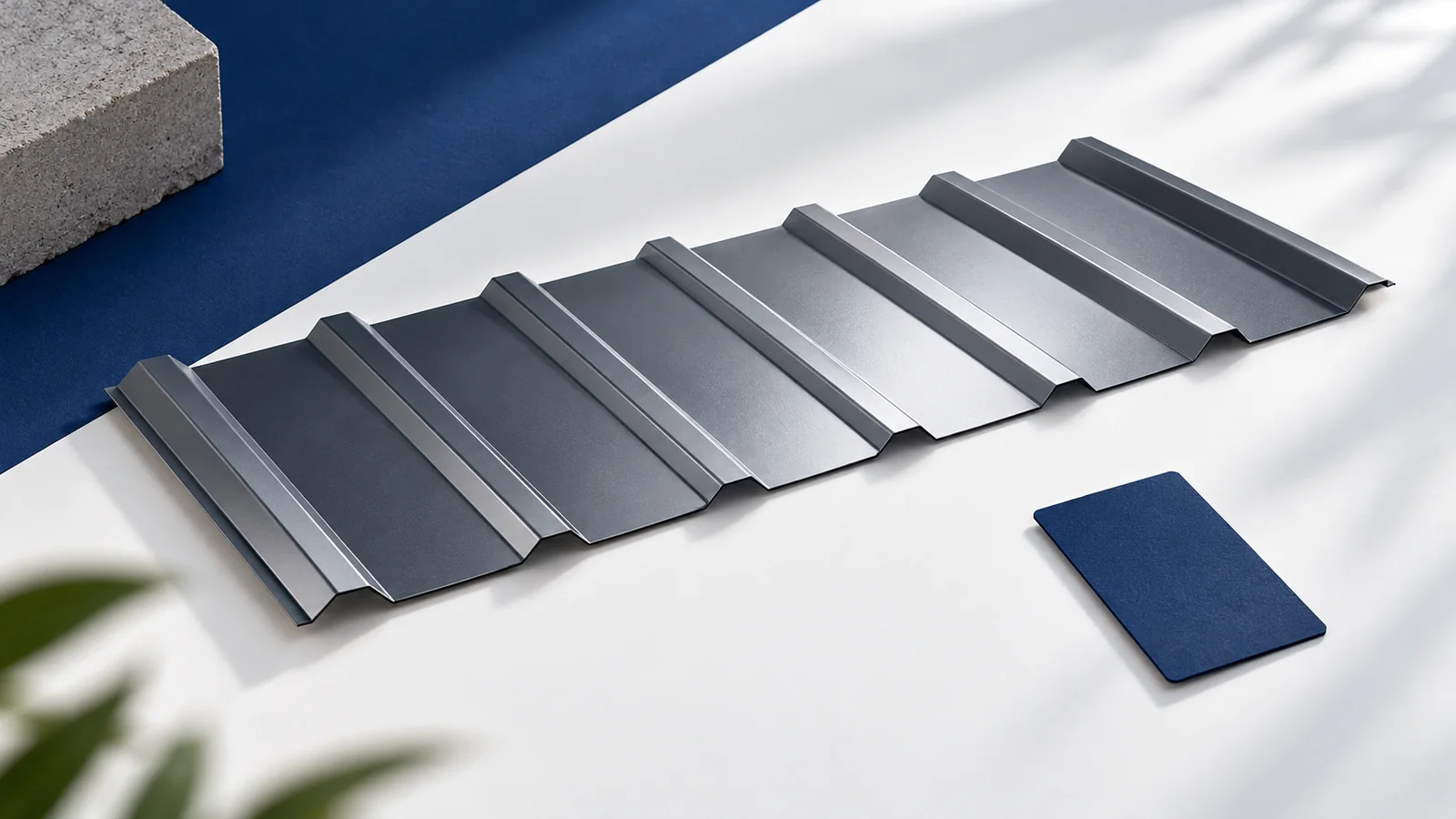
Why can a price per square metre be misleading?
Check which area each supplier prices. The total sheet area includes the strip that overlaps its neighbour; the effective cover is the area of roof left covered once that overlap is made. Compare both offers per square metre of effective cover. Check separately whether each price includes VAT.
For example, a 3.6 m² sheet might cover 3.3 m² of roof. At approximately €9.27 per square metre of sheet, the sheet costs about €33.37, or €10.11 per square metre of cover. These rounded figures illustrate the calculation; they are not a current offer. The lowest headline rate need not produce the cheapest roof.
Which specifications must the roof meet?
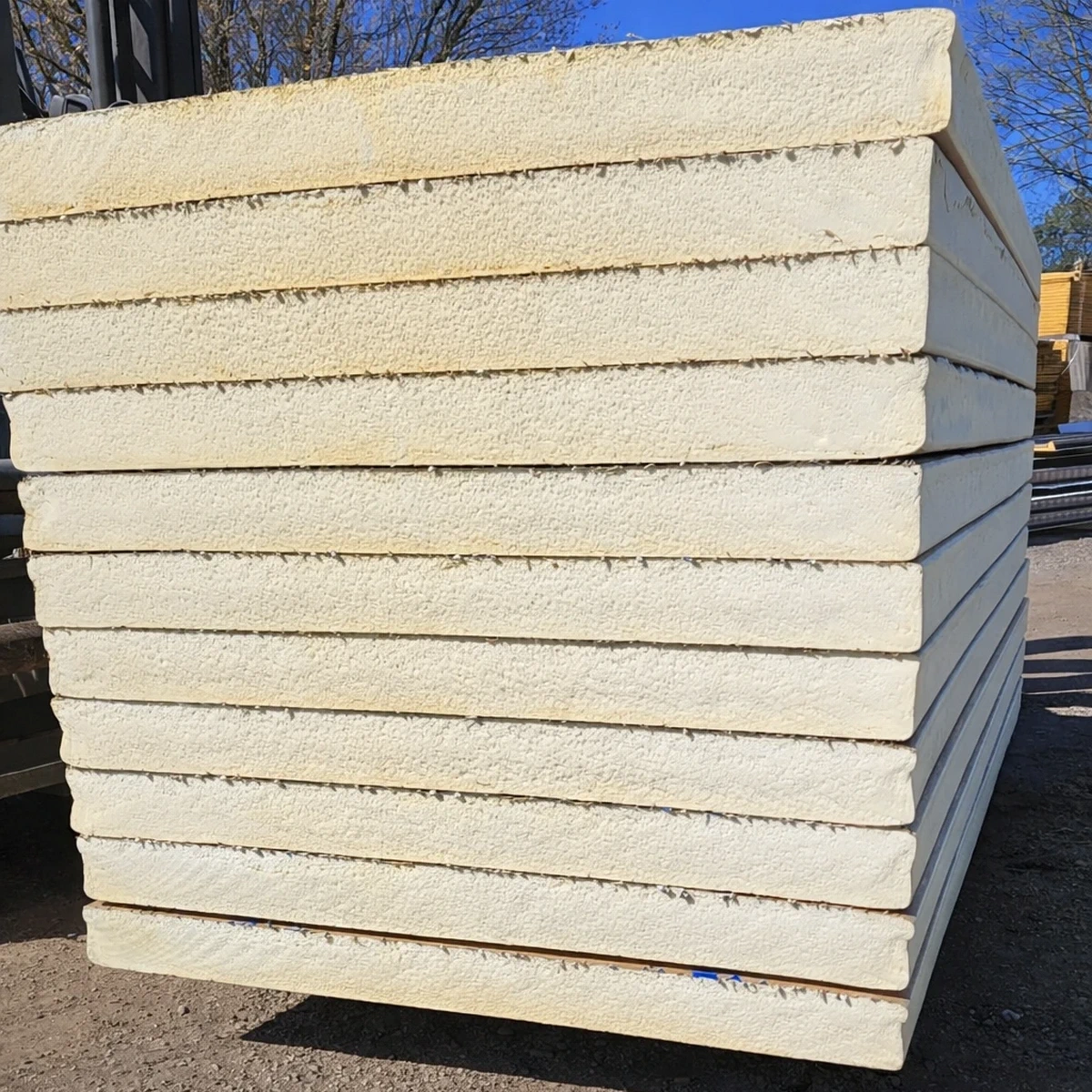
Specify the profile and sheet thickness for the loads and support spacing. A thinner sheet is not interchangeable simply because it looks similar. On sandwich panels, check both steel facings: panels with the same core may have different allowable loads if the facings differ in thickness.
Choose corrosion protection for the exposure. A cheaper coating may be a poor choice in a damp agricultural building or an aggressive environment. Compare the exact specifications and supporting documents. A long warranty does not compensate for a different material; check its limits and maintenance conditions.
Why include accessories from the start?
Screws, washers, sealing tapes and flashings keep rain out and help the roof resist wind. They cost less than repairing water damage. A substitute fastener may have the wrong thread, length or drilling capacity, particularly where the steel supports vary in thickness.
Roof ventilation and the eaves detail also have to work as designed. Removing parts from a quote lowers the quoted price without removing the need for them. Request an itemised accessory list with quantities so you can distinguish a discount from an omission.
Where can you make real savings?
Simple roof planes, practical sheet lengths and coordinated deliveries reduce waste. A standard colour and readily available components may cost less than a series of custom details. Select a coating that meets the exposure and service-life requirements; the most elaborate system is not always necessary.
For tile-effect steel roofing, compare a cut-to-length layout with modular sheets. For trapezoidal steel sheet, see whether different sheet divisions reduce offcuts. Vehicle access and unloading the whole order once can also save money without reducing roof performance.
When are second-grade materials worth considering?
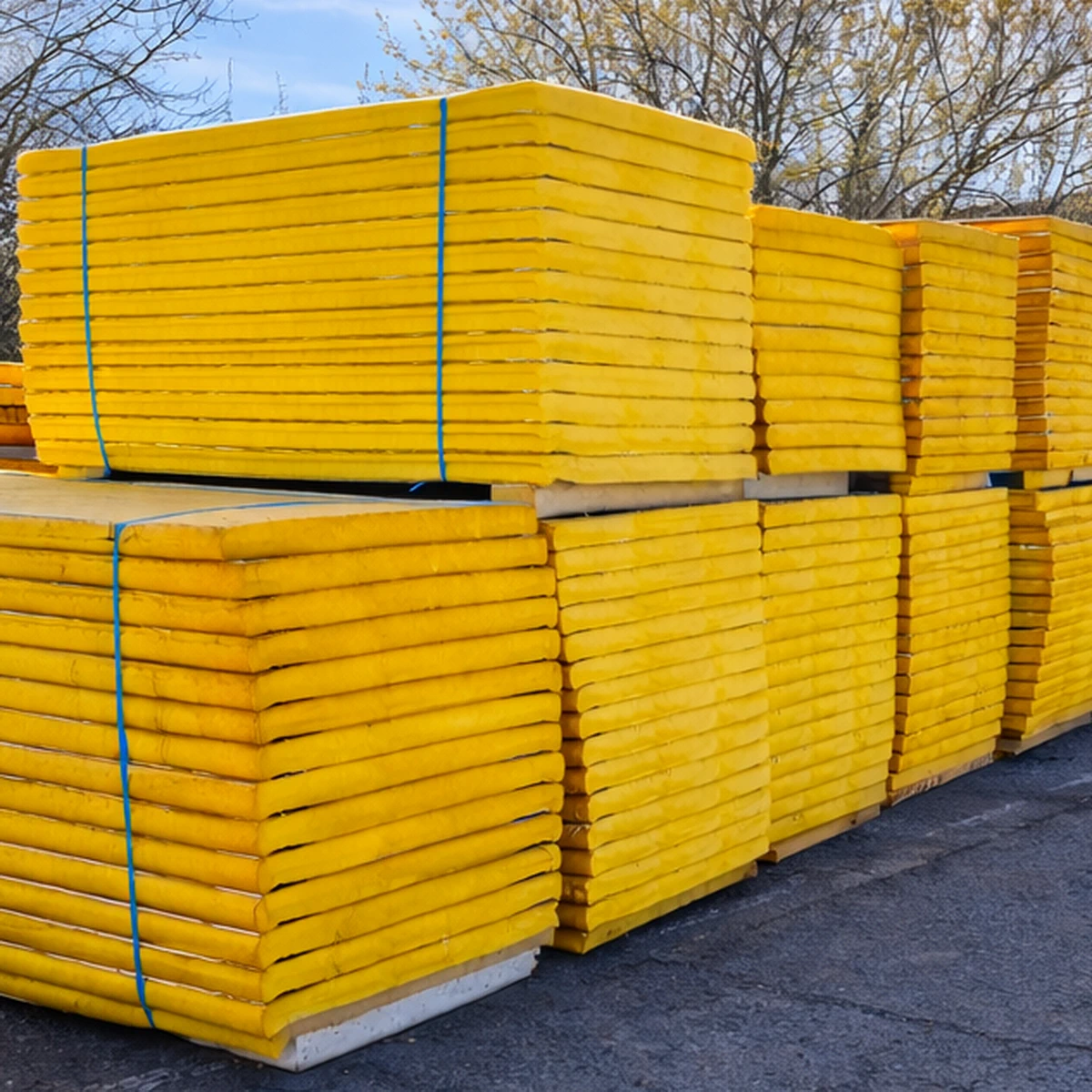
Second-grade stock can be useful if you know why the lot was downgraded and can accept the limitation. A cosmetic mark differs from damage that allows water in. Inspect the batch, check dimensions and examine the joints, edges and coating. An outlet label tells you none of this.
Not every offcut is suitable for a roof with specified load and weather-resistance requirements. Sandwich panels also need an intact bond and joints that close correctly. Establish what documentation comes with the batch and on what terms it is sold. Even a bargain lot must meet the requirements of a heated building if that is where it will be used.
How can you avoid expensive ordering errors?
Approve the cutting schedule before production starts. Check which face is coated, the cover width and every sheet length. A made-to-measure sheet ordered incorrectly may have little alternative use. Confirm the actual measurements of an existing roof before ordering.
Agree on a delivery date and unloading arrangements. Cheap transport is no advantage if the sheets then sit for weeks in unsuitable storage. Coordinating the order prevents handling damage, extra journeys and crew downtime while preserving the specified material quality.
How do you compare costs over the life of a roof?
Add installation, inspections, possible recoating and repair access to the purchase price. A high or hard-to-reach roof costs more to service than a similar roof on a single-storey building. A leak can interrupt warehouse operations and damage equipment as well as the roof itself.
Before ordering, compare all quotes against one schedule: profiles, thicknesses, coatings, lengths, accessory quantities and delivery terms. Ask each supplier to identify exclusions. This lets you choose an economical roof on its merits rather than judging quality by the highest or lowest price.

Free quote
What to include in your enquiry
Tell us how you plan to use the material, the dimensions and the quantity you need. Include the thickness, grade or variant name, along with the delivery town or your preferred collection branch. For a specific product, add its name or a link to the product page. We will reply to the email address you provide to discuss availability and the terms of your order.
Read next
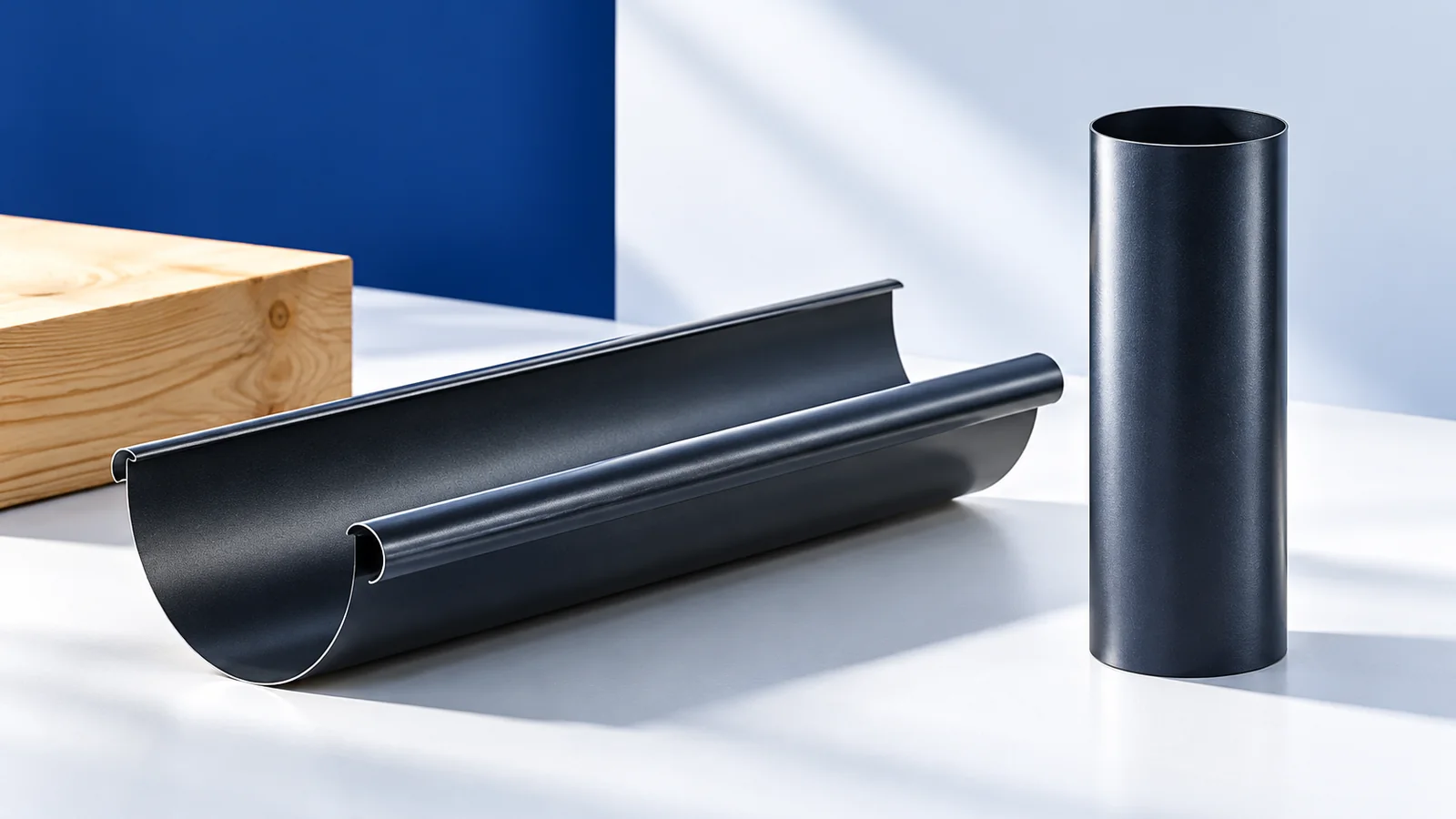
To select gutters for a metal roof, mark the area draining to each outlet on a roof plan. A valley may concentrate…
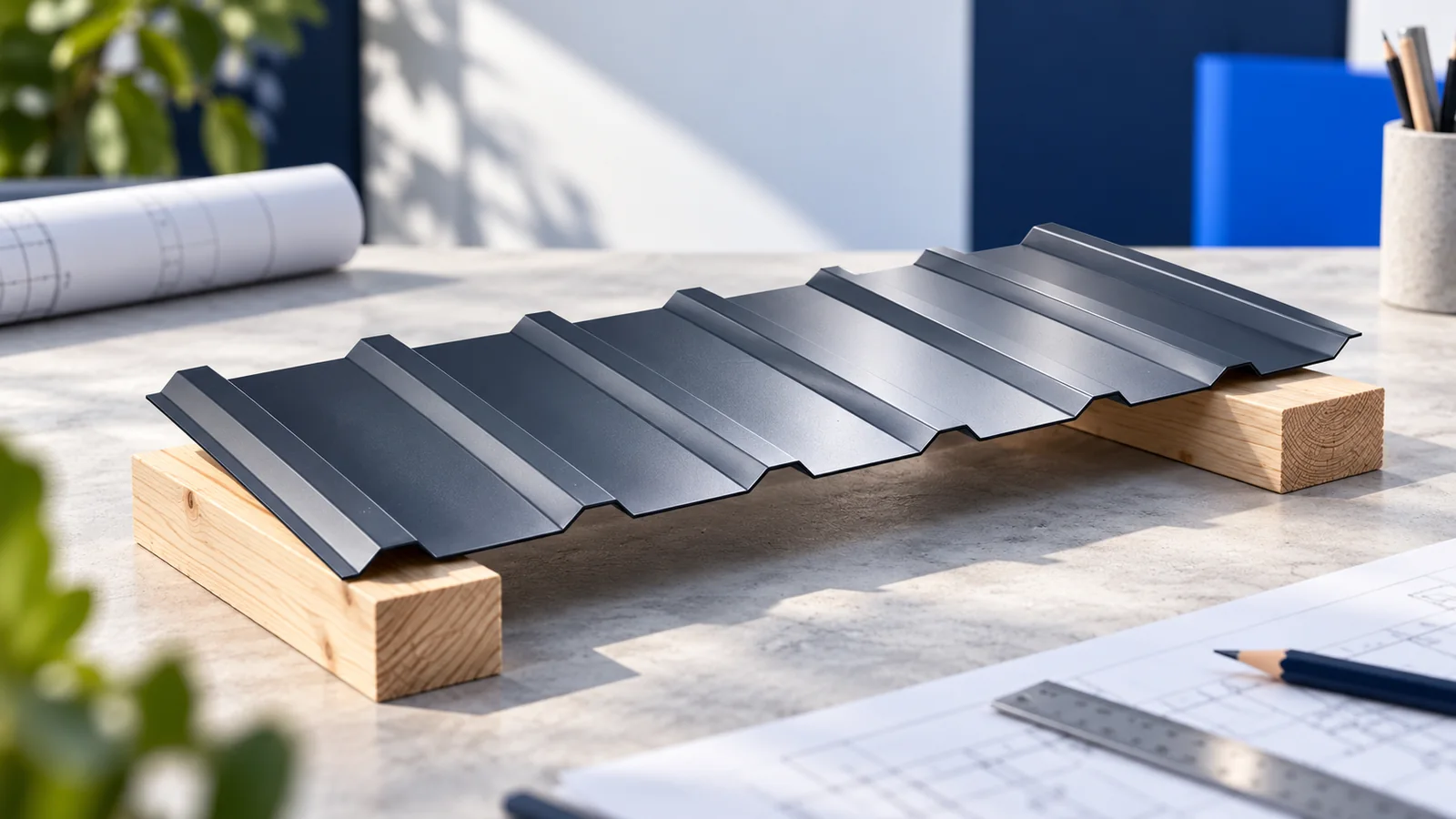
Rafter size and spacing depend on the span between supports, the timber grade, the roof build-up and local wind and snow loads.…
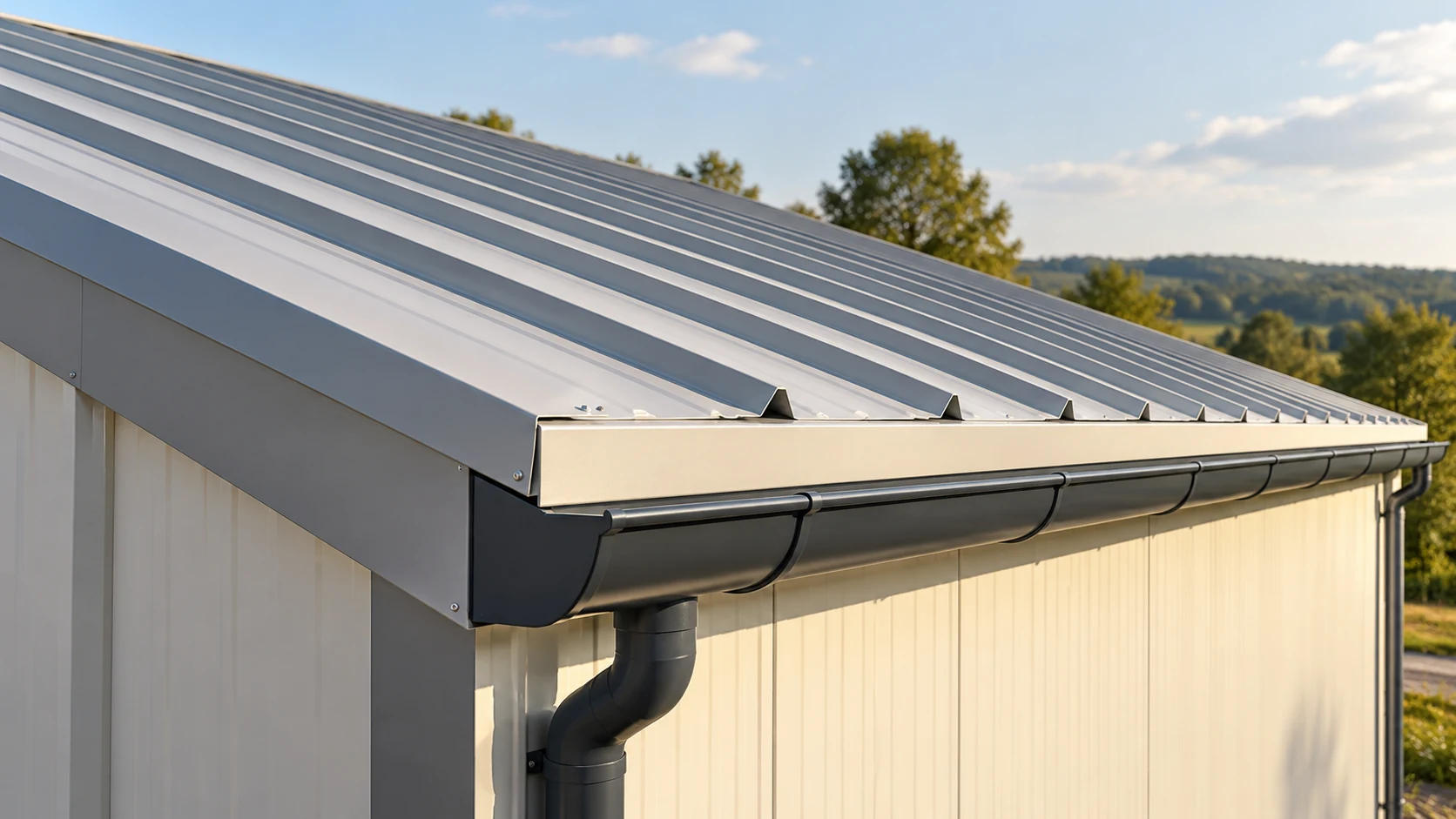
A roof estimate starts with slope dimensions and ends with the weatherproof details. Distinguish the area to be covered from the quantity…
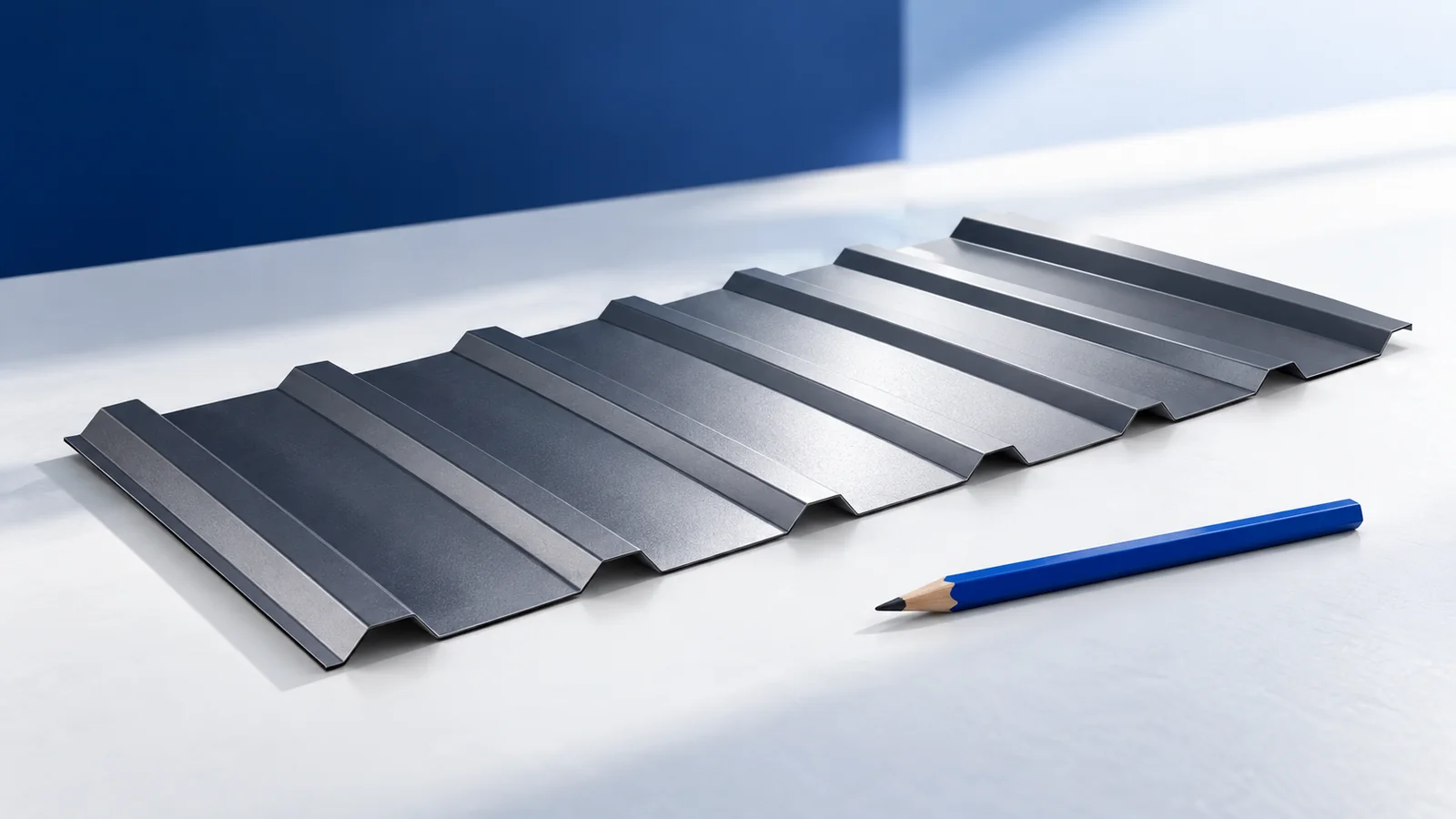
For an open shelter or carport, select the roof sheet together with the supports and anchors. Wind can reach the underside, and…
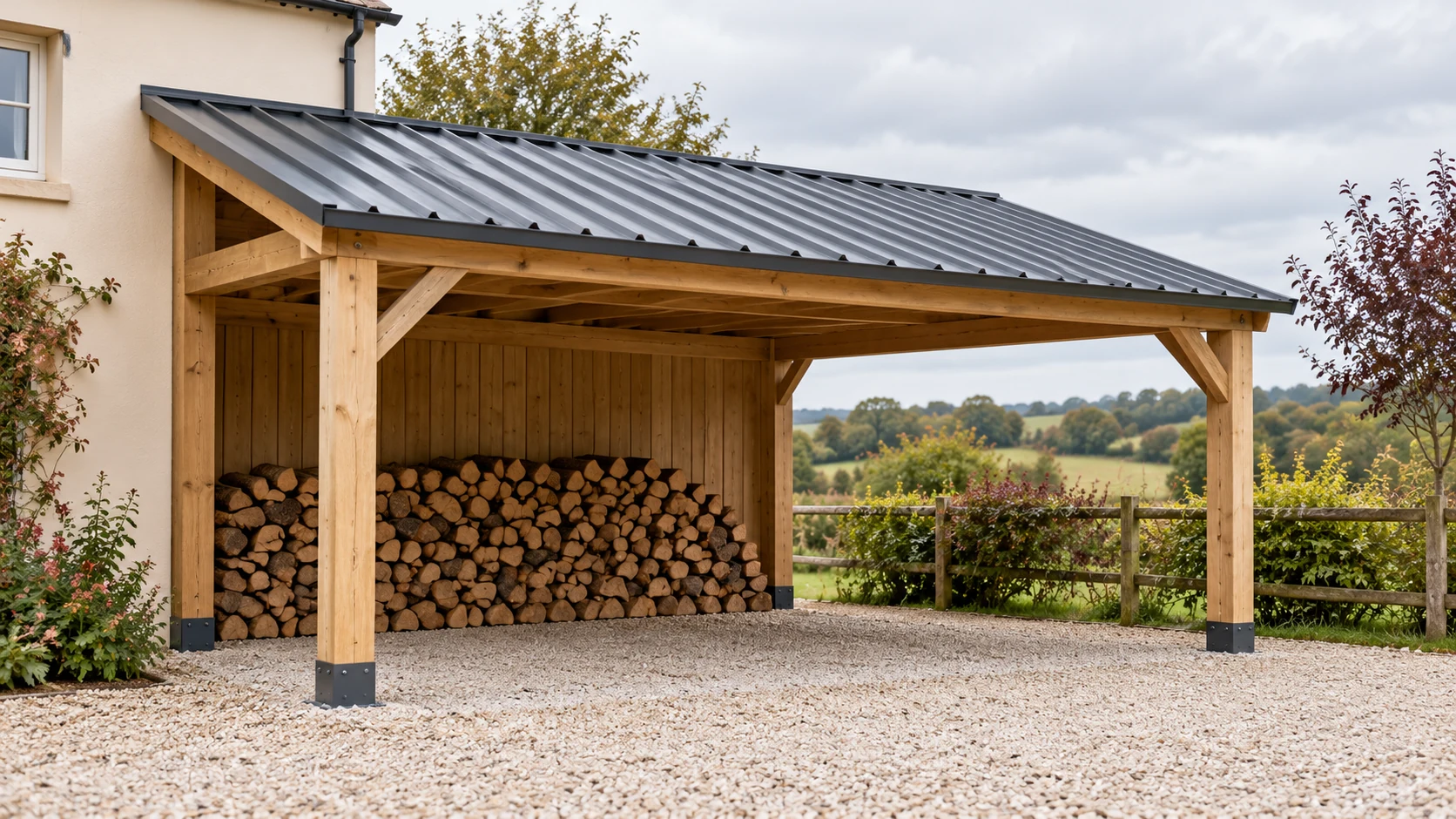
The cheapest sheet may not give you the lowest roof cost. Waste, supports, flashings and installation all affect the total. Define what…
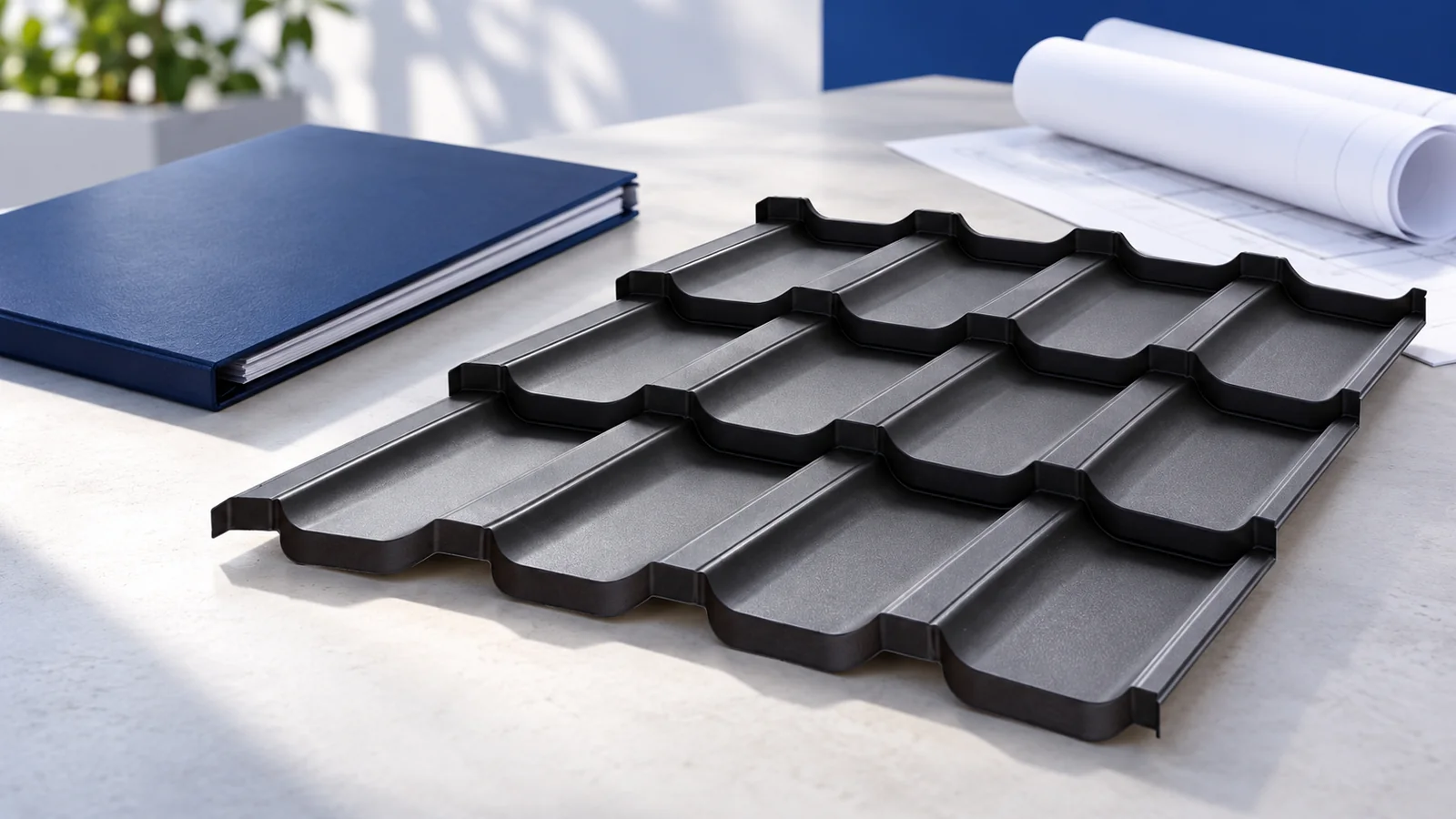
In Poland, start with the municipality where the property stands. Ask whether it is accepting applications and whether its scheme covers dismantling…
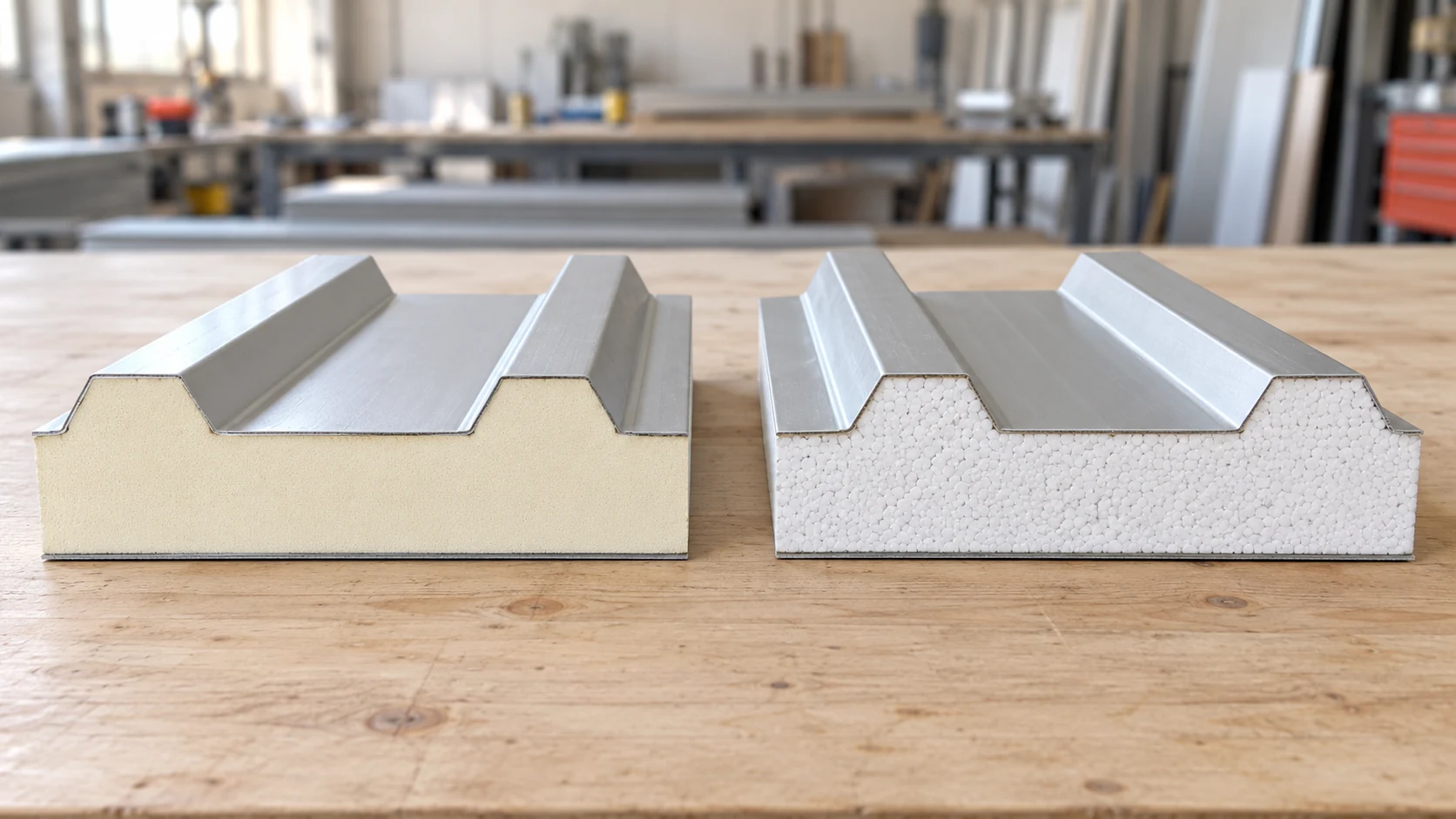
Compare PIR and EPS roof panels against the same design brief. Set the required U-value, loads, fire performance and exposure conditions, then…
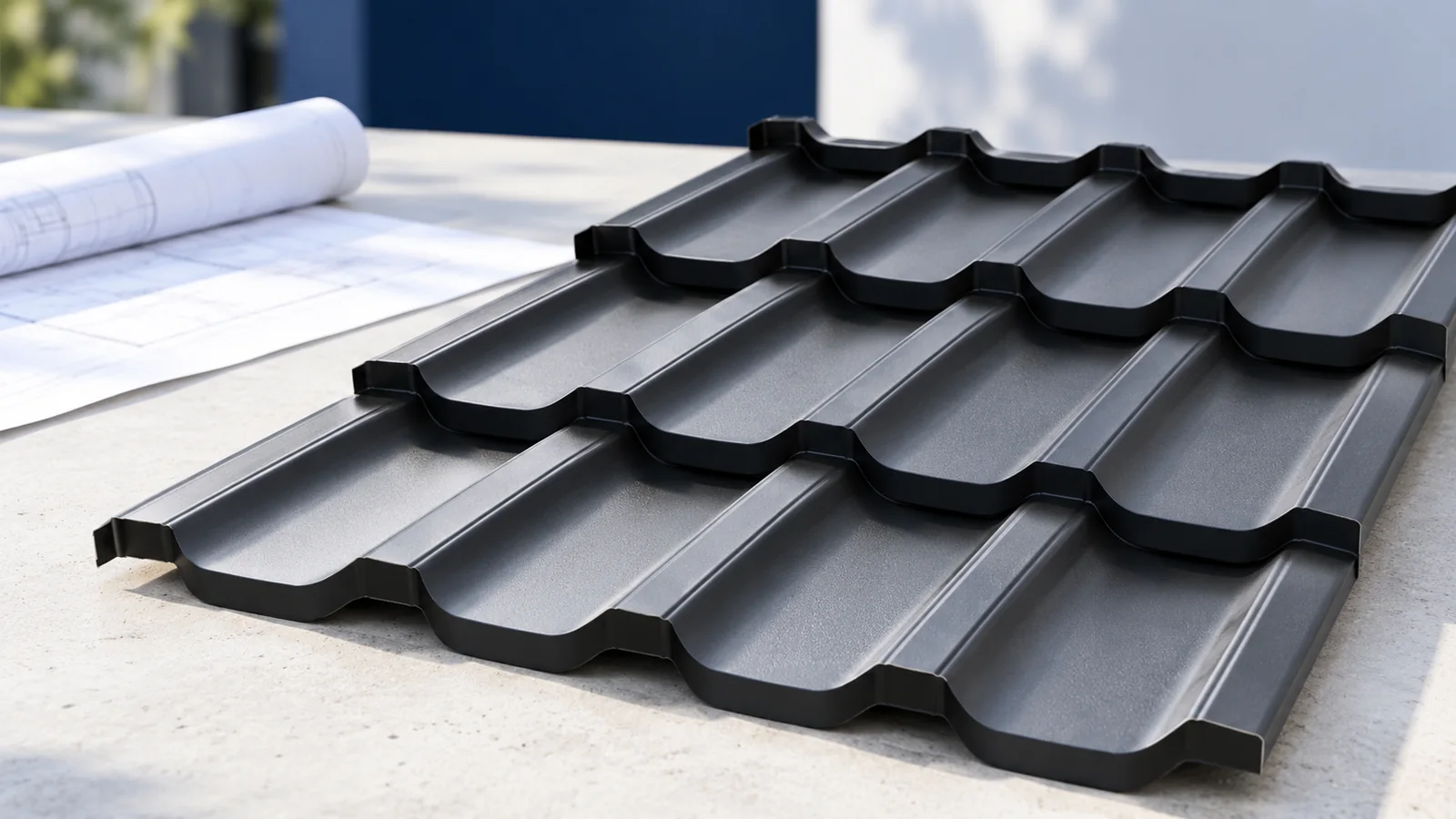
A metal roof can carry a photovoltaic array when the mounting system suits the particular roof and the structure can take the…
