






Modular tile-effect roofing: what sets it apart and when is it worth buying?
Roof coverings
To decide whether modular tile-effect roofing is good value, ask for the number of sheets needed for your measured roof, not just the price printed beside a sample. Each short sheet has a defined cover area after the laps are made. Its size can be useful around dormers and on sites with little room to manoeuvre, but also means more joints than a long sheet on a simple slope. Compare the installed totals, examine the profile in daylight and find out what the coating and warranty cover before ordering.
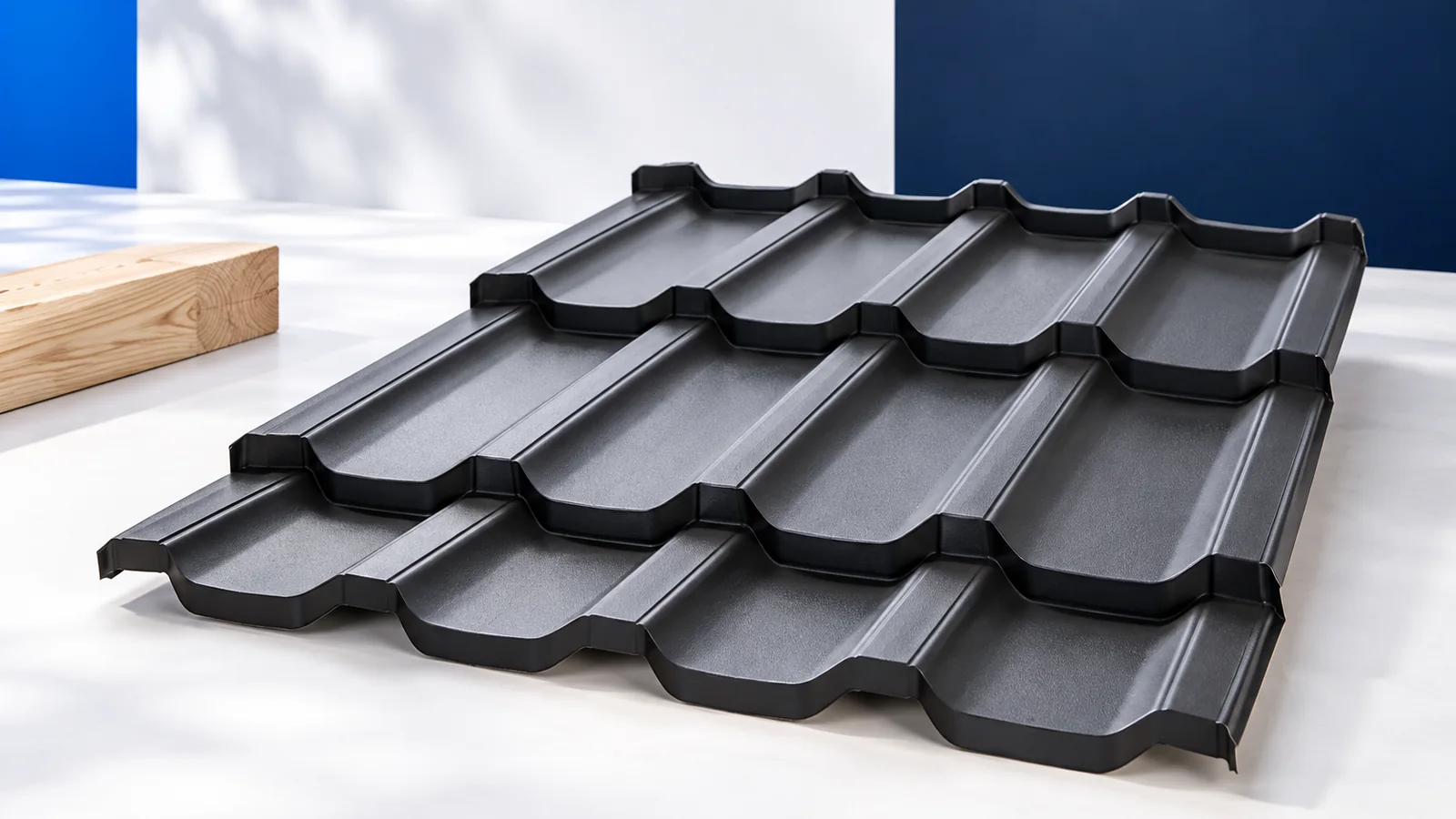
What makes the covering modular?
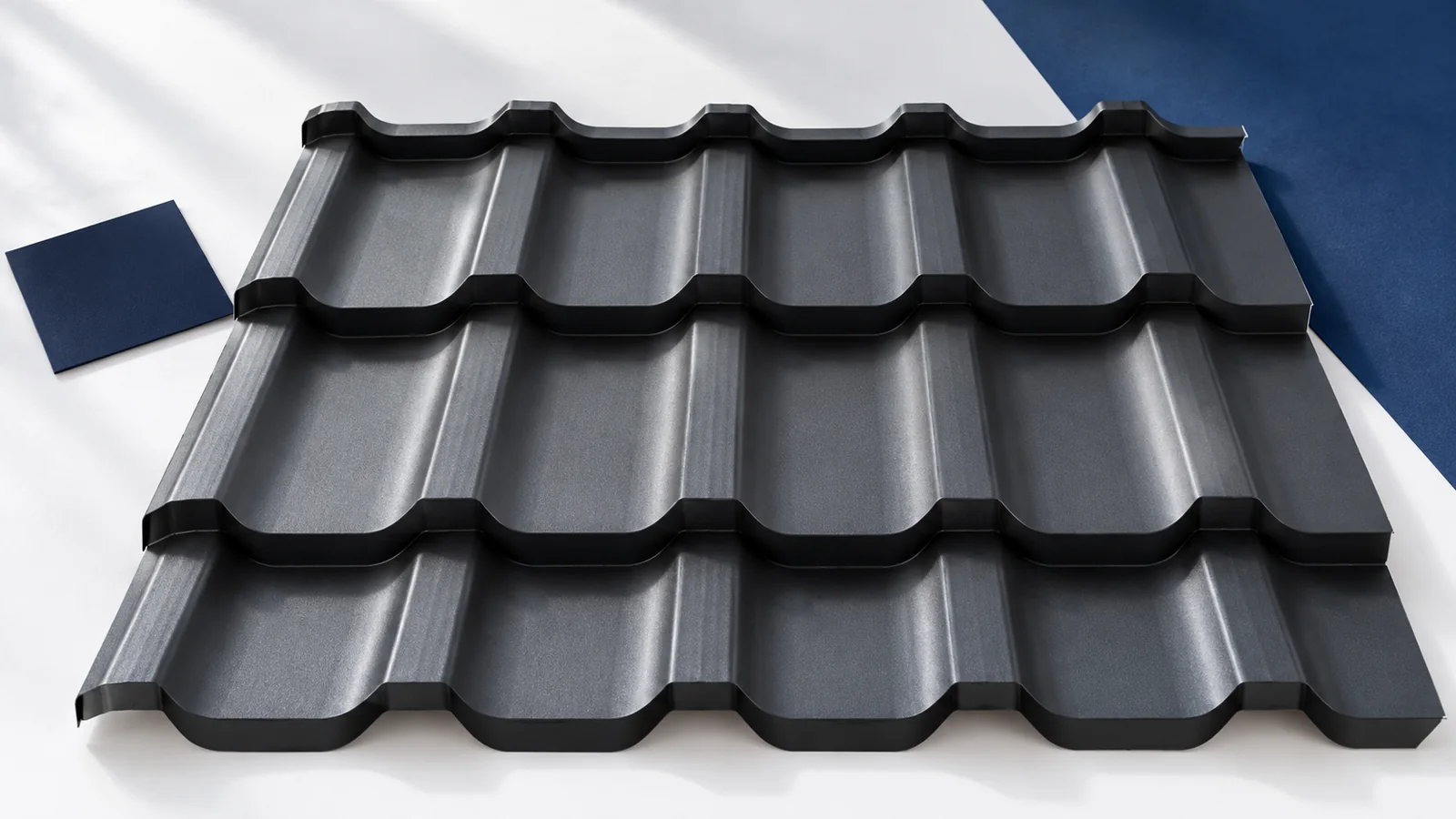
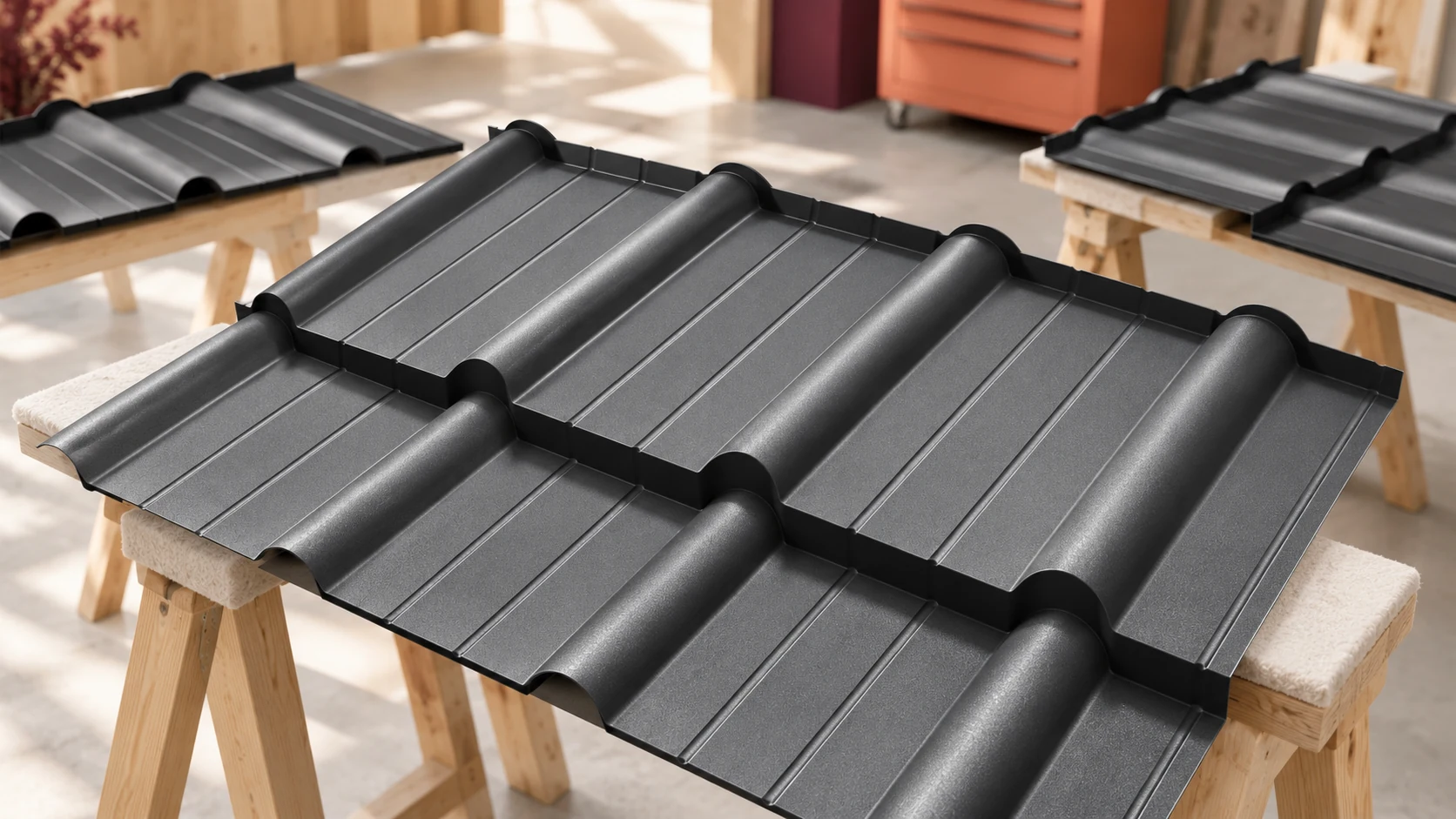
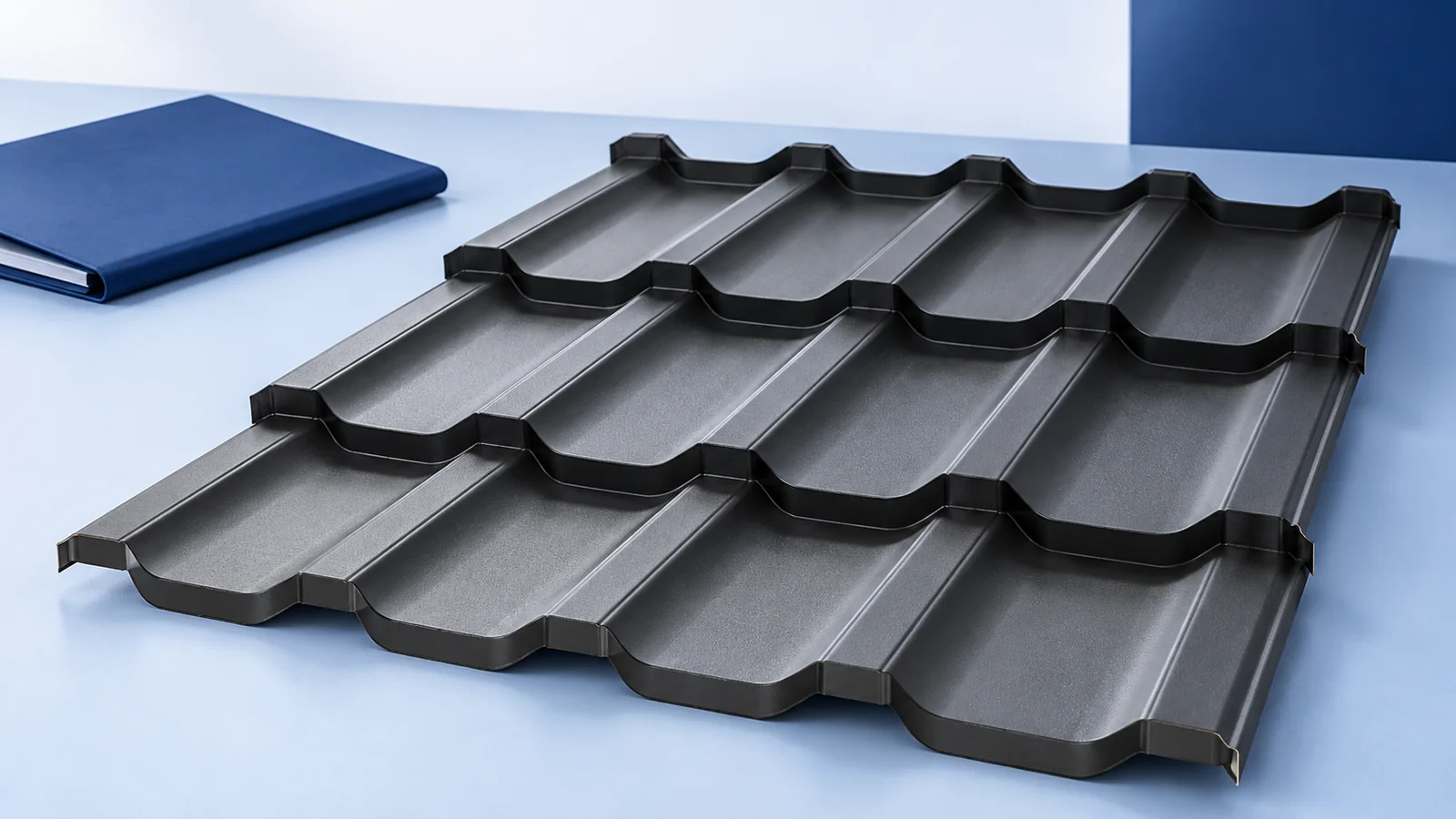
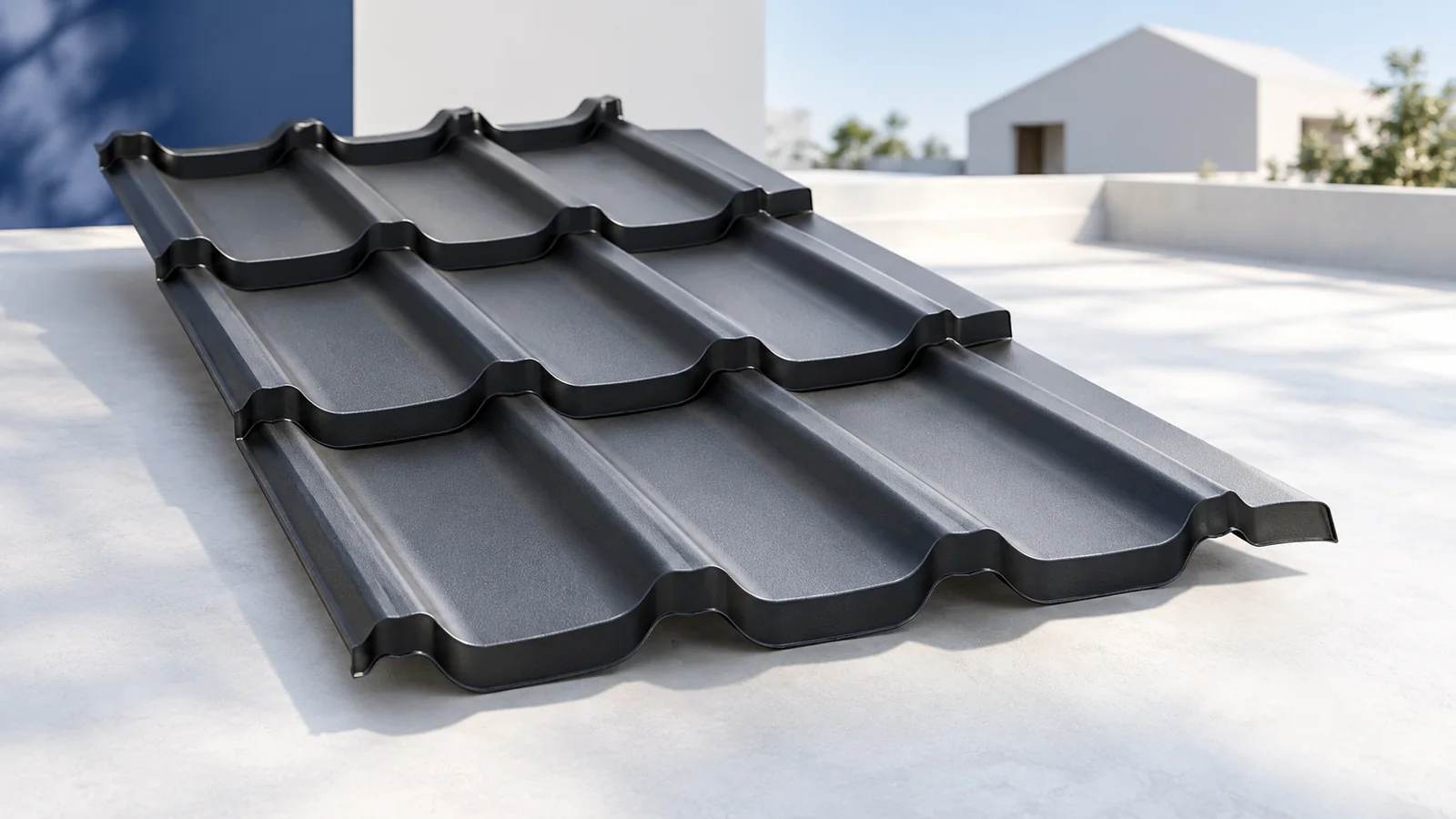
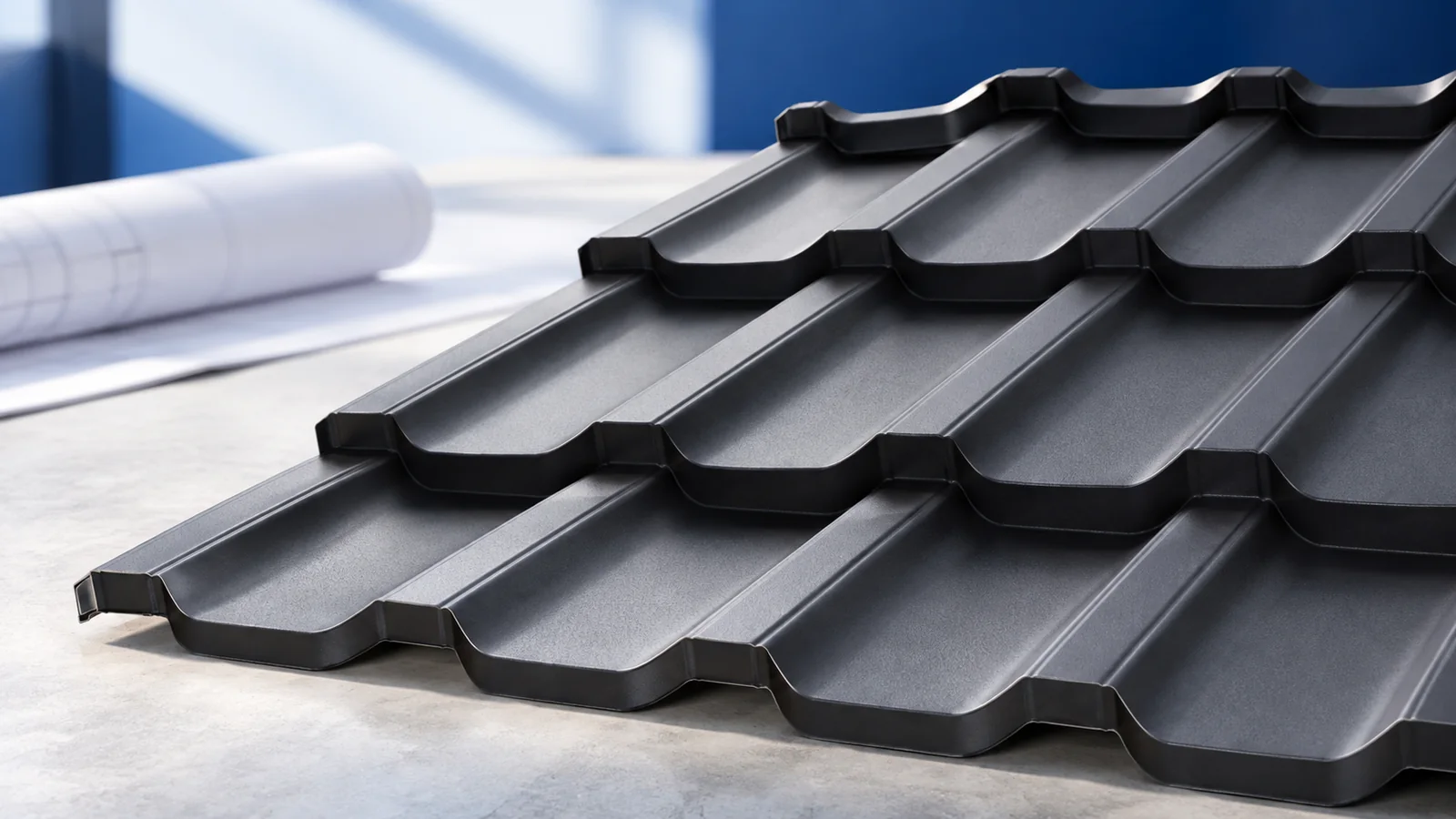
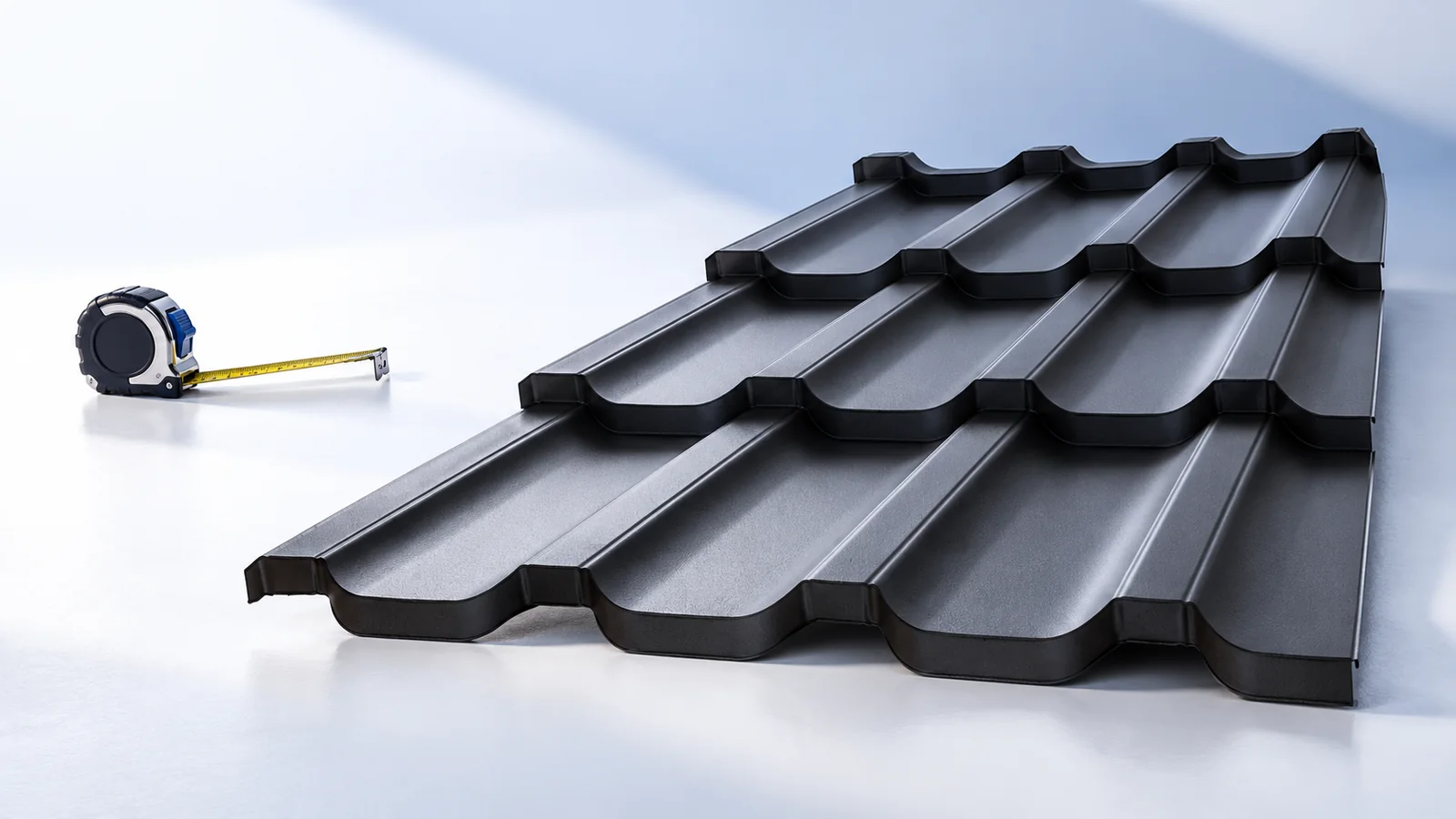
Each module is a steel sheet pressed into a set number of tile courses. Adjacent sheets overlap at the positions specified by the manufacturer, creating a regular pattern across the finished roof. Module size is not standard across suppliers. Wave shape, lap position and effective cover area also vary.
Check the unit of the quotation: per sheet, per square metre of sheet or per square metre of roof covered. Multiplying the outside dimensions of a module gives more than its effective cover because the laps consume material. Calculate the piece count from a cutting plan based on the measured roof.
Where do small roofing sheets help most?
Modules are easy to position around dormers and valleys and on short slopes. They can be passed up and manoeuvred around obstacles more readily, reducing the risk of bending a sheet during handling. They still need proper storage and protection from scratching.
For a large, uncomplicated roof, price a cut-to-length tile-effect sheet layout as well. Long sheets can span the slope with fewer end laps. Modules do not invariably cost less or leave fewer offcuts. The geometry, laying direction and potential to reuse cut pieces determine the result.
How can you judge the shape and finish?
Look at the sample outdoors from several angles. The depth of the pressed steps affects shadows, and a matt finish reflects light differently from a glossy one. A large expanse makes the pattern more noticeable than a small swatch suggests. A finished roof with a similar pitch on a building of similar proportions is a better guide.
Consider the covering alongside the gutters, flashings and window frames. They need not all be the same shade, but their proportions should work together. For an extension, an identical colour name is no guarantee of a match with an older slope: weathering and batch variation can show.
Which properties matter besides colour?
Request the nominal steel substrate thickness, metallic coating details and organic finish specification. Verify that the product suits the local exposure. Corrosion resistance and colour retention are different properties; neither paint thickness nor warranty duration alone gives a sound comparison.
Read the warranty before buying. Conditions may address distance from a highly corrosive environment, permitted cutting methods and required maintenance. Cover for appearance may differ from cover for perforation. Check what the document covers and what delivery information you should retain.
What keeps the module joints weathertight?
The starting surface, batten spacing and alignment of the first sheets are critical. A small initial error shifts the pattern in later courses. Set out the battens to the instructions for the chosen model, not to the gauge of another tile-effect sheet that happens to look similar.
Place fasteners where specified and avoid crushing the sealing washer. Valleys, chimneys and roof edges require appropriate flashings. The sheets work with the underlay and ventilation provisions. The module profile alone cannot make up for errors at these junctions.
How do you plan handling on a small site?
Short formats help where long sheets cannot readily be delivered or carried. The packs still need stable supports and protection from moisture. Plan the lifting route and a separate cutting station; metal swarf from that station should not land on roofing already installed.
Decide which packs to open first and check the colour before fitting sheets on a visible slope. If the material comes from different batches, clarify compatibility with the supplier. Good handling arrangements preserve the convenience of small sheets without creating extra opportunities for scratches.
When is the purchase worthwhile?
Choose modules when they suit the roof layout, transport arrangements and installer’s experience. Ask for a complete quote including accessories. Allow for labour, protecting the delivery and any lifting equipment. These costs can outweigh a seemingly attractive price per square metre.
Keep the product documents and, budget permitting, a small stock of matching modules for future alterations or damage. Store spares dry and as instructed. Modular tile-effect steel simplifies handling when the remainder of the roof has been planned with equal care.

Free quote
What to include in your enquiry
Tell us how you plan to use the material, the dimensions and the quantity you need. Include the thickness, grade or variant name, along with the delivery town or your preferred collection branch. For a specific product, add its name or a link to the product page. We will reply to the email address you provide to discuss availability and the terms of your order.
Read next
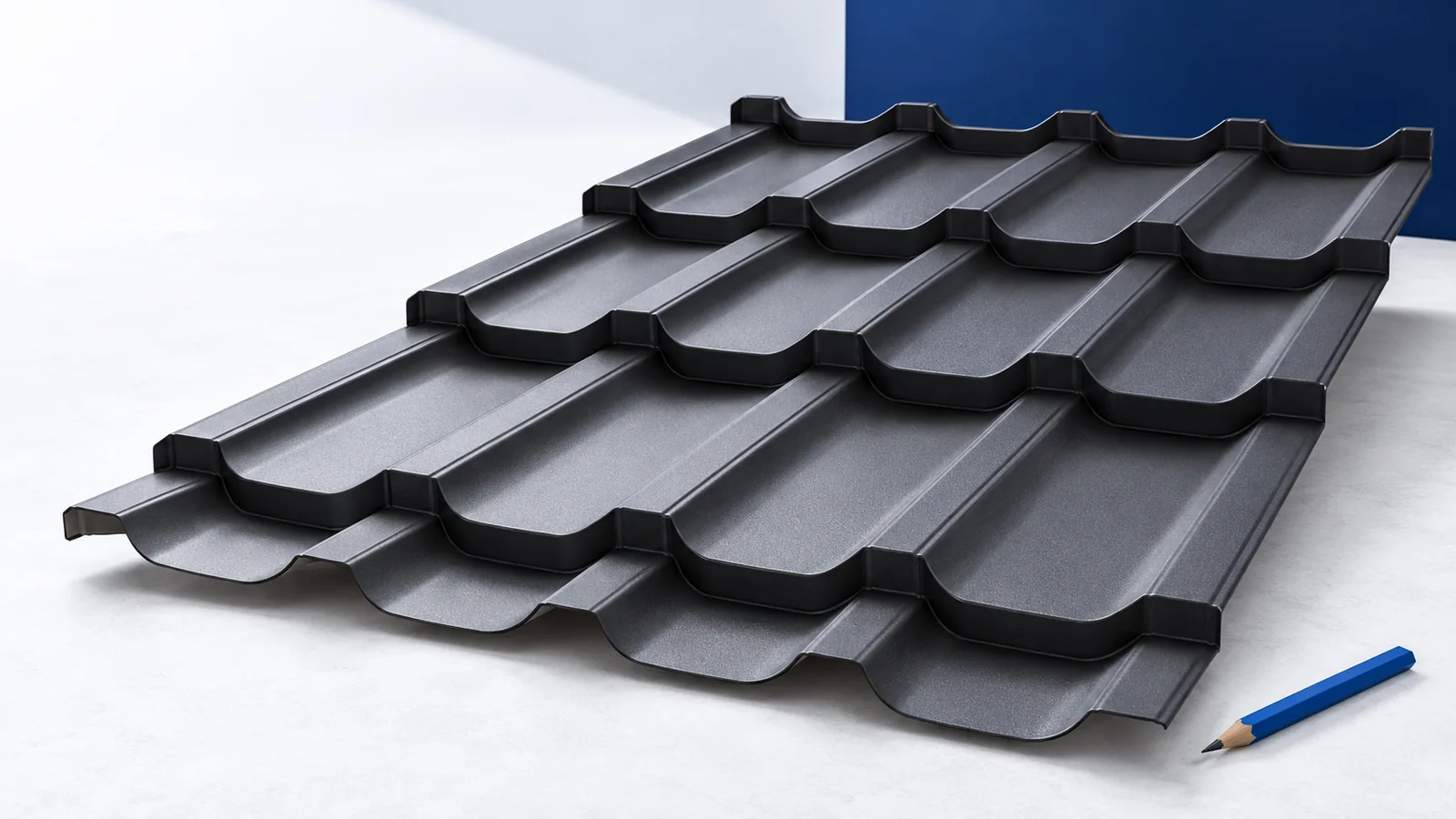
Cut-to-length tile-effect steel works particularly well on a traditional house with regular roof slopes. The pressed courses give the roof a familiar…
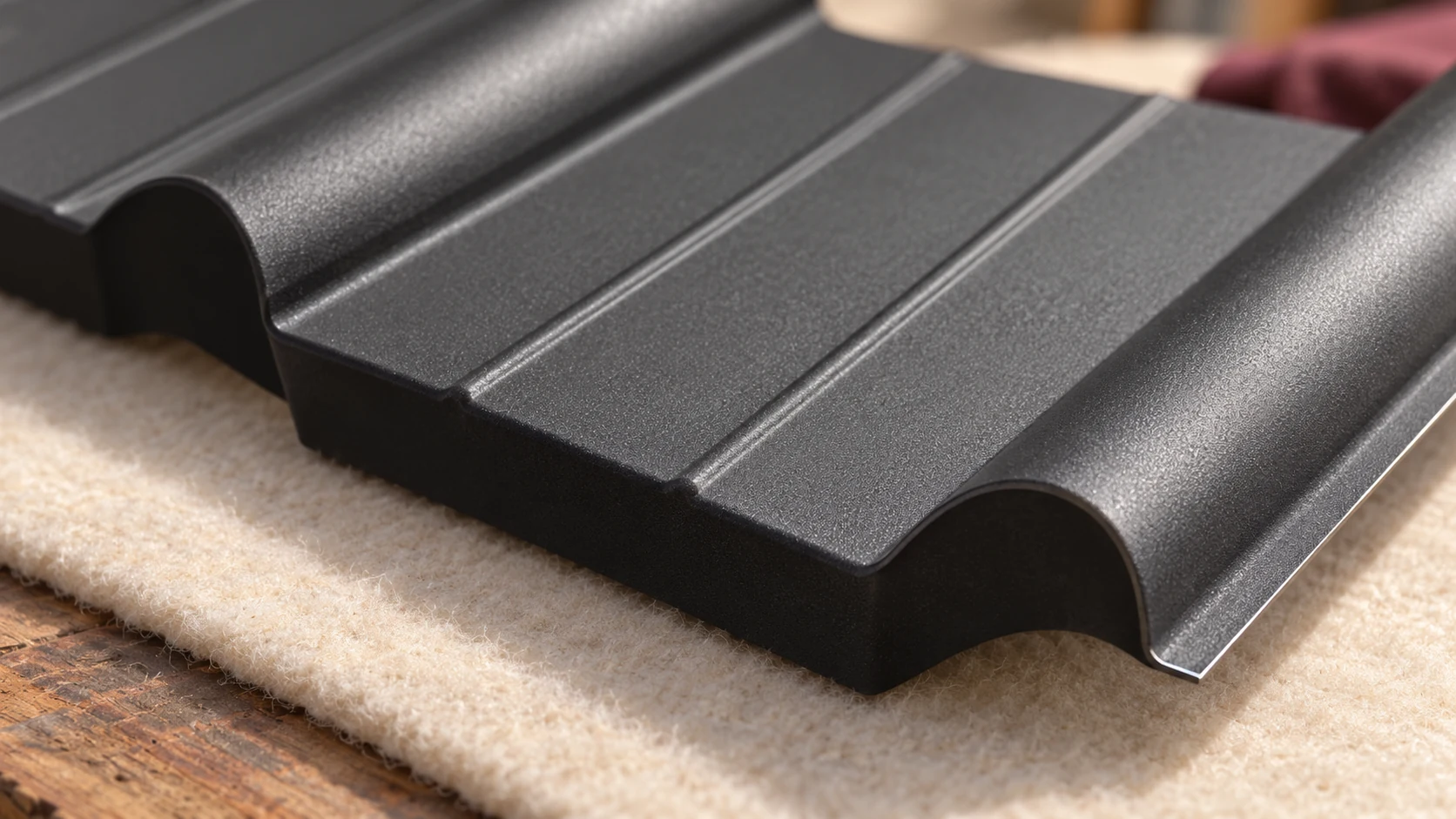
Colour is only one feature of a tile-profile roofing sheet. Under the finish is a steel core with protective layers, each serving…
The first course of tile-effect roofing sets the alignment of every sheet above it. Before laying it, check the eaves line, diagonals,…
Sheet format affects how a roof is delivered and installed. A long sheet can cover an uninterrupted strip of slope, whereas small…
Choose between matt and gloss by comparing two named coating systems on the same roof profile. The surface finish affects reflections, while…
To compare tile-effect roofing sheets, start with the steel thickness, the metallic protection beneath the paint and the finish on the exposed…
The frame, pitch and shape of a house roof determine which coverings you can consider. Cut-to-length metal tile sheets suit straightforward runs.…
On a tiled metal roof, the eye follows the ribs and the steps between courses. A sheet that runs from eaves to…
