






Roof coverings compared: which materials suit which roofs?
Roof coverings
Start with what the covering has to do. On a pitched roof, profiled steel or individual tiles shed rain through overlapping joints. An insulated roof panel combines the outer skin and insulation in one component. On a flat roof, it is usually a membrane or bituminous covering that keeps water out; the profiled sheet beneath it may simply form the deck. Before comparing finishes and prices, check which systems suit the pitch, which loads the structure can carry and how the building will be used. Compare the cost of complete roof assemblies, including the details at their edges.
What determines the choice of covering?
Measure the slope and the length from eaves to ridge. Mark valleys and service penetrations on the drawing: each interrupts the route water takes down the roof. A covering approved for a steep pitch may be unsuitable for a shallow one. Check the permitted pitch and joint detail for the particular product, even if another sheet or tile looks similar.
The supporting structure must carry all the layers as well as snow and wind loads. On a refurbishment, have the existing supports and connections assessed. A lighter new covering will not repair damaged roof timbers; switching to a heavier material may require reinforcement before the covering is ordered.
When are T18 or T35 trapezoidal sheets suitable?
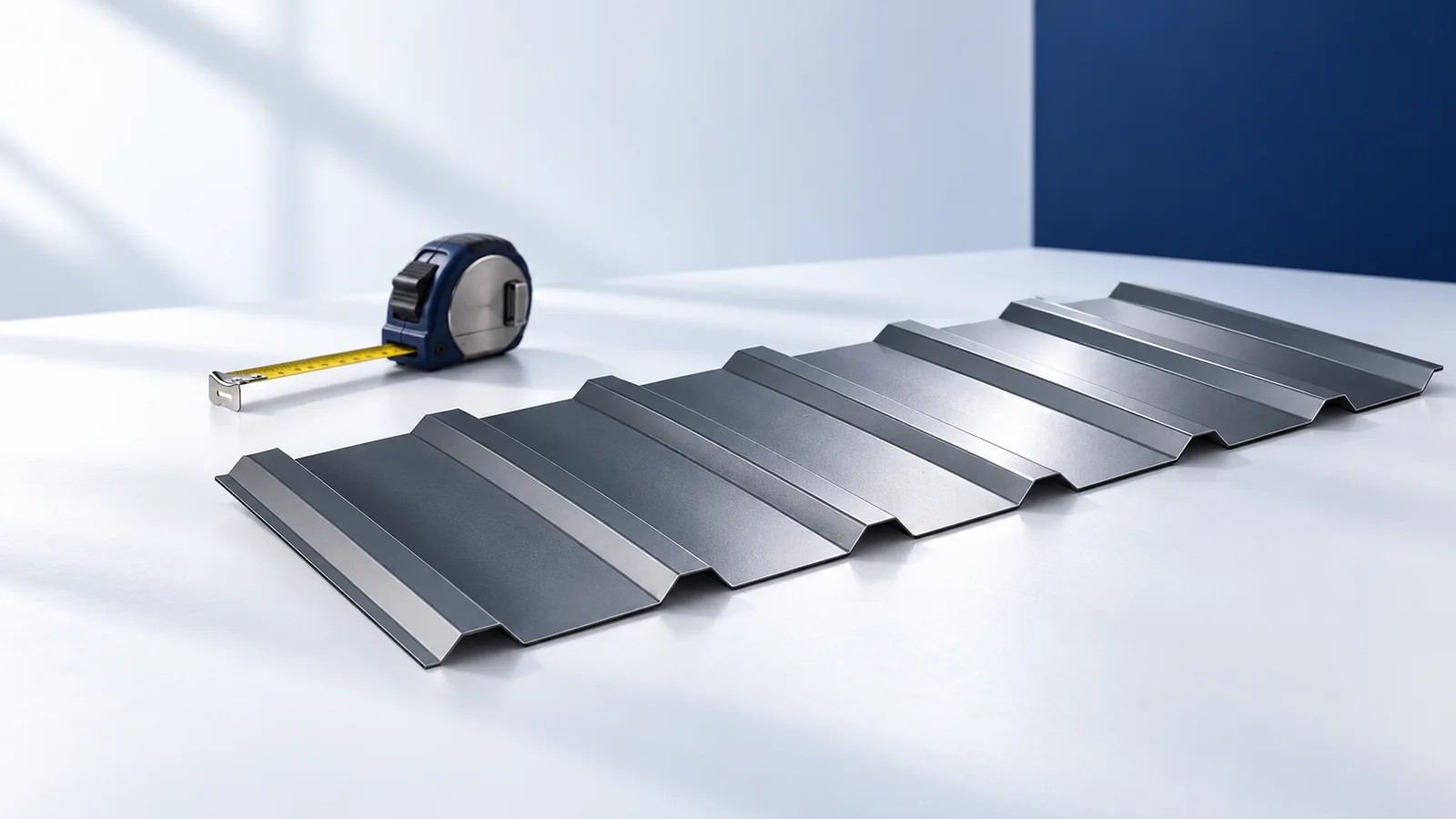
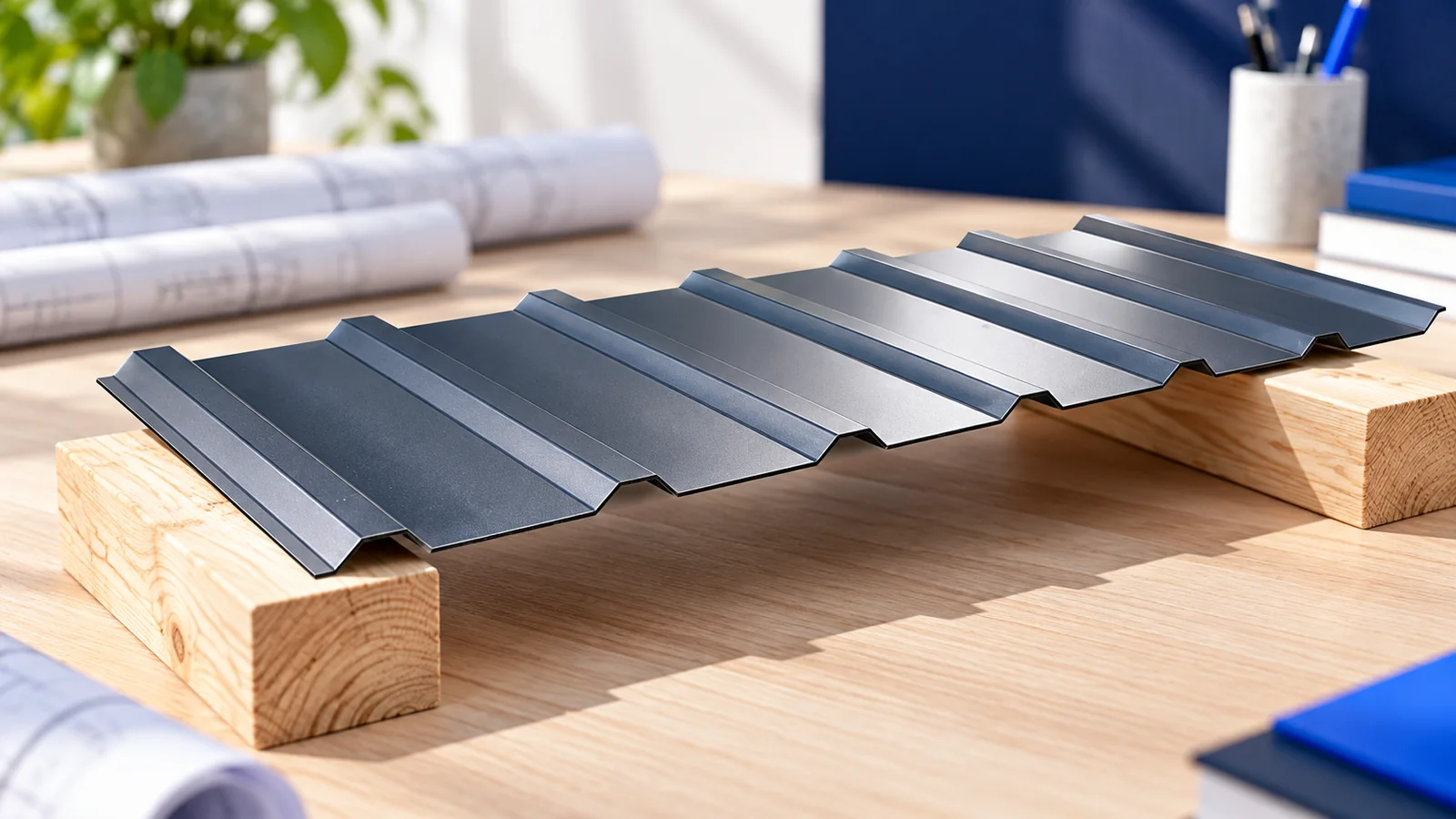
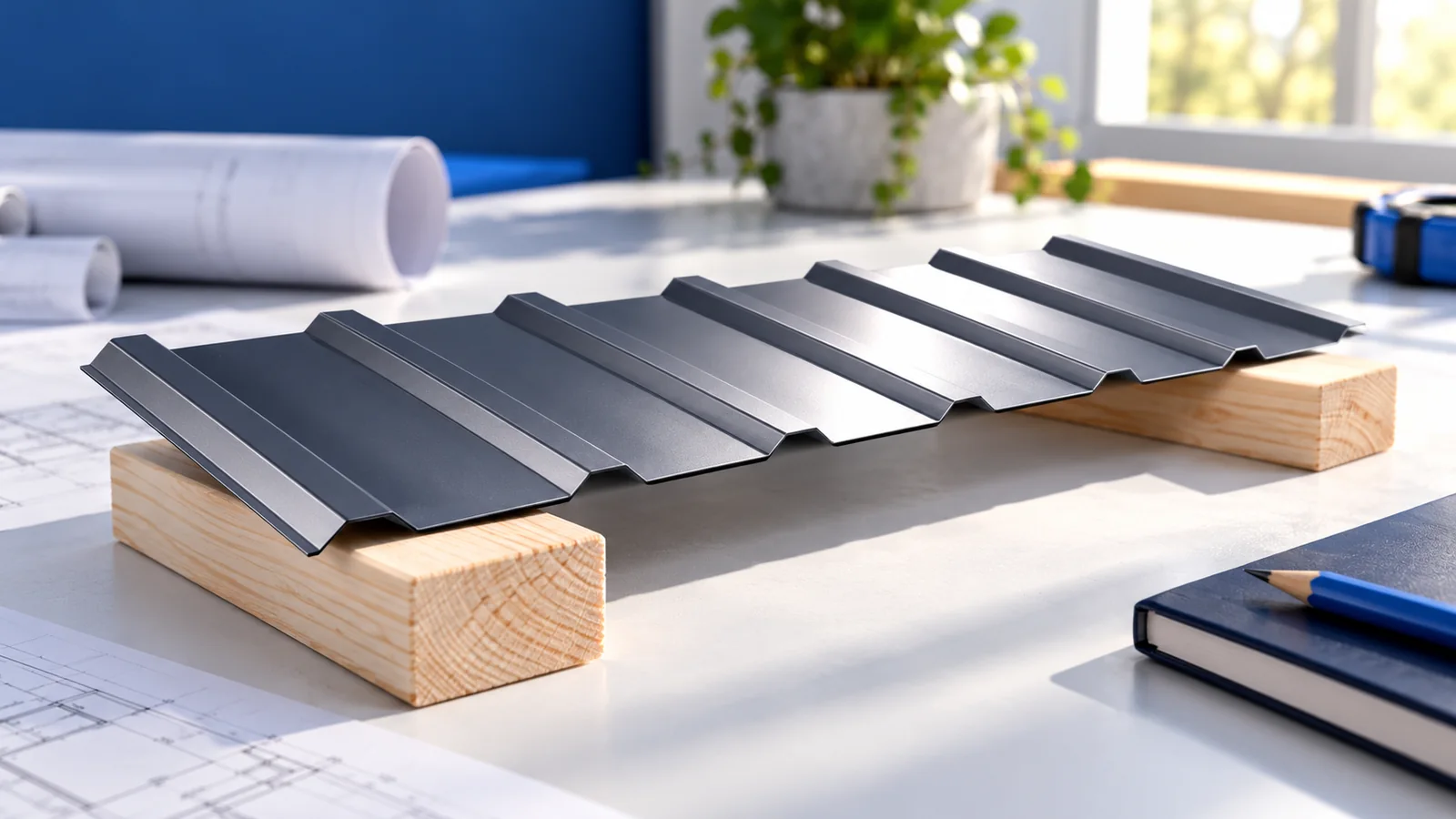
Trapezoidal steel sheets have parallel ribs. T18 and T35 are common profiles with different rib heights, available in a range of steel thicknesses and coatings. They can suit a garage, a carport or an outbuilding. Their straight lines can also work well on a house with a simple roof form.
Check the load capacity for the chosen profile, sheet thickness and support spacing; the label T35 does not give you a span. Roof sheets may have different side laps from wall cladding. Consider the overlaps, minimum pitch and how condensation will drain. A single sheet alone cannot provide the insulation needed for a heated loft.
How do the two tile-effect sheet formats differ?
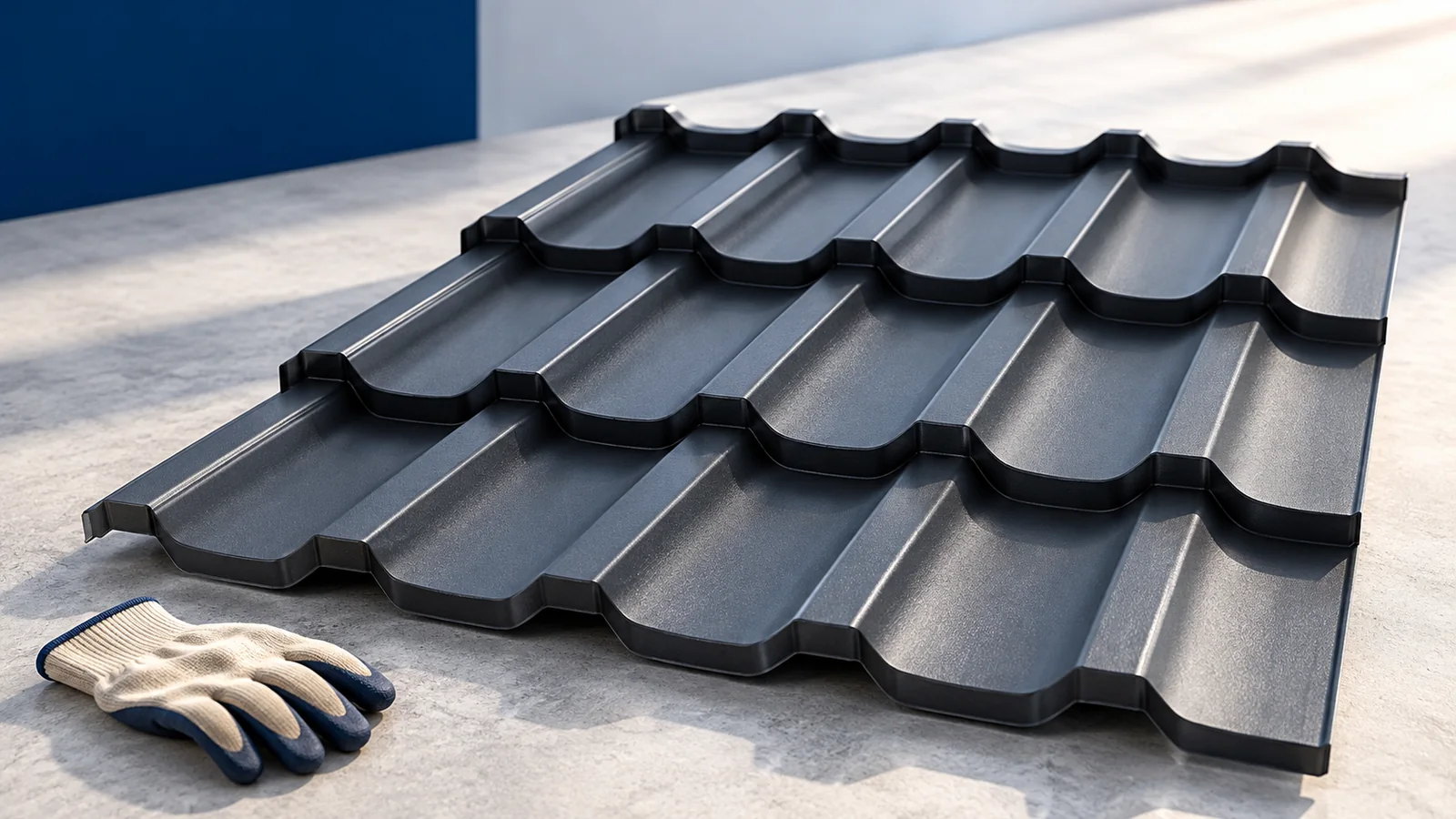
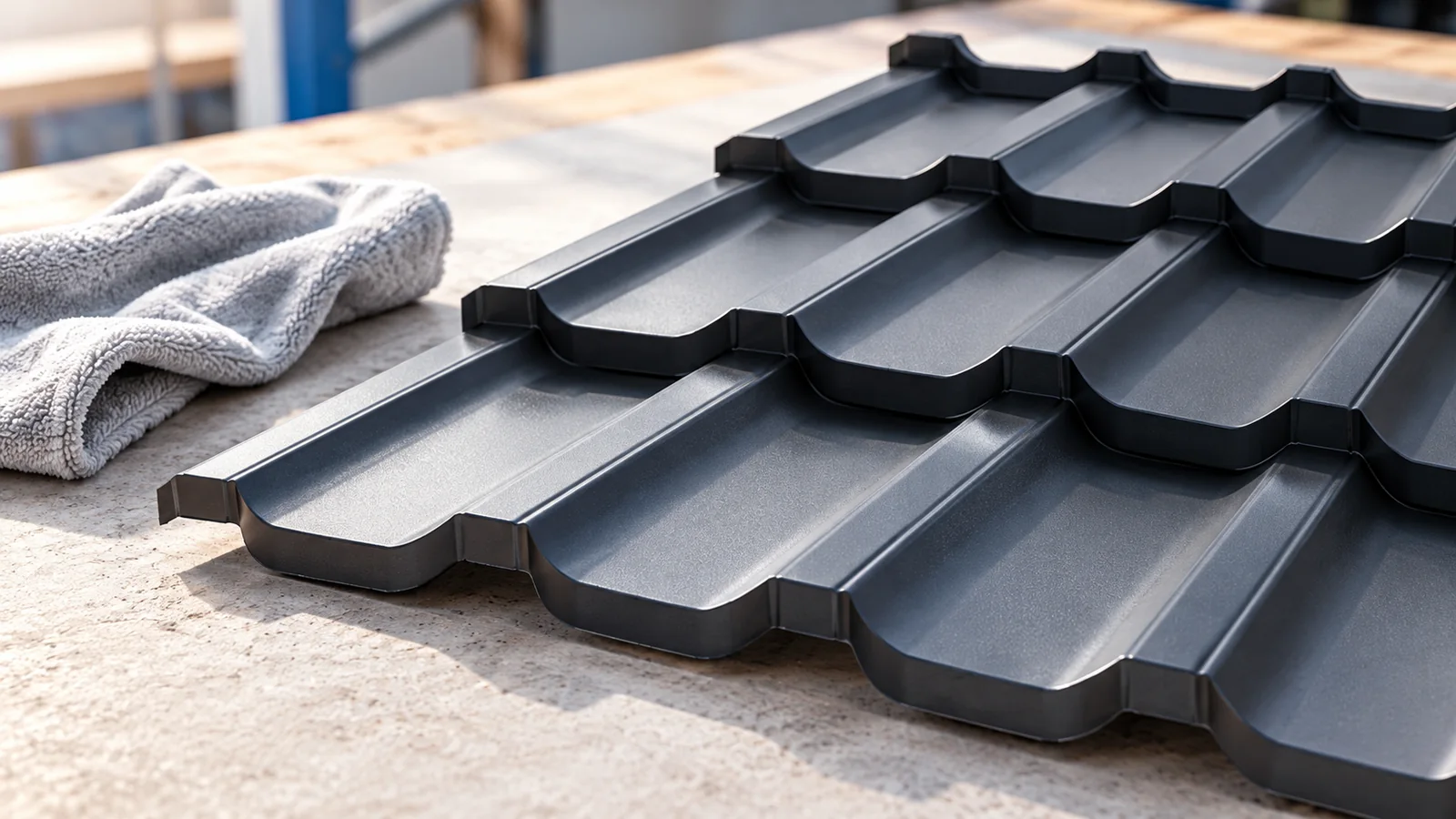
Tile-effect roofing can be ordered in sheets cut to match the roof slope, making quantities relatively straightforward on a simple roof. Modular sheets use smaller, repeating units that are easier to carry and position around changes of direction. Both are steel sheets pressed to reproduce the pattern of a tiled roof.
Compare cutting plans and installed costs. Modules do not always mean less waste, and a long sheet is not always easier to handle. Include battens, flashings and ventilation. When comparing coatings, look at their properties and warranty conditions: two sheets of the same colour may perform differently in the same surroundings.
What should you know about clay and concrete tiles?
Clay and concrete roofs are covered with individual tiles. The range of shapes allows for both traditional and plain contemporary roofs. Concrete tiles can weigh several tens of kilograms per square metre. To calculate the actual load, use the model’s specified weight and the number of tiles per square metre at the proposed batten spacing.
The product determines the permitted pitch and the layers required beneath the tiles. Design the fixings for wind uplift: the tiles’ weight does not replace clips or other specified fasteners. Include verge tiles, ventilation tiles and ridge tiles in the estimate, as these fittings can change the price comparison considerably.
What does a roof sandwich panel do?
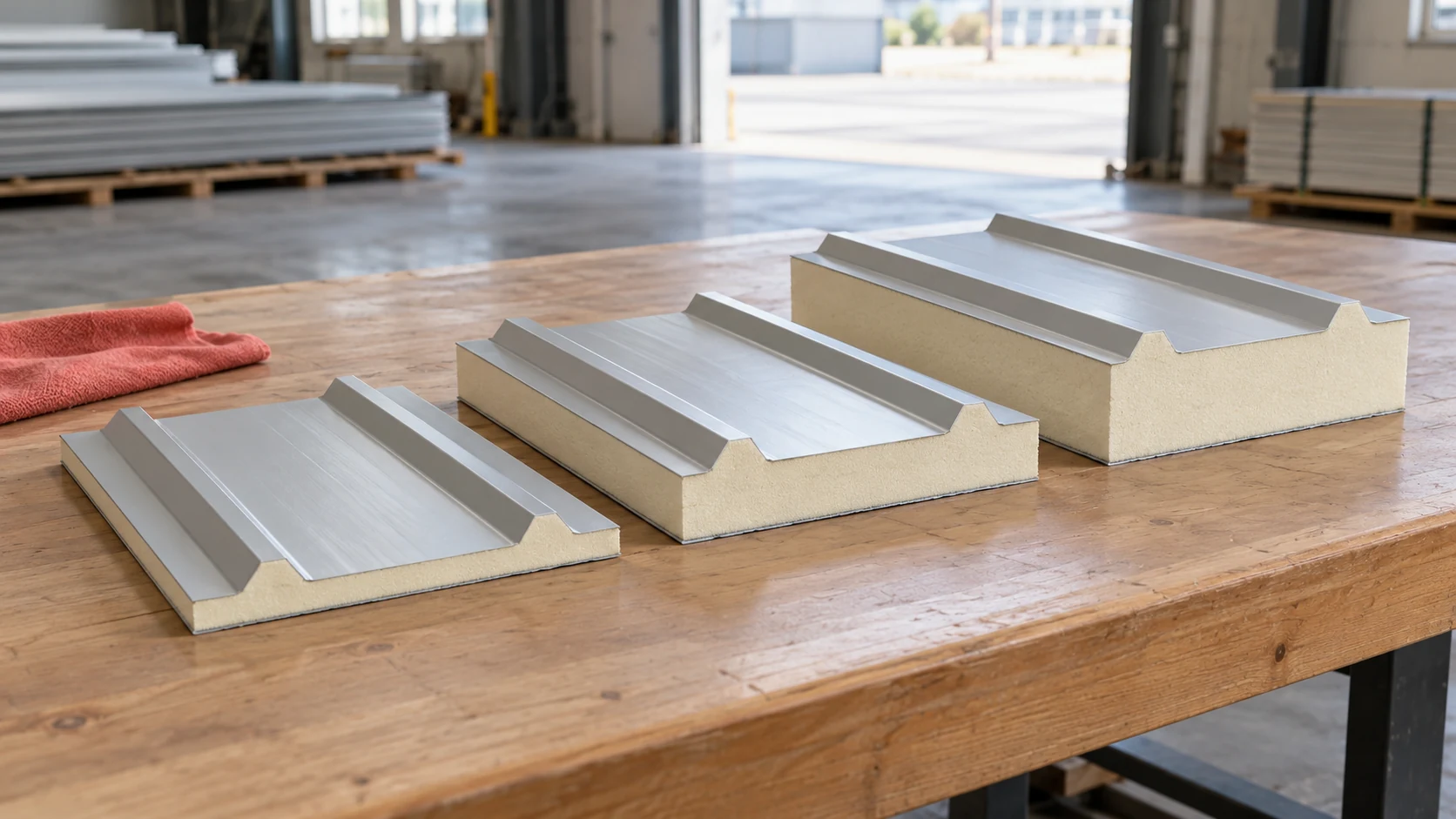
A sandwich panel has two facings bonded to an insulating core. The roof version has a profile and joints designed to drain rainwater. Common applications include halls, workshops and agricultural buildings. Insulation arrives as part of the panel, which can reduce the number of separate installation stages.
Select panel thickness for both thermal and structural requirements. Check fire requirements too: the properties of PIR or mineral wool in isolation do not describe the performance of the installed roof. Consult the panel classifications, span tables and connection details. A wall panel does not become a roof panel simply by laying it on purlins.
Which systems are used on flat roofs?
On a flat roof, a membrane or a bituminous waterproofing system keeps the building dry. Below it are the substrate and usually a thermal insulation layer. Some assemblies use deep-profile steel decking as their structural base. The deck carries loads; it is not the finished waterproof surface.
Provide falls towards the outlets. The choice of insulation depends on the layer sequence, compressive loads and fire requirements. PIR boards can achieve a given thermal resistance with a relatively thin layer. They must be compatible with the waterproofing and its fixing method. Use components specified to work together.
How can you compare materials on equal terms?
Compare quotations for the same roof area, geometry and finish. Each should cover all layers, flashings, fixings, drainage and labour. A price per square metre of effective cover differs from a price based on the full sheet width, because the overlaps use material. List delivery and lifting separately from the material price.
Consider how a damaged section could be replaced, where maintenance access is needed and whether equipment will be added later. The best fit is a system the structure can carry and the owner can maintain throughout the building’s intended use. Compare complete alternatives while the design is still easy to change.

Free quote
What to include in your enquiry
Tell us how you plan to use the material, the dimensions and the quantity you need. Include the thickness, grade or variant name, along with the delivery town or your preferred collection branch. For a specific product, add its name or a link to the product page. We will reply to the email address you provide to discuss availability and the terms of your order.
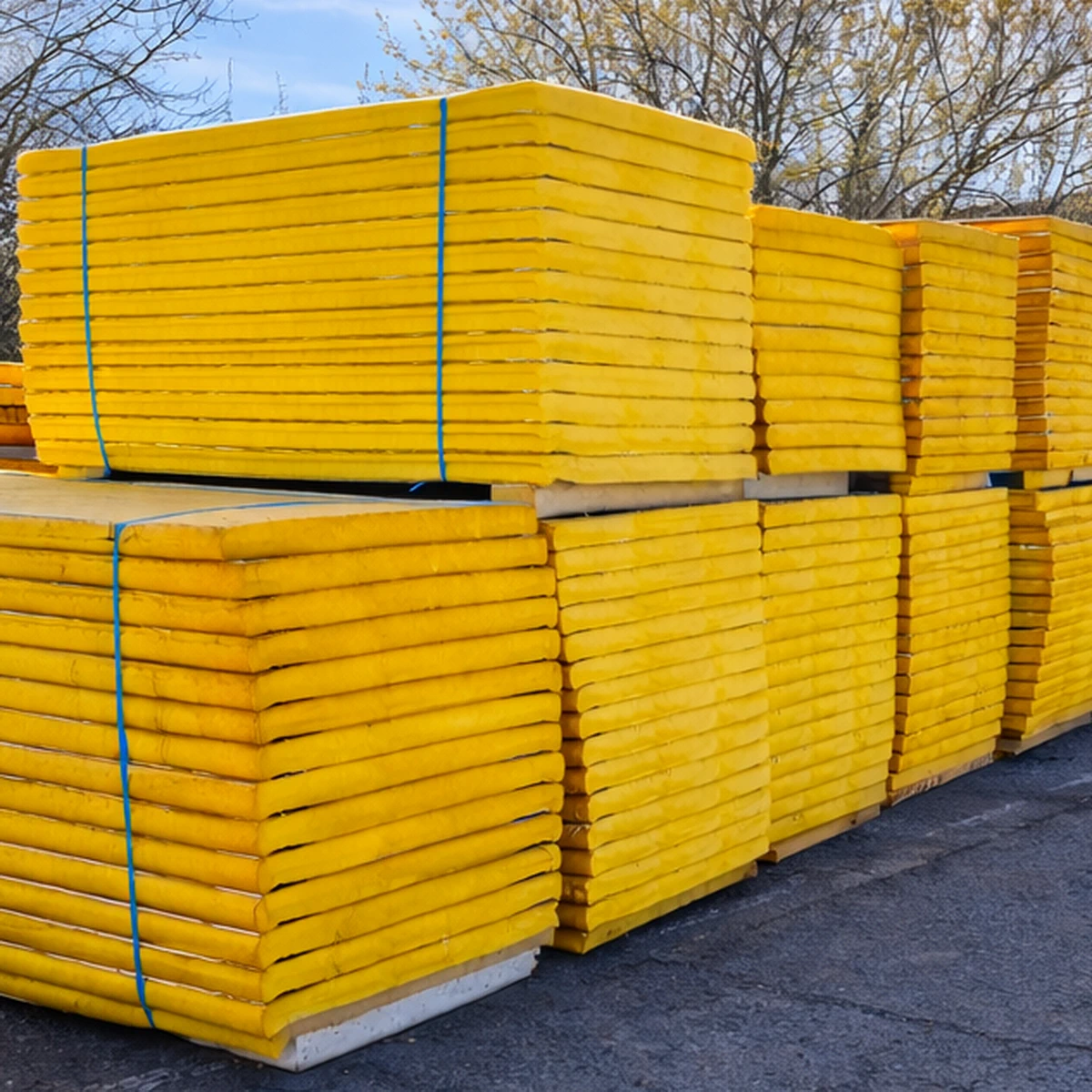
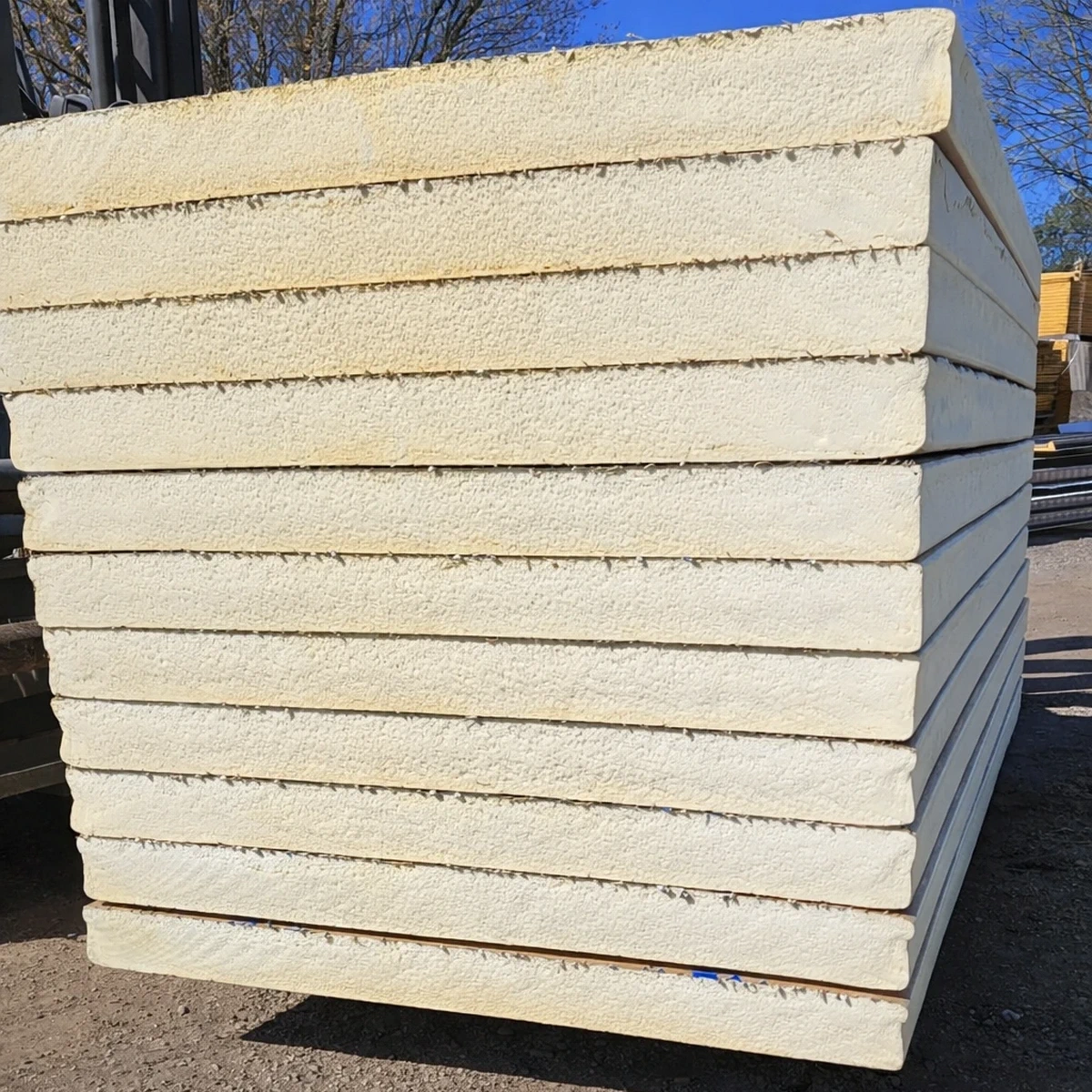
Read next
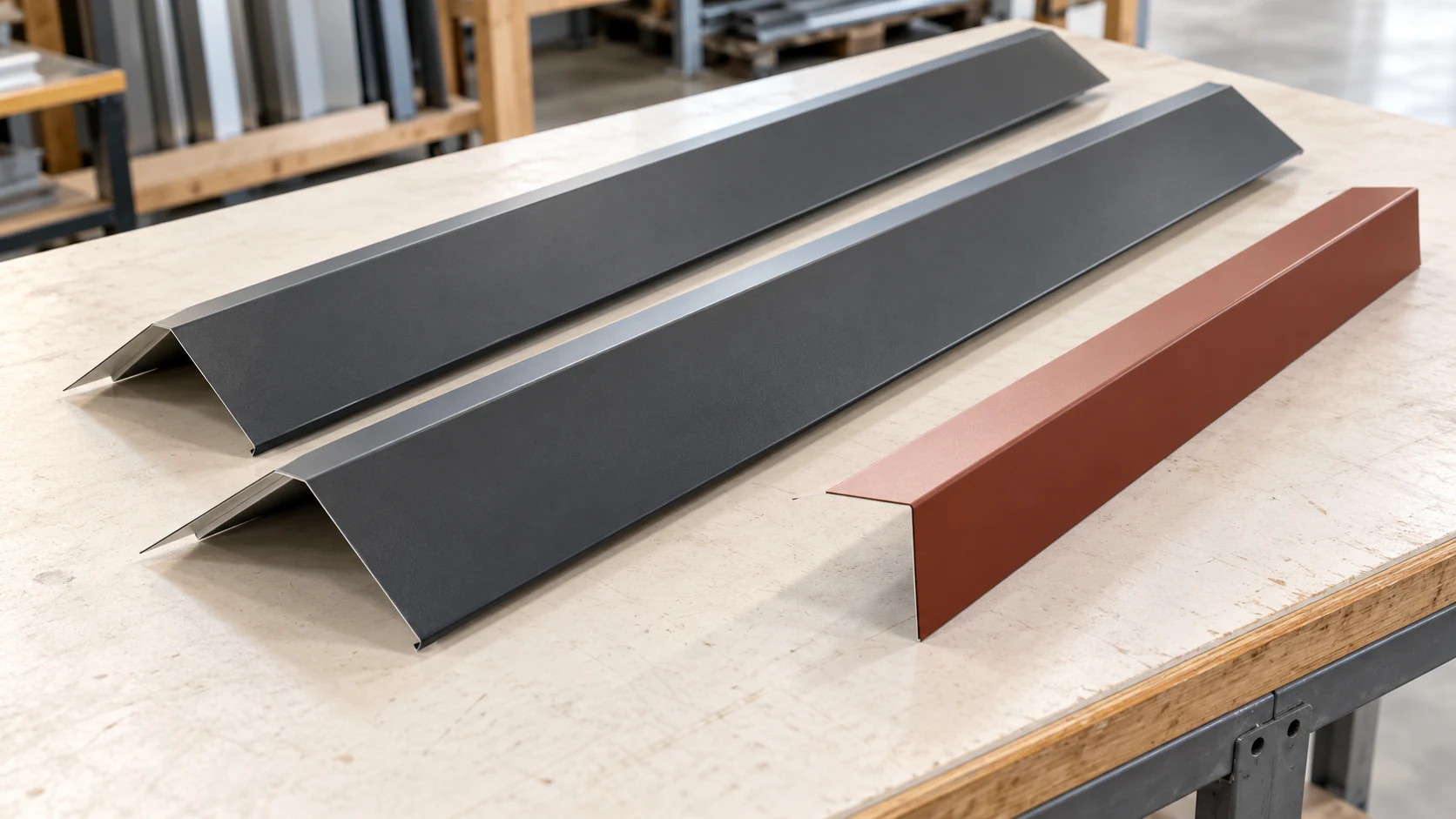
The roof area alone tells you little about how many flashings to order. Mark each eaves, verge, ridge and valley on the…
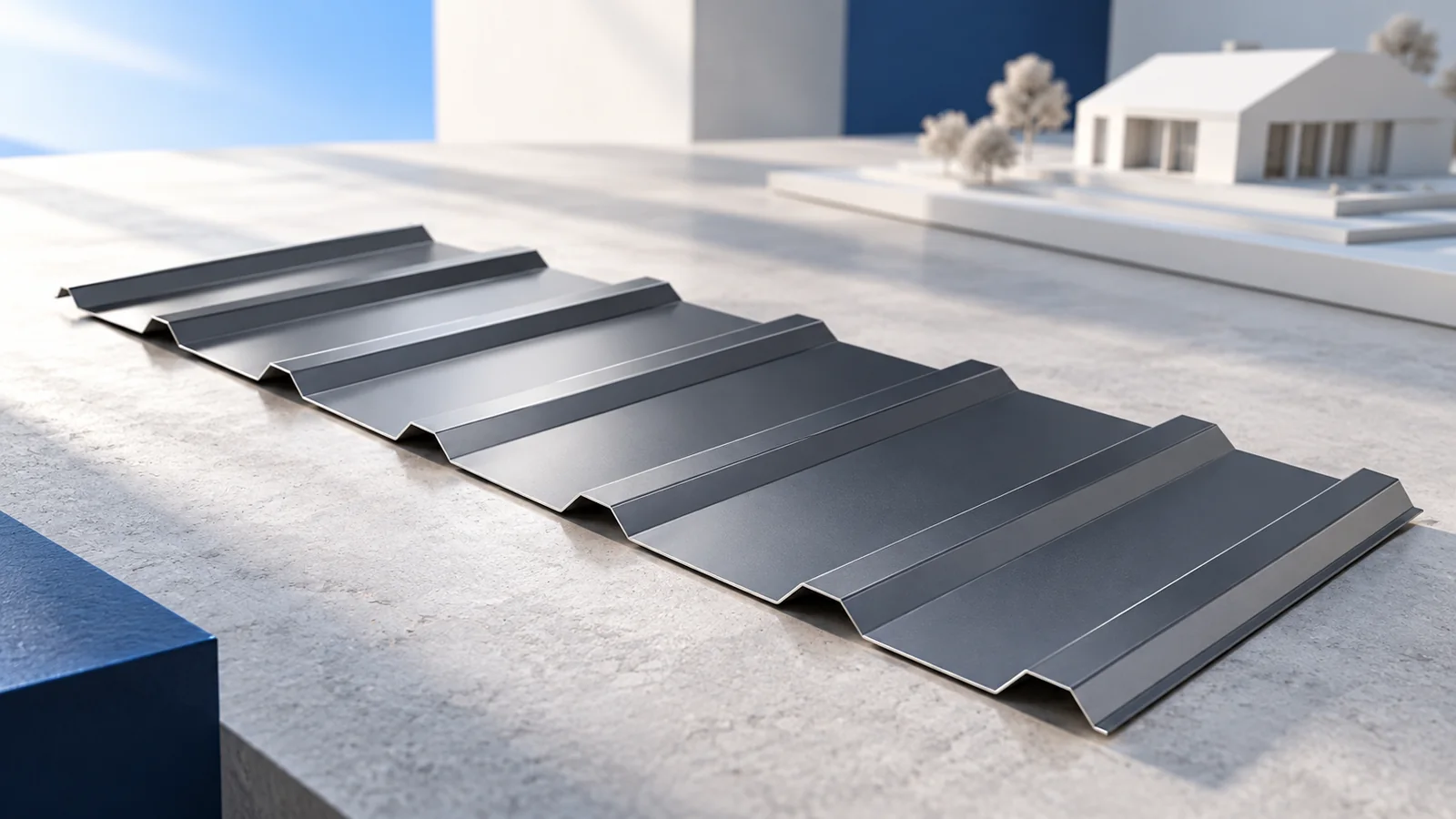
A practical roofing course gives installers a chance to set out a slope, form a flashing and check a fixing while the…
Metal roof tiles need supports set out for their profile. Bitumen shingles need a smooth, sufficiently rigid continuous deck. On a renovation,…
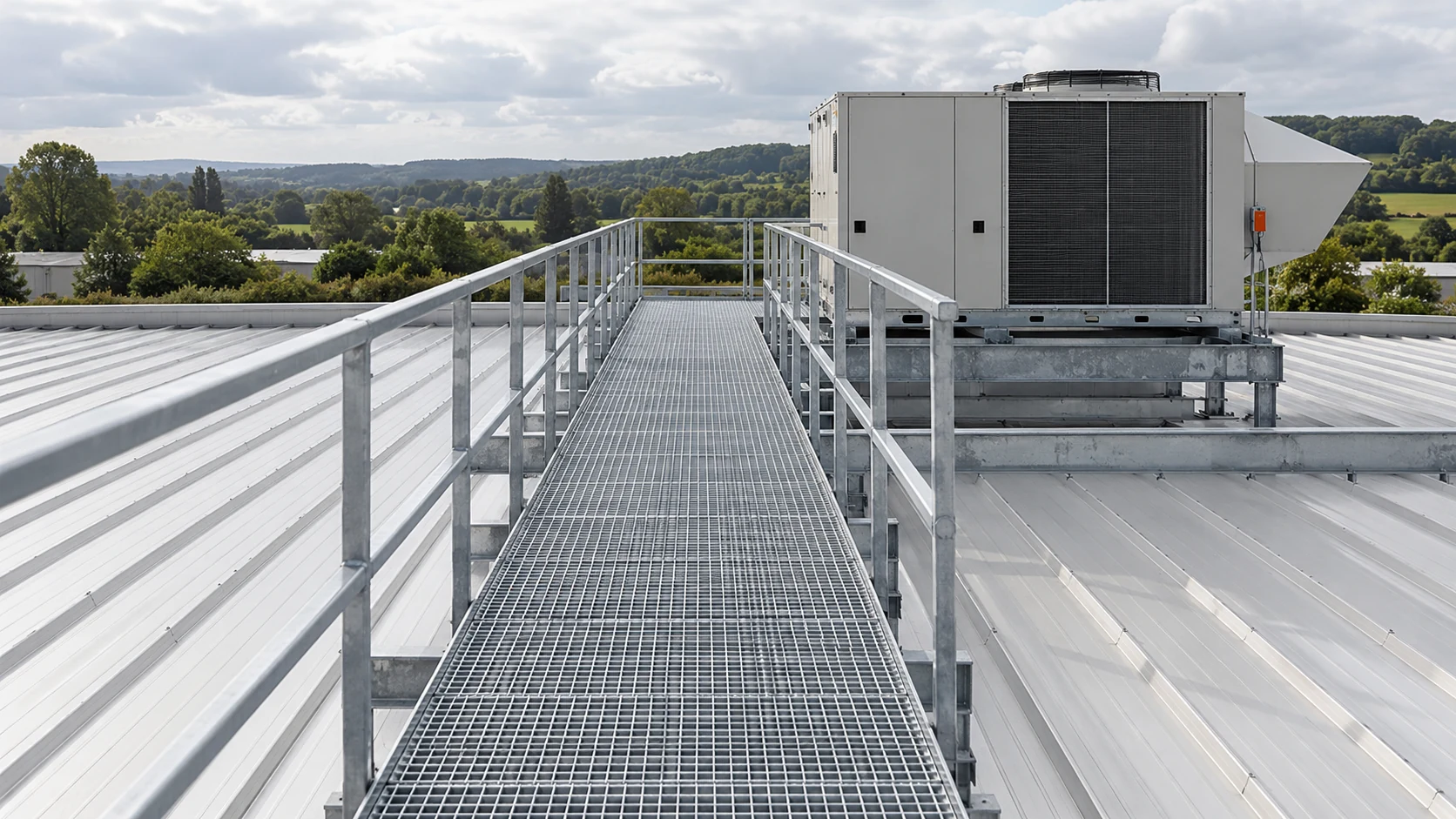
Plan roof access around the maintenance task, the equipment involved and how often people need to reach it. An occasional gutter inspection…
Roof battens support the covering and give its fixings a secure hold. For tile-effect steel sheets, the position of each batten must…
A wall plate forms the bearing between the rafters and the supporting wall in many timber roofs. Its size, joints and anchors…
Choose roof panel thickness by comparing complete configurations against the building design. Start with indoor temperature, humidity and heating hours. A warehouse,…
When water appears inside a building, keep clear of wet electrics and sagging ceilings. Photograph the first signs from a safe position…
