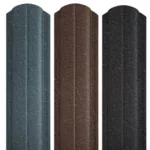
What are roof flashings and where are they needed?
Roof construction and installation
A roof flashing takes rainwater past a point where the covering stops or changes direction. To draw up a flashing schedule, follow the path of rain: from the ridge down the slopes, past each wall and chimney, through the valleys and into the gutter. Include the exposed verges as well as the eaves. The folds, lengths and overlaps depend on the profile of the covering and what lies beneath it. The roofer also needs to know which gaps serve as air inlets, outlets or drains so that the finished metalwork keeps them open.
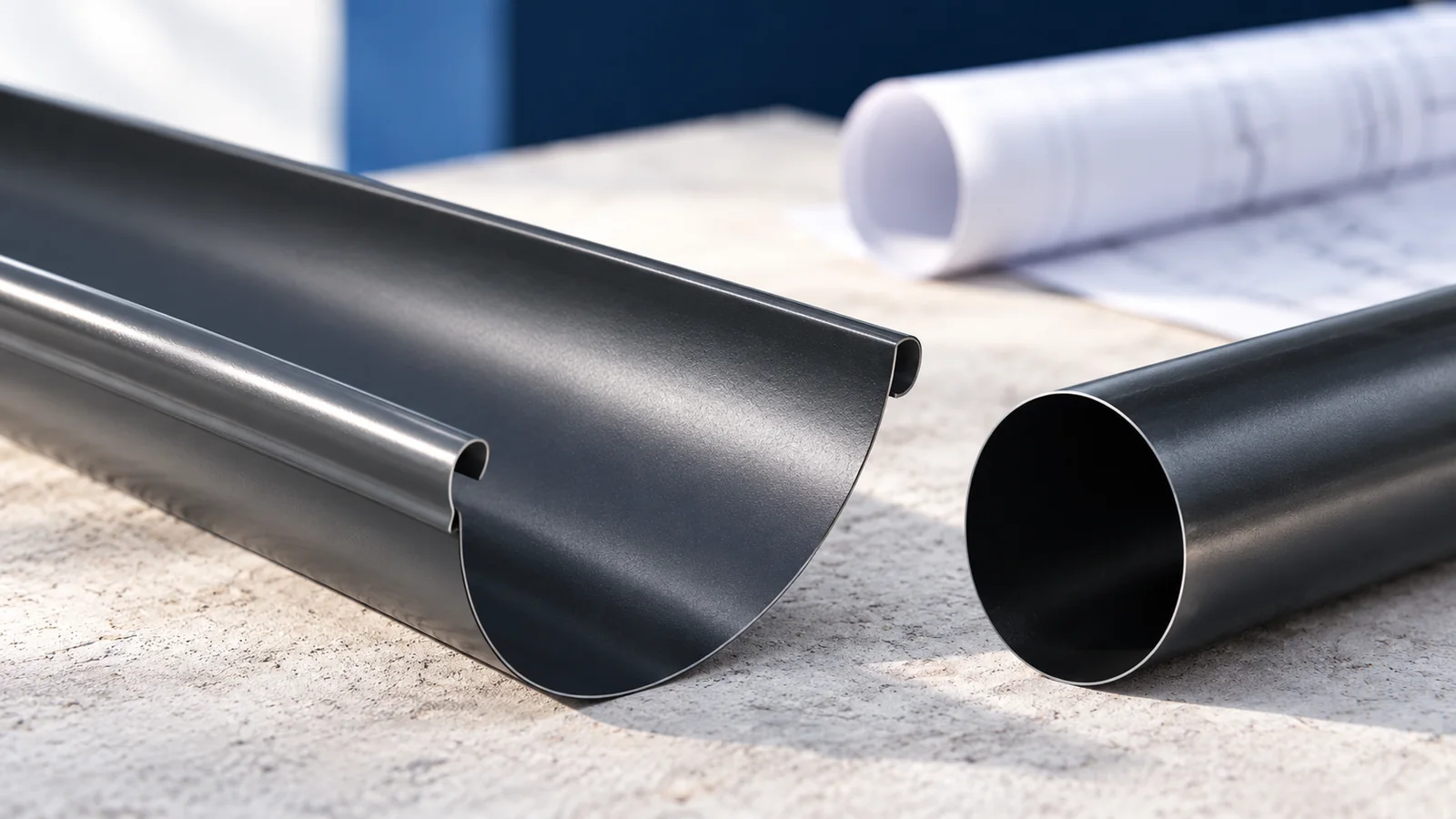
Why are roofing sheets alone not enough to keep out rain?
In the middle of a roof slope, rain runs down the profiles and over successive laps. A chimney, wall or roof edge interrupts that path. A flashing carries the water around the change in shape. It also shields the substrate from wind-driven rain and can cover exposed fixing points.
Allow for thermal movement of the sheet, airflow and the layers beneath the covering. Some openings deliberately let air in or moisture out. Weather resistance depends on how the pieces fit and overlap. Use sealant only where the detail specifies it; filling every gap can prevent drainage or ventilation.
What do eaves flashings do?
At the eaves, the roof covering, underlay and drainage meet. A gutter apron guides rain into the gutter; a separate fascia flashing may protect the board behind it. Water reaching the underlay must also have a way out. The route depends on the membrane or sheathing used.
Keep the ventilation inlet open and fit the specified protection against unwanted entry. Sheet metal or foam must not obstruct it. Set the sheet overhang in relation to the gutter as instructed: too much overhang can interfere with drainage, while too little can let water run behind the gutter.
How do verge and ridge flashings work?
Verge flashing covers the side of a roof slope. Its fixings must withstand wind loads at the edge. The folds should match the profile height and the position of the boards. A stock trim of the wrong size can hide the cut edge without directing rain away from it.
Ridge flashing covers the upper junction of the roof slopes. On a ventilated roof it must leave the designed air outlet functional. Choose closures to match both the profile and the ventilation arrangement. Sealing the entire space under the ridge cap can prevent layers from drying and hide the source of damp.
Why does a valley need particular care?
A valley takes runoff from two roof slopes, concentrating more water than an ordinary strip of covering. Its width, support, joints and clear drainage channel all matter. Trim the covering so the cut edges do not obstruct the valley or leave pockets where debris can collect.
Lap joints in the direction of flow and avoid unplanned penetrations in the channel carrying the water. The correct detail depends on the covering and the angle at which the roof slopes meet. Because leaves and snow can obstruct drainage, include each valley as a separate item in the design review and subsequent inspections.
How should a roof meet a chimney or wall?
A chimney or wall and the roof beside it may move differently. Flashings must shed water from the vertical face onto the covering. Pay attention to the side returns and to the seal at the top edge. A bead of silicone along the junction alone rarely makes a durable, complete weathering detail.
Match the junction to the masonry, render and roofing material. If a chimney is rebuilt, check the old flashing again. A trim made for trapezoidal sheets need not fit tile-effect roofing: the profile heights, support points and route taken by water around the obstruction can all change.
Which sheet metal is suitable for flashings?
Choose metal and finish to suit the covering and the exposure. Check durability, suitability for folding and compatibility between metals in contact. Agree on colour and gloss as well. A wide flashing against a pale wall is particularly conspicuous.
When ordering, provide a dimensioned folding sketch, the lengths and the face that will be visible. Cut the sheets with tools approved for their coating. Remove swarf and treat damage as directed. Excessive heat can harm the steel’s protective layers even if the cut initially looks clean.
What should you check at handover?
Check the laps, supports, fixings and drainage route, particularly at valleys and corners. Look for pockets of standing water and sharp, unintended bends. From a safe position, sight along the eaves and verges. Wavy lines can point to an uneven substrate or an installation problem.
Ask the roofer to photograph concealed details before covering them. Those images help with later maintenance and tracing leaks. Include flashings as a separate cost item: cutting corners on a small junction can expose a much larger area of roofing and the layers below it to water.

Free quote
What to include in your enquiry
Tell us how you plan to use the material, the dimensions and the quantity you need. Include the thickness, grade or variant name, along with the delivery town or your preferred collection branch. For a specific product, add its name or a link to the product page. We will reply to the email address you provide to discuss availability and the terms of your order.

Read next
A thicker sheet can alter the load capacity and stiffness of a roof covering. Whether you can increase the support spacing also…
A quotation is useful when the price can be traced to a particular panel and quantity. Different cores, facings and fasteners can…
Extra insulation below a sandwich panel roof can reduce heat loss, but it also changes the temperature of the panel’s inner facing.…
Start with the price of covering the measured roof, including laps, fixings and delivery. A sheet that looks cheaper per square metre…
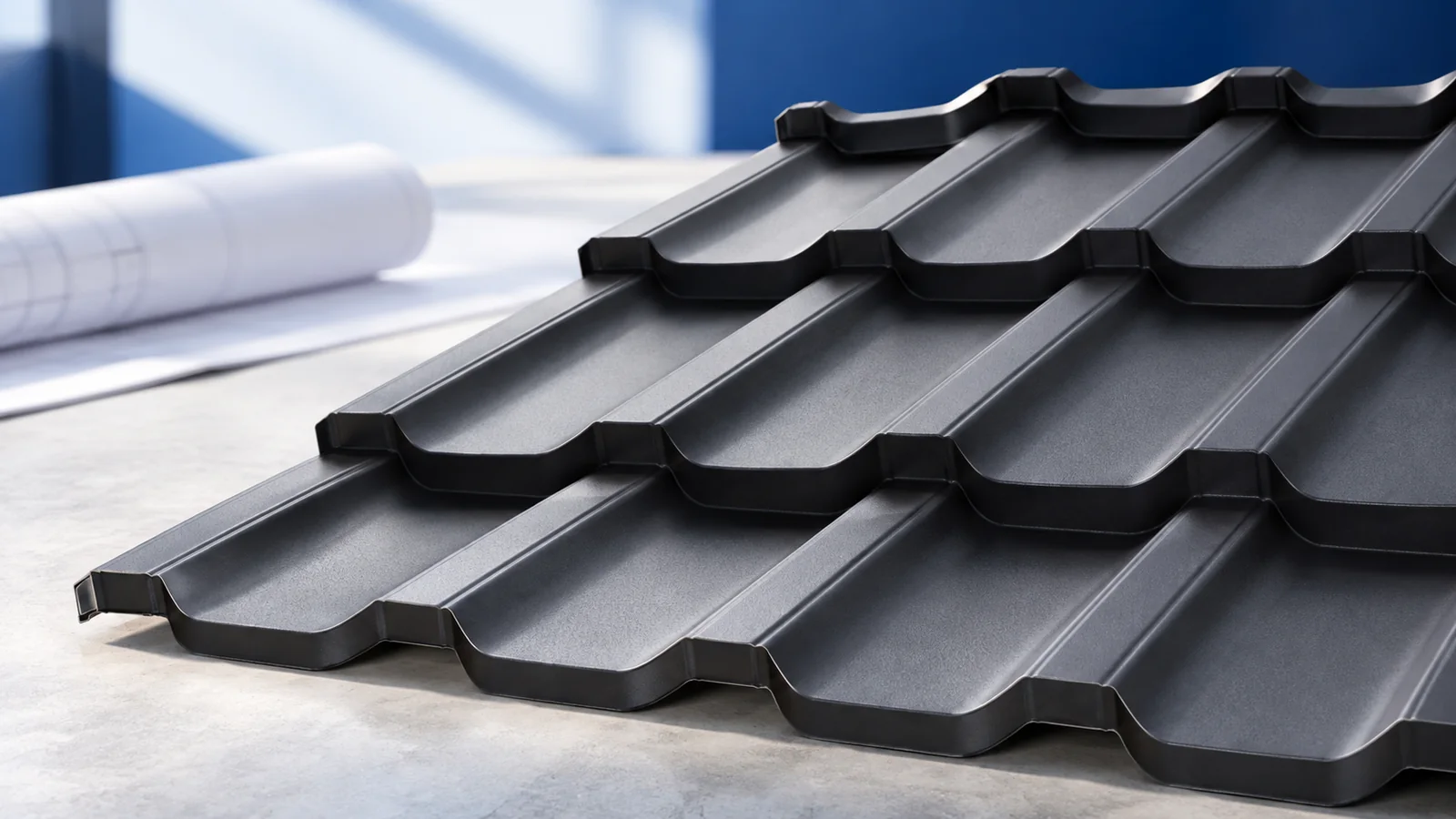
The frame, pitch and shape of a house roof determine which coverings you can consider. Cut-to-length metal tile sheets suit straightforward runs.…
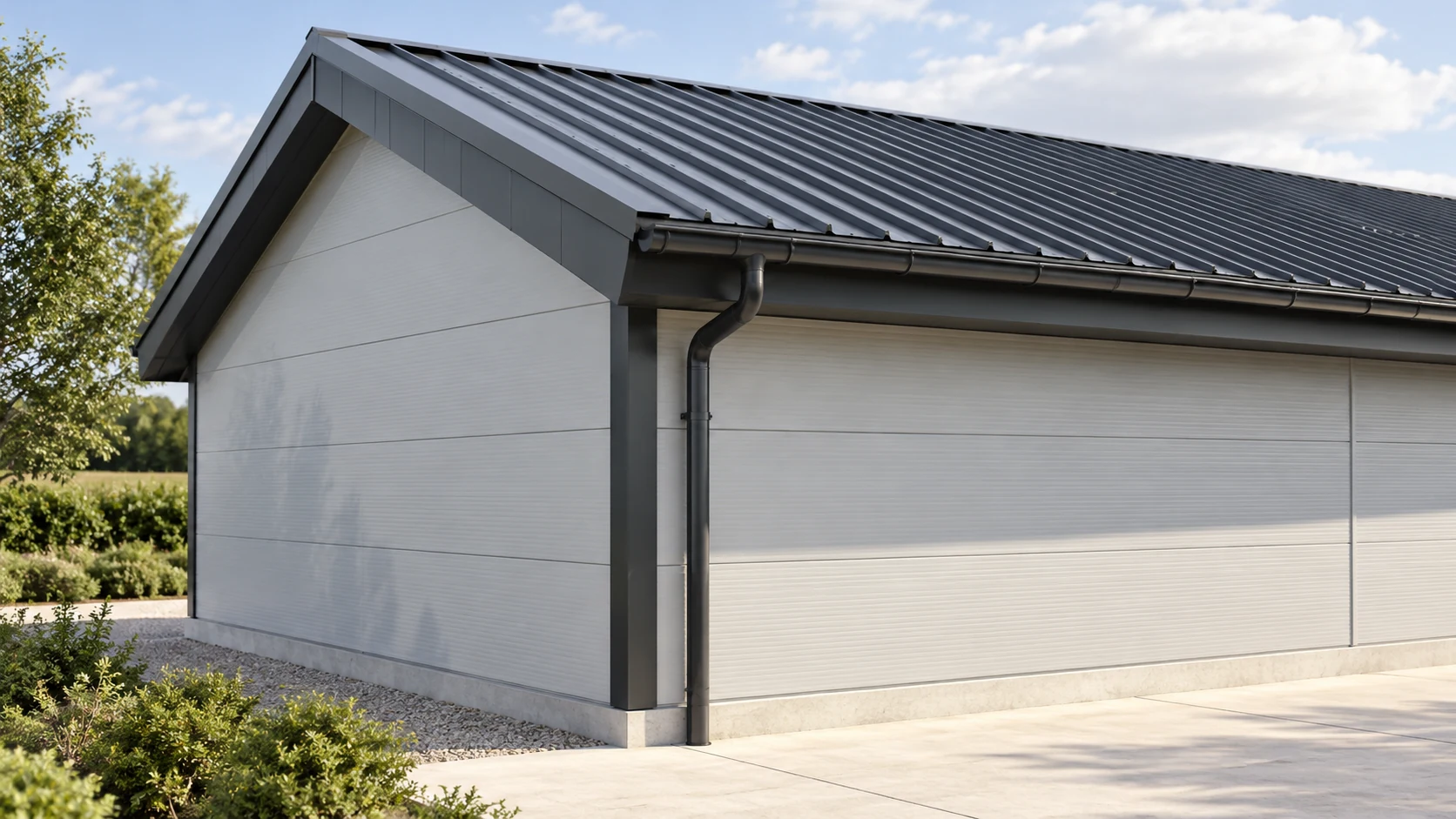
Roof and wall panels enclose the same building but serve different purposes. A single specification can coordinate the drawings, quantities, details and…
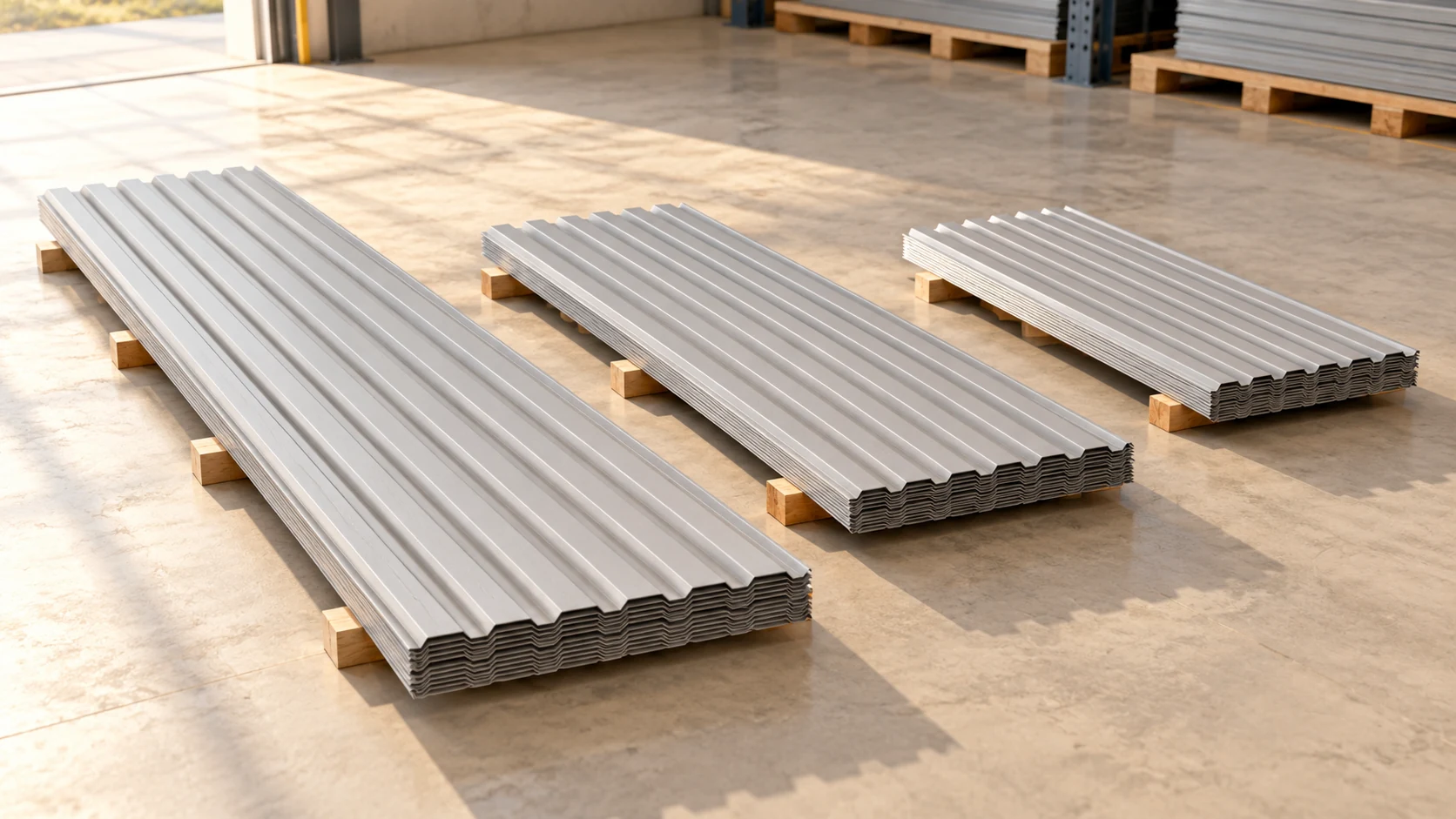
A quotation for “100 metres of sheeting” needs a unit. It could refer to sheet length or area, and the area could…
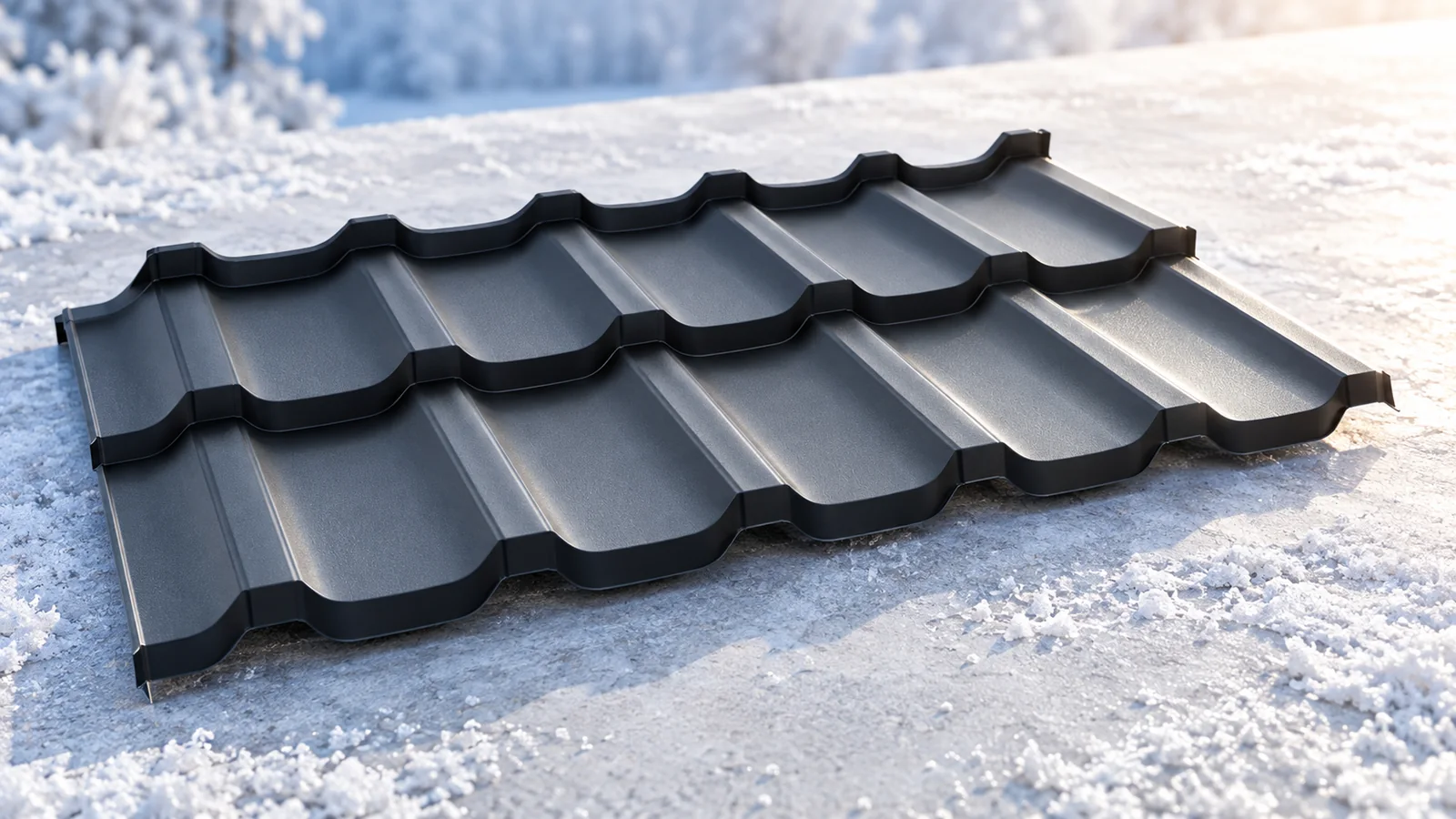
Inspect a metal roof after winter from the ground and, where safely accessible, from the loft. Compare the eaves, gutters and sheet…