






Roofing defects and complaints: how to identify the cause and reduce the risk
Repairs and maintenance
A useful roofing complaint identifies the sheet or junction affected, when the fault first appeared and how the weather changes what you see. A rust-coloured streak may come from swarf left after cutting. A damp patch can result from rain entering at a flashing or from condensation beneath cold metal. Delivery photos, batch details and photographs of concealed work help the roofer or supplier distinguish between those possibilities. Inspecting the material before installation and recording each stage gives everyone a clearer basis for choosing the repair and tracing its cause.
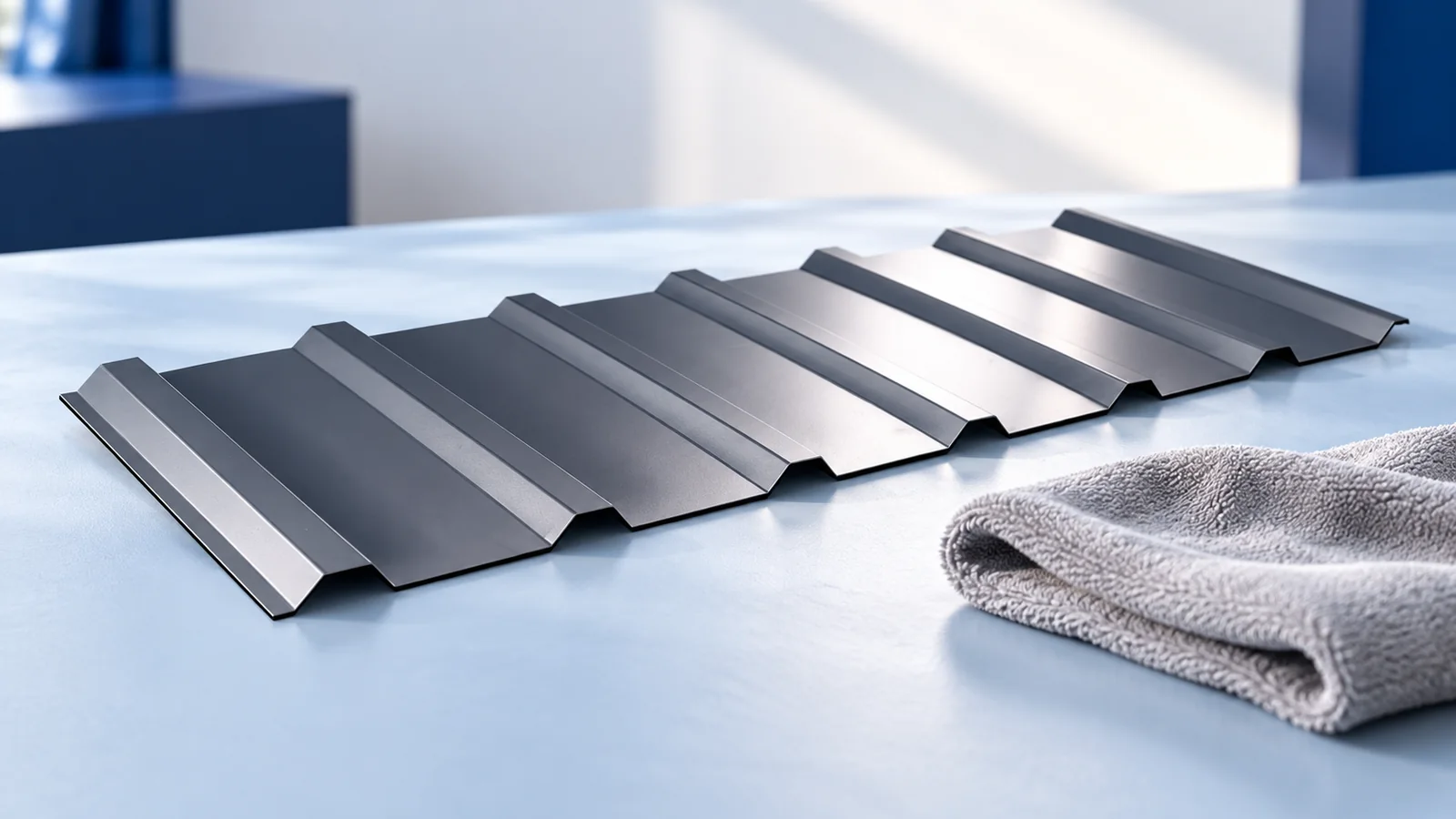
What can you learn from a photograph of a fault?
A change in colour in a photograph might be dirt, coating damage or simply different lighting. Water in a loft might have passed through the covering or condensed on its underside. Read the photograph alongside delivery records and the installation and service history of the roof.
Inspect the specific area before attributing the fault to a product or a trade. Record the date it first appeared and any link with wind, rain or temperature. Take follow-up photographs from the same position. This helps define the necessary repair and avoids disturbing the evidence with trial fixes.
How can transport and storage affect sheets?
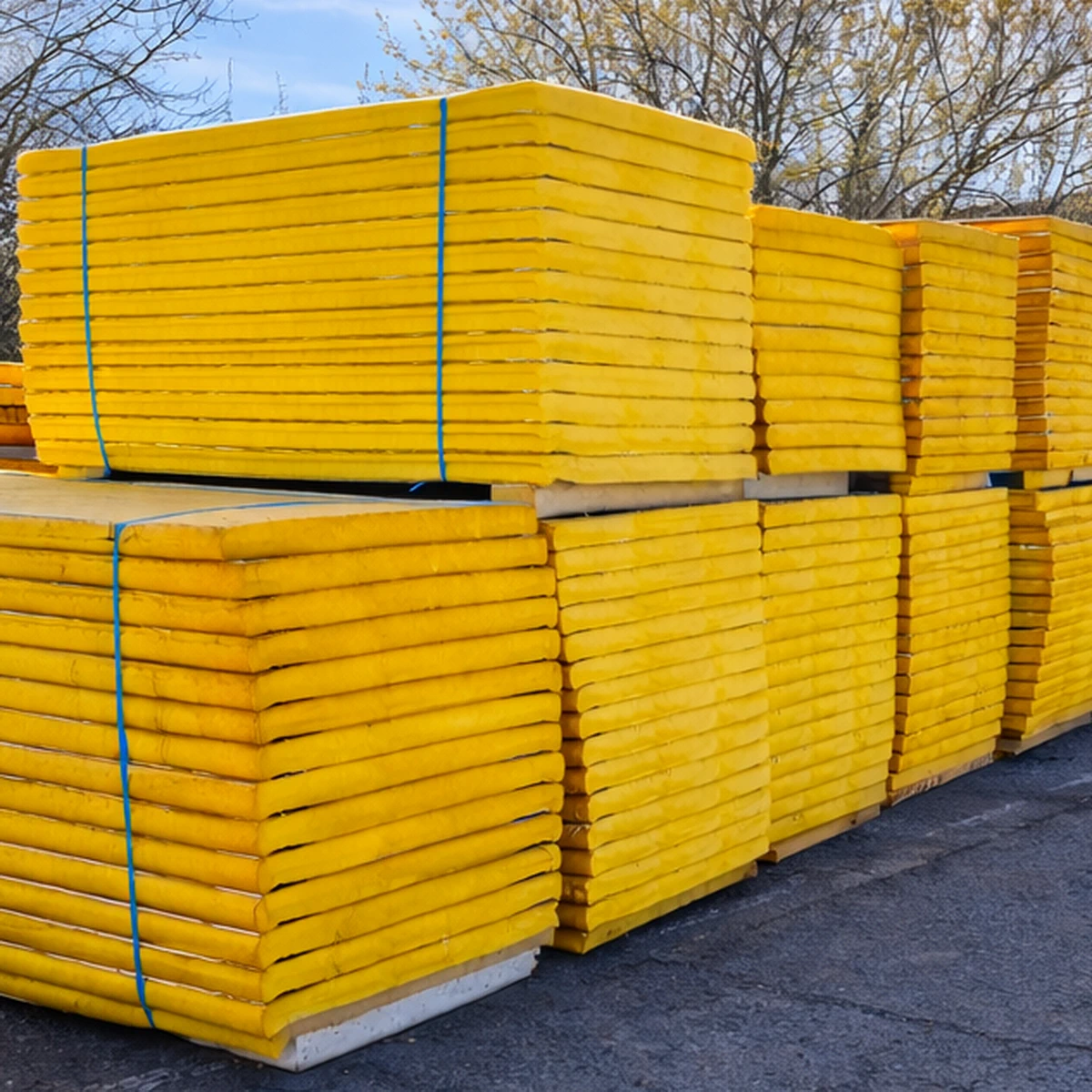
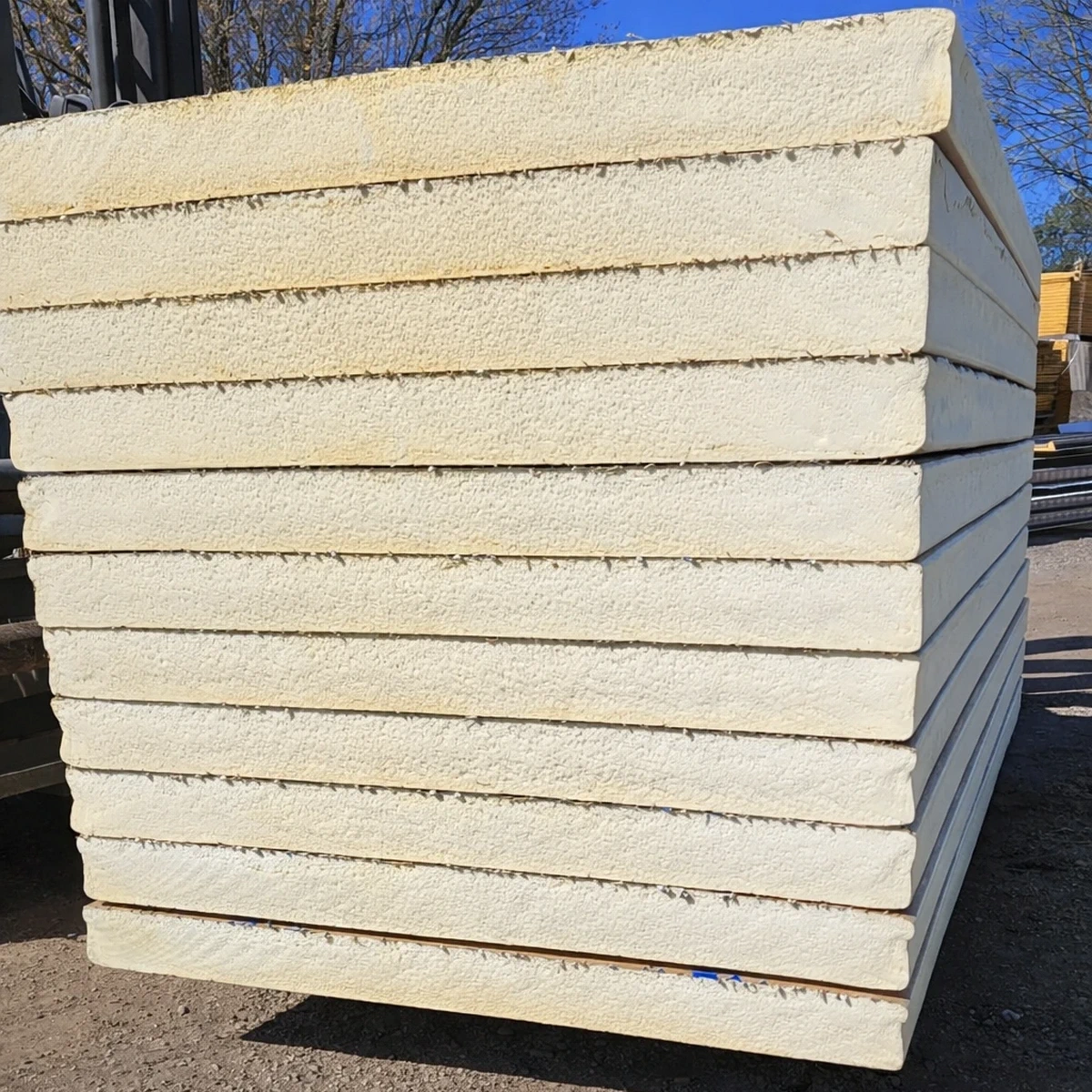
Poor lifting or support can distort the sheets. Sliding one over another can scratch the finish. If a pack gets wet, the handling instructions may call for unpacking and drying. Check the permitted storage period and conditions even when the factory wrap is intact.
Examine packs and visible edges on delivery. If possible, photograph and record damage before unloading. Inspect the sheets again after unpacking and before fitting them. Installing a sheet with a visible defect can make responsibility harder to establish and replacement more expensive.
What can damage the coating or leave rust marks?
Mechanical damage, an unsuitable cutting method and metal debris can all affect the finish. Hot particles may damage the protective layers. Cold swarf left on the surface can also rust and leave deposits. Remove it as directed and examine the coating underneath to establish whether the sheet itself is affected.
Exposure at the site and contact with incompatible materials also matter. Choose the coating for the operating environment. Harsh cleaners can damage it. Before touching up or repainting a larger patch, record its original condition and check the approved treatment.
Which installation faults can allow rain in?
Incorrect laps, fixings and flashings increase the risk of leakage. Check that the roof pitch meets the system requirements. A damaged sealing washer or a badly seated screw can compromise a fixing. Overtightening may further damage the seal.
Inspect chimney flashings, valleys, eaves and service penetrations. Check that the folds direct water away before applying any sealant specified for the joint. Photograph the work before it is concealed and inspect each stage, since defects beneath the covering may only become apparent much later.
Where can moisture come from if no hole is visible?
Water vapour may condense on the cold underside of a metal sheet. In a heated loft, check the continuity of the room-side air seal and the roof’s ability to dry. In an unheated building, investigate humidity and ventilation. Record the weather preceding the inspection as well as the conditions on the day.
Anti-condensation fleece can reduce dripping by temporarily retaining moisture until it dries. Its storage capacity is limited. If it stays wet, investigate the moisture supply and drying conditions. Describe the complete roof build-up, including insulation and vapour control, when reporting the problem.
How do you document a defect for the supplier or installer?
Gather proof of purchase, product identification, delivery date and installation details. Attach a general view and close-ups. Mark the location on the roof and say when the fault was noticed. Retain material needed for inspection and document any urgent protective work undertaken to prevent further damage.
Read the product warranty and the terms governing claims under the contract. Check who supplied the material, who installed it, what each undertaking covers and which inspections are required. Together with a site inspection, this information helps identify the appropriate recipient and the work required.
What can you arrange before work starts?
Specify the product and its documented properties, and agree with the installer which installation instructions apply. Include flashings and suitable fixings in the quotation. Assign responsibility for storage, incoming inspection and checking concealed layers. Questions about those details are easier to settle while the work remains accessible.
At handover, collect product records and maintenance instructions. Plan later roof-mounted equipment so its fixings preserve the weatherproofing. Regular inspections can reveal a minor fault while the repair is still local. Delivery checks, recorded installation details and timely maintenance give you practical ways to reduce recurring defects.

Free quote
What to include in your enquiry
Tell us how you plan to use the material, the dimensions and the quantity you need. Include the thickness, grade or variant name, along with the delivery town or your preferred collection branch. For a specific product, add its name or a link to the product page. We will reply to the email address you provide to discuss availability and the terms of your order.
Read next
If a building in Poland differs from its approved plans, establish which works caused the discrepancy and when they were completed. A…
Changes to Polish building law in 2026 affect permit exemptions, certain departures from approved plans and the documents used during construction. The…
Plan a roof replacement around what will become inaccessible once the new covering is on. Start with the condition of the structure…
In Poland, start with the municipality where the property stands. Ask whether it is accepting applications and whether its scheme covers dismantling…
In Poland, the procedure for starting building work depends on what you intend to build or alter, where it stands and which…
For a roof or wall insulation project in Poland, establish which rules apply before specifying a board thickness. The Act of 31…
In Poland, buying roofing sheets or insulation from a VAT-registered supplier generally attracts 23% VAT. A contractor repairing a qualifying residential building…
