






How do you prevent leaks in a metal roof?
Roof design and installation
Follow the path a raindrop takes from the ridge to the gutter. At a chimney it has to go around an obstacle; at a sheet lap it should run onto the next sheet without backing up. Check that the selected profile suits the pitch and that each change of direction has a detail designed for it. The underlay needs its own uninterrupted discharge path, too. When inspecting damp patches inside, consider condensation as well as rain penetration. The remedies differ: sealing an exposed joint will not help if moisture is forming on the underside of a cold sheet.
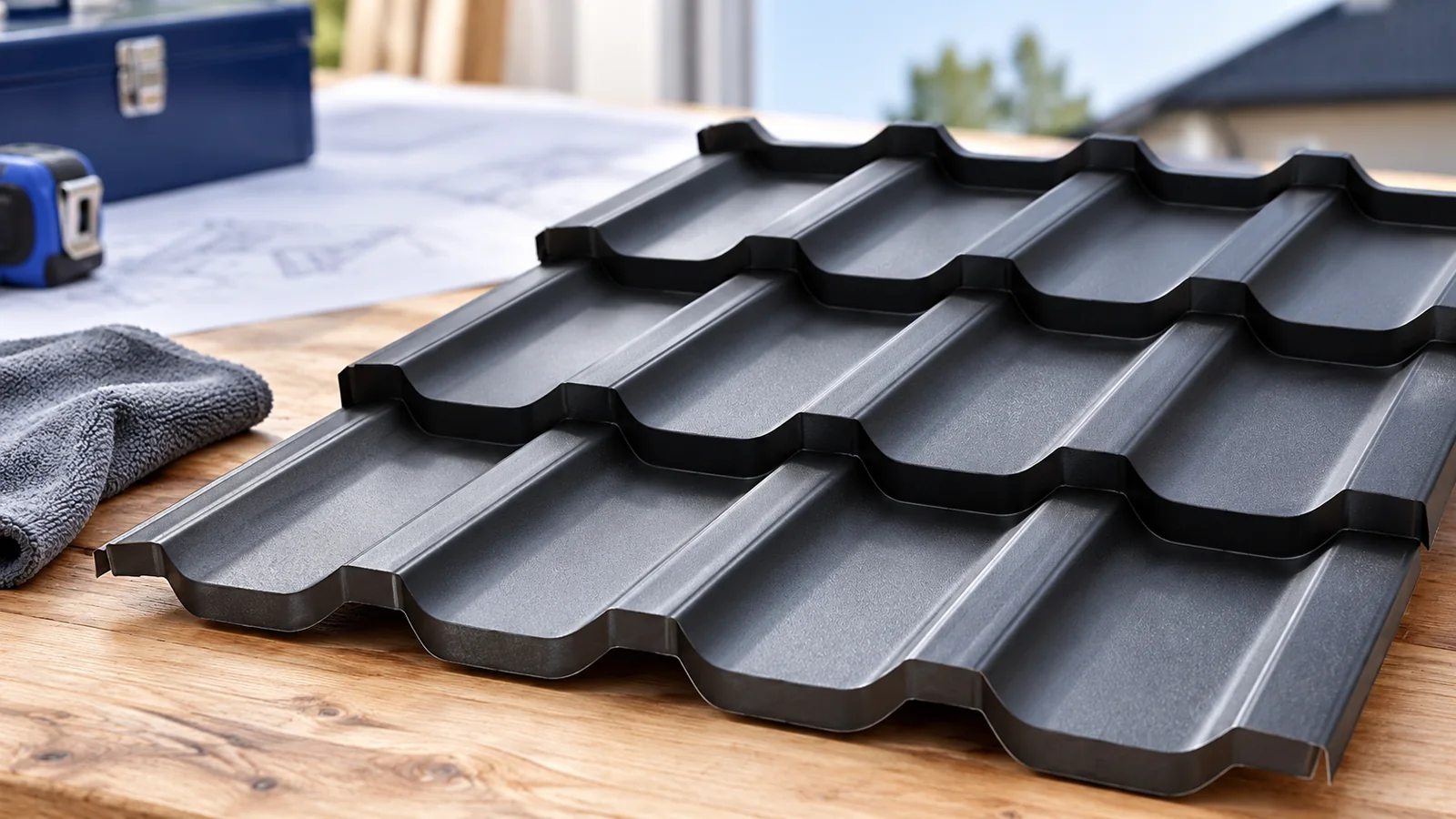
Does the covering suit the roof pitch?
Check the minimum pitch for both the product and the joint arrangement. A long slope with end laps may require a different pitch from one covered with continuous sheets. The same distinction applies to insulated roof panels. There is no single minimum pitch for every trapezoidal or tile-effect sheet.
Check whether the pitch in the technical data is in degrees or per cent; the numbers are not interchangeable. If the existing roof falls outside the limits, choose another system or revise the design. Extra sealing tape does not by itself permit a lower pitch. Allow for deflection, which can reduce the fall locally.
How should the layer beneath the sheets be detailed?
The secondary layer intercepts water that may get beneath the outer covering under certain conditions. Install it for its intended application and detail its edges so that it can discharge. Take particular care at roof windows, chimneys and eaves. Unplanned cuts and unsealed joints interrupt the water path.
Not every membrane or decking assembly suits every roof. Select it for the pitch, substrate and ventilation arrangement. An underlay cannot make up for incorrectly installed sheets. The two layers should work together, with clear paths for drainage and no enclosed pockets where water can collect.
What keeps sheet laps weathertight?
Use the lap direction, width and fixing method specified in the installation instructions. Profiles differ in their edge geometry and in the position of seals. Do not copy a detail from a similar-looking sheet. At the start of installation, check the dimensions and alignment before fixing the first run in place.
At end laps, check both the support and the path that water will take. A sheet forced into position can deform and leave a gap. Fit seals and tapes only where specified. Excess material in the wrong position can trap water or prevent the joint from drying.
How can you prevent leaks at fixings?
Match the fasteners to the supporting material and the thickness of the parts being fixed. Check corrosion resistance and the type of sealing washer. Install screws at the positions specified for the system, seating the washer without leaving it loose or crushing it. Deal with any unused holes left after repositioning a fixing.
Fastener spacing depends on loads and roof zones. Wind action near an edge can differ from that in the middle of the slope. Reducing the number of screws for cost or appearance requires technical justification. Otherwise, movement of the sheets may damage the joints.
How do you protect chimneys, roof windows and service penetrations?
Every obstruction diverts runoff. Flashings should guide water back onto the covering and protect the sides of the opening. A junction with masonry or a frame must accommodate the materials and their movement. A bead of sealant alone is not a complete chimney or wall flashing.
Plan pipe and cable routes before laying the sheets. Use penetrations designed for that profile and purpose. Drilling an unplanned hole later often causes trouble. Photograph details before they are covered: the images help with inspections and show future installers where important layers must remain intact.
What part do ventilation and drainage play?
Dampness in the roof space does not always come from rain. Water vapour can condense on cold layers. Provide the required airtightness on the room side and a route for drying. Do not close off necessary ventilation inlets or outlets when fitting flashings or adding insulation.
Outside, keep valleys, gutters and outlets clear. Leaves can cause water to back up and reach areas normally above the runoff level. Size the drainage for the area that feeds it. Although the gutters are separate from the covering, their performance affects how well the building keeps water out.
What should you check at handover and afterwards?
At handover, inspect laps, fixings and every flashing. Remove swarf, protective film remnants and waste. Check the material documents against the design. A straight roofline seen from the street tells you little about a concealed chimney junction, which matters more to weather protection than a perfect colour match.
Continue inspections at the intervals in the instructions and after events that could have damaged the roof. Investigate a damp mark or a loose fitting promptly. Prevention means keeping the whole assembly working as designed; routinely covering every joint with another layer of sealant does not achieve that.

Free quote
What to include in your enquiry
Tell us how you plan to use the material, the dimensions and the quantity you need. Include the thickness, grade or variant name, along with the delivery town or your preferred collection branch. For a specific product, add its name or a link to the product page. We will reply to the email address you provide to discuss availability and the terms of your order.
Read next
Before deciding to repaint a metal roof, find out what changed. Surface deposits may wash off, a streak below a fixing may…
When laying BauderPIR T, first set out the valley that will carry water to the outlet. Mark levels at both ends and…
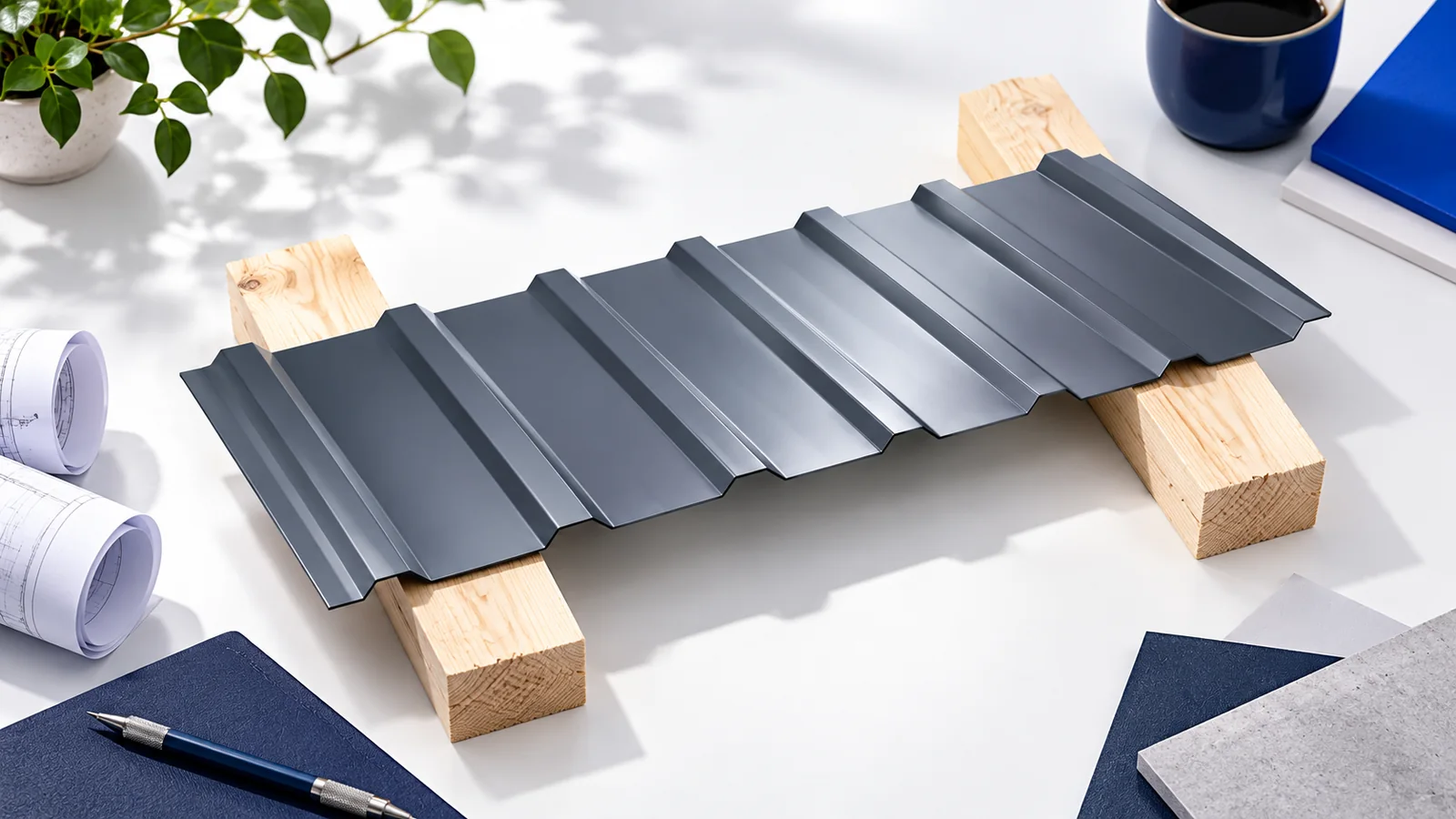
A pitched roof carries the covering, resists wind and snow, and drains rainwater away from the building. Rafters and their supports carry…
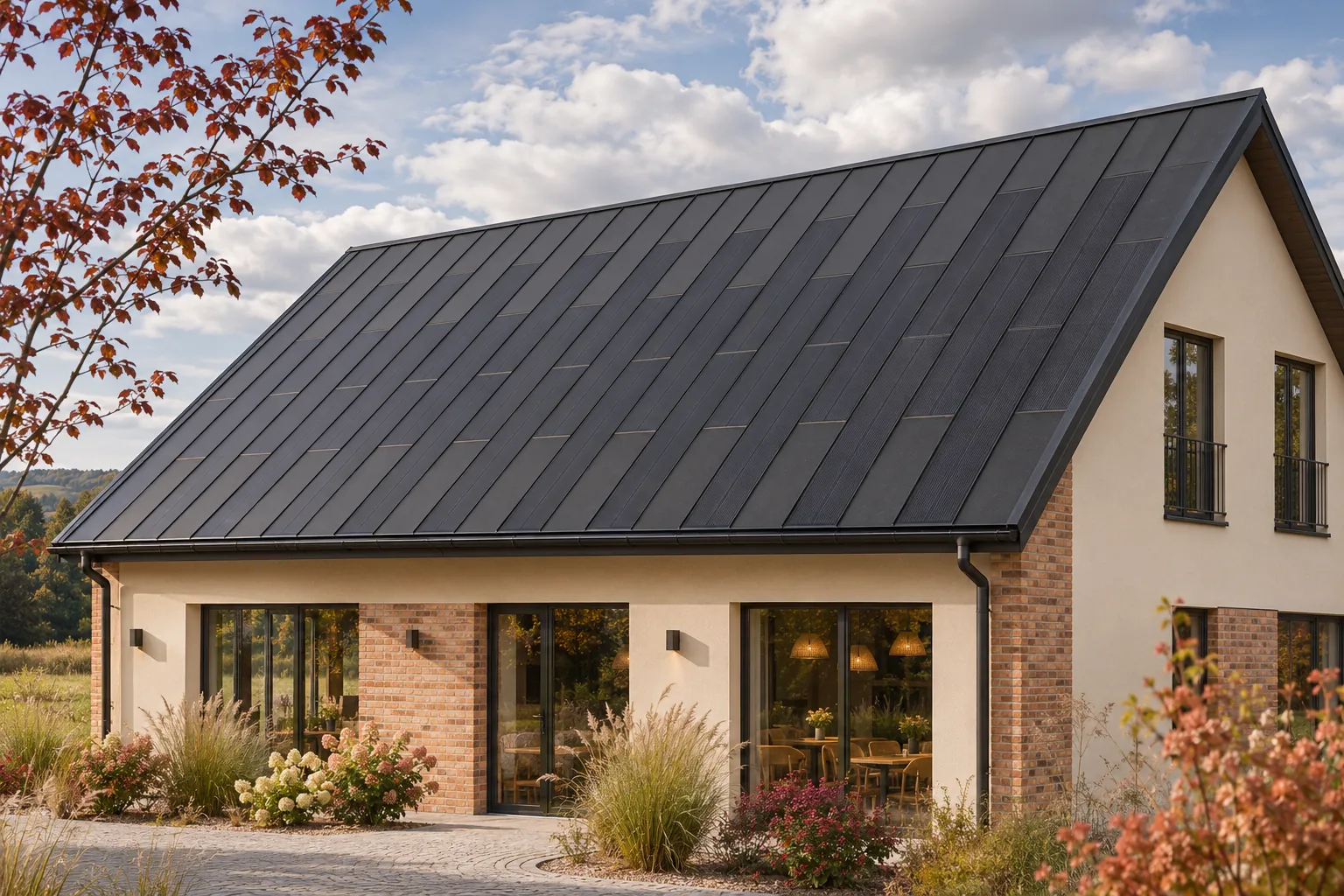
A guest house needs a roof that suits its setting and allows staff to run the property day to day. Building-integrated photovoltaics…
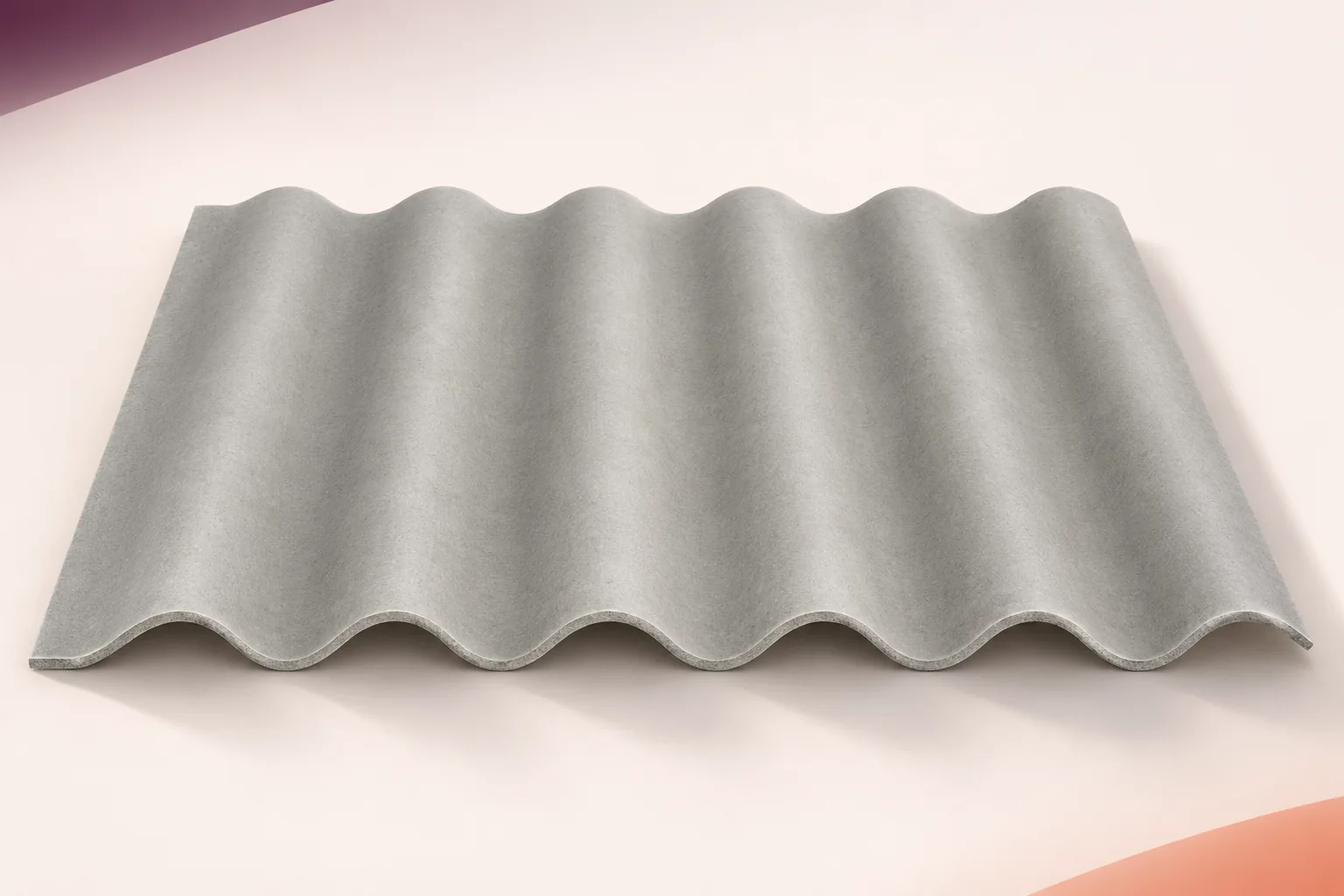
Daylight can improve working conditions in an industrial building if it reaches the right places. Lay out the rooflights in relation to…
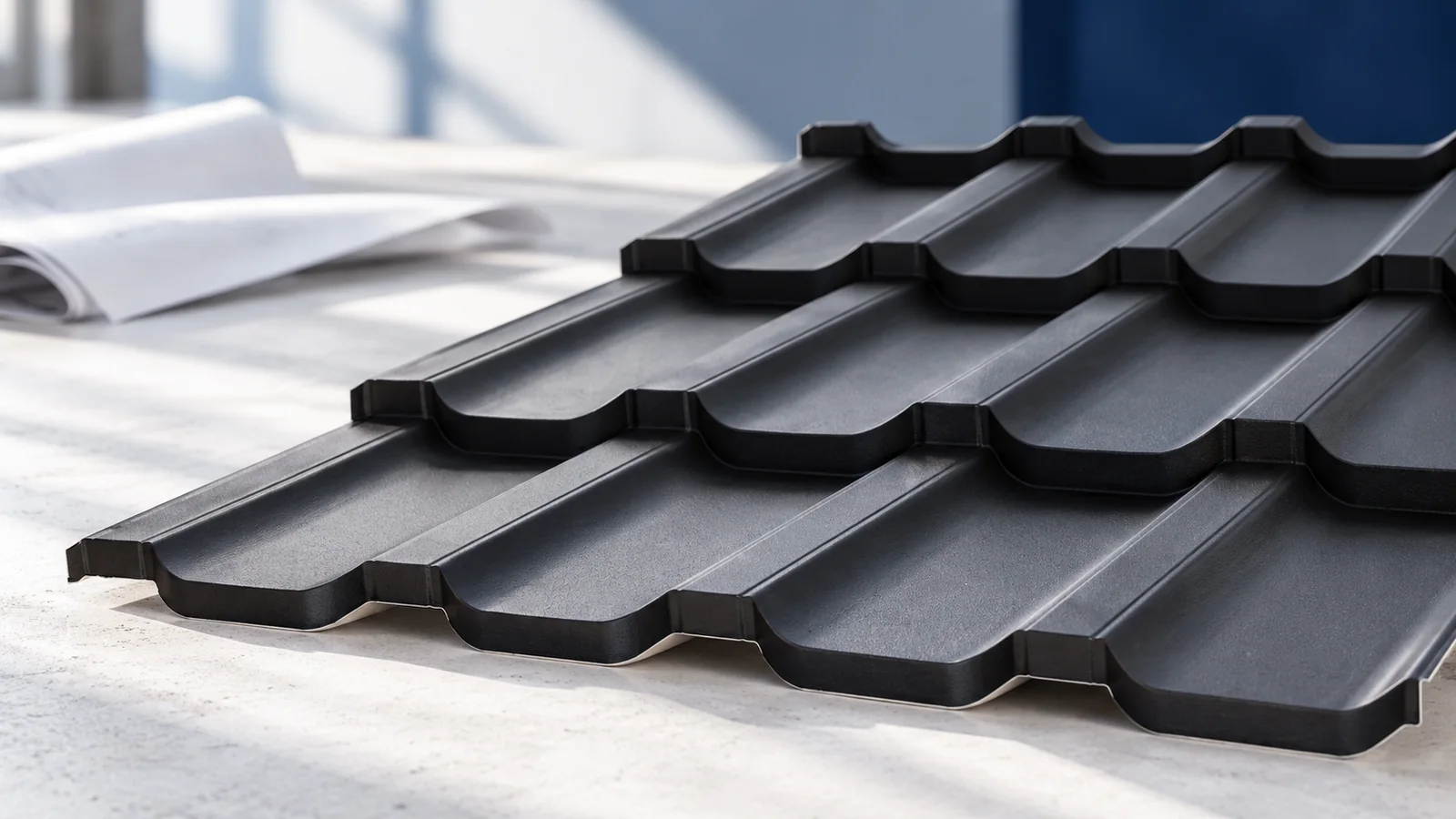
Start with the lowest points on the finished roof. Falls must carry rain to the outlets even after the deck deflects, and…
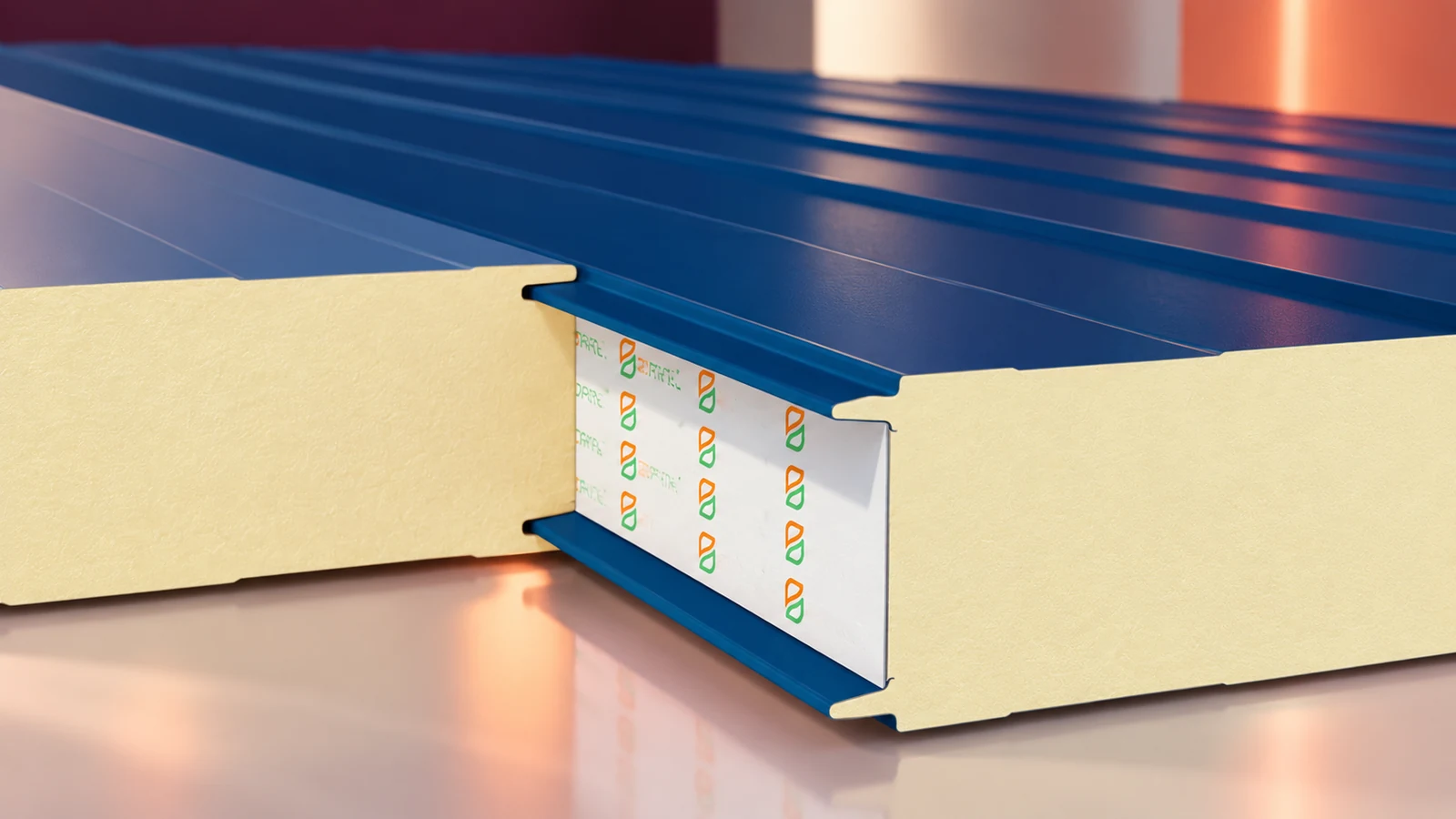
PIR sandwich panels are factory-bonded elements with an insulating core and metal facings. They are made for walls, roofs and specialist enclosures…
A solar roof budget covers much more than the panels. Allow for preparing the building, installing the covering, electrical equipment, labour and…
