






Choosing an external window sill that sheds water clear of the wall
Gutters and flashings
Trace the water from the bottom of the window frame to the front edge of the sill. The frame outlets must remain open, the sill must fall outwards and its drip edge must project beyond the finished façade. At the sides, allow for the end pieces and the movement of the material. Measure against the final insulation and render thickness. For a wide metal sill, check the support and any sound-deadening layer before fitting. These details determine whether the sill drains quietly and keeps water out of the wall around the window.
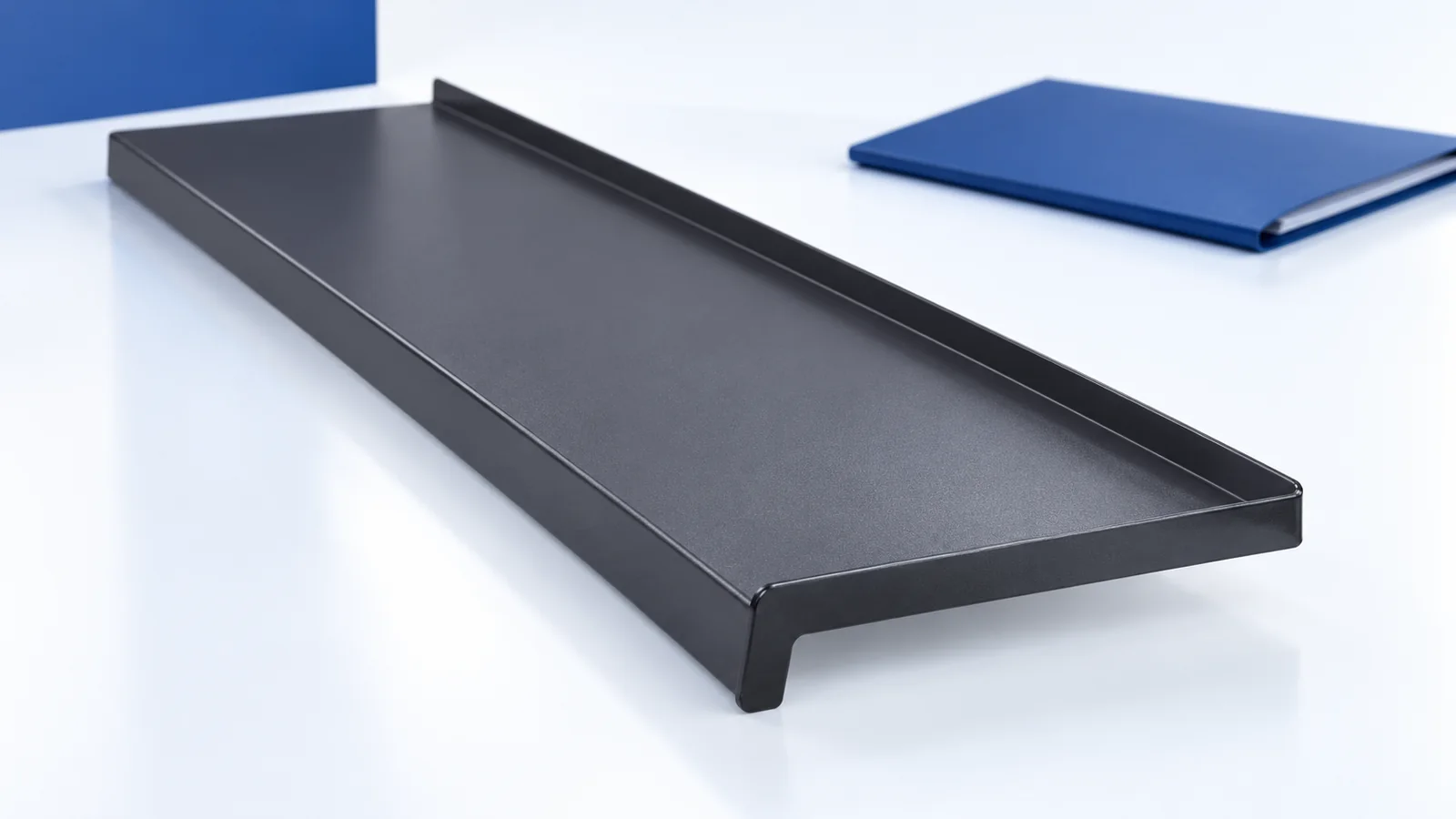
What does the sill do beneath the window?
Water from the window should land on the sill and discharge clear of the façade. The drip edge helps the flow break away from the metal. A short projection or incorrect fall can lead to damp patches and dirt streaks. What looks like a render defect may originate at the window.
Detail the ends to suit the reveals and allow the movement specified for the system. Rigidly embedding a long metal sill in mortar can introduce stress. Plan the seal and water protection beneath it before finishing the façade. A visible bead of sealant only covers the surface joint.
When is coated steel suitable?
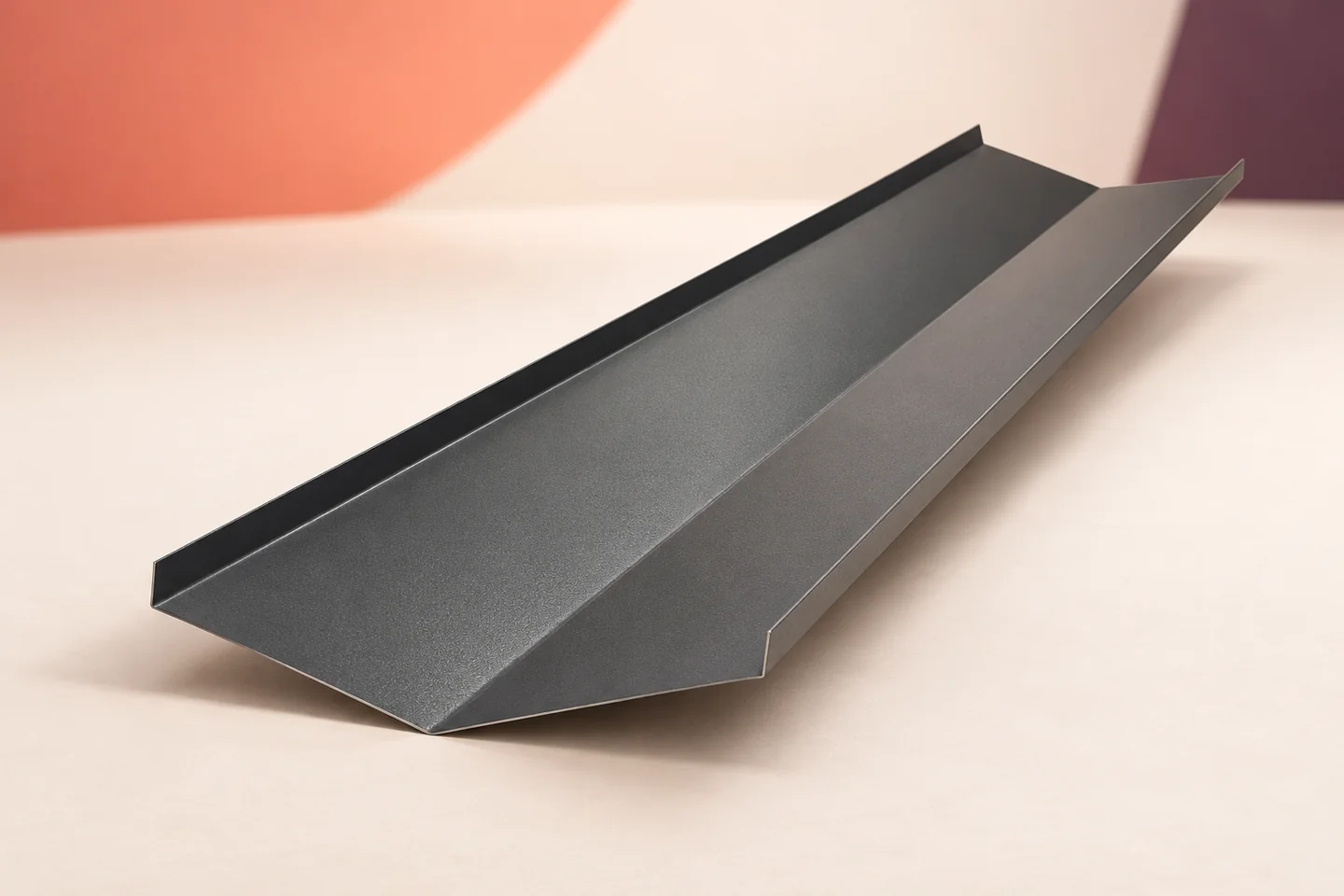
A steel sill is relatively light and can be folded to the required shape. Its finish can match gutters, flashings and a trapezoidal or tile-effect steel roof. Compare physical samples because coatings in similar shades can reflect light differently.
Check the entire protection system, coating uniformity, folds and cut edges. Distinguish a mark in the transport film from a deep scratch exposing steel before the sill is installed. Remove the protective film according to the product instructions.
How do other materials differ?
Aluminium, stone, ceramic and plastic sills have different support and joint requirements. Heavier units need adequate bearing. Metal changes length with temperature, so its connections must accommodate movement. Check the suitability of the particular product for outdoor exposure.
Choose for the installation position and likely use. A wide sill needs stiffness and restraint against vibration. On a lower floor it may be more exposed to knocks. Near a busy road, ease of cleaning and corrosion exposure can influence your choice. Read the actual maintenance requirements.
Which dimensions should you take?
Measure the opening at the height where the sill will sit. Allow for the end closures and connection to the frame. Determine the sill depth from the actual insulation thickness and the finished façade line. An early measurement taken before the wall build-up is settled can leave the sill too shallow.
Use the projection and outward fall specified for the window system, profile and installation conditions. Keep the frame drainage slots clear. If the sill covers them, a watertight side joint will not restore drainage. Agree any uncertain detail with the window and façade installers before ordering the sheet.
How do you reduce noise and prevent leaks?
Thin metal can amplify rain noise, particularly over a wide or poorly supported sill. Provide the specified support and any compatible vibration-damping material. Keep the required spaces clear and use the sealing arrangement specified for the system. Improvised foam can obstruct those spaces.
Inspect the connection below the rear upstand and around both ends. Water must drain away without passing behind the insulation. Concealed faults sometimes appear only in wind-driven rain. Photograph the junctions while exposed to help trace a later damp patch without dismantling the whole reveal.
What should the price and maintenance allowance include?
Compare the price of a finished sill including end pieces, required bedding or pads, and installation. Check the pricing unit and whether measurement is included. Special shapes may involve additional folds and transport costs, so compare the total for the completed opening.
Clean with mild products suitable for the coating and inspect the edges. Keep ladders and foot traffic off the sill. After façade work remove mortar residue and metal swarf using an appropriate method. Check that water runs off freely without pooling.

Free quote
What to include in your enquiry
Tell us how you plan to use the material, the dimensions and the quantity you need. Include the thickness, grade or variant name, along with the delivery town or your preferred collection branch. For a specific product, add its name or a link to the product page. We will reply to the email address you provide to discuss availability and the terms of your order.
Read next
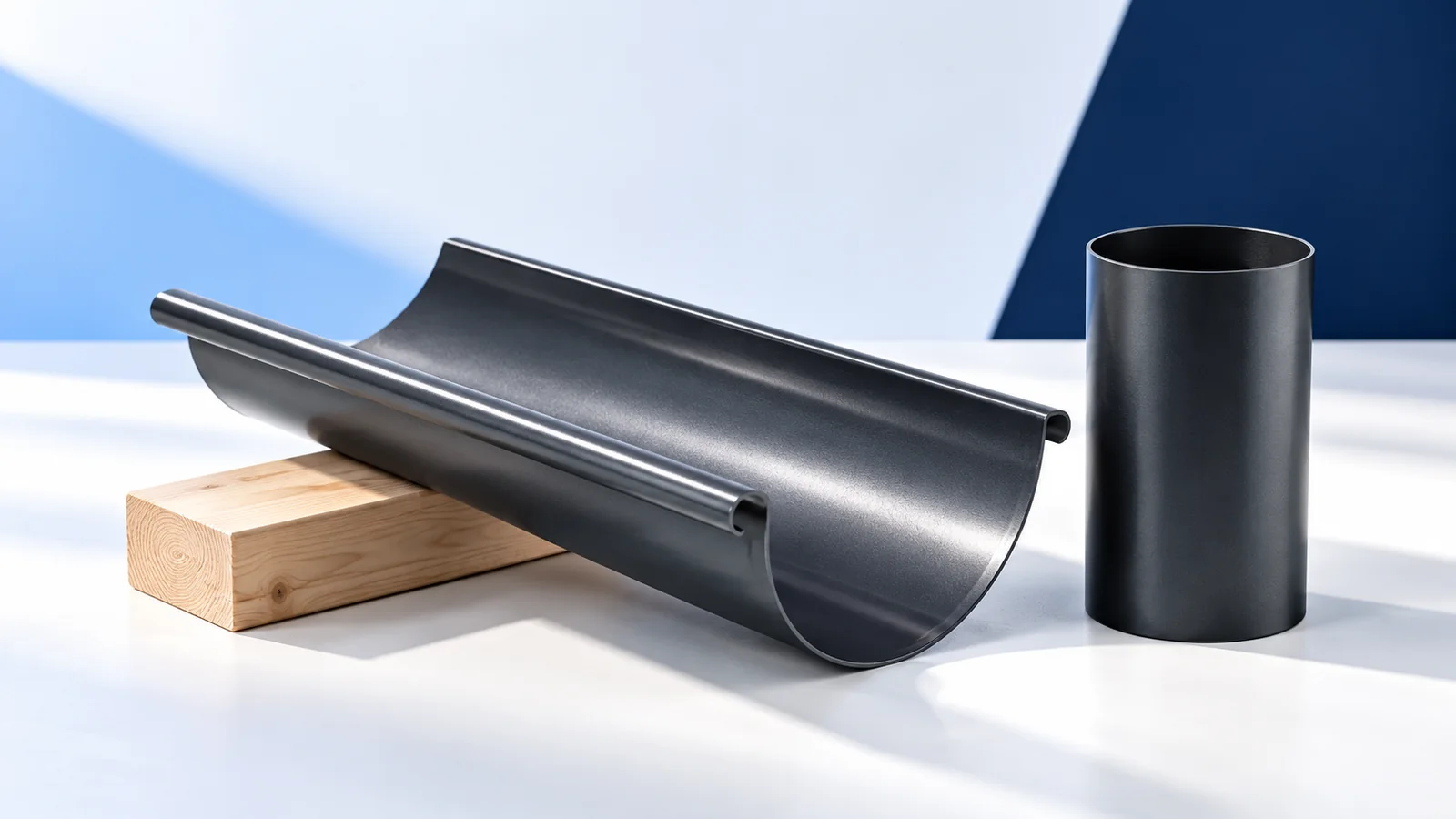
A concealed gutter can give a metal roof a straight eaves line if the detail leaves room for the gutter, the downpipe,…
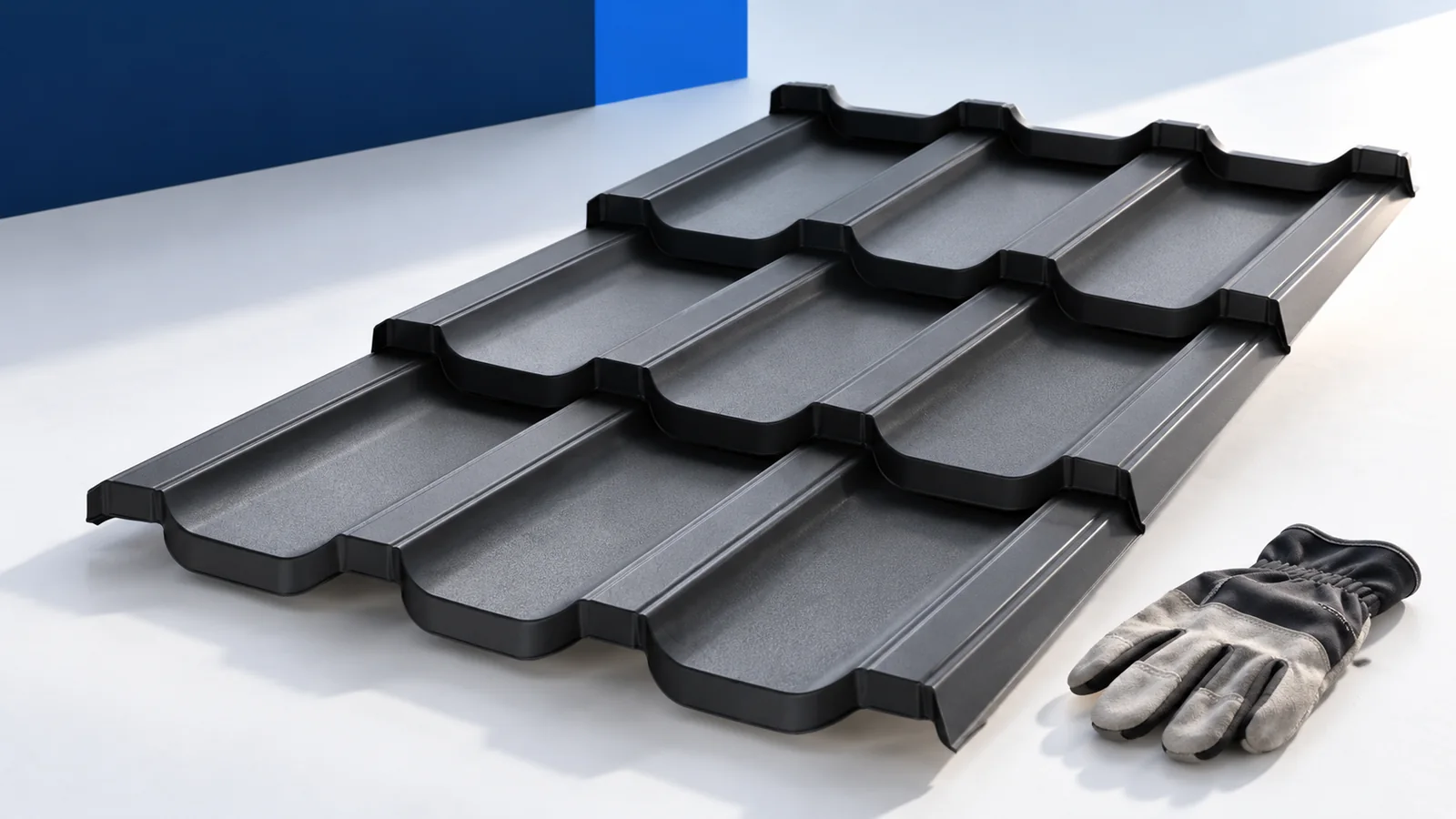
On a mono-pitch roof, one eaves line collects runoff from the entire slope. Before choosing the covering, draw a section through the…

To budget for a roof, start with the sloping area on the drawings and work out how many sheets the layout requires.…
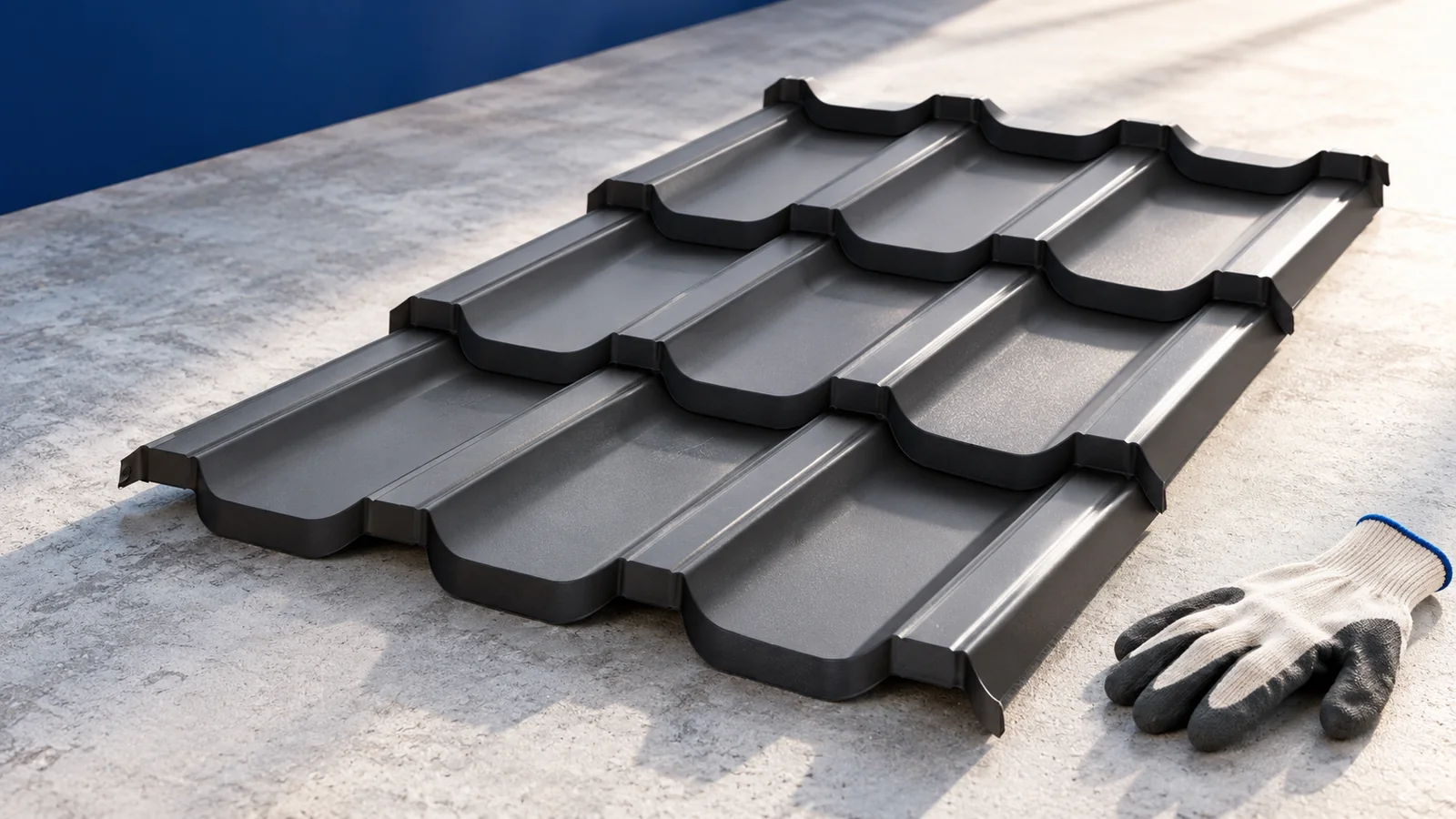
Two roofers can quote different prices per square metre for the same slope because they are pricing different work. One may include…
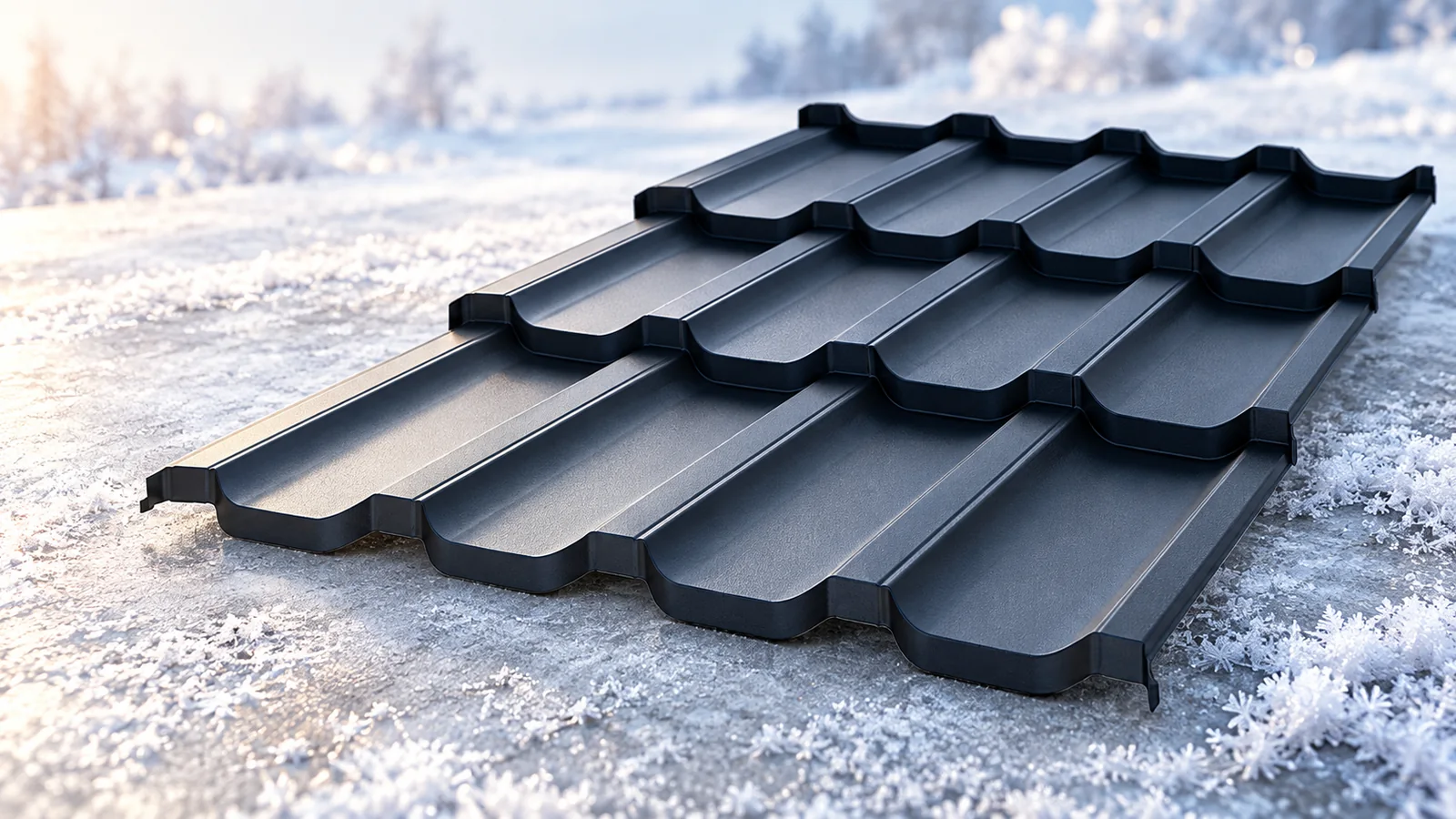
Before the first prolonged frost, have known leaks and loose flashings repaired and trace the drainage route from gutter to discharge point.…
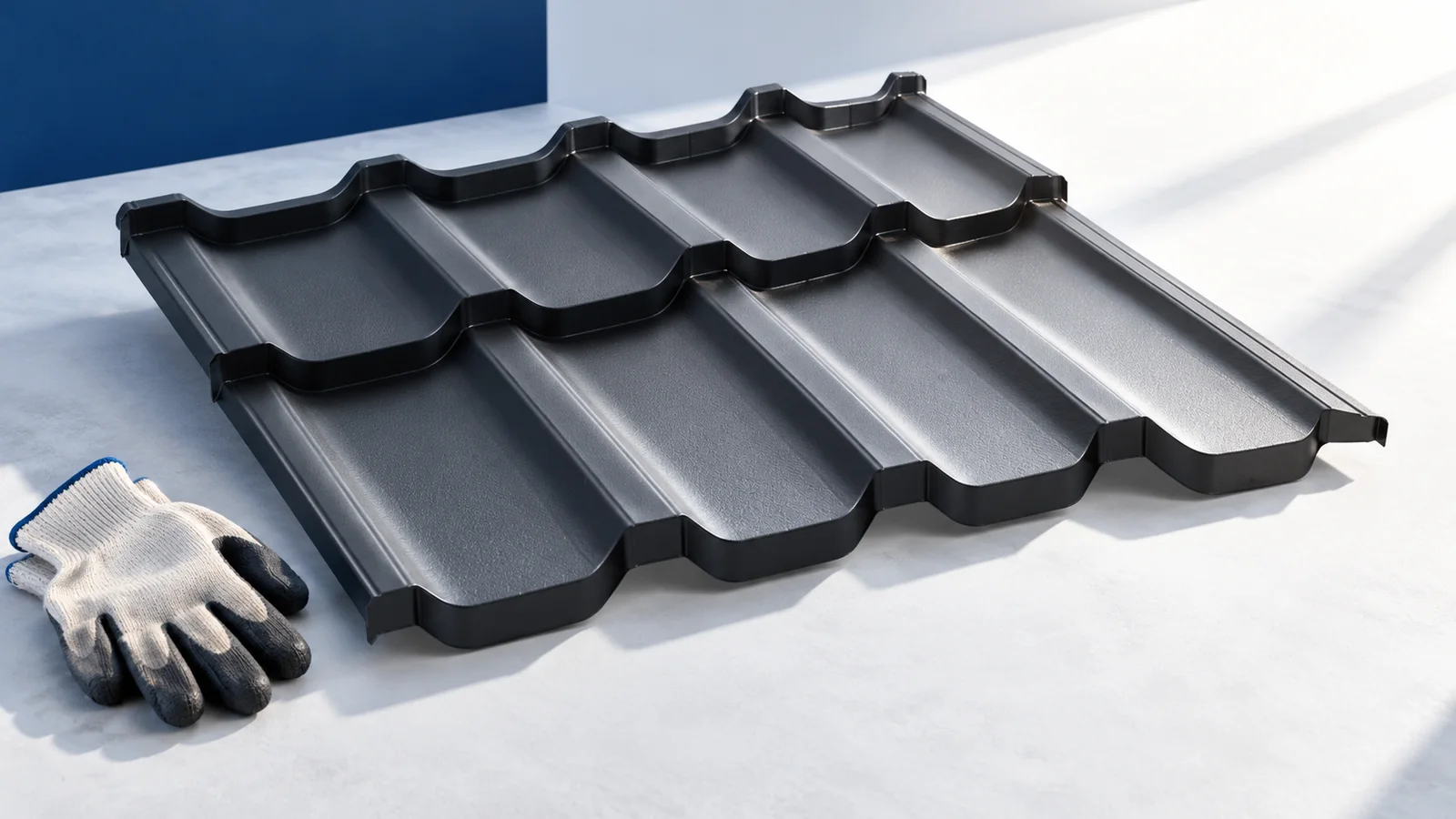
Choose the replacement roof for the building's future use. An unheated outbuilding may need a simple trapezoidal steel covering; a house may…
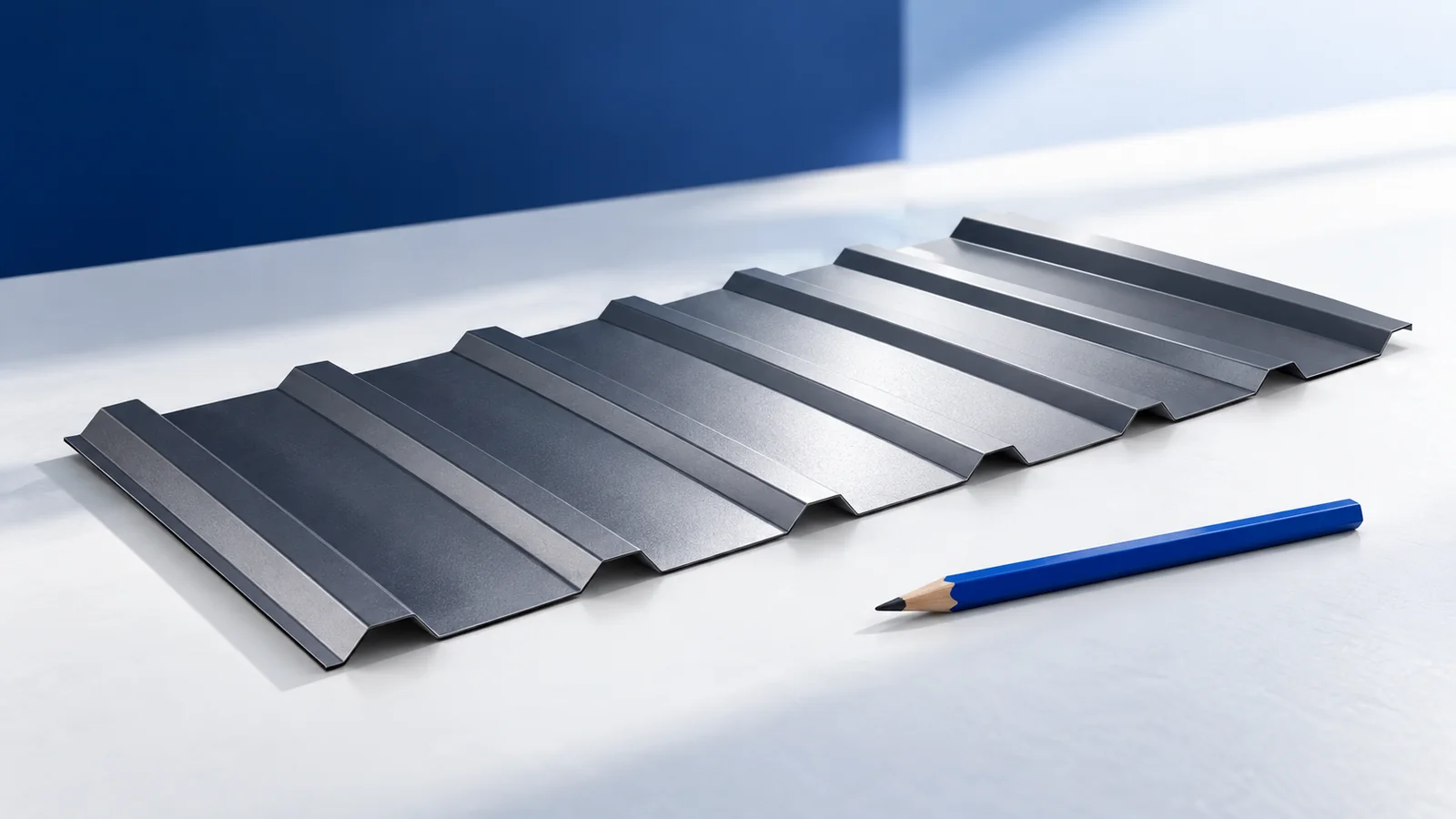
For an open shelter or carport, select the roof sheet together with the supports and anchors. Wind can reach the underside, and…
Size a roof valley or internal gutter for the water that reaches it, not simply for its length or the width of…
