



Polish VAT on roofing: when do the 8% and 23% rates apply?
Costs and paperwork
In Poland, buying roofing sheets or insulation from a VAT-registered supplier generally attracts 23% VAT. A contractor repairing a qualifying residential building may charge 8% on eligible work, including materials supplied as part of a single service. To compare quotations, establish who supplies the materials, what work the contract covers and how the property is classified. Where a dwelling exceeds the statutory floor-area limit, the reduced rate applies proportionately. The area to measure is the usable floor area of the property, even if the entire contract concerns its roof.
How are purchases of materials taxed?
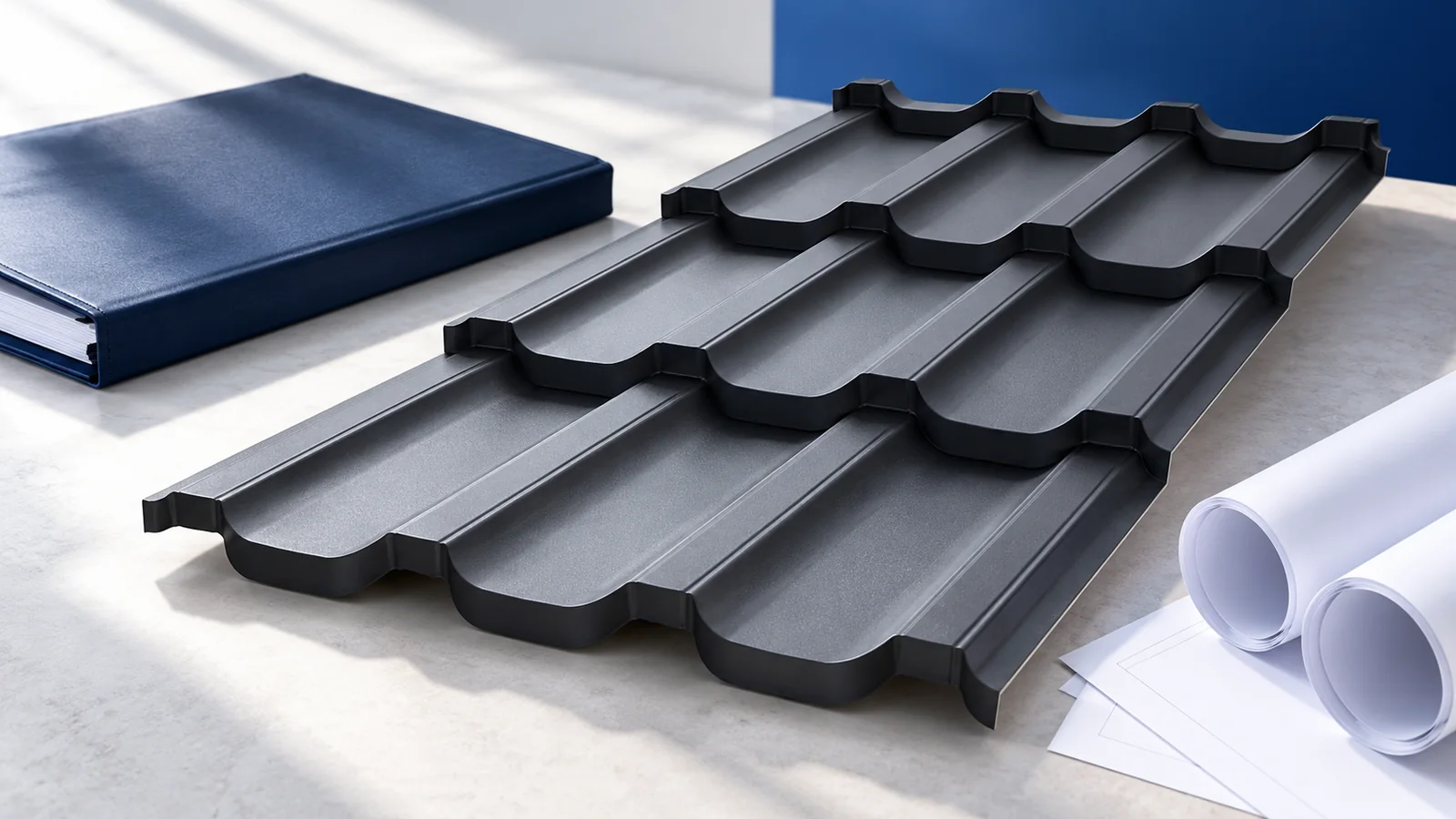
A VAT-registered seller supplying roof coverings, insulation or flashings as goods will generally charge the standard Polish rate of 23%. Using those materials on a single-family home does not turn the purchase into a renovation service. This also applies to sheets cut to the customer’s dimensions.
Compare prices on the same basis. Materials costing €4,634.47 before tax would cost about €5,700.40 including 23% VAT. These illustrative amounts are converted from PLN at the shop rate of 13 November 2026. Mark every estimate line as net or gross and apply the appropriate rate. An apparent saving can disappear if one quotation shows tax separately and the other includes it.
When can roofing work qualify for 8% VAT?
The reduced rate covers activities specified by Polish law, including construction, renovation, modernisation, energy-efficiency improvements and conversion of qualifying buildings or parts of buildings. Both the work and the property must meet the conditions for housing covered by the statutory social housing programme. A residential address alone does not establish entitlement.
A workshop, warehouse or separate outbuilding needs its own assessment. Mixed-use buildings can also require closer examination. Establish the relevant classification and the scope of work before signing. Correcting the rate after completion could change the agreed budget.
How do the floor-area limits work?
The limits are 300 m² of usable floor area for a single-family residential building and 150 m² for a residential unit. Roof area is a different measurement. A house with extensive roof slopes may still be within the limit. Document the floor-area calculation and the classification of the property.
Above the limit, apportion the taxable amount. For an otherwise qualifying service on a 360 m² house, the eligible fraction is 300/360, or five sixths. On a net price equivalent to €13,903.40, about €11,586.17 is taxed at 8% and €2,317.23 at 23%. Total VAT is about €1,459.86. This example assumes all other conditions are met.
What counts as a service including materials?
A single contract may cover labour and materials as one composite supply. Classification depends on what is actually delivered. If the agreed result is a specified roof repair, the contractor’s materials may form part of that service. Assess the full contract and the circumstances of performance.
Independent purchases cannot simply be bundled together to obtain the lower rate. Equally, several invoice lines can describe one service. Before accepting a quotation, establish which work the contractor is pricing and the basis for the rate. The contract, estimate, completion record and invoice should describe the same transaction.
How can you compare two renovation quotations?
Compare final prices including VAT for an identical scope. Check removal, preparation, covering, insulation, flashings, delivery and waste disposal. Identify extras on both quotations. A lower tax rate on a smaller scope or a low sheet price alone tells you little about the finished roof cost.
If you buy the materials, agree how they will be handed over, who bears the risk of damage and how labour will be billed. A business may be able to deduct input VAT, depending on its circumstances and how the purchases are used. A consumer and a business can therefore face different actual costs at the same net price.
Which documents should you keep?
Keep a contract defining the work, property details, floor-area evidence and a signed completion record. The invoice should reflect the supply actually made. Where classification is uncertain, clarify it before work starts. Poland’s binding rate information procedure (WIS) can determine the VAT treatment of a specifically described supply.
The source guide assessed Polish rules as at 1 November 2026. Each order requires an assessment of its actual circumstances, particularly for mixed-use buildings or separate supplies. Give the contractor the building classification and complete renovation scope so that the rate can be checked against the proposed transaction.
Free quote
What to include in your enquiry
Tell us how you plan to use the material, the dimensions and the quantity you need. Include the thickness, grade or variant name, along with the delivery town or your preferred collection branch. For a specific product, add its name or a link to the product page. We will reply to the email address you provide to discuss availability and the terms of your order.
Read next
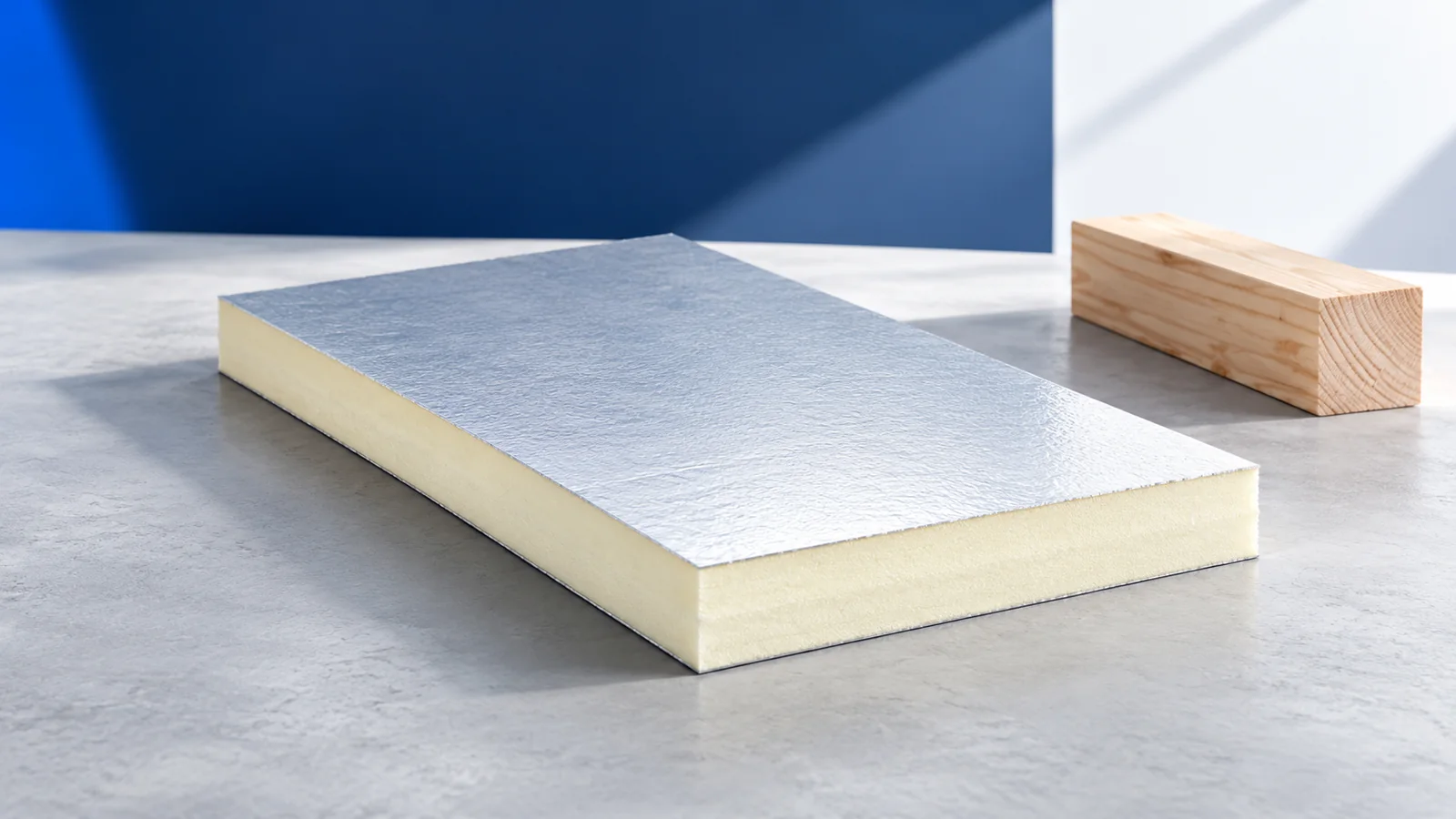
For a roof or wall insulation project in Poland, establish which rules apply before specifying a board thickness. The Act of 31…
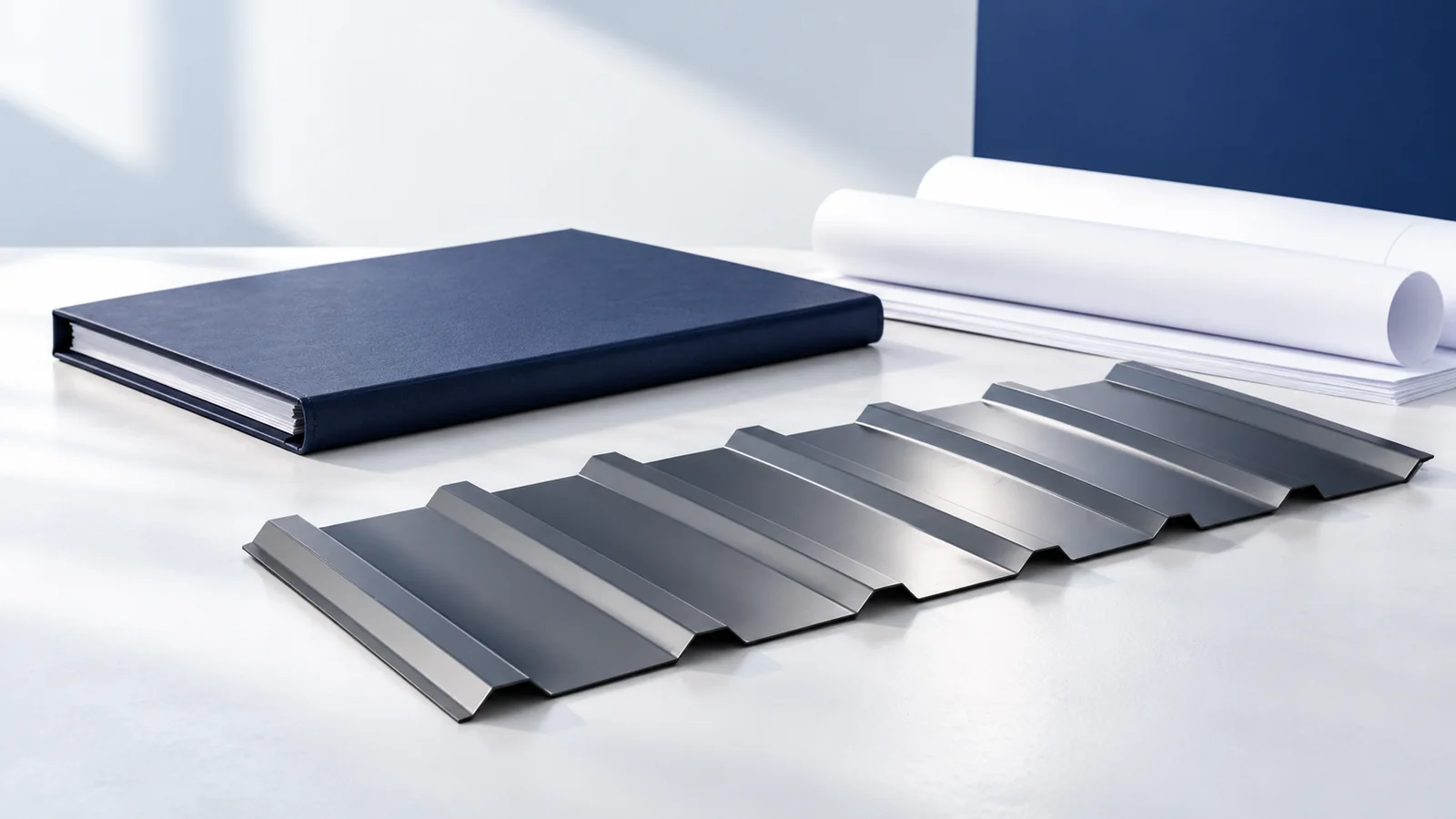
In Poland, the procedure for starting building work depends on what you intend to build or alter, where it stands and which…
In Poland, start with the municipality where the property stands. Ask whether it is accepting applications and whether its scheme covers dismantling…
If a building in Poland differs from its approved plans, establish which works caused the discrepancy and when they were completed. A…
A useful roofing complaint identifies the sheet or junction affected, when the fault first appeared and how the weather changes what you…
Changes to Polish building law in 2026 affect permit exemptions, certain departures from approved plans and the documents used during construction. The…
Plan a roof replacement around what will become inaccessible once the new covering is on. Start with the condition of the structure…