






Storing tile-effect steel roofing before installation
Repair and maintenance
Plan the delivery around the laying date and prepare a dry, ventilated storage area before the lorry arrives. Check that the supports and lifting equipment suit the bundle length and weight. At delivery, inspect the packaging for damage and the sheets for trapped water. Moisture trapped between coated surfaces can damage them before a single sheet reaches the roof. Keep the batch labels and follow the product instructions for drying wet sheets, the maximum storage period and when to remove protective film.
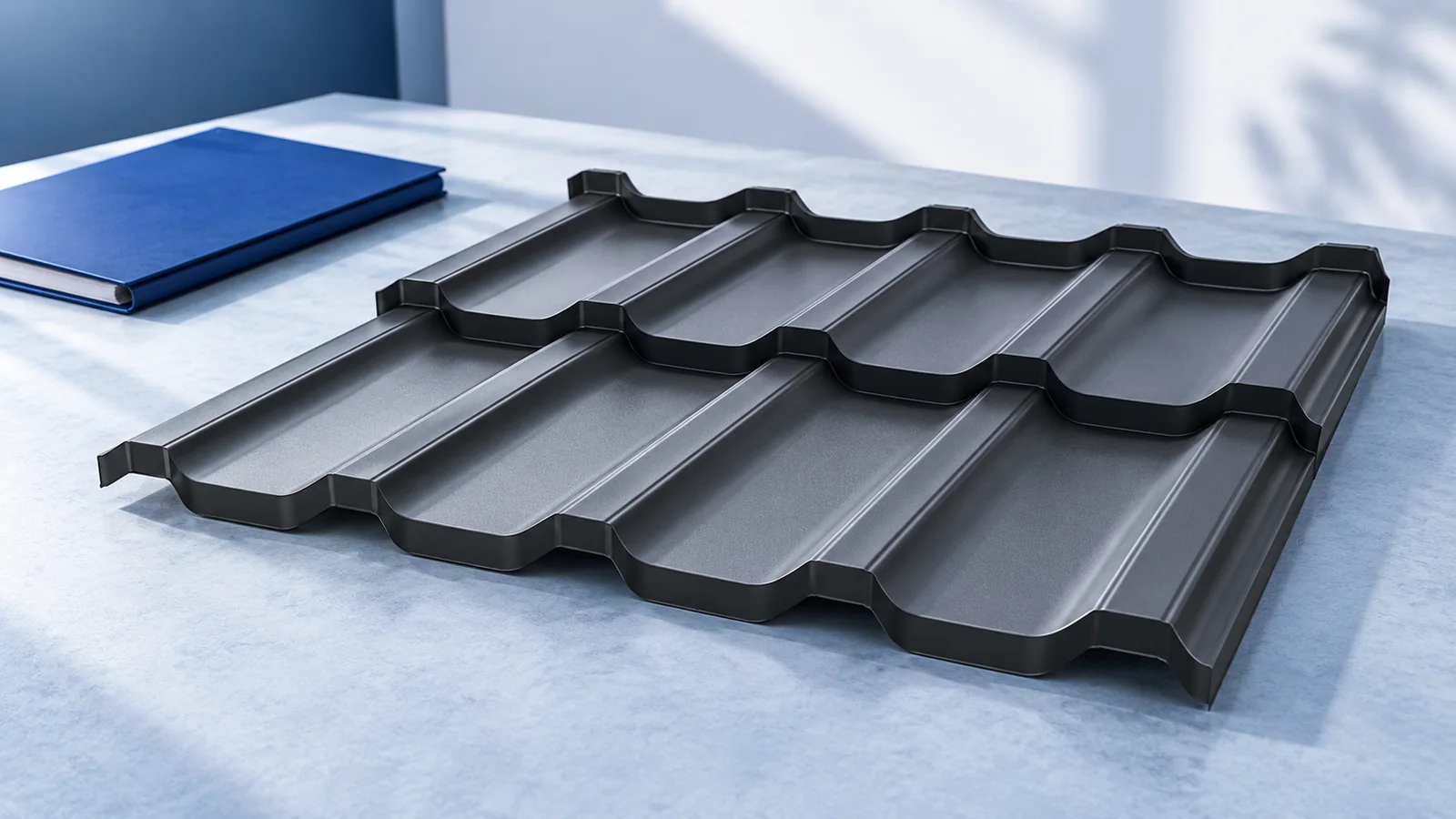
Where should the delivery be unloaded?
Choose level, stable ground with room for safe unloading. Raise bundles off the ground on the supports specified and allow water to drain. Keep them away from sparks, dust and passing equipment. Do not use the stack as a bench or a storage surface for other materials.
Check access and lifting arrangements for long bundles. Select equipment for the actual weight and length. A forklift may be able to lift the weight yet fail to support the pack without bending it. Planning before the vehicle arrives reduces rushed manoeuvres that damage sheet edges.
What should you inspect on arrival?
Compare quantities, lengths and markings with the order. Inspect packaging and accessible surfaces. Photograph visible damage and report discrepancies under the delivery terms. Keep the batch labels for identification and any later supplementary order.
If you find moisture between sheets, act on delivery. Trapped water cannot run away as rain does from an installed roof. Follow the supplier’s instructions to dry and ventilate the material. Tightly wrapping an already wet bundle will prolong the exposure.
Why does the stack need ventilation?
Closely stacked sheets can retain rainwater or condensation. Prolonged damp raises the risk of coating damage and storage corrosion. A product designed for outdoor roofing still needs to dry during storage. Its factory finish does not protect it indefinitely in a wet stack.
A dry, covered, well-ventilated store is preferable to an improvised tarpaulin. If the instructions permit outdoor storage under cover, arrange both the cover and stack to maintain airflow. Keep rain off without creating a pocket where moisture collects.
When should the protective film come off?
The film protects the finish during specified stages of handling and installation. Follow the product deadline for removal. Prolonged sun and heat can make it difficult to peel away. Some products need the film removed well before building work is finished.
Remove film at overlaps as instructed so the sheets fit together properly. Trapped strips can obstruct the joint. The film is also unsuitable as a rain seal for the pack. Where sheets are damp, follow the prescribed drying procedure.
How should individual sheets be moved?
Lift sheets clear of one another. Long lengths need distributed support and sufficient people or suitable equipment. Avoid bending the sides or stretching the pressed steps. A bent profile may no longer fit its neighbour even if the paint appears intact.
Set sheets down on a clean surface. Sand or swarf trapped between them can scratch the coating. Avoid sliding the sheet over a pallet edge. Small modules are easier to handle but still need protection from friction and impact.
How long can the sheets remain in storage?
Permitted storage time varies with product, packaging, film and site conditions. Obtain these details with the quotation. If installation slips, reassess the storage arrangements. An unopened bundle on site can still suffer moisture damage.
Arrange delivery close to installation, allowing reasonable time for unloading and inspection. Buying months in advance may require a suitable warehouse. Include that cost when judging a discount. A small saving will not cover a damaged finish across a shipment.
What should you check before laying?
Inspect for damp, dirt and distortion after storage. Plan the picking order from the roof layout to avoid repeatedly restacking the sheets. Set aside a cutting area and arrange swarf removal so the remaining stock stays clean.
Ask the supplier about visible surface changes before fitting the sheets. Improvised paint repairs or aggressive cleaning may worsen the damage. Protecting the finish starts at delivery and continues through ventilation, storage and careful lifting until the sheets are installed.

Free quote
What to include in your enquiry
Tell us how you plan to use the material, the dimensions and the quantity you need. Include the thickness, grade or variant name, along with the delivery town or your preferred collection branch. For a specific product, add its name or a link to the product page. We will reply to the email address you provide to discuss availability and the terms of your order.
Read next
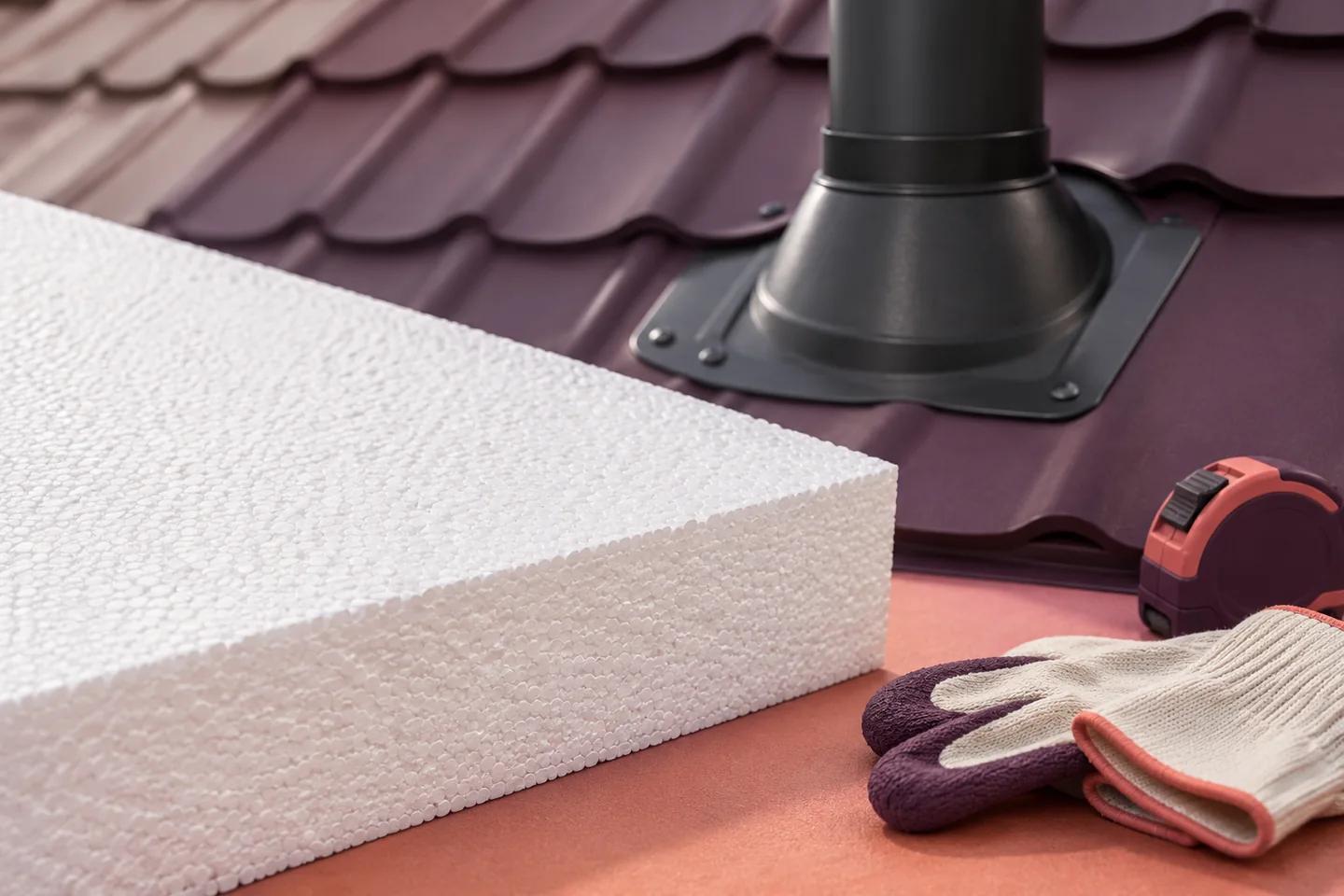
For each pipe, duct or cable crossing an EPS-insulated roof, draw a section showing the deck, air and vapour control layer, insulation…
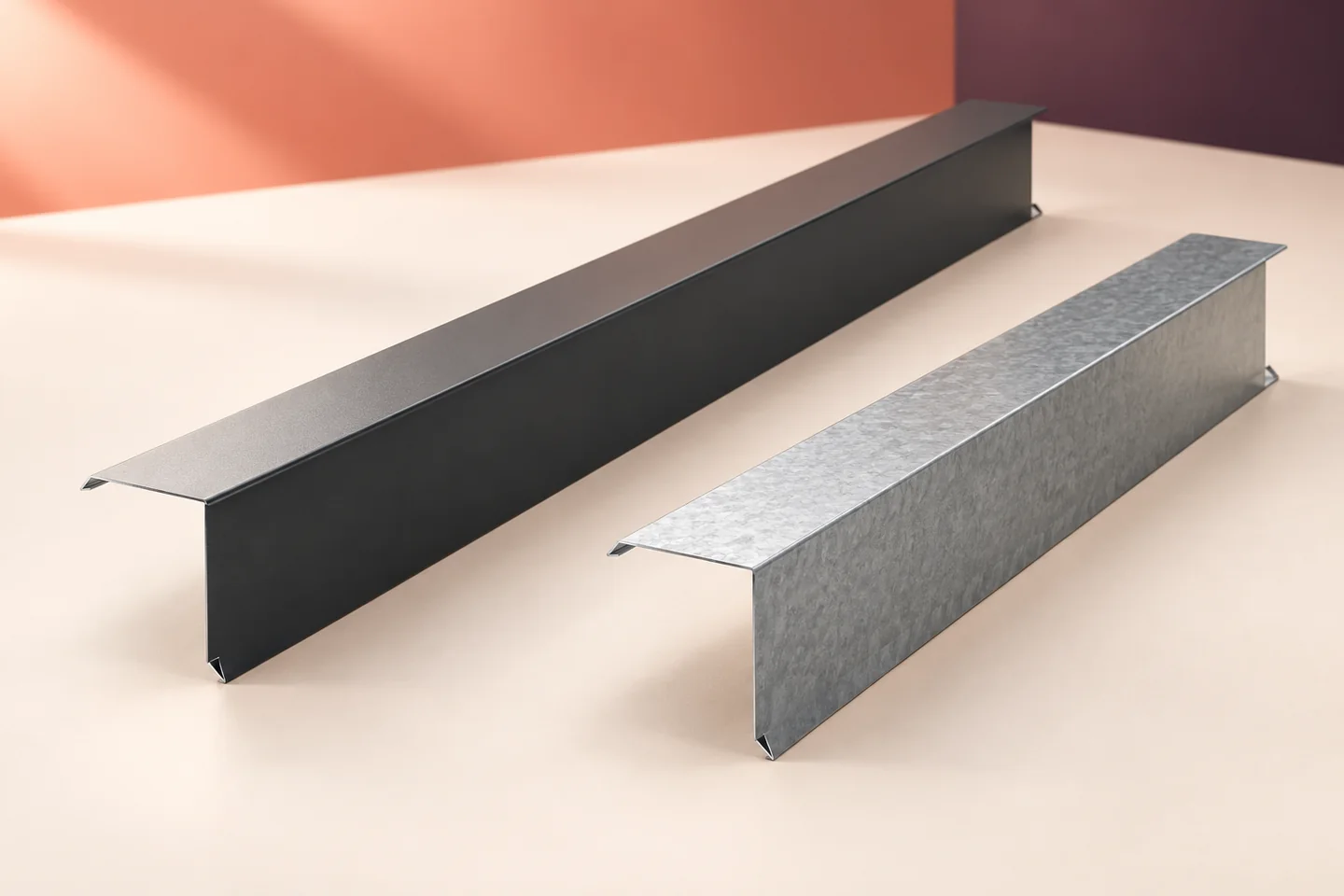
Inspect the concealed parts of each cladding junction before fitting its final cover, then inspect the finished flashings at handover. A photograph…
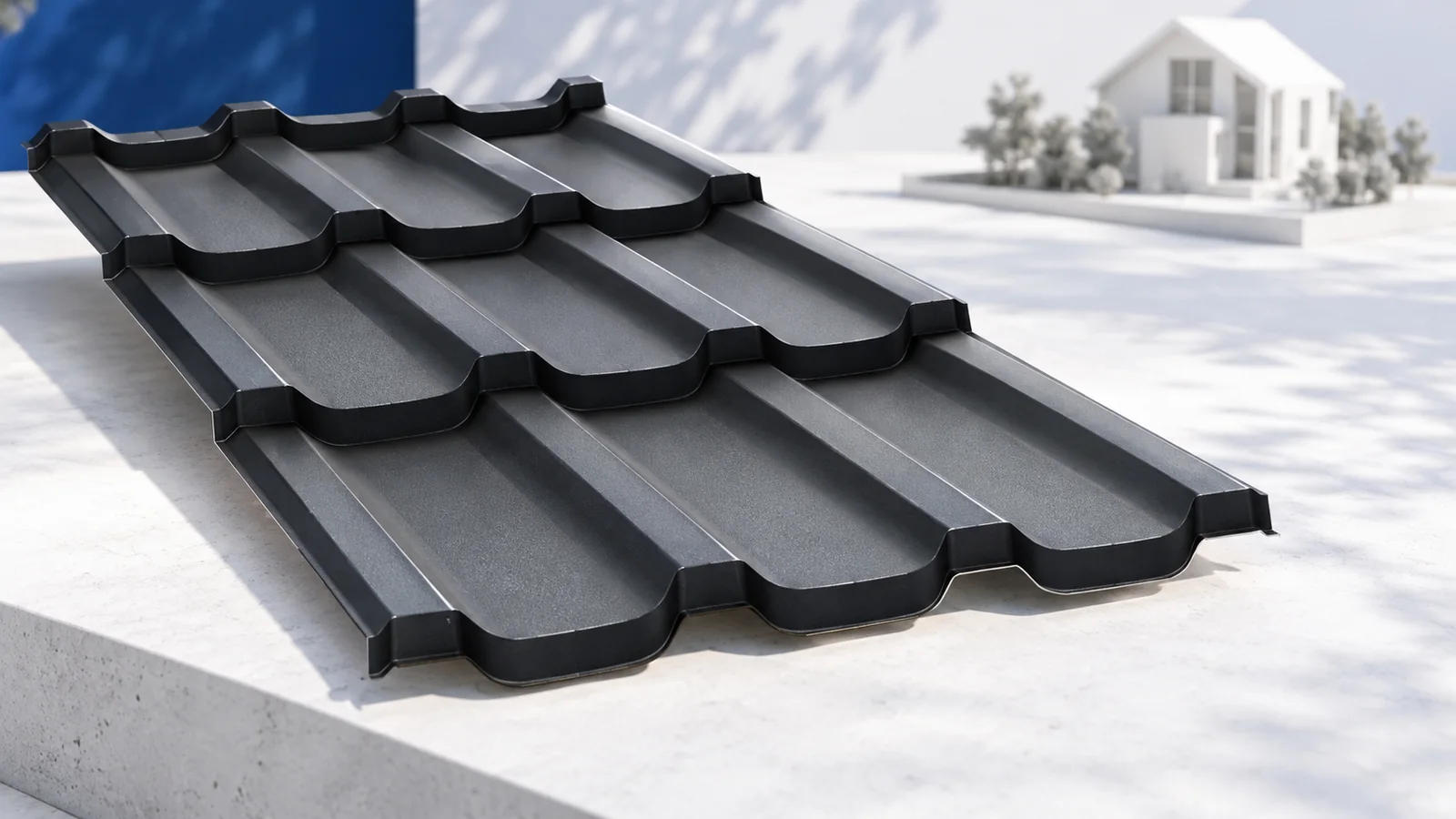
Modular tile-effect roofing uses short, repeatable steel sheets. On a site with narrow access or a roof broken up by dormers and…

Use the first window on the hall façade as a sample for the remaining bays. Show the EFIGREEN ITE insulation return at…

A rate per square metre may cover fixing the panels alone or much of the work on the building envelope. Before choosing…
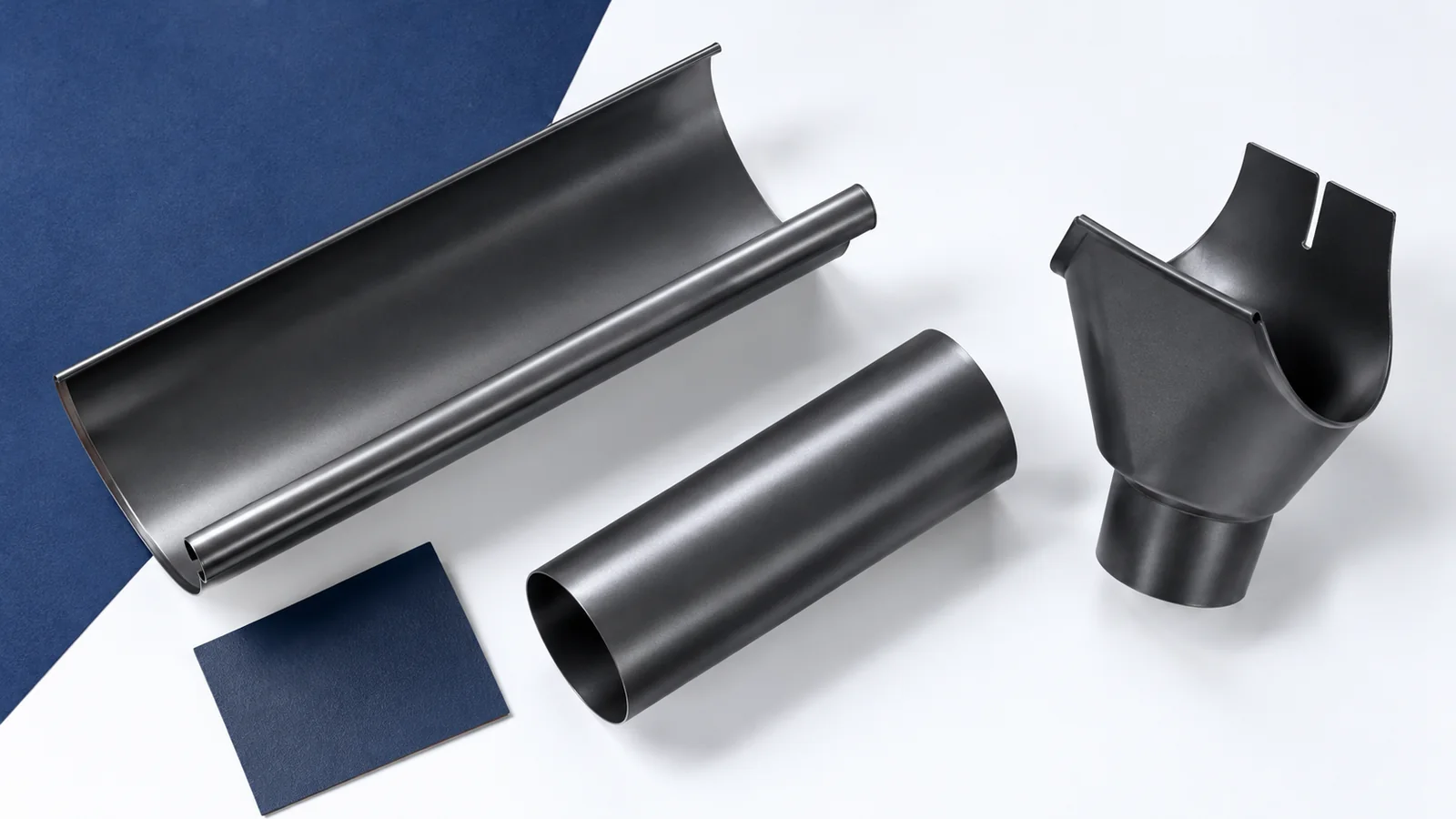
Place the downpipe gully where the downpipe meets the drainage line, and set its cover to the finished ground level. Check more…
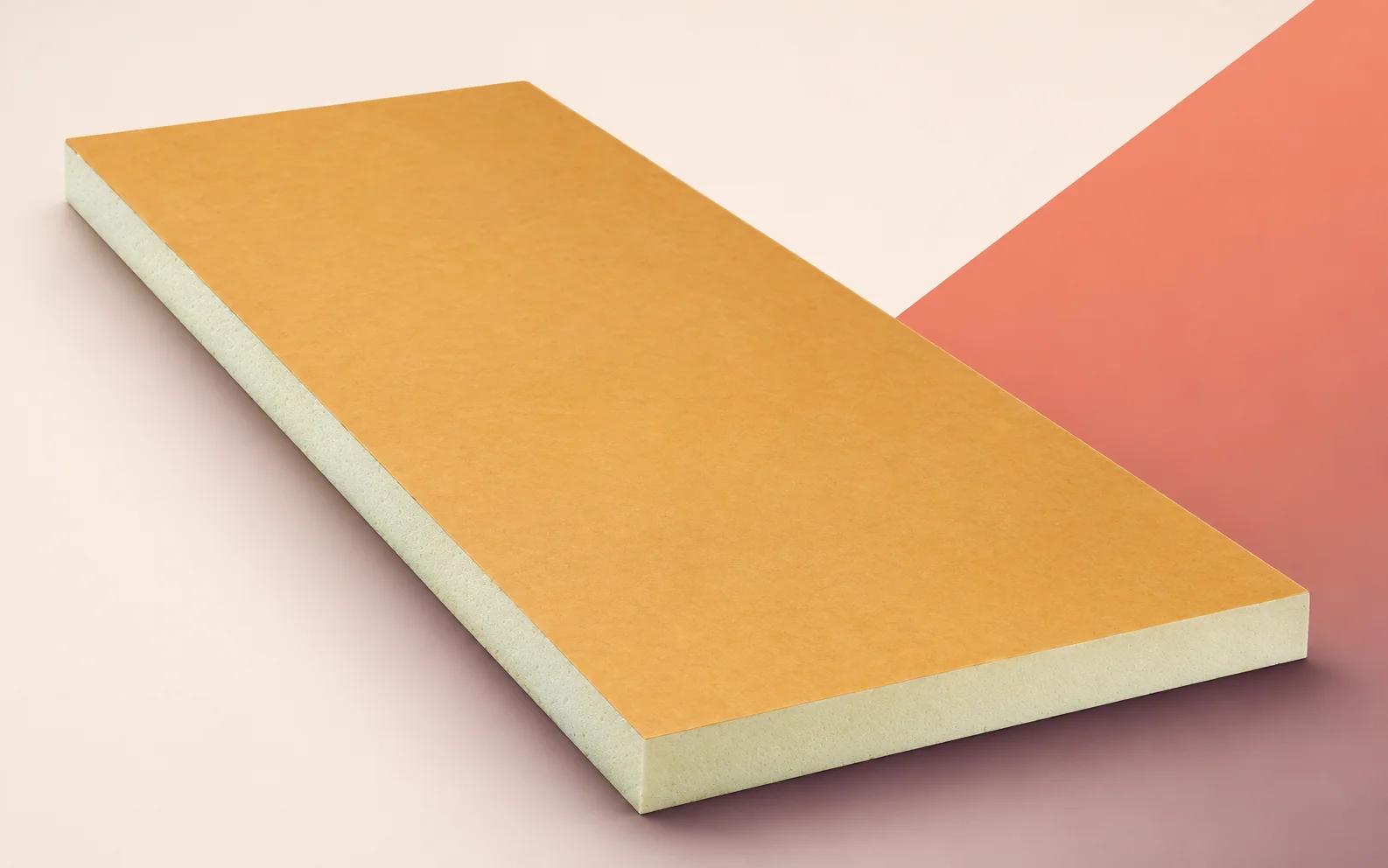
Divide the roof into the open field and the services strip before choosing an EFIGREEN ALU+ XL board size. Full boards fit…
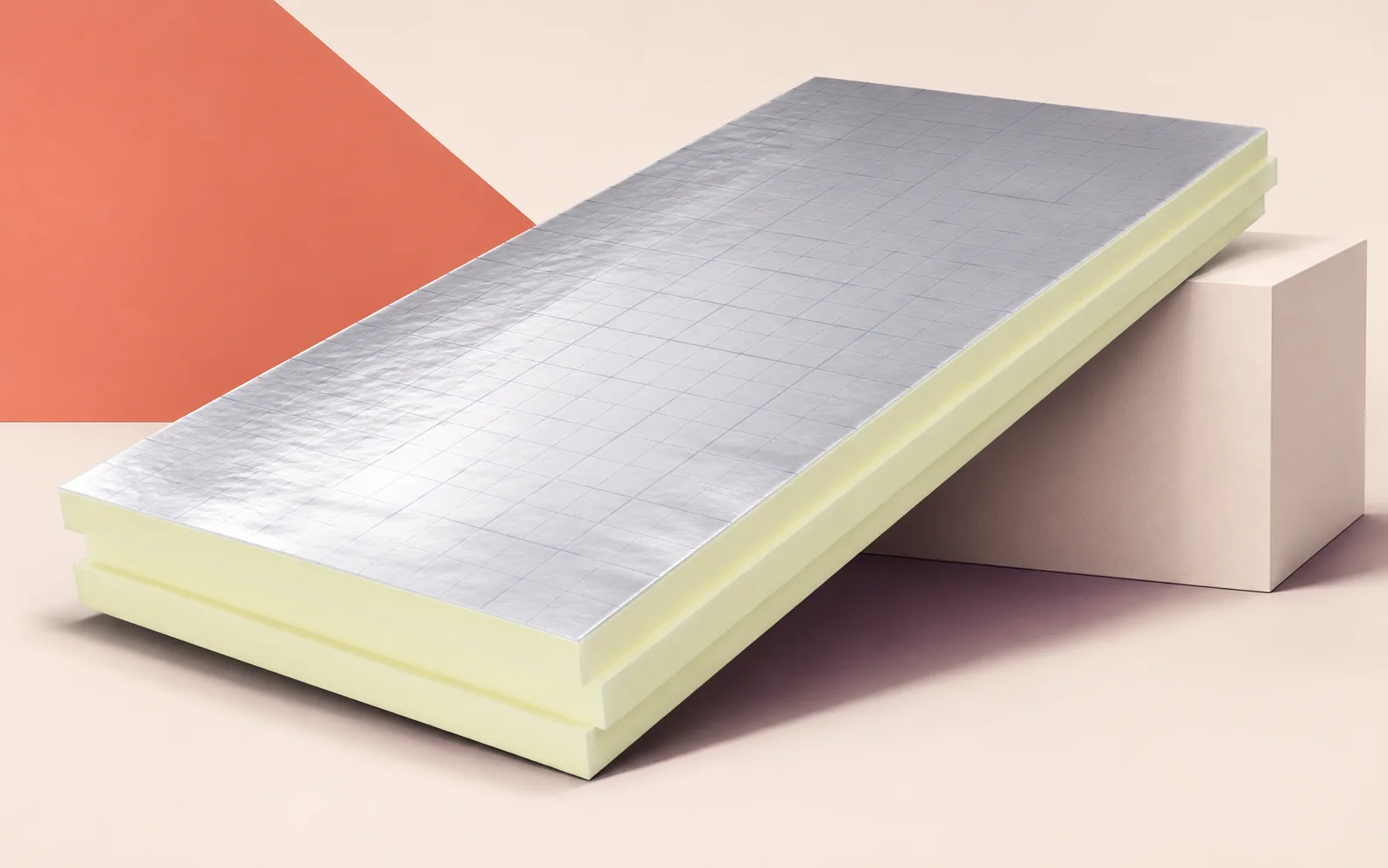
PIR insulation can be useful where wall thickness is restricted. In a large building, choose the board to suit the frame, external…
