






Choosing a roofer and agreeing the scope of the work
Structure and installation
Ask the roofer to explain one difficult junction on your drawings and show an example from a comparable job. This gives you a basis for discussing the materials, the crew and the checks needed before the work is covered. Send the same roof plan to each bidder and specify who supplies the sheets, access equipment and flashings. Before signing, agree how the building will be protected during bad weather, who can approve extra repairs and which inspection will trigger each payment. Record the arrangements for handover and later maintenance.
Which experience matters for this roof?
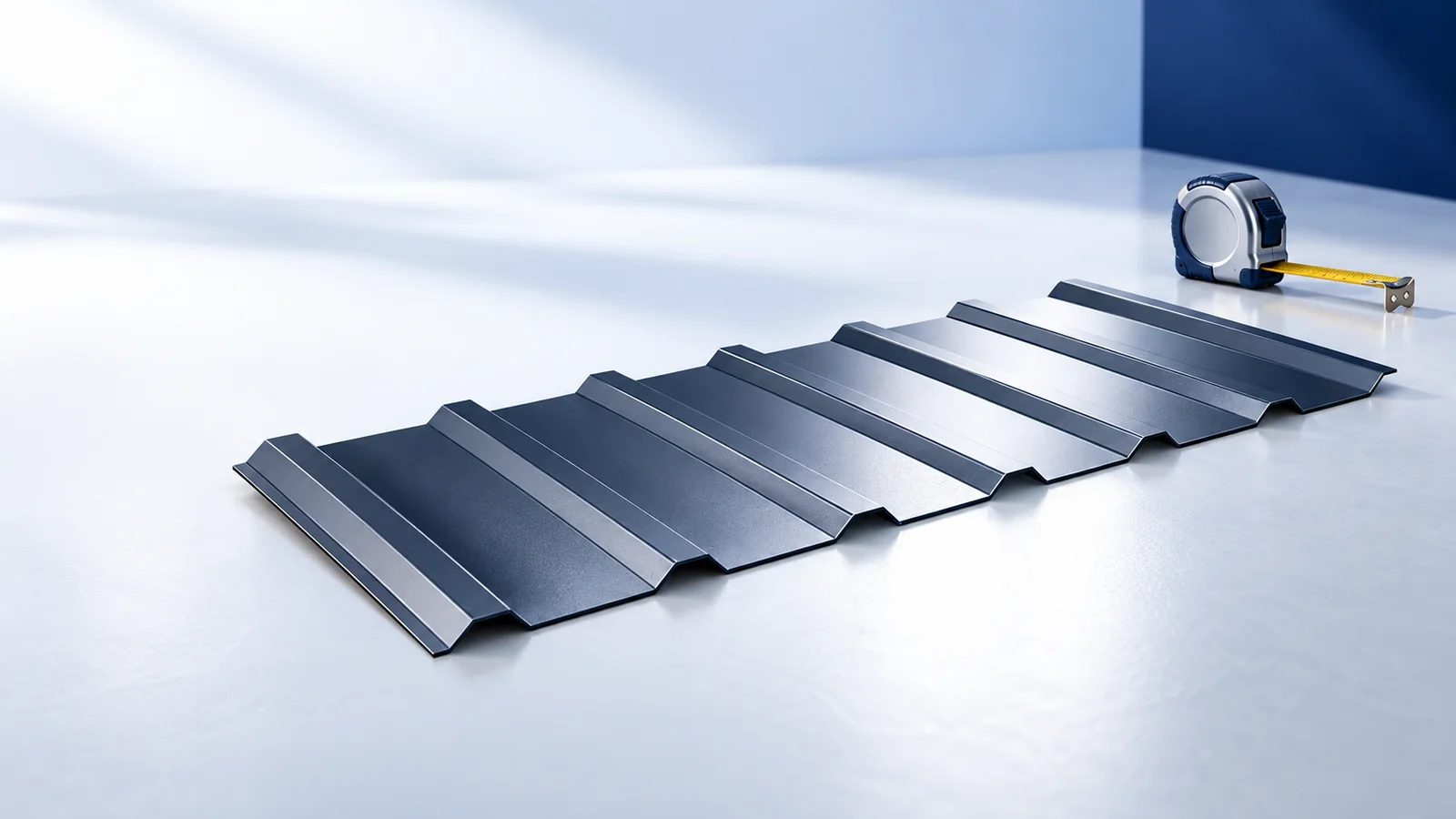
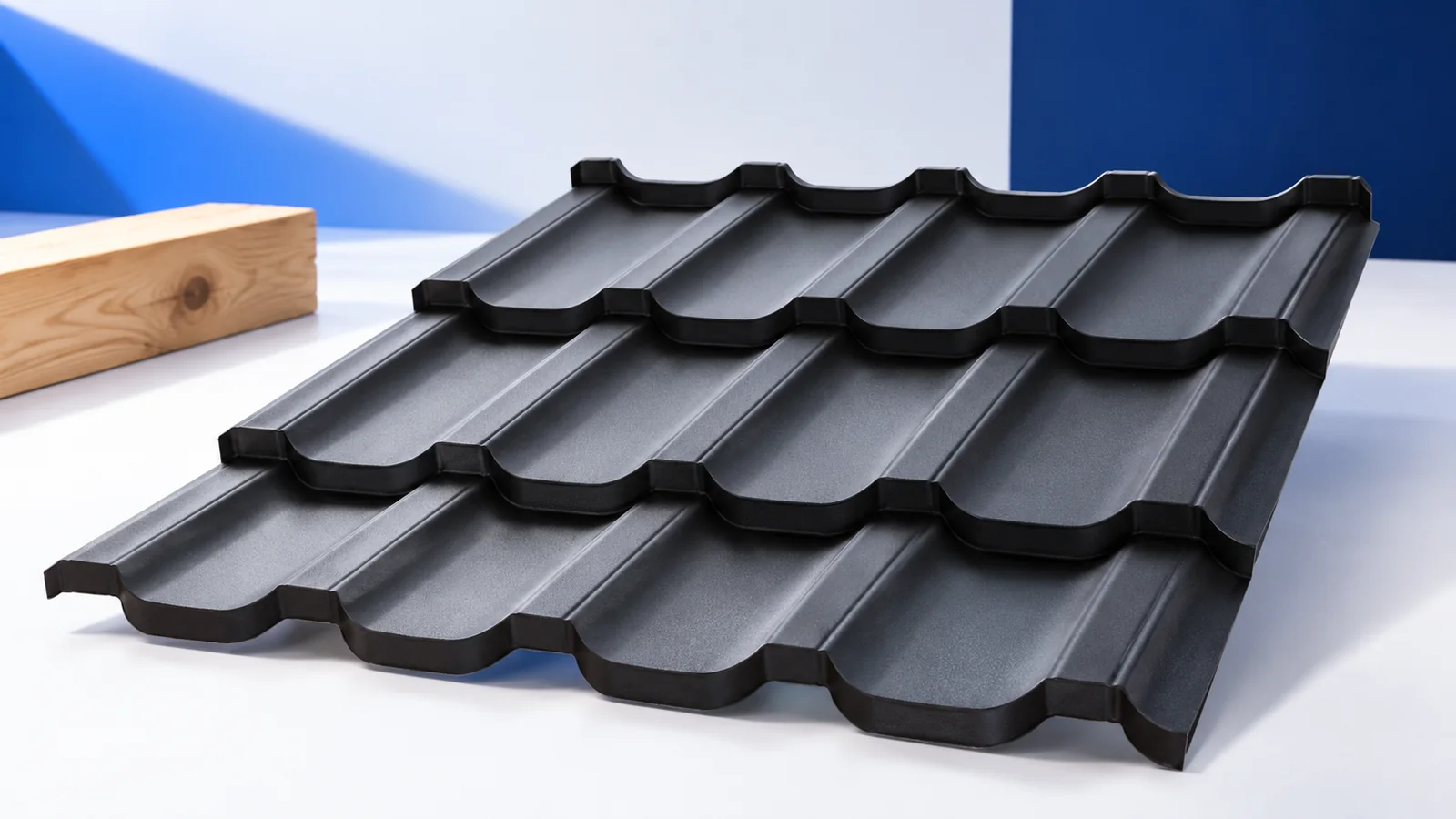
Request examples using the covering you intend to buy. Modular tile-effect sheets, long trapezoidal sheets and sandwich panels each have different junctions and handling requirements. Ask who will actually install the roof and who will supervise that crew.
In addition to finished roofs, ask for photographs of valley flashings and joints before they were covered. Discuss how the water drains at one of these details. Ask the roofer to identify the installation instructions for the product in your quotation.
How do you obtain comparable quotations?
Send every contractor the same roof plan. Set out the removal work, proposed covering, insulation and planned openings. Specify whether the quotation is for labour only or includes materials and preparation of the substrate.
Ask for separate items for flashings, drainage, transport, lifting and disposal. During refurbishment, defects may only become visible after stripping. Agree how the roofer will document those findings and how you will approve the scope and price before extra work starts.
What should the materials specification say?
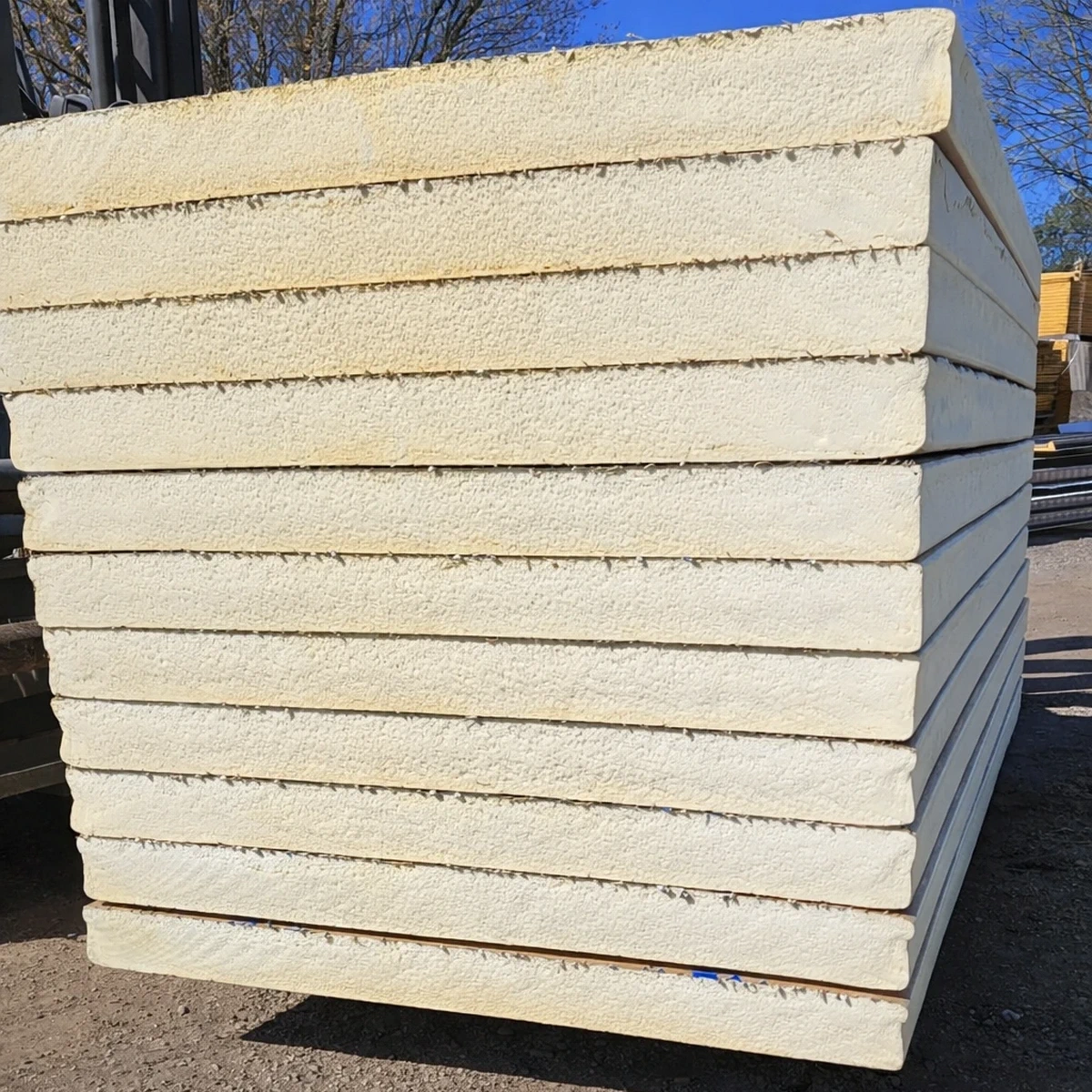
Specify the sheet profile, thickness, coating, colour and format. For a sandwich panel, name the core material and thickness and the facings. For PIR insulation boards, specify the facing and edge detail. Match the description to both the drawings and the supplier’s quotation.
Require proposed substitutions to be identified before purchase or installation. Even with the same colour, an alternative sheet may require different supports, pitch or fixings. Keep the technical comparison and the written acceptance together.
How should the work and delivery be scheduled?
Set the start date against the readiness of the structure, deliveries and weather. Identify the unloading and storage space for long pieces. For a refurbishment, agree how much roof will be opened at once and how the exposed part will be protected against rain.
Discuss scaffolding, fall protection and exclusion of people from the area below. Keep stored materials clear of access routes and out of standing water. Appoint a contact person for weather changes and unexpected structural defects.
When should inspections and payments take place?
Arrange inspections while the substrate, insulation and connections are visible, followed by a final inspection of the covering. Record concealed details in photographs. Link payments to the agreed progress and inspection arrangements in the contract.
At handover, compare the work with the agreed scope and current drawings. Record defects and the agreed remedy. Collect the material documents and maintenance instructions. Confirm who removes waste, protective film and metal swarf from the finished sheets.
What is covered by the warranty and subsequent service?
Material and workmanship may be covered under different terms. Record who handles each type of claim, the exclusions and the reporting procedure. Check which inspections are required, who performs them and what records must be kept.
Ask the contractor to explain the fixing layout, moisture control and flashing sequence for your roof. A question that requires an engineer or a manufacturer’s detail should be identified before ordering. Compare prices once each bidder has allowed for the same complete job.

Free quote
What to include in your enquiry
Tell us how you plan to use the material, the dimensions and the quantity you need. Include the thickness, grade or variant name, along with the delivery town or your preferred collection branch. For a specific product, add its name or a link to the product page. We will reply to the email address you provide to discuss availability and the terms of your order.

Read next
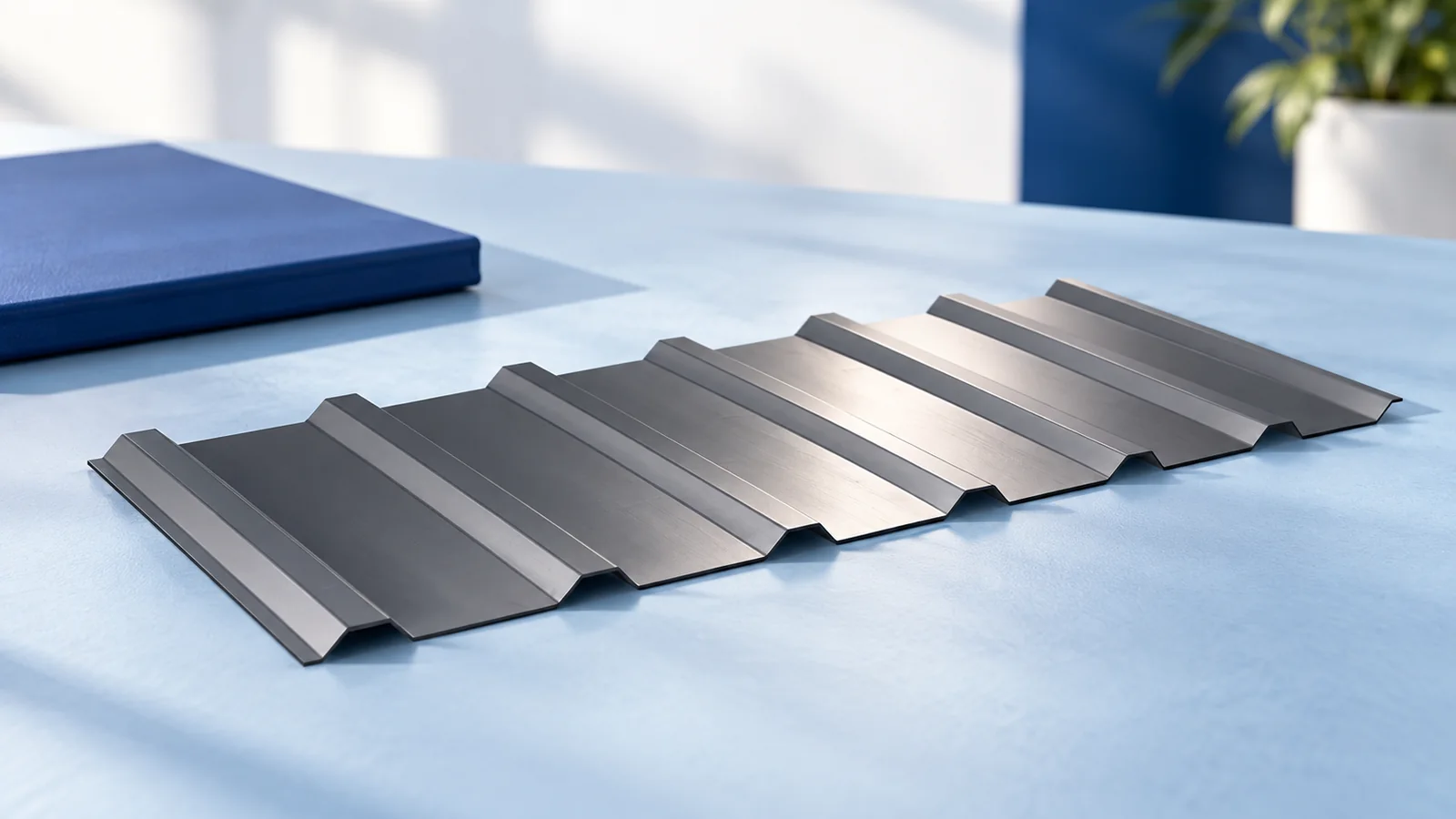
Measure the upper and lower slopes separately before ordering a mansard roof covering. A profile suitable for the steep lower section must…
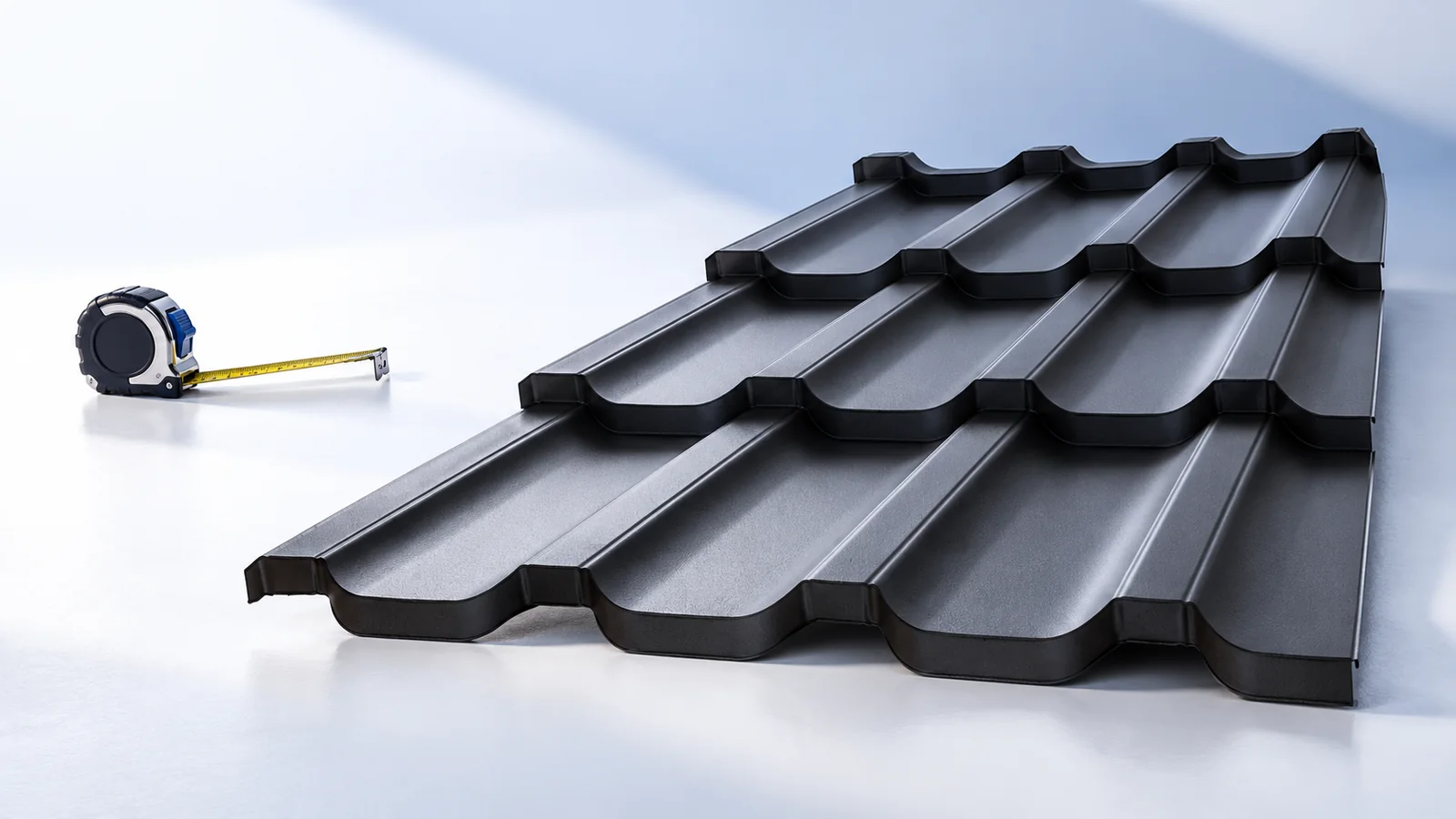
On a tiled metal roof, the eye follows the ribs and the steps between courses. A sheet that runs from eaves to…
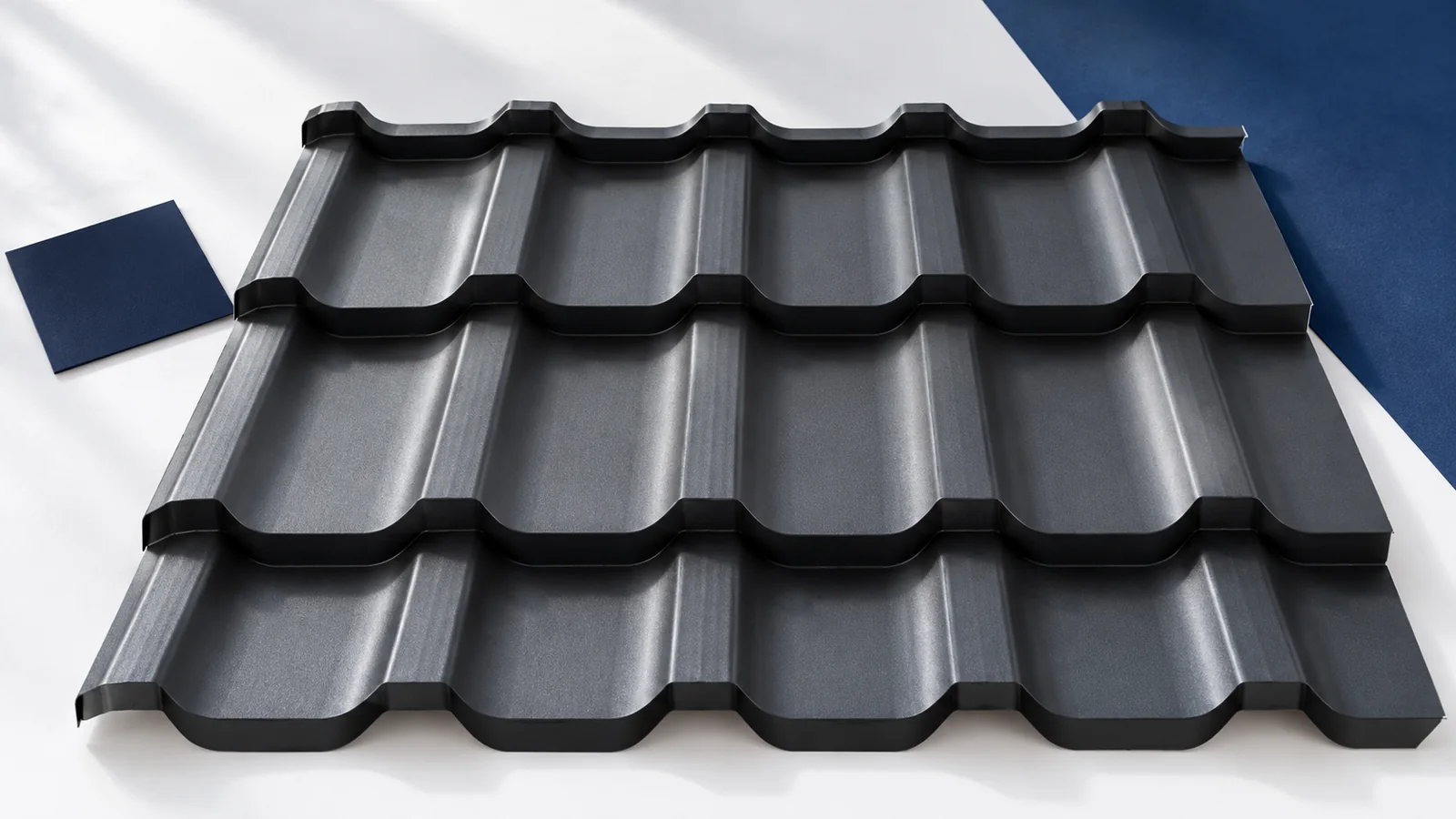
The first course of tile-effect roofing sets the alignment of every sheet above it. Before laying it, check the eaves line, diagonals,…
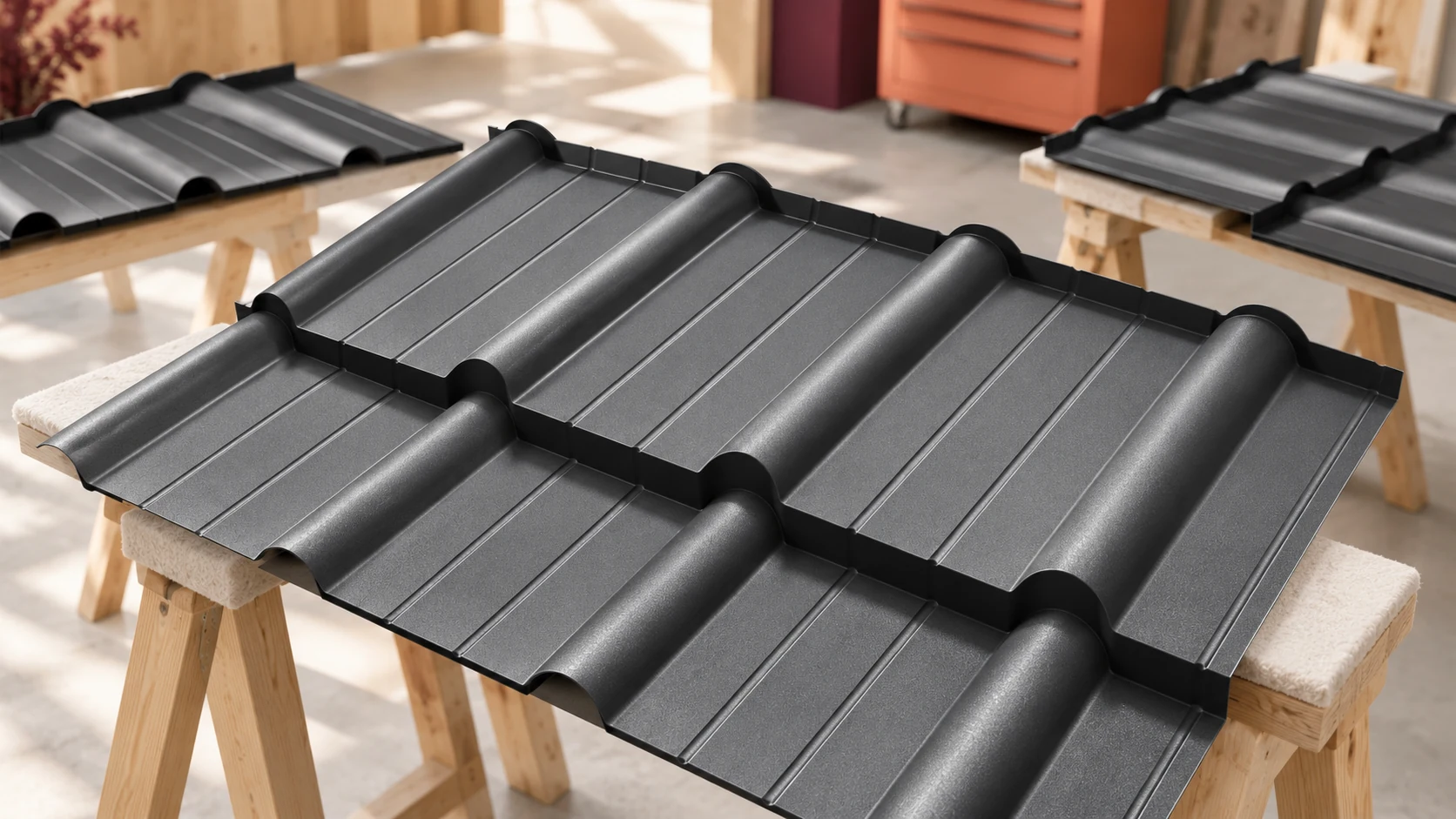
Sheet format affects how a roof is delivered and installed. A long sheet can cover an uninterrupted strip of slope, whereas small…
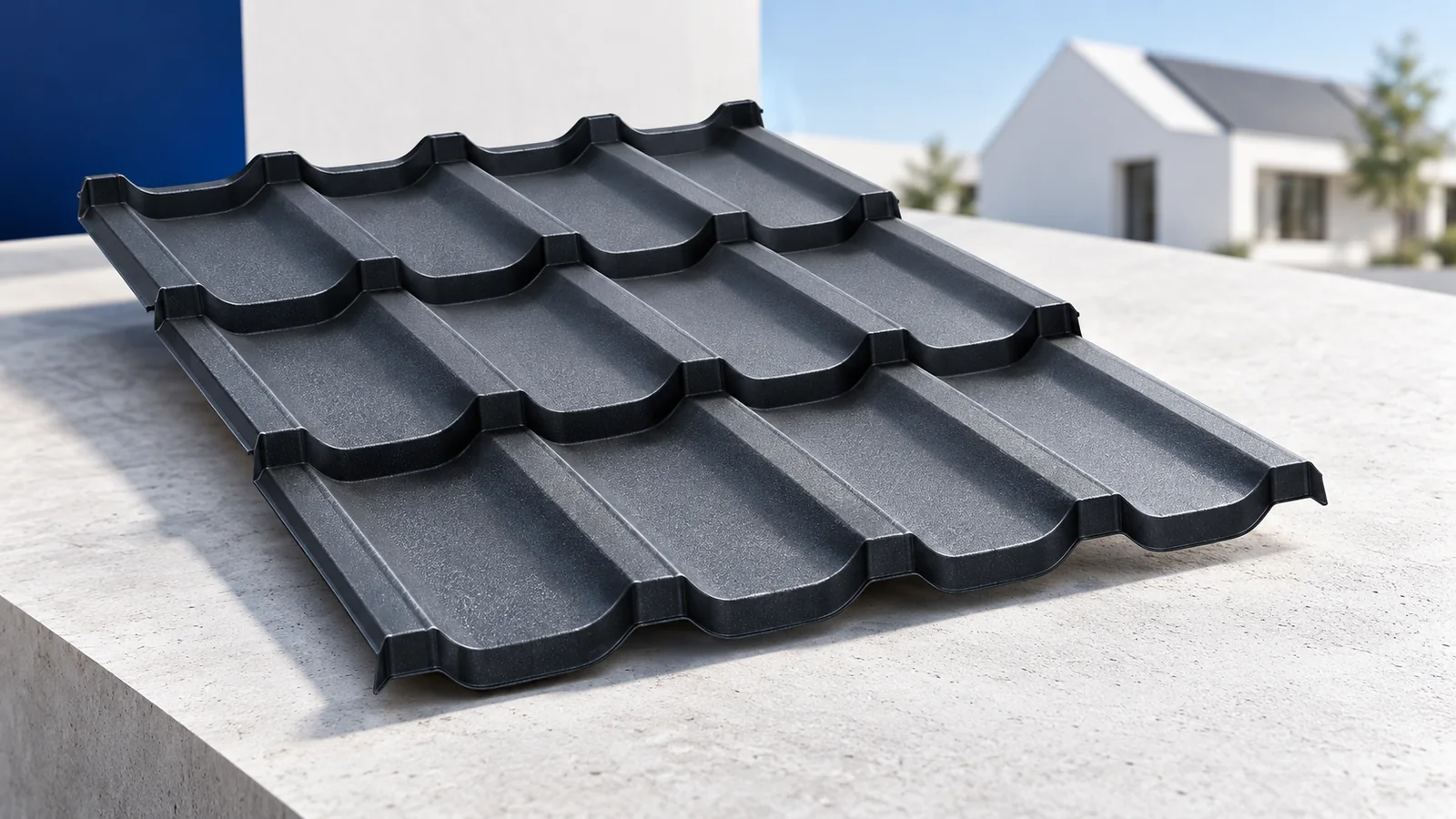
Two modular roof sheets can share a colour code and still perform differently. Before choosing matt or gloss, identify the steel core,…
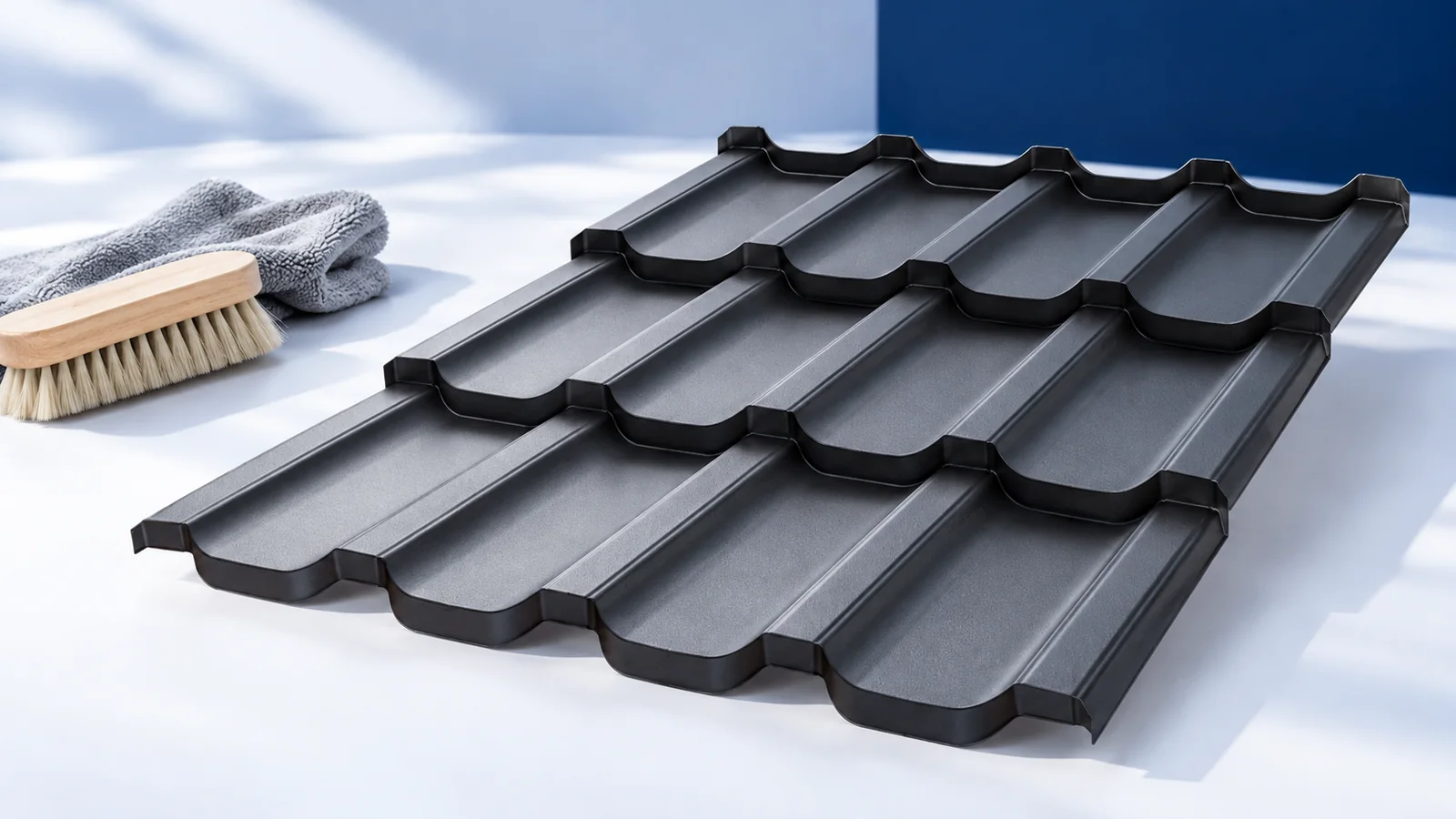
Look at where the green patch ends. If one strip below a tree or beside a flashing stays damp after the rest…
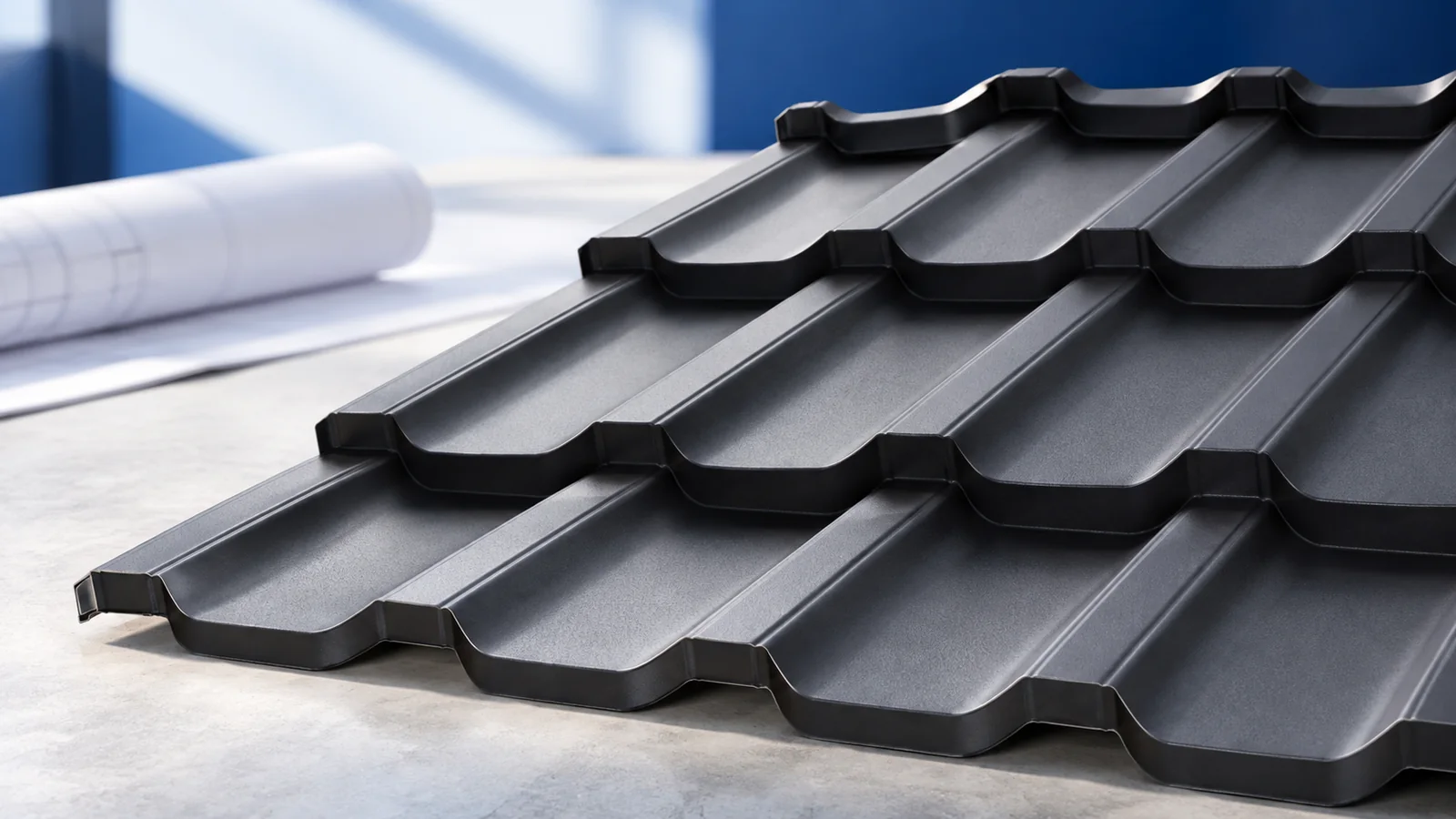
The frame, pitch and shape of a house roof determine which coverings you can consider. Cut-to-length metal tile sheets suit straightforward runs.…
Look at the roof from the street before choosing a profile. On a broad slope the ribs, courses and ridge line are…
