






Roofing sheet complaints: how to document damage and trace its cause
Roof repairs and maintenance
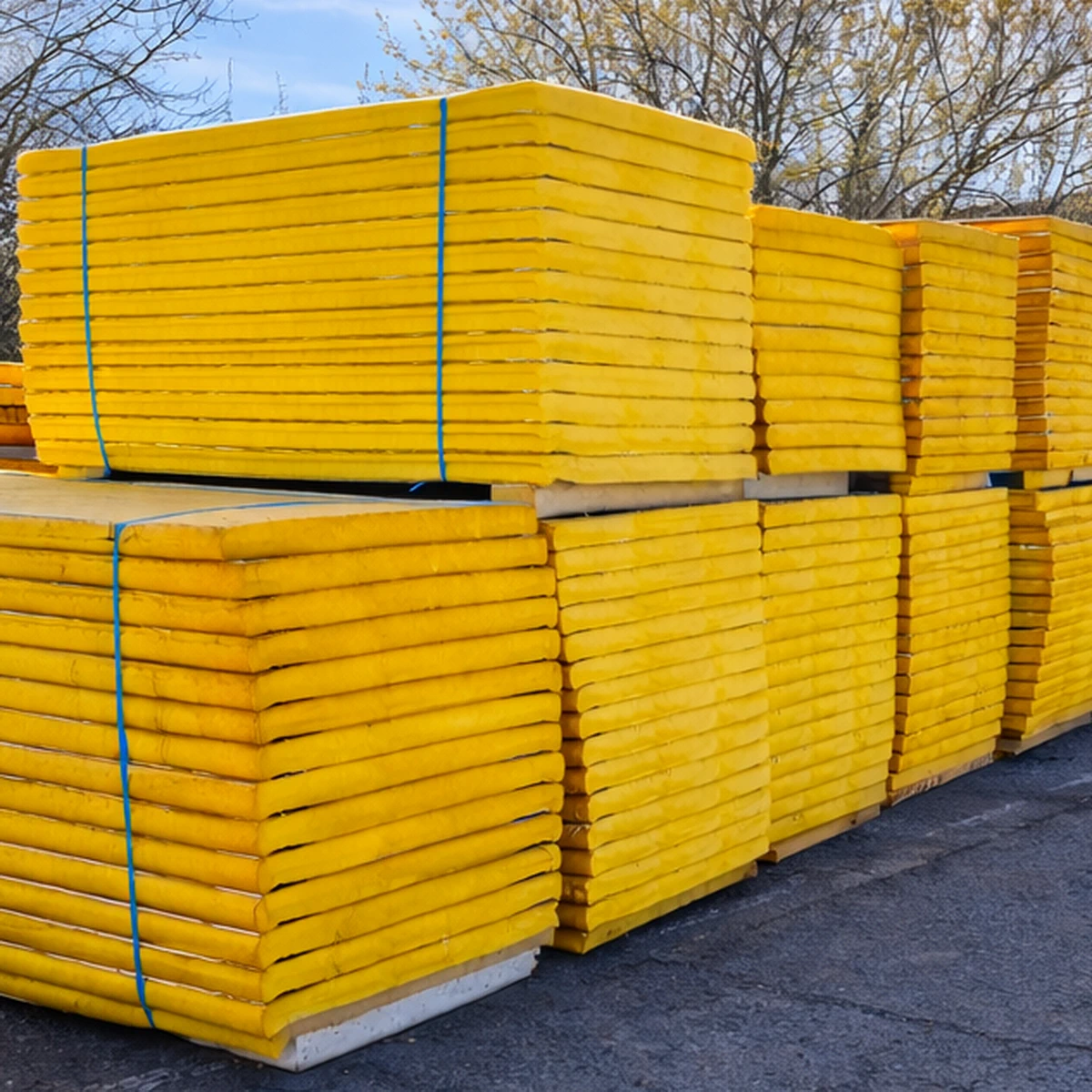
If a pack of roof sheets arrives with crushed corners, photograph it on the vehicle and record its label before unloading. Set affected sheets aside until the damage has been assessed. For a fault found after installation, mark the affected sheets on a roof plan and note when the problem first appeared. A brown speck might be a rusting drilling chip. A damp patch below a roof lap might come from a leaking flashing further up the slope. The delivery record, installation photos and weather at the time help the supplier and roofer decide what to inspect.
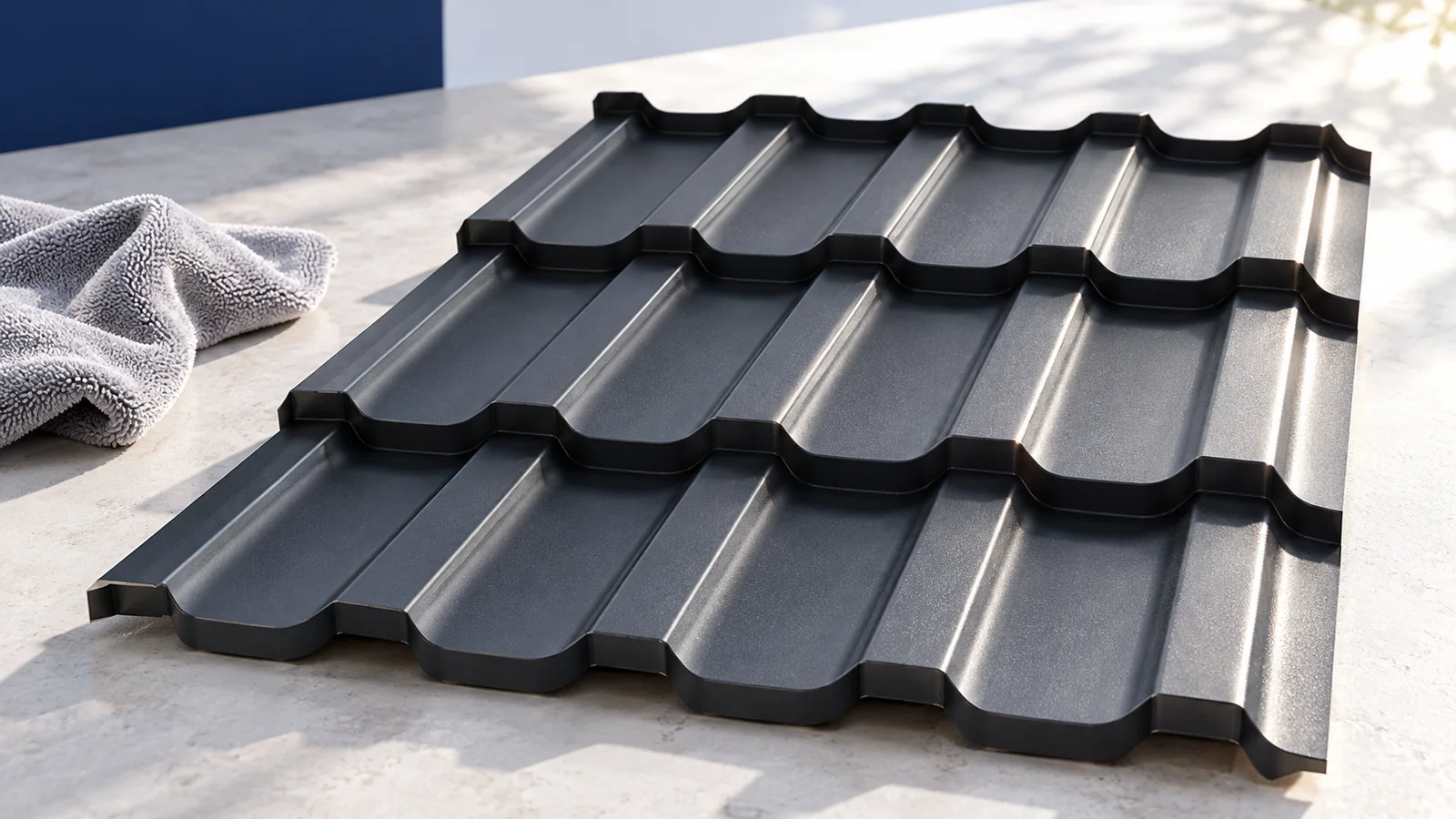
What should you check on delivery?
Check the pack markings, profile, steel thickness, coating, colour and sheet lengths against the order. Count the sheets and inspect the packaging. Crushed corners, scuff marks or displaced sheets may indicate movement in transit. Photograph the pack before unloading and again when the accessible faces are exposed. Keep its identifying label.
Lift sheets clear to inspect the underside. Sliding them across one another can introduce fresh scratches. Record a discrepancy on the delivery document and notify the supplier, identifying the pack and date for each photograph. Describe what you found and leave the question of responsibility open until the evidence has been examined.
How can storage damage the sheets?
Water trapped between tightly packed sheets can damage the finish if it cannot dry. Wrapping can retain that moisture. Follow the product instructions for storage location, stacking and maximum storage time. If the pack gets wet, use the procedure specified for that coating.
Provide level supports so long sheets do not sag over uneven ground. Note the removal deadline for protective film, which can become difficult to peel after prolonged exposure to sunlight. Photos of the storage area can help establish whether damage was already present before installation.
What causes scratches and small rust spots?
Unloading, drilling, cutting and walking on the roof can damage the coating. Hot swarf from unsuitable cutting tools can burn into the finish. Metal chips left on the surface can rust and leave brown spots even when the steel beneath is sound. Inspect the mark and surrounding coating to distinguish the two.
Choose cleaning and repair methods suitable for the finish. Sanding a large area or using a harsh cleaner can increase the damage and erase evidence. Photograph the surface, retain the product identification or a sample, and agree the next step with the party assessing the complaint.
How can you trace a leak?
Water may enter at a flashing, overlap or fastener. Condensation can also form underneath the sheets. Record where dampness first appears and under what conditions. Rain driven from one direction suggests a different inspection route from dripping on a dry, cold morning. Water may travel before it becomes visible indoors.
Compare the actual pitch, supports and installation with the drawings. A poorly seated sealing washer or incorrectly formed lap can leak even on a sound sheet. Include the possibility of a product defect in the inspection and check the competing explanations against the findings.
What information helps assess a complaint?
Give the order number, delivery date, product designation and location on the building. Describe the symptom, extent and date of discovery. Send an overview and close-ups referenced to a roof sketch. If only a few sheets are affected, mark their positions individually.
Keep installation details, fastener specifications and records of earlier repairs. Arrange inspection before making extensive alterations. If urgent action is needed to prevent injury or limit damage, document that work as well. Product warranty terms and responsibility for workmanship may differ, so identify the issue and the party handling it.
How can you prevent the same problems on the next roof?
Start with an itemised order and inspect the delivery before laying the sheets. Agree who unloads and stores the material and how the finish will be protected. Give the installer the instructions for the exact profile and agree the scope of the handover inspection in advance.
At handover, inspect the surface and remove metal chips, film remnants and construction dirt using the specified method. Keep the paperwork and schedule checks of drainage and joints. These records give future inspectors a dated starting point if the condition changes.

Free quote
What to include in your enquiry
Tell us how you plan to use the material, the dimensions and the quantity you need. Include the thickness, grade or variant name, along with the delivery town or your preferred collection branch. For a specific product, add its name or a link to the product page. We will reply to the email address you provide to discuss availability and the terms of your order.
Read next
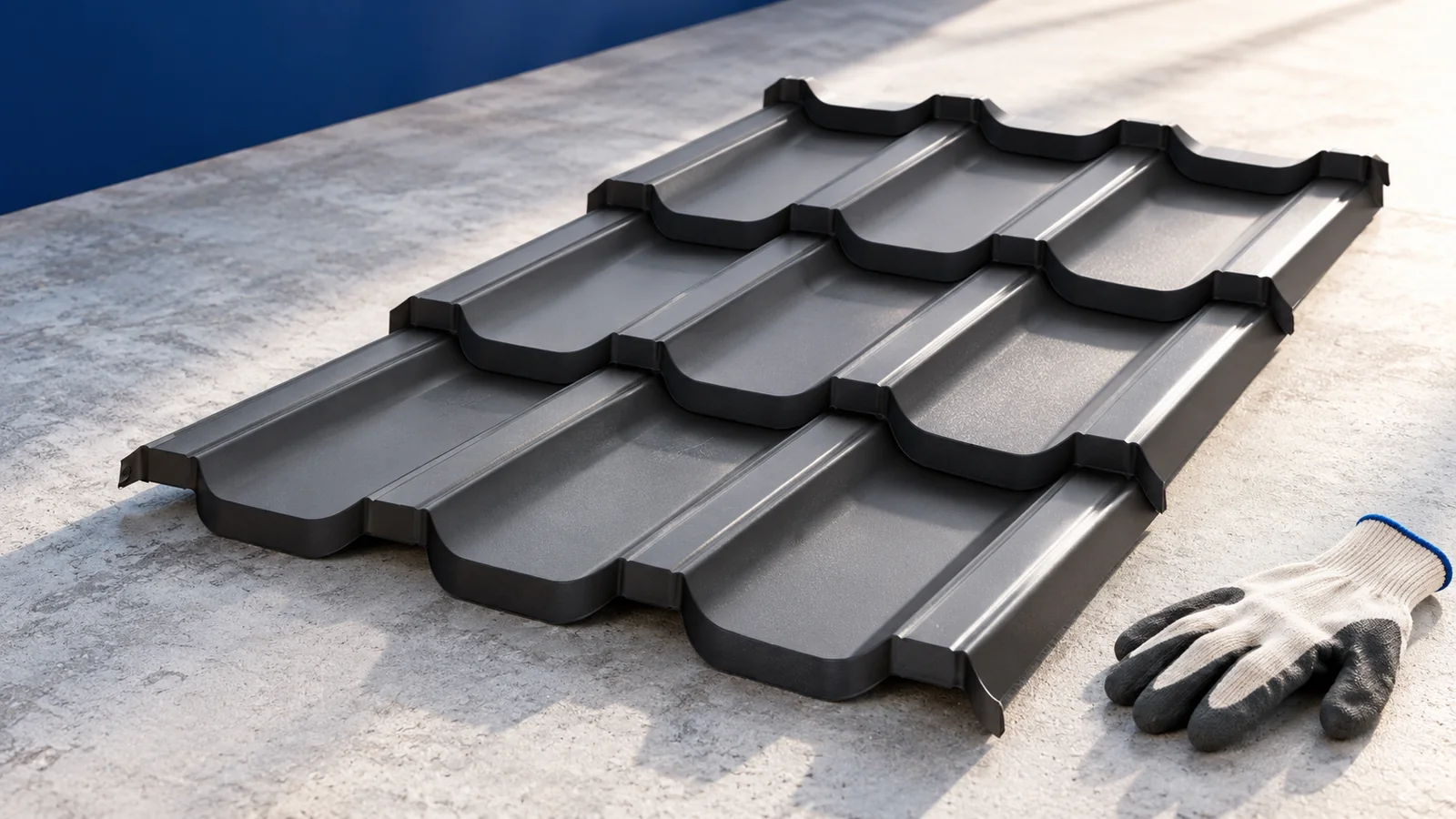
Two roofers can quote different prices per square metre for the same slope because they are pricing different work. One may include…
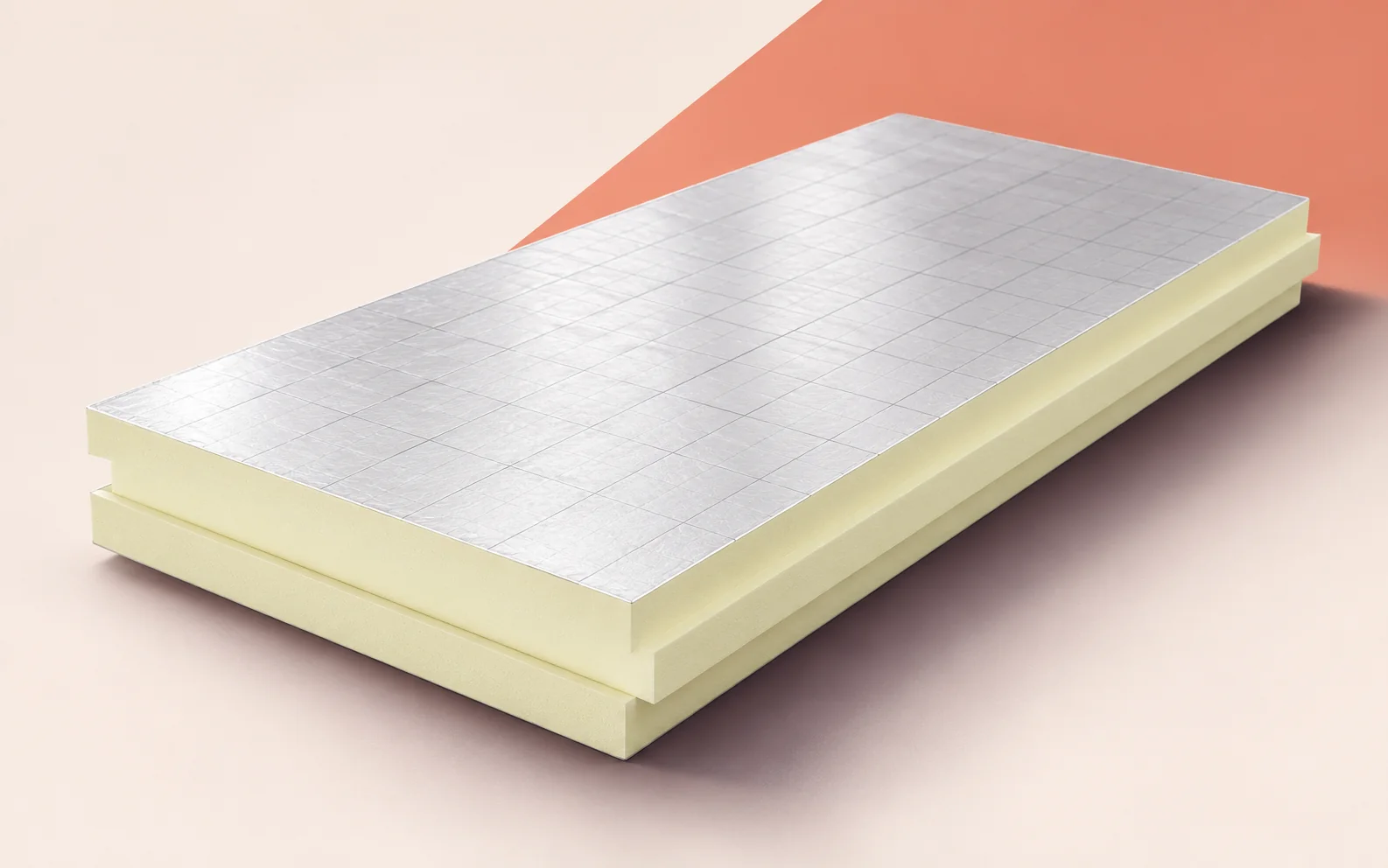
On a large pitched roof, laying PIR boards above the rafters creates a continuous insulating layer across both the timber and the…
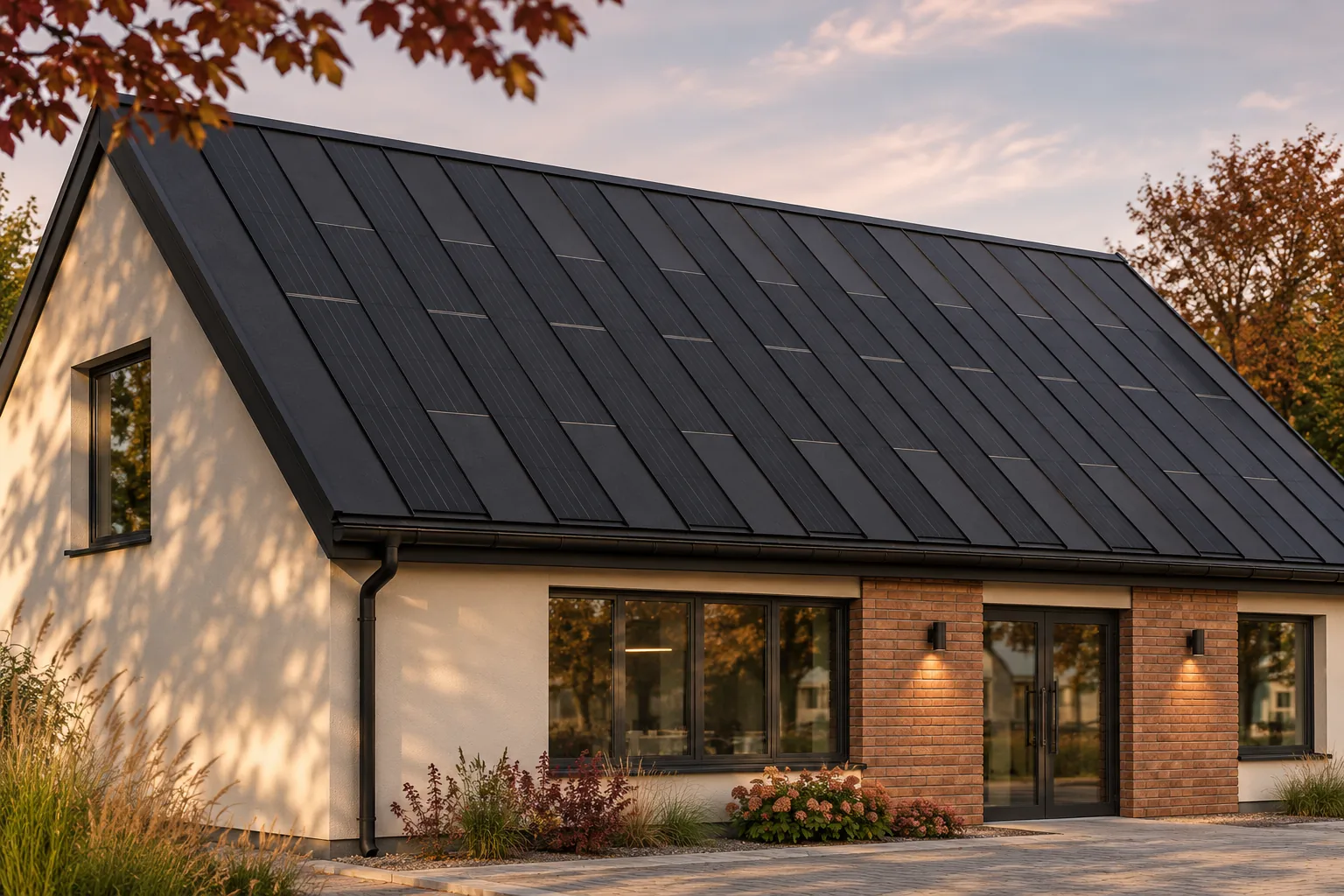
A solar roof budget covers much more than the panels. Allow for preparing the building, installing the covering, electrical equipment, labour and…

A showroom needs daylight for its displays, an entrance customers can find and equipment staff can reach. A building-integrated photovoltaic roof can…
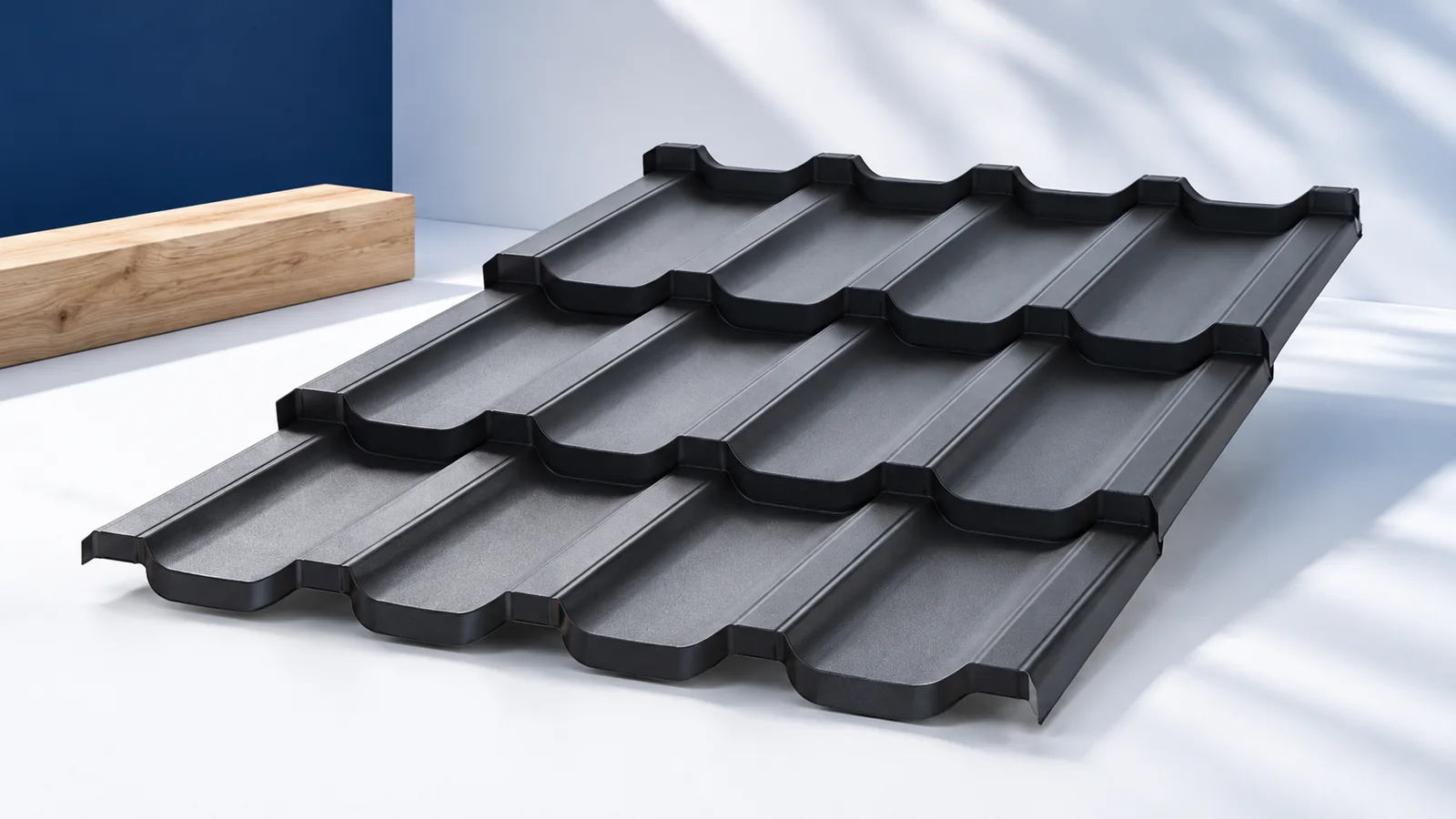
A patio roof changes two spaces at once: the seating area outside and the room behind the windows. Choose its depth and…
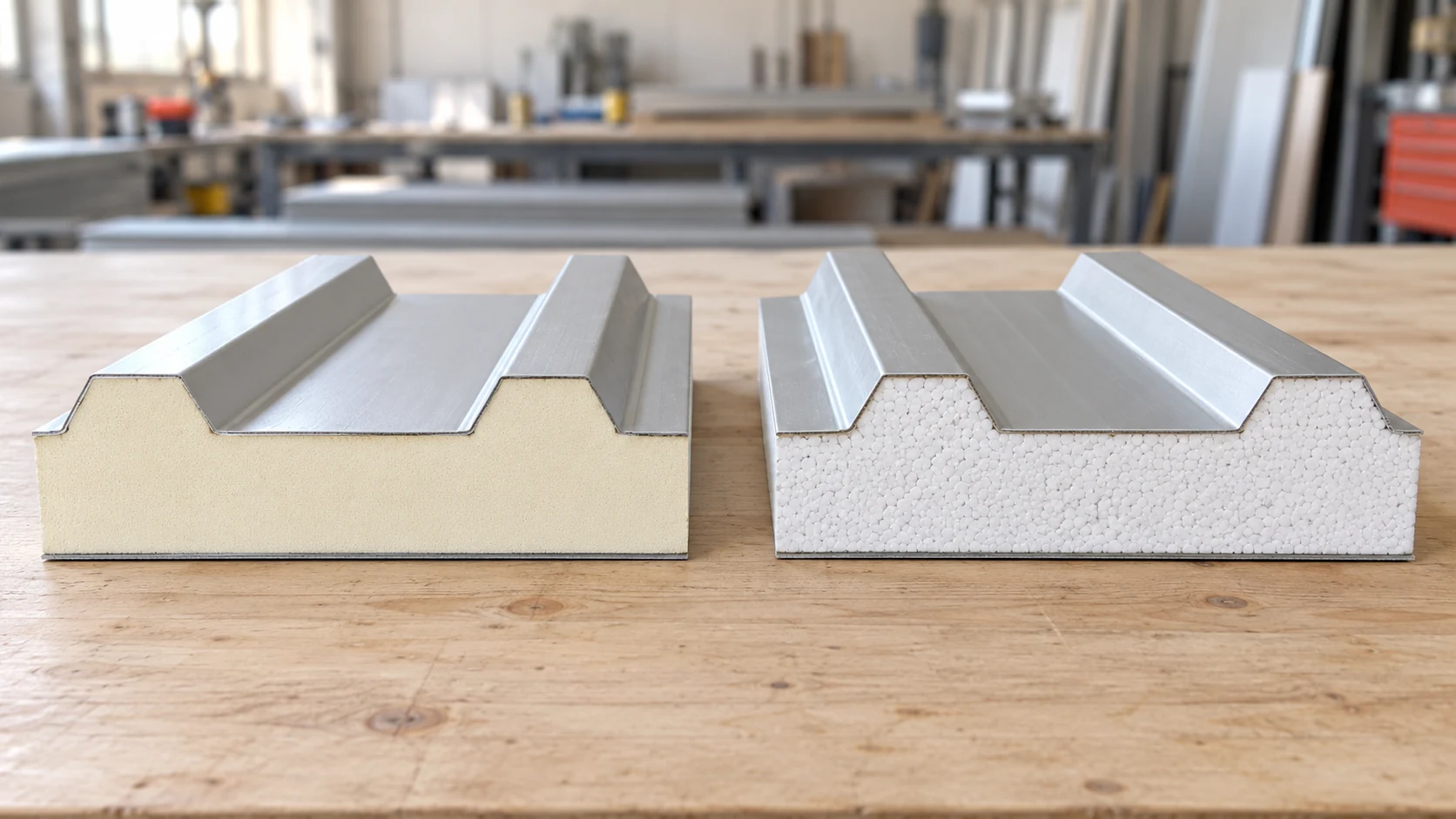
Compare PIR and EPS roof panels against the same design brief. Set the required U-value, loads, fire performance and exposure conditions, then…
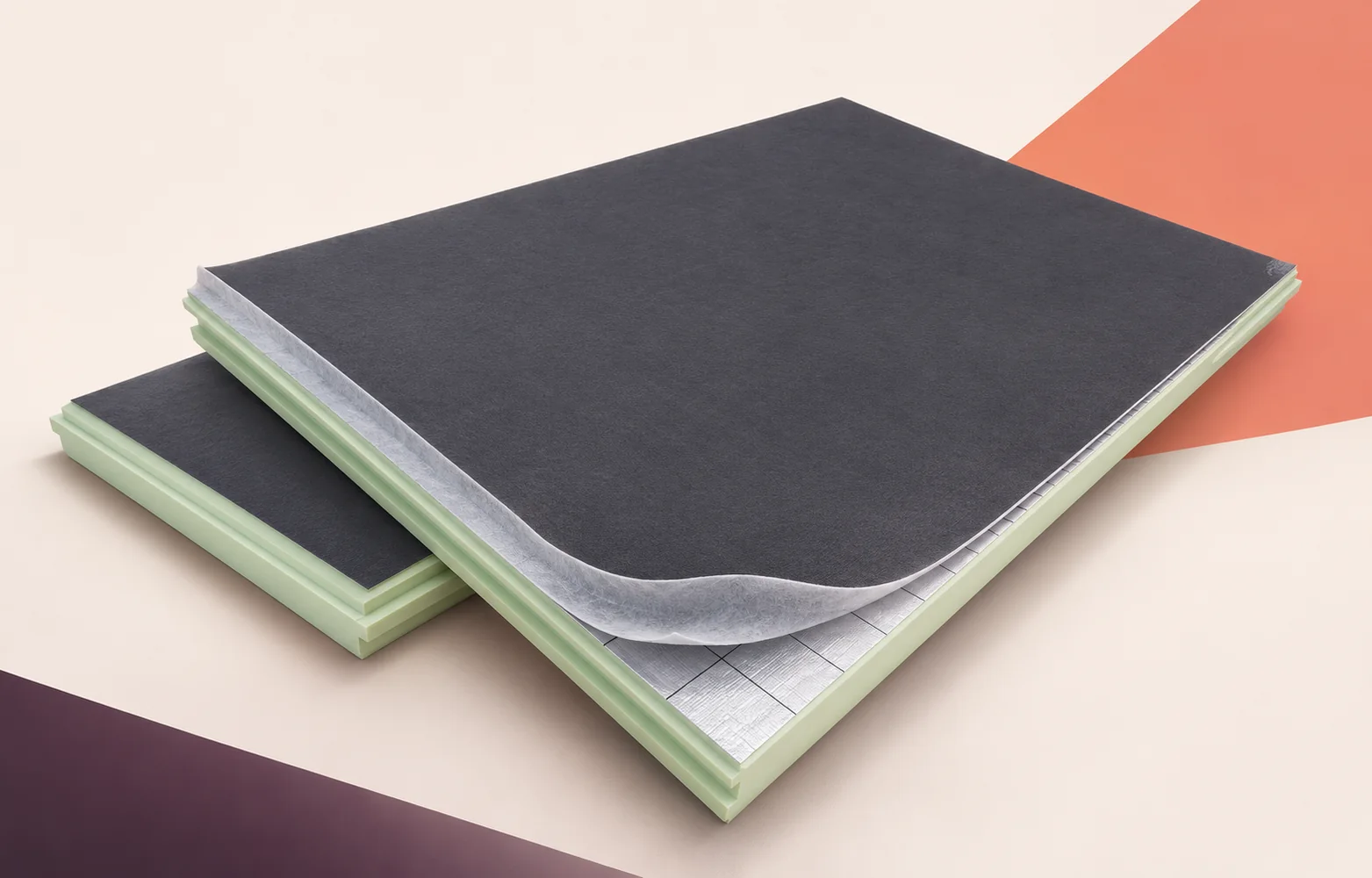
On a pitched roof with rows of roof windows, a Utherm Sarking LE Plus layout should show both the PIR board joints…
A leaking chimney flashing can often be repaired while the surrounding roof covering still has years of service left. The decision changes…
