






How protective coatings work on steel roofing
Roof coverings
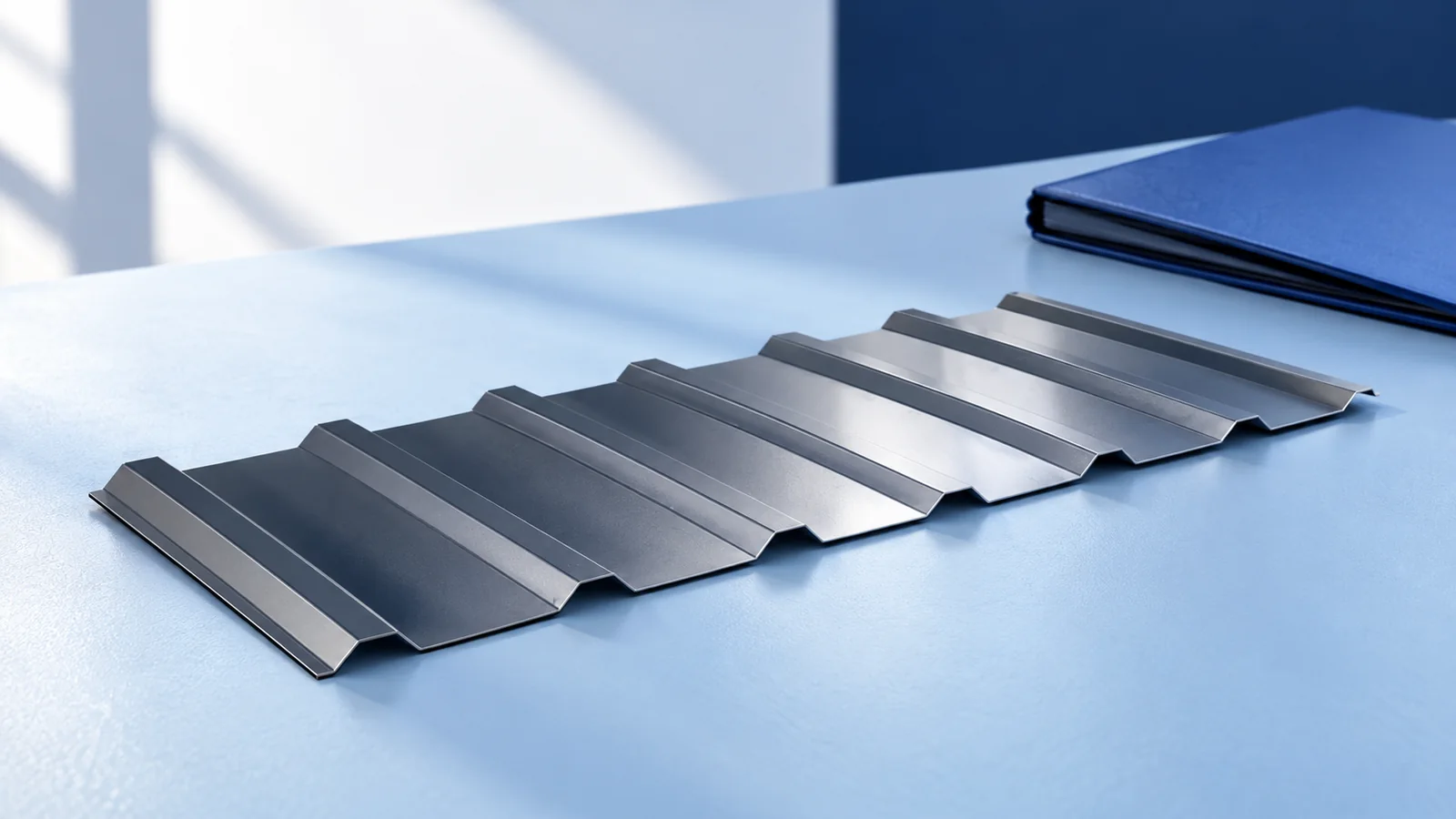
A coated roof sheet combines a steel core, a metallic protective layer and an organic finish. Read the data sheet layer by layer. Steel thickness and profile help determine load capacity. The metallic coating and paint system affect how the faces withstand moisture, deposits and sunlight. A paint thickness in micrometres describes a different property from a metallic coating mass in grams per square metre. Check which face each value covers, especially for farm or industrial buildings. Correct storage, cold cutting and removal of swarf help preserve the specified protection on the finished roof.
Why does roofing steel need surface protection?
Roofing steel can carry structural loads, but moisture and oxygen can corrode an exposed surface. Rain, deposits, sunlight and temperature changes act on the sheet throughout its life. The protective layers are therefore part of the material specification as well as its visible finish.
Check loadbearing capacity and exposure separately. The steel core and profile geometry influence how the sheet spans between supports. The coating system must suit the conditions on each exposed face. A figure for steel thickness alone cannot answer both questions.
What does the metallic coating do?
Zinc and metallic alloy coatings are applied directly to the steel to provide corrosion protection. Their composition and performance vary. A similar silver appearance does not establish which coating was used or whether two products are equivalent.
Look for the type and quantity of metallic coating on the product sheet. The coating designation describes a different layer from the steel core. A supplier may offer several coating variants for the same general type of roofing, each with its own intended use.
What does the coloured organic finish contribute?
The organic finish contributes to surface protection, colour, texture and gloss. Polyester and polyurethane systems are common examples. Within either group, formulations and thicknesses can differ. Read the specification for the exact finish offered.
Consider adhesion and the performance of the coating together with the substrate and intermediate layers. The reverse face may have a different finish. Specify any exposure requiring protection on both faces when placing the order.
How do you read coating thickness and coating mass?
An organic coating may be specified as 25 µm or 55 µm thick, for example. A metallic coating may be specified by mass per area in g/m². These quantities use different units. Check the definitions before comparing variants or calculating total thickness.
Ask whether each figure applies to one face or both and compare values on the same basis. A thicker paint layer does not increase the sheet’s structural capacity in proportion. A thicker core still requires surface protection suitable for the site.
How should scratches and cut edges be assessed?
Inspect mechanical damage under the instructions for the coating system. A superficial mark, a deep cut into steel and an area already corroding require different treatment. Establish the depth and condition before choosing a touch-up method.
Overheating the cut edge or scattering hot swarf can damage the protection beyond the cut itself. Use an approved cutting tool and remove metal particles as work proceeds. If water enters at a faulty joint, repair the joint before addressing cosmetic damage.
Which protection suits the building’s surroundings?
Assess exposure to salt, industrial deposits and prolonged moisture. In agricultural buildings consider the air on the inside face of the sheet as well. Match both faces to the documented application of the coating selected.
Review the permitted use, care instructions and warranty wording. Corrosion cover and retention of colour or gloss may have different conditions or durations. Identify which type of deterioration a stated warranty period actually covers.
How do you preserve the coating after delivery?
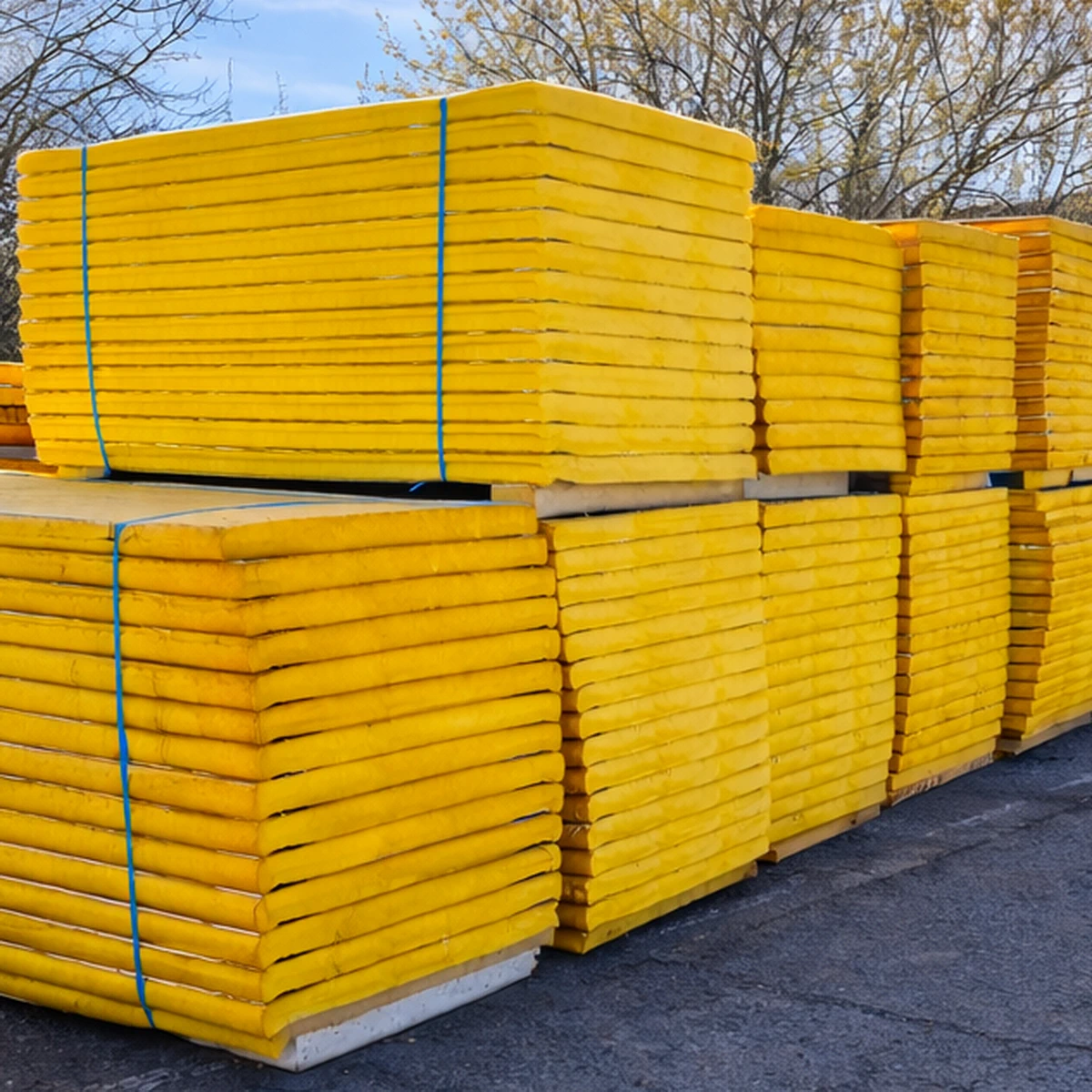
Store packs as instructed and prevent moisture from remaining between sheets. Lift rather than drag them across each other or dirty ground. After installation remove swarf, film remnants and construction dirt. Suitable fasteners and well-formed flashings limit areas where water can collect.
During later inspections check cut edges, laps, fixings and drainage. Use a cleaning method suitable for the finish because abrasives and harsh chemicals can damage the coating. Record any deterioration early so it can be assessed under the relevant maintenance guidance.

Free quote
What to include in your enquiry
Tell us how you plan to use the material, the dimensions and the quantity you need. Include the thickness, grade or variant name, along with the delivery town or your preferred collection branch. For a specific product, add its name or a link to the product page. We will reply to the email address you provide to discuss availability and the terms of your order.
Read next
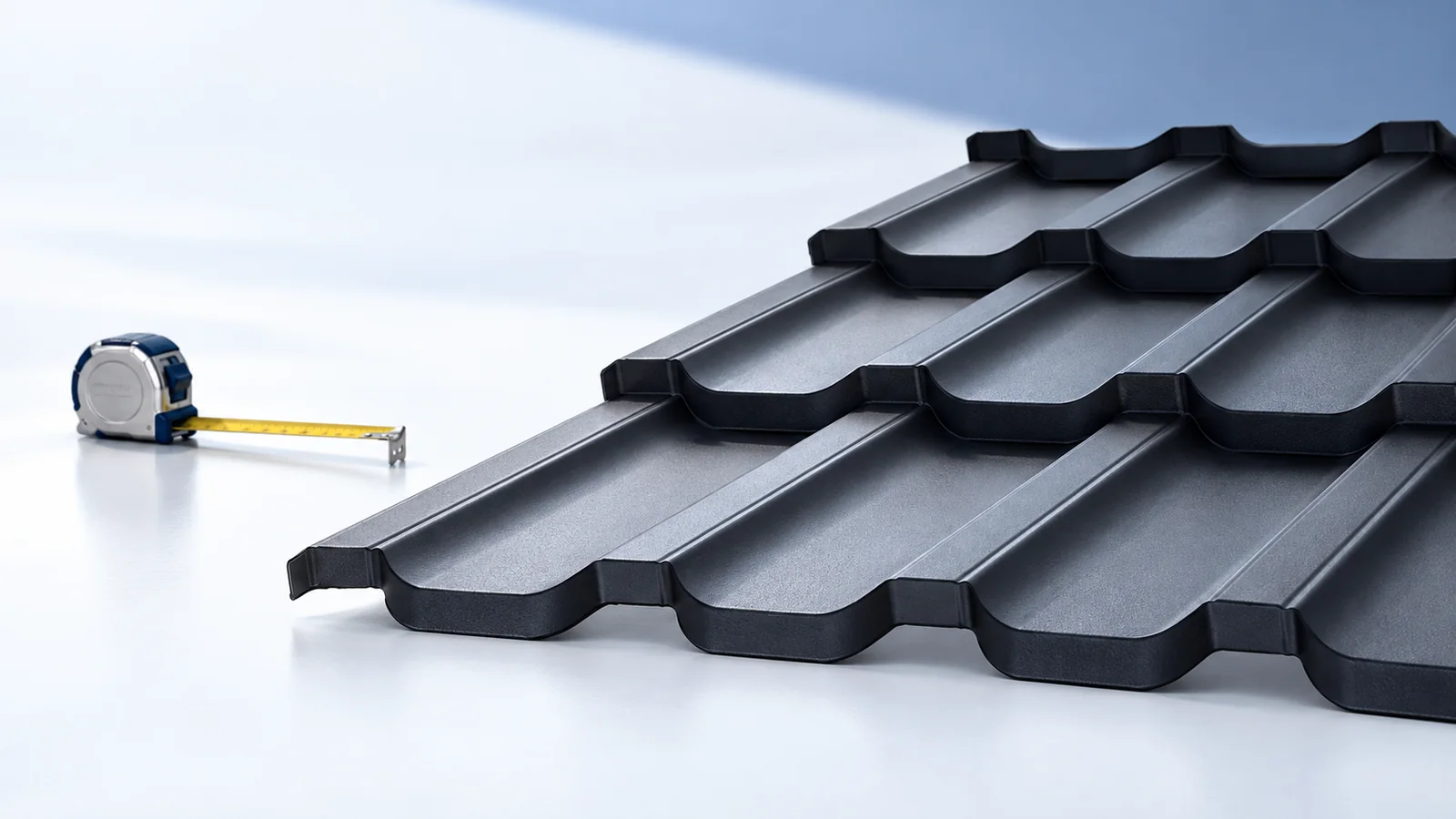
Ask the supplier to identify the exact sheet you will receive. Its profile, nominal steel thickness, coating on each face and effective…
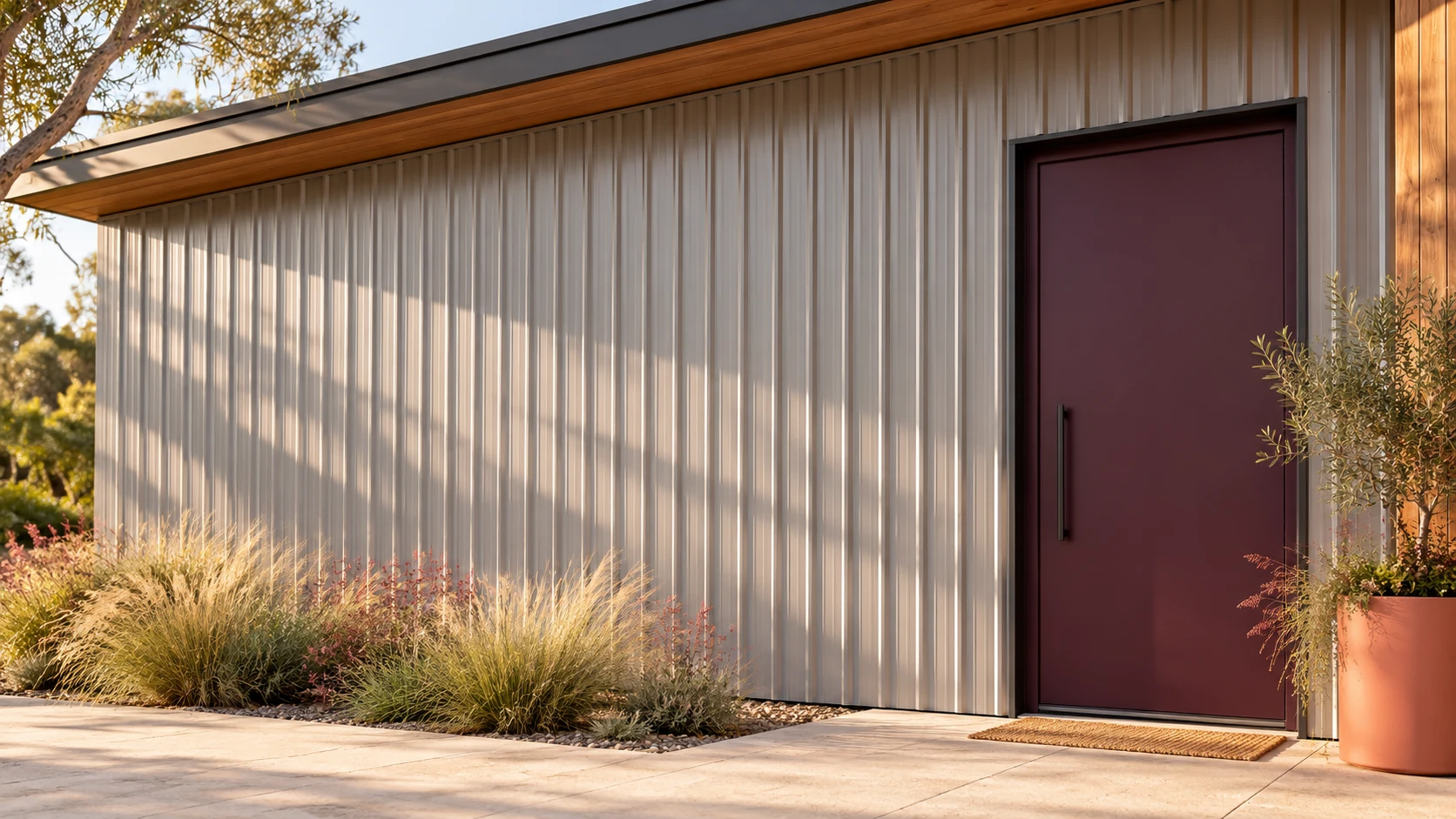
The shallow ribs of T8 sheet give façades, gates and fences a fine, understated pattern. Their function differs from that of a…
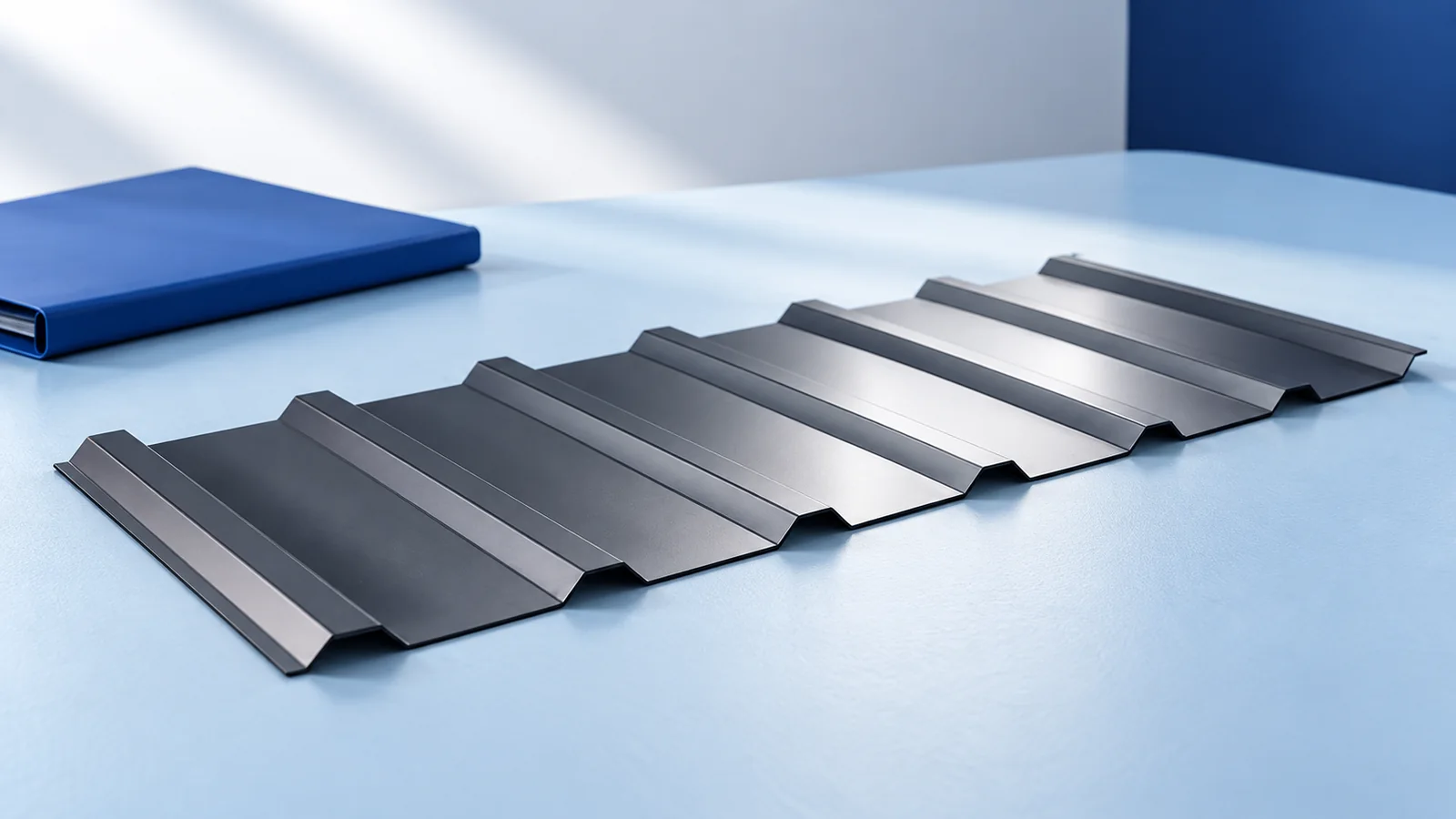
Start with the manufacturer's cross-section drawing when identifying a trapezoidal sheet. In names such as T18 and T35, the number usually indicates…
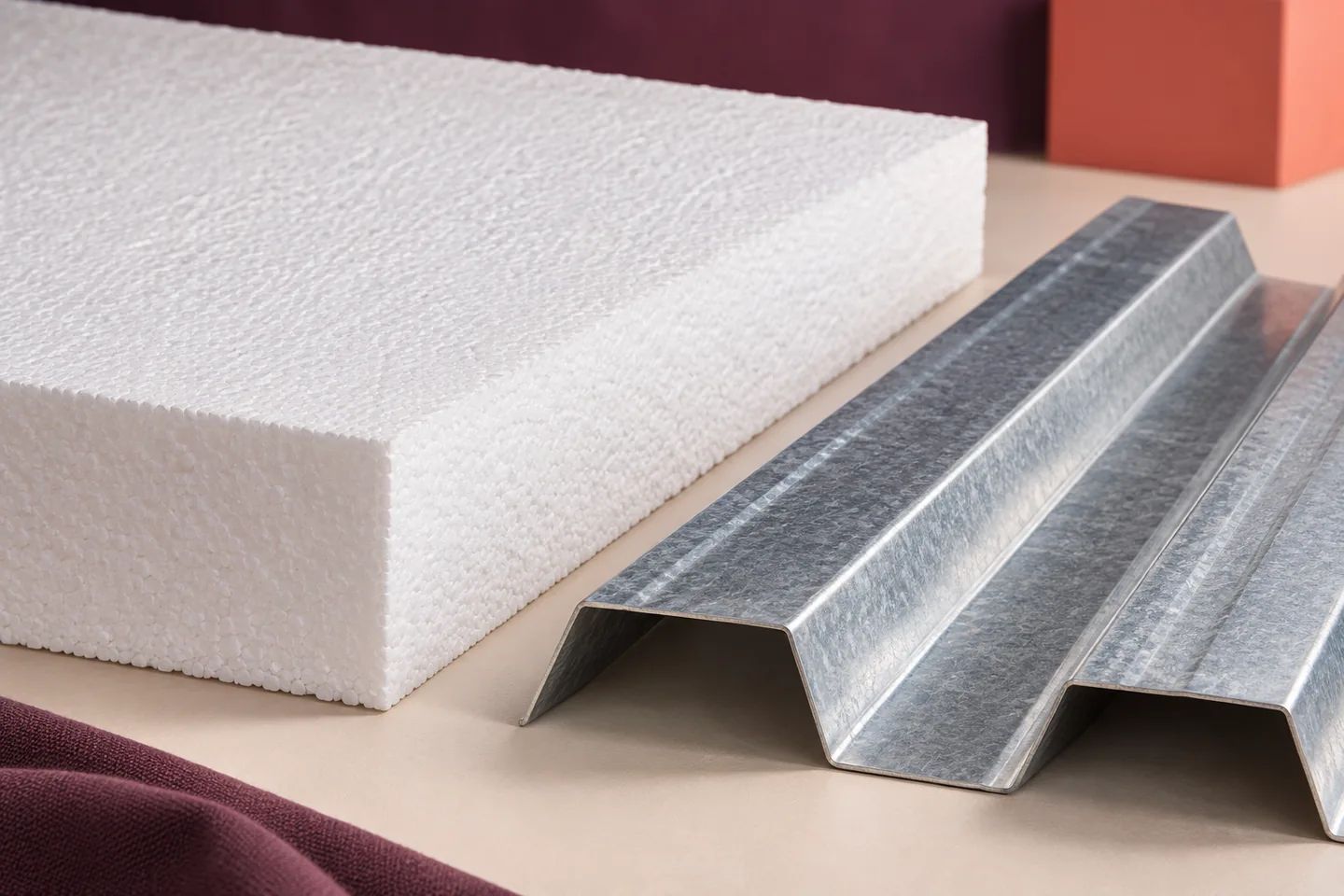
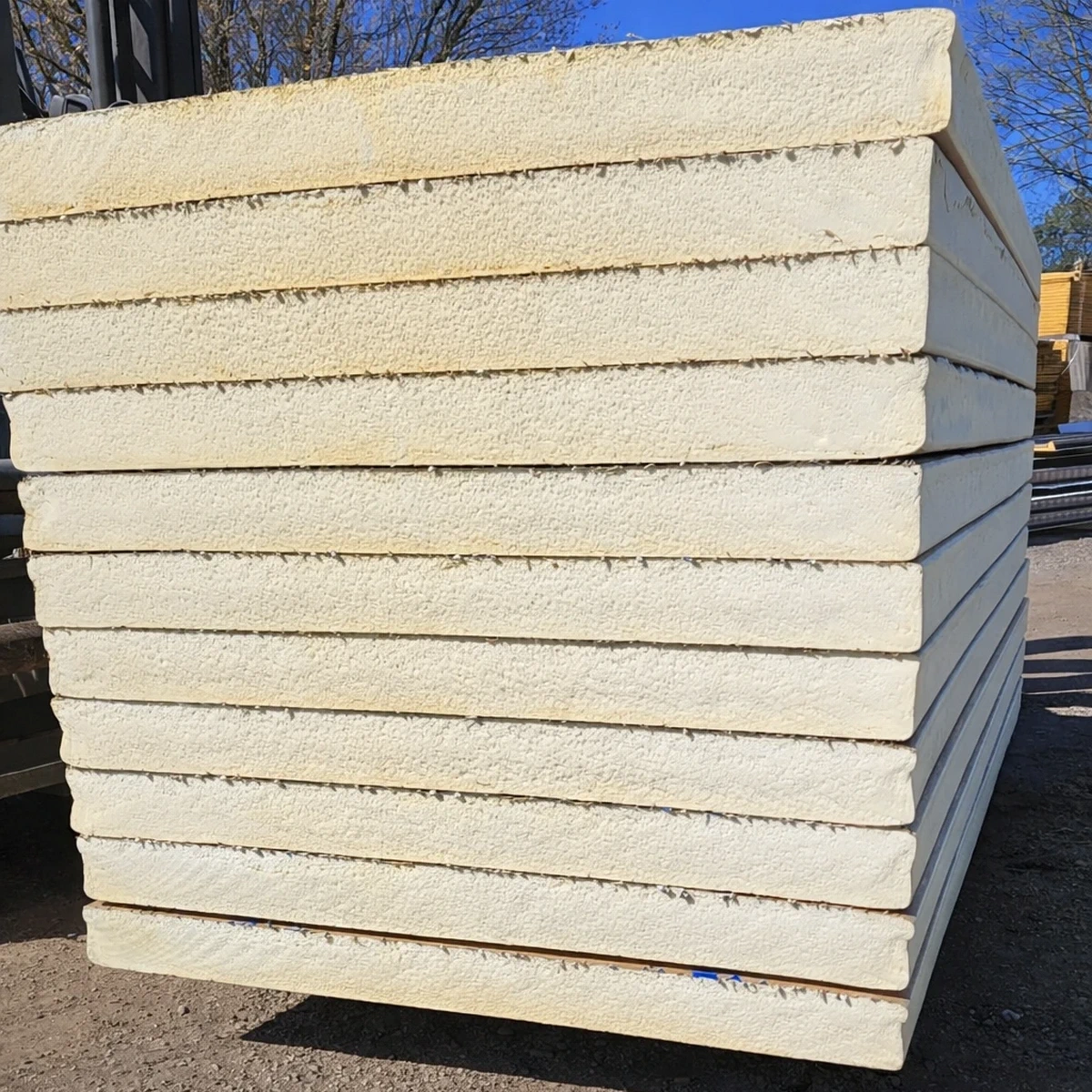
EPS can be used over a structural steel roof deck where the roof system documents cover the chosen profile and insulation arrangement.…
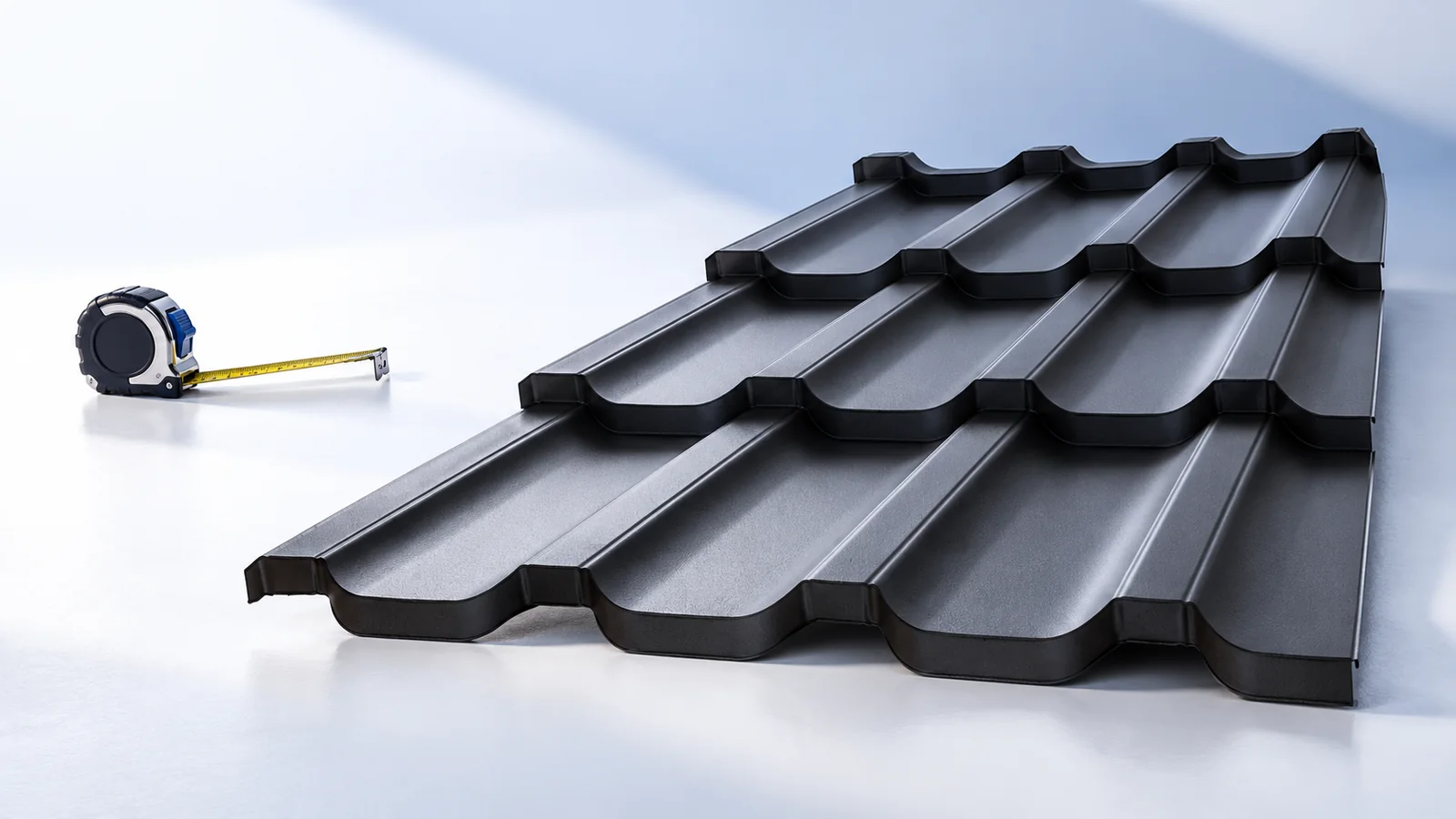
On a tiled metal roof, the eye follows the ribs and the steps between courses. A sheet that runs from eaves to…
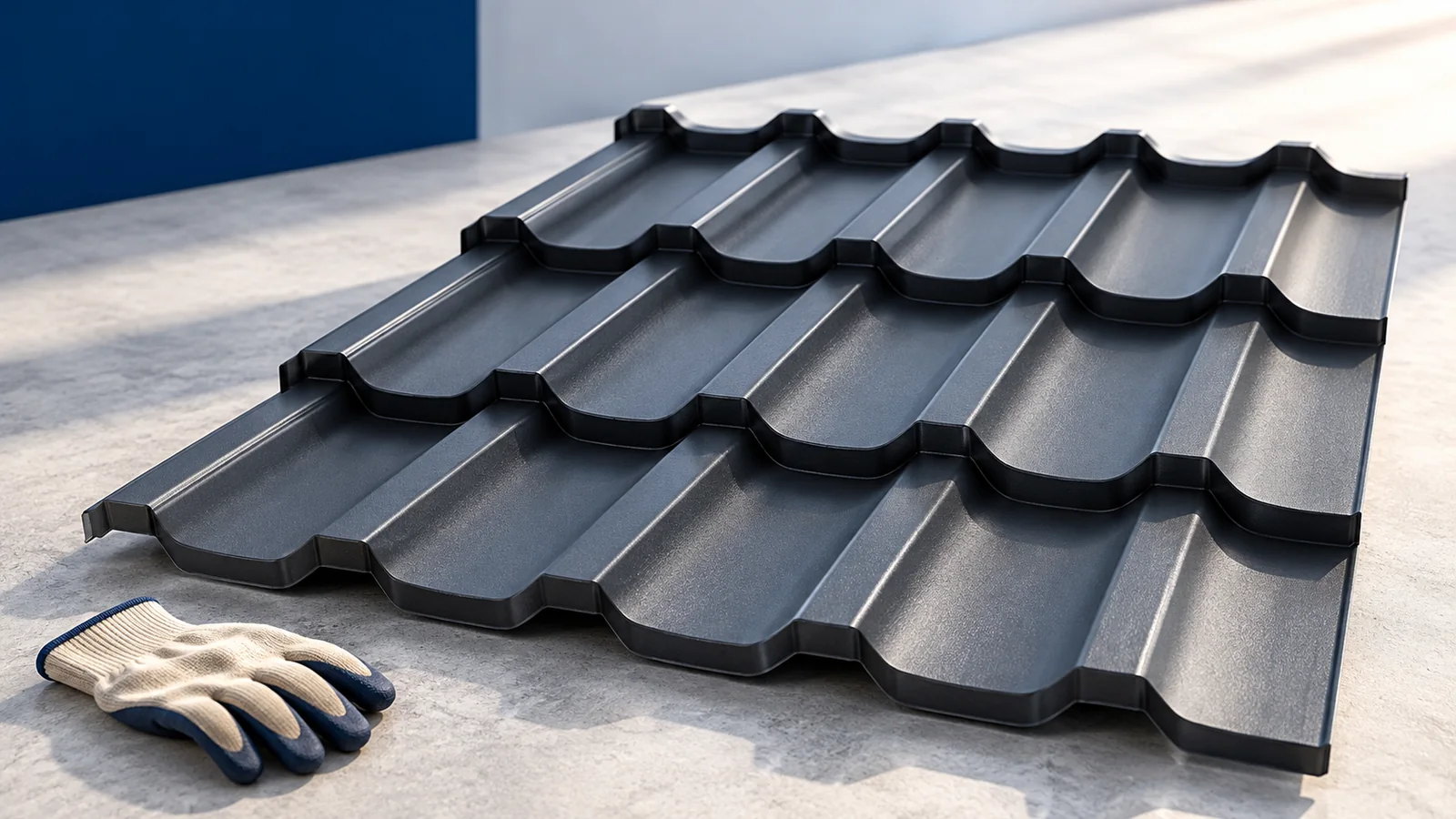
Metal roof tiles need supports set out for their profile. Bitumen shingles need a smooth, sufficiently rigid continuous deck. On a renovation,…
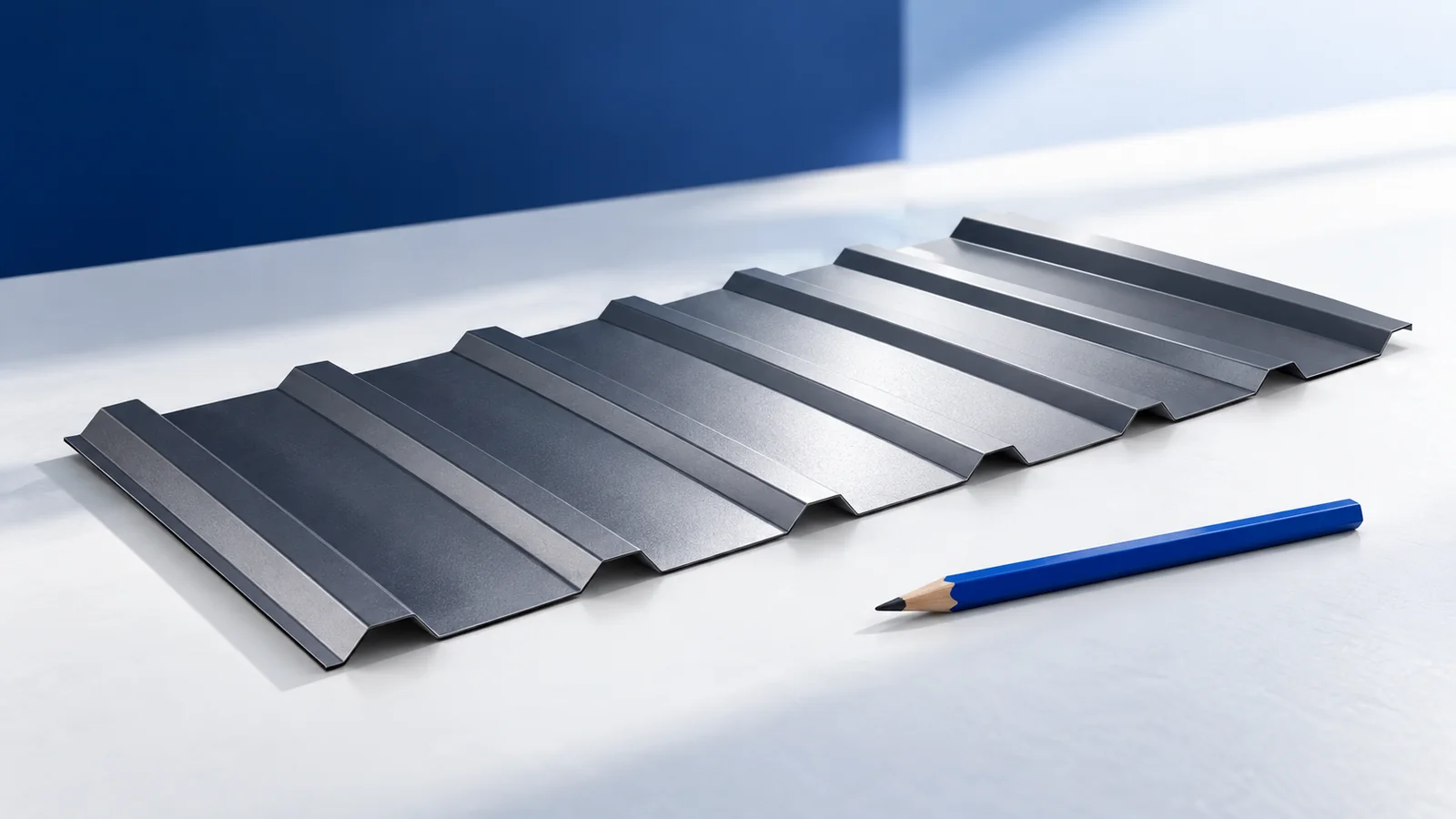
For an open shelter or carport, select the roof sheet together with the supports and anchors. Wind can reach the underside, and…
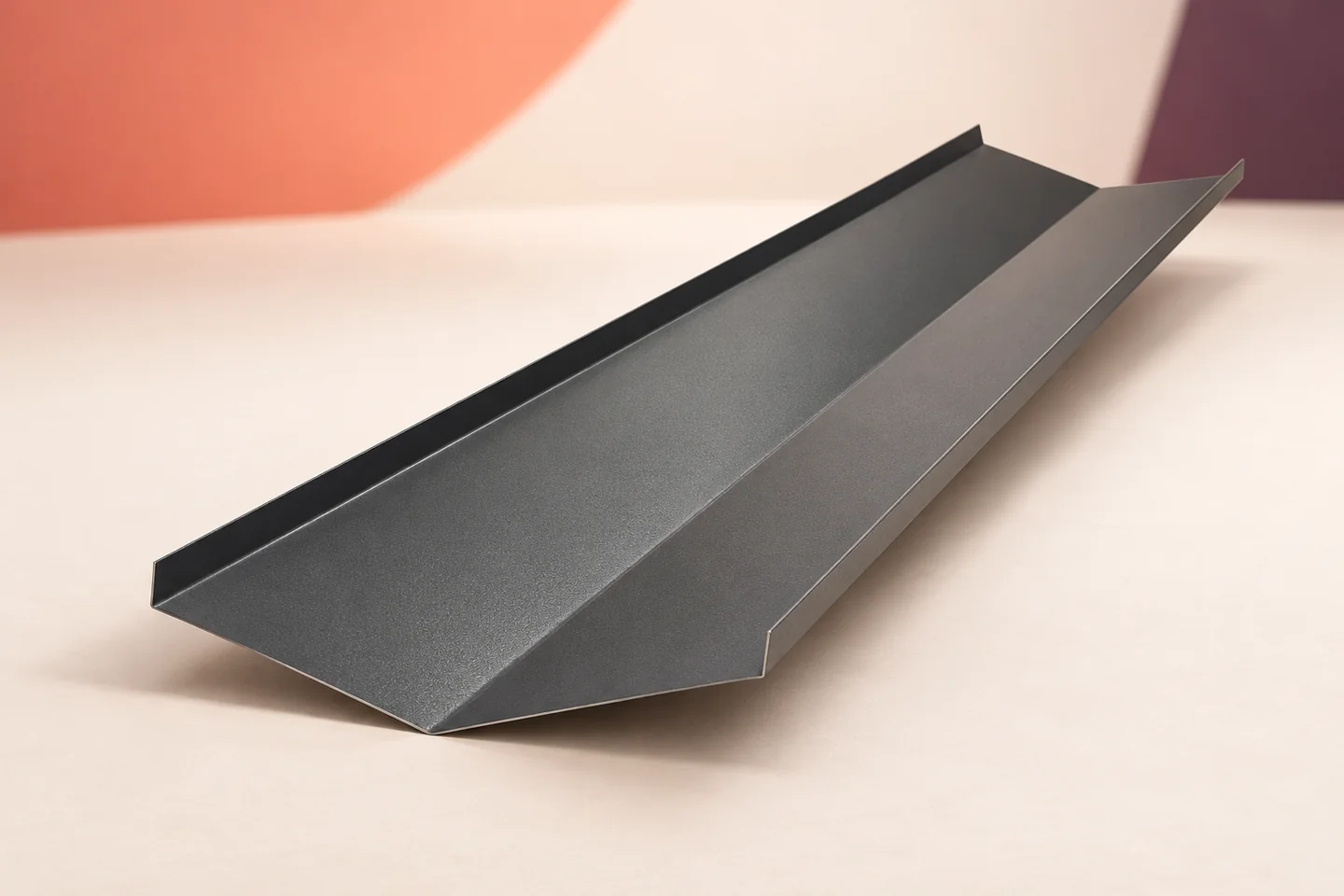
Size a roof valley or internal gutter for the water that reaches it, not simply for its length or the width of…
