






Sigma sections for lightweight cladding: choosing the section and detailing the connections
Steel sections and structures
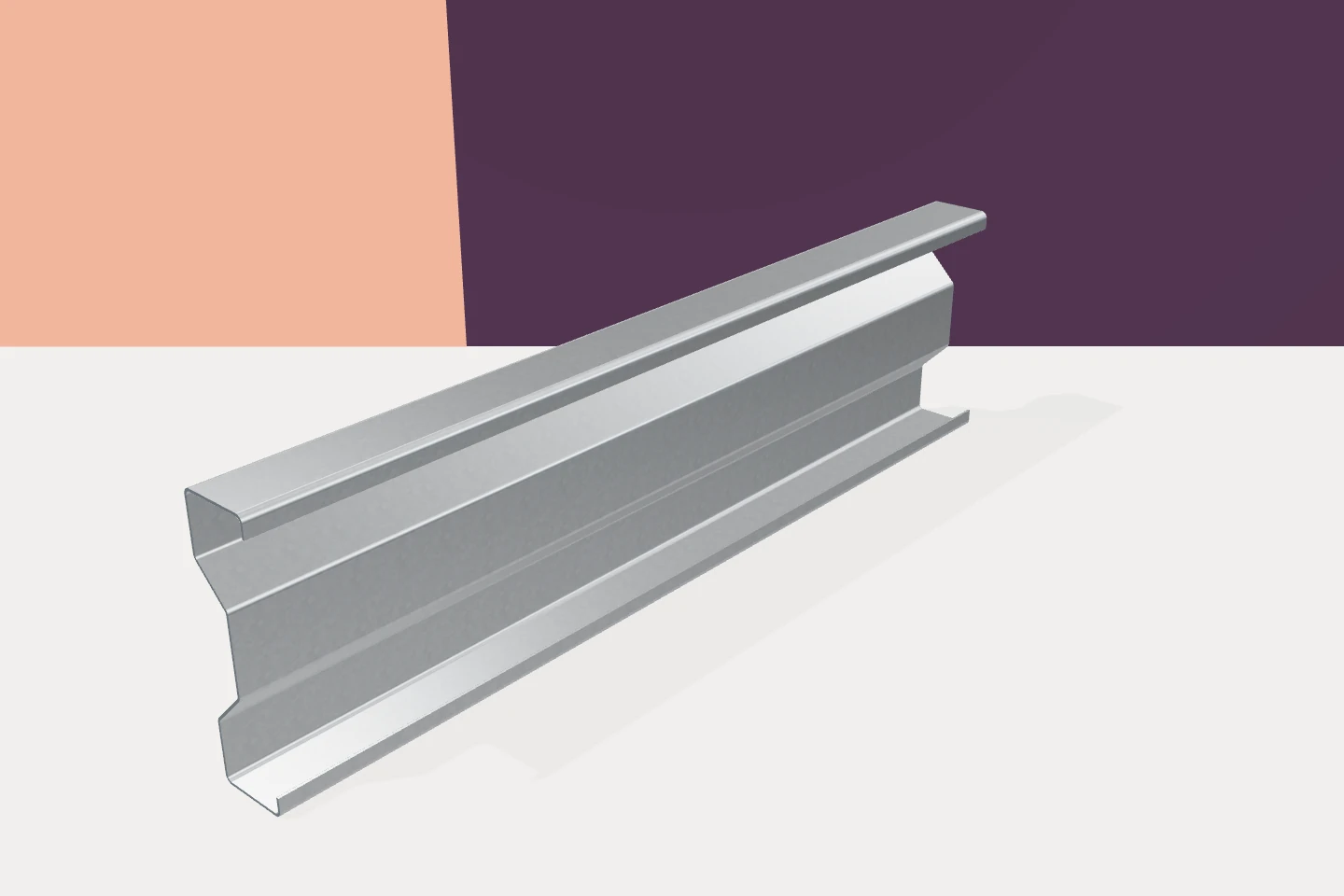
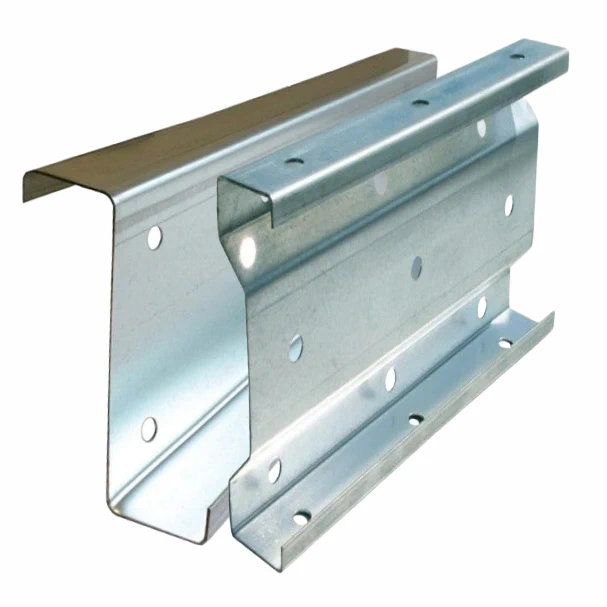
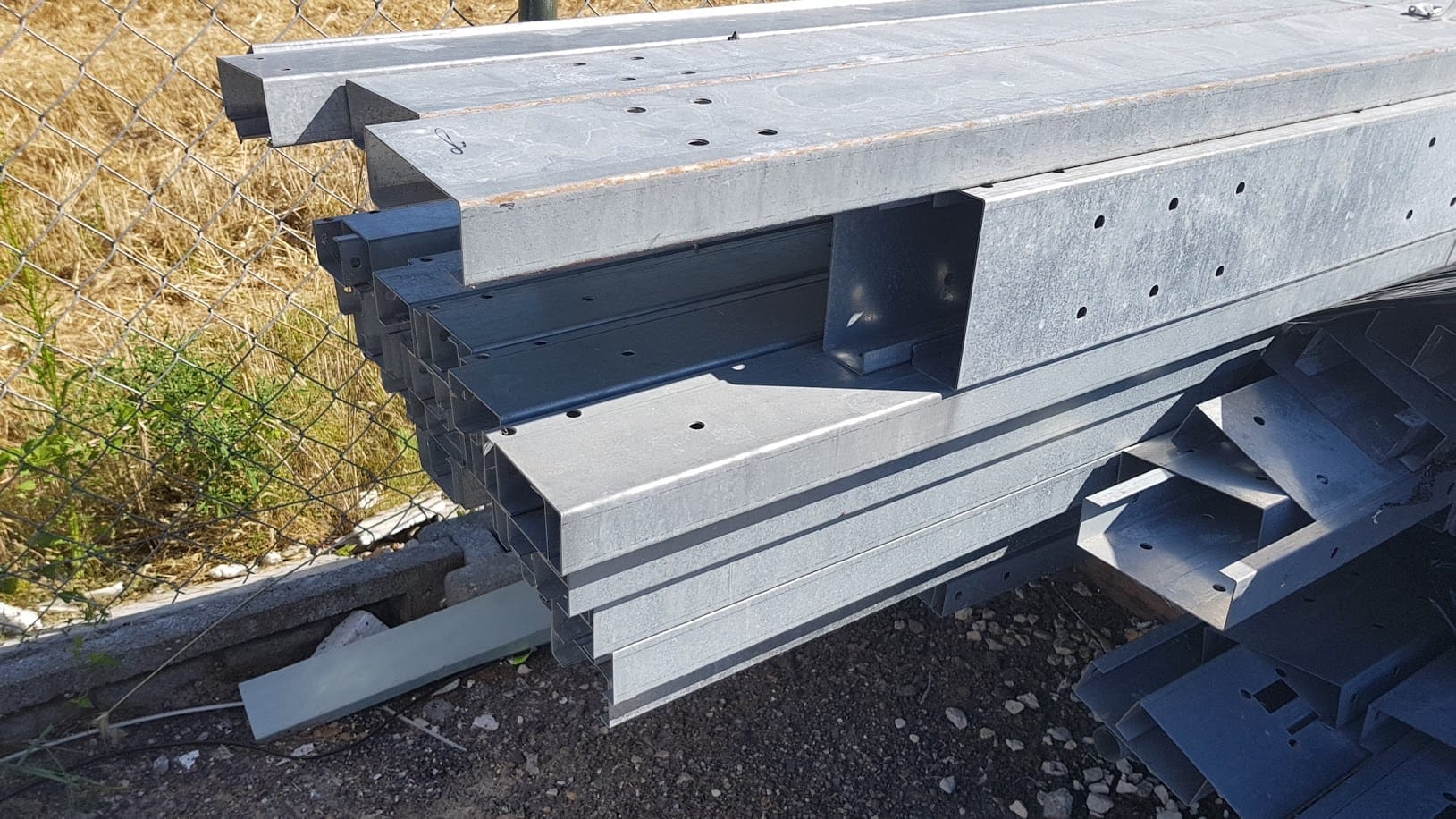
Selecting a cladding rail involves checking the bearing flange, fastener positions and alignment as well as section resistance. Cold-formed sigma sections have a profiled web and come in several proportions. The additional bends divide the web into shorter flats and affect the behaviour of the whole section. Many sigma sections also have lips at the outer edges of the flanges. Lip shape and length are part of the section geometry. Two sections with the same overall depth can therefore differ in both structural behaviour and usable fixing space. Assess these details against the structural design and the panel installation drawing together.
In this article
How the sigma web differs from a plain channel web
One catalogue example is 200 mm deep and 2 mm thick, with 55 mm flanges and 15 mm lips. These dimensions describe one particular 200 mm section. They give an initial indication of the space for the fixing. For final selection, use the complete section drawing and the structural data for the member.
Matching the section shape to the member’s function
Cold-formed sigma sections can serve as structural members where the span, loads, supports and connections allow. When comparing one with a channel, consider the widths of the individual plates and the amount of steel as well as overall depth. Additional bends do not increase resistance in every direction.
Compare alternative sections against the requirements for the same cladding assembly. Check resistance, deflection and stability first, then compare cost and ease of installation. This establishes whether the more complex sigma geometry offers a practical benefit for the proposed member.
Checking the panel bearing surface
Check the panel requirements for bearing width and fastener layout against the selected flange. Distinguish between an intermediate support, a panel end and a joint between panels. A bearing width accepted for one of these details may be insufficient for another.
Overlay the sigma section on the cladding fixing detail. This shows where the screw thread engages, whether there is room for the tool, and how the flashings and seals fit. Checking this before ordering helps avoid improvised strips or repositioned fasteners on site.
Locating holes on the correct web flat
The flats of a profiled sigma web lie in different planes. The hole drawing must therefore specify the side and dimensioning datum. A distance from the beam end gives only the longitudinal position. With the web location also defined, the section can be fabricated consistently and identified for its intended position.
Structural connection holes and cladding fixing positions serve different purposes. Coordinate them with one another and with the bends. Factory punching reduces site work when all parties use the same drawings and revisions are carried through to the production schedule.

Setting out the sections for cladding installation
Set the supports in the plane required by the panel installation instructions. Mark the orientation clearly on sections with a profiled web. Reversing a member can alter the connection detail. Direction marks also distinguish otherwise similar members with different hole patterns.
Before fixing the panels, check member positions, bearing widths and access to the fixings. Resolve discrepancies before closing the envelope. Pulling cladding against an uneven frame can impair joint performance. Accurately aligned galvanised sections help maintain the façade layout and reduce finishing work.
Specifying coatings and connections for the exposure
Condensation or local wetting can expose the steelwork to moisture. Select the coating for the actual conditions and detail the framework to avoid water traps. Store and work galvanised sections as specified to preserve the factory-applied protection.
At the panel connection, choose fasteners and seals with materials and properties suitable for the exposure. Galvanising the member protects only part of the detail. Assess thermal performance and fire requirements for the complete wall or roof assembly.
Where a sigma section offers a practical advantage
A particular section may offer the required structural behaviour, fit a restricted space or simplify a connection. Channels may suit other areas, while Z purlins can provide the specified laps on a roof. Hat sections can form secondary framing for compatible cladding.
Different section types can coexist within the same supporting framework. Use a consistent way of identifying members and specifying installation requirements across the drawings. When the actual sigma dimensions and properties are reflected in the cladding detail, the section is easier to price, fabricate and install correctly.

Free quote
What to include in your enquiry
Tell us how you plan to use the material, the dimensions and the quantity you need. Include the thickness, grade or variant name, along with the delivery town or your preferred collection branch. For a specific product, add its name or a link to the product page. We will reply to the email address you provide to discuss availability and the terms of your order.
Read next
Slight ripples in the flat part of a metal roof panel may only show up in strong sunlight. Residual stress in the…
Metal roofing can suit both a traditional house and a simple contemporary building. The pattern of the profile, the proportions of each…
Two prices per square metre can look different and still produce the same price for one sheet. The difference is the area…
Give each use of expanded polystyrene its own order line, identified by the zone or grid reference on the drawings. Two boards…
Not every saving comes from negotiating a lower square-metre price. Extra costs often arise after the order: a door opening changes, a…
Choose a timber connector by following the load from one member to the next. A joist hanger supports a beam end, an…

Start with the area of the walls and roof. The panel price per square metre covers only one part of a house.…
On a large order, a small discrepancy in the board specification can affect an entire delivery. Specify the PIR facing, dimensions and…
