






BauderPIR M/MF beneath industrial roof waterproofing. Specifying the facing
PIR insulation
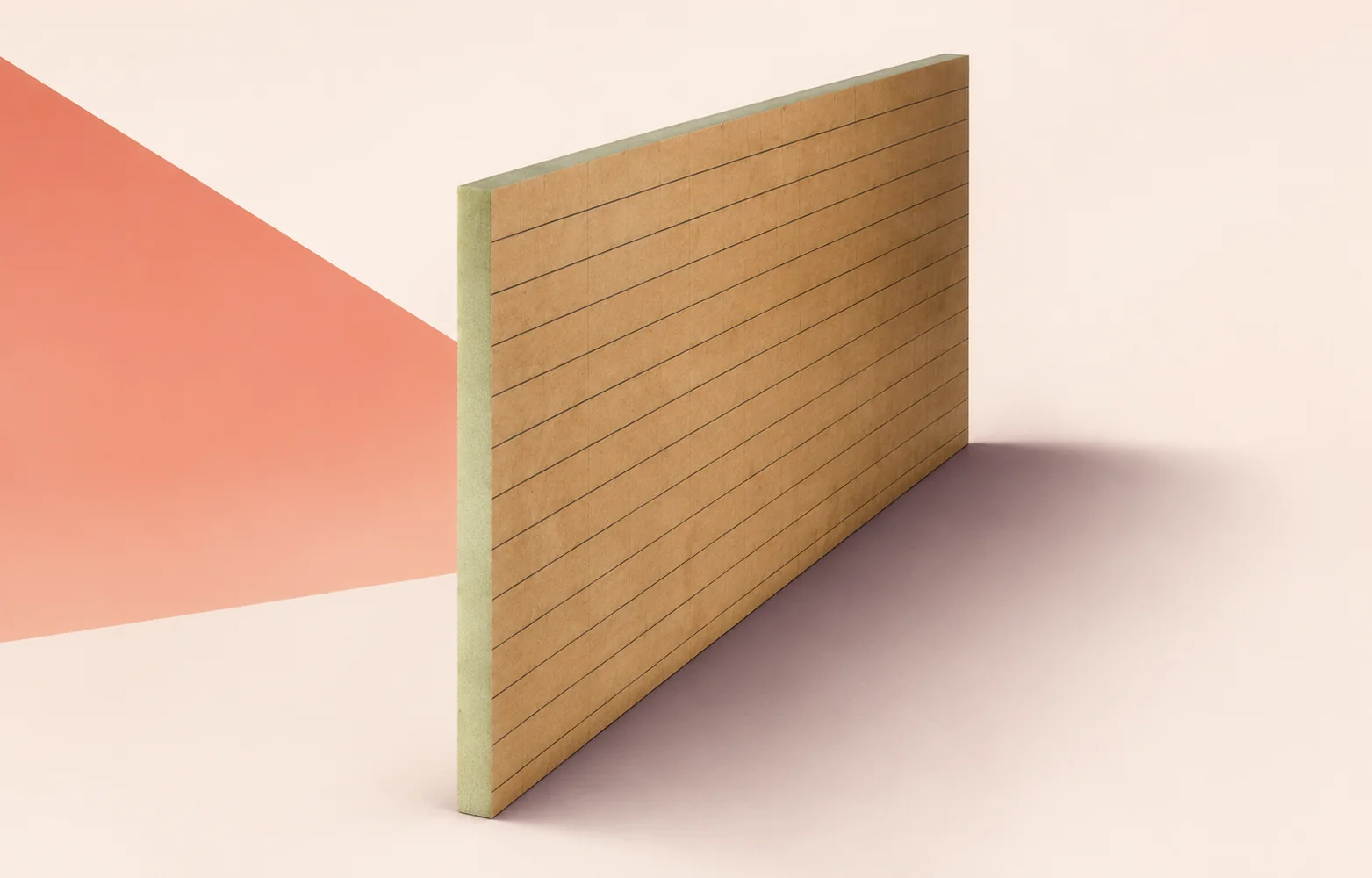
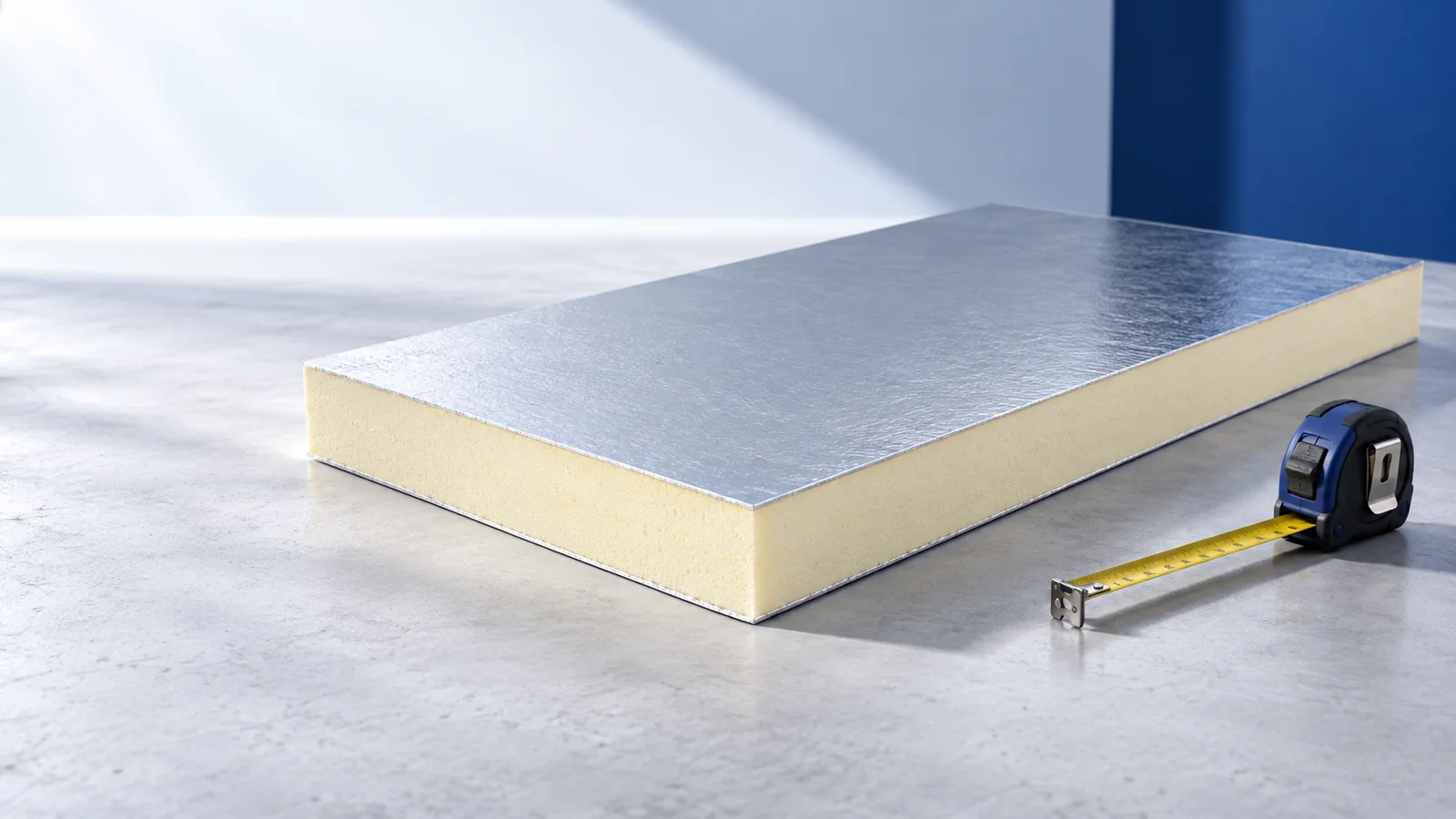
If a supplier offers an aluminium-faced board in place of BauderPIR M or MF, start with two questions. How will the layer’s thermal resistance change, and can the specified waterproofing be fixed to the new surface? Both M and MF have a PIR core with mineral fleece on each face. Their edge profiles differ, which affects the joint layout. Specify the variant, thickness and method of securing the waterproofing on the order. These details allow the designer to assess the substitution and the roofer to identify the intended delivery before opening the pallets.
In this guide
What a board sample shows
On one sheet, list the specified board, the proposed alternative and the fixing method for the layer above. Enter the product sheet reference for each item. This makes differences visible even when both quotations specify the same thickness.
Reading data for a given thickness
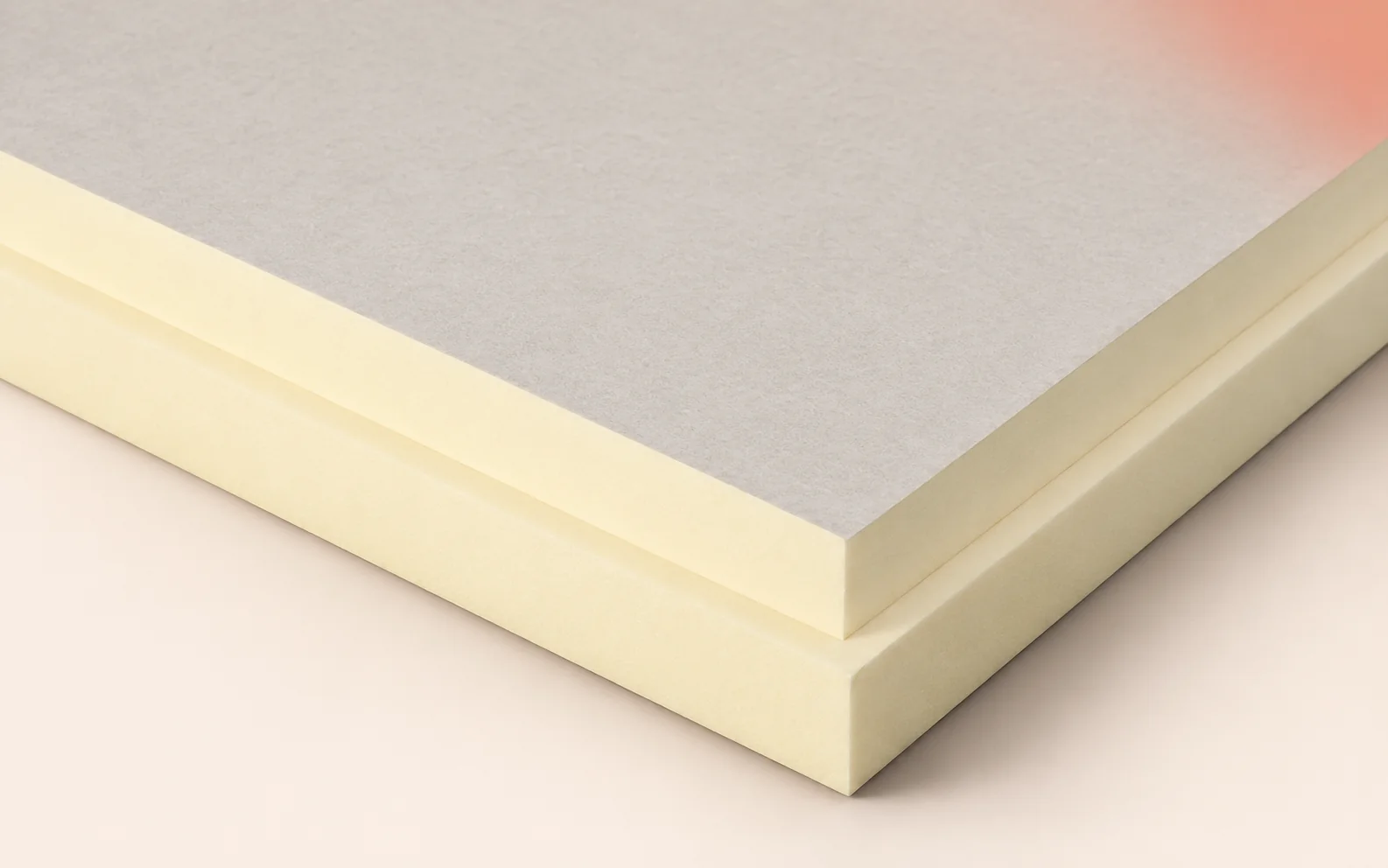
Inspect both faces and the edge section. BauderPIR M is square-edged and MF is rebated. Show the installer a sample of the specified variant and mark how the row ends at the perimeter.
Calculating the layer resistance
The Polish M/MF family sheet lists λ of 0.026 W/(m·K) for thicknesses from 80 mm up to but excluding 120 mm. A value from a different thickness range changes the calculation. File the sheet or declaration corresponding to the supplied item number.
At 100 mm thickness and λ of 0.026, the approximate resistance of a homogeneous layer is 0.100 divided by 0.026, or about 3.85 m²·K/W. This example covers the insulation layer. Calculating the roof U-value requires the other layers and relevant corrections.
Where the fleece meets the waterproofing
For a bonded system, identify the membrane, adhesive and approved substrate in the system instructions. A change of facing requires the complete bond to be checked. For mechanical fixing, refer to the fixing layout for the roof zone concerned.
Edge profiles where deliveries meet
Before joining fields from two deliveries, compare the labels and place one board from each side by side. Check the joint profile and top-face alignment. If the edges differ, refer the transition to the designer before continuing installation.
Inspecting a field before covering it
Check that the fleece remains bonded to the core at cut edges. Set aside pieces with detached facings for assessment. Before waterproofing, record the surface condition and the substrate conditions required by the selected system.
Recording a substitution
If a substitution is accepted, mark its extent on the roof plan. Record board thickness and type, the joint detail and the installed membrane designation. During roof repairs, these records help identify a material compatible with the actual substrate.

Free quote
What to include in your enquiry
Tell us how you plan to use the material, the dimensions and the quantity you need. Include the thickness, grade or variant name, along with the delivery town or your preferred collection branch. For a specific product, add its name or a link to the product page. We will reply to the email address you provide to discuss availability and the terms of your order.
Read next
An office and an adjoining plant room can have the same finished floor level even though the floor beneath a heavy cabinet…
When refurbishing an industrial roof, a single low threshold can determine the thickness available for swissporPIR Alu. The measured distance from the…
Roof works across a housing estate can be tendered together, but each block needs its own survey. The height of a roof…
A doorway between a corridor and a heated room reveals whether the floor build-up fits between the structural slab and the door…
A short panel can suit a small room, but first check its length against the plinth and head details. White facings and…
Trace the boundary of the heated rooms on a section through the building. For an unheated loft it may run across the…
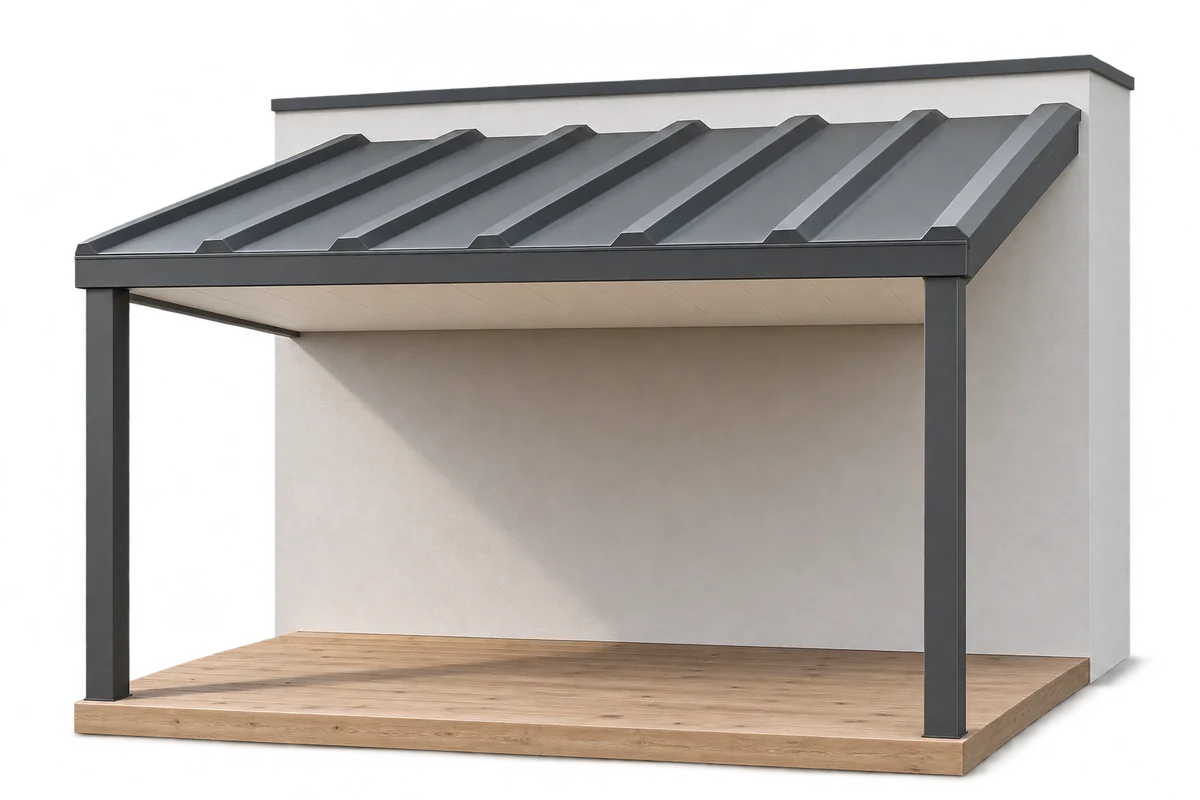
A canopy shelters the people on a terrace from rain and sun. If there is a heated room below, the terrace floor…
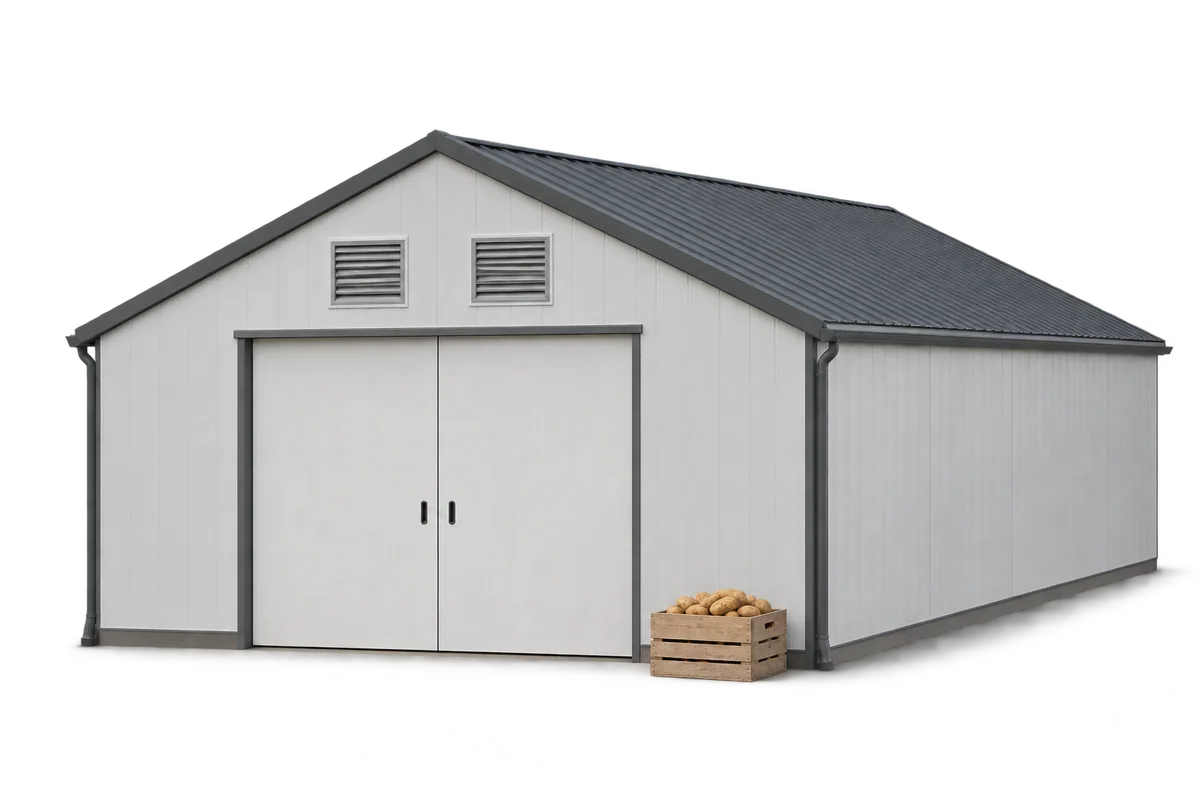
An old warehouse can often be adapted to store potatoes without building a new hall. Three things must work together: an airtight…
