EPS insulation board or EPS-core sandwich panel: what are you buying?
EPS and building insulation
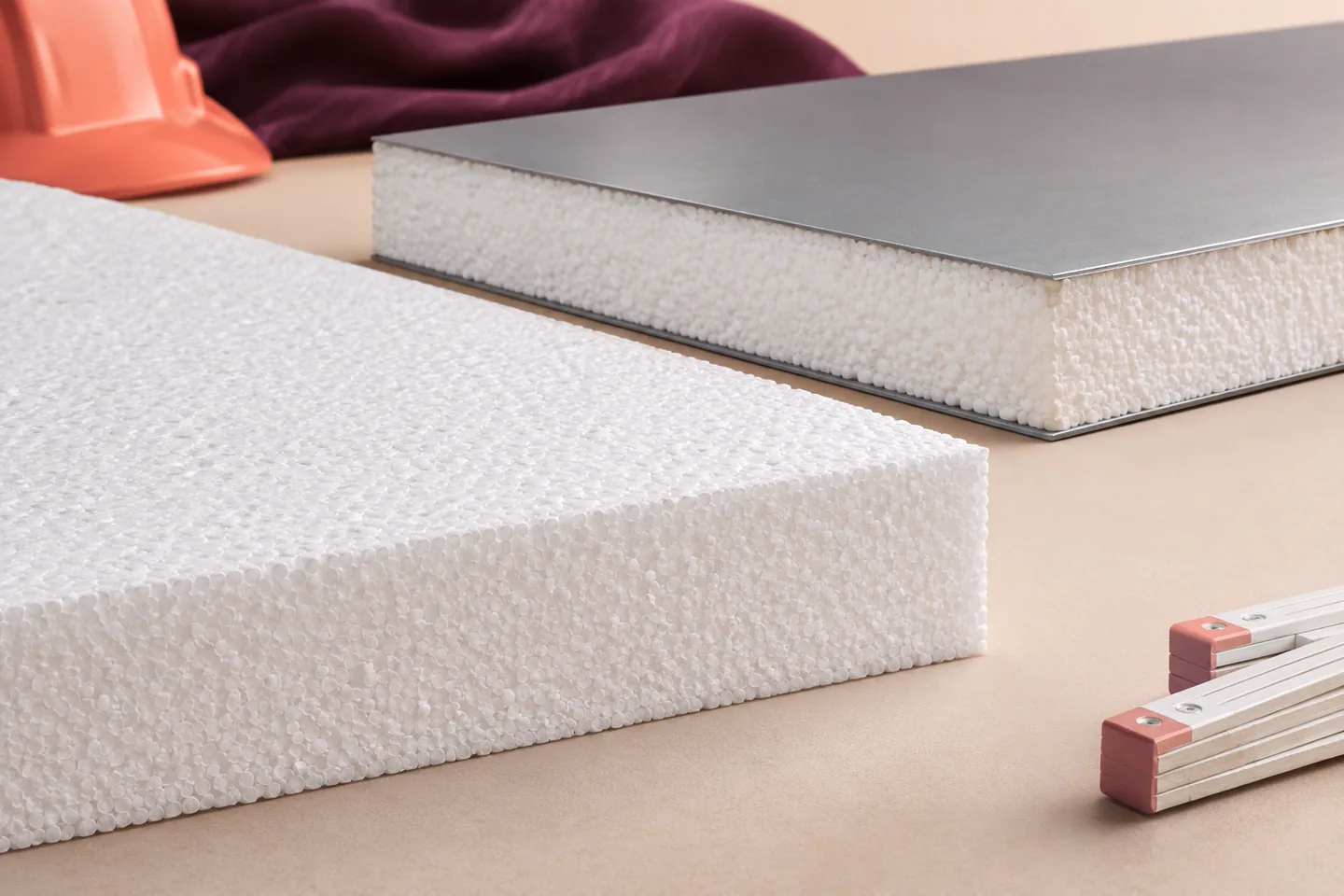
An EPS insulation board forms one layer of a wall, floor or roof. An EPS-core sandwich panel is a factory-bonded unit whose facings and core work together. A bare board needs protection and support from the surrounding layers. For a panel, the designer also needs the span, support conditions, joint details and fixing arrangement. Check the thermal and fire performance declared for the product or assembly you intend to install. Equal core thickness alone tells you little about how the two finished walls will carry load, keep out rain or limit heat loss.
In this guide
What an EPS board specification covers
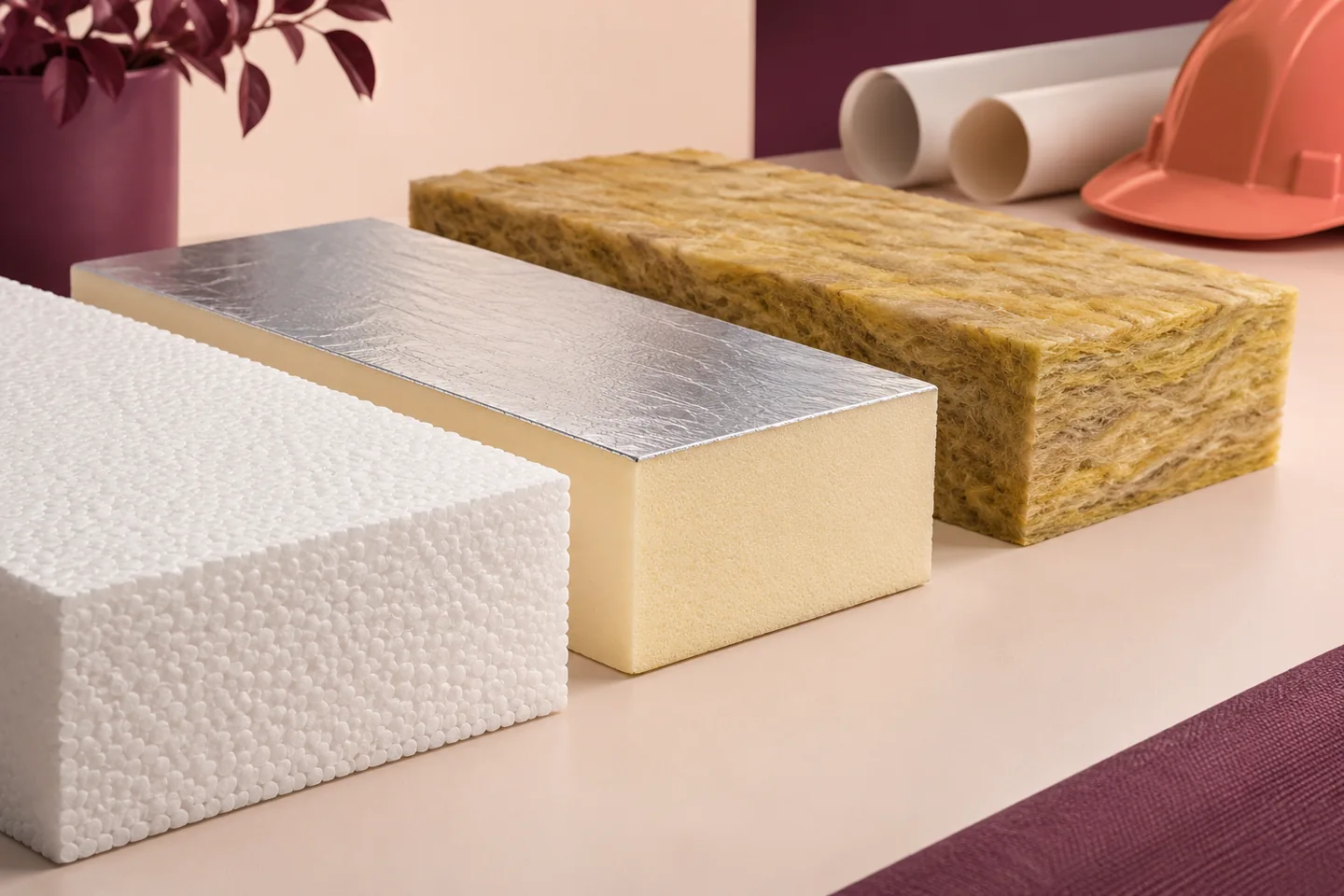
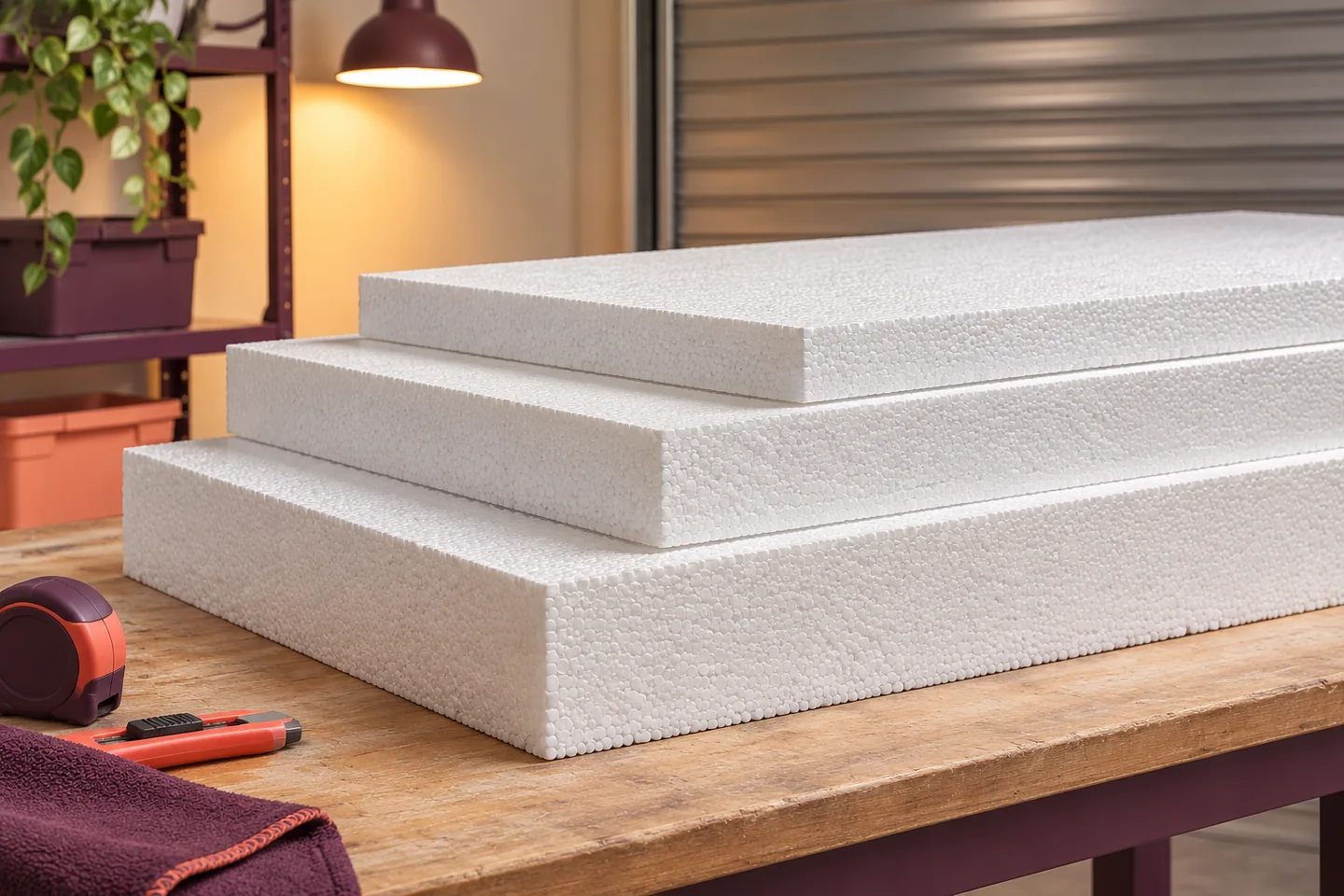
EPS consists of fused beads of expanded polystyrene. Its documentation gives the thermal conductivity, reaction to fire and properties relevant to its use. For floors, check compressive behaviour. For façades, also check tensile strength perpendicular to the face. A common size of 1,000 × 500 mm is convenient to lay. Board dimensions alone tell you little about the strength or fire performance of the finished element.
How facings and core carry loads together
A sandwich panel has facings permanently bonded to its core. Wall and roof panels often use sheet-metal facings. The bond allows the panel to carry loads as a composite element. Core adhesion, facing thickness and profile, and the way the panel is supported all affect its performance.
Use the panel’s load tables and design calculations to establish the permissible span. The compressive grade of the EPS cannot supply this information. Wall and roof panels may differ in edge profiles, joints and permitted loads. Check the intended use before substituting one for the other, even at the same core thickness. For equipment attached to a thin facing, verify the load path and individual fastener capacity as well as the overall panel loading.
What core conductivity tells you about a panel
Lambda is the thermal conductivity of a material. For a homogeneous layer, thickness divided by conductivity gives its thermal resistance. For a panel, the facings and joints also form part of the product. Use the thermal transmittance stated for the actual panel variant and joint configuration.
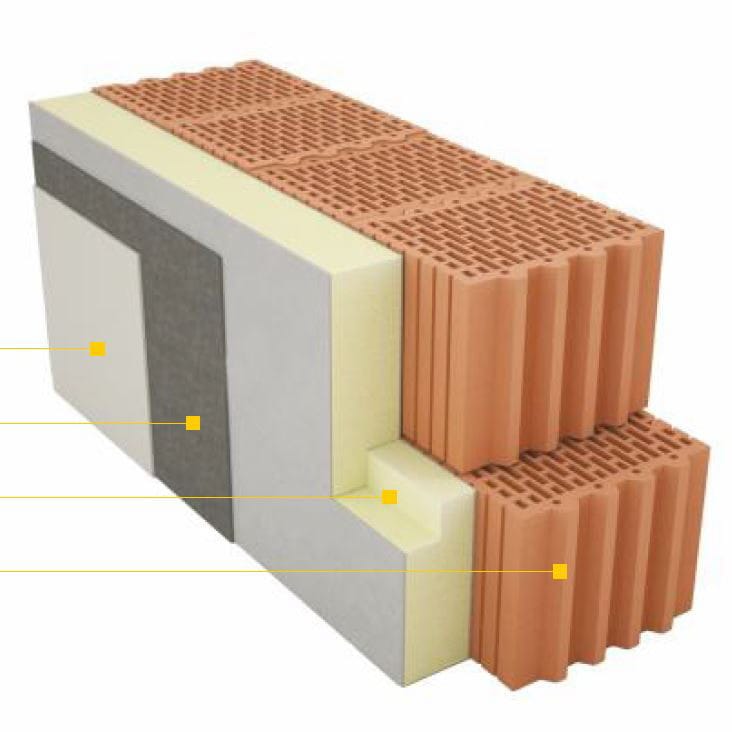
Column junctions, flashings, fasteners and joint airtightness also affect heat loss. Two envelopes with similar performance in the uninterrupted panel area can lose different amounts of heat at their junctions. When comparing a panel with EPS-insulated masonry, compare the complete constructions, including these details.
Read fire classifications for the specified assembly
An EPS board may have a declared reaction-to-fire class of E. This does not specify the fire resistance of a wall or roof. A sandwich panel is assessed as a product or within a defined assembly. The result depends on the joints, supports, installation direction and conditions in the classification documents.
A favourable classification for a complete wall cannot establish that the unfaced EPS board is non-combustible. Reaction to fire and fire resistance describe different aspects of performance. State the requirement for the finished element in the order and verify that the offered panel and installation fall within the classification’s scope.
Installation, alterations and repairs
Depending on the application, insulation boards are bonded, mechanically fixed or held in place by overlying layers. A sandwich panel relies on its specified joints, supports and fasteners. Cutting a facing or introducing a large service opening can change the structural behaviour of the whole panel and requires assessment.
Filling an exposed core with a piece of EPS and covering it with sheet metal may leave a damaged panel inadequately repaired. The repair must restore weather sealing, attachment and the required panel performance. Adding insulation to an existing envelope also requires a connection detail. Extra layers add load and can alter moisture conditions and fire behaviour.
Compare like-for-like quotations
An EPS quotation should identify the board, thickness, conductivity and declared properties for the application. A panel quotation also needs facing specifications, joint geometry, load tables and installation instructions. Core density cannot replace these documents. Confirm whether the quoted price includes the complete envelope element.
EPS board manufacturers include Termo Organika, swisspor, Arsanit and Paneltech. Start with the function of the proposed wall or roof. A separate EPS board may suit a built-up roof, while a sandwich panel provides a different way of forming the envelope. Compare materials once the construction method is defined.

Free quote
What to include in your enquiry
Tell us how you plan to use the material, the dimensions and the quantity you need. Include the thickness, grade or variant name, along with the delivery town or your preferred collection branch. For a specific product, add its name or a link to the product page. We will reply to the email address you provide to discuss availability and the terms of your order.
Read next
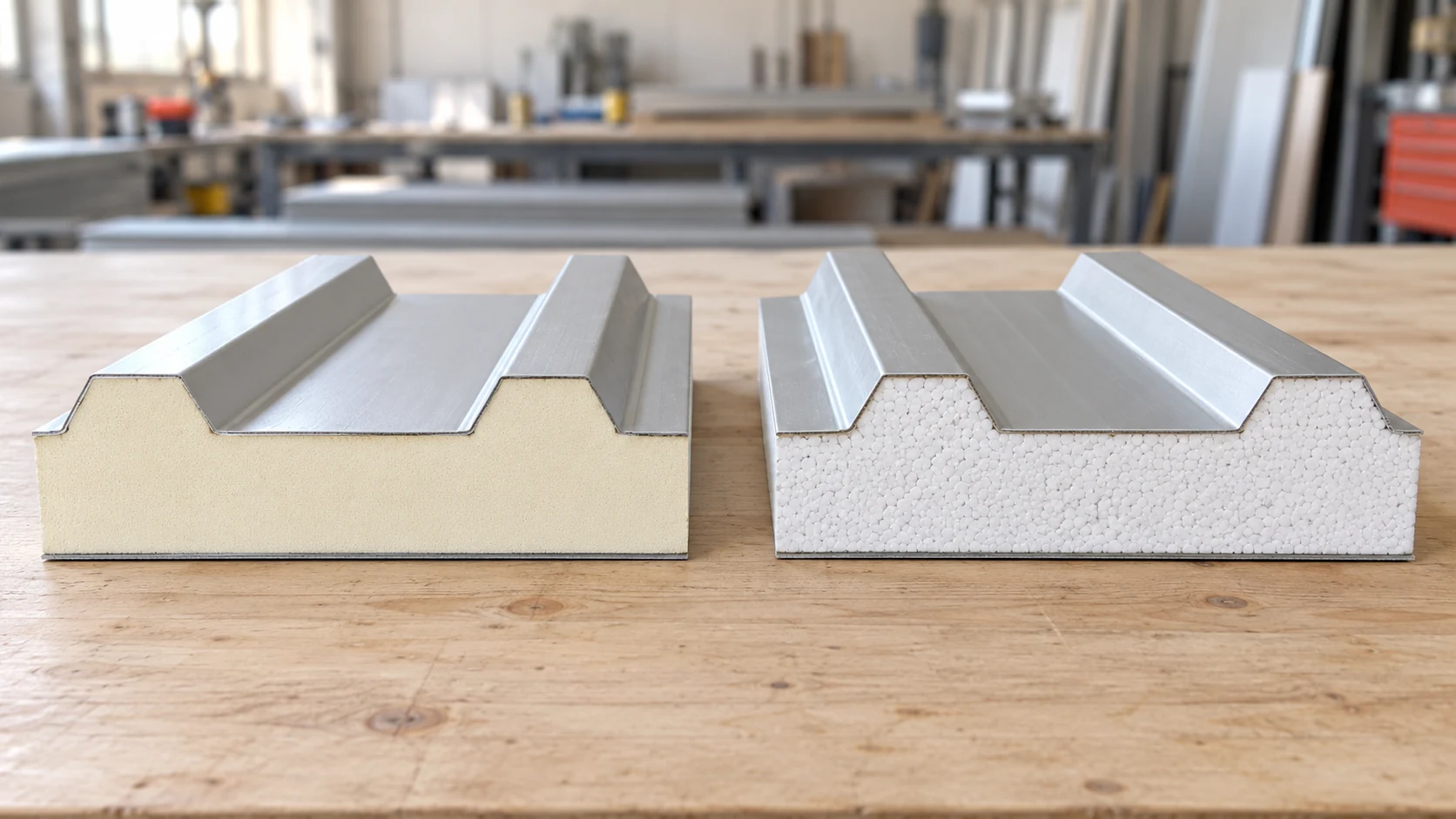
Compare PIR and EPS roof panels against the same design brief. Set the required U-value, loads, fire performance and exposure conditions, then…
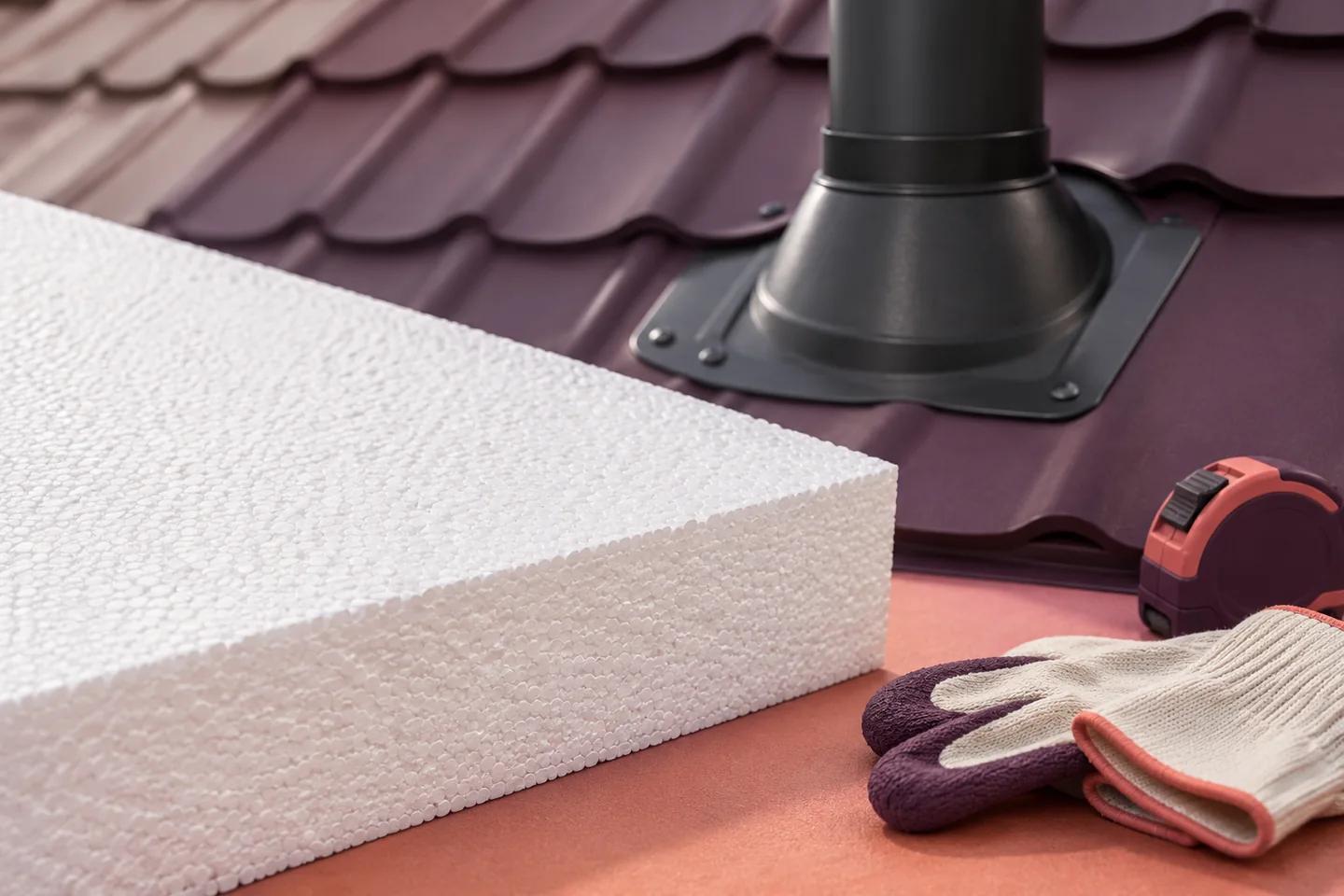
For each pipe, duct or cable crossing an EPS-insulated roof, draw a section showing the deck, air and vapour control layer, insulation…
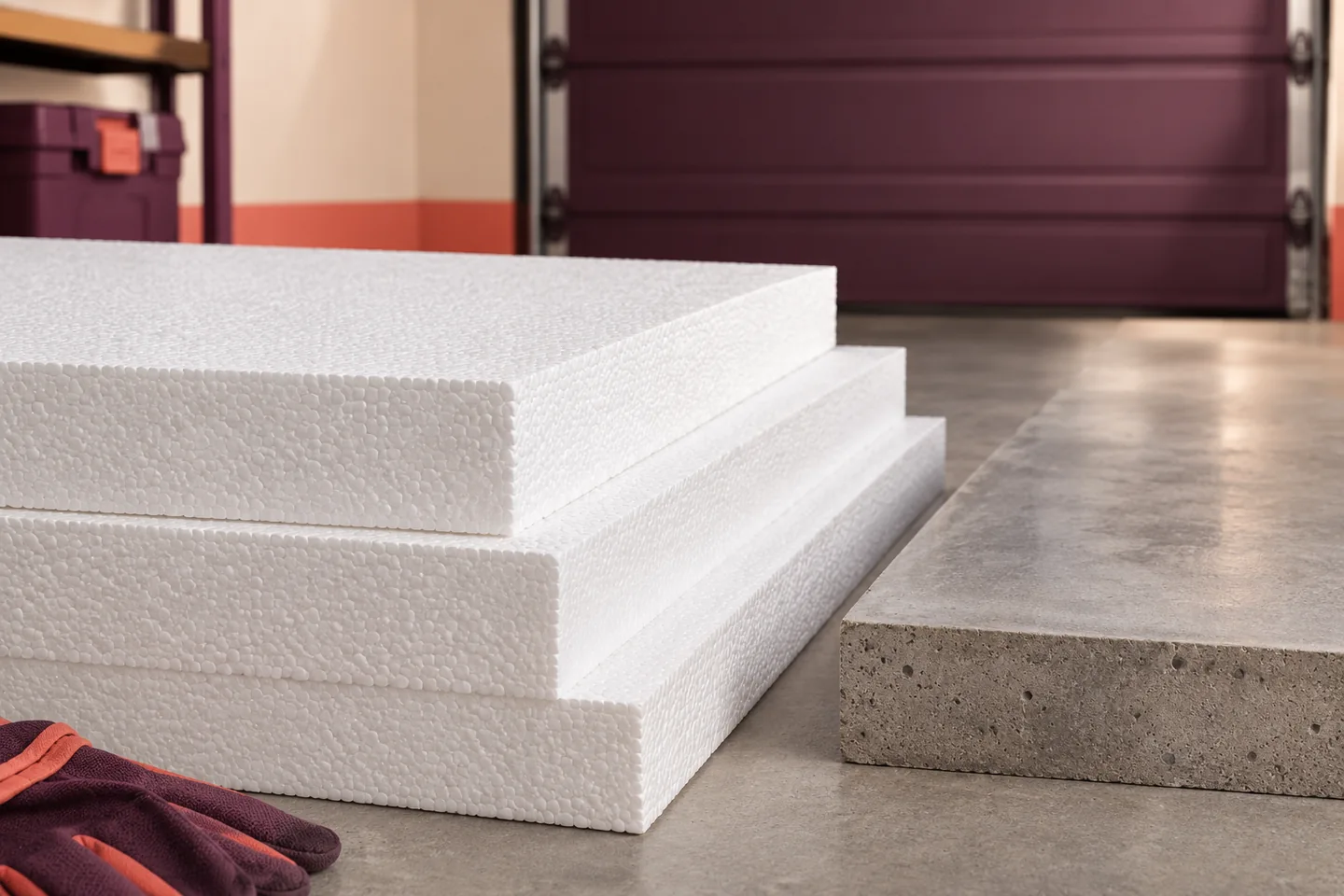
EPS 200 can be suitable beneath a garage floor if the slab and insulation are designed for the actual loads. A car…
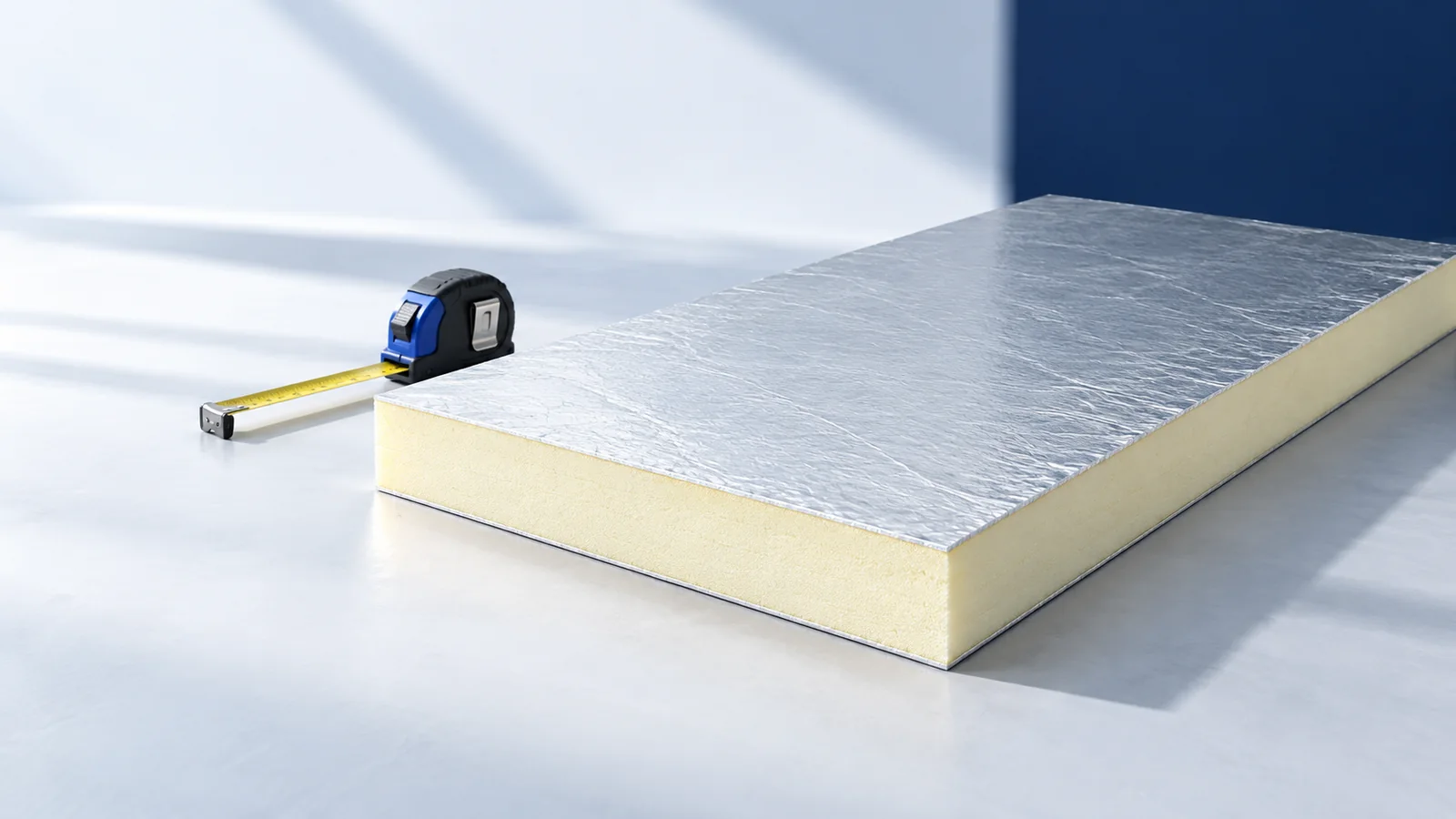
Measure the depth available at the eaves, roof windows and parapets, then compare insulation products at the thermal resistance your roof needs.…
Choose insulation for each part of a commercial building by asking what the finished wall, floor or roof has to do. A…
EPS can reduce heat loss from a workshop, warehouse or other building that is heated for only part of the week. To…
Start with the position of the waterproofing. On a conventional flat roof, it covers the insulation. On an inverted roof, the insulation…
When specifying an EPS-insulated roof, ask for three separate pieces of information. The board’s reaction-to-fire class describes how the product behaves under…