Fibre cement on a factory roof: what the production process demands
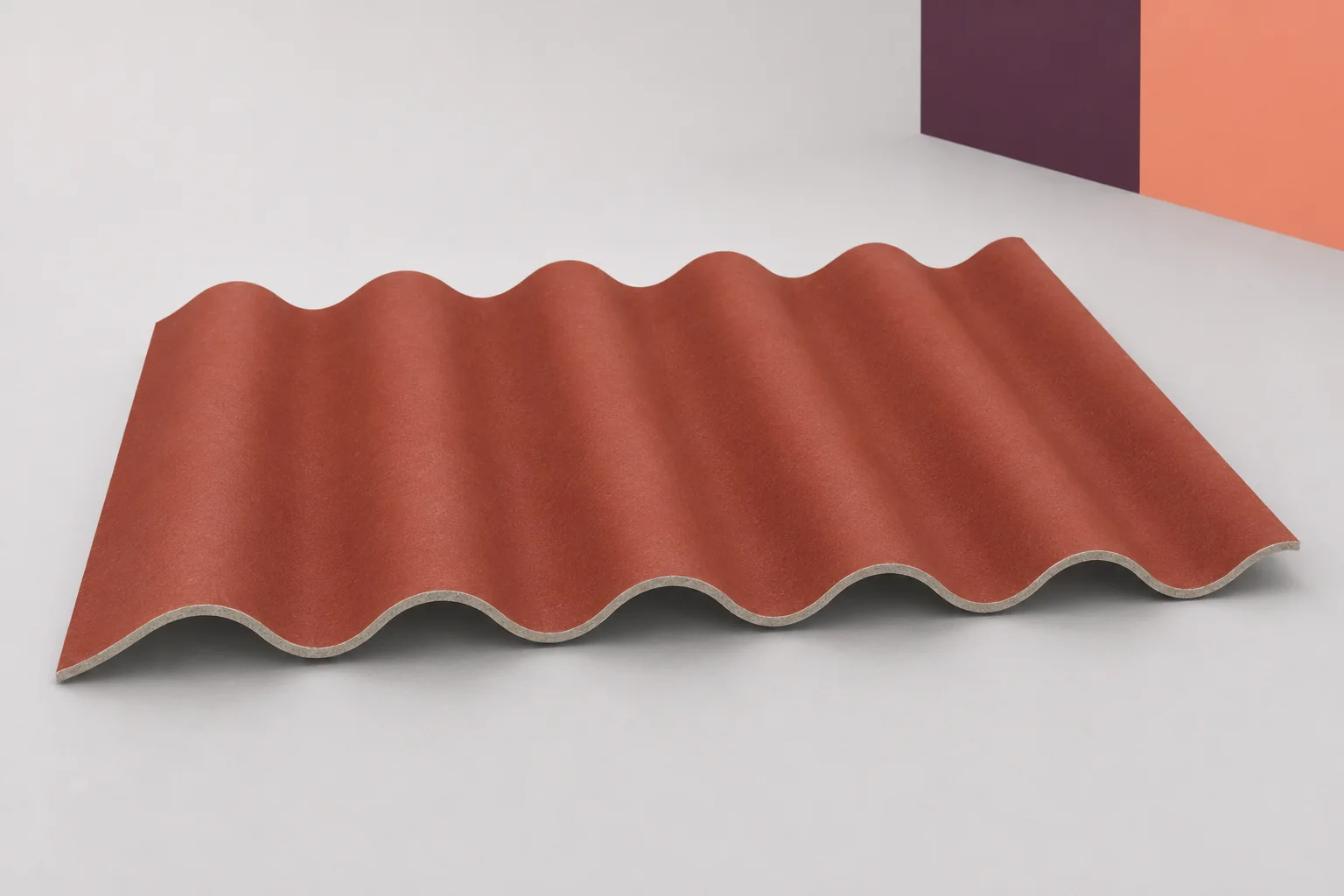
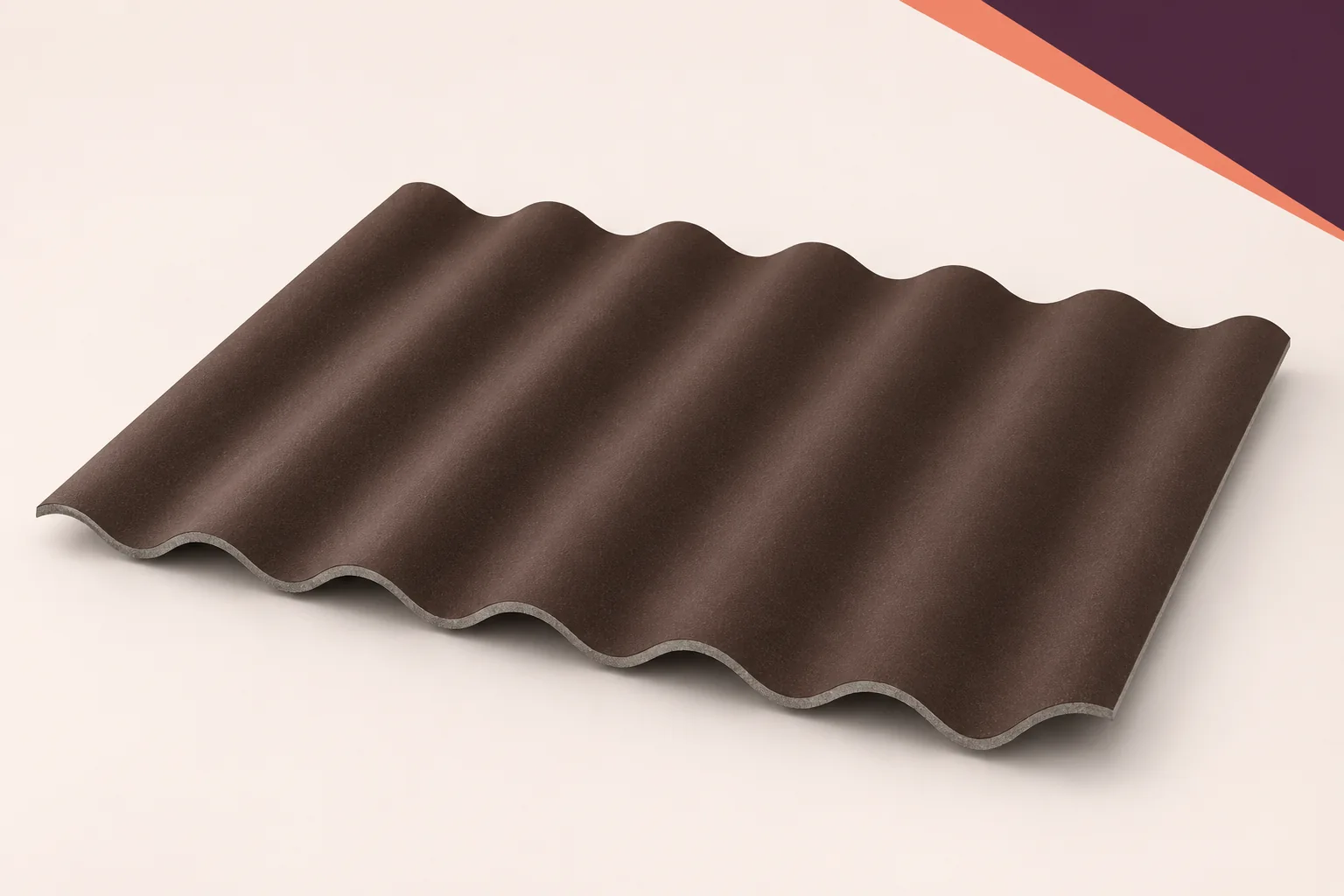
Fibre-cement roofing
A factory roof is exposed to conditions set by the production process as well as by the weather. Temperature, steam, dust and cleaning procedures can all affect the building envelope. Before specifying asbestos-free fibre cement, give the designer a short description of the process and what the complete roof must achieve. Include emissions and humidity during normal production, start-up, shutdown and end-of-shift cleaning. Fibre-cement sheets can serve as the covering in a range of buildings. Their suitability, together with that of the joints and other layers, needs to be checked against the conditions in the particular plant.
In this guide
Describe normal and changing operating conditions
A label such as “light manufacturing” gives little design information. Two factories of equal size can expose the roof to very different conditions. Include foreseeable changes in the process. Introducing frequent washdowns in a plant designed for dry production can require the envelope and its junctions to be reassessed.
Remove process moisture at its source
Provide extraction for steam released by the process. Fibre cement has limited moisture-buffering capacity and its underside can still become wet. In a heated hall, both insulation and airtightness matter. A leaking duct penetration can carry moist air into cold layers. Coordinate the roof design with the ventilation design so that vapour movement is addressed throughout the assembly.
Identify airborne substances
Give the system supplier and envelope designer the names of the substances, how they reach the roof and the humidity during exposure. Fibre cement does not rust like sheet steel, but its chemical resistance and that of its coating depend on the substance. Check fasteners, metal supports, flashings and seals individually. Resistance data for a sheet apply only to the component tested.
Assess the loads imposed by cleaning
Check the detergent, water temperature and application method against the sheet manufacturer’s instructions. A process suitable for machinery can damage the roof surface or joints. Verify any proposed pressure jet or cleaning agent, trace where the water drains and check whether it collects in laps. Where hygiene rules prescribe a cleaning method, design the whole roof assembly with that method in mind.
Provide a load path for roof equipment
Support ducts, fans and rooftop units from the building structure. Fragile sheets provide weather protection around properly detailed penetrations. Allow for vibration, thermal movement and servicing. Plan safe access to equipment that requires inspection without walking directly on the covering. Assign responsibility for the equipment, its supports and the roof seal in the specification.
Assess fire and noise across the whole building
The sheet’s reaction to fire is one material property. To determine the fire resistance of the roof, assess its structure, insulation and connections as a complete assembly. Rain noise and production noise also need separate assessments. Use evidence for the complete system wherever a requirement applies to the roof or the hall as a whole.
Include the roof in the plant maintenance plan
Schedule inspections around production and access to the areas below the roof. Check joints, drainage and points where dust accumulates. Keep sheet identification and accessory records for repairs. Review the original assumptions when a new steam source or cleaning chemical is introduced. These changes can affect the roof long before any damage becomes visible.
Use the process description, moisture sources, substances and cleaning regime to confirm the suitability of the covering, fasteners, roof layers and service penetrations.

Free quote
What to include in your enquiry
Tell us how you plan to use the material, the dimensions and the quantity you need. Include the thickness, grade or variant name, along with the delivery town or your preferred collection branch. For a specific product, add its name or a link to the product page. We will reply to the email address you provide to discuss availability and the terms of your order.
Read next
A roof over a materials store should keep rain off the goods and leave deliveries easy to handle. Corrugated fibre cement can…
An industrial building’s envelope must keep out the weather and maintain the conditions required inside. Corrugated fibre cement sheets can form the…
Installing photovoltaics changes the loads on an industrial roof. Before choosing a mounting system, have the sheets, purlins, fixings and primary structure…
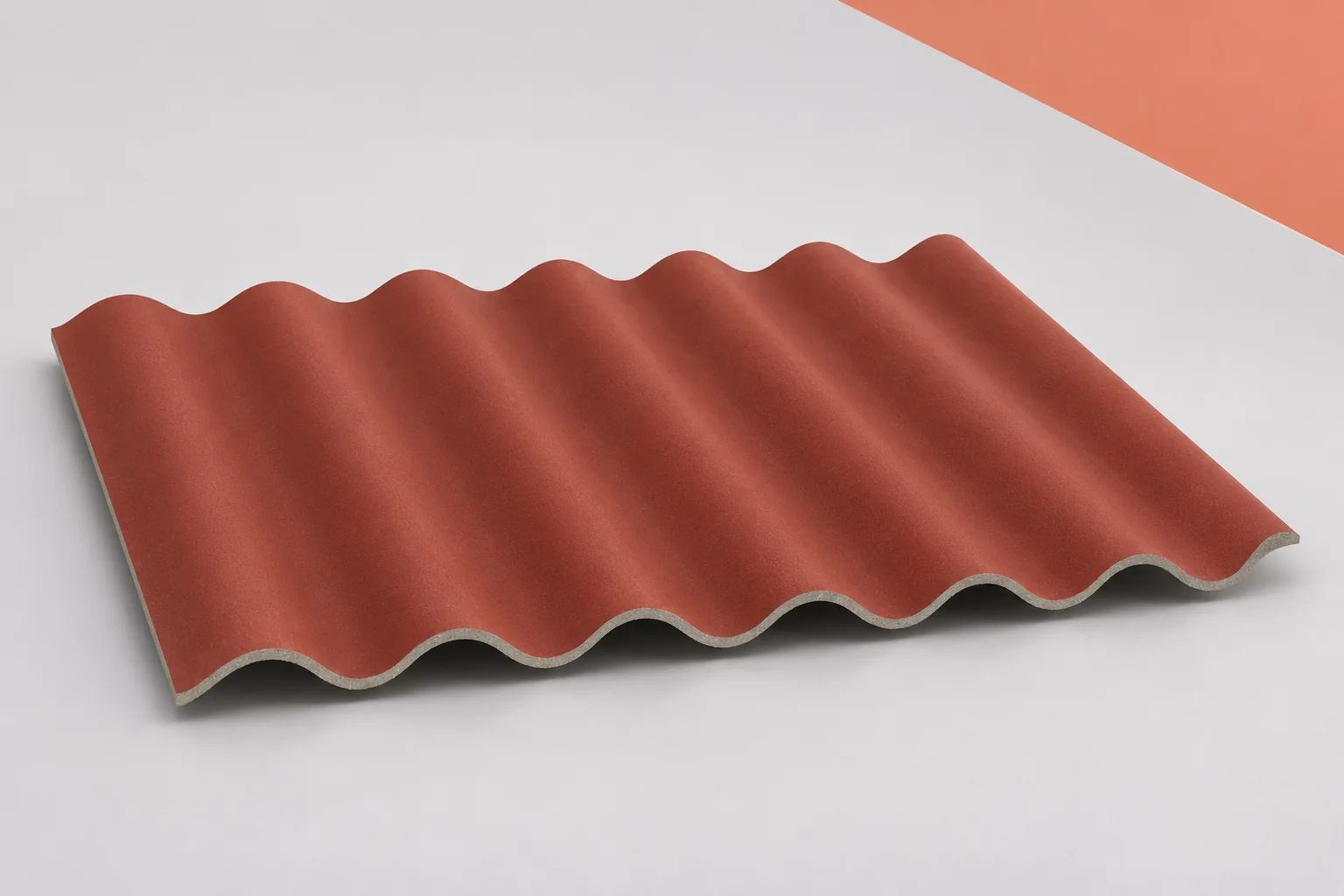
Wind forces vary across a large roof. The corners, edges, height of the building and openings in its walls all influence the…
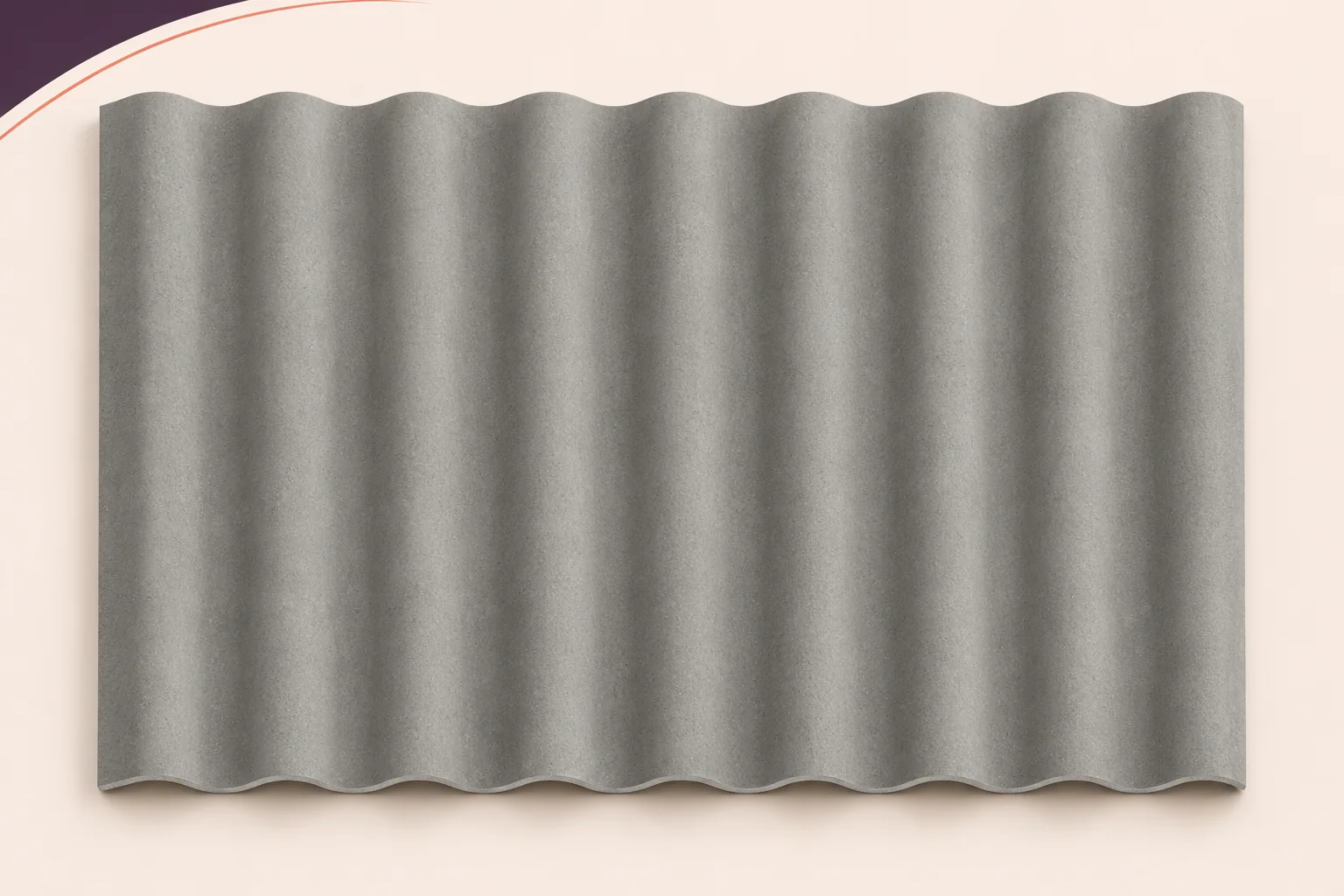
Corrugated fibre-cement sheets and insulated sandwich panels can both roof an industrial building. They provide different parts of the roof assembly. Fibre…
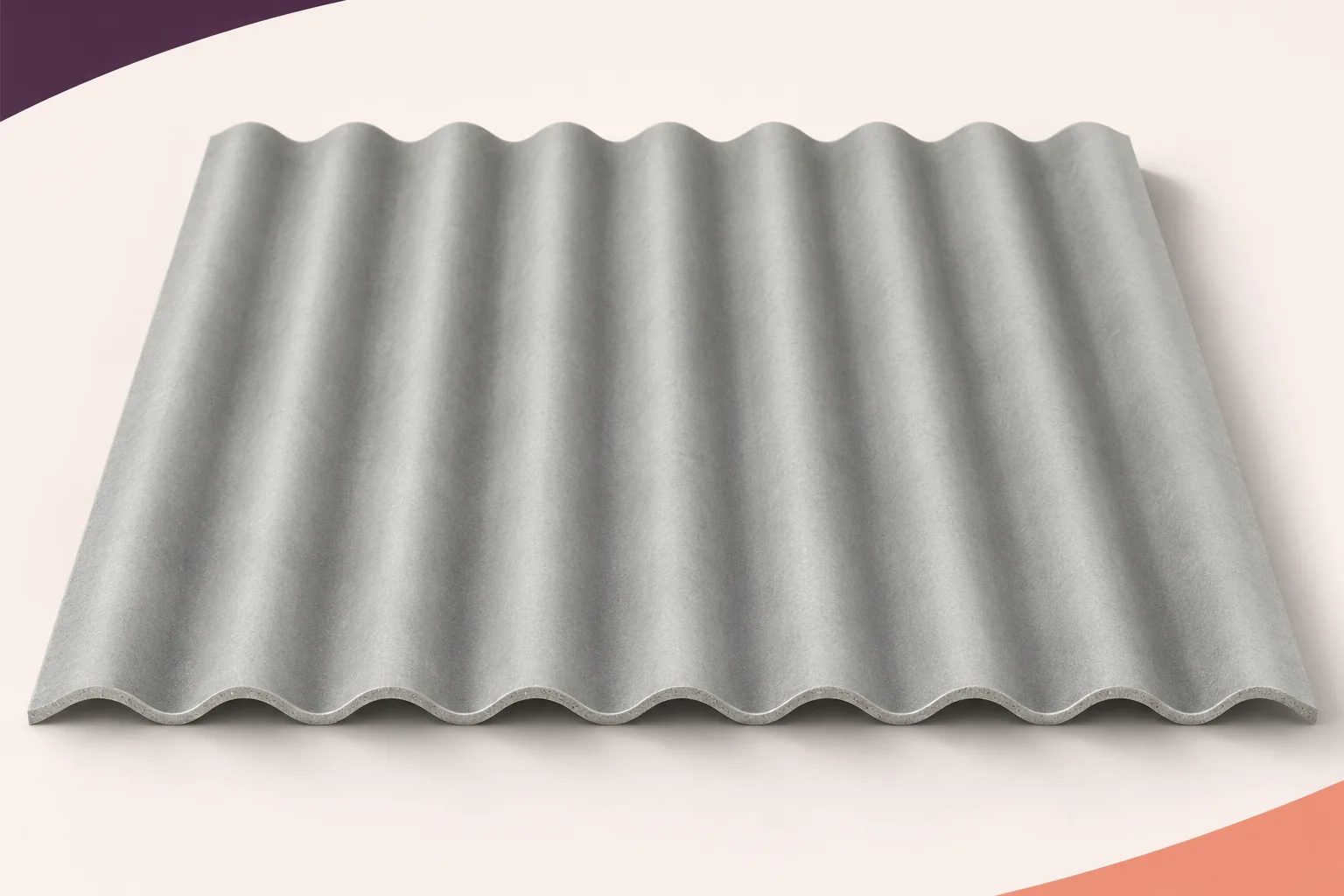
An extension changes the shape of an industrial roof, the way it drains and the loads it may experience. Survey the existing…
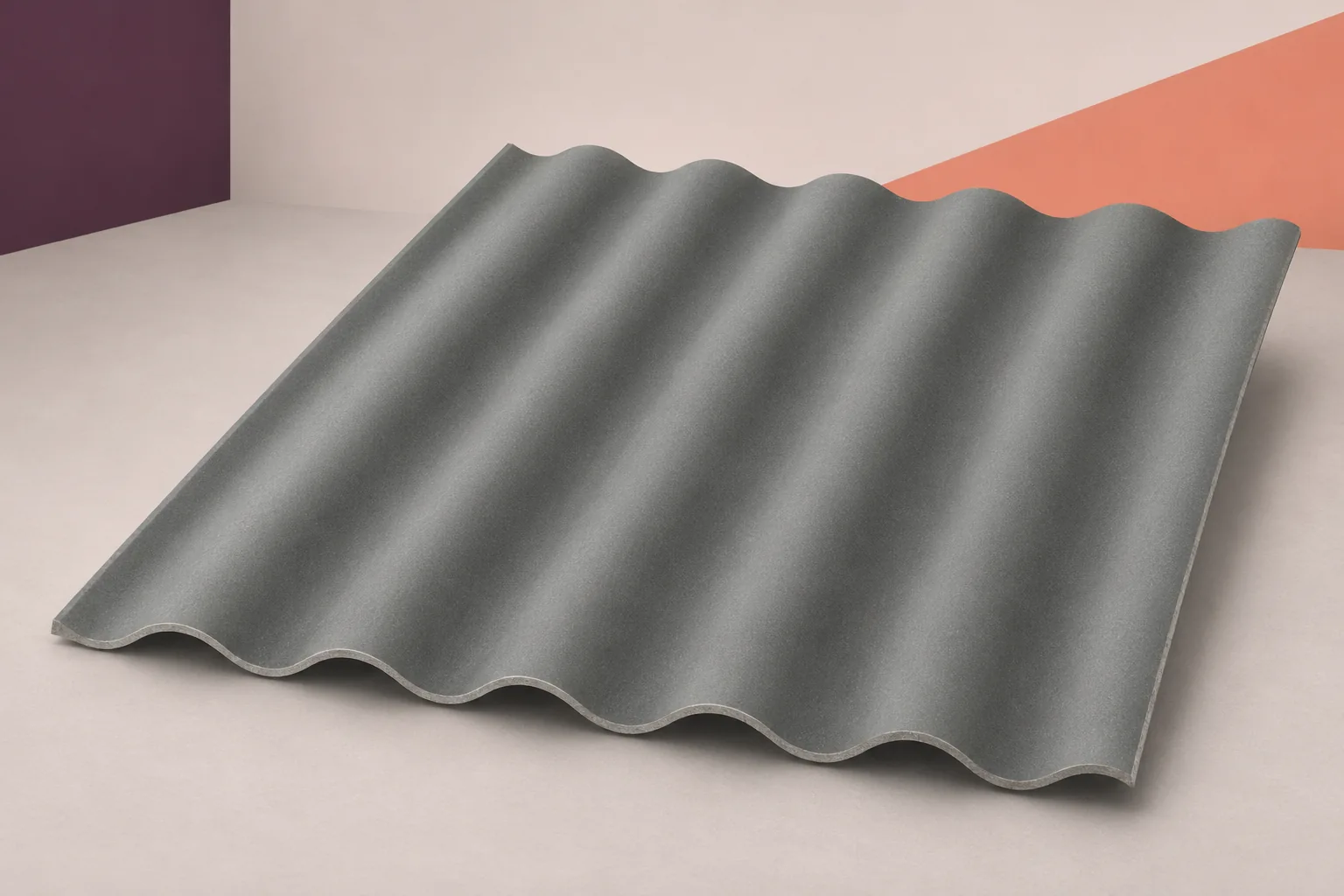
An unheated warehouse needs a roof that protects its stock from rain and stands up to the weather. Corrugated fibre cement can…
A roof sheet’s reaction-to-fire classification describes a particular product. Assess the fire resistance of the roof assembly separately, taking account of the…