






How do you inspect second-grade 100 mm wall panels at delivery?
Outlet stock and delivery inspection
At a glance
A white panel facing can look pristine in a photograph. Before accepting second-grade 100 mm wall panels, find out why this particular batch was downgraded. The issue may concern appearance, dimensions or another deviation. Ask whether it affects all pieces or just some of them. Match the product documents to the delivery, inspect the ends and joints and identify where each panel can be used on the elevation. Thickness alone gives no assurance of performance. A written description tied to identifiable pieces gives you a basis for deciding which panels meet the project requirements.
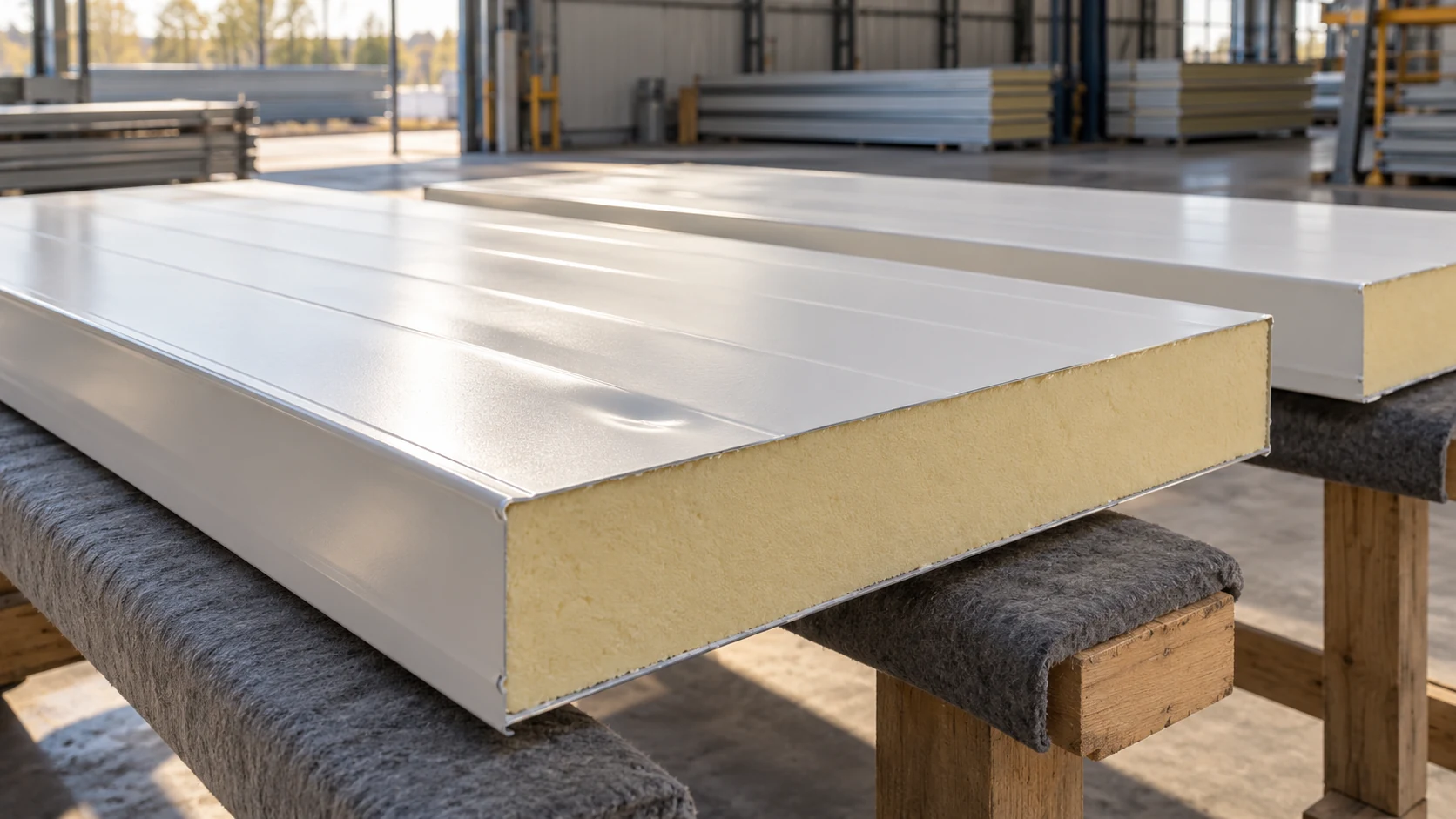
What does second grade mean for this batch?
Identify the product and check that the available documents cover the pieces on offer. A wall panel of the same thickness may have a different core or facings from those specified. Without those details it is difficult to judge suitability, even where no surface damage is visible.
How should you inspect the facing in good light?
View the facing from several directions, including in oblique light. This reveals dents and variations in flatness. Protective film can give misleading reflections. Agree how to inspect representative areas while protecting the rest of the batch.
Distinguish dirt, superficial scratches and damage through the coating. Record depth and position. Agree the method and extent of any repair. An unsuitable touch-up paint may give poor appearance or inadequate long-term protection.
Why inspect ends and joints separately?
At the ends, inspect the facings, core and their bond. Look for crushing during handling. Check joint edges and profile geometry where adjacent panels will engage. Damage there can prevent assembly even if the centre of the panel looks good.
Avoid forcing deformed edges into position. Investigate suspected delamination or substantial damage and set a doubtful piece aside for assessment. A trial fit can reveal a joint problem but cannot confirm performance or suitability for the intended application.
Where could an accepted blemish go on the elevation?
Mark each panel on a simple elevation drawing. An accepted cosmetic defect can then be placed in a less prominent position, provided laying direction and joint compatibility are maintained. Check before reversing or turning a panel.
Account for cuts at openings and wall ends. If the damaged zone can be cut away, show it on the cutting schedule and measure the usable remainder. This gives a realistic usable quantity before accepting the batch price.
What belongs in the delivery inspection record?
Record quantities, dimensions, batch identification and deviations. Photograph the whole panel and the defect close up, linking both to its schedule number. Identify pieces accepted, held for clarification and outside the order. A single photograph of a stack cannot do this.
Distinguish previously accepted deviations from transport damage. Check the agreed procedure for nonconforming goods and the scope of the warranty. Outlet terms vary. A clear record shows whether the delivery matches what was agreed.
Keep the pack reference for every piece. If the same flaw appears further down the pack, this lets you identify the remaining panels that need checking.
When does an outlet batch stop saving money?
Add sorting, necessary repairs and unusable material to the purchase price. If the batch is short of suitable pieces, check replacement availability before buying. Another batch may differ visibly in colour, and incompatible joints may prevent installation.
Decide on a particular set of panels for a particular wall. A saving is meaningful once suitability and preparation costs are known. If the core, facings or joints are in doubt, obtain an assessment before accepting the defect.
Questions and answers
Does second grade always mean a minor scratch?
No. Check the stated reason for downgrading against the actual batch. Inspect joints, ends and the panel bond as well as appearance.
Can damage be hidden under a flashing?
Only if the defect is technically acceptable and the detail can still function correctly. A flashing cannot restore the damaged panel’s capacity, bond or seal.

Free quote
What to include in your enquiry
Tell us how you plan to use the material, the dimensions and the quantity you need. Include the thickness, grade or variant name, along with the delivery town or your preferred collection branch. For a specific product, add its name or a link to the product page. We will reply to the email address you provide to discuss availability and the terms of your order.

Read next
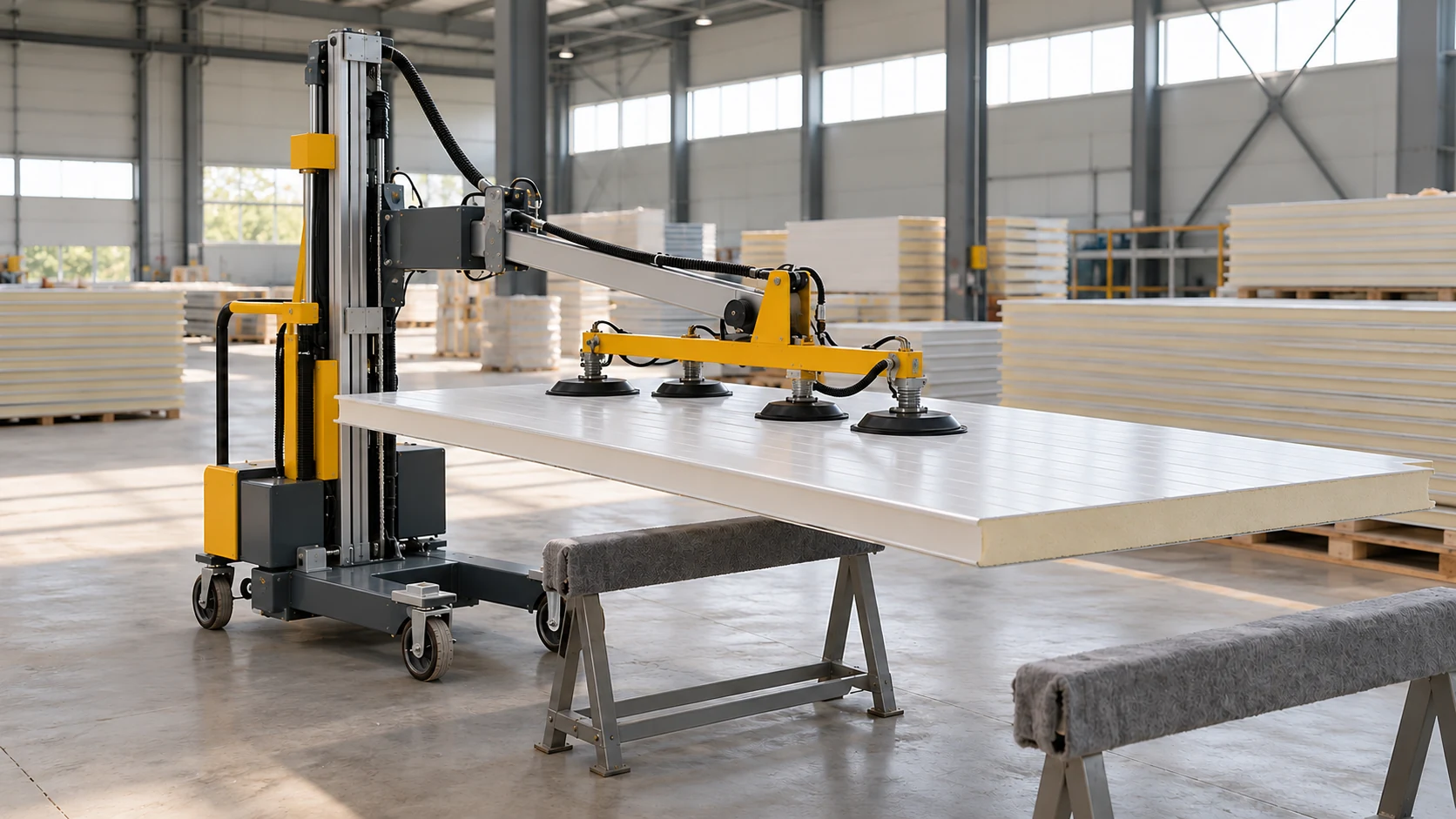
A rate per square metre may cover fixing the panels alone or much of the work on the building envelope. Before choosing…
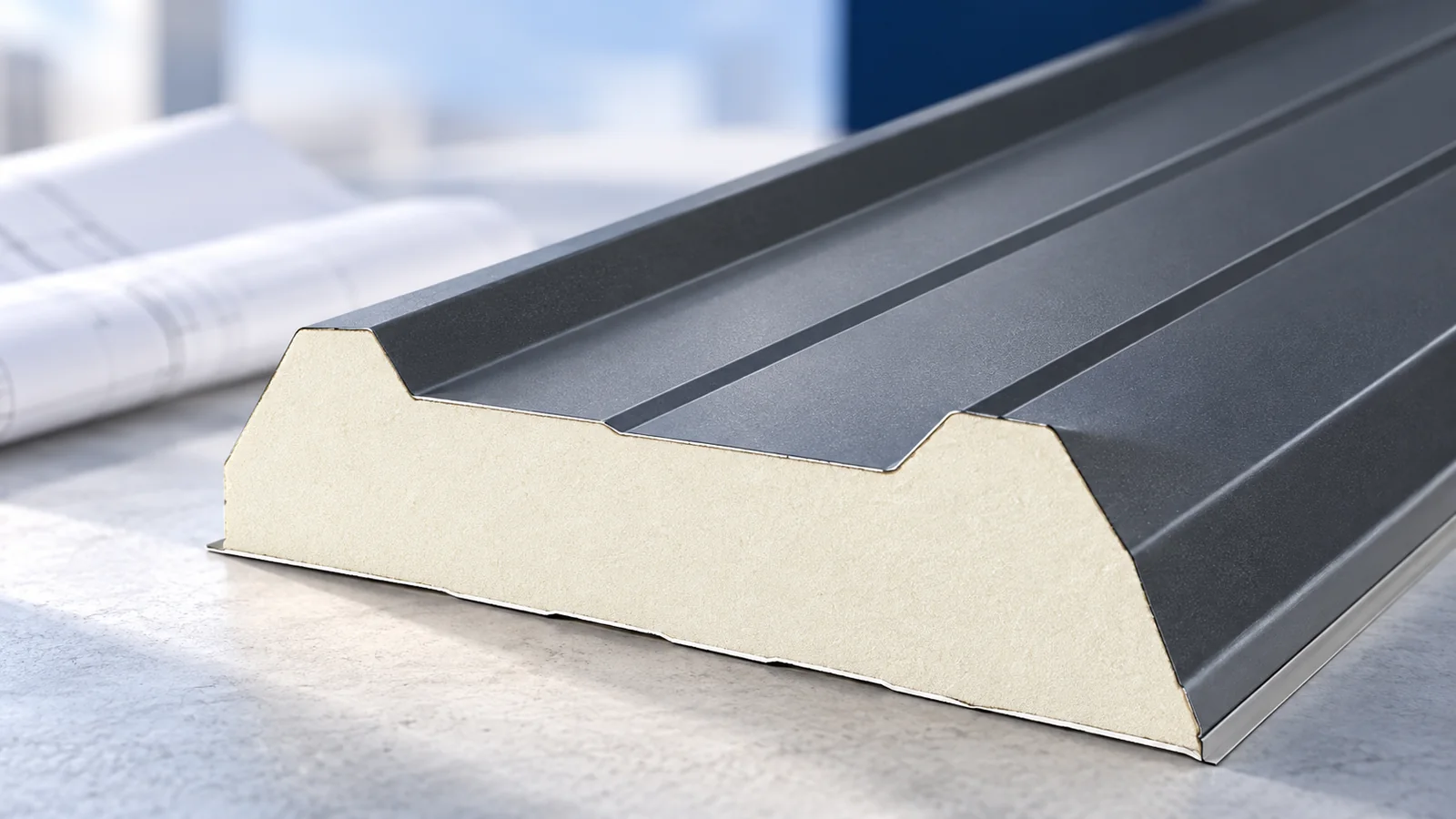
A sandwich roof panel combines the weathering sheet, insulation and inner face in one factory-bonded unit. It can close a heated garage,…
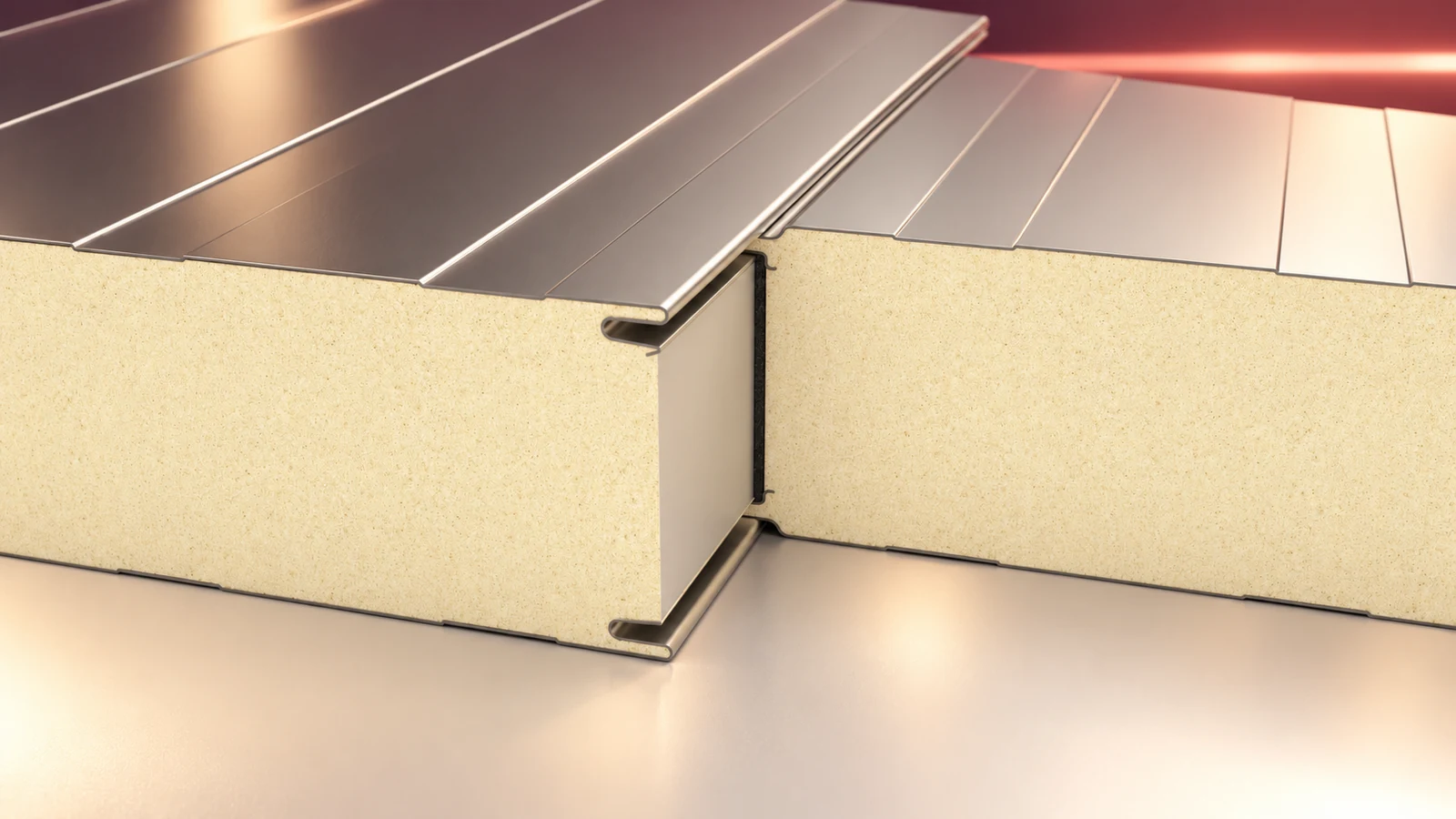
Sandwich panels are factory-bonded building elements whose facings and insulating core work together. Suppliers offer different cores, thicknesses, coatings, cover widths and…
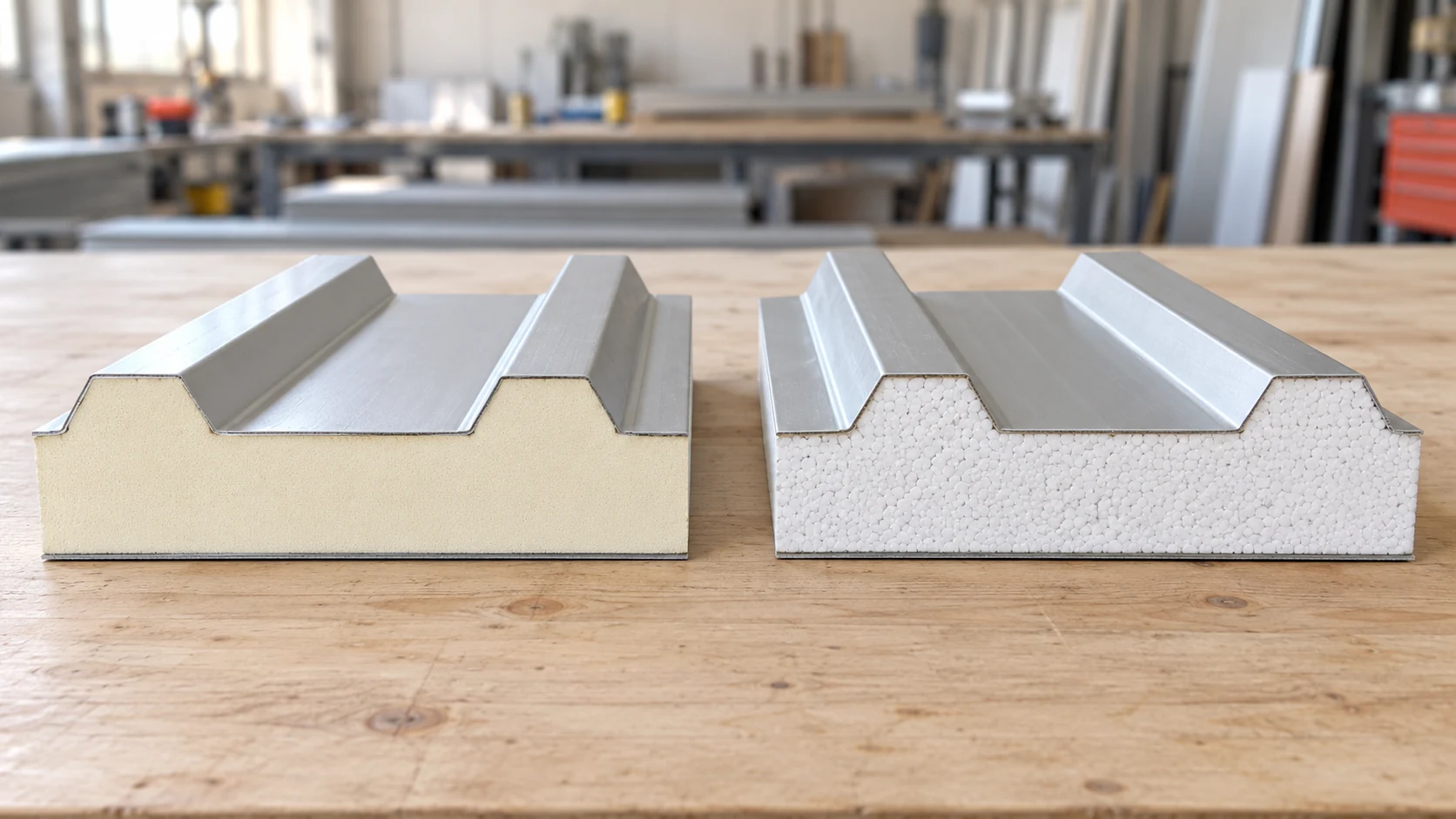
Compare PIR and EPS roof panels against the same design brief. Set the required U-value, loads, fire performance and exposure conditions, then…
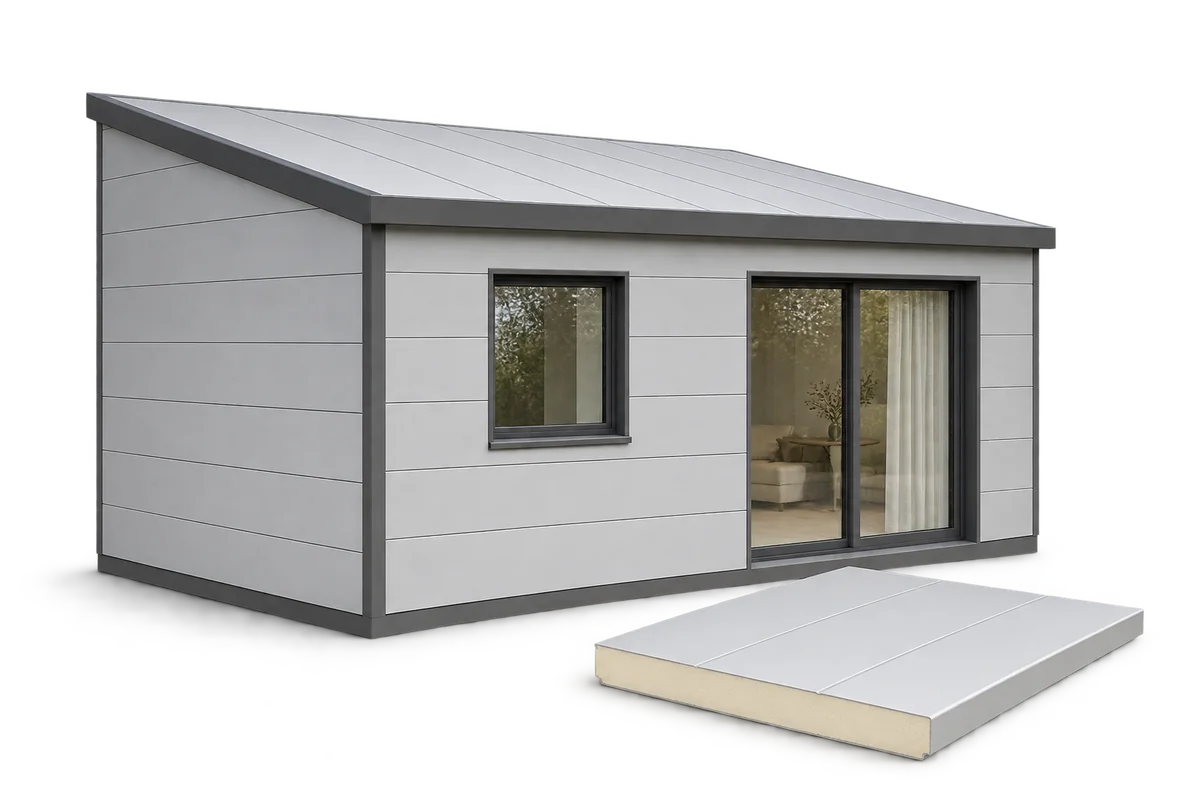
Sandwich panels can form the walls and roof of a home, but the panels alone do not make a complete building system.…
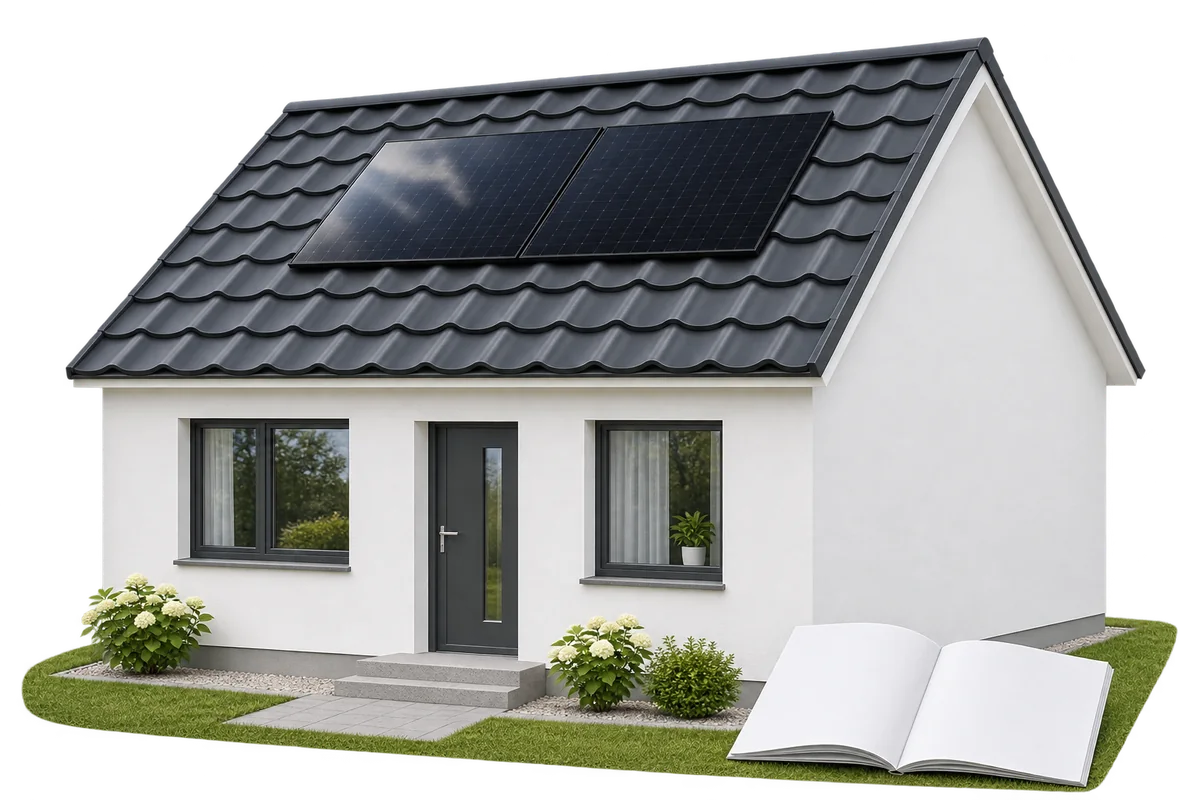
The instructions for your roof covering tell you where PV mounts may be fitted, how to seal penetrations and how to protect…
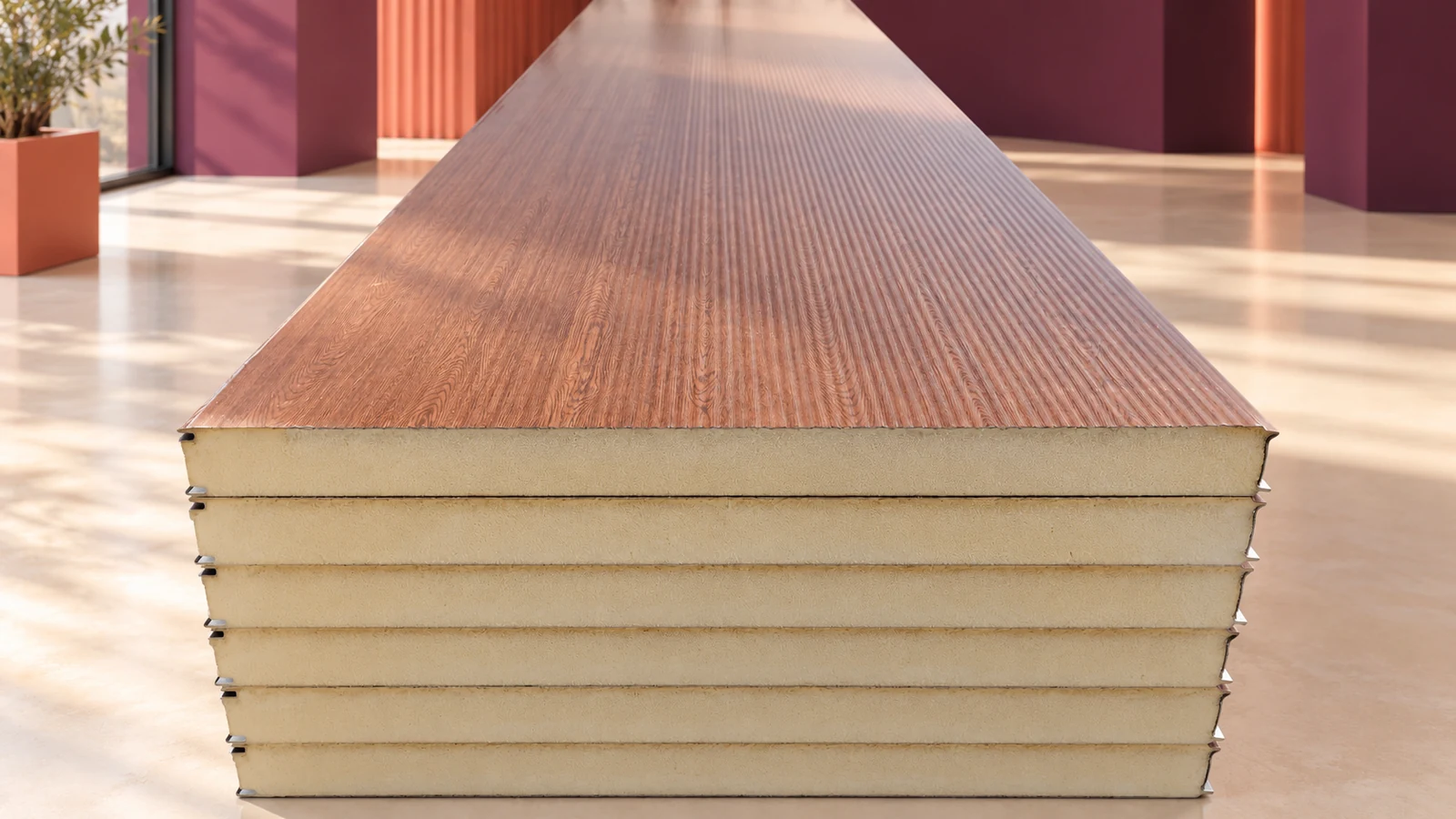
A wood-effect sandwich panel gives a metal-faced insulated element the appearance of timber. The finish alone says little about thermal performance, fire…
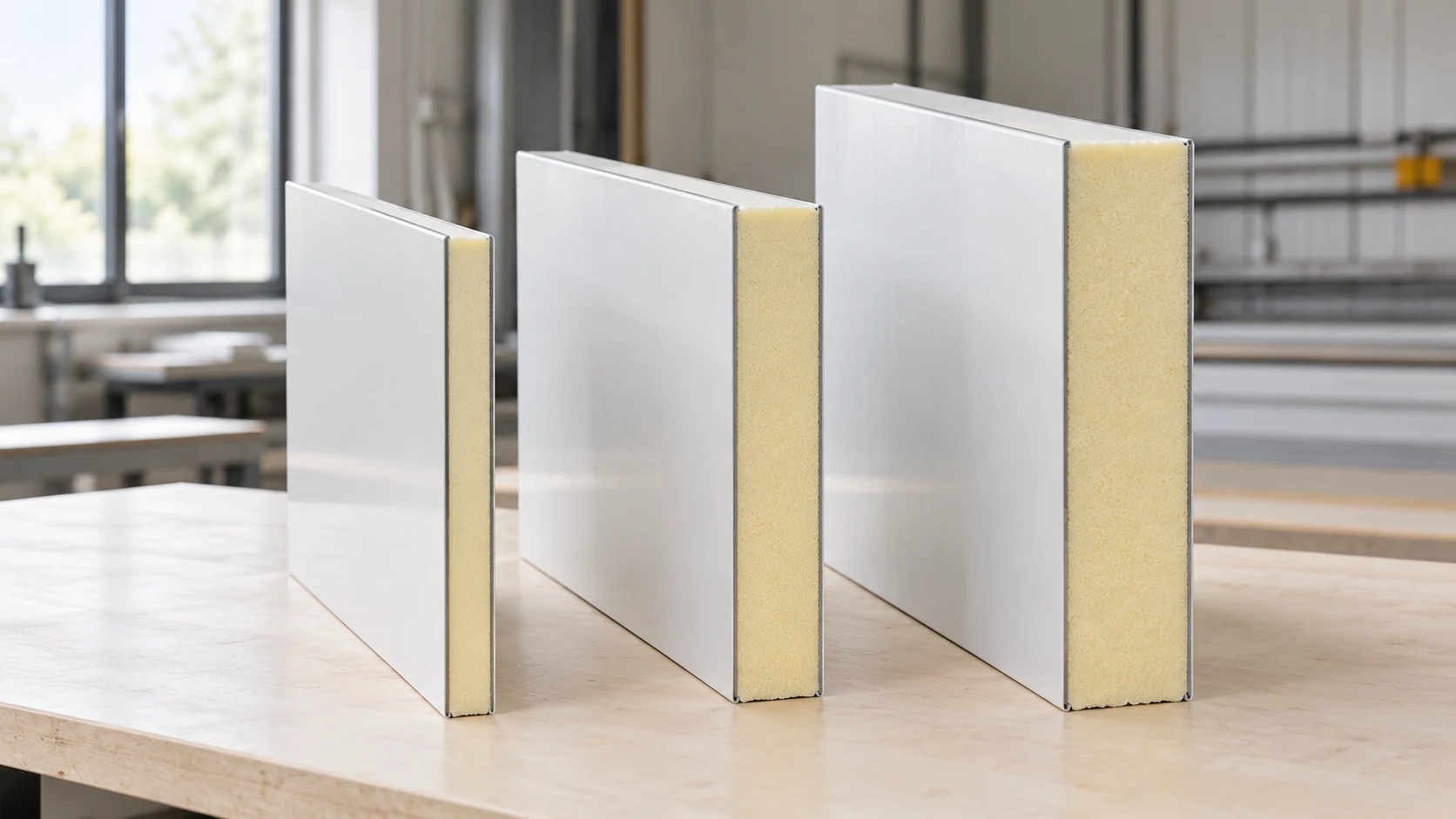
A quotation is useful when the price can be traced to a particular panel and quantity. Different cores, facings and fasteners can…
