How to trace and repair a leak in a metal roof
Repairs and maintenance
A stain on the ceiling tells you where water ended up, but rarely proves where it came in. Note whether it appears after wind-driven rain, during a thaw or even on dry days. That distinction helps a roofer decide whether to trace rain past a lap, flashing or fixing, or investigate moisture condensing beneath a cold sheet. Protect the interior first. The right repair might be a replacement washer, a rebuilt junction or a new sheet; in some cases the inner layers need attention instead. Choose a tape or sealant only once the fault and its location are clear.
Does the stain show exactly where the roof leaks?
Water can travel along underlay, a batten or a structural member before it drips. Keep a record of the weather when the stain appears, including wind, rain or melting snow. This can narrow down the search and spare you the cost of sealing joints all over the roof without evidence.
Look for tracks inside the loft if you can reach it safely. Do not start stripping out wet layers without a repair plan. Leave the external inspection to a roofer with fall protection. During a downpour, protect the room and its contents; do not step onto wet sheet metal to look for the leak.
How can you distinguish a leak from condensation?
Condensation can leave droplets across several areas on the underside of cold metal. Possible causes include humid indoor air, leaks in the inner lining or insufficient drying. This pattern differs from water entering at a single hole. Covering the nearest visible joint may make no difference.
An anti-condensation backing can hold some moisture and release it later, provided it can dry. It does not replace insulation or a design that accounts for moisture movement. In a heated loft, assess all the layers, including joints in the vapour control layer at walls and windows.
What should be checked at screws and holes?
A fixing may be loose, seated at an angle or fitted with a damaged washer. Overtightening can also cause leaks, so do not simply tighten every screw. For a replacement, check the hole, the supporting material and the approved fixing. The repair must restore both the attachment and the seal.
Assess abandoned holes from old equipment separately. A small local repair may be possible; a larger opening can require a designed repair or a replacement sheet. Sealant poured into a hole may not withstand thermal movement, and any repair material must be compatible with the coating.
How are laps and flashings repaired?
Check the geometry of the joint and the direction of runoff first. A reversed lap, inadequate pitch or incorrectly shaped detail may require part of the covering to be lifted. Neither tape nor sealant changes the direction water flows. Reinstate the detail specified for the roofing system.
Give the chimney, valley, ridge and wall abutments particular attention. Position seals where the system drawings show them. Keep drainage paths and ventilation openings clear. Smearing a thick layer over the surface can hide ongoing damp and make the next inspection more difficult.
How do you choose a sealing tape or compound?
Check compatibility with the sheet finish, suitability for outdoor exposure and the required surface preparation. Sunlight, temperature and movement at the joint all affect selection. A product intended for indoor use or a different substrate may fail. Use a sealing method approved for the detail in question.
Prepare the surface as the manufacturer directs. Dirt, loose paint and moisture can reduce adhesion. Some products need a primer or a specified application pressure. The repair’s function and exposure should determine the choice, rather than tape width or sealant colour alone.
When should the damaged part be replaced?
Replacement can make sense where corrosion has perforated a sheet, damage is extensive or a section is too distorted to form a reliable joint. The same applies to a flashing folded to the wrong shape. Repeated patching can cost more than replacement. Repair any damaged substrate before fitting new metal.
Check the replacement profile drawing, effective cover width and coating. A label such as T18 or “modular tile-effect roofing” alone does not establish a match. New sheets may also differ in shade from the weathered roof. Plan removal so the adjacent laps and underlay remain intact.
How do you check that the repair worked?
Clear away swarf, waste and surplus sealing material when the work is finished. Photograph the repaired areas and record what was done. Let the contractor choose a suitable method of checking for leaks. A jet of water aimed up beneath the laps does not reproduce normal rainfall.
Check that wet layers are drying and assess insulation that became soaked. Stopping new water from entering does not dry a loft immediately. If damp returns, reopen the investigation before adding more sealant. A lasting repair removes the cause and leaves the detail accessible for future checks.

Free quote
What to include in your enquiry
Tell us how you plan to use the material, the dimensions and the quantity you need. Include the thickness, grade or variant name, along with the delivery town or your preferred collection branch. For a specific product, add its name or a link to the product page. We will reply to the email address you provide to discuss availability and the terms of your order.
Read next
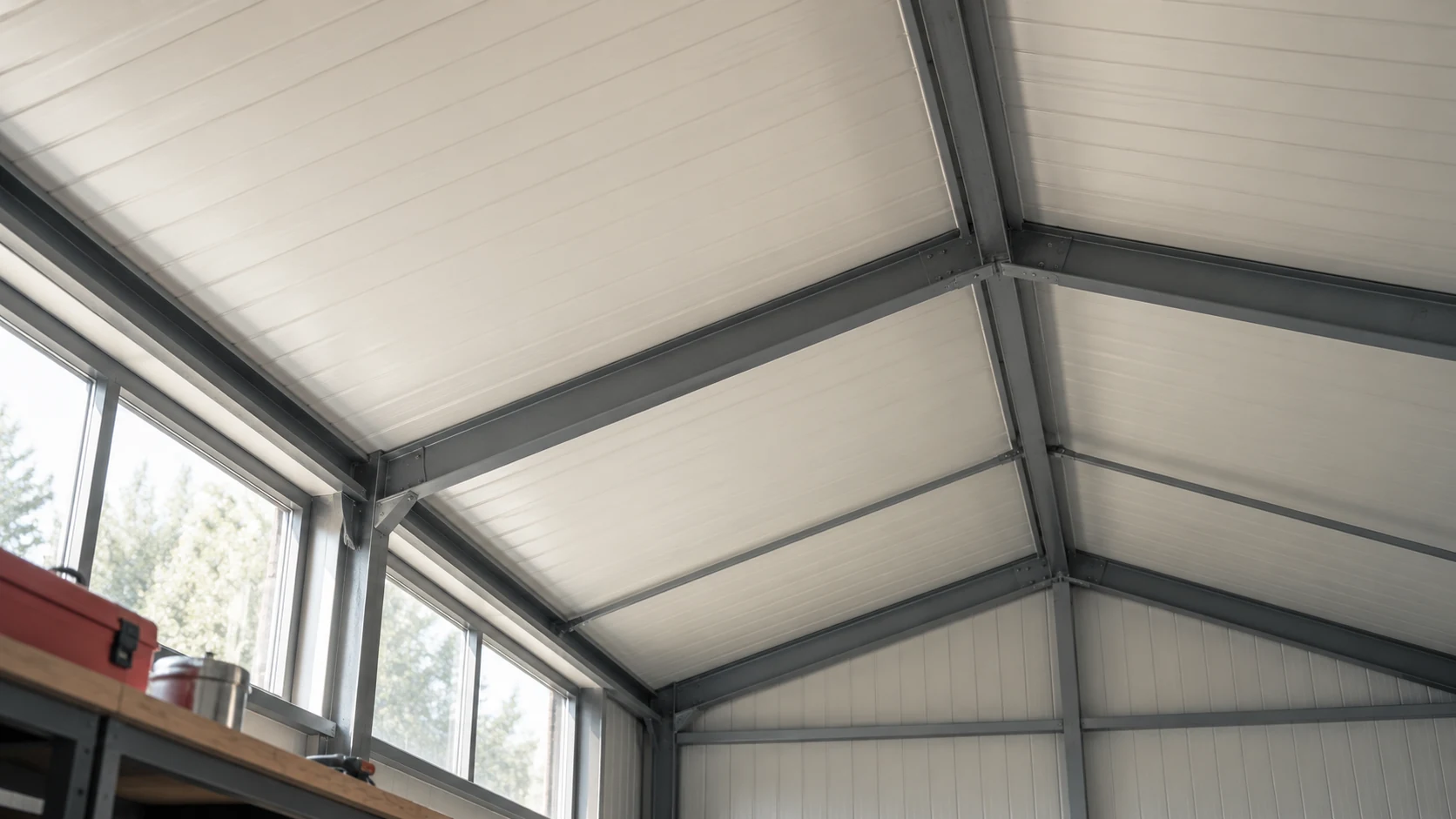
Extra insulation below a sandwich panel roof can reduce heat loss, but it also changes the temperature of the panel’s inner facing.…
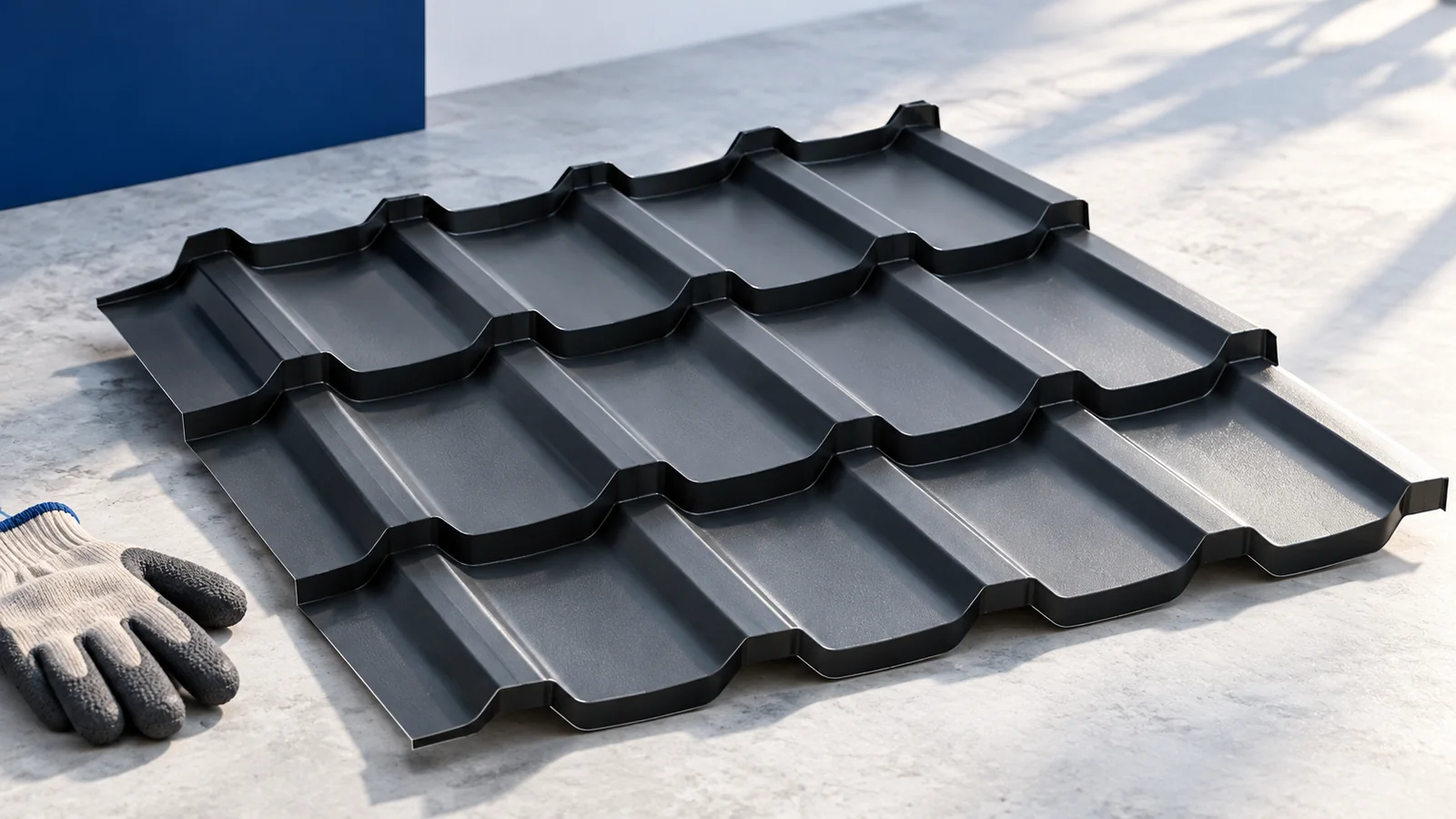
Metal roofing can reduce the weight the covering adds to a roof and gives the designer a choice of profiles, finishes and…
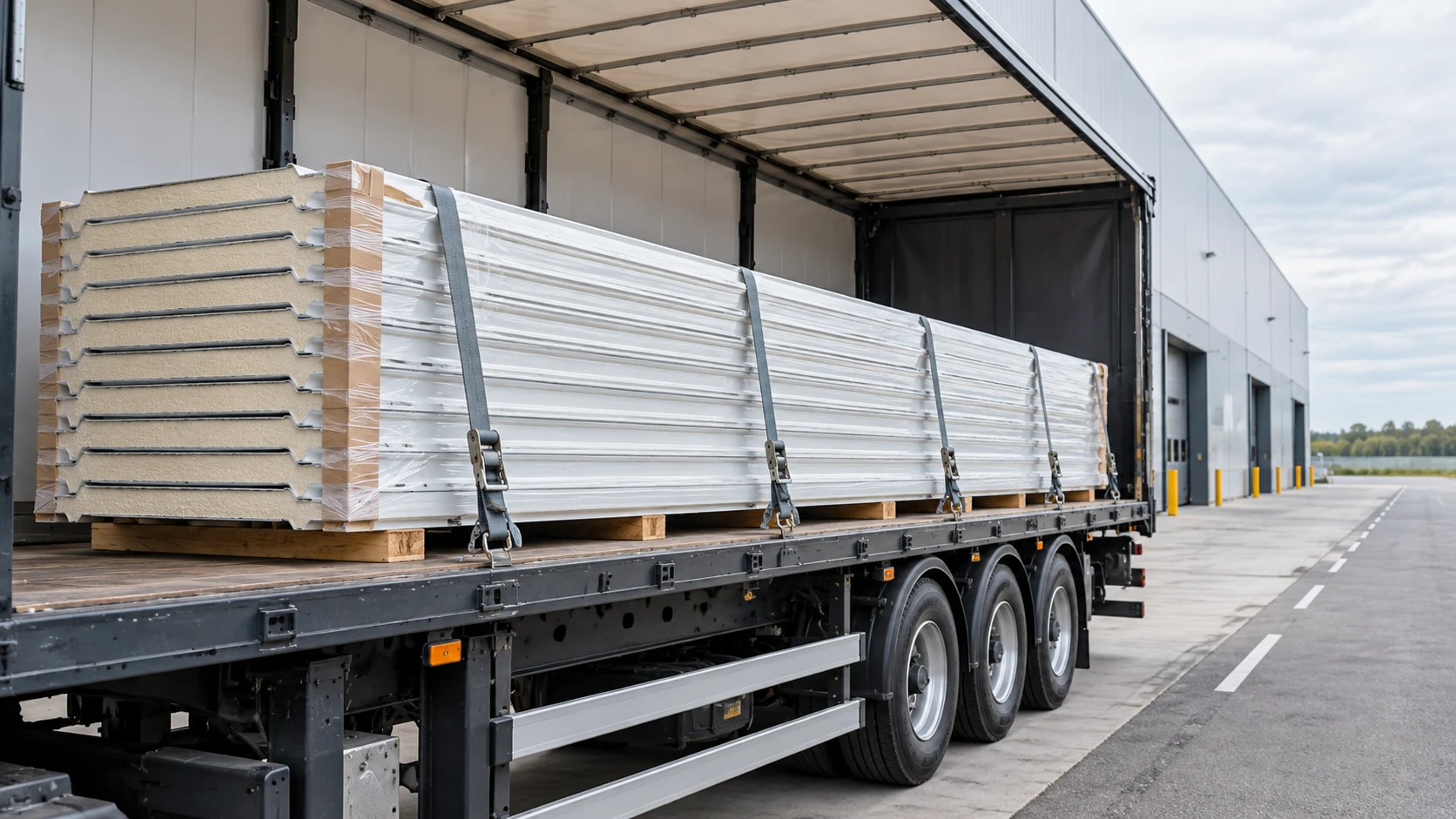
Stock roof panels are available in specific lengths and quantities. Before reserving a batch, measure the slope from the ridge detail to…
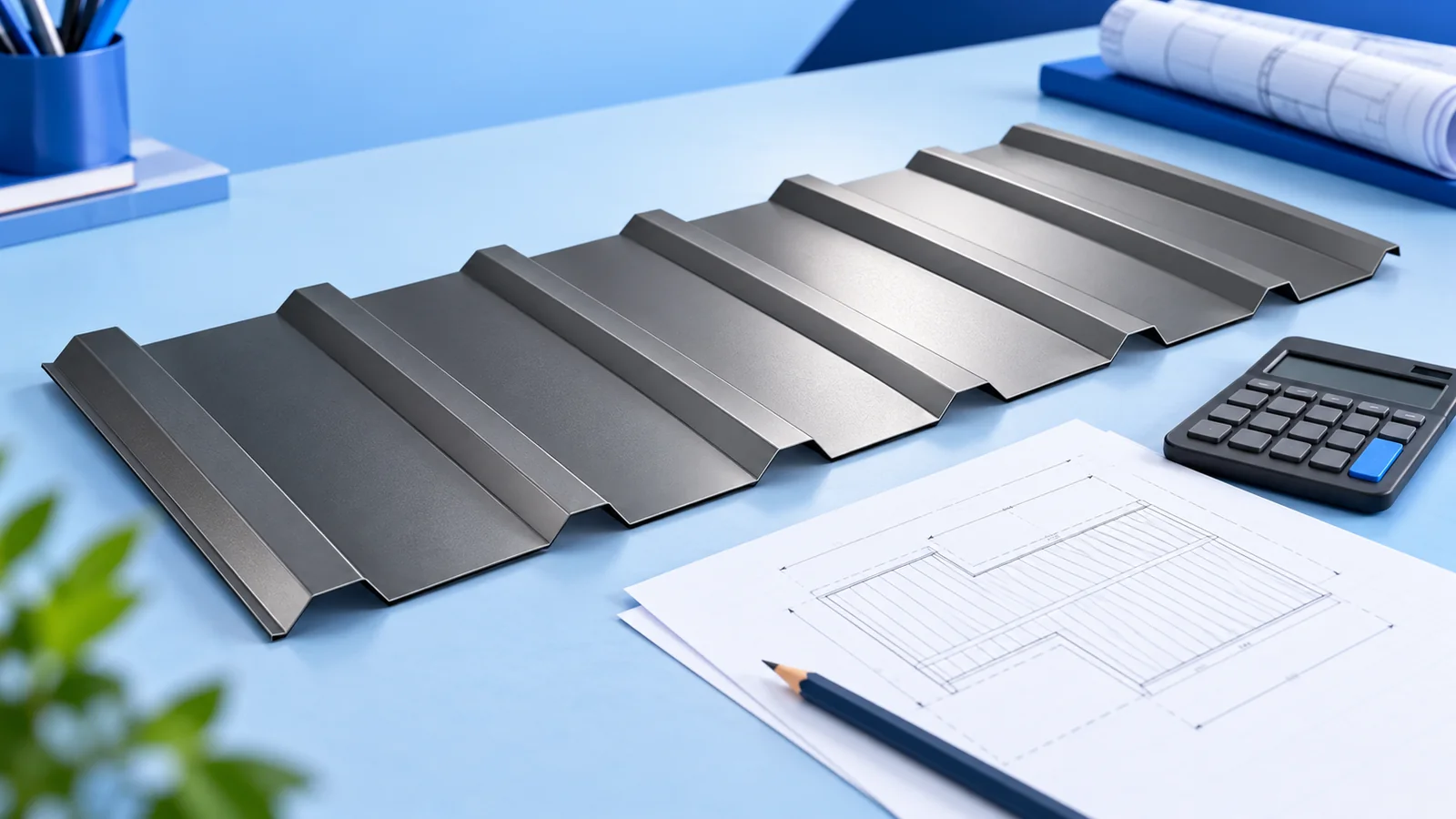
To budget for a roof, start with the sloping area on the drawings and work out how many sheets the layout requires.…
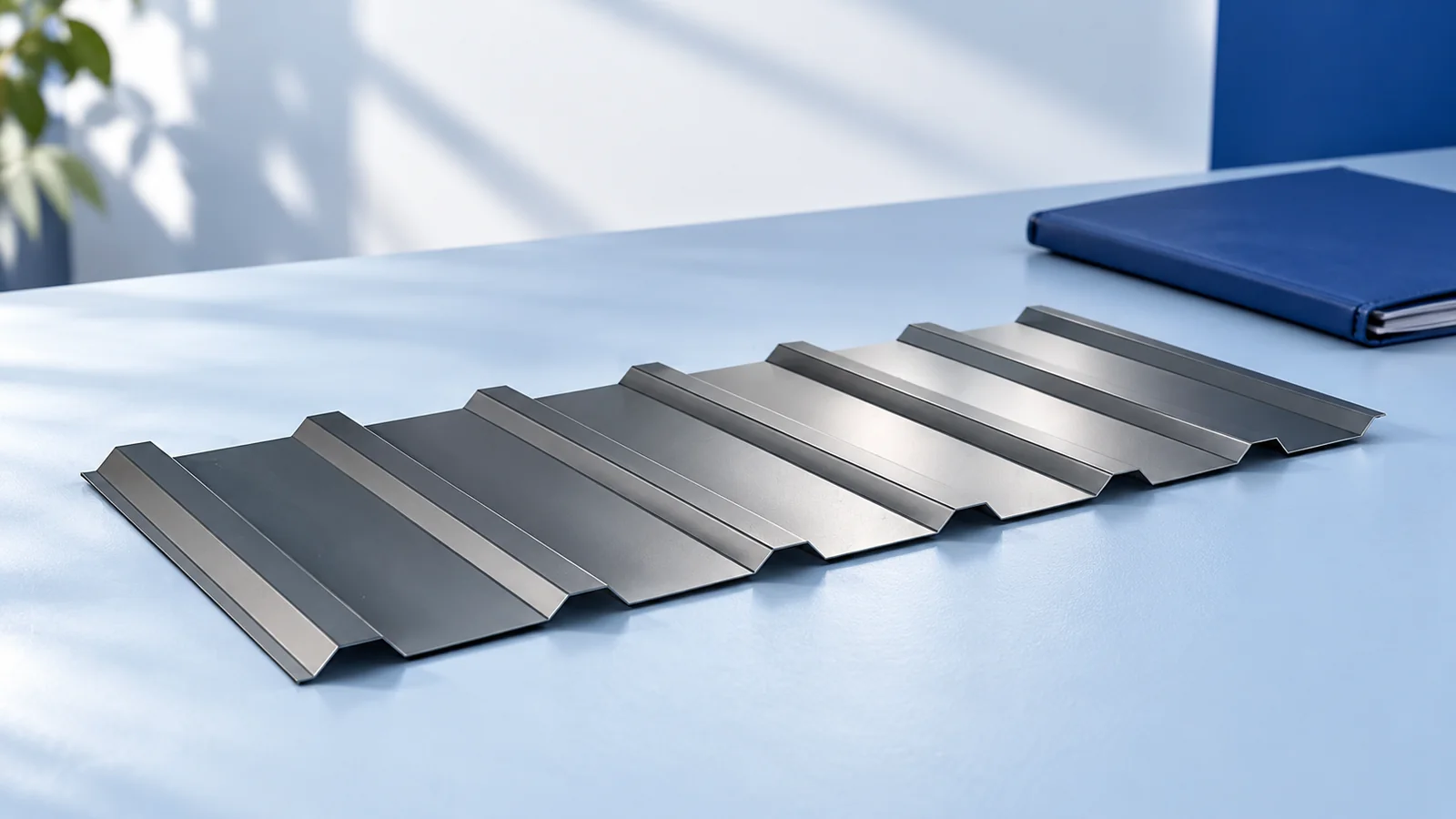
A roofer lays the covering and forms the joints and flashings that carry rainwater away. Who supplies the fittings, fits the gutters…
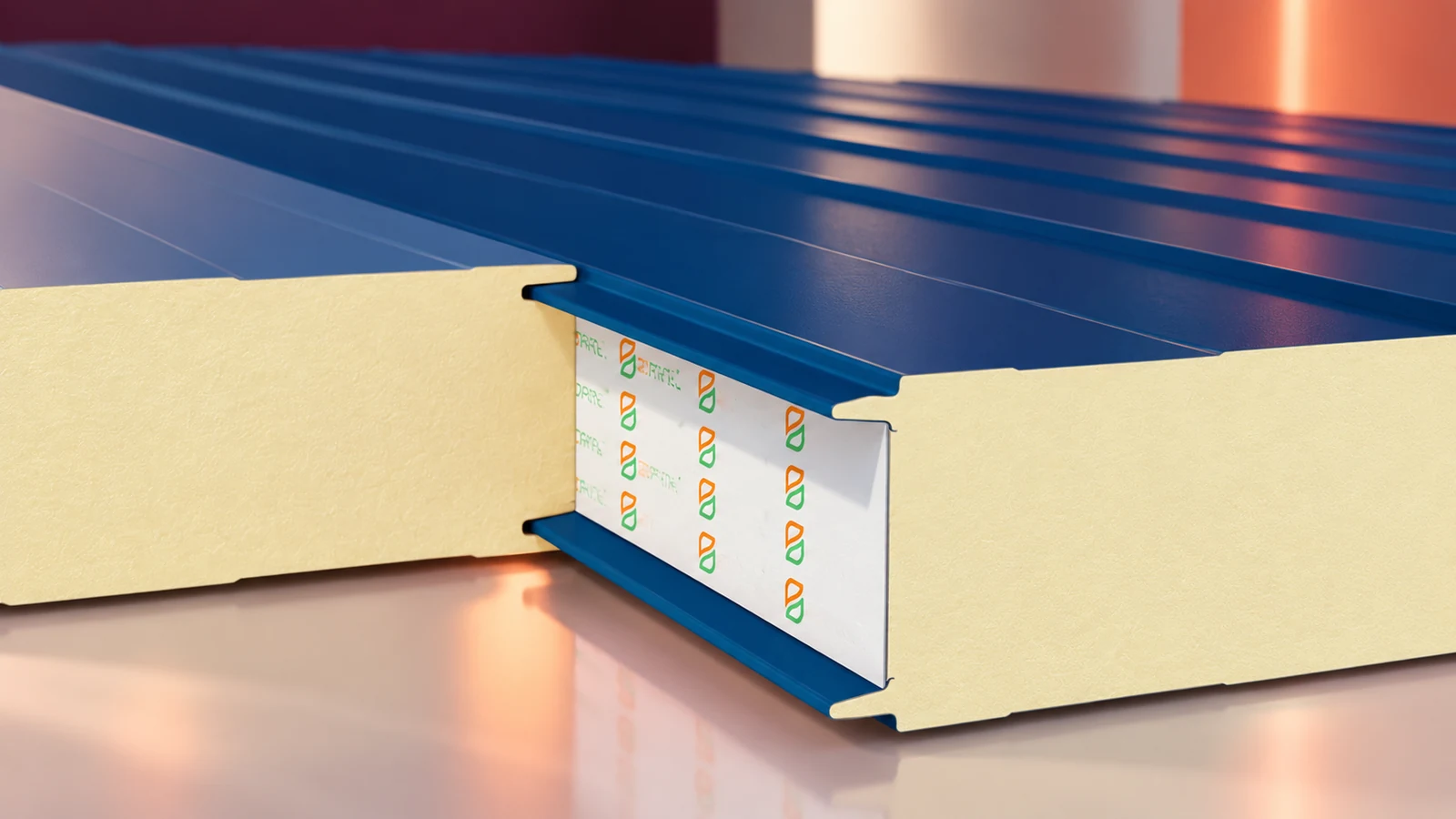
PIR sandwich panels are factory-bonded elements with an insulating core and metal facings. They are made for walls, roofs and specialist enclosures…
Recyclability tells you what might happen to a steel sheet after removal, not the environmental impact of the roof over its life.…
Compare the weight of the proposed coverings per square metre of finished roof, then ask whether the roof structure can carry the…