






Can a metal roof reduce a building’s environmental impact?
Structure and installation
Recyclability tells you what might happen to a steel sheet after removal, not the environmental impact of the roof over its life. To compare two coverings, work out how much material each needs for the same roof, including laps, offcuts and any additional layers. Consider deliveries, coating durability, maintenance and whether a damaged section can be replaced locally. If you use environmental product declarations, compare equivalent units and life-cycle stages. Heat loss is a separate question: it depends on the insulation, airtightness and junctions of the complete roof.
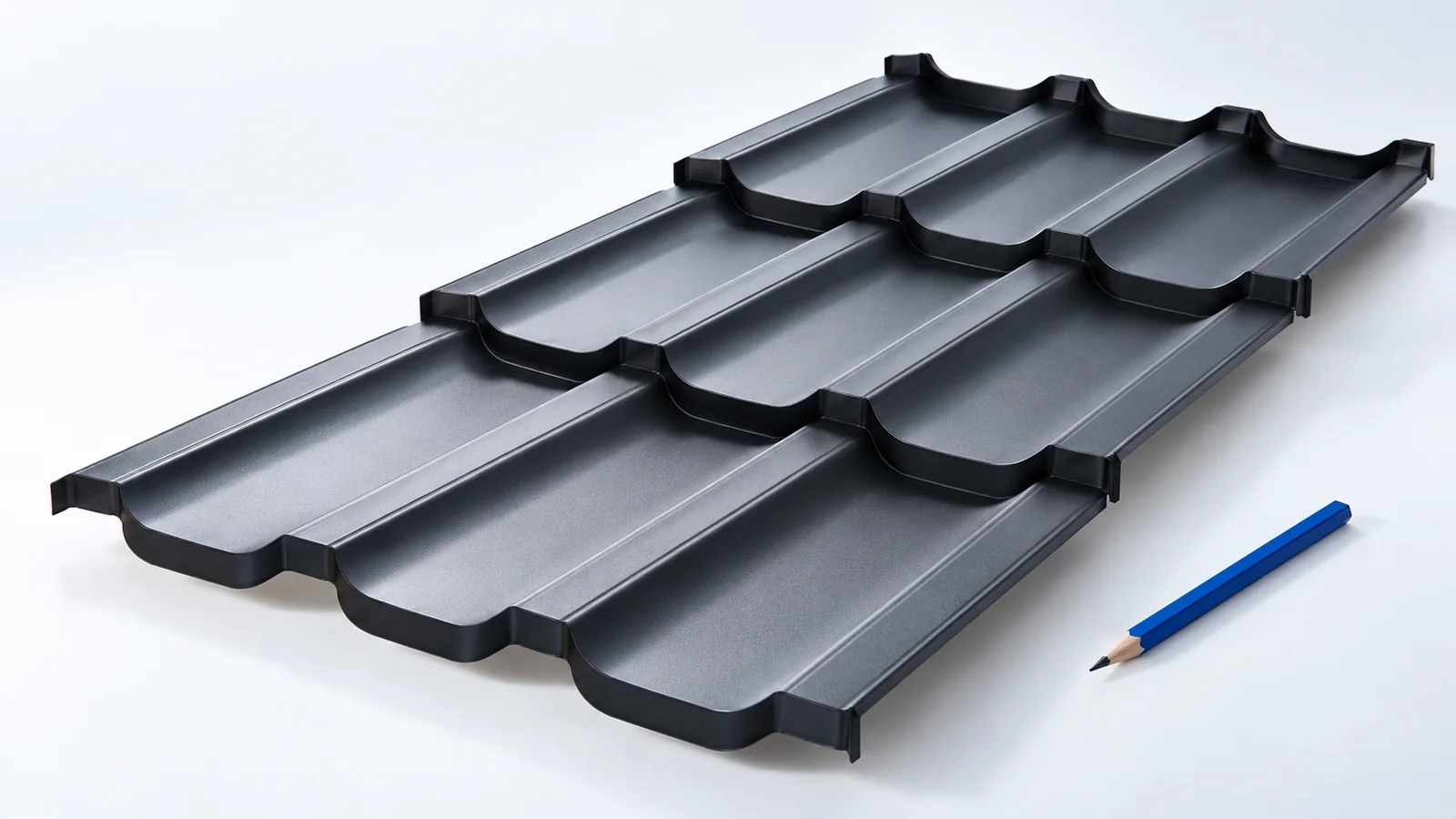
What counts besides recycling?
Making steel and applying coatings takes energy and raw materials. Transport, installation and maintenance add further impacts. At the end of service, dismantling and separating the materials also matter. The fact that steel can be recycled describes only one part of that sequence.
Use product-specific environmental declarations and check their scope, units and assumptions about use. A result for bare sheet cannot be compared directly with one for a complete insulated roof. A difference may reflect the calculation boundaries rather than a better-performing material.
What difference does low weight make?
Light sheets may be easier to transport and lift, and can help when replacing a covering on an existing roof frame. Look at the whole order, though: multiple small deliveries may diminish the benefit. Coordinate deliveries of sheets, trims and accessories.
Roof weight is not a direct measure of environmental footprint. Producing a kilogram of one material may take different resources from producing a kilogram of another. Leave structural decisions to the designer. A lighter covering is not a reason to remove roof timbers or omit required supports.
Why does the cutting plan matter?
Cut-to-length sheets can reduce trimming on a simple slope. Around numerous valleys and dormers, smaller modules may make better use of the material. Neither format always produces the least waste. Draw the layout and calculate actual consumption for each option.
Distinguish overall sheet area from effective cover: a lap is necessary material, not a supplier error. Surplus ordered without a layout can sit unused for years. Separate waste as you work. Clean steel offcuts are easier to route for recovery than a mixture of metal, film and other construction debris.
Why does service life matter?
Avoiding premature replacement is a practical environmental gain. Coating, exposure, cut edges and workmanship all affect service life. A roof selected only on price may need earlier repairs. Assess the actual conditions of use as well as the advertised warranty term.
Clean deposits, keep drainage clear and repair minor damage to extend useful life. Replacing one part can make more sense than removing an entire slope. Find the fault’s cause first: repainting corroded steel repeatedly without assessing it is not necessarily a sound use of materials.
Does the covering itself save energy?
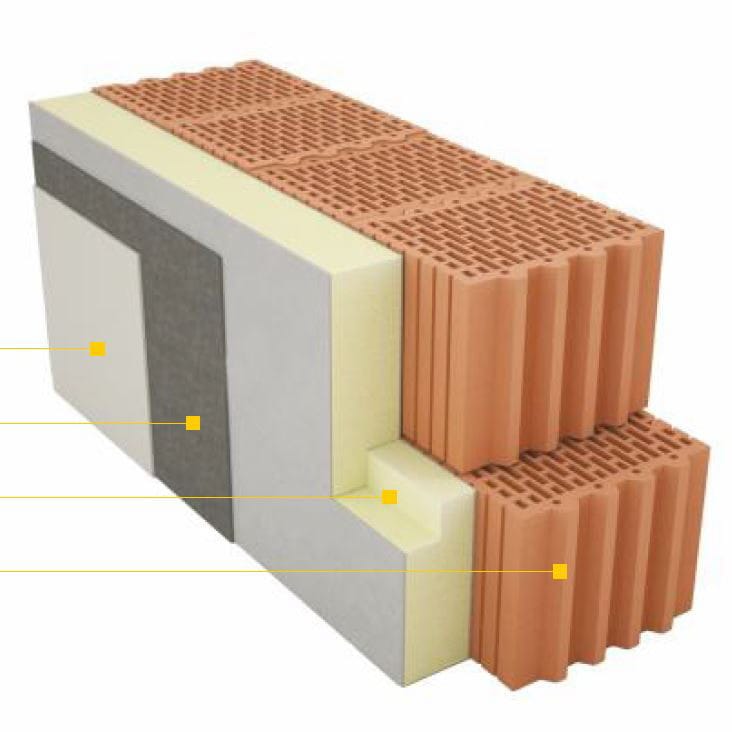
Thin steel sheet is not thermal insulation. Heat loss depends on the roof layers, airtightness and junctions with the rest of the building. Properly installed PIR insulation can provide the required thermal resistance with limited thickness. That benefit belongs to the roof assembly, not the metallic finish.
Adding photovoltaic panels does not remove the need to check structural capacity, fixings and waterproof penetrations. Coordinate installation with refurbishment to avoid lifting new roofing soon afterwards. Select components for the building and their intended use rather than a general energy-saving claim.
How should environmental declarations be read?
An environmental product declaration describes impacts using a stated method and scope. Align units and life-cycle stages before comparing results. A figure per tonne of material is not a figure per square metre of finished roof. Differences in weight and layer count can change the conclusion.
Check whether a declaration covers the actual product or an average for a group. Recoverable steel alone does not establish a smaller footprint. Waste, durability, transport and later replacement all affect the project. Data for those factors are more informative than a claim on the packaging.
How can you make a better-informed purchase?
Ask for product data, documentation and a clear delivery schedule and scope. Specify the thickness, profile and coating the design requires. Plan deliveries and dry storage. Material damaged before installation costs money and may have to be produced all over again.
Before refurbishment, identify what can stay. At the end of use, arrange separate recovery or disposal of the sheet and other layers. A built-up roof contains different materials and should not all be treated as metal scrap. A credible assessment accounts for the full life cycle rather than promising zero impact.

Free quote
What to include in your enquiry
Tell us how you plan to use the material, the dimensions and the quantity you need. Include the thickness, grade or variant name, along with the delivery town or your preferred collection branch. For a specific product, add its name or a link to the product page. We will reply to the email address you provide to discuss availability and the terms of your order.
Read next
A practical roofing course gives installers a chance to set out a slope, form a flashing and check a fixing while the…
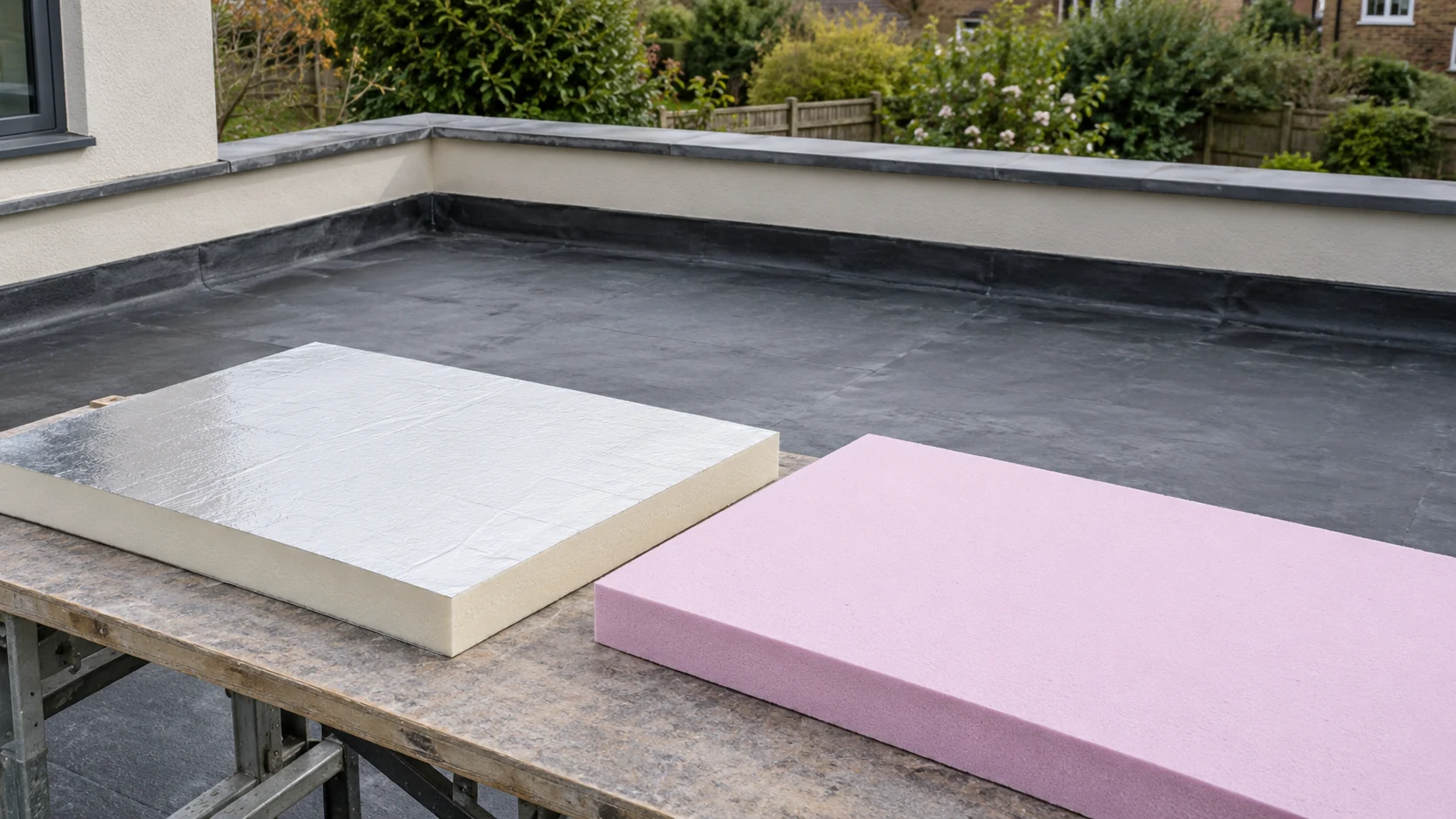
The position of the waterproofing is the starting point for choosing flat roof insulation. On a warm roof the insulation sits below…
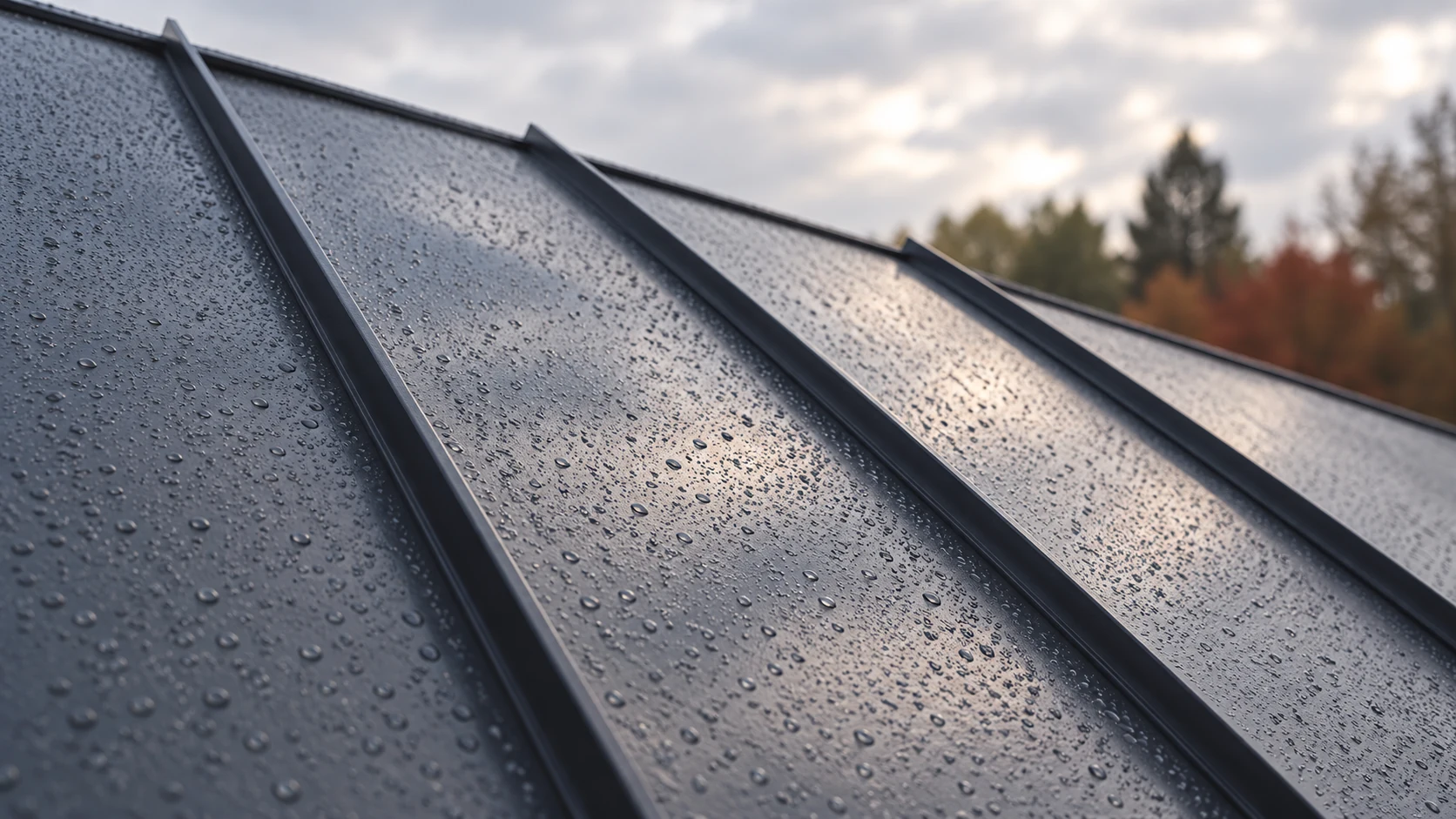
A raised seam keeps the joint between sheets above the main path of runoff. That helps shed water, but does not guarantee…
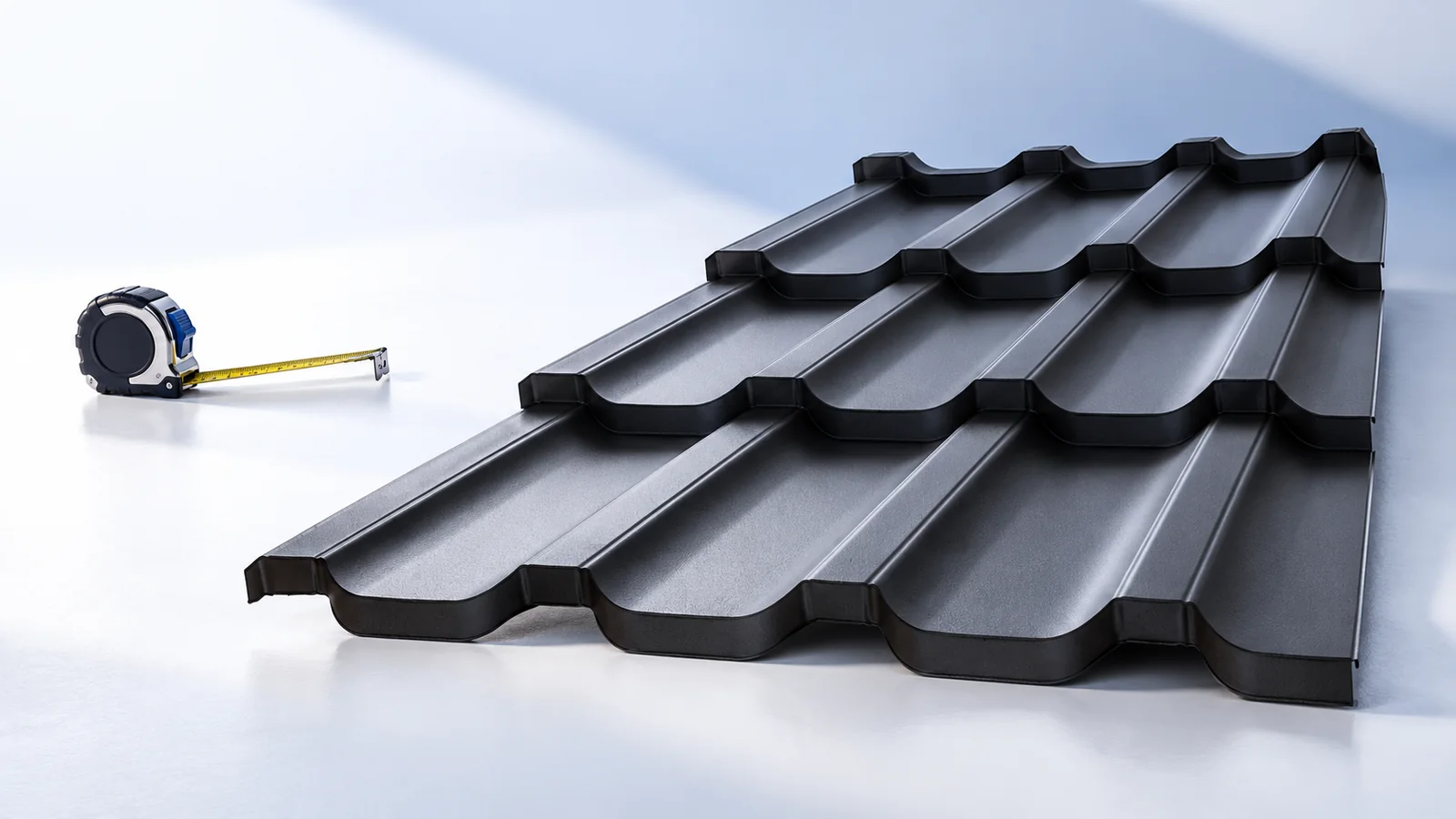
On a tiled metal roof, the eye follows the ribs and the steps between courses. A sheet that runs from eaves to…
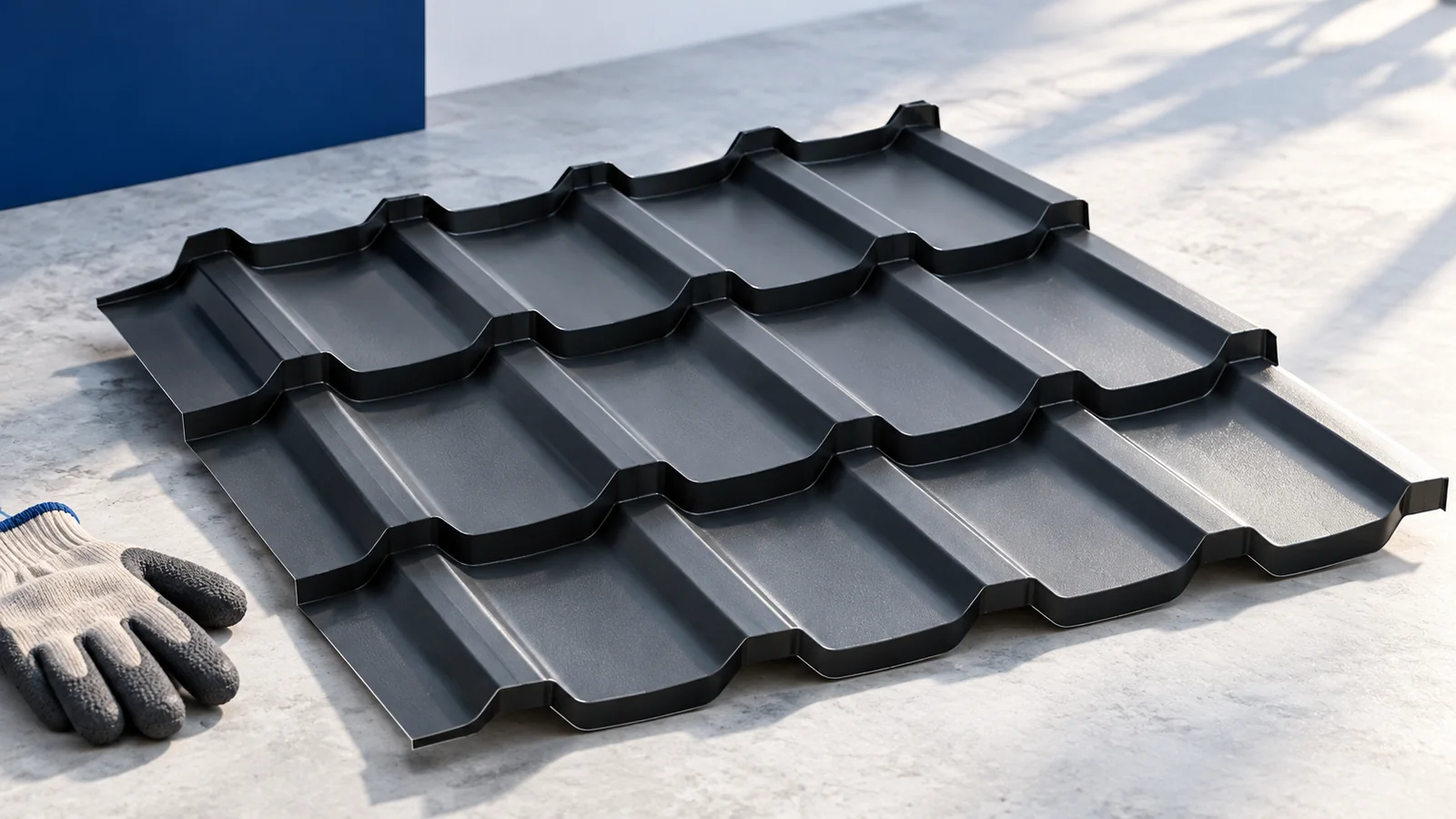
Metal roofing can reduce the weight the covering adds to a roof and gives the designer a choice of profiles, finishes and…
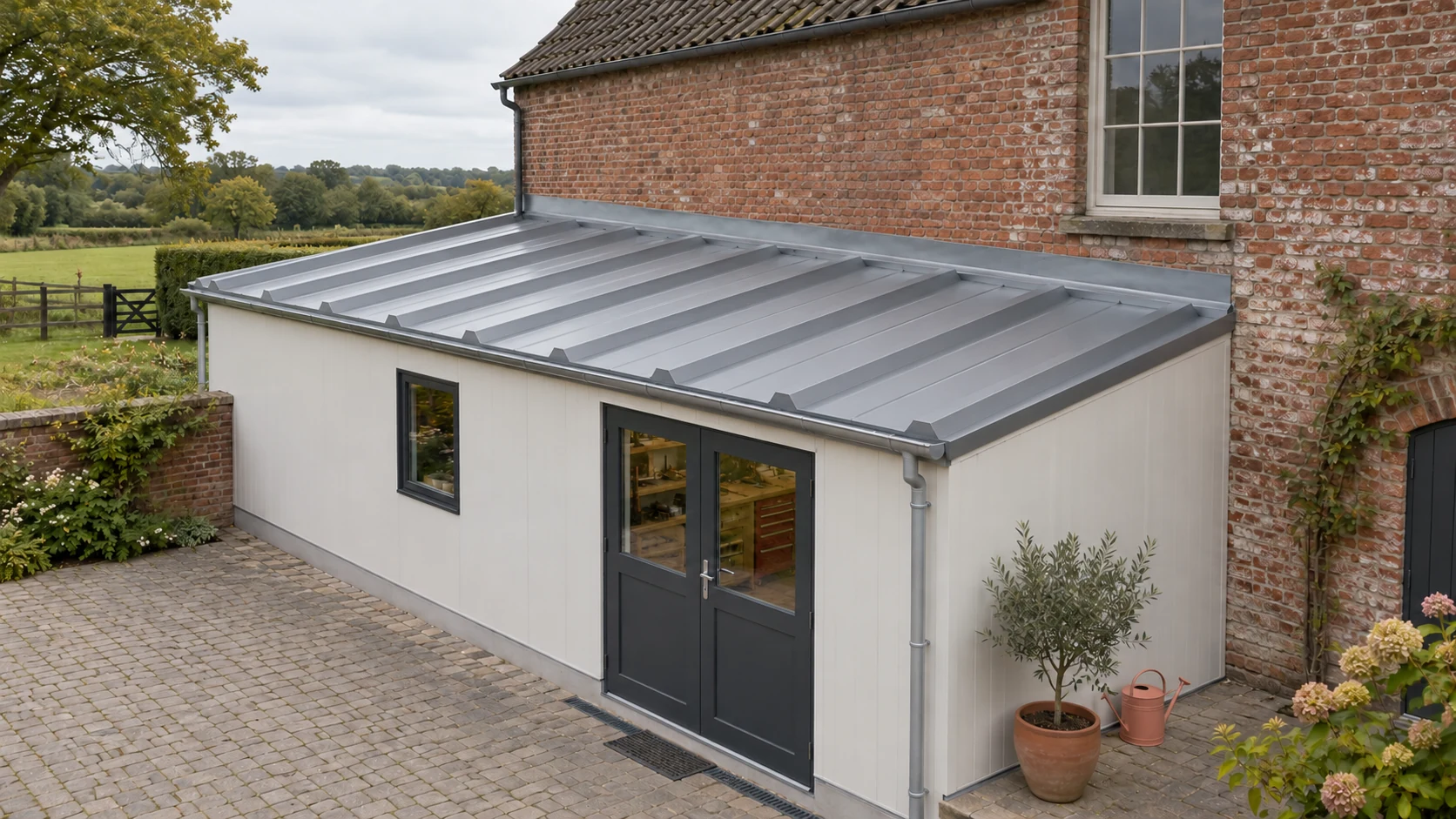
An extension roof needs a junction that keeps rain out while allowing for movement between the existing building and the new frame.…
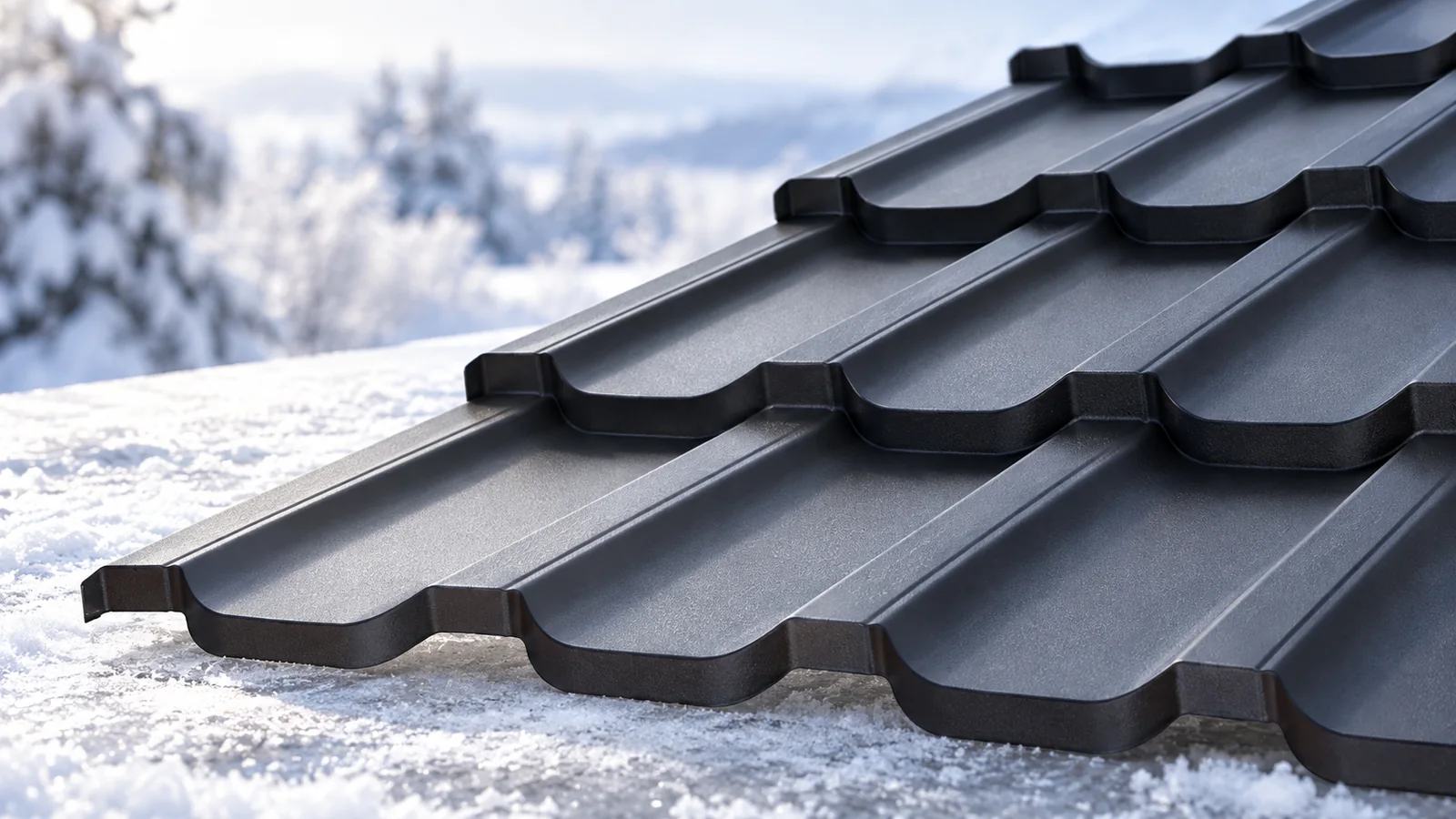
Plan for snow before the roof disappears under it. Give the contractor a drawing showing rooflights, changes in level, drainage outlets and…
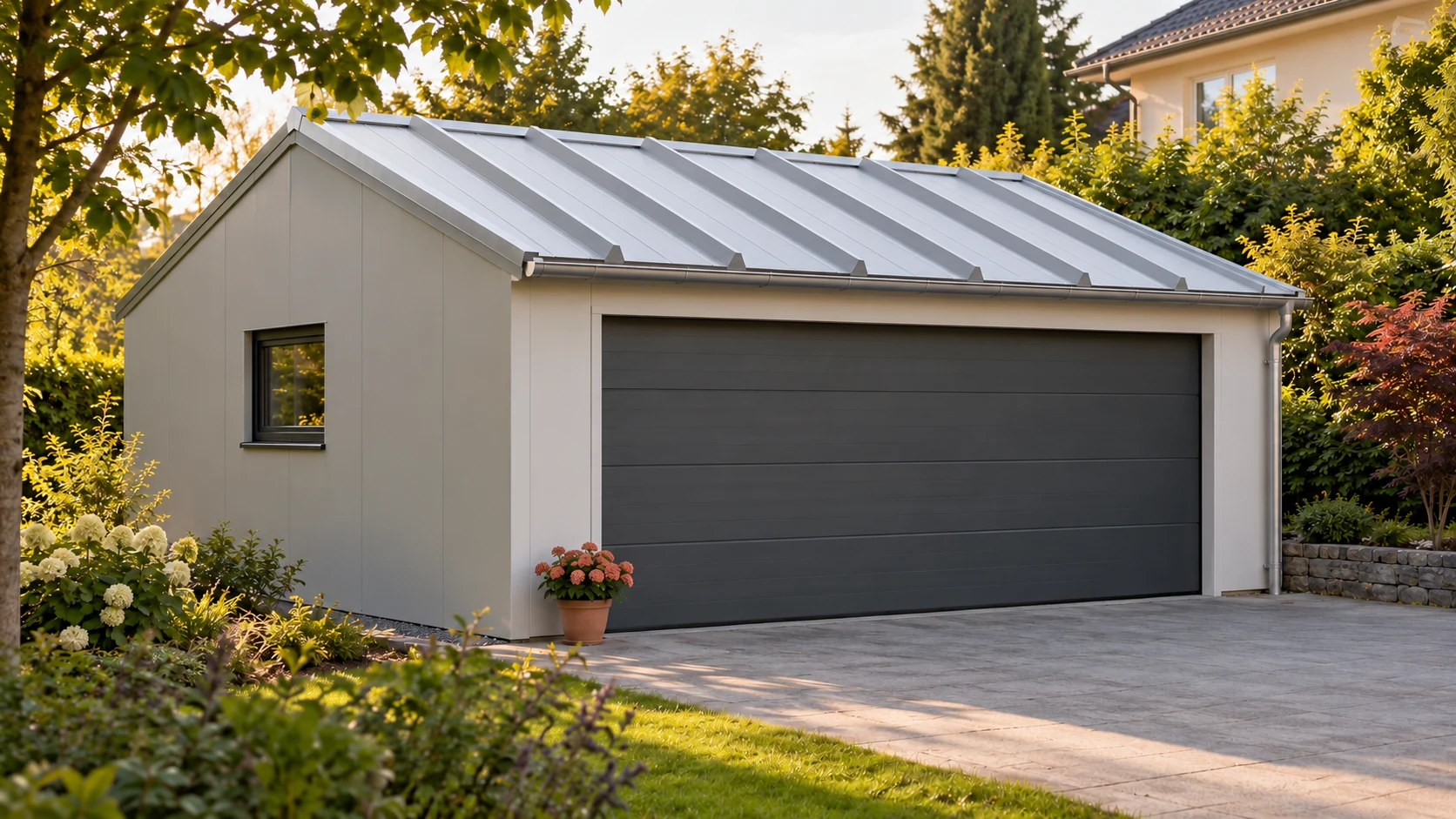
Choose a garage roof for the loads, weather exposure and conditions inside the building. A heated garage needs to limit heat loss.…
