What does a roofer do, and which parts of the roof are they responsible for?
Construction and installation
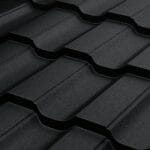
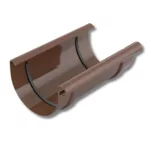
A roofer lays the covering and forms the joints and flashings that carry rainwater away. Who supplies the fittings, fits the gutters or protects an exposed roof during a renovation should be clear before work starts. The choice of covering matters: a crew familiar with small tile-effect modules will need different handling and fixing arrangements for long sheets or sandwich panels. This guide follows the work from checking the supports to inspecting the finished roof, including what to photograph before it disappears under the covering and what to keep after handover.
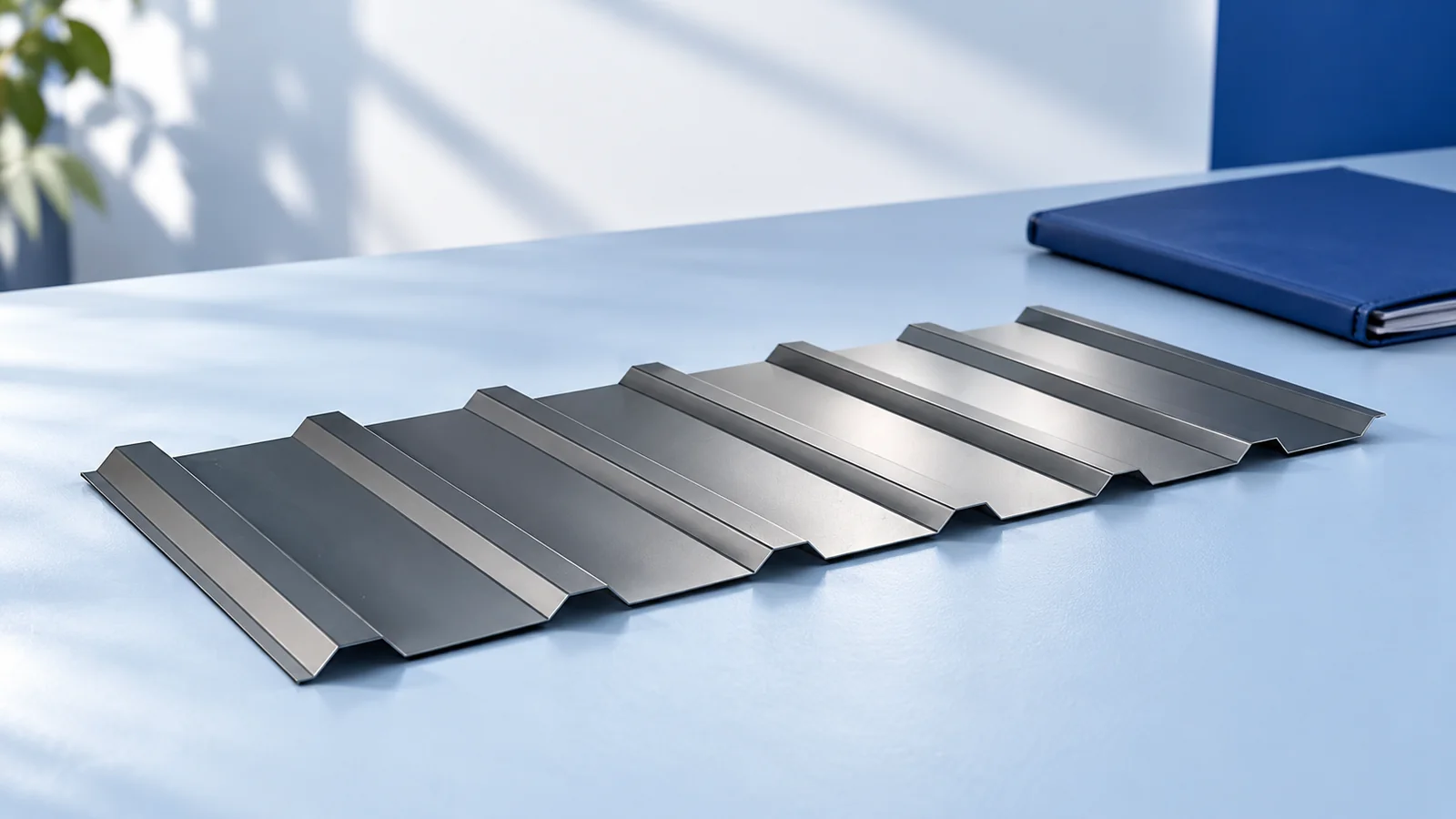
Where does the roofer’s work begin?
Before laying the first sheet, the roofer checks the dimensions and shape of the roof slope, particularly the eaves line, the diagonals and the positions of the supports. This does not take the place of the structural engineer’s work. It does mean reporting visible discrepancies or conditions that prevent correct installation while the supports are still accessible.
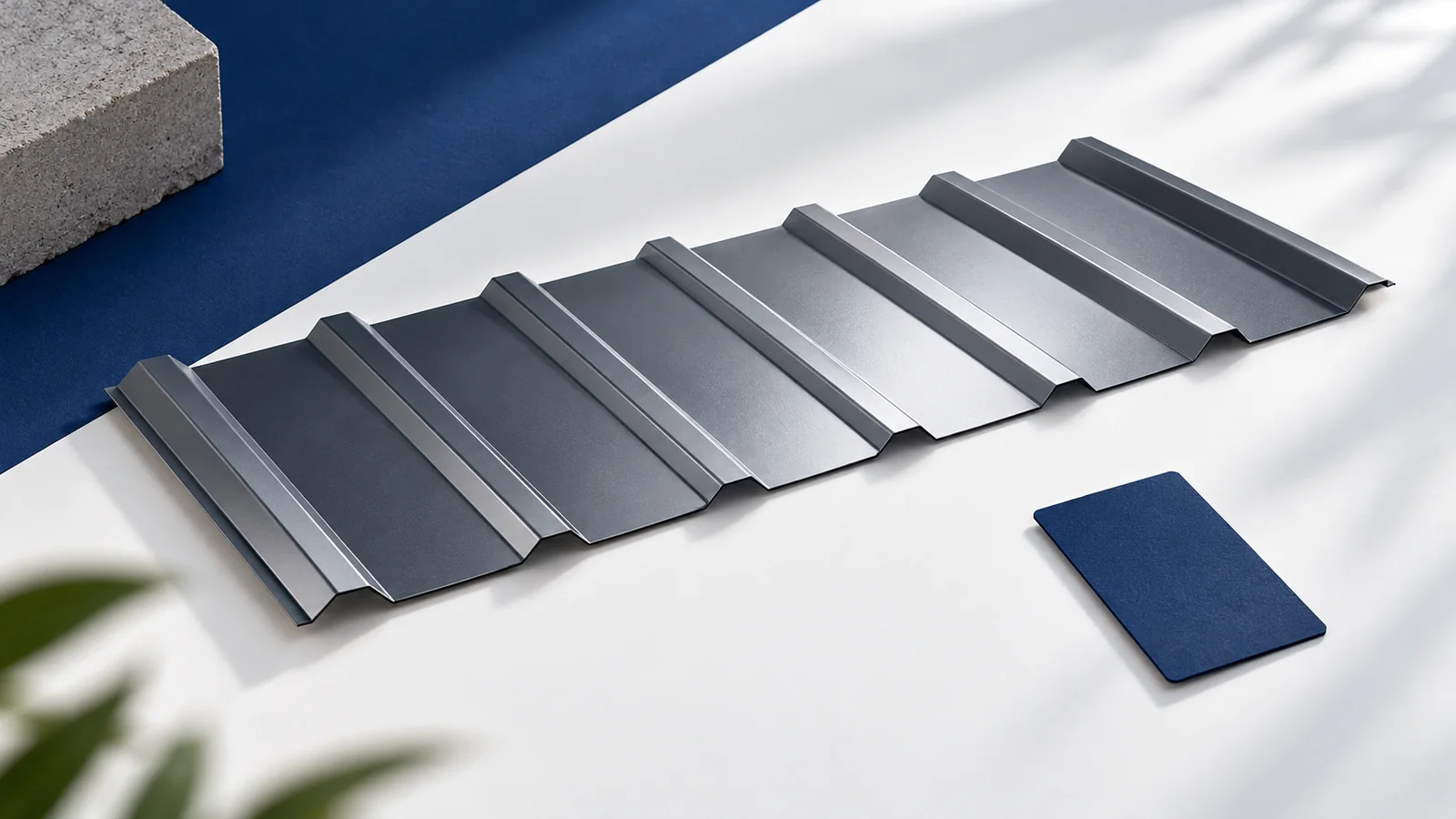
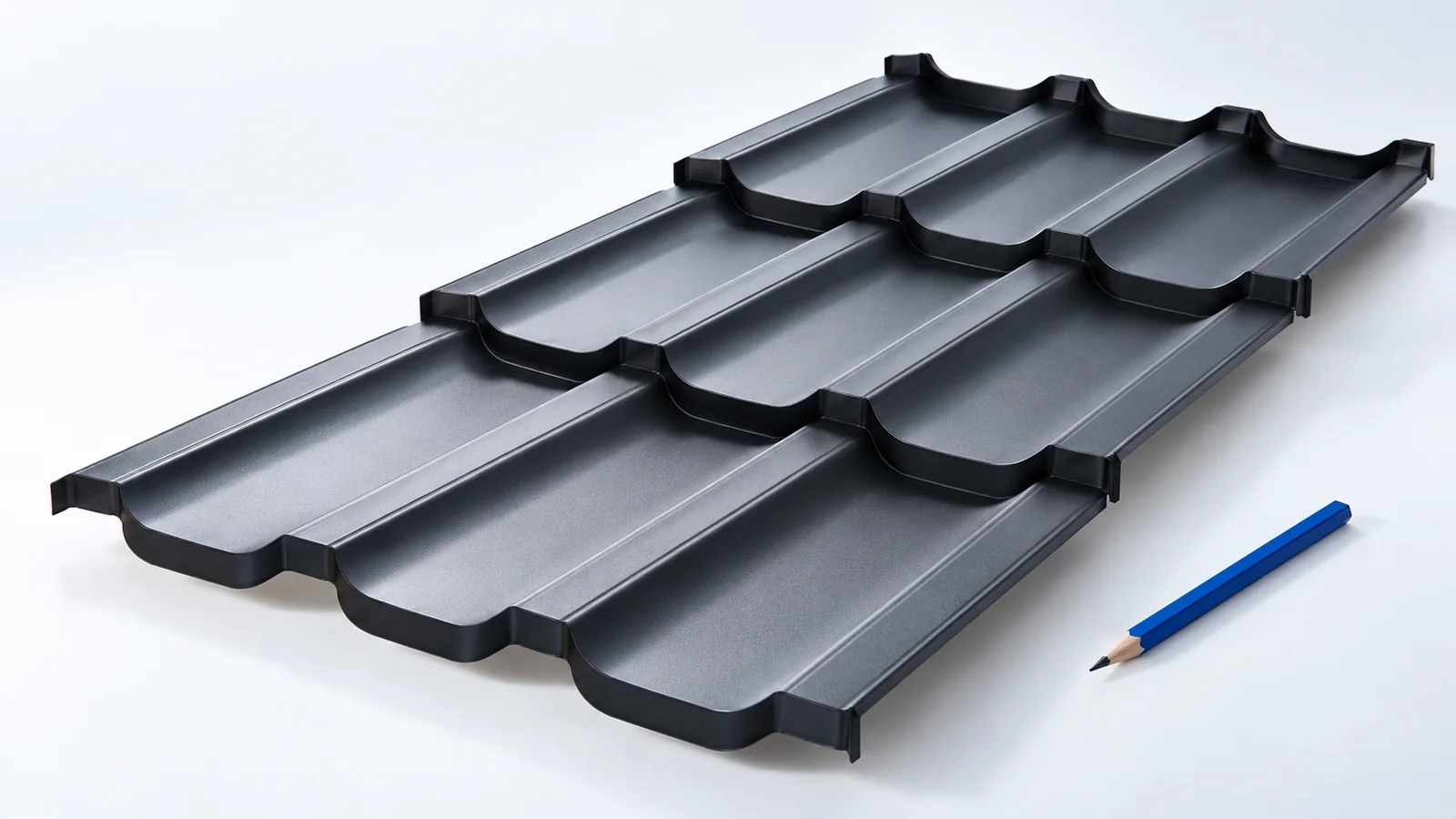
Discuss the exact product as well. Long tile-effect sheets cut to length, small modules and sandwich panels each require different preparation. Use the instructions for the version being installed. Two sheets with similar profiles may still need different fixing positions and overlaps.
Which tasks belong in the agreement?
The work may cover the underlay, counterbattens, battens, sheets and flashings. Gutters, service penetrations, roof steps and chimney access platforms are often involved too. List what the client will supply and what the contractor will bring. A single missing fitting can stop work or tempt a crew to improvise a substitute.
For a renovation, agree separately on stripping the old covering and protecting the exposed building. Specify who removes the waste and how repairs discovered after stripping will be priced. An item labelled simply “fit metal roofing” leaves room for conflicting expectations, especially around complex flashings.
How can you recognise careful installation?
Straight rows are only one sign of good workmanship. A roofer checks drainage paths, ventilation, overlaps, seal compression and the position of flashings. An undertightened screw may leave the hole unsealed; overtightening can distort the washer or the sheet. Counting screws alone tells you little about the seal.
Remove drilling swarf before it rusts on the coating. Lift sheets apart instead of dragging them across one another, and use cutting tools suitable for coated steel. Sparks or excessive heat at the cut edge can damage the protective finish without leaving a conspicuous defect on handover day.
What tools and skills does the crew need?
The crew needs measuring equipment and tools for forming flashings as well as cutting and fixing tools. Plan how the material will reach the roof safely. Long sheets need adequate support along their length: lifting at a few arbitrary points can permanently distort the profile and leave the joints difficult to close.
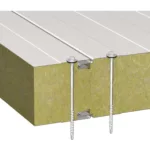
Fixing a sheet to its support and stitching two sheets together at a lap are different jobs. For sandwich panels, the support material and the total thickness to be fixed also matter. No single screw suits every connection. Ask how the roofer selects the fasteners and whether they work to the instructions for your product.
How can you assess a roofer before signing a contract?
Ask to see comparable roofs, ideally after several seasons in service. A plain gable roof involves different work from a roof with dormers and intersecting slopes. A distant photograph reveals little about the valleys, chimney flashings or joints in the underlay.
Discuss difficult details as well as price. The contractor should be able to explain the sequence of work and the conditions needed to proceed. Agree how changes will be reported and stages documented. A reliable roofer allows for the weather and does not promise that the same method will suit every sheet profile.
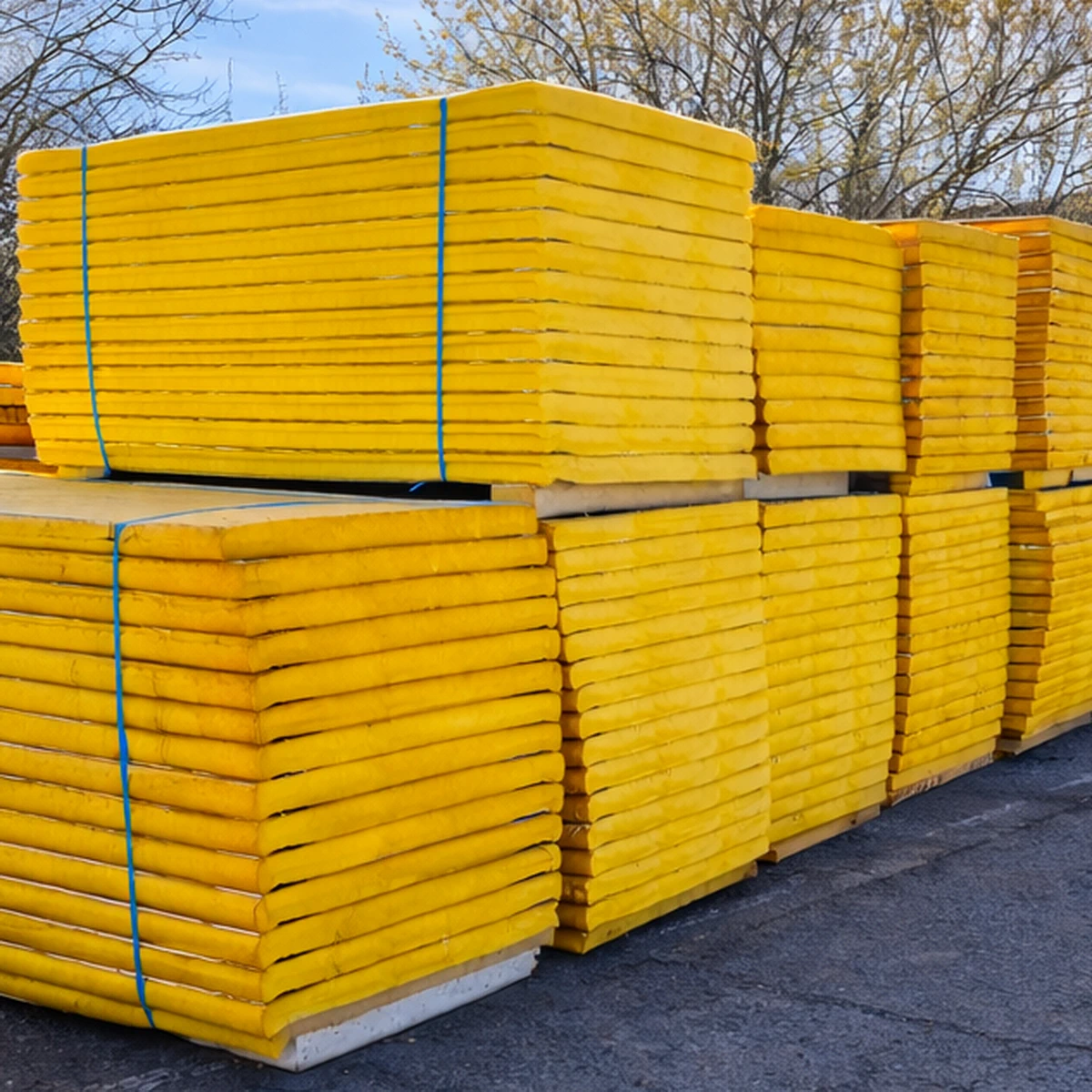
Ask what happens to stored material during a break. A stack of sheets under a tightly closed tarpaulin can retain moisture. A careful contractor plans a storage area, separates damp sheets and observes the deadline for removing protective film. Handling on the ground can affect the roof long before the first screw goes in.
What should you check at handover?
Check that the flashings and drainage are complete and that the agreed accessories are present. Look for scratches and swarf on the coating and establish whether the protective film came off on time. For concealed details, installation photographs should show the material and how the key connections were made.
Finally, discuss inspections and where and how the roof may be accessed. Keep the delivery specification, instructions and agreed changes. A weathertight roof depends on design, materials and workmanship working together. Clear responsibilities make handover easier and help trace the cause if a problem appears later.

Free quote
What to include in your enquiry
Tell us how you plan to use the material, the dimensions and the quantity you need. Include the thickness, grade or variant name, along with the delivery town or your preferred collection branch. For a specific product, add its name or a link to the product page. We will reply to the email address you provide to discuss availability and the terms of your order.
Read next
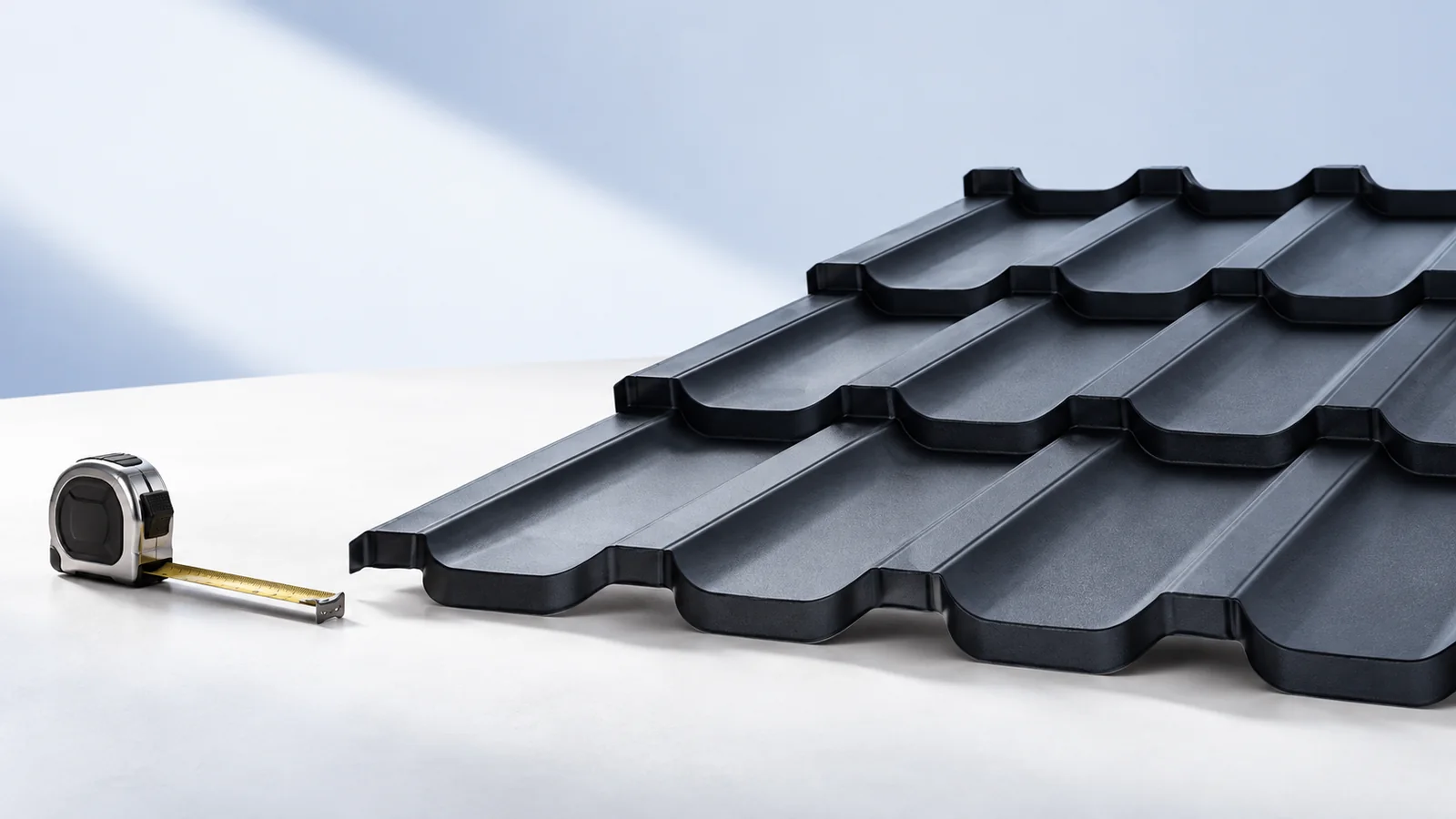
Metal roof tiles suit a new roof when the permitted pitch, supporting layers and installation method match the design. Before comparing prices,…
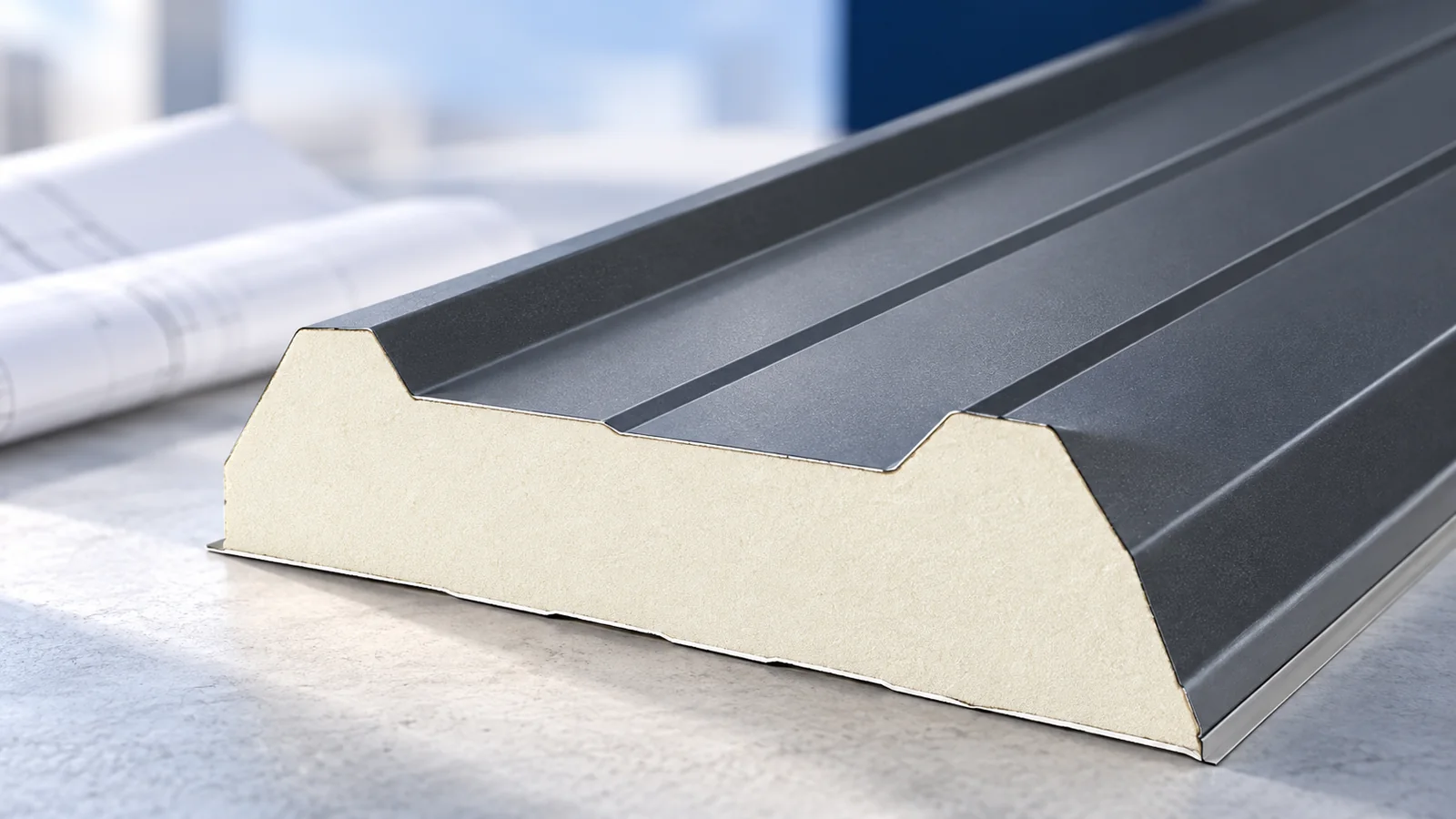
A sandwich roof panel combines the weathering sheet, insulation and inner face in one factory-bonded unit. It can close a heated garage,…
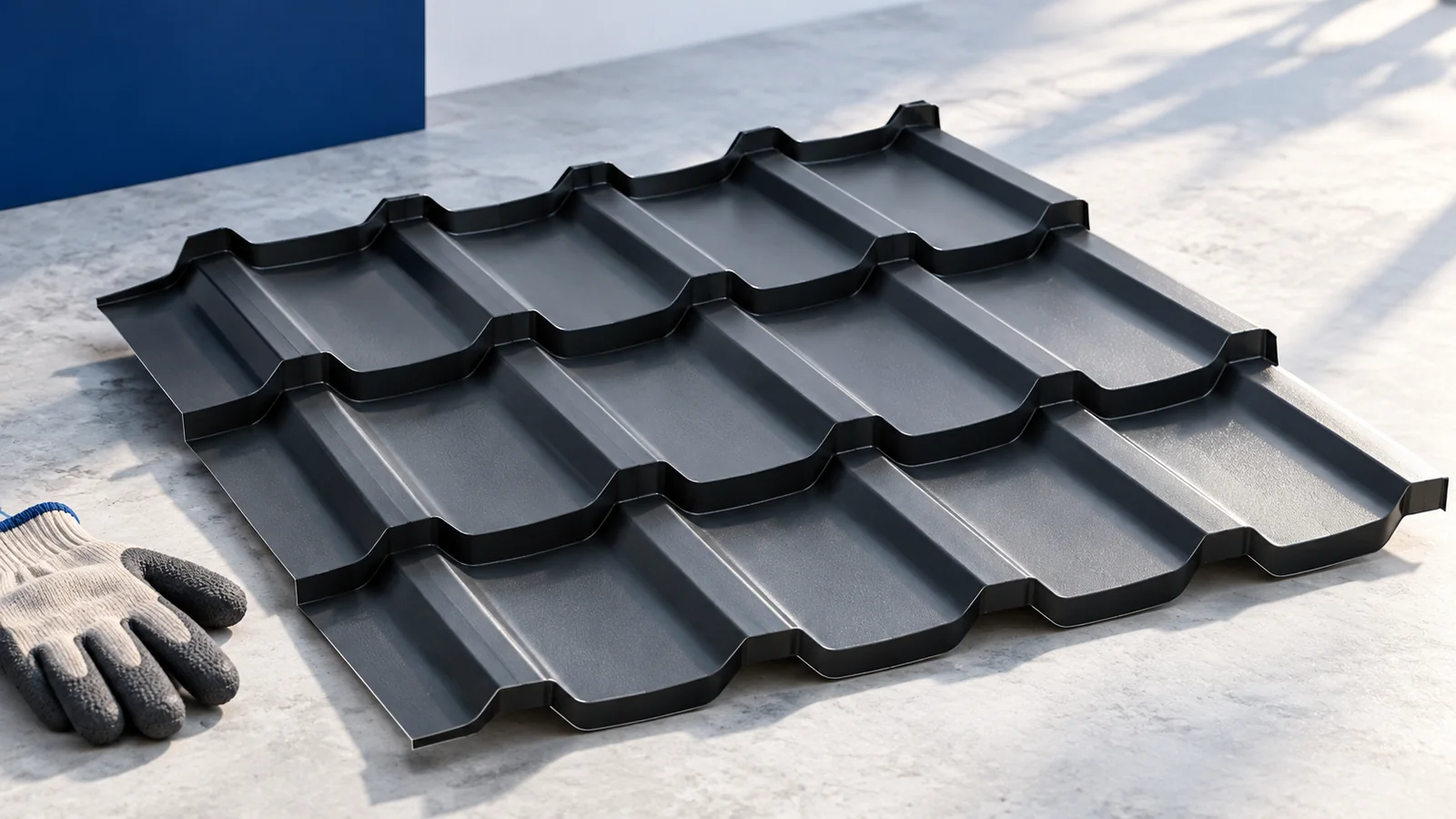
Metal roofing can reduce the weight the covering adds to a roof and gives the designer a choice of profiles, finishes and…
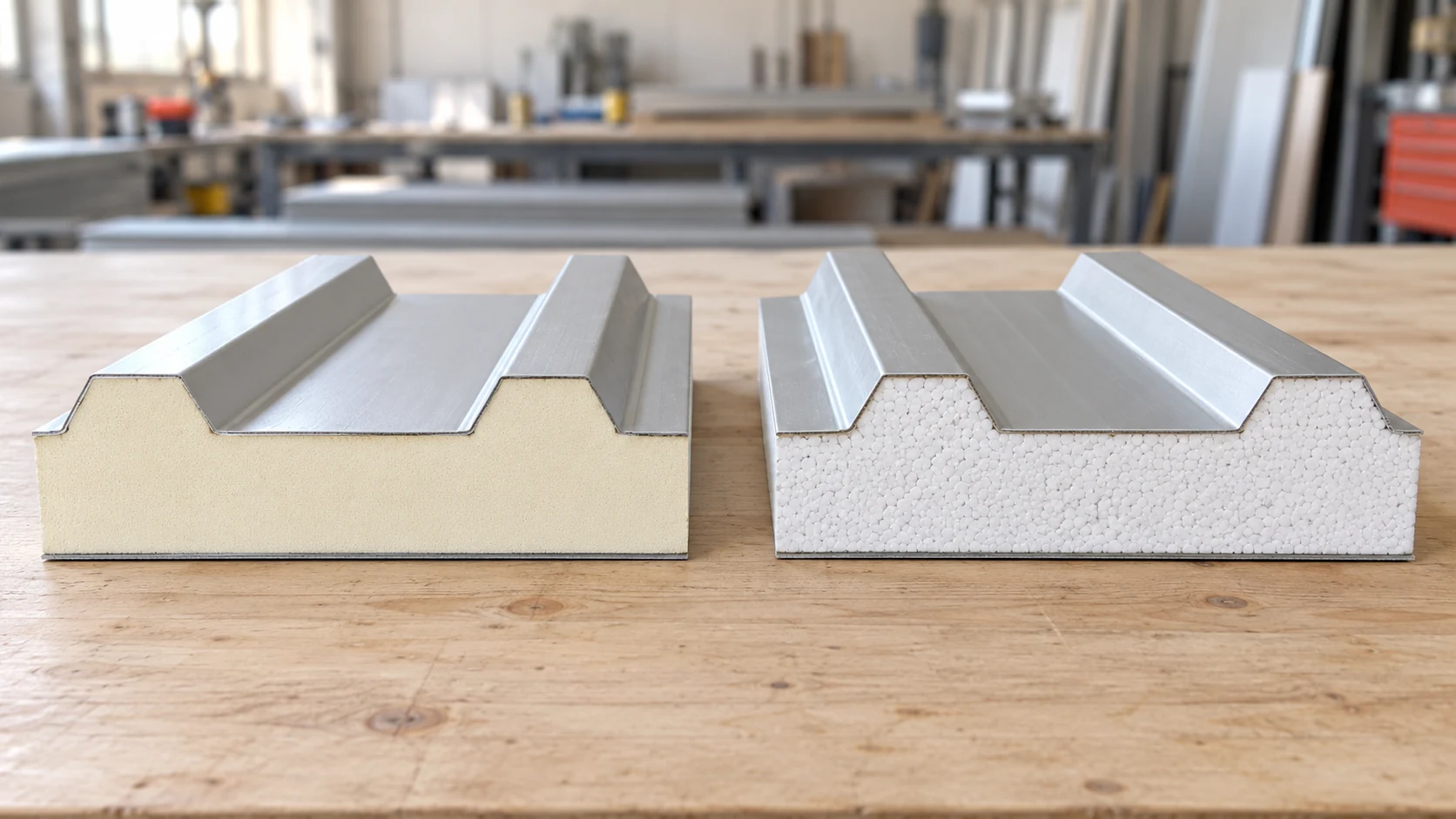
Compare PIR and EPS roof panels against the same design brief. Set the required U-value, loads, fire performance and exposure conditions, then…
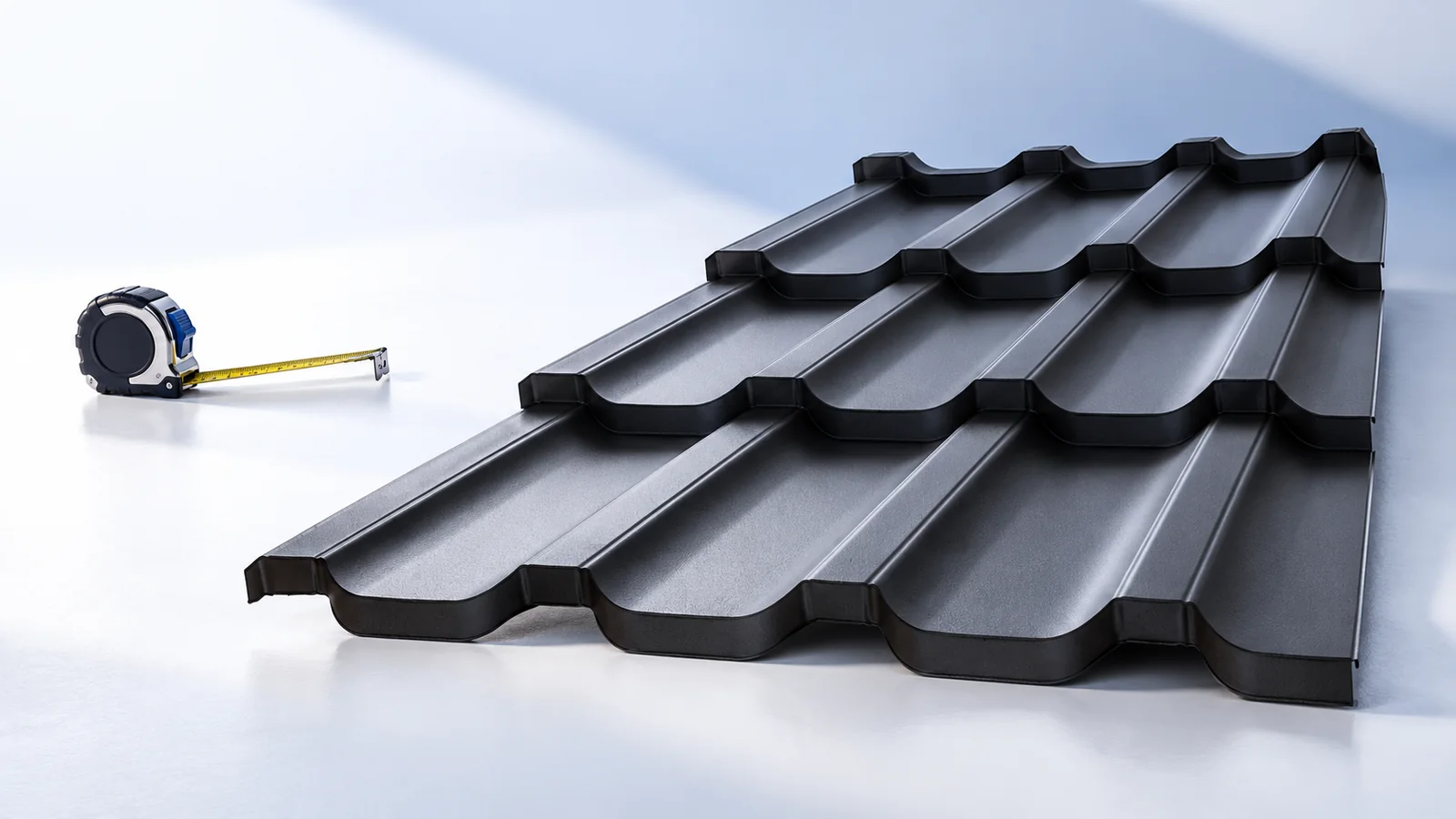
On a tiled metal roof, the eye follows the ribs and the steps between courses. A sheet that runs from eaves to…
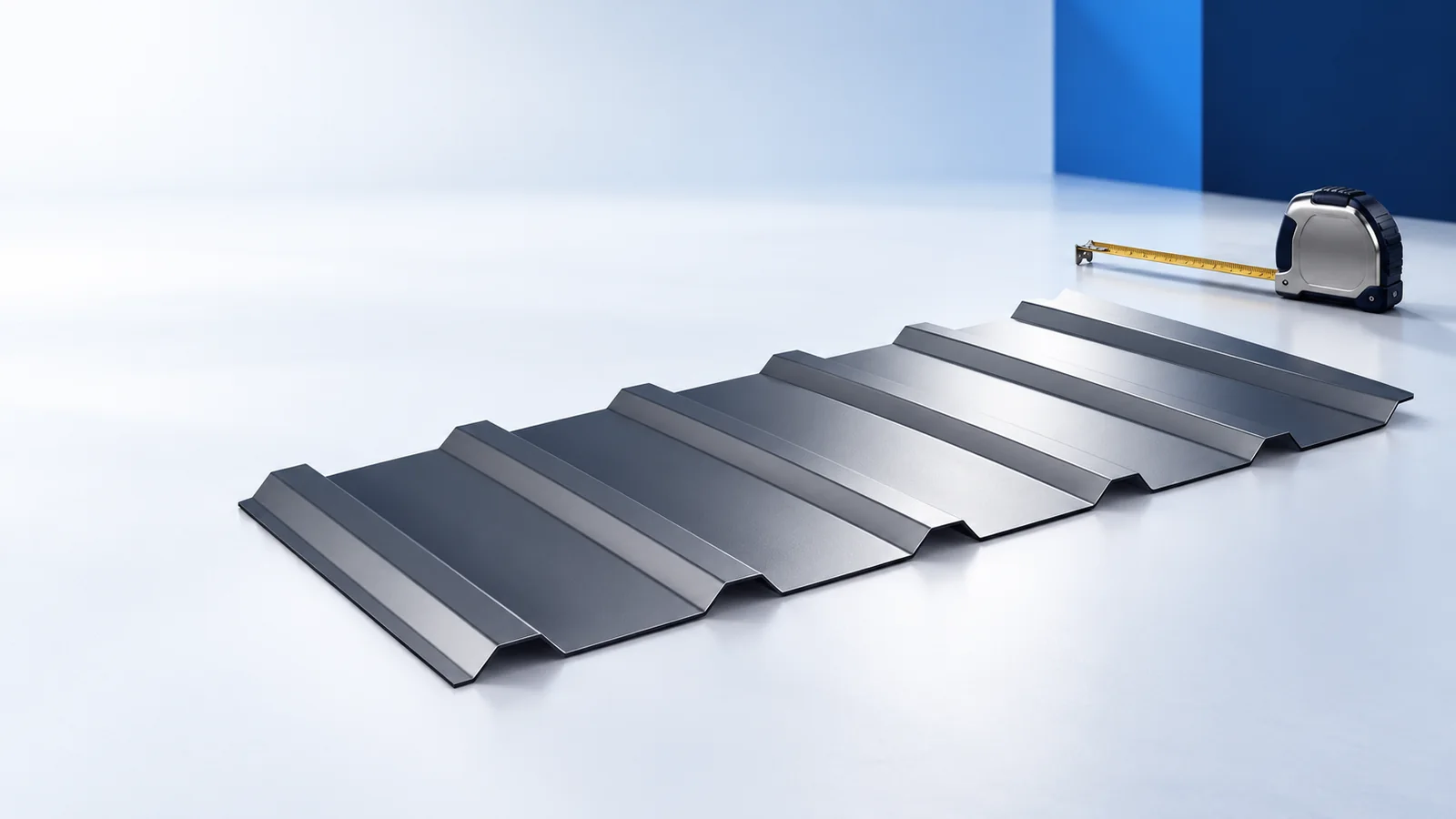
A roofing schedule starts with the supports and ends with a roof that sheds rain. Between those points, a housebuilder needs dates…
Start with the price of covering the measured roof, including laps, fixings and delivery. A sheet that looks cheaper per square metre…
Recyclability tells you what might happen to a steel sheet after removal, not the environmental impact of the roof over its life.…