






When is a PIR roof panel right for a demanding environment?
Sandwich panels
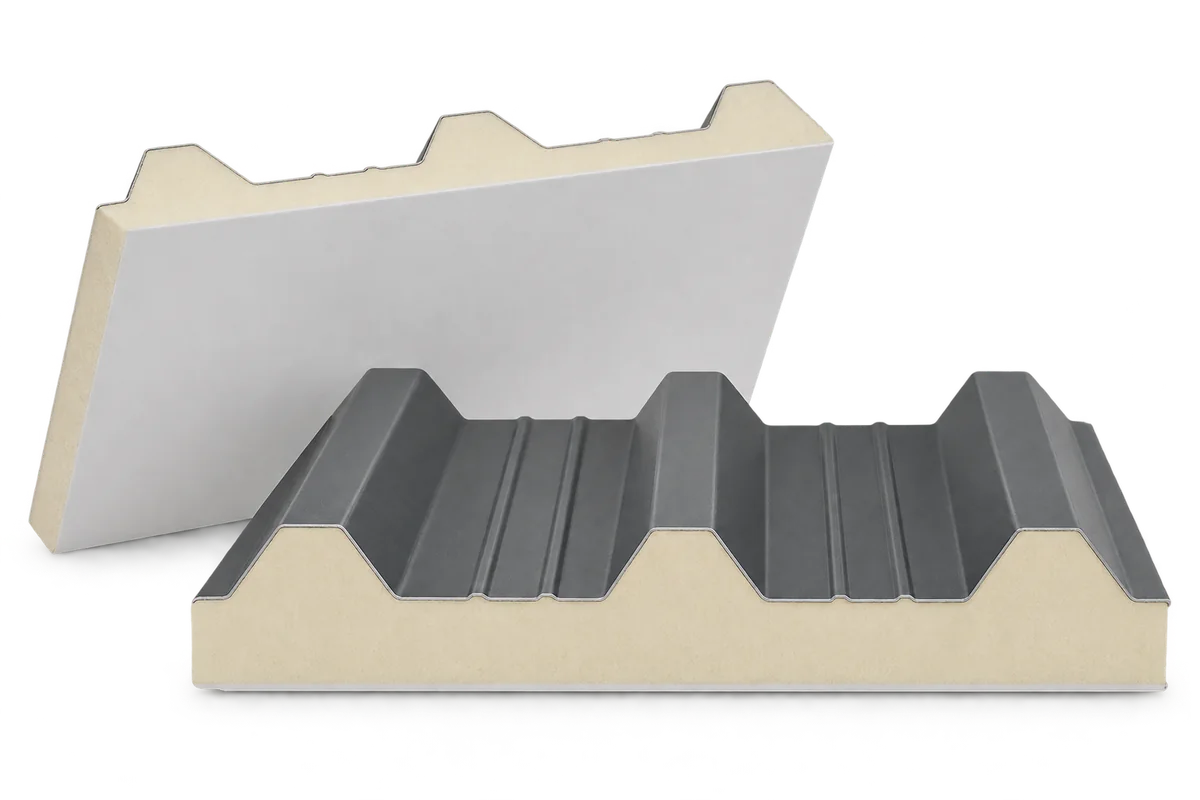
A livestock building, food store or workshop needs a roof that keeps rain out and limits heat transfer. The underside may also have to withstand moisture and regular cleaning. A PIR roof panel can meet these needs if its facings and joints suit the operating conditions. Thickness alone is not enough to make the choice. The inner surface, supports and use of the building matter just as much. Above livestock, the roof is exposed to humid air, dust and gases from the animals. In a food store the surface must be easy to keep clean. In a workshop, processes may produce extra heat and sometimes fumes.
In this article
Which buildings place additional demands on the roof?
Describe the conditions separately for each building. Even within one building, exposure can vary by area. A surface above a wash bay may need a different finish from the ceiling in a dry utility room.
Start with temperature, humidity and cleaning methods. Tell the supplier which cleaning agents you use and how often you wash the surface. This helps identify a coating or laminate documented as suitable for that use. A label such as “agricultural panel” does not supply this information or guarantee resistance to every substance.
What does the PIR core contribute?
The low thermal conductivity of PIR helps achieve the required insulation with a relatively thin core. In a well-built roof it reduces heat transfer between inside and out, limiting heat gain through the roof in summer and heat loss in winter. This reduces demand on building services but does not replace heating, cooling or ventilation.
Performance depends on the complete product. The declared thermal conductivity of a laminate-faced product may differ from that of one faced with aluminium on both sides. Compare the U-values of finished panels at the same thickness, rather than descriptions of the core alone. Check load-bearing capacity, reaction to fire and requirements for the complete roof separately.
Why does the underside matter?
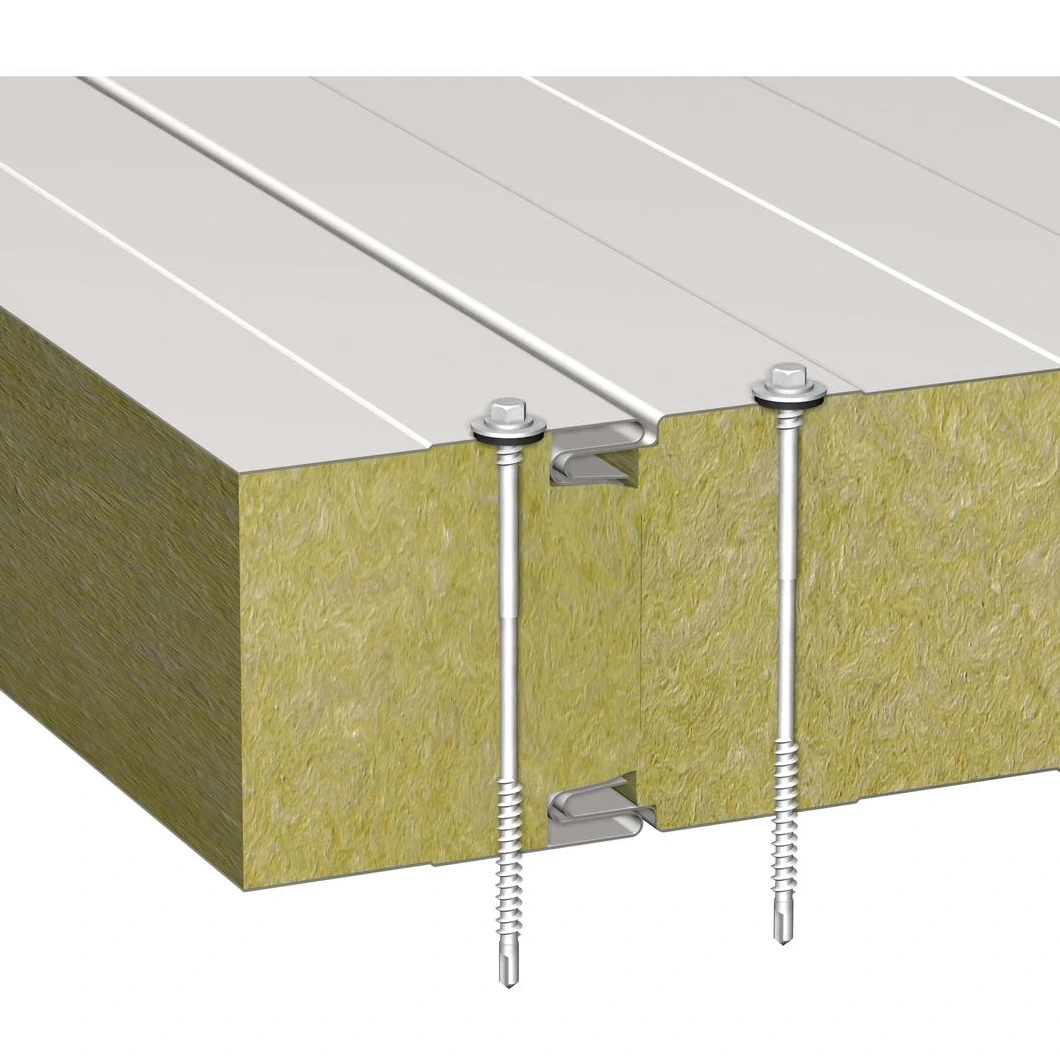
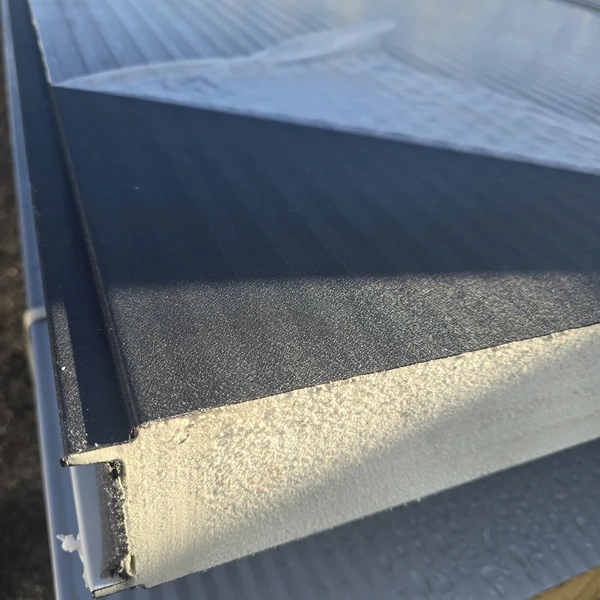
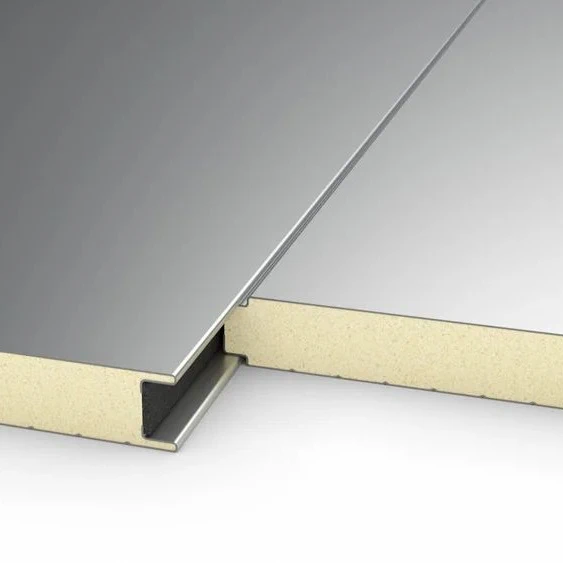
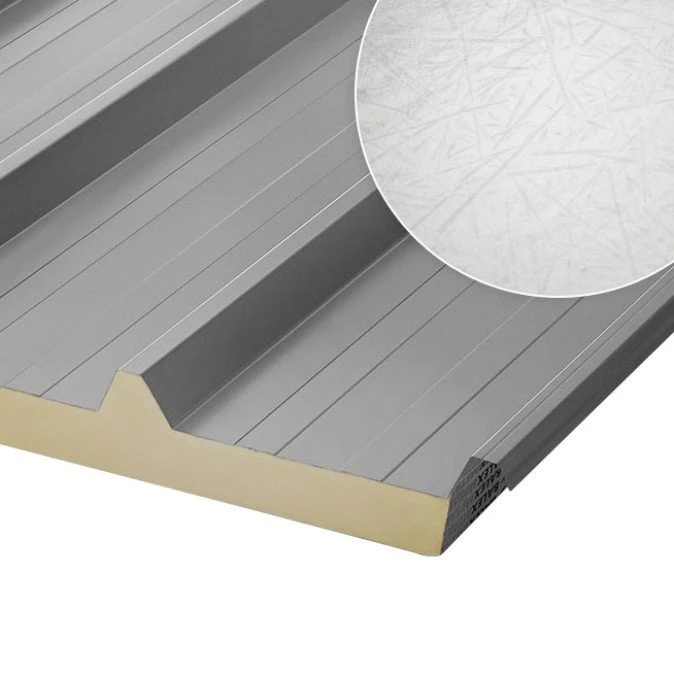
A typical sandwich roof panel has two steel facings. Other designs use a different inner layer, such as glass-fibre-reinforced laminate. The surface may be intended for particular hygiene conditions. Do not assume that it has the same load capacity or fixing requirements as a steel-faced panel.
In buildings washed regularly, avoid recesses where dirt can collect. Carefully detailed joints and flashings make cleaning easier. A light-coloured surface also makes deposits and damage easier to see. An estimate of lighting cost savings, however, would need a lighting design and surface reflectance data.
Can the roof be washed from inside?
Check the permitted cleaning conditions for the specific facing. Pressure, nozzle type, water temperature and distance from the surface all matter. A jet directed at a seal from close range can damage it even if the facing itself tolerates water. There is no single pressure setting for every product.
Choose a detergent compatible with the coating and the type of soiling. Rinse off residues and allow the interior to dry. Inspect edges, joints and the areas around light fittings. A core with low water absorption cannot keep water out of a poorly made joint.
How do insulation and structural safety fit together?
A roof panel transfers loads to the supports within the limits stated in its documentation. Determine purlin spacing from load tables and calculations, allowing for snow, wind and loads from use. The height of the outer ribs alone does not establish the allowable span. The colour of the outer sheet matters too: solar heating affects thermal movement and can restrict panel length or the installation arrangement.
Drainage requires a suitable pitch and watertight laps. The minimum pitch depends in part on whether panels have end laps and whether there are rooflights. Service penetrations need their own details. Do not hang equipment or heavy services from the thin inner facing without a designed connection.
When is this roof a good choice?
A PIR panel is worth considering when quick installation and a compact insulated envelope are priorities. In a retrofit it can replace several layers that would otherwise be installed separately. First compare the condition of the existing structure with the demands of the new roof. Replacing old sheeting with panels does not mean the supports can be spaced arbitrarily.
A useful quotation identifies the core, both facings, facing thicknesses and all accessories. It should also state the maintenance requirements. If hygiene is the priority, check the resistance of the finish first. If fire protection governs the project, start with the requirements for the complete assembly. Then compare prices. Ask for documentation for the exact variant you intend to order: similar names do not guarantee identical performance.

Free quote
What to include in your enquiry
Tell us how you plan to use the material, the dimensions and the quantity you need. Include the thickness, grade or variant name, along with the delivery town or your preferred collection branch. For a specific product, add its name or a link to the product page. We will reply to the email address you provide to discuss availability and the terms of your order.

Read next
An environmental product declaration, or EPD, provides environmental impact data for the product it describes, but it is not a simple insulation…
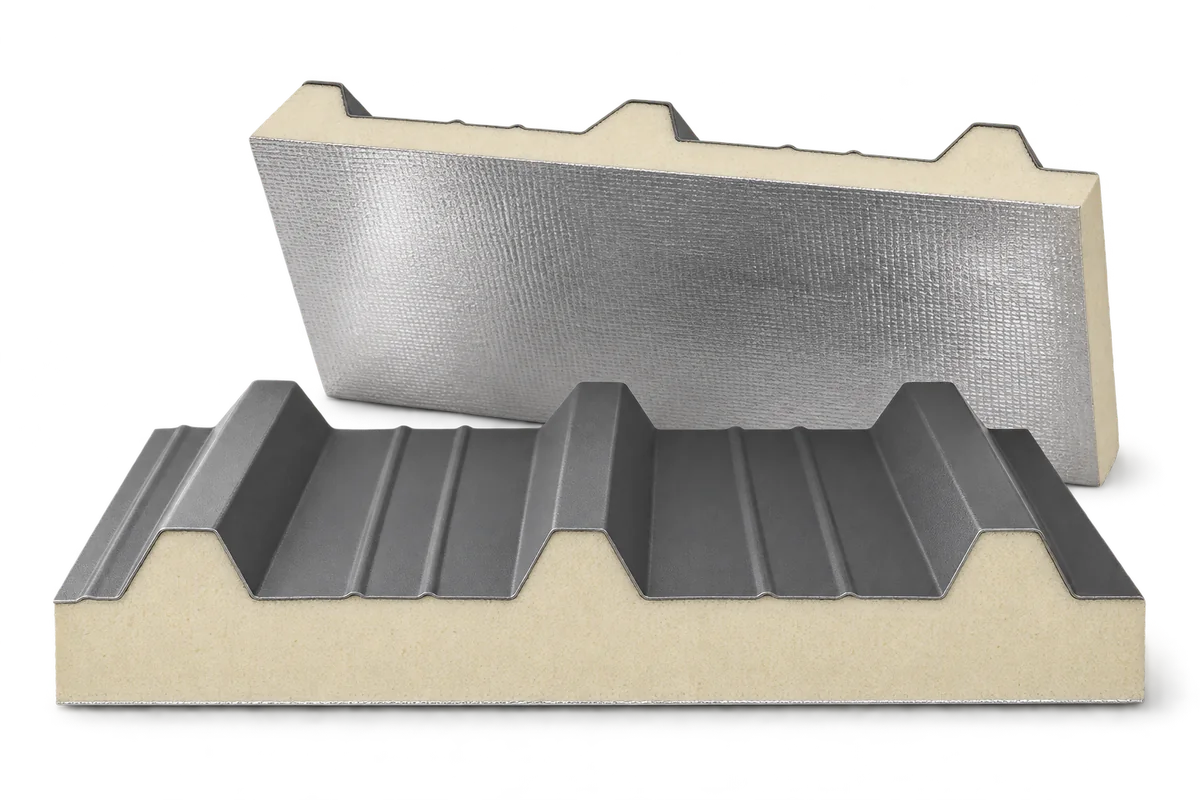
Renovating an old industrial building need not mean replacing it. Sandwich panels can provide a new outer skin and insulate the walls…
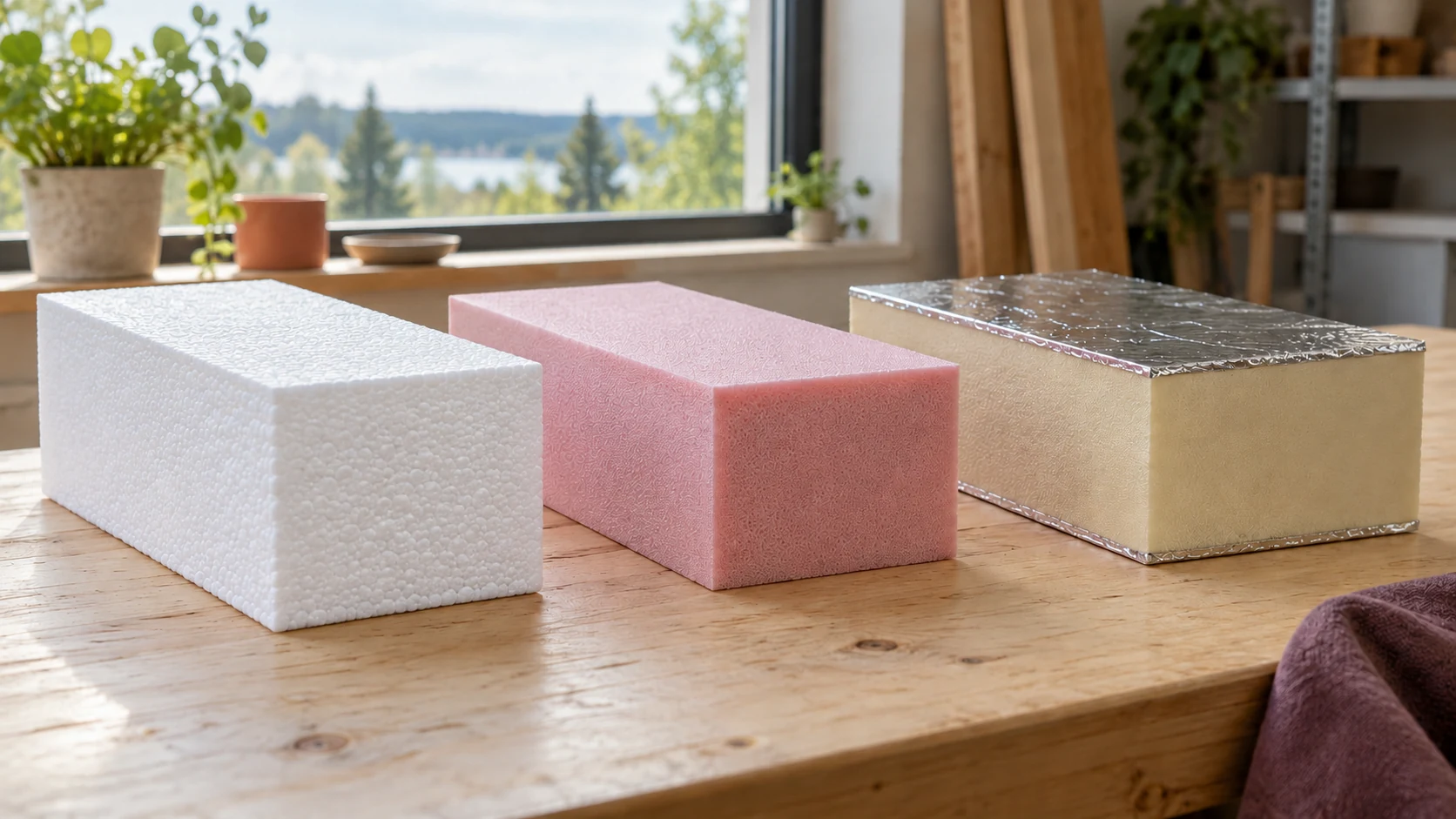
A single building may need several types of insulation. Compare EPS, XPS and PIR for a specific wall, floor or roof rather…
PIR insulation can reduce heat loss through the treated building element, but it does not set the heating controls for you. After…
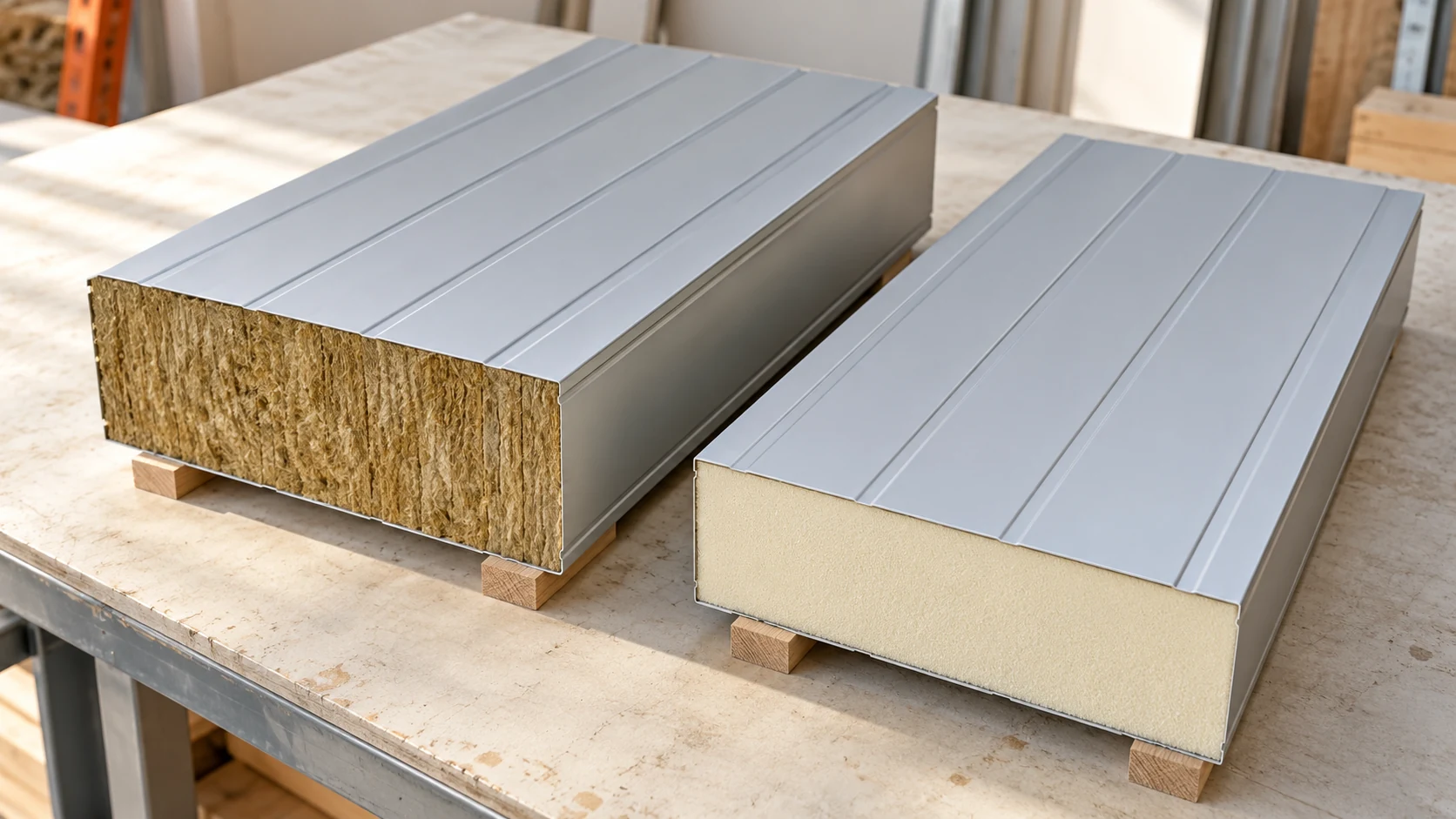
Choose the core for the job the wall or roof must do. Mineral wool and PIR offer different combinations of insulation, weight…
Intermittent use makes warm-up time, moisture on arrival and running costs between visits especially important. It calls for a different plan from…
Different insulation materials can work together in one building element when each solves a specific problem. PIR can keep the build-up thin,…
Block thickness alone cannot determine insulation thickness. You need the properties of the masonry, mortar, ring beams and intended finish. With PIR,…
