






How to select a fixing for a mineral wool wall panel
Mineral wool panels
At a glance
A panel fixing must suit the panel, support and expected loads. Wool thickness alone is not enough to select a screw. Check the substrate, connection geometry and system requirements before ordering to reduce the risk of damaged facings and leaking fixings. Identify what the panel actually attaches to: a steel section of known thickness, a timber member or a designed connection at a concrete structure. Each requires an appropriate fixing. A self-drilling screw designed for steel is not automatically suitable as an anchor in concrete or masonry.
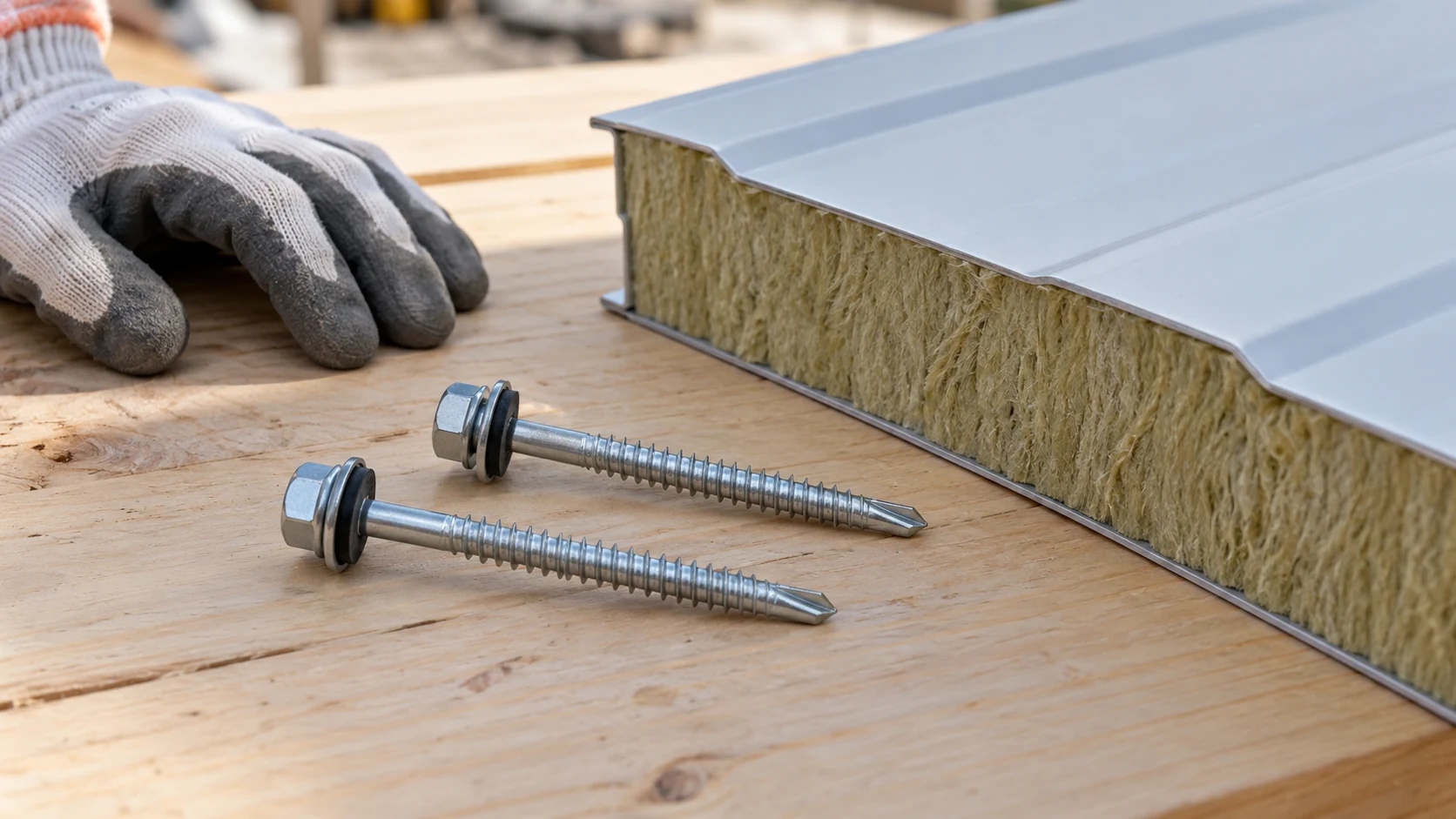
Identify the material behind the panel
In an existing building, inspect the support on site. Paint does not reveal the wall thickness of a section, and cladding may hide corrosion. Base the selection on the actual condition. If there is a secondary framework, assess its connection to the primary structure too.
For timber, identify the material and condition; for steel, verify the actual thickness at the drilling point. A general note saying “structure” is not enough. Identical screw heads can conceal quite different drill points and threads intended for different materials and thicknesses.
Size the fixing for the whole assembly
Fixing length depends on panel thickness, intermediate layers and required embedment. Check the drill point and drilling range specified for that screw. Adding a standard allowance to core thickness ignores the support material and the details of the system.
Check thread positions on fasteners designed specifically for sandwich panels. A screw of similar length need not perform the same functions. Specify the complete fastener and approved application range; “180 mm screw” leaves essential information open.
Check three connection failure modes
Load travels from panel to support through the fixing. Checks include withdrawal from the substrate, strength of the fastener itself and pull-through of the fixing through the facing. The steel shank may not be the weak link; a stronger screw is not a universal remedy.
The design sets the number and distribution of fixings for loads in each façade zone. Corners may differ from the centre. When using panel load tables, observe their conditions for supports and fixings along with the permitted span.
Seat the sealing washer correctly
Seat the sealing washer against the facing as specified by the system. Too little compression can leave a leak; too much can dent the facing or damage the seal. Set up the tool and check the first fixings before tightening the rest.
Assess a deformed washer or stripped hole before attempting repair. Turning the screw further may make it worse. Choose a repair based on the condition of the support and sheet. The fastener and protective coating must also suit the corrosive exposure.
Distinguish exposed and concealed fixing
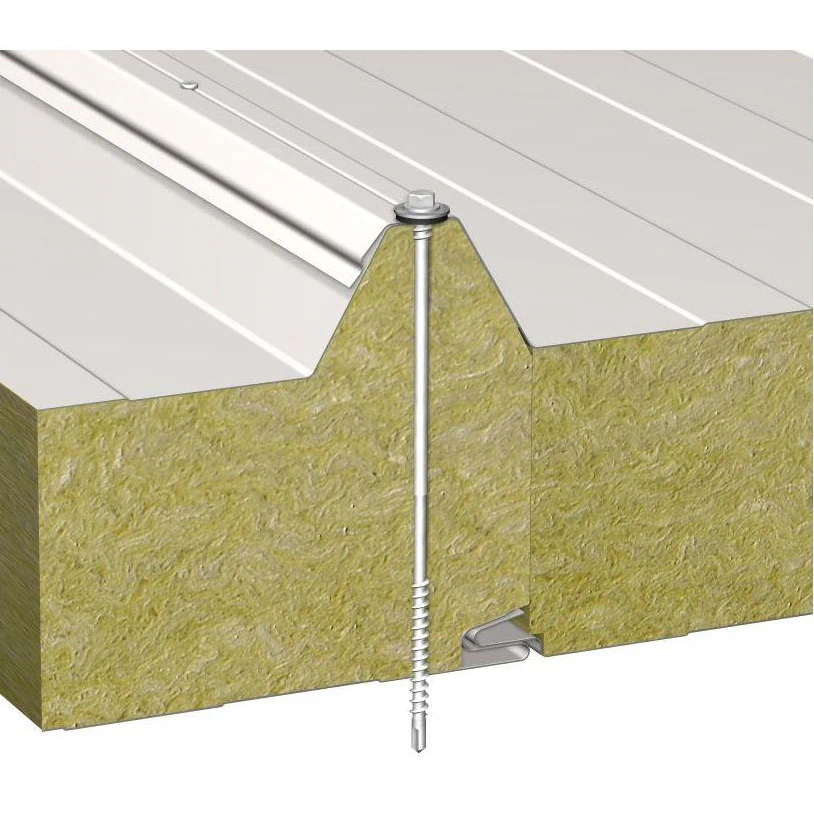
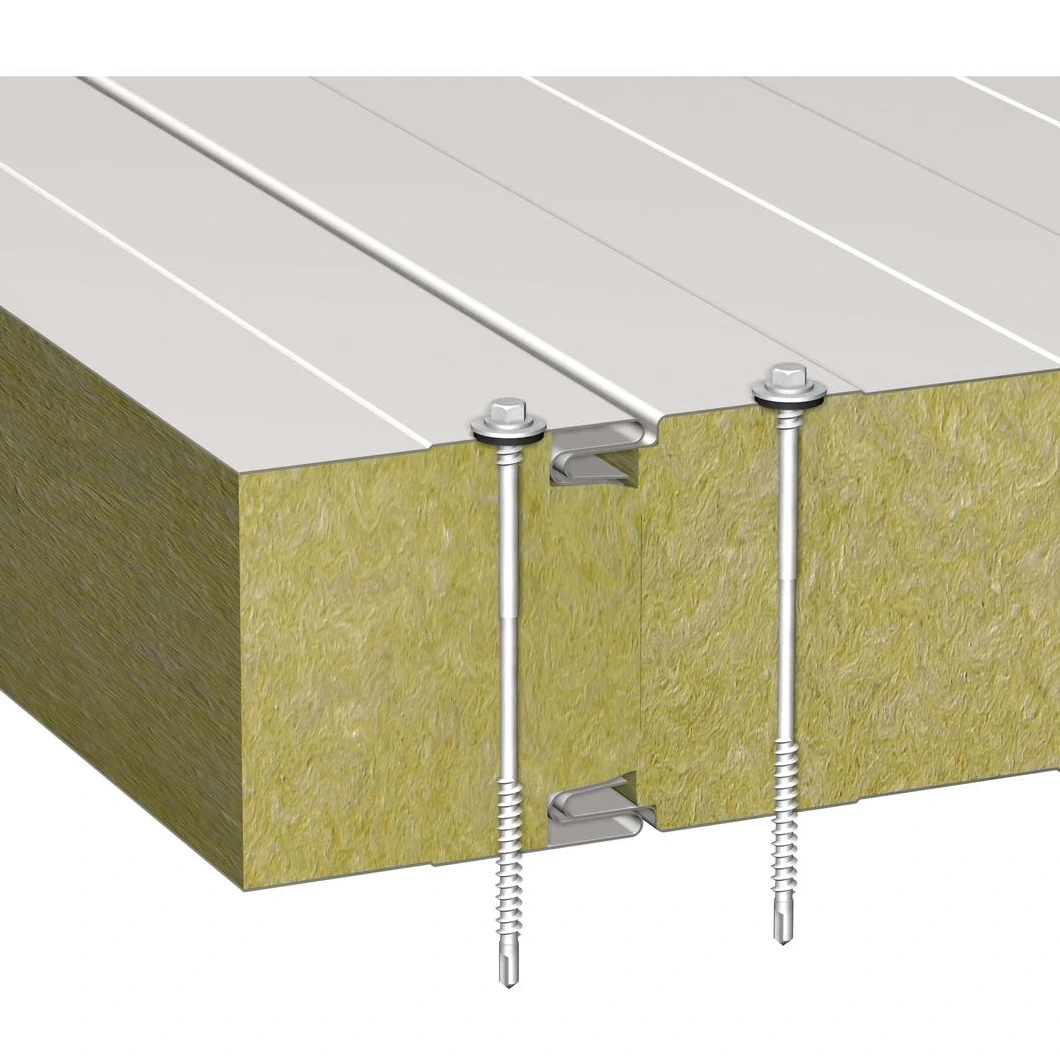
An exposed fixing passes through the panel at a designed position. Concealed systems use a specially shaped edge. These are not interchangeable ways of fixing the same panel. Joint geometry and any load-spreading components are part of the product design.
Check tool access and assembly sequence in advance. Inspect concealed fixings before the next panel covers them. A fire-rated wall must retain the classified arrangement. Reassess compliance before changing fastener type or spacing.
Inspect before fitting the flashings
At handover, check fixing type, position on the supports, washer compression and condition of the facings. Verify that every screw engaged the intended substrate. Photograph connections before fitting flashings; this may be the only clear record once they are concealed.
Remove swarf and inspect the coating around each fixing. Record structural fasteners separately from flashing screws: they have different functions. Extra screws in a cover trim cannot replace a missing panel-to-structure fixing, even if the edge feels stiffer.
Questions and answers
Is a longer screw always safer?
No. Drilling capacity, geometry and embedment must suit the particular substrate. Length alone establishes neither load capacity nor correct operation of the fixing.
Can all façade screws be counted together?
Separate them by function and specification for purchasing. Panel, flashing and accessory fixings may differ in length, washers, protective coatings and required capacity.

Free quote
What to include in your enquiry
Tell us how you plan to use the material, the dimensions and the quantity you need. Include the thickness, grade or variant name, along with the delivery town or your preferred collection branch. For a specific product, add its name or a link to the product page. We will reply to the email address you provide to discuss availability and the terms of your order.
Read next
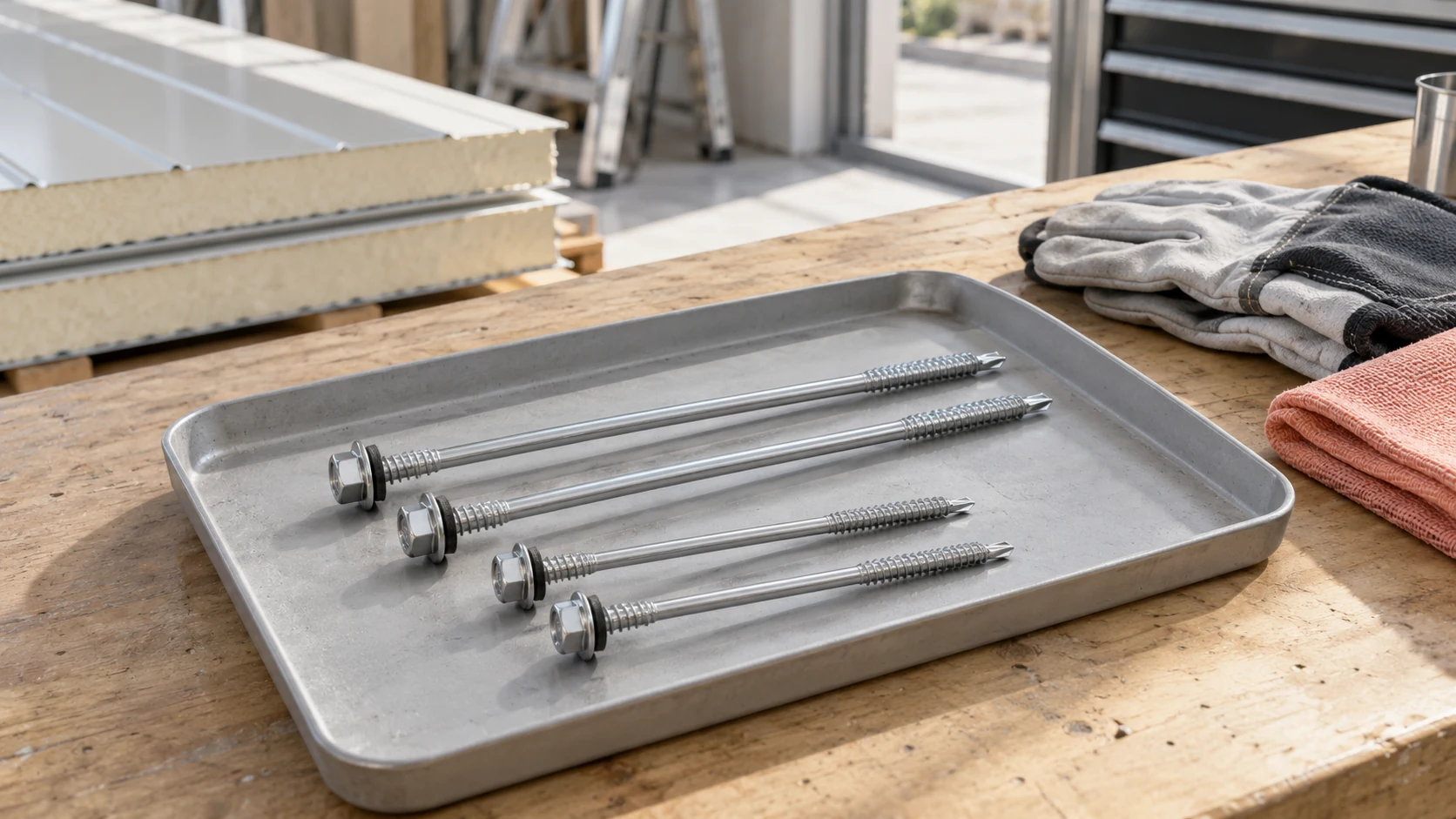
To work out how many screws to buy, start with the fixing layout for the building. It shows the panel joints, supports…
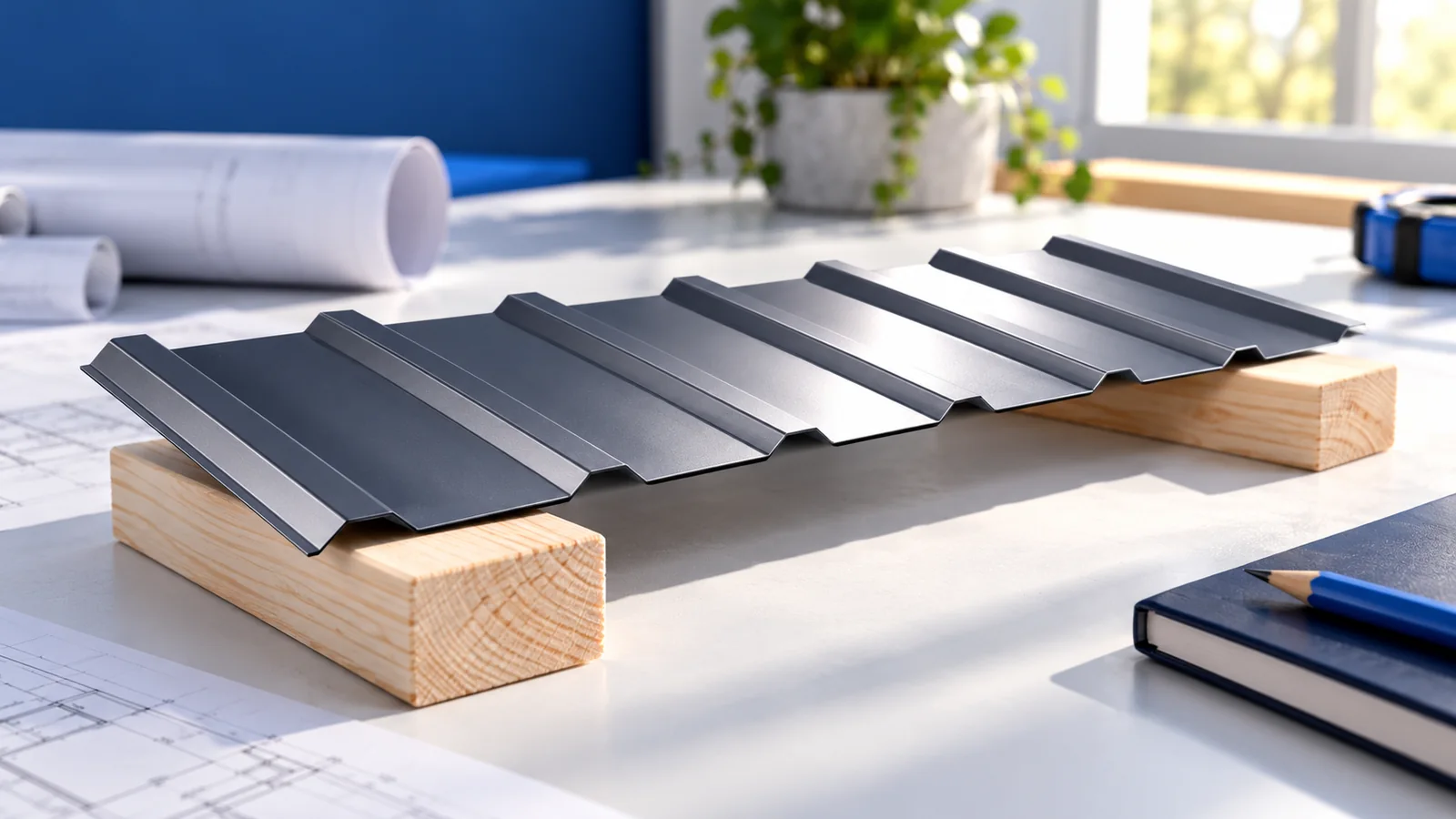
A wall plate forms the bearing between the rafters and the supporting wall in many timber roofs. Its size, joints and anchors…

Before cladding an existing masonry wall, establish its condition and how the new loads will reach the structure. Panels should not conceal…
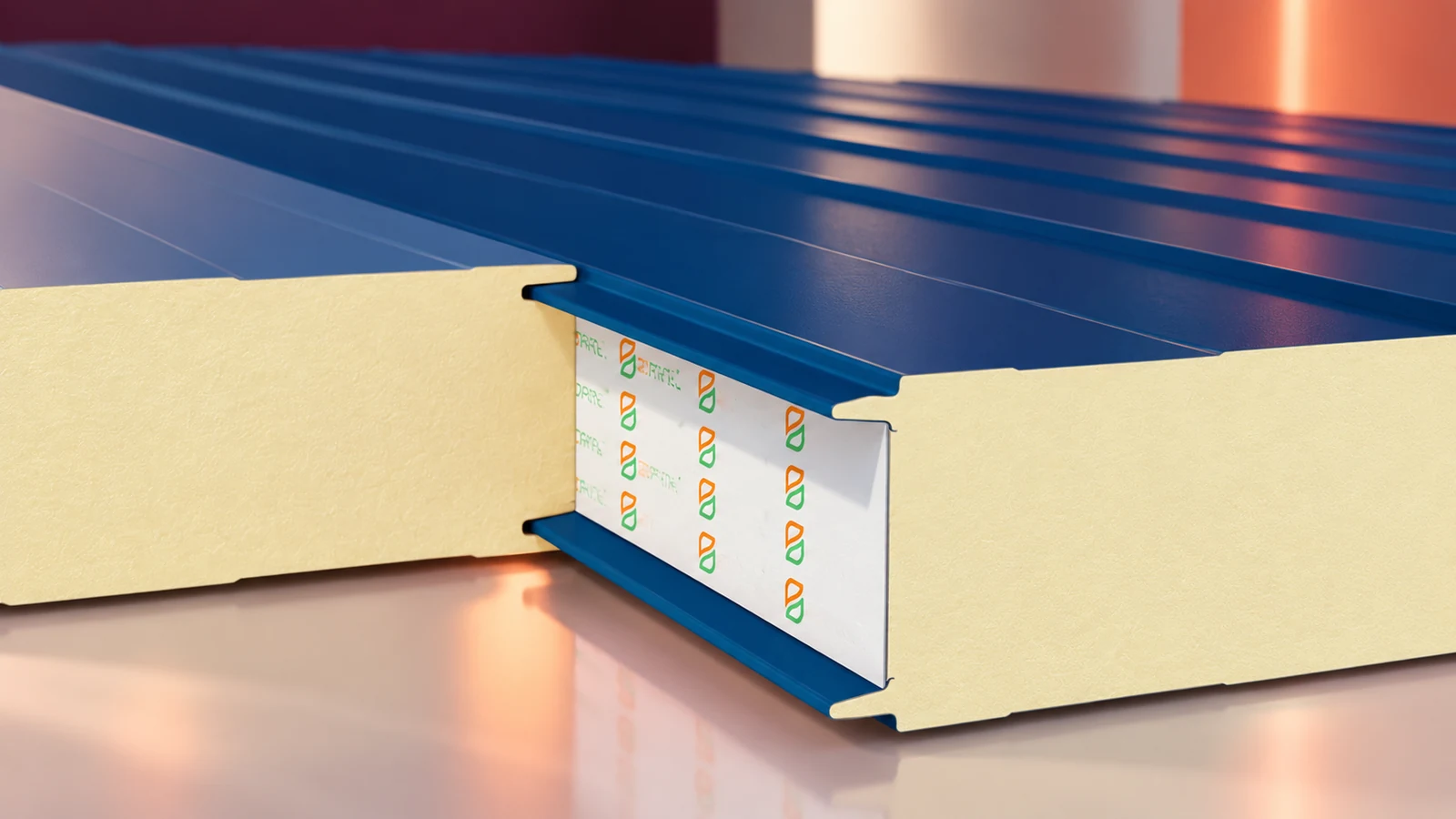
PIR sandwich panels are factory-bonded elements with an insulating core and metal facings. They are made for walls, roofs and specialist enclosures…
Most problems with a sandwich panel roof are easier to correct before the first lift. Check the supports, laying direction, crew equipment…
A metal roof can carry a photovoltaic array when the mounting system suits the particular roof and the structure can take the…
A roof estimate starts with slope dimensions and ends with the weatherproof details. Distinguish the area to be covered from the quantity…
A good installation plan for T18 or T35 starts at the eaves, before the first sheet goes up. Check the diagonals of…
