






How do you choose roof panel thickness without overspecifying it?
Sandwich panel roofs
At a glance
Choose roof panel thickness by comparing complete configurations against the building design. Start with indoor temperature, humidity and heating hours. A warehouse, a workshop and a room with tightly controlled conditions may need different thermal performance. The target U-value helps narrow the choice. Then check spans, loads, fire performance, moisture and junction details for each candidate. Record which requirement rules out a panel and what benefit a thicker option would bring. A thickness used on a nearby building is only a useful comparison if its supports, operating conditions and design requirements also match.
Define the indoor conditions and thermal target
Consider planned changes of use. If heating will become more intensive, include that operating scenario in the comparison. Estimate the feasibility and cost of a later upgrade to decide whether extra thickness now is justified.
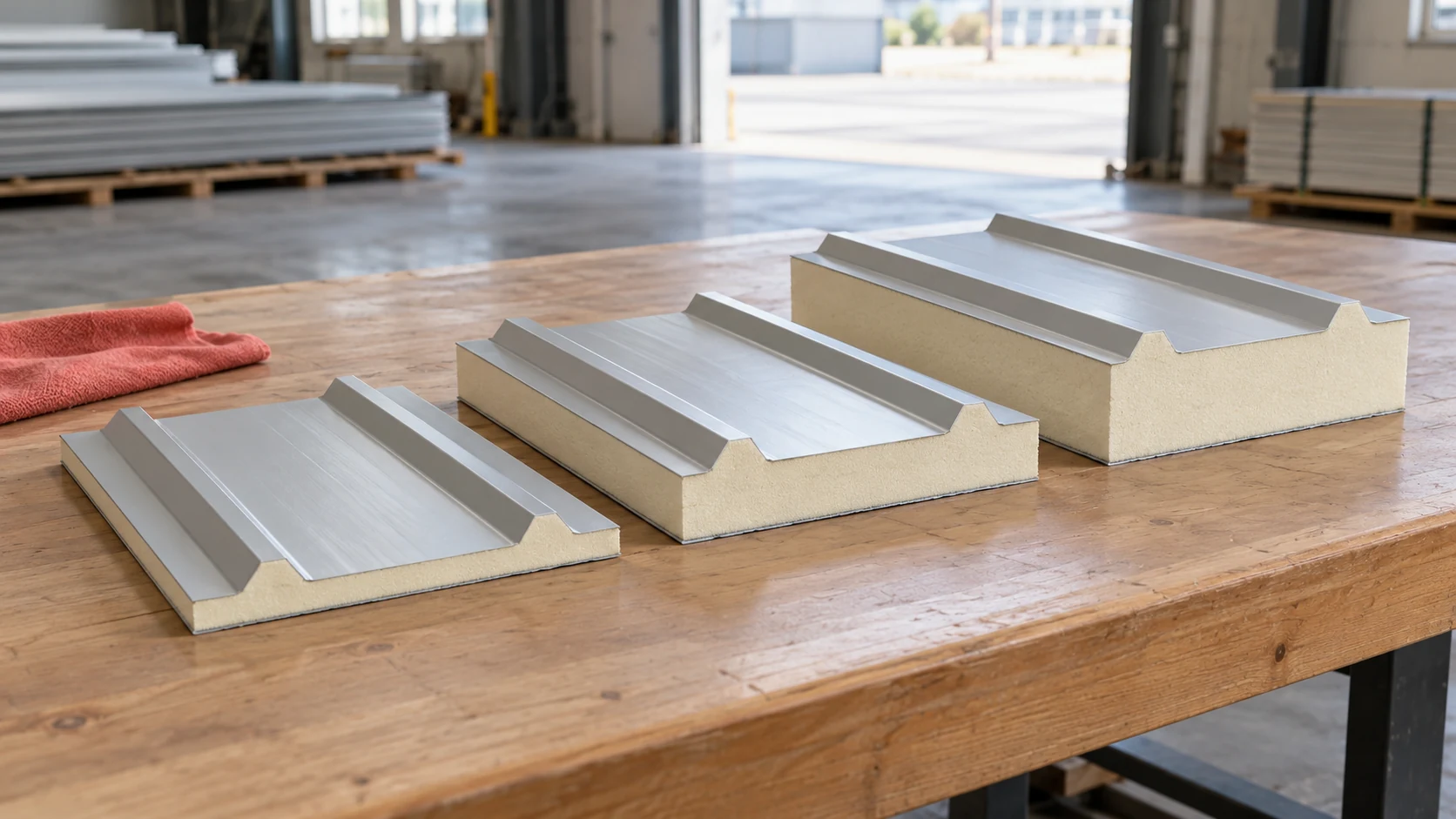
Compare three panels from the same product range
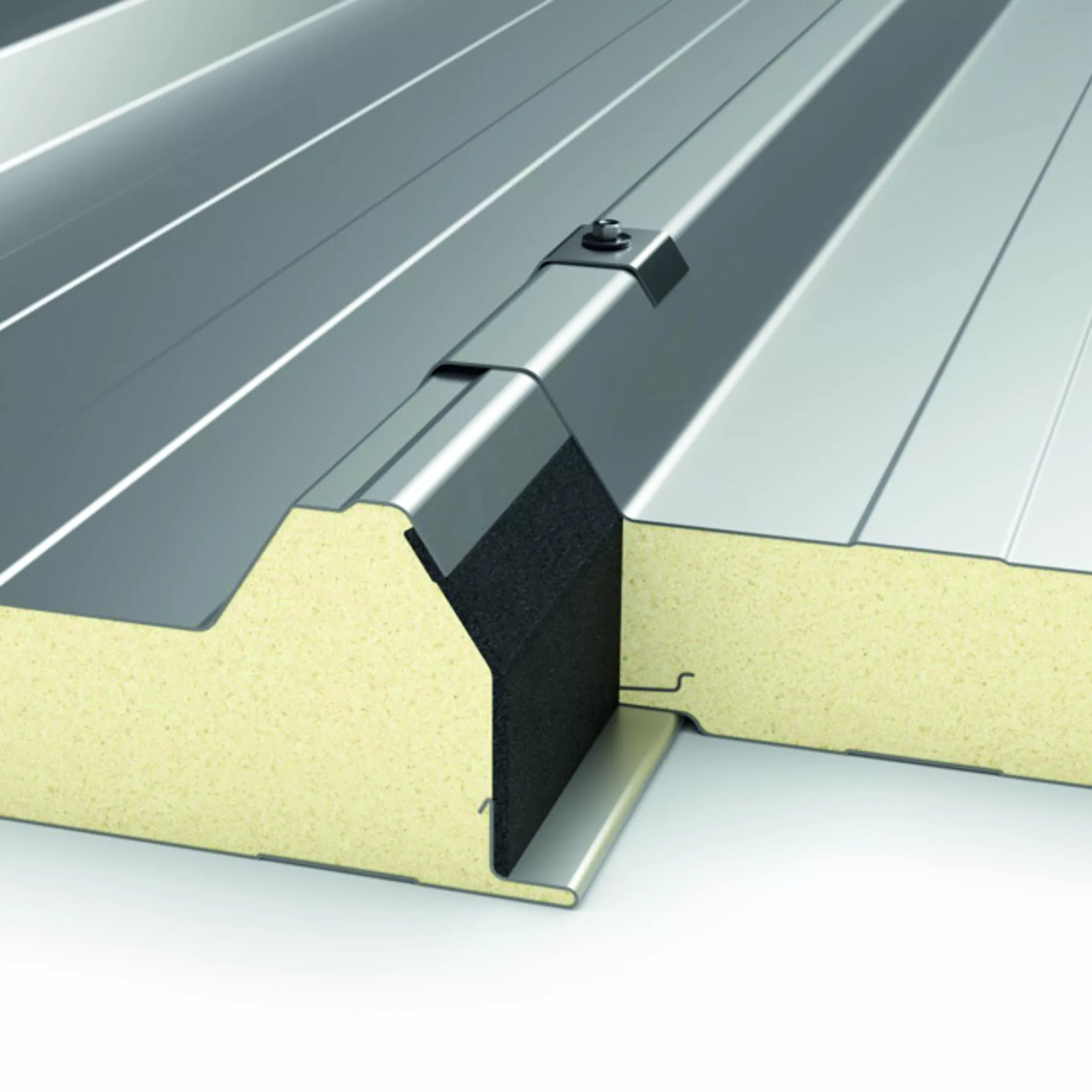
In one example range of steel-faced PIR roof panels, the 120, 150 and 180 mm versions have Uc values of 0.19, 0.15 and 0.12 W/(m²K) respectively. The figures apply to those configurations. Another panel of the same thickness can have different values and conditions of use.
For a design target of 0.15 W/(m²K) over the roof field, the first panel falls short. The other two warrant further comparison, including any required corrections and junction details. Check openings, connections and remaining design requirements before selecting a panel.
| Example panel thickness | Uc in W/(m²K) |
|---|---|
| 120 mm | 0.19 |
| 150 mm | 0.15 |
| 180 mm | 0.12 |
Check the panel and supporting structure together
Use the load table for the actual facing thickness, core, supports and number of spans. Include snow, wind and relevant additional loads. Check both resistance and deflection, with particular attention to corners and edge zones.
Include any extra purlins needed for a thinner panel in the cost. A thicker panel may reduce alterations if calculations show that the existing spacing is suitable. Check fasteners and the capacity of the fixing substrate separately.
Review junctions, fire performance and moisture
Check the permitted pitch for the panel and joints. Extra thickness cannot remedy poor drainage or insufficient fall. Keep the ridge, eaves and wall junctions insulated and sealed. In heated buildings, local cold surfaces may encourage condensation.
Fire documentation must cover the installed assembly, including supports and joints. Check the field of application before using a classification for another thickness. In humid rooms also check the seals and internal coating. The chosen assembly must satisfy all requirements together.
Compare cost and future rooftop equipment
Cost the panels, supports, fixings, flashings, seals, transport and installation. Estimate differences in heating costs for the same climate and operating schedule. An intermittently heated building will give a different result from a hall heated around the clock. State those assumptions with any savings figure.
Specify loads and fixing arrangements for planned plant or photovoltaic panels. Extra thickness gives no blanket allowance for equipment. The load may need to go directly to the frame. Record the assumptions before ordering to avoid redesign after installation.
Record the full specification
Record thickness, facings, coating, lengths and joint layout in the selection schedule. Include loading conditions, thermal performance and handover documents. Set out restrictions on future openings and equipment so the installer knows exactly what to order.
Check the affected properties whenever a substitute is proposed. Different steel facings can change capacity even at equal thickness. A different joint can affect weathertightness. At delivery, inspect labels and condition against the accepted configuration.
Questions and answers
Is it always worth paying for the thickest panel?
Not always. Establish the requirements and total roof cost first. Additional thickness should provide a demonstrable benefit for this building.
Is a thickness selected from the U-value enough to place an order?
No. Complete the structural, fire, moisture and junction checks. Identify facings, coating and joints unambiguously in the order.

Free quote
What to include in your enquiry
Tell us how you plan to use the material, the dimensions and the quantity you need. Include the thickness, grade or variant name, along with the delivery town or your preferred collection branch. For a specific product, add its name or a link to the product page. We will reply to the email address you provide to discuss availability and the terms of your order.
Read next
A complete roof price covers the load-bearing structure, the layers beneath the covering, the covering itself and the details that keep water…
A metal roof can carry a photovoltaic array when the mounting system suits the particular roof and the structure can take the…
Inspect a metal roof after winter from the ground and, where safely accessible, from the loft. Compare the eaves, gutters and sheet…
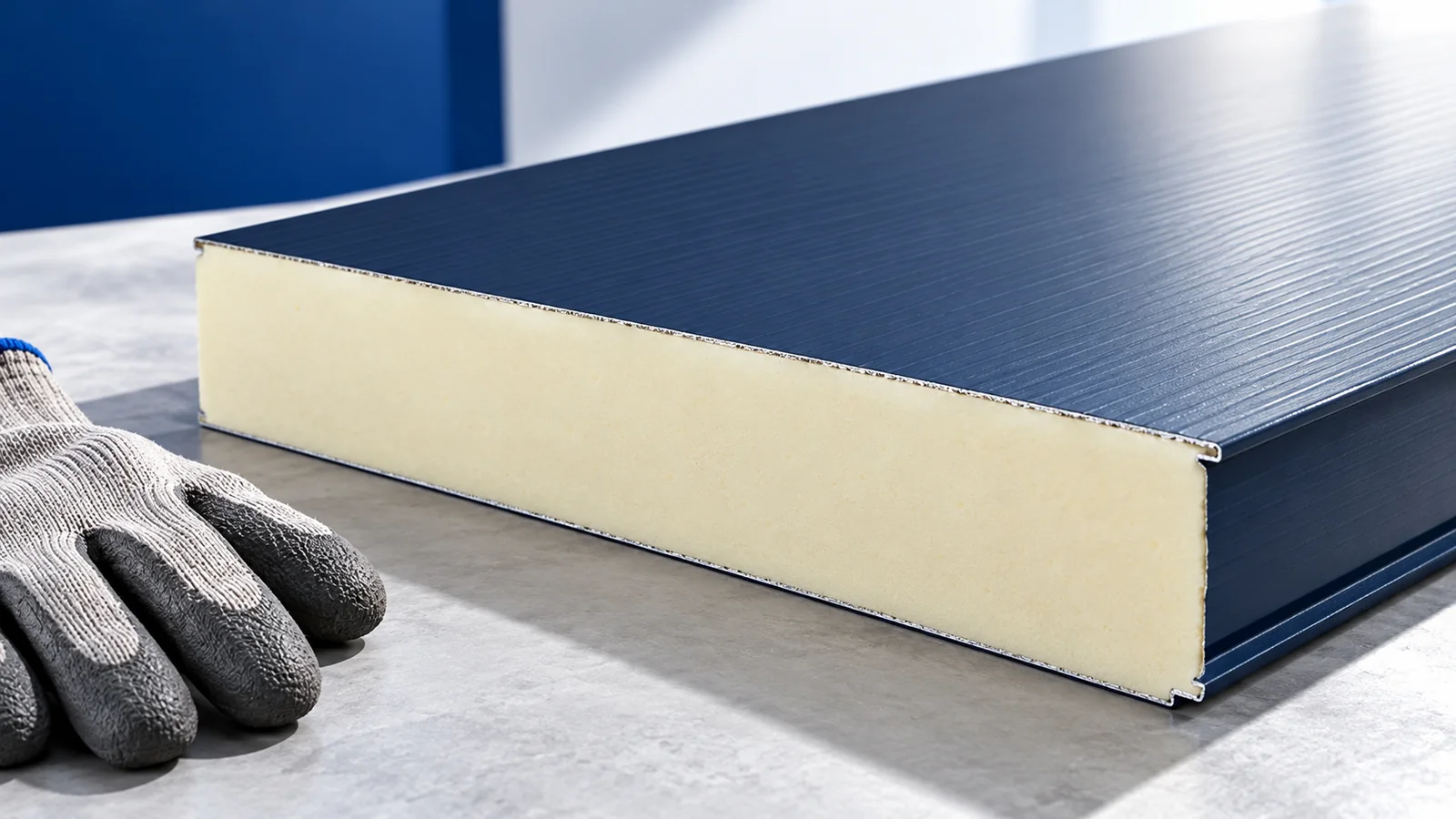
Look at the whole elevation before choosing a metal roof from a sample. Shallow trapezoidal ribs cast fine shadows; a deeper profile…
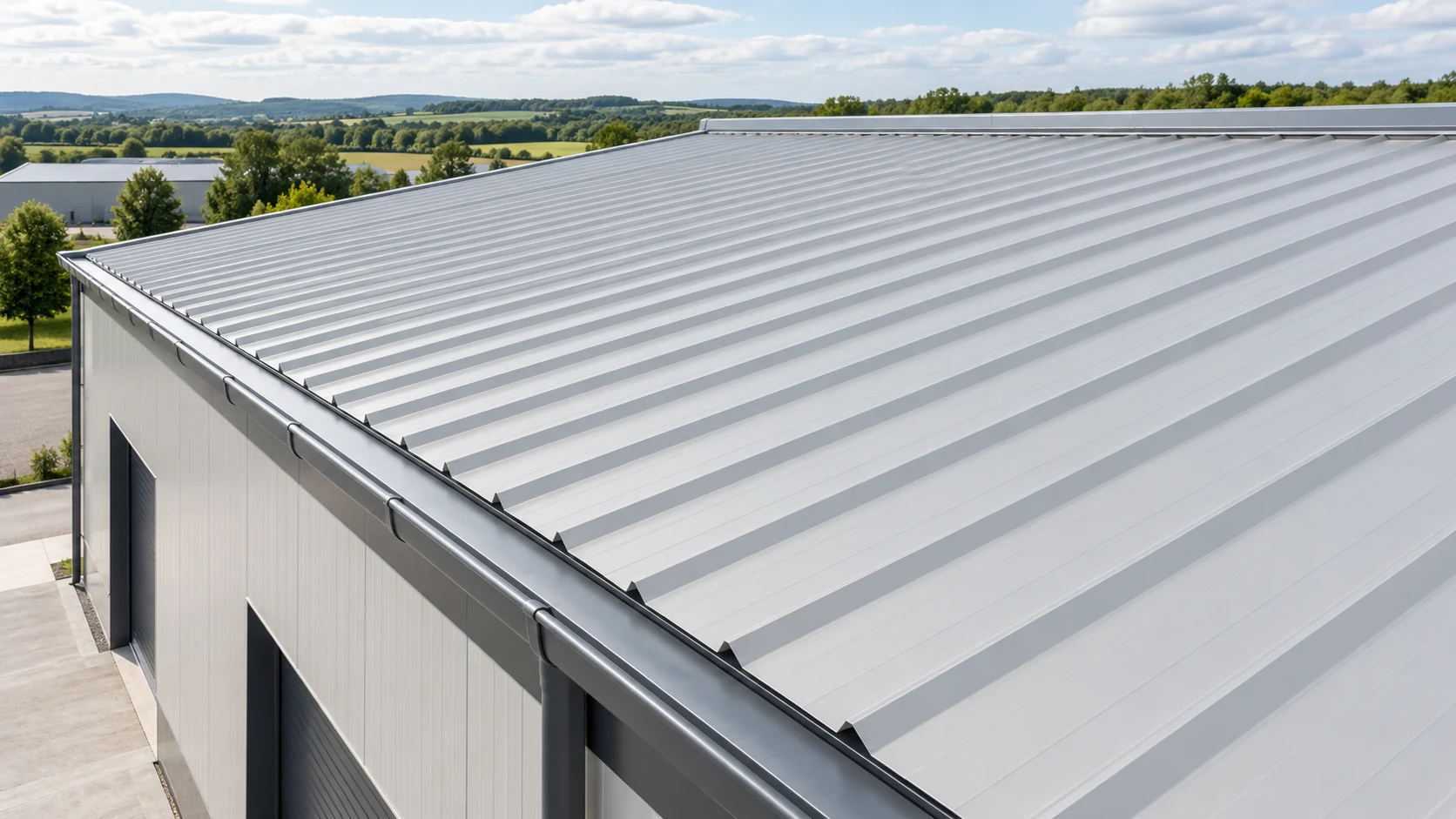
Most problems with a sandwich panel roof are easier to correct before the first lift. Check the supports, laying direction, crew equipment…
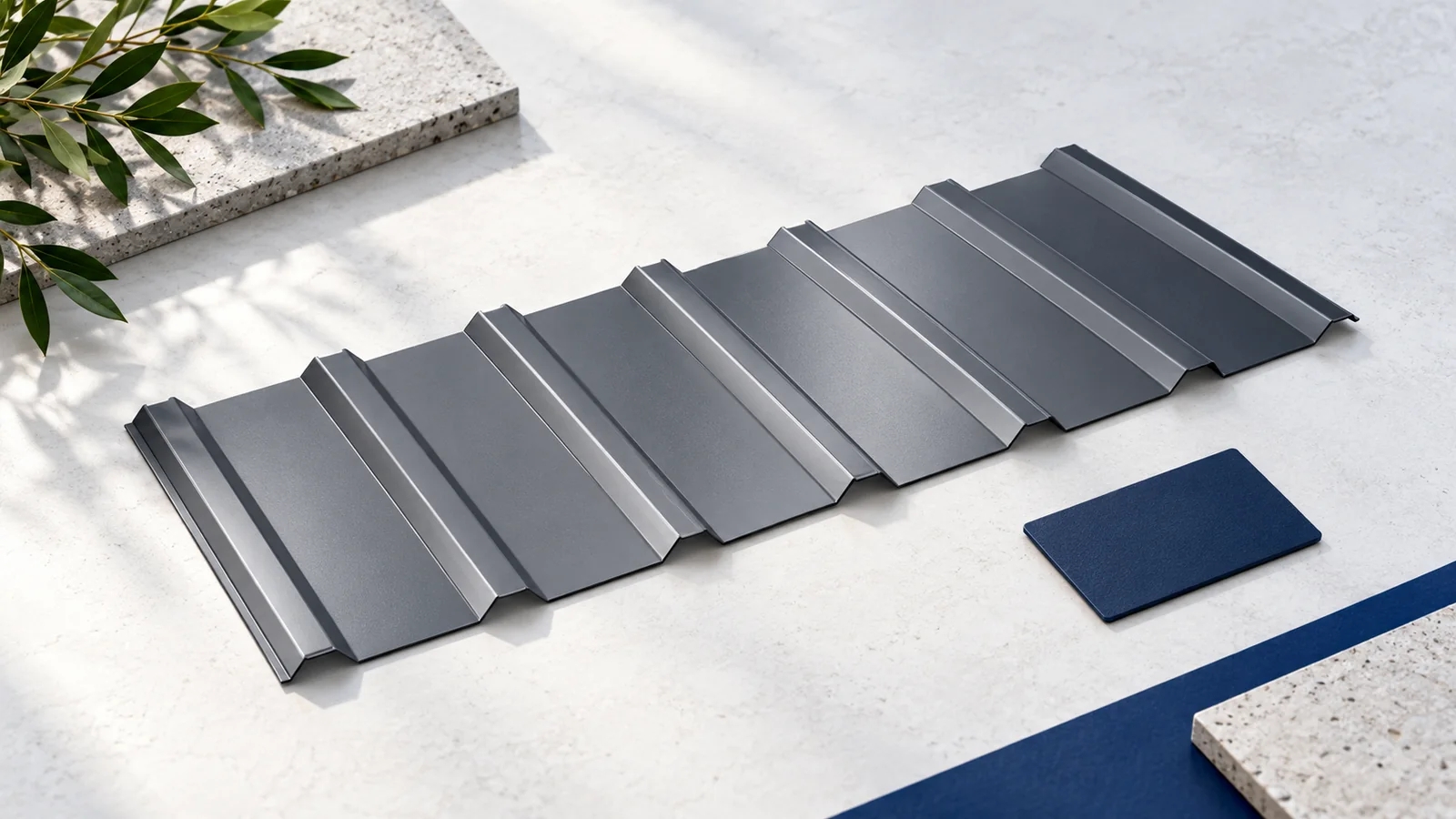
A roof with several intersecting slopes can follow the wings of a house and shape the rooms beneath. Before choosing the covering,…
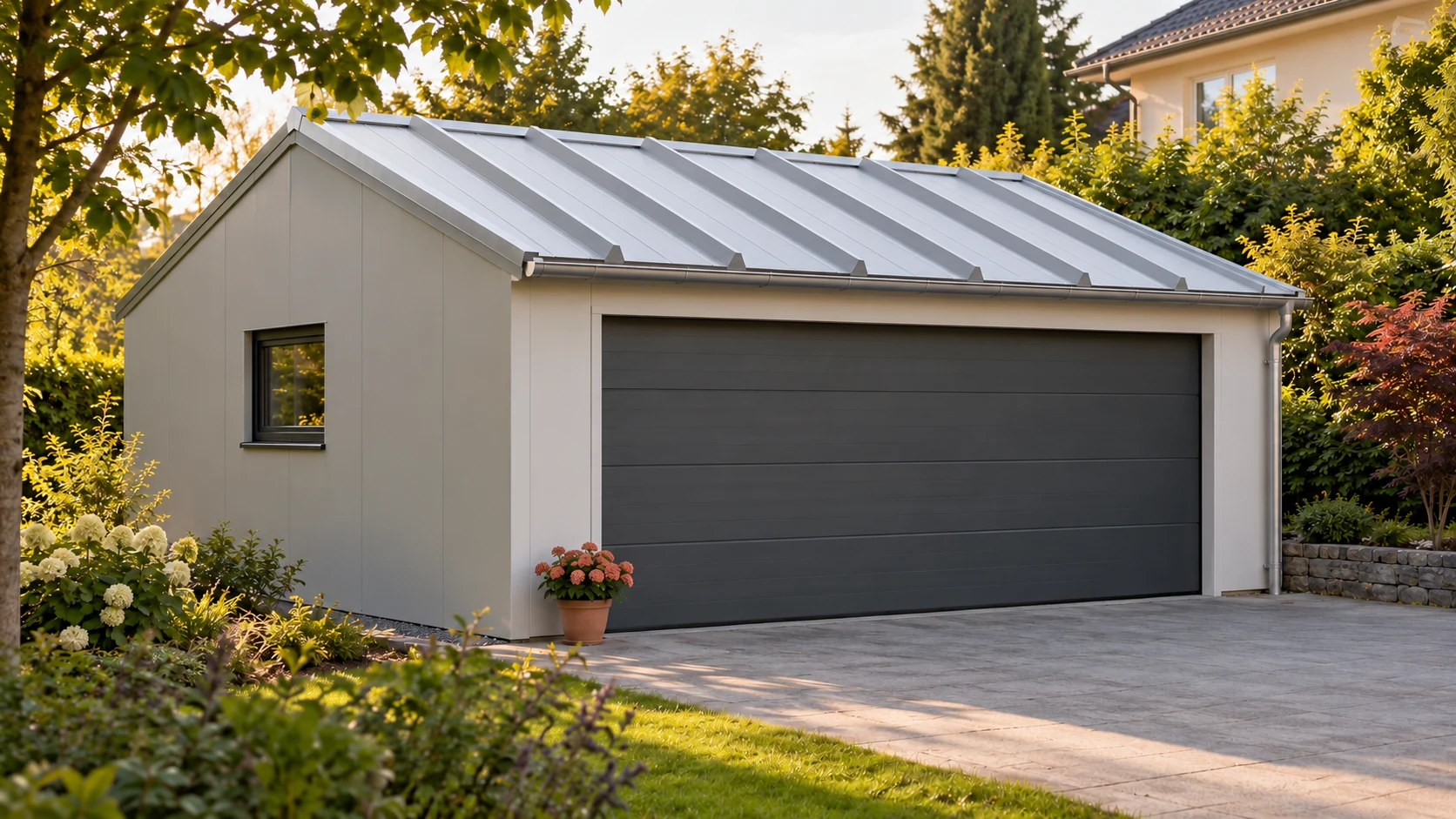
Choose a garage roof for the loads, weather exposure and conditions inside the building. A heated garage needs to limit heat loss.…
Recyclability tells you what might happen to a steel sheet after removal, not the environmental impact of the roof over its life.…
