






What to do when a roof leaks and how to trace the cause
Roof repairs and maintenance
When water appears inside a building, keep clear of wet electrics and sagging ceilings. Photograph the first signs from a safe position and note whether the water appeared during rain, after a thaw or in dry weather. That detail helps a roofer distinguish rain entering at a flashing from moisture condensing on cold metal. Water can travel along the roof structure before it drips, so the inspection needs to extend beyond the stain. The choice of repair depends on where the water came from, which layers it reached and whether the affected materials are still fit for use.
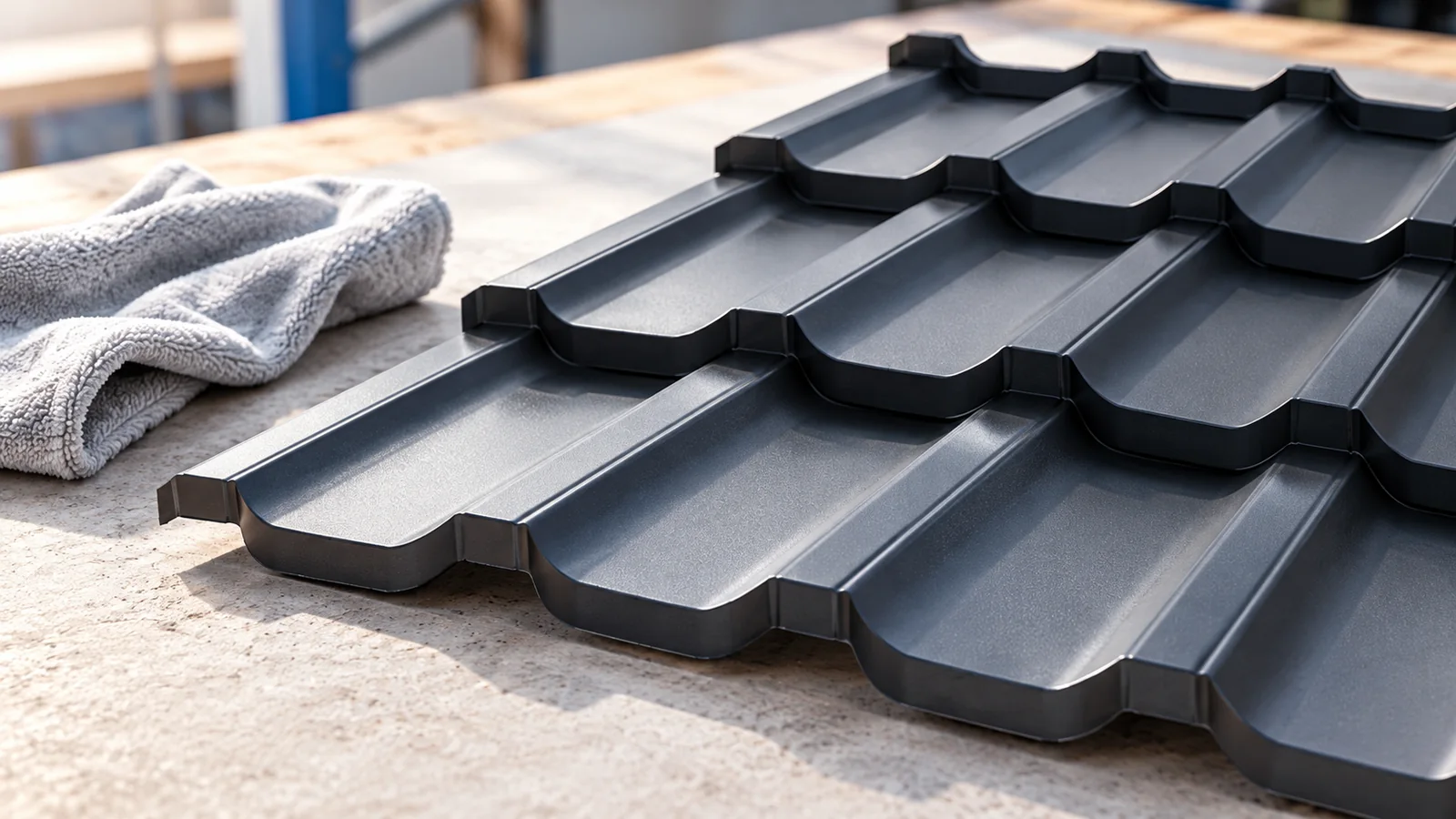
What should you do as soon as you notice water?
If you can do so safely, move belongings away from the water and contain the spread. Stay clear of affected electrical fittings and bulging ceilings. Keep off a wet roof during rainfall. A suitably equipped roofer should install any temporary weather protection.
Photograph the stain and record when it first appeared. Note whether there was steady rain, wind-driven rain or melting snow. The pattern may help the roofer identify a flashing that leaks in ordinary rainfall or a joint that admits water only when the wind blows from a particular direction.
Why can a stain appear far from the leak?
Water can run along the underside of a sheet, a membrane, a beam or a service line. The stain marks where it finally found a way into the room. Sealing the sheet immediately above it may miss the defect. Trace the route back up the slope and inspect the details along it.
The roofer should inspect chimneys, roof windows, valleys and service penetrations, as well as sheet laps and fixings. Some details are hidden from ground level. Photographs taken during installation can show how the layers run and where water was meant to discharge outdoors.
Is it a leak or condensation?
Moist air meeting a cold surface can produce droplets even in dry weather. In an insulated roof, check the airtightness of the inner layers, the ventilation and the condition of the insulation. Replacing the outer sheet alone will leave a condensation problem unresolved.
Anti-condensation fleece on the underside of trapezoidal steel sheet can hold condensate temporarily. It needs an opportunity to dry again and has limited capacity. Where activities inside generate a great deal of moisture, the ventilation and the thermal design of the roof may both need attention.
Which defects will a roofer look for?
At screw fixings, the roofer checks the washers, how firmly they bear on the sheet and the condition of the holes. Other checks cover laps and their supports, flashing upstands and the direction of drainage. Later work, such as fitting equipment through a previously sound roof, can introduce a new leak.
Valleys and gutters need a clear drainage path. Leaves or other obstructions can cause water to back up during a downpour. Even if a drip stops after cleaning, check the underlying layers. Timber and insulation may have been wet for some time.
Will tape or sealant be enough?
Tape or sealant can form part of a repair if it suits the material, the exposure and the size of the defect. The surface needs appropriate preparation. Adding layers over wet dirt makes the joint harder to inspect later and leaves faults in the original connection unresolved.
A faulty lap, inadequate fall or incorrectly shaped flashing may need to be rebuilt to the right geometry. Tightening a screw further may do little if the hole has widened. Once the roofer has identified the fault, the repair should restore reliable drainage and a durable connection.
What should you do about wet insulation?
Stop the water at its source, establish the extent of the damage and then assess whether the materials can be dried and reused. Insulation does not always recover its original performance on drying. Consider the product, the length of exposure and the condition of its facings. Inspect panel joints and edges as well.
Check conditions inside the roof build-up before closing the lining. Moisture trapped behind a new layer can prolong the damage. Photographs of the exposed areas and a record of the repair give a better basis for follow-up inspections than the appearance of a freshly painted ceiling.
How can you reduce the risk of another leak?
After the repair, agree which flashings, fasteners and outlets need regular inspection. Recheck them after severe wind or work that could have damaged the roof. Plan access so that inspection itself does not damage the covering.
Keep a written description of the cause and the repair. If the leak returns, the next roofer can see which details have already been checked. A diagnosis that identifies the layers affected will show whether a local repair is enough or whether a larger section needs opening up.

Free quote
What to include in your enquiry
Tell us how you plan to use the material, the dimensions and the quantity you need. Include the thickness, grade or variant name, along with the delivery town or your preferred collection branch. For a specific product, add its name or a link to the product page. We will reply to the email address you provide to discuss availability and the terms of your order.
Read next
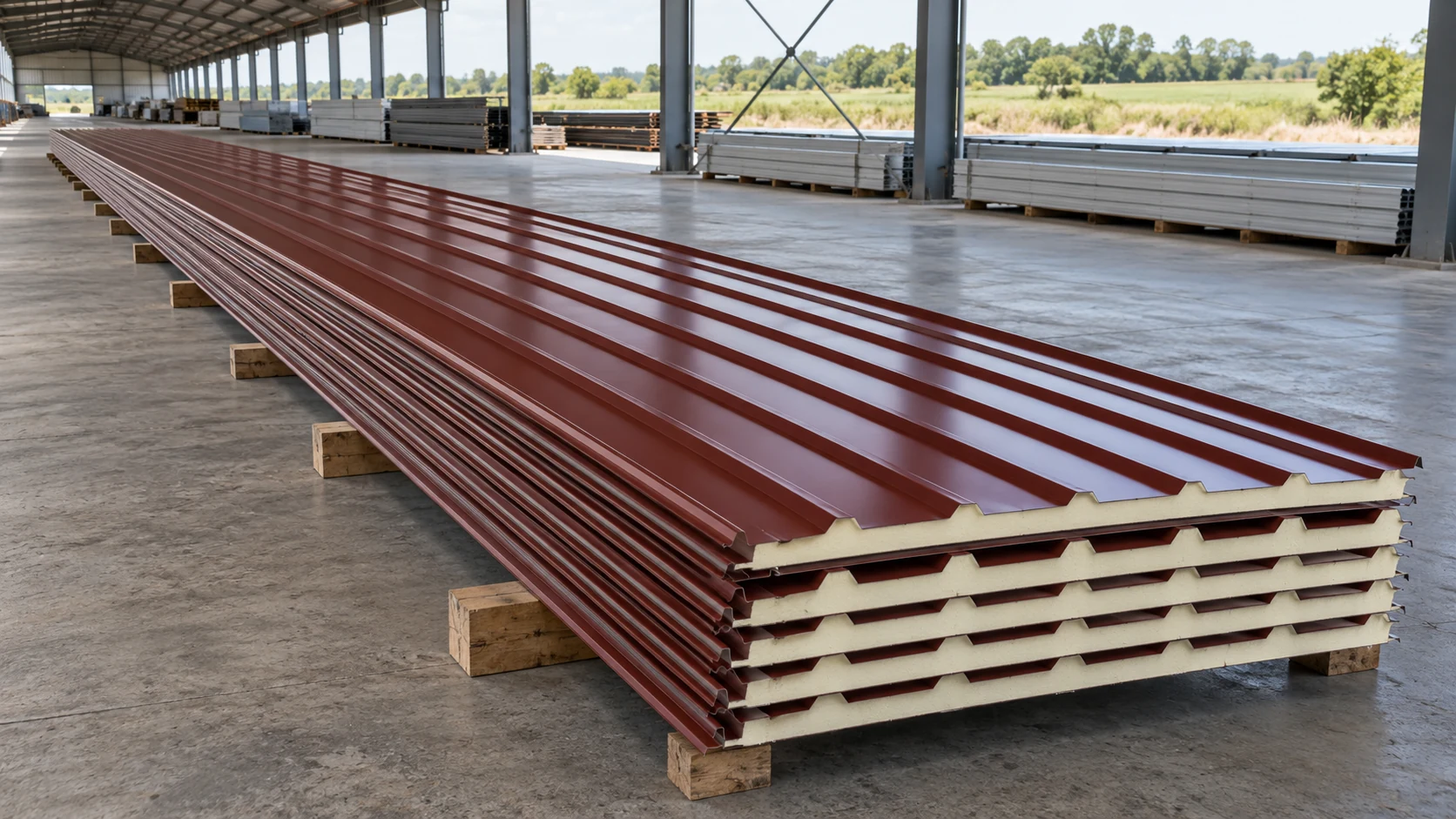
A single panel running from ridge to eaves can eliminate an end lap and the support and sealing detail it would otherwise…
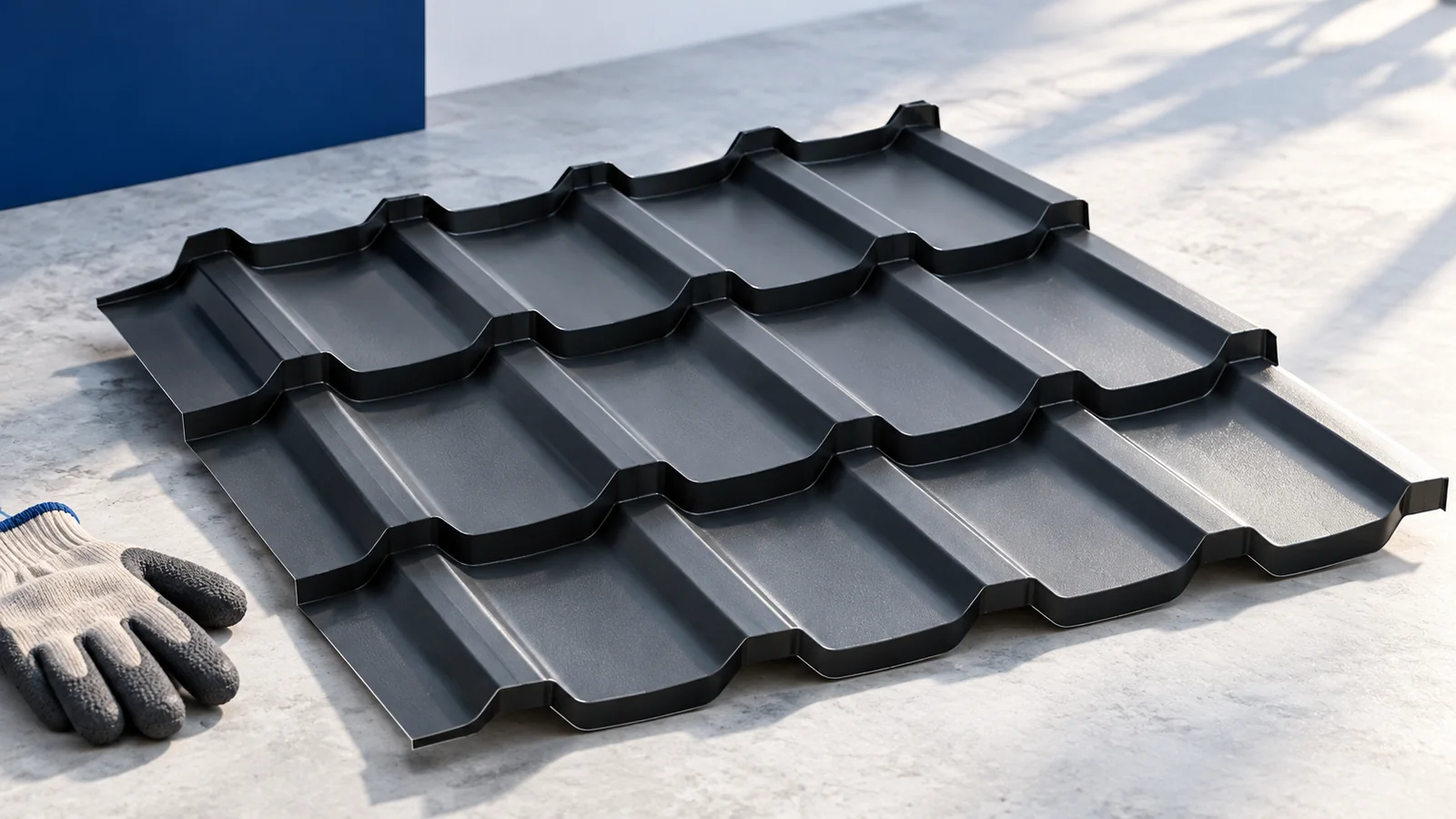
Metal roofing can reduce the weight the covering adds to a roof and gives the designer a choice of profiles, finishes and…
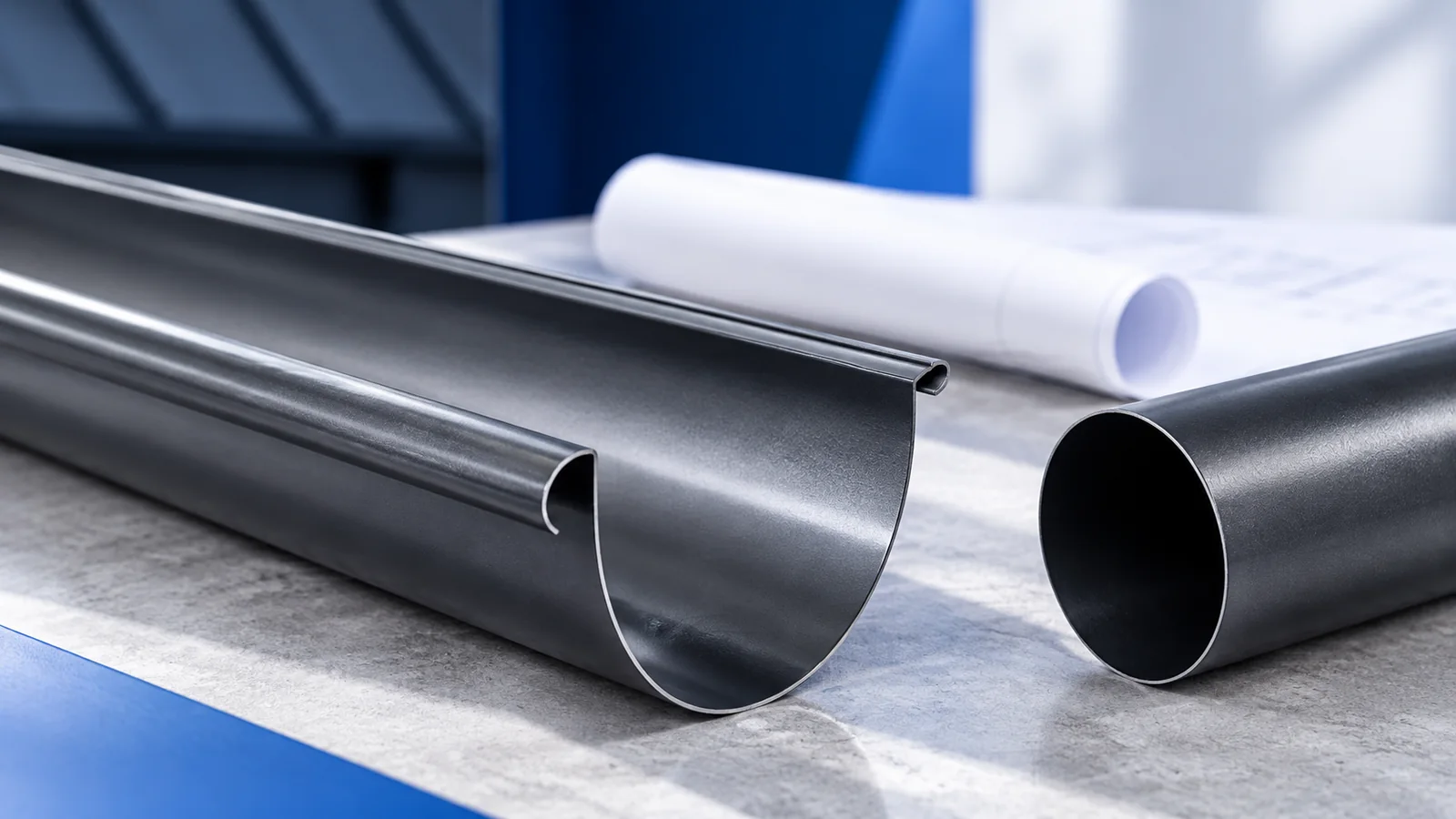
Square gutters emphasise the straight edge of a metal roof. Their outline tells you little about how much rainwater they can carry.…
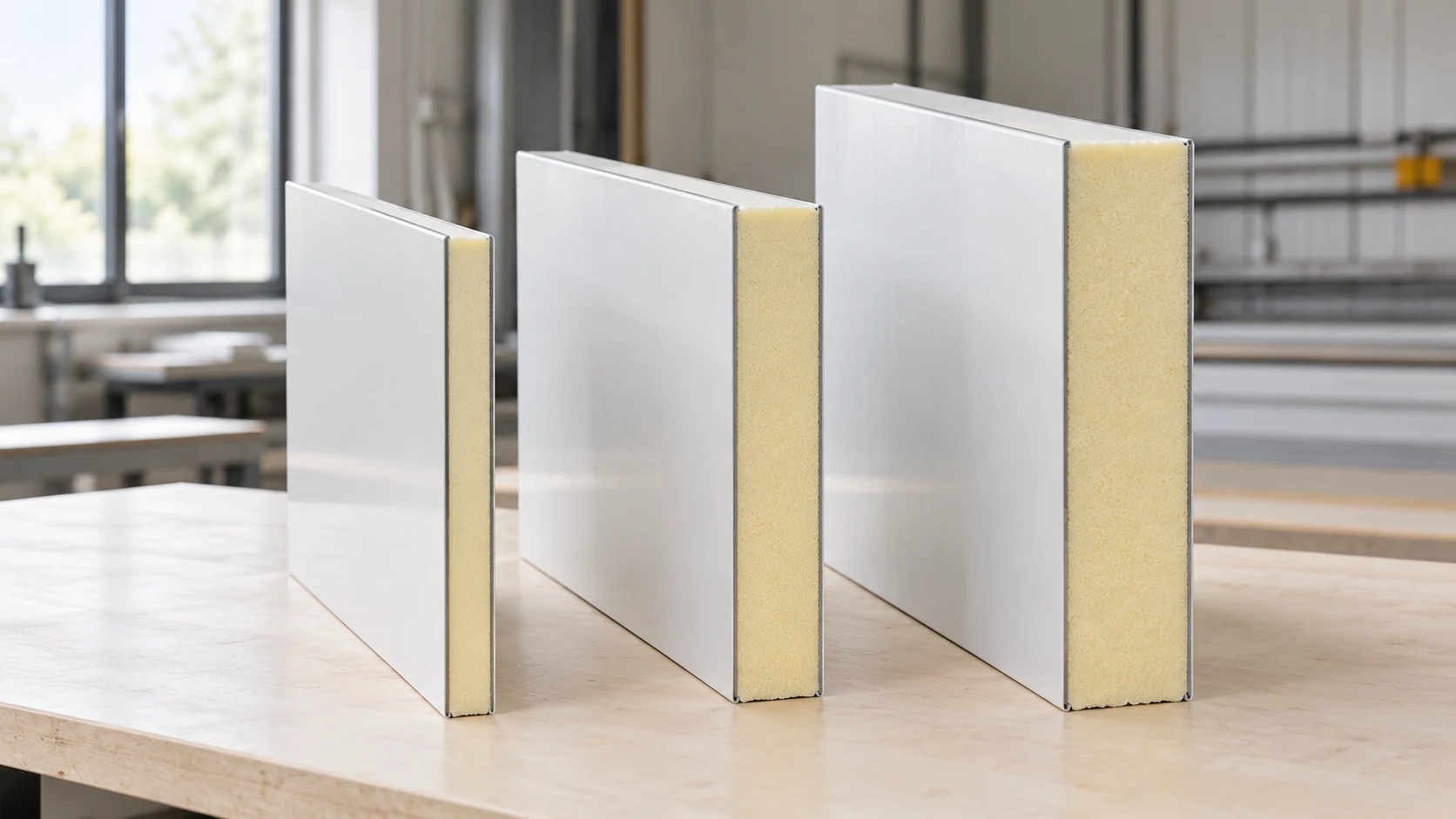
A quotation is useful when the price can be traced to a particular panel and quantity. Different cores, facings and fasteners can…

Rafter size and spacing depend on the span between supports, the timber grade, the roof build-up and local wind and snow loads.…
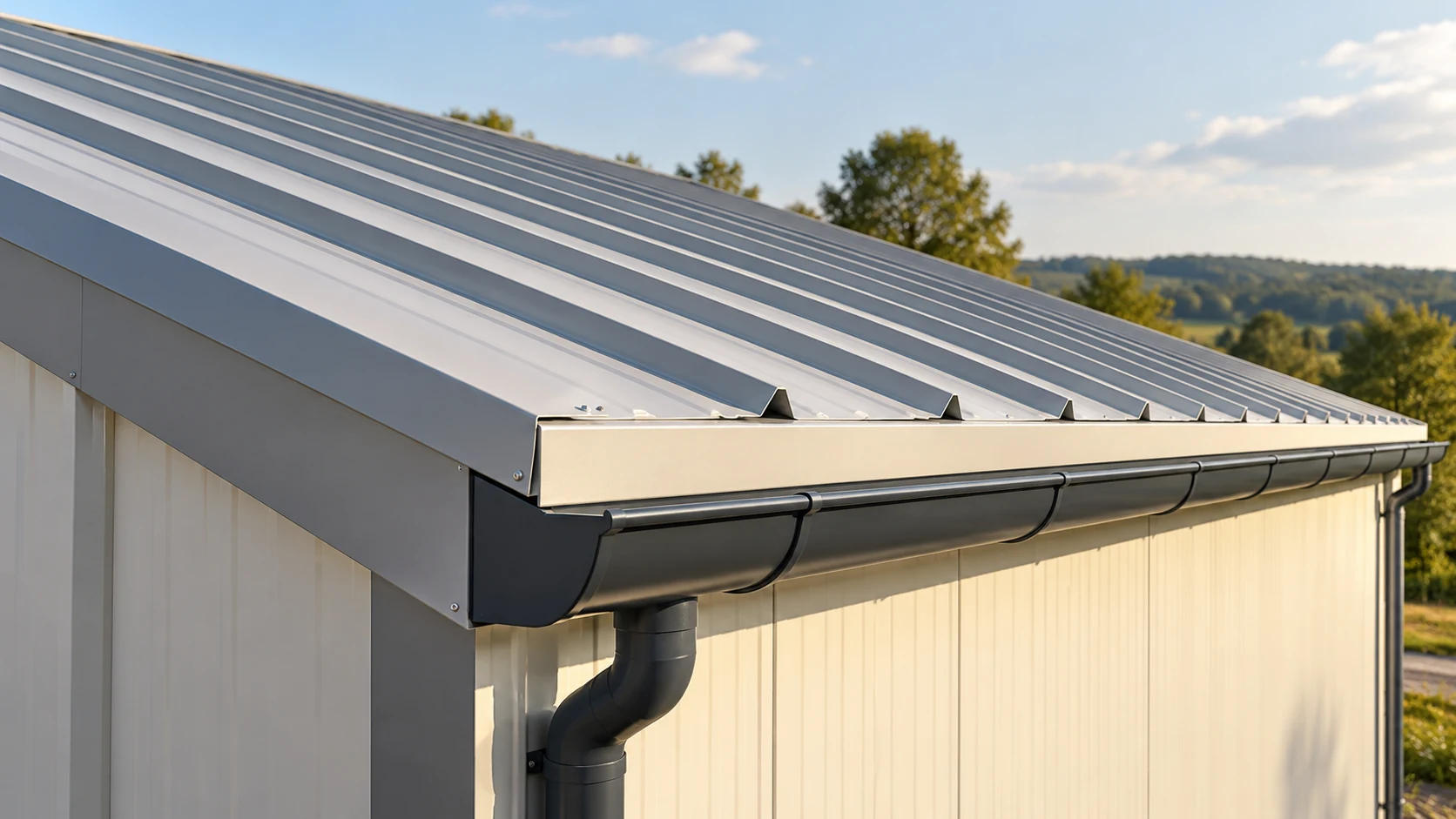
A roof estimate starts with slope dimensions and ends with the weatherproof details. Distinguish the area to be covered from the quantity…
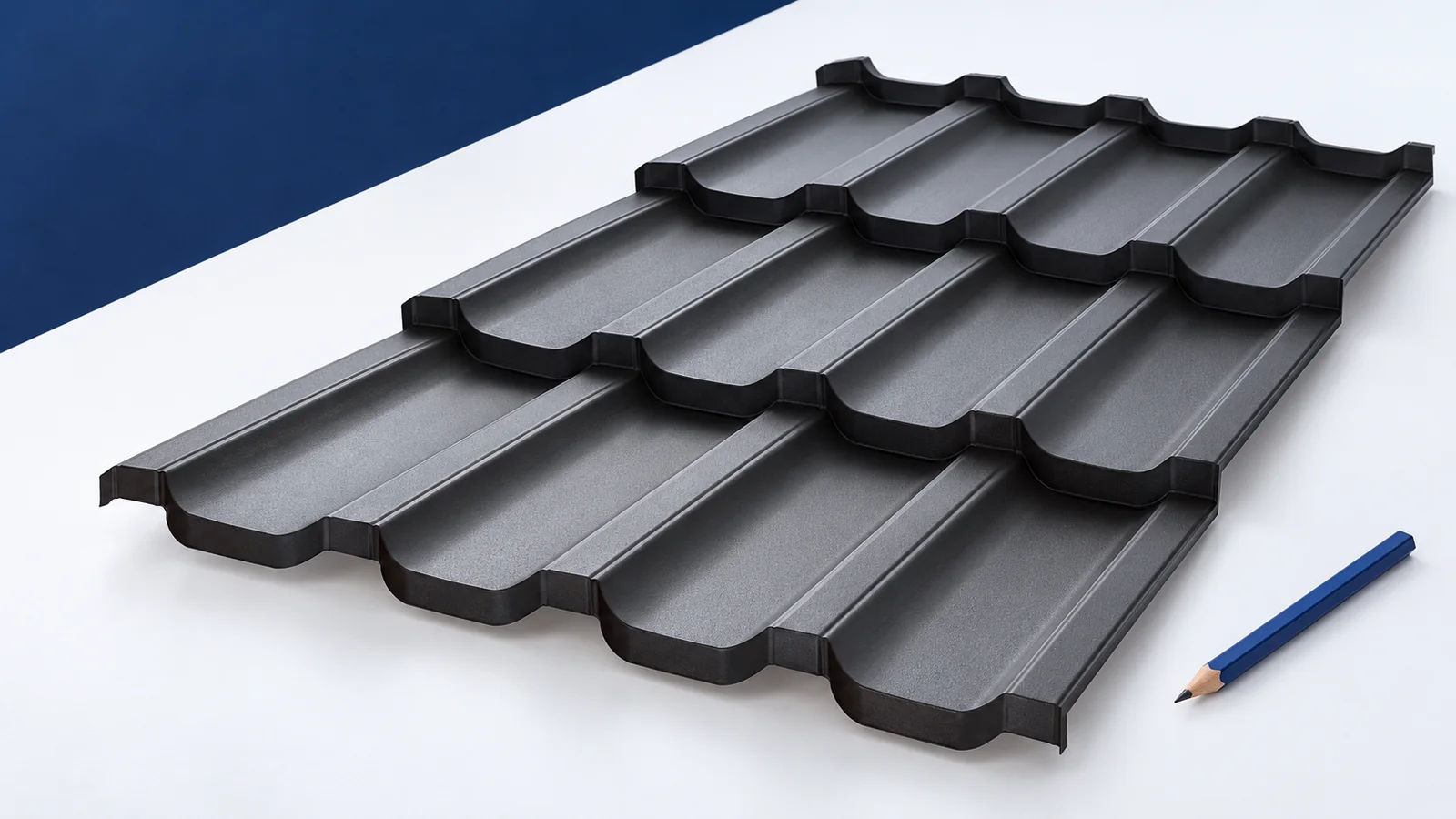
Plan the route from the roof access point to the chimney or equipment that needs servicing, including where the technician will stand.…
Two roofers can quote different prices per square metre for the same slope because they are pricing different work. One may include…
