






How to reduce roofing costs for a garage, house or terrace
Costs and planning
Price the roof you need, not just the sheet you can buy most cheaply. An open terrace may need little more than a weather covering and drainage; a heated workshop needs insulation and an internal finish as well. Draw the roof, mark the supports and work out what each option covers after overlaps. Then compare the delivered and installed prices, including flashings, fixings and access. A simple rectangular layout or a better cutting plan can save money without compromising the roof. Omitting a required layer or fitting a sheet below its permitted pitch can turn a small saving into a repair bill.
Define what the roof needs to do
An open terrace canopy serves a different purpose from the roof above a habitable loft. Rain protection may suffice for an unheated garage; a heated room also needs an appropriate thermal envelope. Decide on the indoor conditions and the finish before comparing prices per square metre.
Check pitch, support spacing and drainage. A low-priced sheet may not suit the existing roof. Altering the framing or adding joints can use up the saving. For a refurbishment, include the condition of the substrate and the cost of removing the old covering in every option.
When is trapezoidal sheet economical?
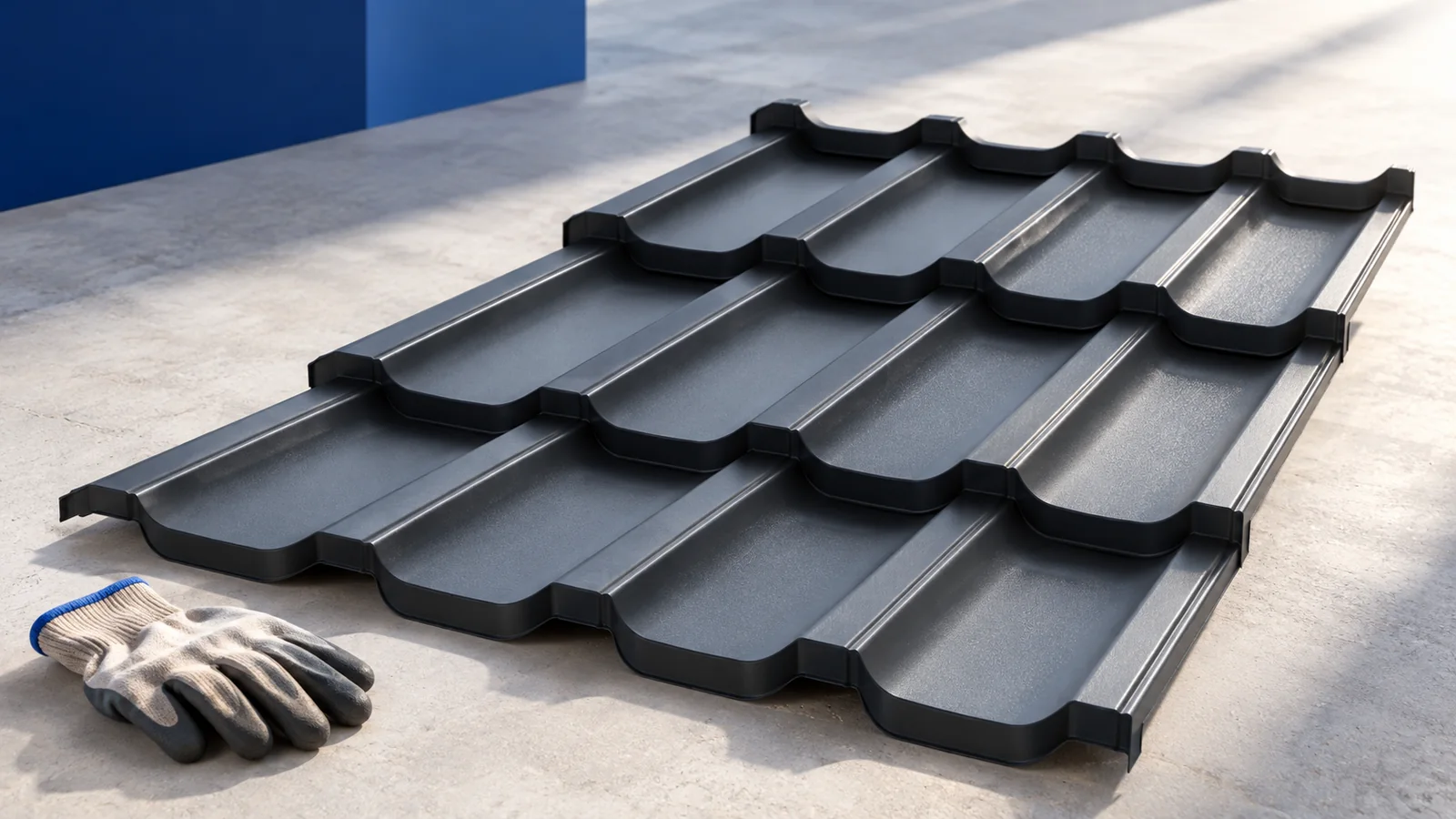
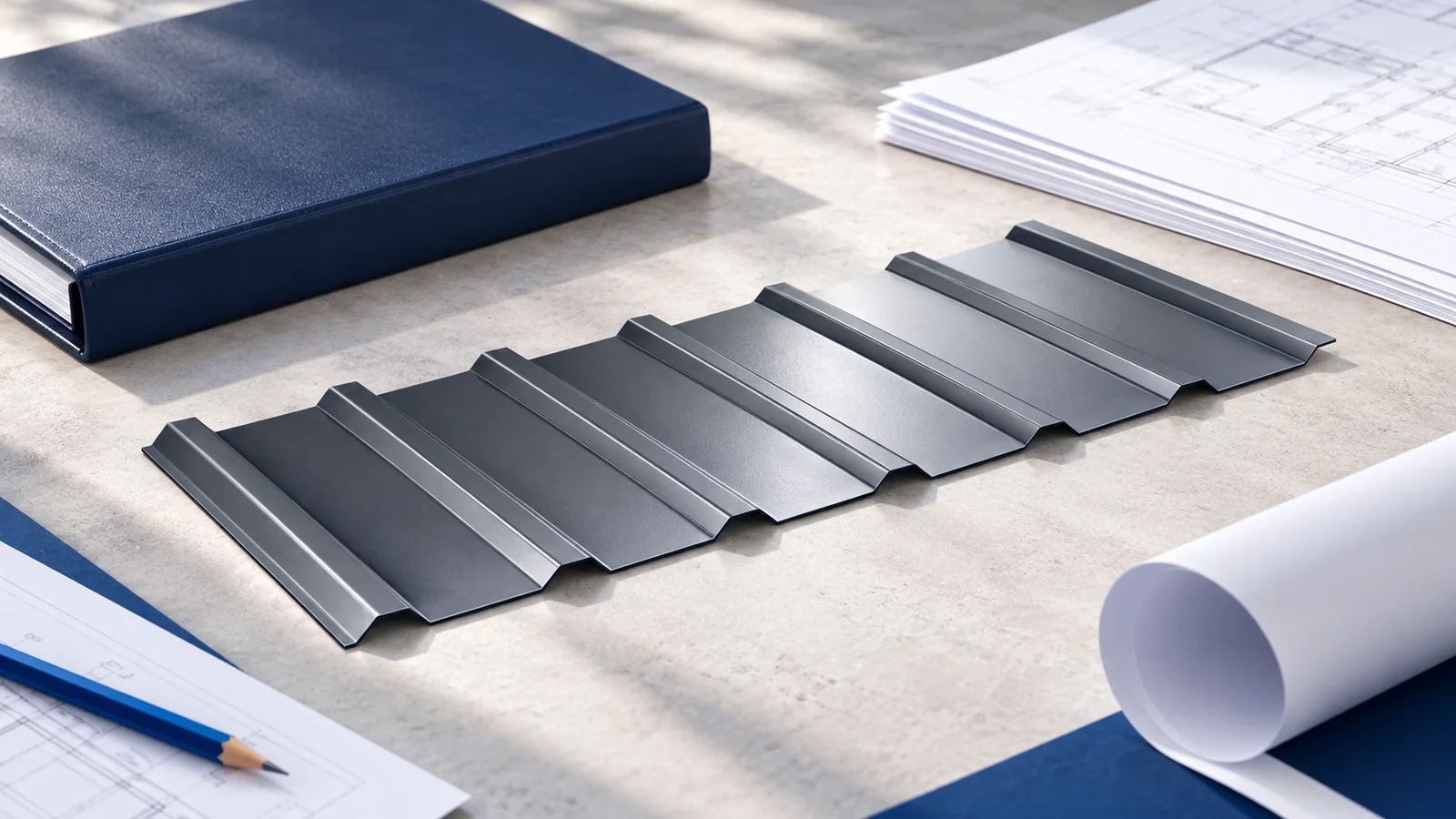
Long sheets can often cover a simple rectangular slope with few cuts. T18 or T35 may be economical if the selected profile can span the supports under the design loads. A deeper profile is not automatically better on a small canopy. Include the substructure, fixings and flashings in the comparison.
The Polish catalogue effective from 28 October 2026 listed a 0.50 mm T18 sheet with a basic coating at approximately €8.42 excluding VAT per m² of effective cover, converted at the shop rate on 13 November 2026. This is a historical comparison for one specification, not an offer from this site. A thinner sheet, a different grade or a price per gross sheet area is a different comparison.
Is an insulated sandwich panel worth the extra cost?
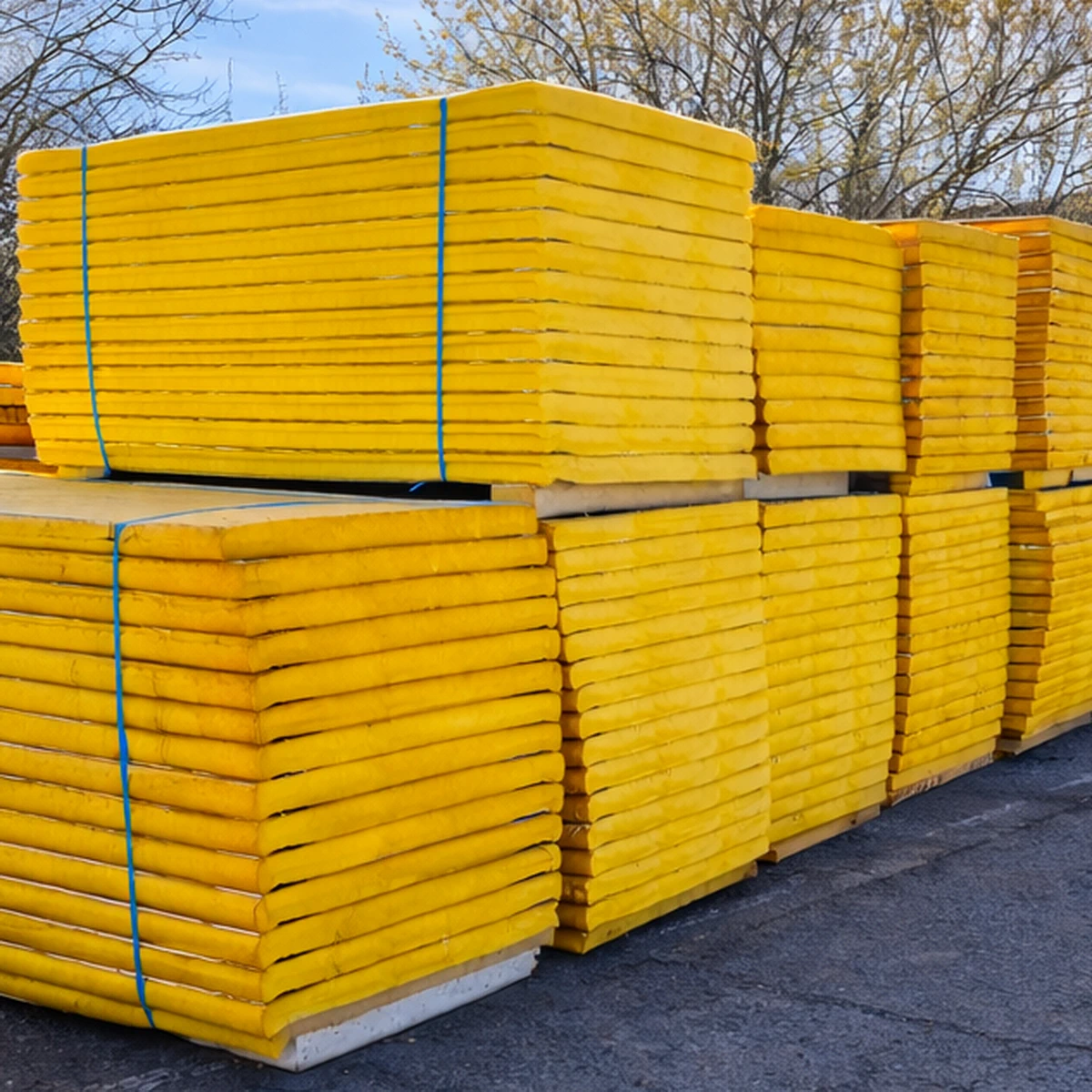
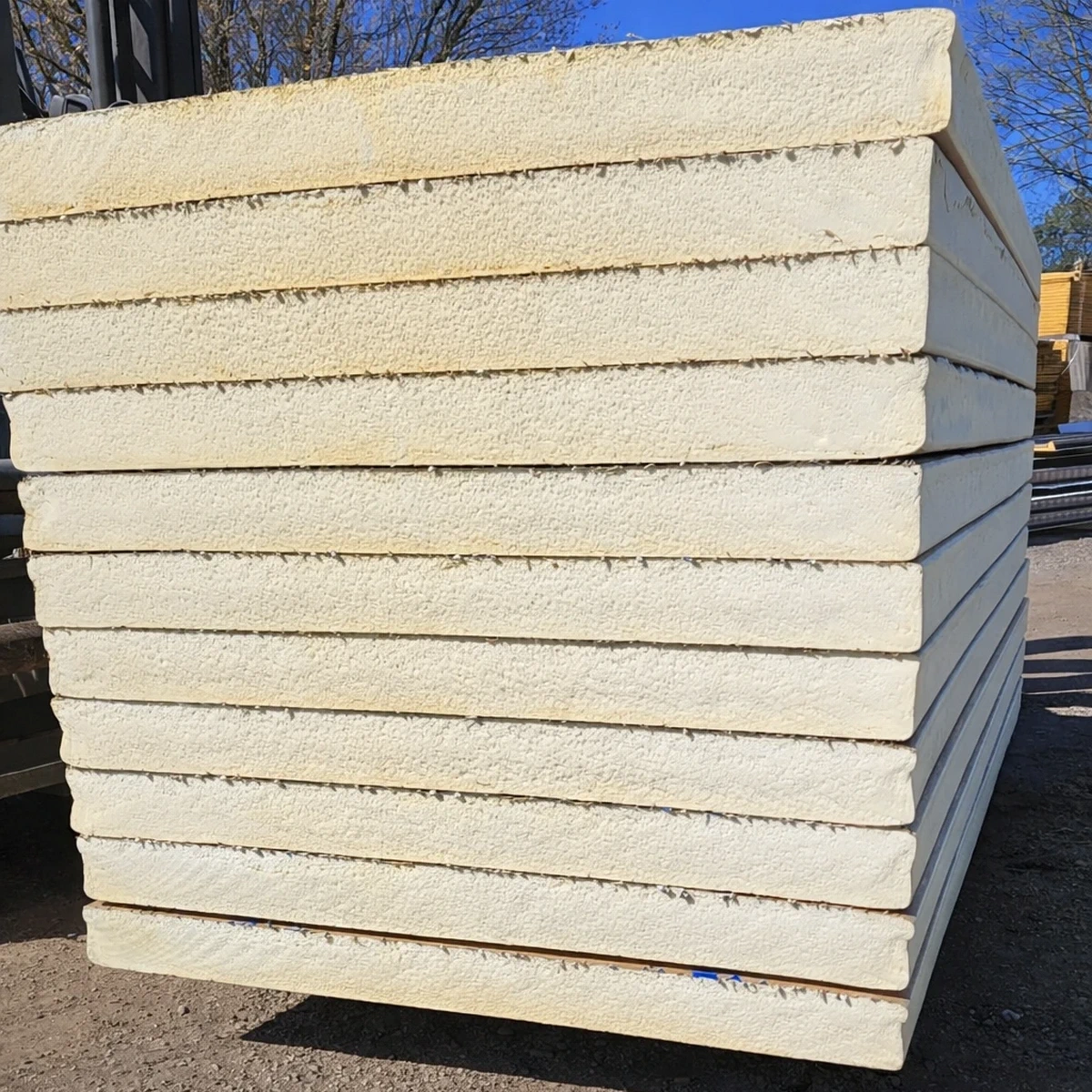
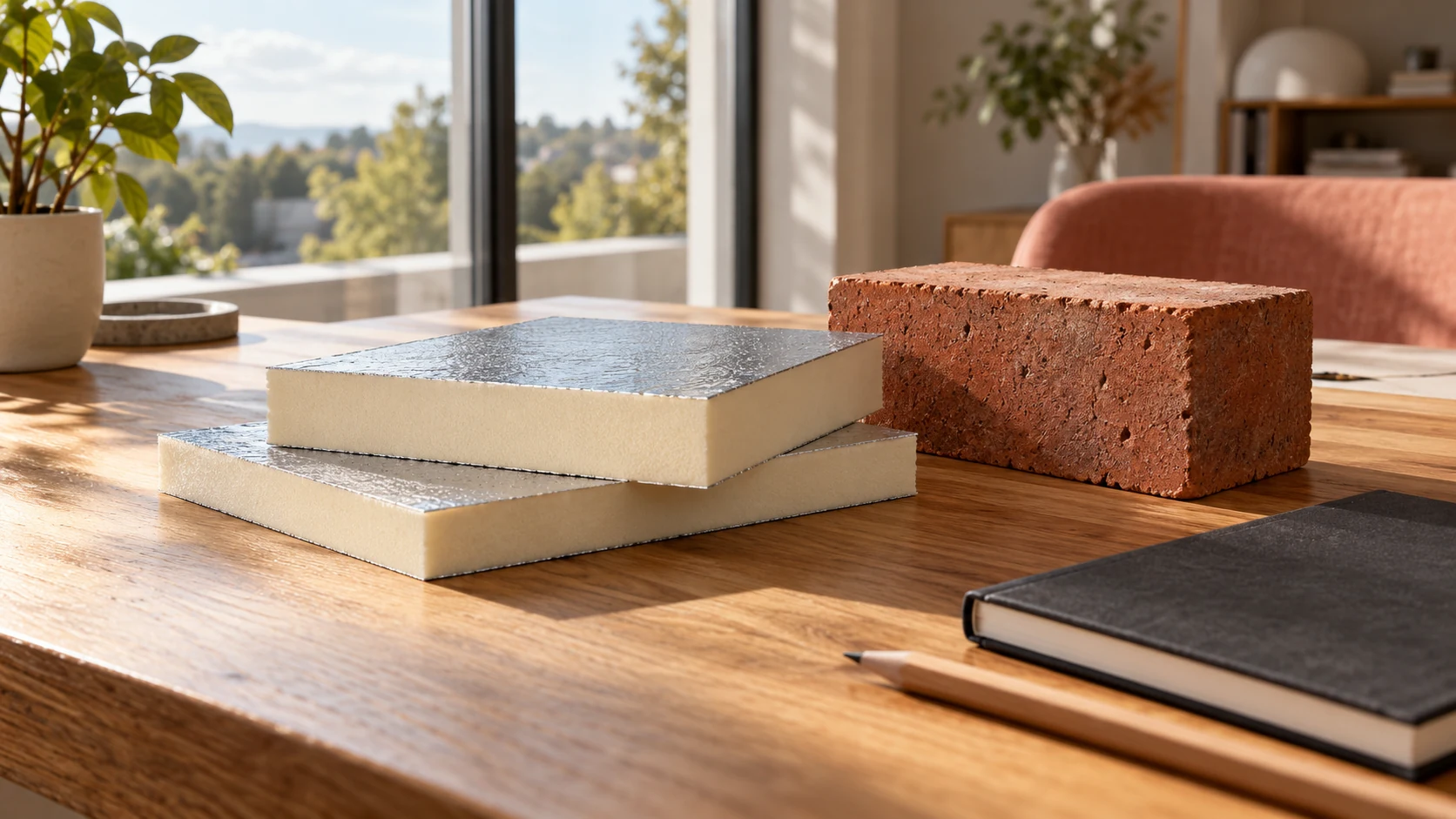
A roof sandwich panel costs more than a thin outer sheet but already includes the insulation core and inner face. On a heated building it can replace separately purchased layers and save installation stages. Compare it with the complete alternative build-up, not just the weather sheet.
Select the thickness, load capacity and fire performance for the intended use. A cheaper wall panel is not a substitute for a roof panel merely because the two look similar. Flashings, seals and fasteners still belong in the estimate. Prefabricated elements work particularly well when their dimensions and installation suit a straightforward layout.
Where can cutting waste and delivery costs be reduced?
An accurate cutting plan reduces offcuts. Measure each roof surface and check the diagonals before ordering. An offcut from a modular tile-effect sheet can be reused only where its lap direction and profile fit; identical dimensions alone are not enough.
Ordering sheets, flashings and fixings together can avoid extra trips. Choose lengths the delivery vehicle and lifting equipment can handle. The longest sheet may cost more overall if access is poor or sheets are damaged during lifting. A planned joint between shorter lengths may be more practical.
Agree staged deliveries in advance. Separate batches can differ in shade, and even a small repeat order may incur the cost of another delivery. A modest allowance based on the cutting plan can cost less than an urgent top-up, but should never replace measurement.
Which savings are a false economy?
Keep the fixings, flashings and layers specified for the roof. An unsuitable screw can reduce both joint strength and weathertightness. More sealant does not make an inadequate pitch acceptable. Anti-condensation fleece beneath a sheet is neither thermal insulation nor a complete moisture-control design.
Inspect second-grade materials to establish the actual defect. A cosmetic blemish is quite different from a crushed joint, corrosion or an unverified load capacity. For a structural component, concealment after installation is no assurance of suitability. The price should reflect what the item can safely be used for.
How can you compare two final quotations?
Ask both suppliers to price the same quantities and scope. Show materials and labour separately but include both in the total. Add access and safety measures, delivery and waste disposal where needed. Match coating specifications and check that both prices use the same definition of roof area.
Avoiding rework is often the largest saving. A simple structure, accurate dimensions and a covering suited to the building are a better starting point than the lowest price for a single part.
- Check the price per square metre of effective cover.
- Compare thickness, profile and coating type.
- Include all flashings, fixings and seals.
- Allow for unloading and the installer’s access to the roof.

Free quote
What to include in your enquiry
Tell us how you plan to use the material, the dimensions and the quantity you need. Include the thickness, grade or variant name, along with the delivery town or your preferred collection branch. For a specific product, add its name or a link to the product page. We will reply to the email address you provide to discuss availability and the terms of your order.
Read next
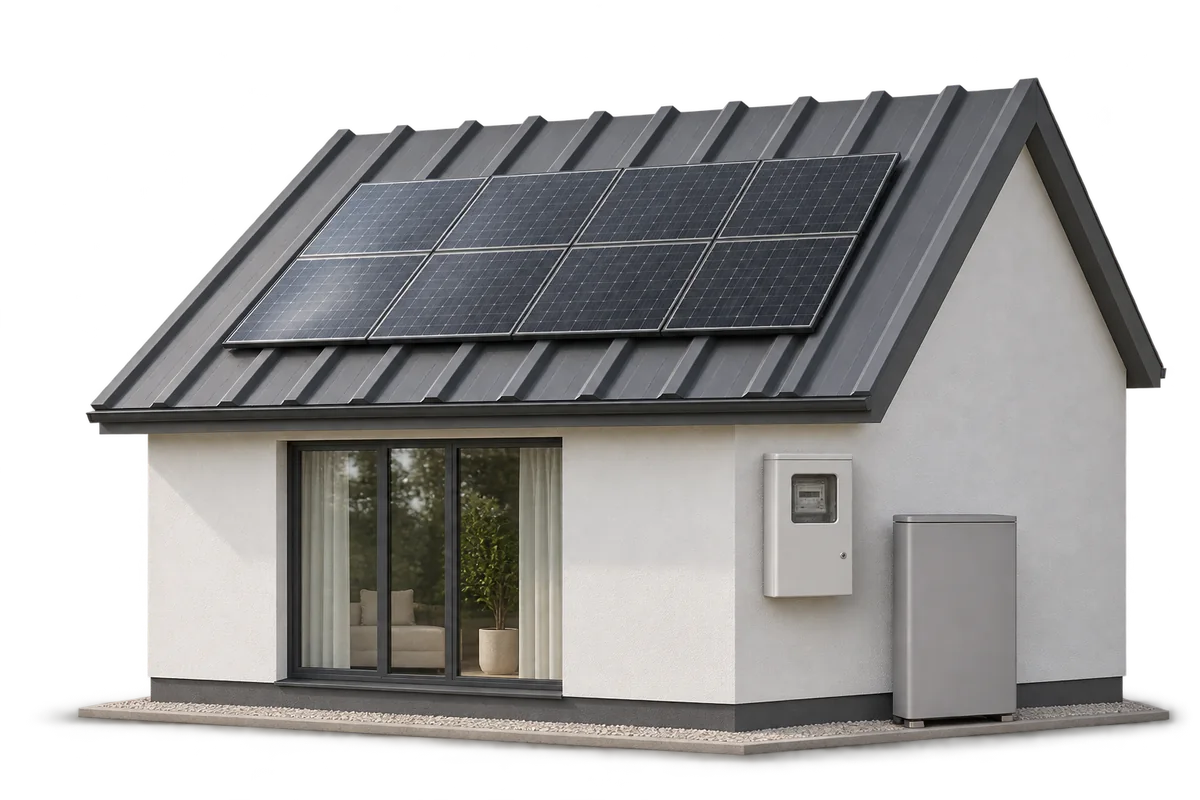
The financial return on rooftop solar depends on how much electricity you use on site, when you use it and how your…
Changes to Polish building law in 2026 affect permit exemptions, certain departures from approved plans and the documents used during construction. The…
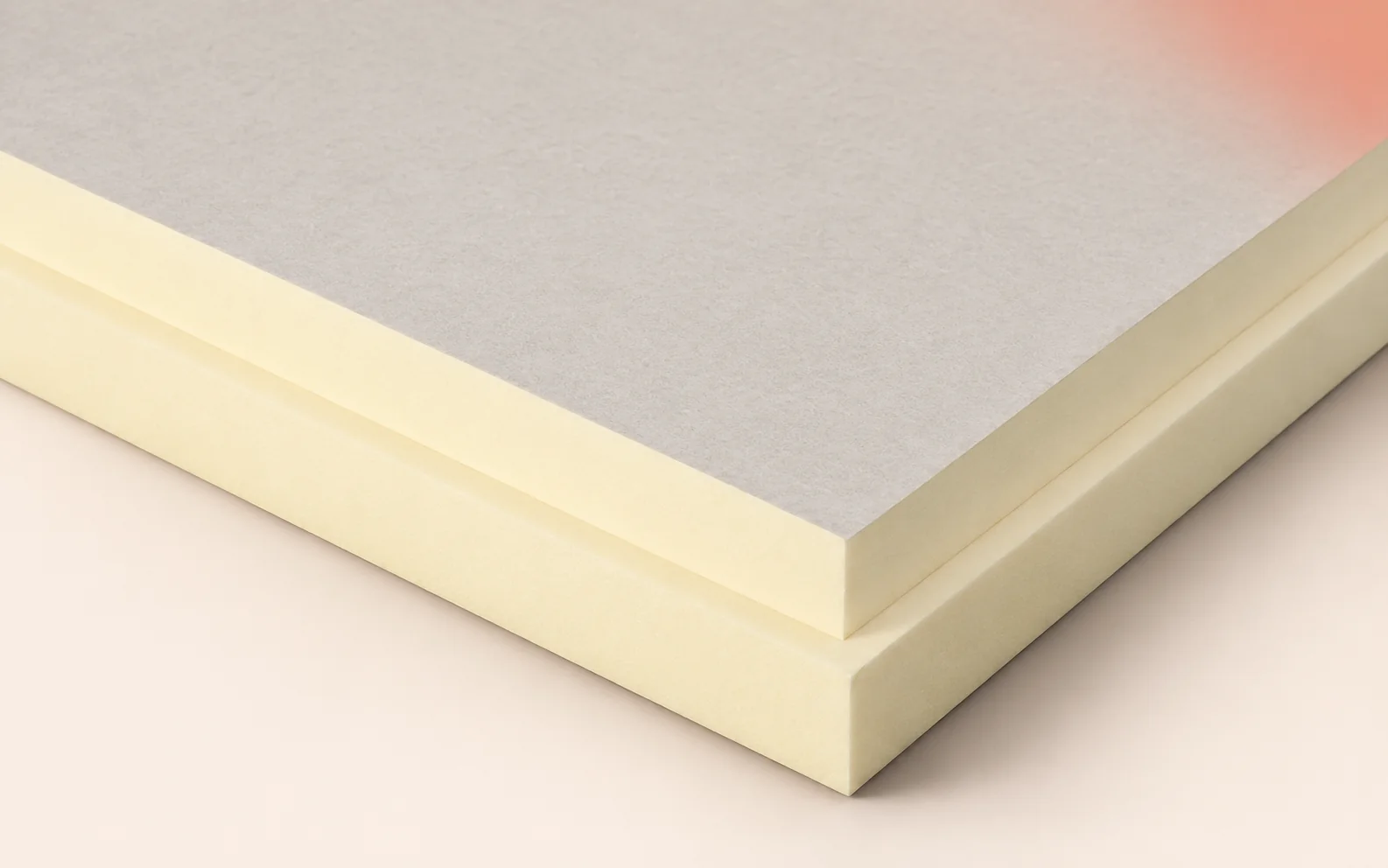
If a supplier offers an aluminium-faced board in place of BauderPIR M or MF, start with two questions. How will the layer’s…

When replacing a roof, start with the existing building. The price of sheets or tiles accounts for only part of the work.…
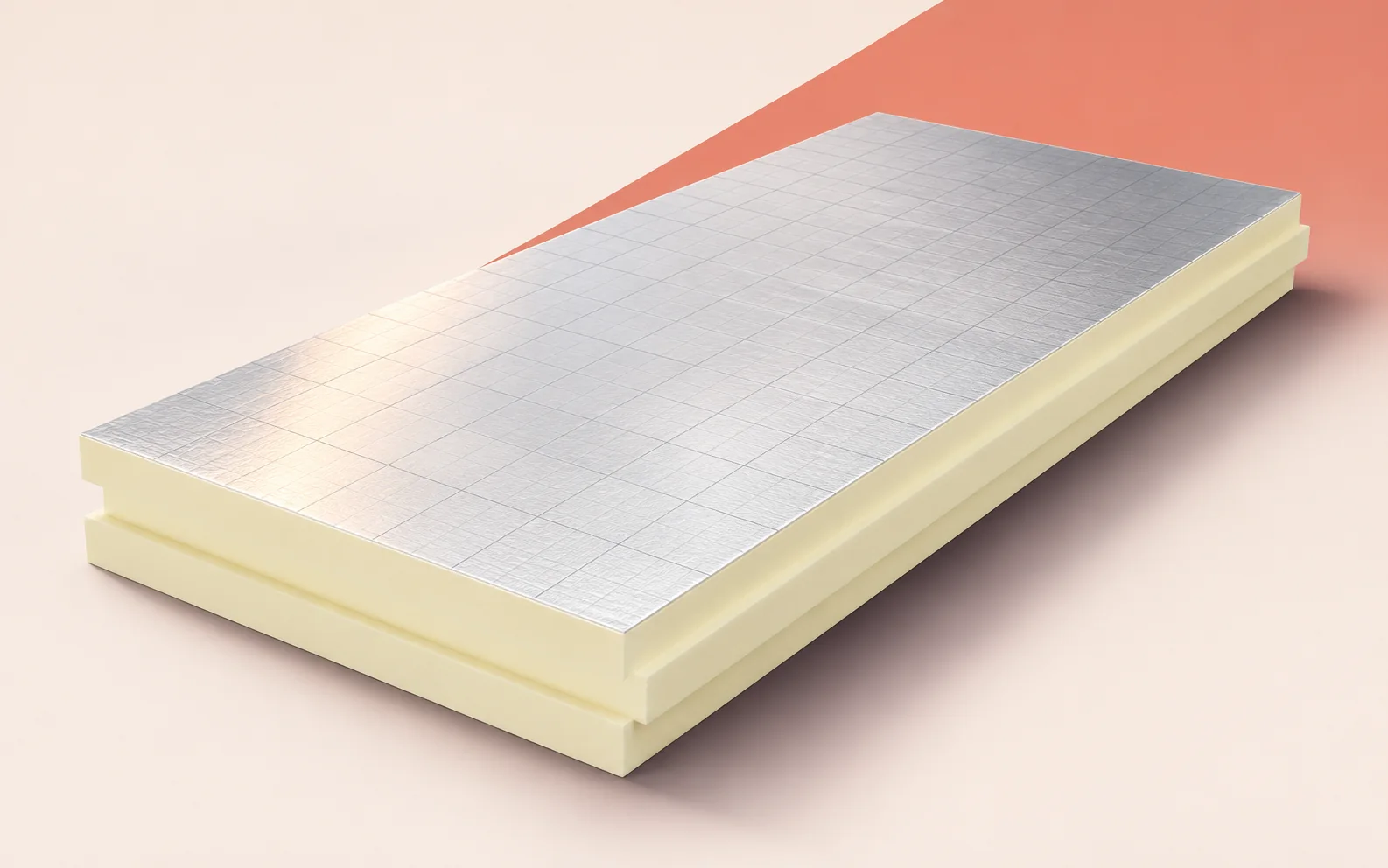
The production hall, offices and loft above the staff facilities can each call for a different form of insulation. Choose PIR boards,…
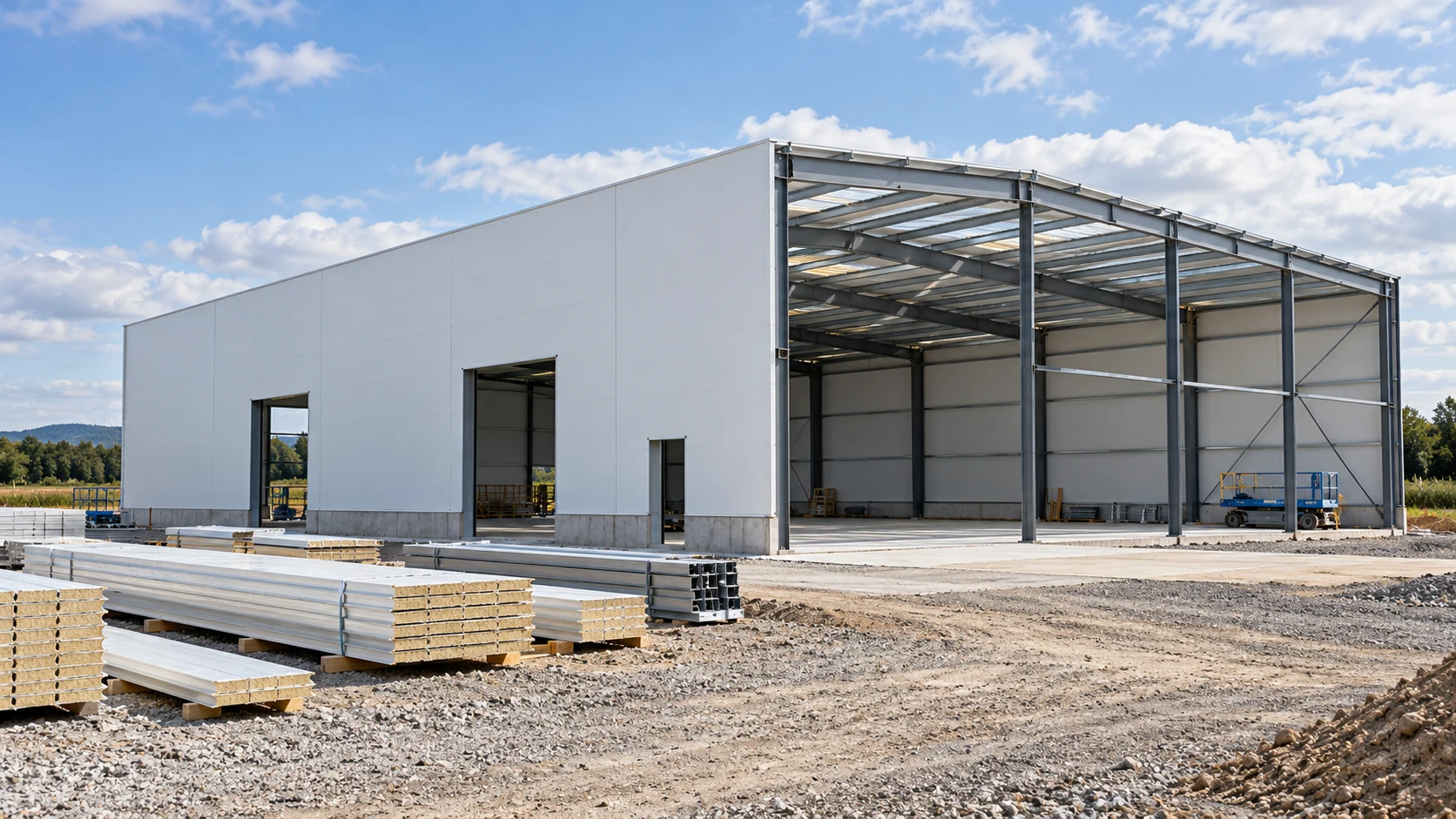
The total price of a building tells you little about when you will need the money. Budget separately for site preparation, the…
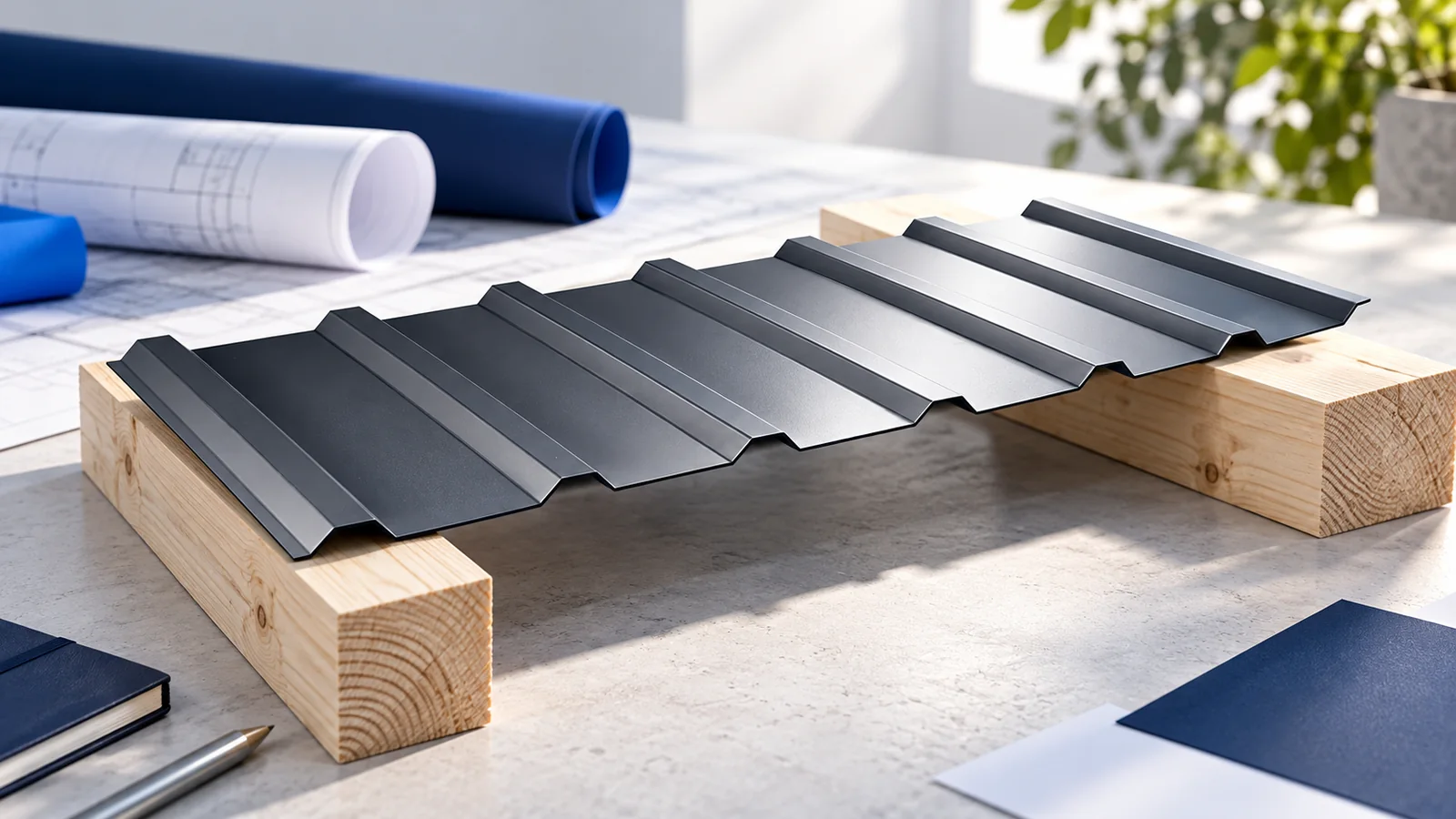
Choose a timber connector by following the load from one member to the next. A joist hanger supports a beam end, an…
A calculator result is useful only when you know what was modelled. The same wall can give a different result if indoor…
