






Choosing a roof colour to suit the walls, windows and doors
Roof coverings
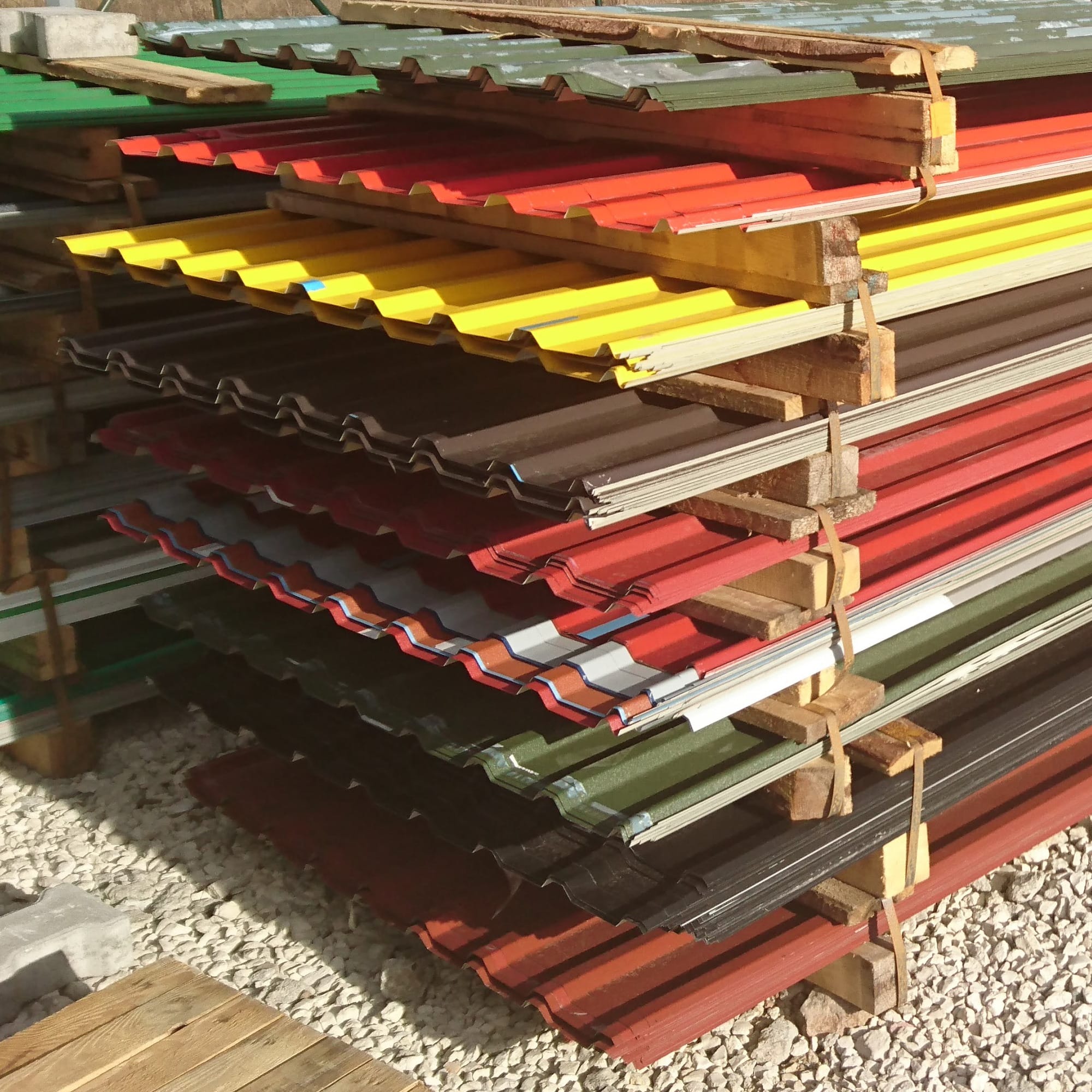
Take a sample of the profiled roof sheet outside and view it at the planned pitch beside the façade finish, window frame and gutter. Look at it both in sunlight and in shade. A gloss finish highlights the ribs differently from a matt coating, and the same colour code on steel and plastic may give a visibly different result. Before ordering, check local planning conditions, suitability of the coating for the environment and availability of matching flashings and fixings.
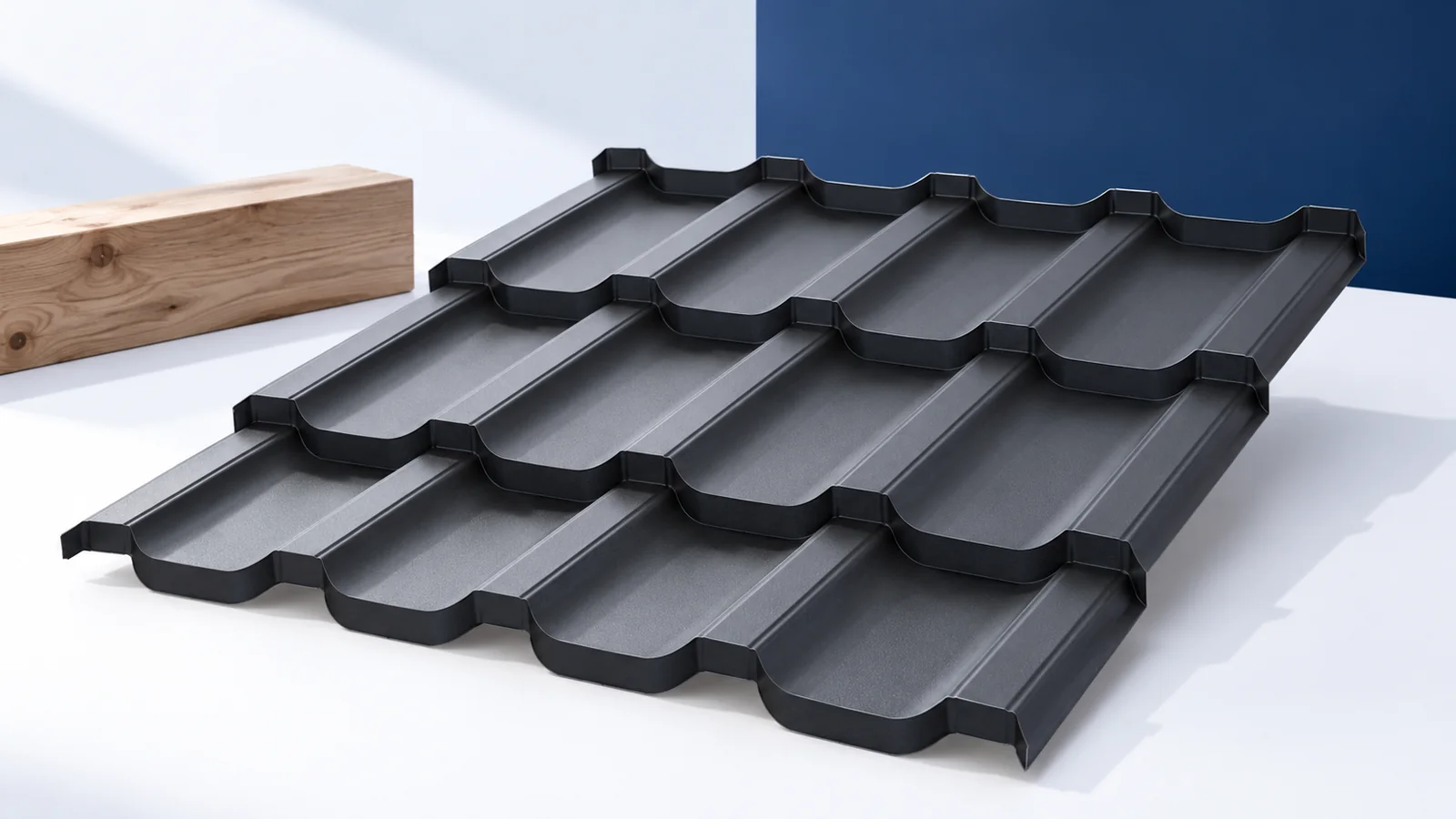
Where should the colour scheme start?
Start with finishes already fixed, such as existing windows, brickwork or stone. The roof will be seen alongside them. On a new house, one main colour direction with a limited number of accents helps tie the elements together. Several slightly different greys can otherwise look accidental.
Check the planning documents for the plot. They may restrict colour and roof geometry. Resolve this before ordering cut-to-length sheets. Once you know the permissible options, compare actual coating finishes and confirm that the required quantity is available.
How do graphite, brown and pale colours affect the building?
A dark roof stands out against light walls. It can emphasise simple geometry or make a large roof dominant. Brown and warm grey give different effects alongside timber, brick and planting. A lighter covering can produce a softer contrast. The right balance depends on the individual house.
Consider the proportions from street level. A large, steep roof shows more colour than a shallow, barely visible slope. A striking contrast on a small sample may overwhelm the complete building. Look at a finished house with similar proportions or photograph the actual materials in the same light.
Why do matt and gloss finishes look different?
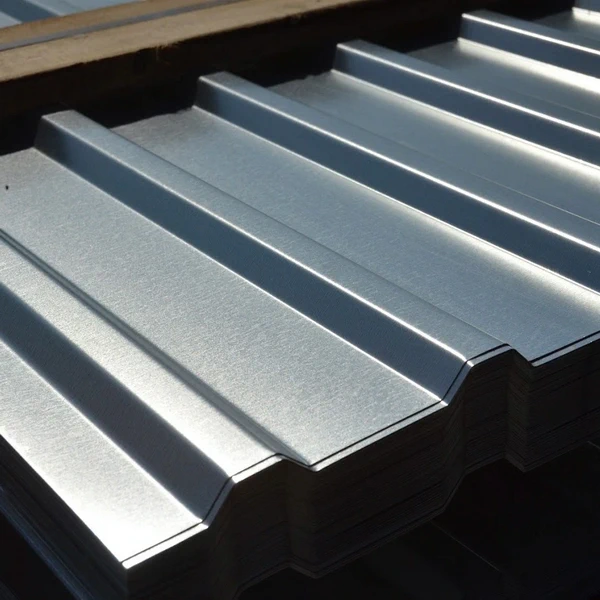
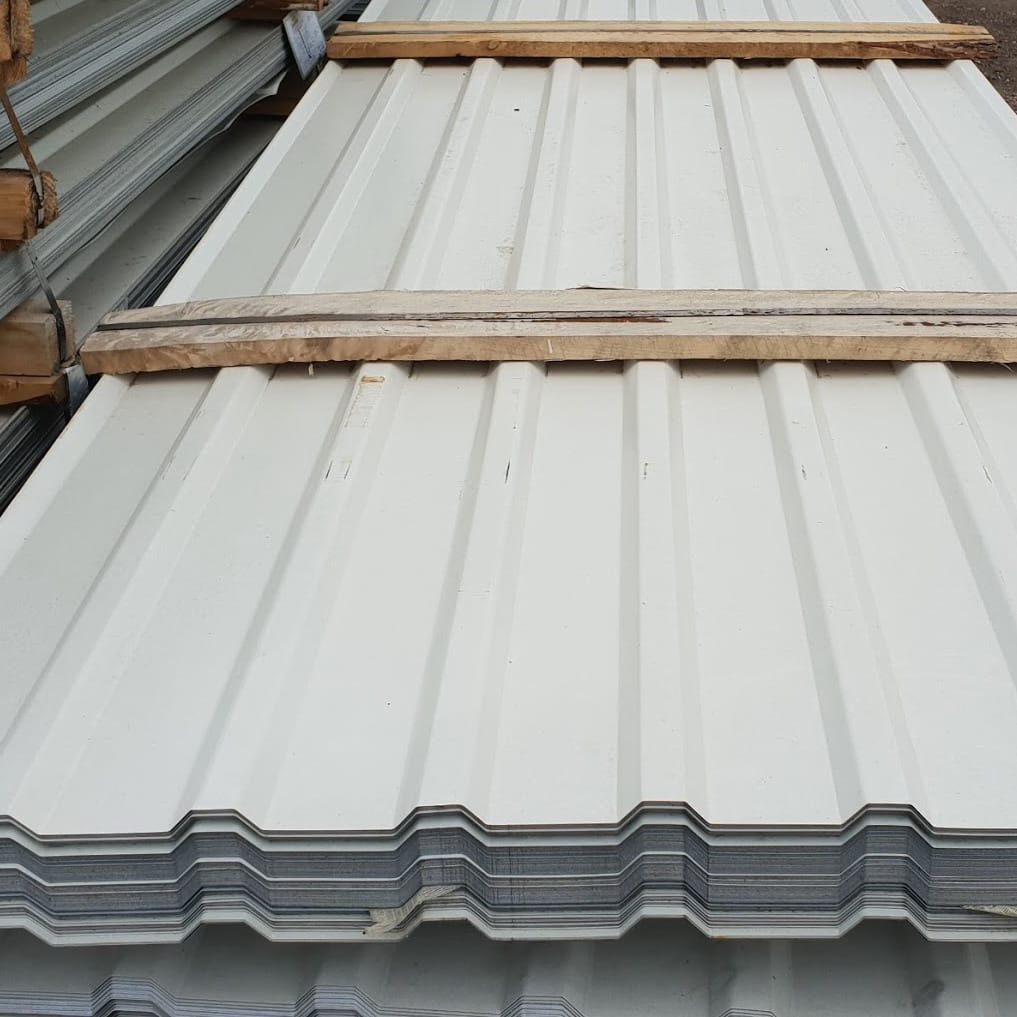
Gloss reflects light strongly in particular directions. A matt coating scatters it differently and may reveal more surface texture. Time of day and viewing angle change the effect. T18 and T35 give different lines of reflection, while tile-effect sheets add shadows at the transverse steps. The pigment is only one part of the appearance.
A matt appearance alone says little about durability. Coating type and thickness, substrate and exposure determine the technical performance. Two similar-looking matt finishes may have different specifications. Ask for the coating data that go with the sample so the ordered grade meets the design and exposure requirements.
Does a shared colour code guarantee a match?
A palette code identifies a shade but cannot make different substrates reflect light alike. Powder-coated parts, coil-coated steel, plastics and timber may appear different. This is particularly noticeable where a gutter meets a flashing or a fence picket sits beside a gate. Place samples side by side.
For an uninterrupted roof slope, discuss batch consistency and keep the delivery references. Matching a later replacement can be difficult because of manufacturing variation and weathering of the installed finish. Batches do not inevitably look different, but ordering the full amount and planned spares together reduces the risk.
How do temperature and exposure affect the choice?
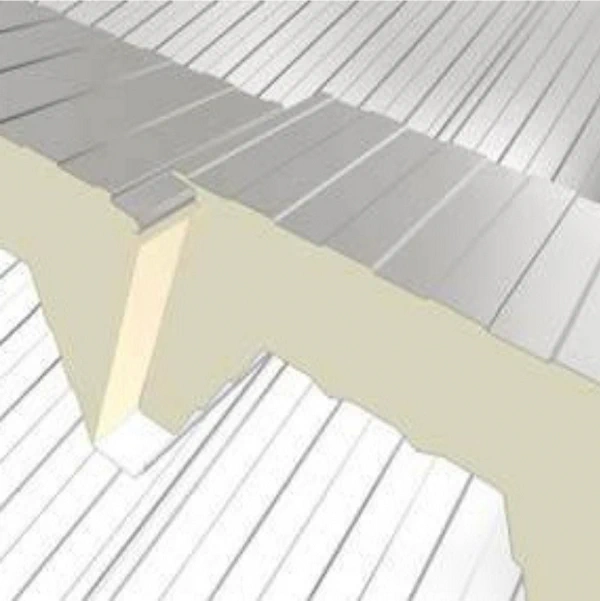
Under sunlight, dark surfaces usually get hotter than light surfaces with higher reflectance. With sandwich panels, colour can affect design conditions for thermal loading. Check the permitted lengths and exposure of the selected panel. Verify any proposed colour substitution against its documentation.
Roof colour cannot provide thermal insulation. Loft comfort also depends on insulation depth and continuity, airtightness, ventilation and glazing. Light-coloured sheets cannot close gaps between PIR boards, while a dark roof can work well in a properly designed build-up. On industrial and coastal sites, coating resistance to corrosion also matters.
How can you test the choice before ordering?
View the sample outdoors in sun and shade, tilted near the intended roof pitch. Compare it with the actual wall finish, window and gutter. A phone screen can shift hue and contrast. For timber or brick in particular, look at the real surface texture alongside the sheet.
Record the full sheet and coating specification on the order. Include flashings, visible screw heads and other details, and confirm that they are available in the selected finish. A coherent design can combine different shades deliberately. It also needs materials suitable for the building and its exposure.

Free quote
What to include in your enquiry
Tell us how you plan to use the material, the dimensions and the quantity you need. Include the thickness, grade or variant name, along with the delivery town or your preferred collection branch. For a specific product, add its name or a link to the product page. We will reply to the email address you provide to discuss availability and the terms of your order.
Read next
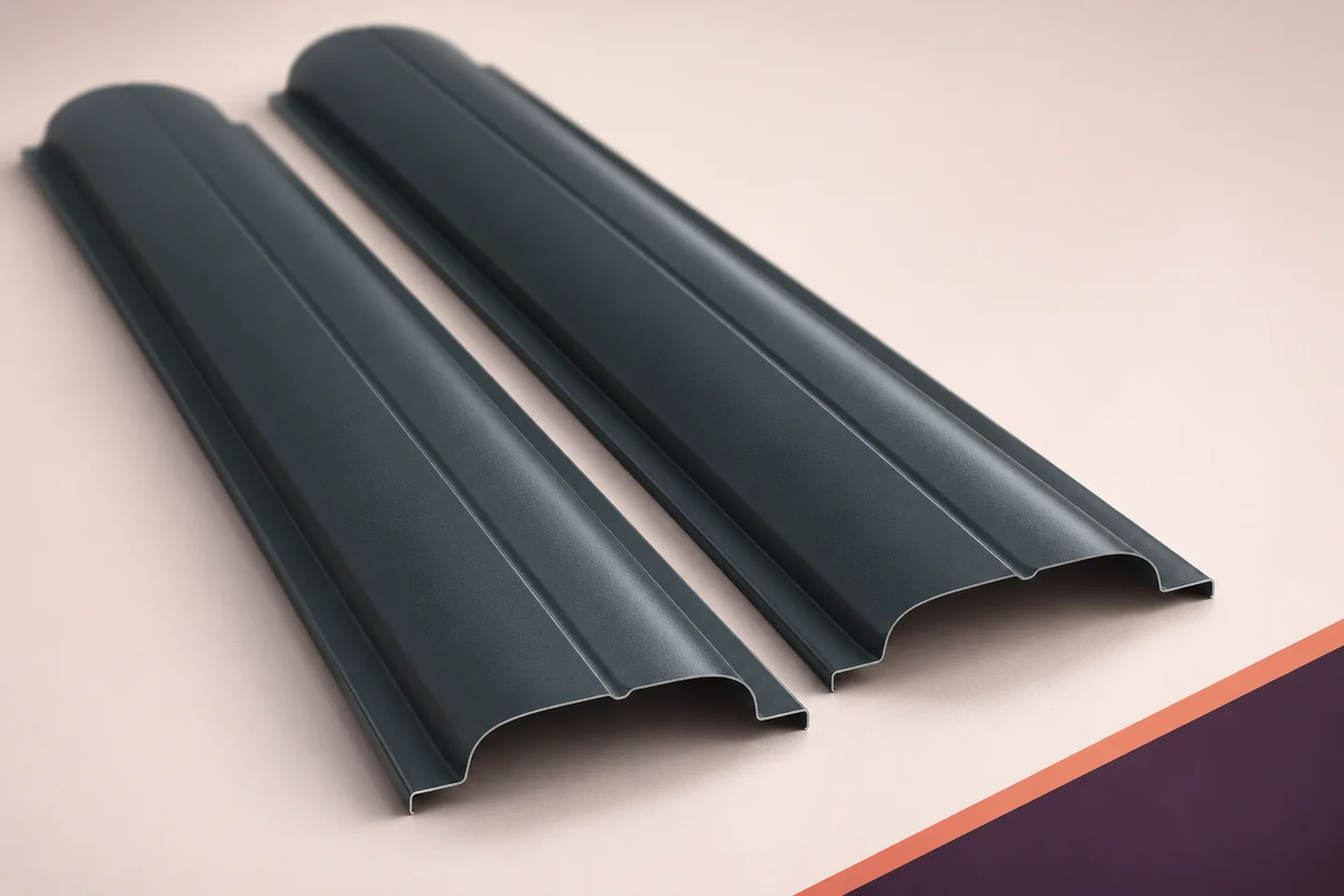
Choose one part of the building as the colour reference for the fence. It might be the wall panels, the doors and…
Roof and wall panels enclose the same building but serve different purposes. A single specification can coordinate the drawings, quantities, details and…
Use the first window on the hall façade as a sample for the remaining bays. Show the EFIGREEN ITE insulation return at…
The shallow ribs of T8 sheet give façades, gates and fences a fine, understated pattern. Their function differs from that of a…
When a historic façade must be preserved, internal insulation may be an option. First establish how the walls and floors are built.…
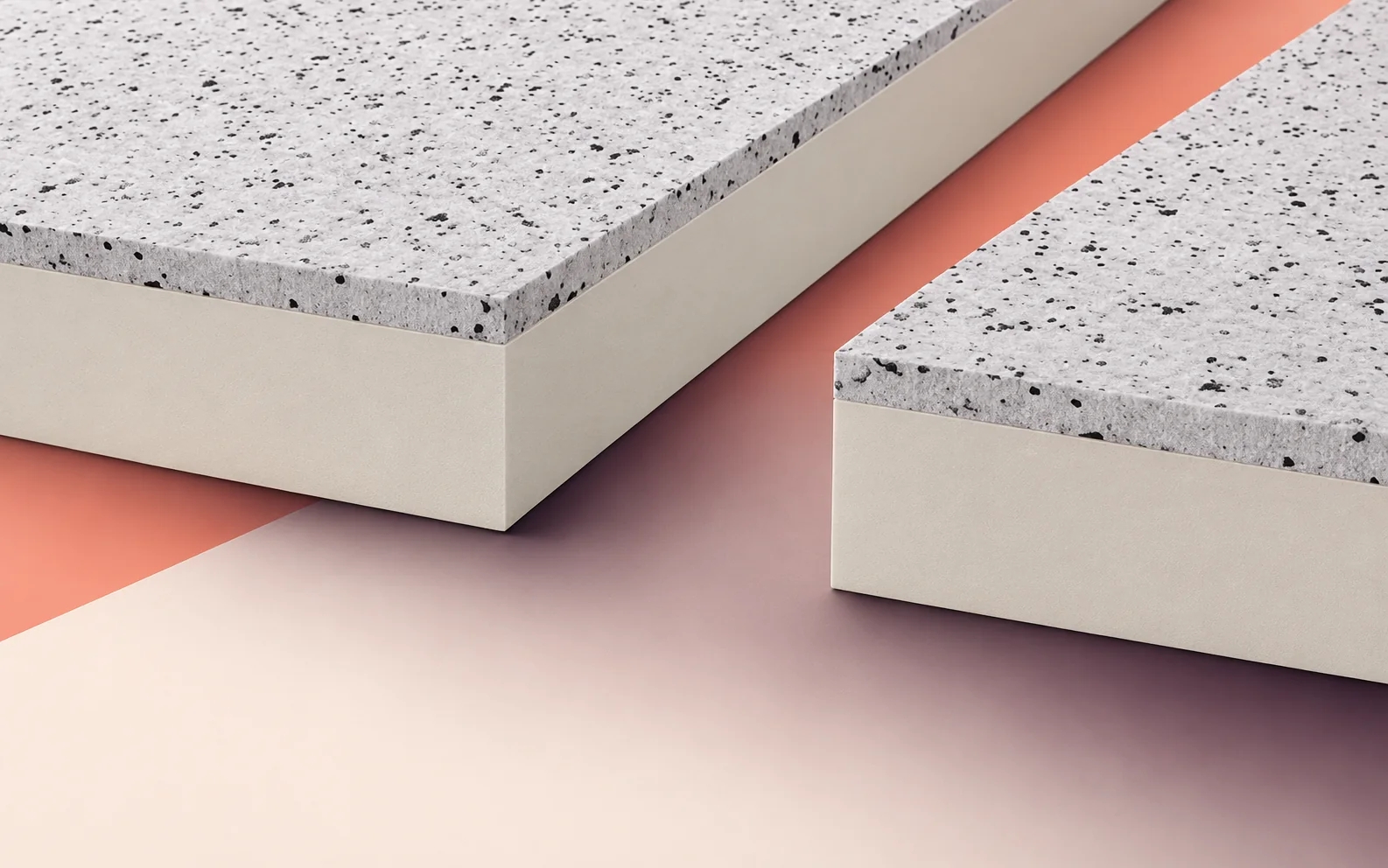
When choosing Thermano ETICS for a rendered façade, start with a wall section through a window. It shows the space required for…
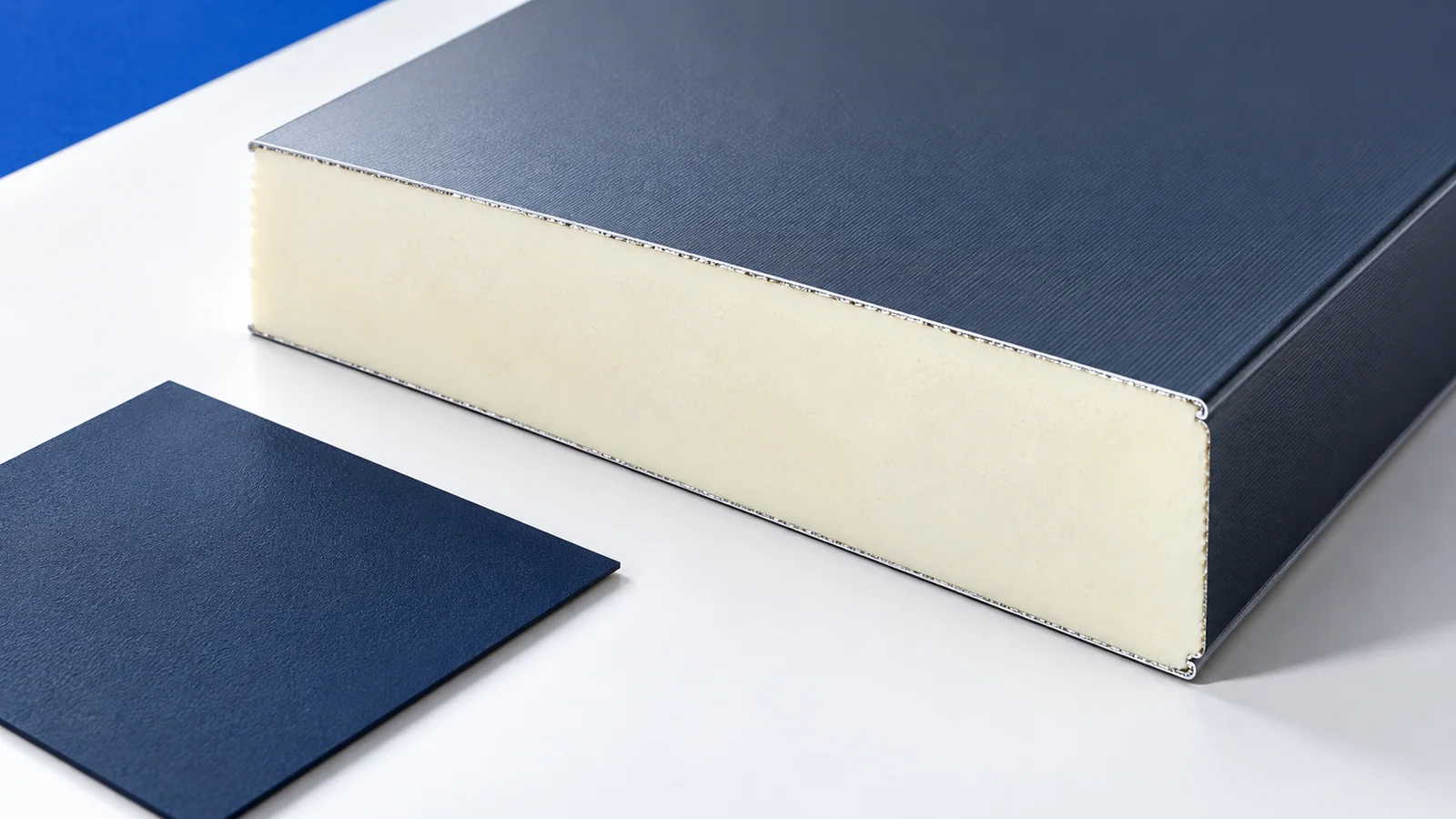
Profiled steel can finish an entire wall or pick out a smaller area such as a gable or garage. Its light weight…
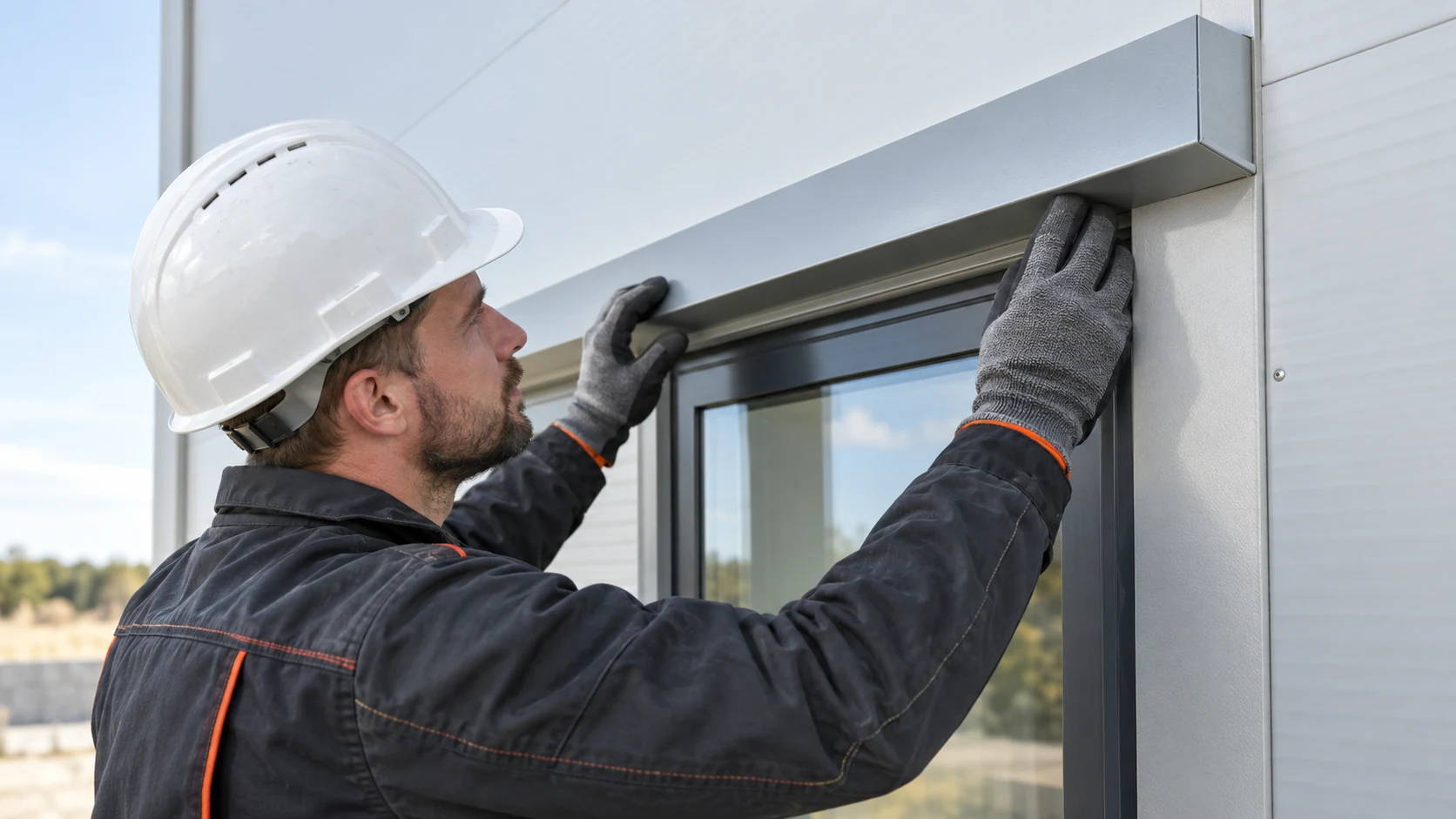
Inspect sandwich panel work in stages while each junction is still accessible. Start with the frame, then inspect the first panel and…
