






Choosing a fence colour for a metal-clad building: comparing coated finishes
Metal pickets and fencing
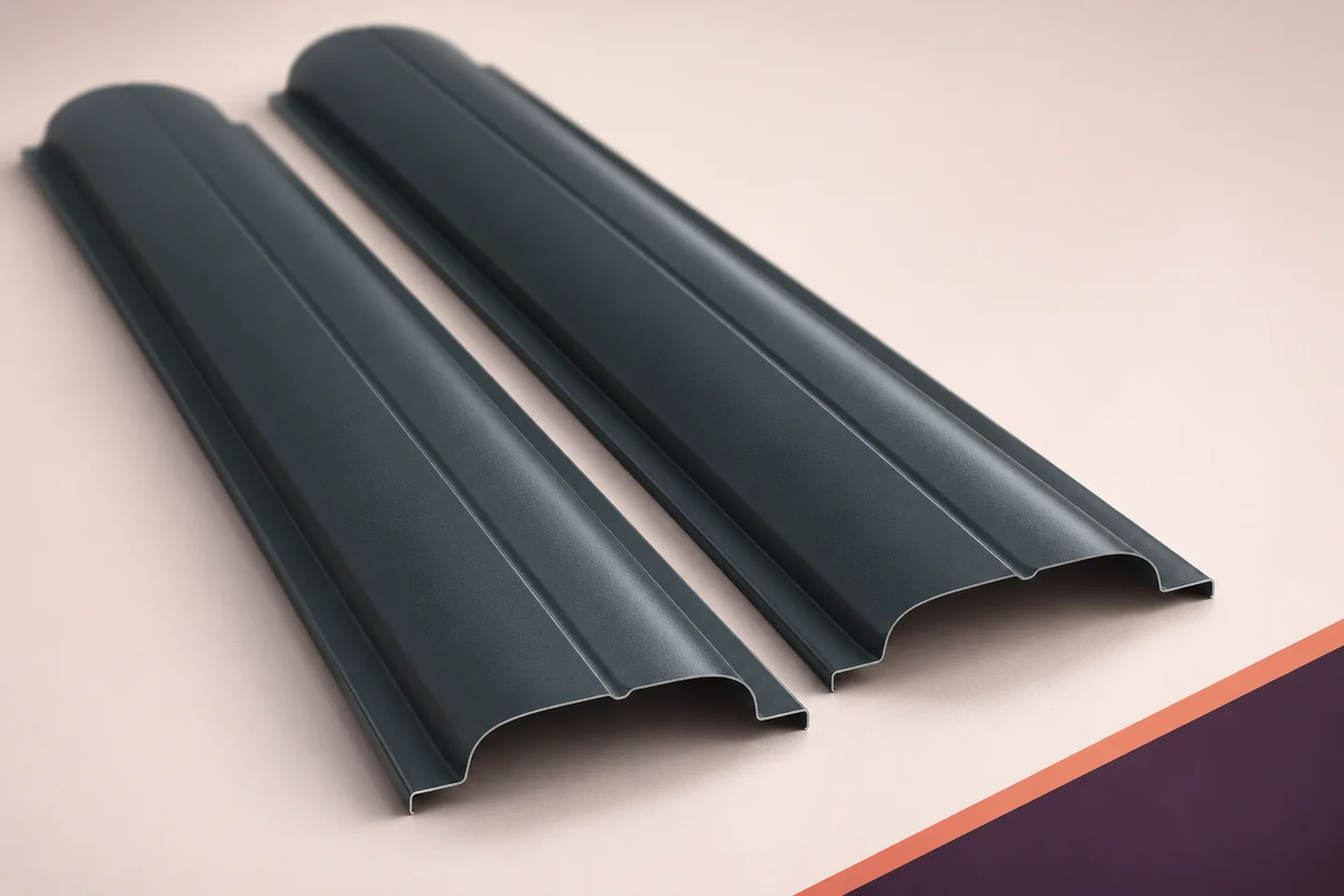
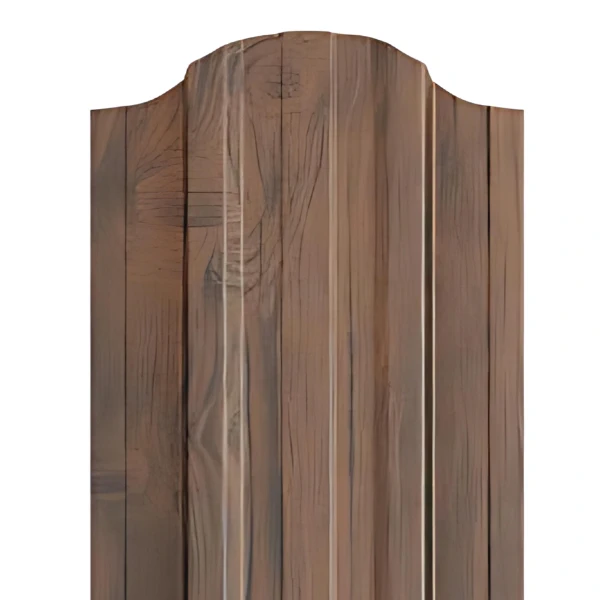
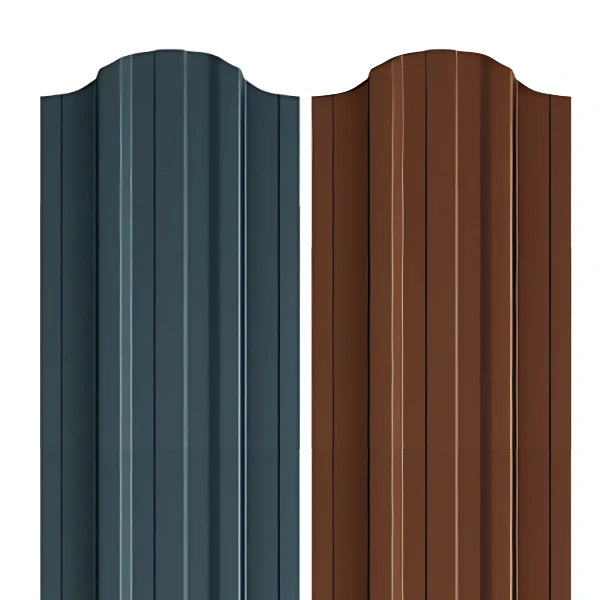
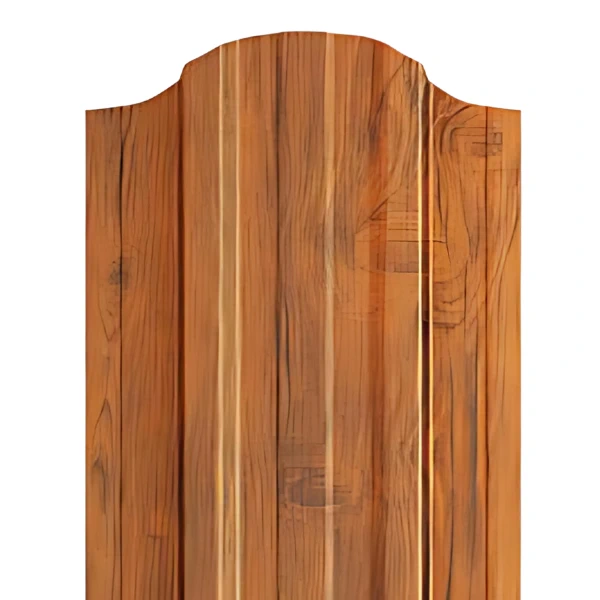
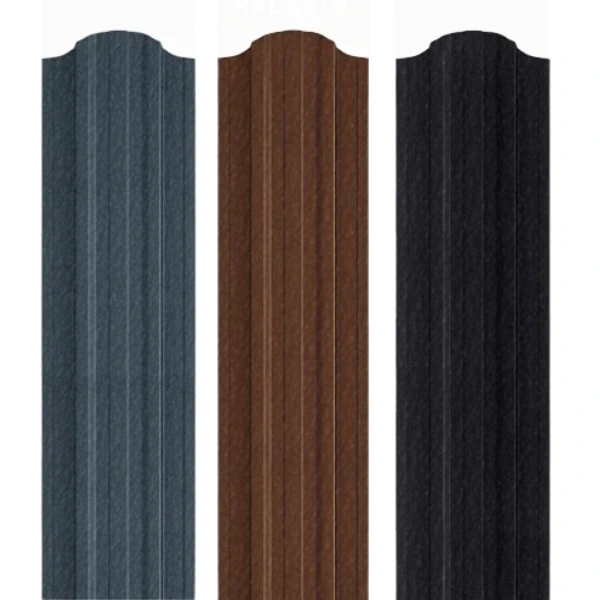
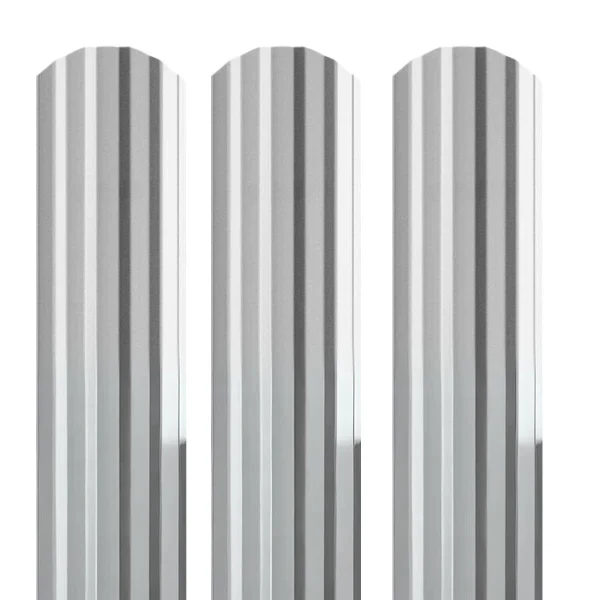
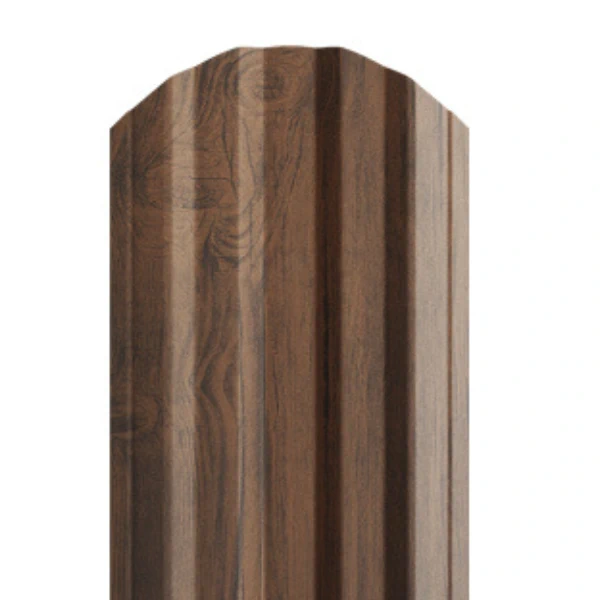
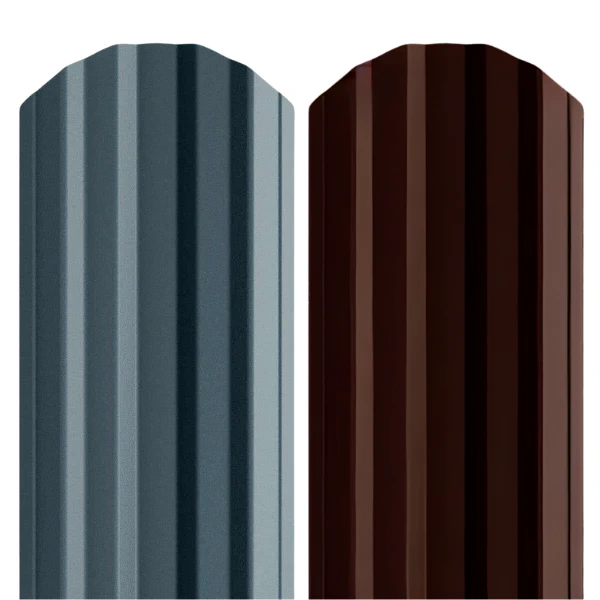
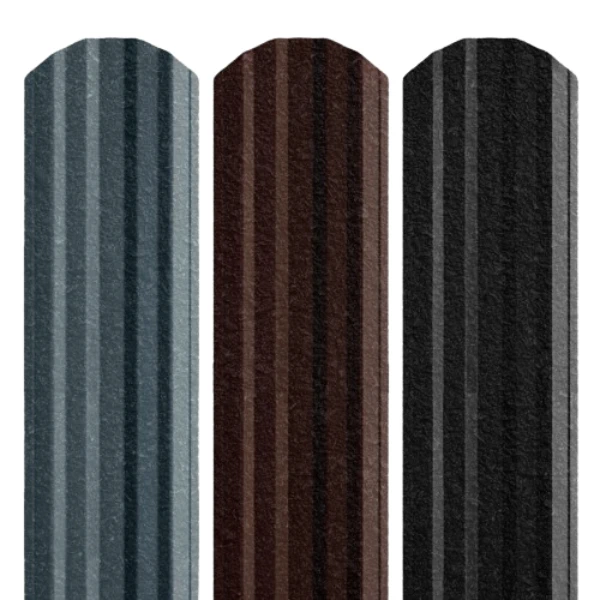
Choose one part of the building as the colour reference for the fence. It might be the wall panels, the doors and windows, the vehicle gate or the flashings. Compare a finished metal picket with that reference on site, in the light and at the distance from which people will see the entrance. A long fence and façade are often viewed together. Even with the same colour designation, differences in gloss, texture and profile shape can be visible across the frontage. Keep approved samples and finish details for later orders, particularly if several suppliers or delivery batches are involved.
In this article
Choose a reference element on the building
Against a light-coloured building, dark sheet steel pickets can define the frontage clearly. Against dark cladding, a similar fence colour can make the two surfaces blend. Test these combinations on site. Their effect depends on the scale and surroundings.
Assess the colour and gloss together
A colour code covers only one aspect of the surface. Matt, glossy and textured finishes respond differently to light. The folds in a picket also cast shadows. A broad, flat panel facing and a narrow formed section can therefore appear different under the same colour designation.
Set the samples in the same orientation and light. View them close up and from a typical approach to the entrance, including a shaded area. Phone photographs are useful records of the arrangement. Use the physical samples as the colour reference for the order.
Check consistency across a long frontage
A small shade difference may be hard to see on a single picket. Across a long straight run, a change of batch can show up as a distinct break. Where the programme allows, coordinate deliveries for the entire frontage visible from one viewpoint.
Phased construction is still possible. Record the product designation and retain the approved finish sample for repeat orders. A description such as ‘graphite metal pickets’ is too broad to reproduce a particular coating and surface appearance.
An existing façade may look different from a new sample after several seasons of exposure. Surface condition and dirt affect the comparison. Clean a representative area using the appropriate method, then compare the picket and wall under the same light. Document the pairing accepted in its actual condition, alongside the original product references.
Include posts, rails and gate frames
Posts, rails and gate frames may be finished by a different process from the picket sheet. Their gloss and texture can vary even if the documents specify the same colour code. Inspect each component in the intended combination.
Review a trial assembly containing the main components. Small differences can work well when they are intentional. Decide whether they are acceptable before ordering the full batch. Altering the finish after a long run is assembled takes considerably more work.

Check the view from inside the site
Staff and visitors also see the reverse of the fence from the car park, entrance or service yard. Find out whether the rear face has the decorative finish or a different protective coat. Protection on both sides does not guarantee the same appearance on both sides.
With staggered pickets or at a corner, parts of both faces may be visible at the same time. Use a sample of the finished section to assess this effect. It also shows the edges and fixing positions that a flat colour swatch leaves out.
Match cleaning products to each coating
Similar colours can belong to different coatings. A cleaner approved for the façade may be unsuitable for the fence. Identify each material in the maintenance plan and keep its instructions, including the procedure for touching up mechanical damage.
Repainting an isolated patch can change its gloss and the way it ages. Define the extent of the repair and use a product suited to the original finish. Maintaining a coordinated palette may require different repair materials for different components.
Approve and retain physical samples
Record the material, section shape, colour, texture and finish of both faces in the purchase specification. Label the approved sample and check the delivery against it. If several batches will be visible in the same run, compare them before installation.
Cladding, fencing and gate suppliers may use different trade names. A common set of samples and visual records gives each contractor the same reference and helps the assembled frontage meet the owner’s expectations.
Use contrast where it suits the site
A deliberate contrast can give the frontage a clear structure. Repeat the contrast consistently so it reads as a design choice across the site. Assess coated steel pickets beside the actual building, taking in the entire frontage under its usual daylight before making the final selection.

Free quote
What to include in your enquiry
Tell us how you plan to use the material, the dimensions and the quantity you need. Include the thickness, grade or variant name, along with the delivery town or your preferred collection branch. For a specific product, add its name or a link to the product page. We will reply to the email address you provide to discuss availability and the terms of your order.
Read next

Use the first window on the hall façade as a sample for the remaining bays. Show the EFIGREEN ITE insulation return at…
Roof and wall panels enclose the same building but serve different purposes. A single specification can coordinate the drawings, quantities, details and…
A T18 profile gives a wall a finer pattern; the deeper ribs of T35 cast stronger shadows. View a sample outdoors beside…

Inspect sandwich panel work in stages while each junction is still accessible. Start with the frame, then inspect the first panel and…
Profiled steel can finish an entire wall or pick out a smaller area such as a gable or garage. Its light weight…
When a historic façade must be preserved, internal insulation may be an option. First establish how the walls and floors are built.…
Steel cladding offers a light covering for a wall, dry installation, a choice of rib patterns, a factory finish and the option…
In addition to the main wall rails, a façade may use smaller sections to support its outer cladding. A hat section has…
