






How to separate roofing and energy costs when assessing a BIPV roof
Roofing and energy
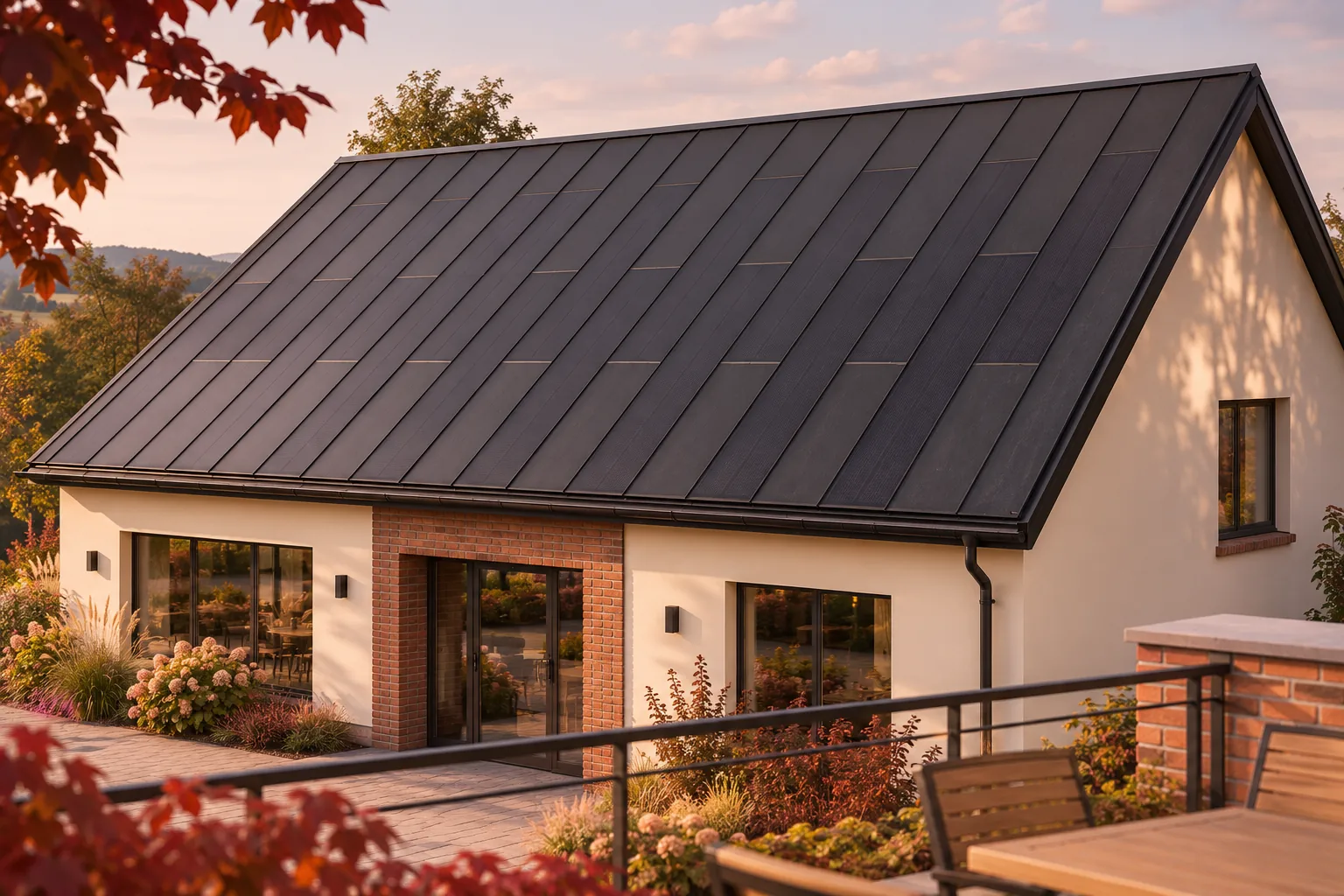
A building-integrated photovoltaic roof provides both a weatherproof covering and electricity. To assess the extra investment in generation, establish which roof the business would otherwise install. For a new building, choose a reference covering of comparable standard, durability and function. For a refurbishment, determine how much of the existing roof actually needs replacing. Compare the cost of that realistic alternative with the complete BIPV proposal. The difference helps assess the investment in solar generation, while the full project budget still has to cover all the work, equipment and ongoing maintenance.
In this guide
Which roof would the business choose without photovoltaics?
Use the cost of a roof the business would seriously consider. An unusually expensive reference covering would exaggerate the apparent advantage of BIPV.
A sound existing roof has value because it can remain in service. If the owner had no plans to replace it, the BIPV project brings forward a roofing expense. In that case it would be misleading to deduct the full cost of a new conventional covering from the proposal.
What does the extra investment pay for?
The difference between the price of the complete integrated roof and that of the required conventional roof shows the additional outlay for generation and the integrated design. It does not allocate the price of each active panel exactly between weather protection and electricity. The panel performs both functions.
Bring the scope of work into line before comparing prices. If flashings, access equipment and acceptance checks are included in one quotation, add them to the other. Subtracting incomplete estimates tells you little about the genuine extra cost.
How does BIPV compare with a roof and separate PV array?
For a second comparison, price a conventional covering together with a complete roof-mounted PV installation. Some materials and work can serve both functions in the integrated option. With an on-roof array, the covering continues beneath the modules. Identify the differences from the actual bills of quantities.
Compare expected generation as well. Systems with similar rated capacity can have different yields because of their layout or operating temperature. Use the same weather data and site description for both options and state any difference in active area.
How should the electricity be valued?
Split generation between electricity used on site and surplus. Their values depend on operating hours, non-working days and settlement terms. Apply the avoided purchase cost only to electricity that actually replaces a purchase from the grid.
Test several combinations of electricity prices and on-site use. Working hours, output levels and annual solar yield may change. Show how sensitive the assessment of the additional investment is to these assumptions.
How should maintenance and replacement costs be treated?
The covering, modules and electrical equipment have different service lives. Choose an assessment period and allow for servicing and replacement where appropriate. A module output warranty leaves other costs, including access and the work involved in repairs at an operating site, to be assessed separately.
Some components may still be useful at the end of the assessment period. State explicitly how you allow for that residual value. Apply comparable assumptions about service life and replacement dates to both options.
What should the decision-maker see?
Present the total budget, reference option and additional cost. Then show generation, on-site use, surplus and assumed maintenance costs. Describe architectural and operational benefits separately so the decision-maker can weigh them alongside the financial result.
This comparison shows what the business would pay to combine a roof it needs with solar generation. It keeps both the actual roofing cost and the value of the electricity visible, and gives any payback figure a clearly defined reference.
Companies and brands in roof-integrated photovoltaics include Wienerberger Wevolt, Electrotile, Terrán, Ennogie, Tesla, SolRoof, Solarstone, MDM NT (MyRoof), ML System and SunRoof.
Count scaffolding and edge flashings once, even if they appear in both the roofing and the photovoltaic estimates.

Free quote
What to include in your enquiry
Tell us how you plan to use the material, the dimensions and the quantity you need. Include the thickness, grade or variant name, along with the delivery town or your preferred collection branch. For a specific product, add its name or a link to the product page. We will reply to the email address you provide to discuss availability and the terms of your order.
Read next
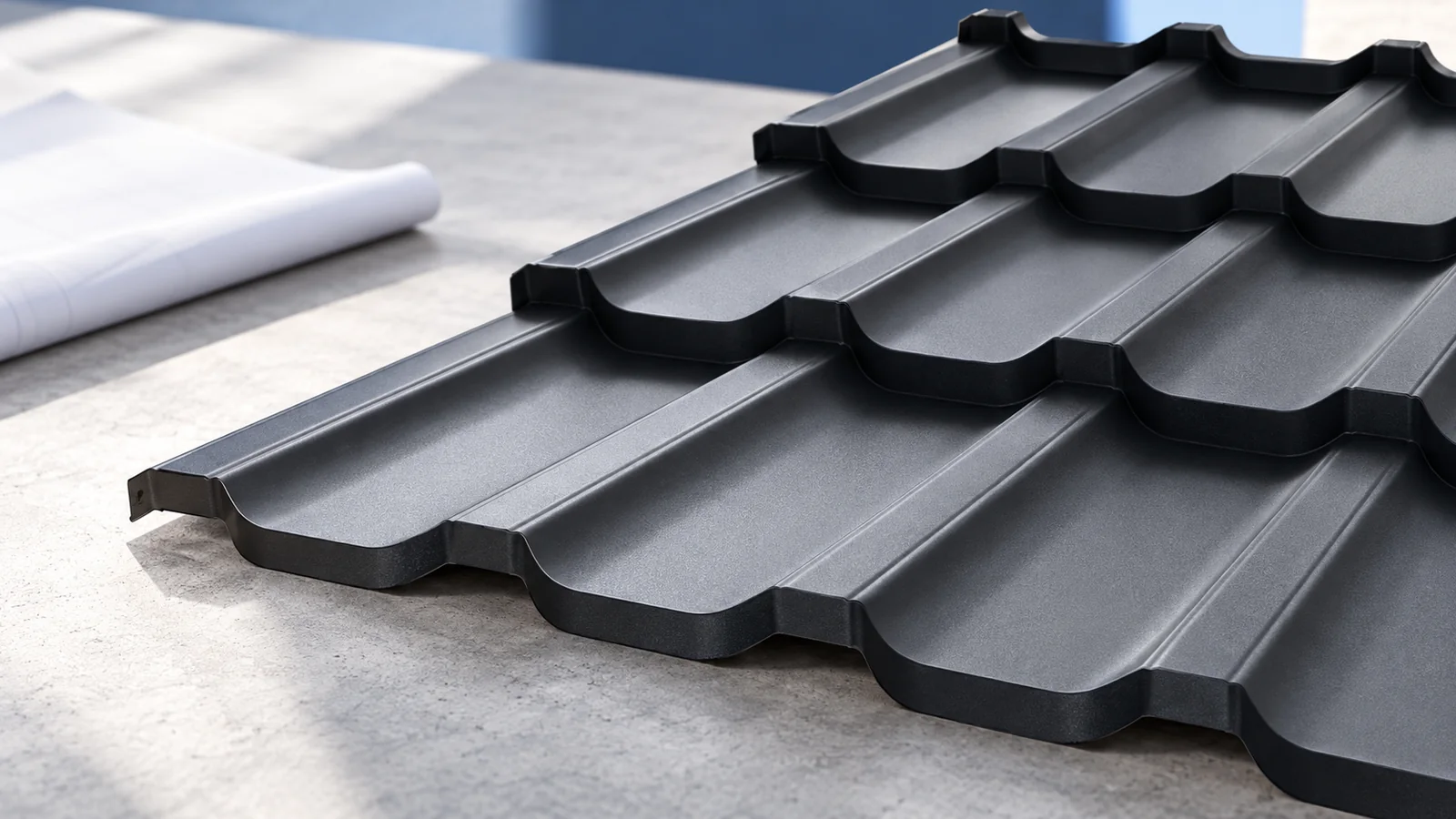
On a roof with dormers, hips and short slopes, a small tile-effect steel module can be easier to position than a long…
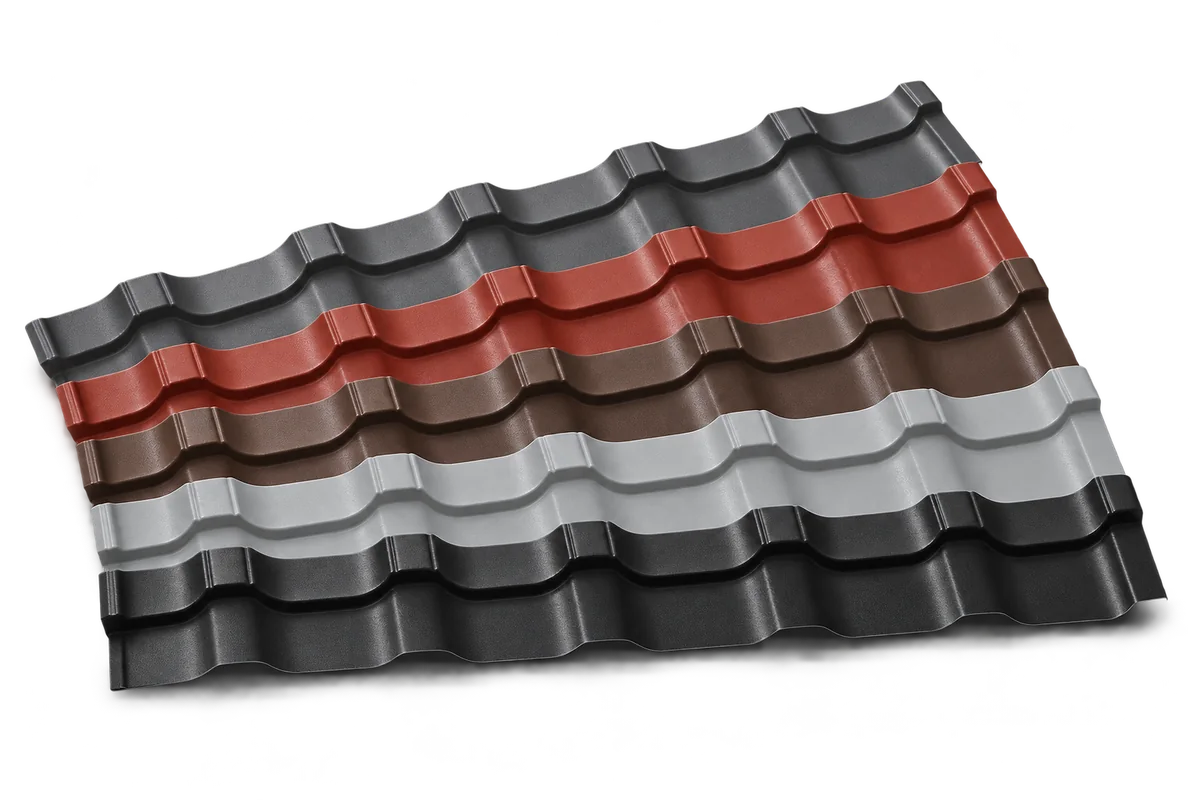
Start with the shape of the house, the façade materials and the setting. Charcoal, grey, brown and red can all work well…
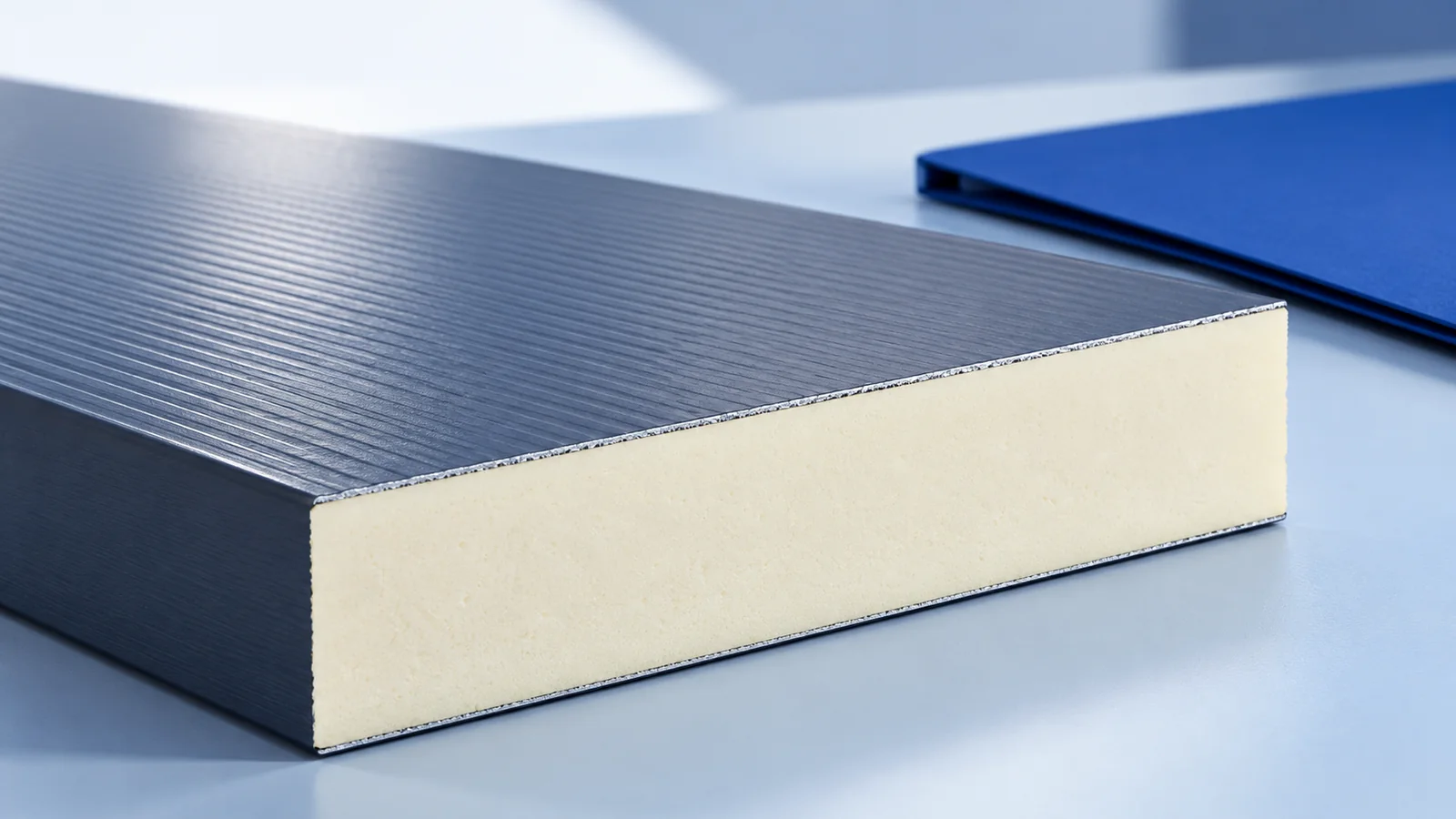
Start the design of a panel-clad commercial building by tracing a normal working day. Where do forklifts unload, which rooms stay heated…
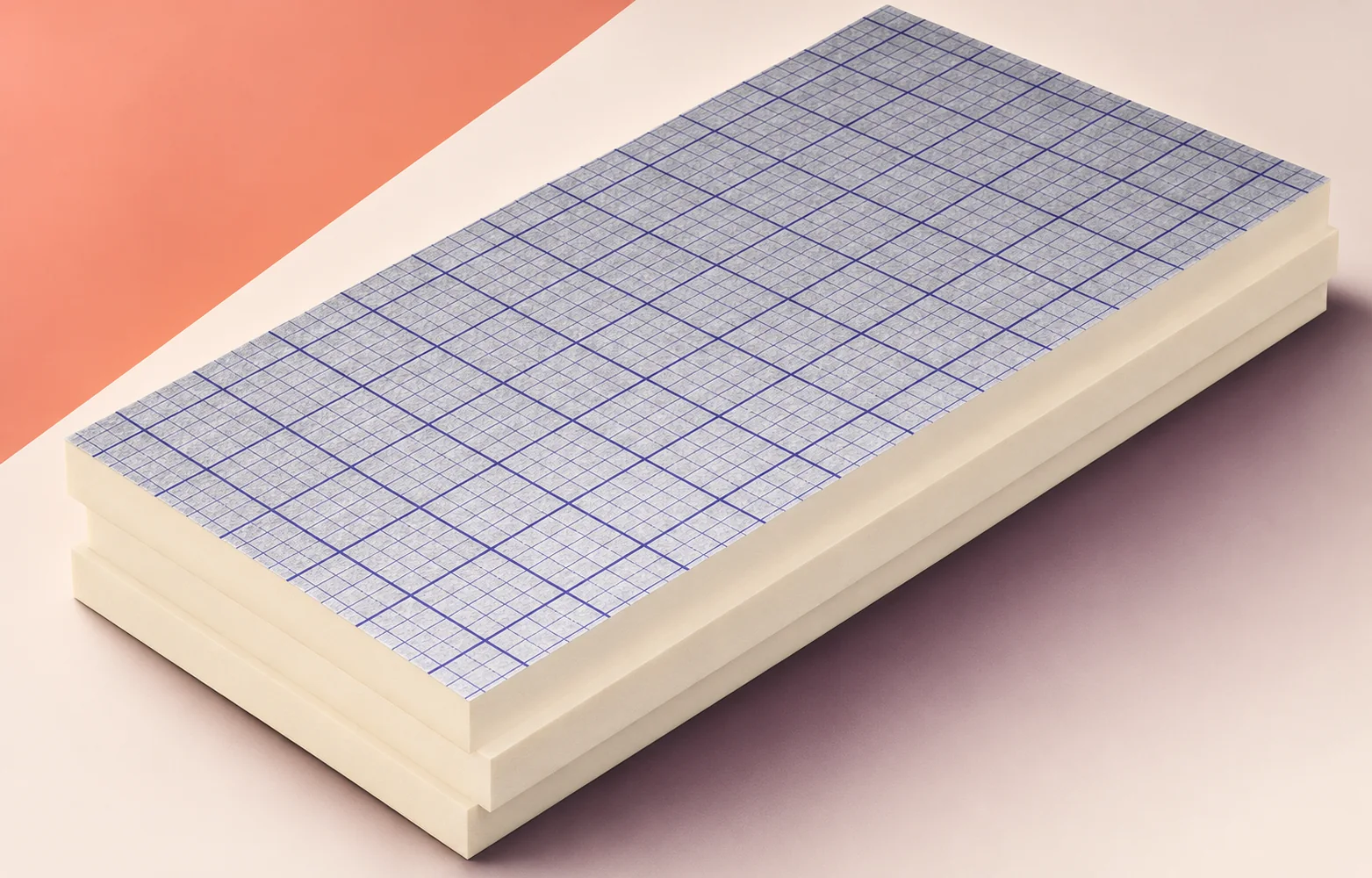
When swissporPIR Alu arrives for several industrial buildings, assign each pallet to a specific work area before lifting it to the roof.…
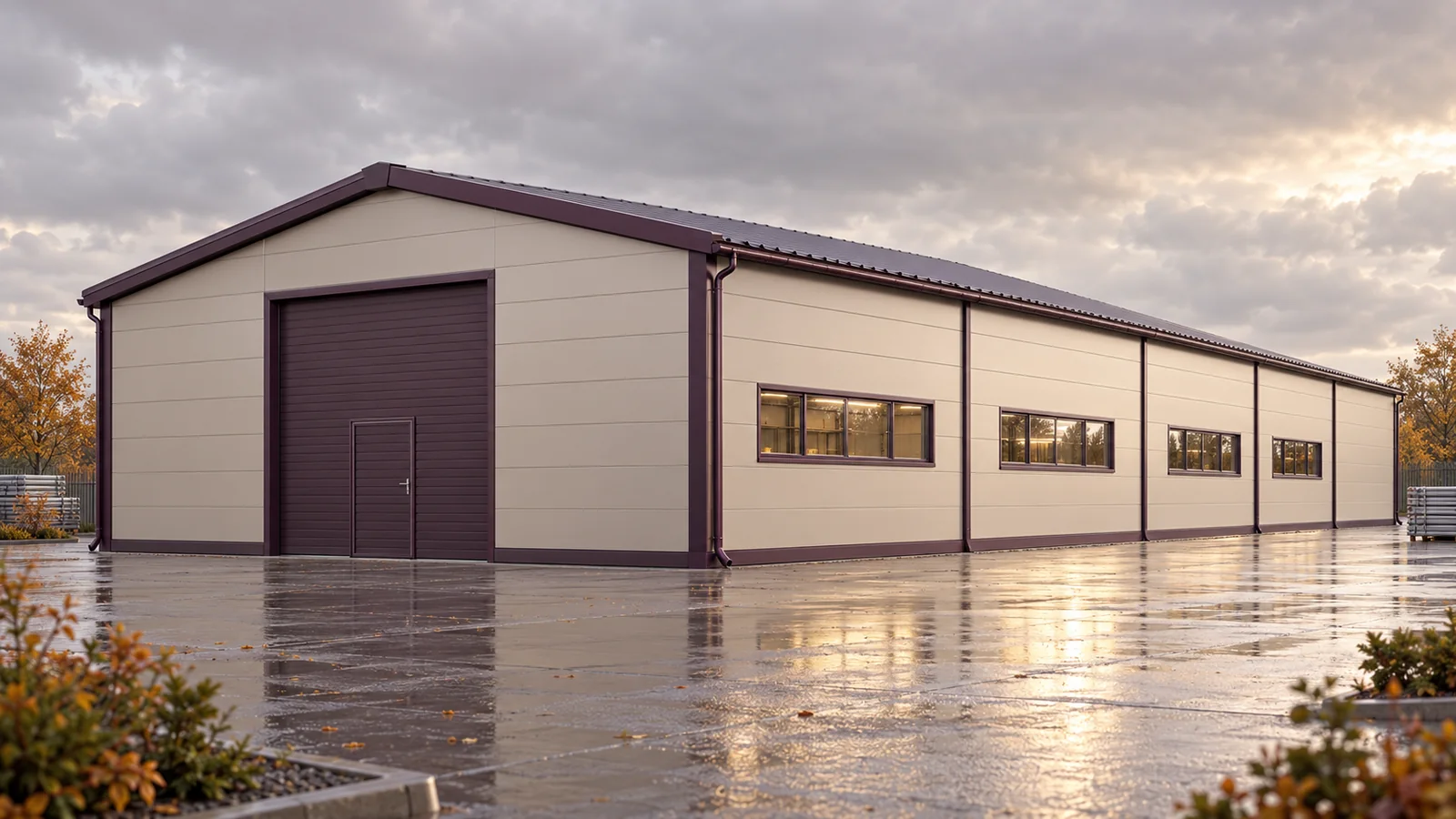
Water on the inner face of a roof panel can come from the air inside the building. If the facing cools below…
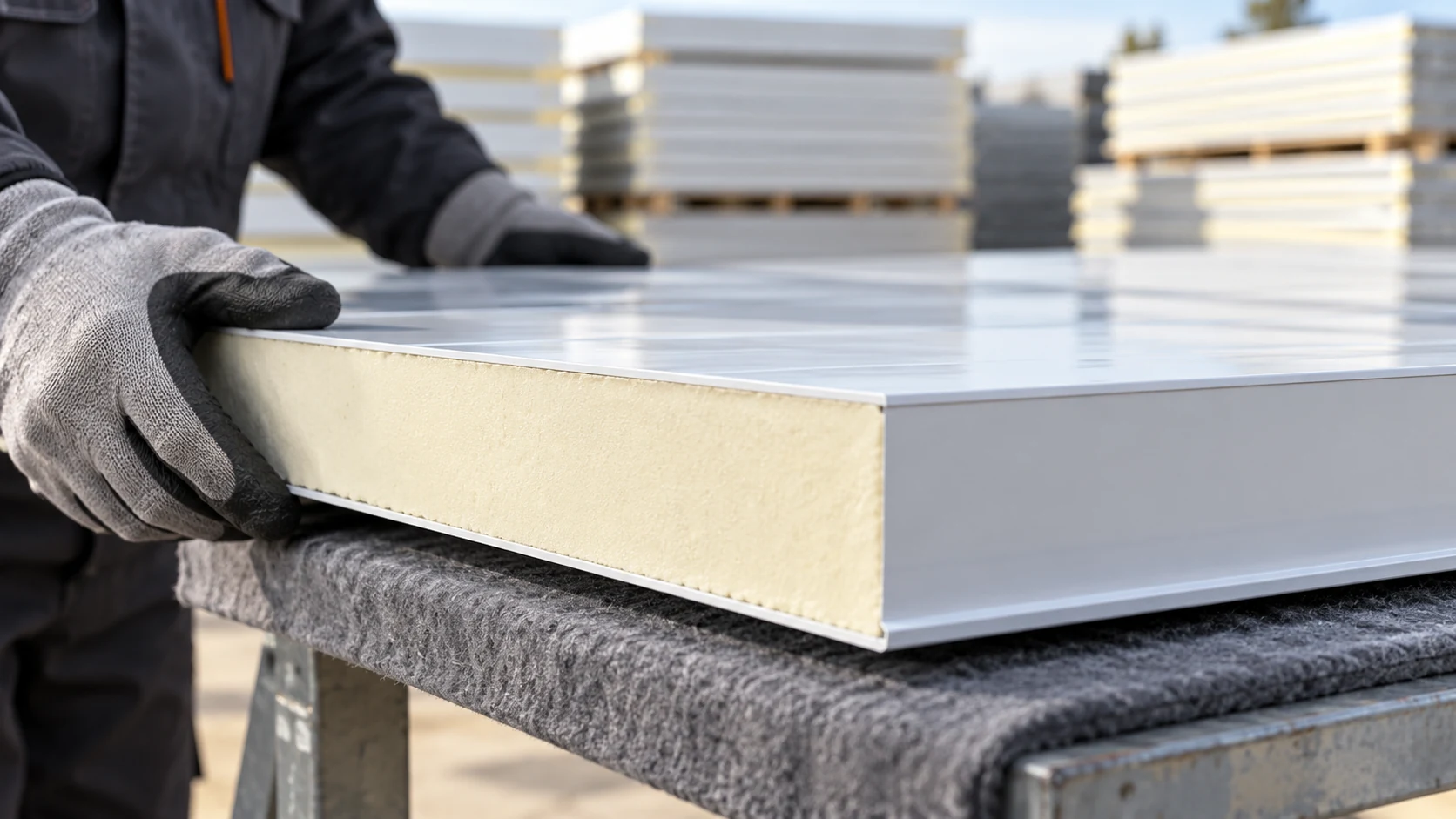
A sandwich panel price refers to a particular product and unit of sale. Check whether the quote is for a square metre…
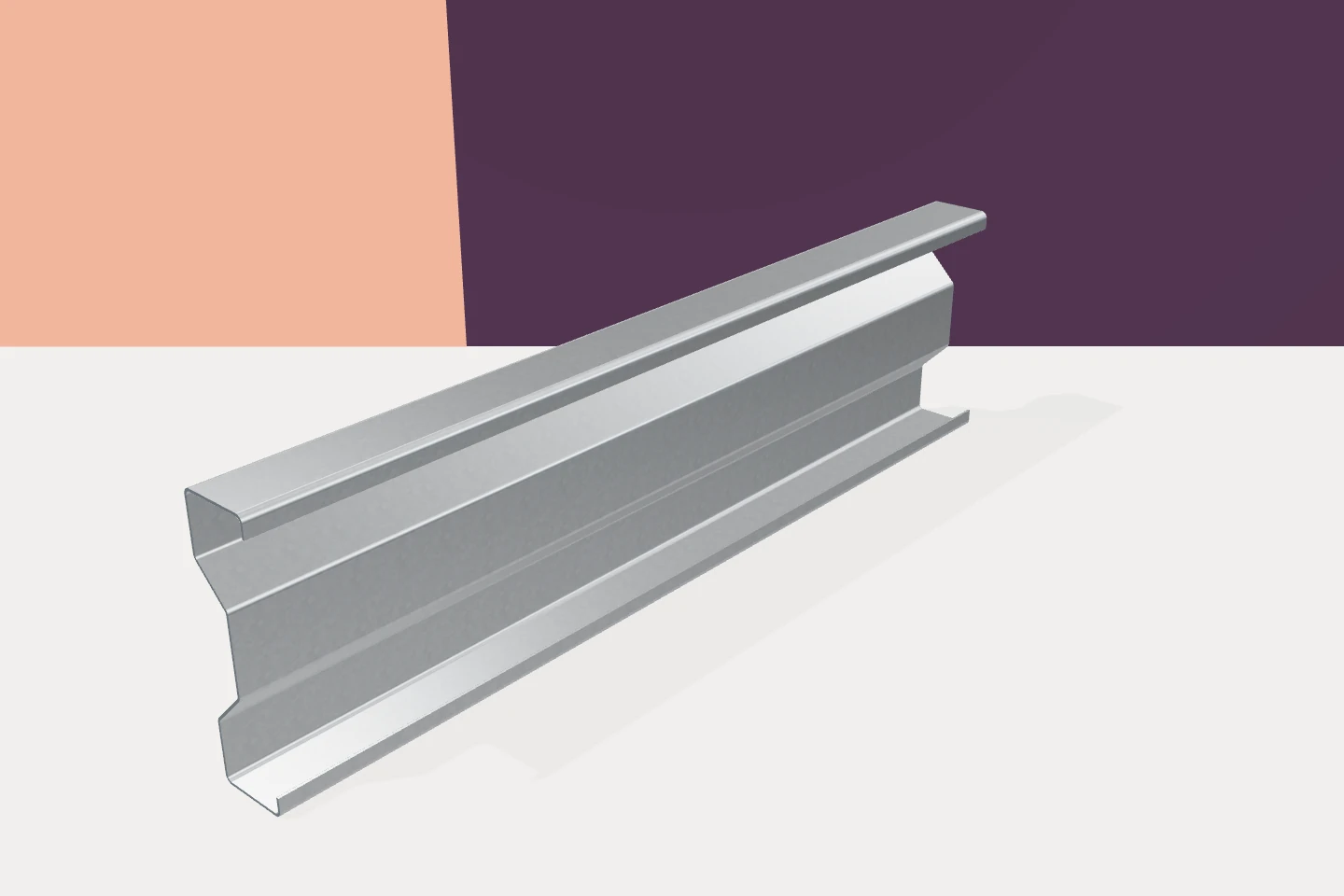
Selecting a cladding rail involves checking the bearing flange, fastener positions and alignment as well as section resistance. Cold-formed sigma sections have…
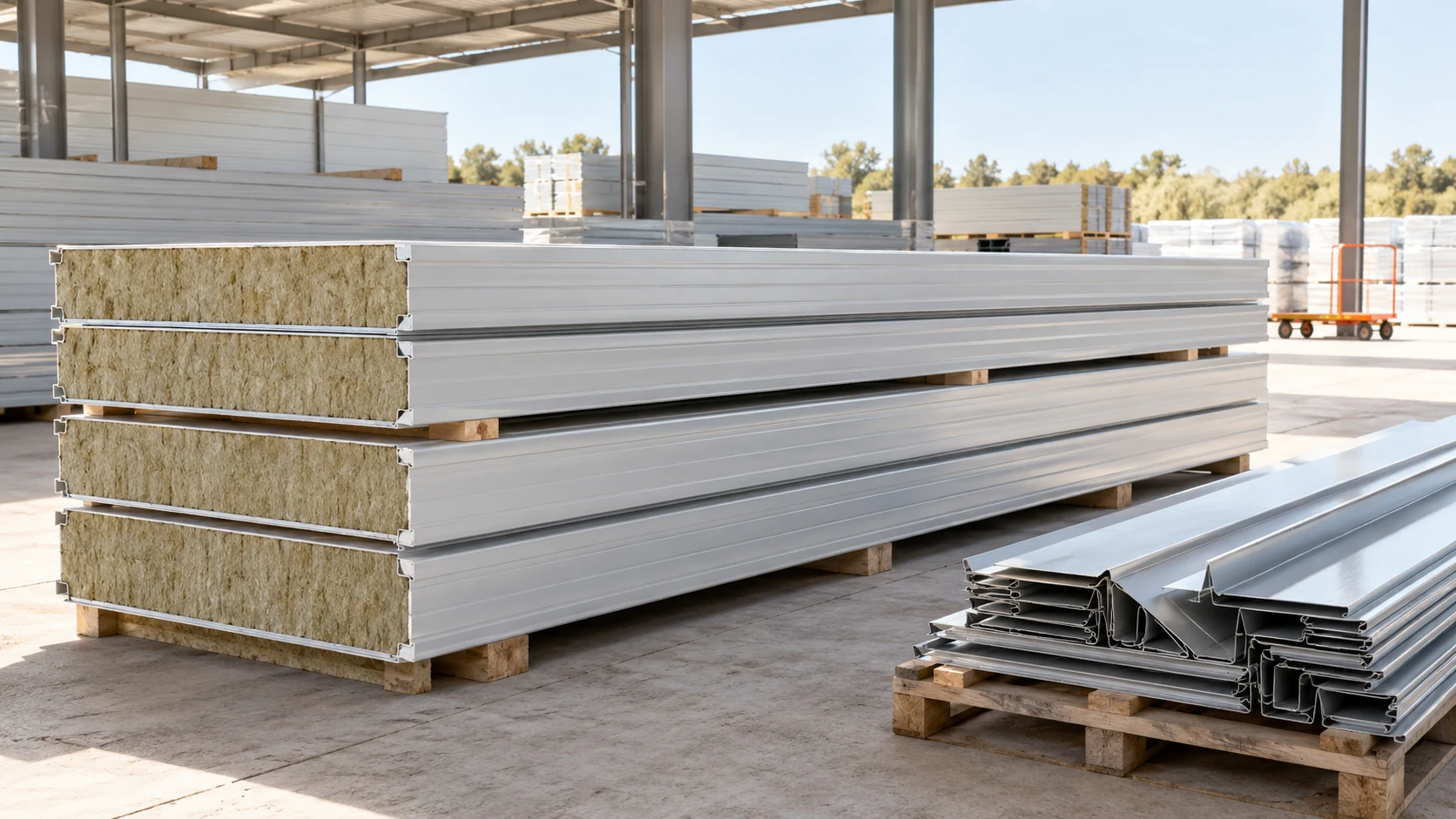
The panel price per square metre is only one part of a wall budget. Include flashings, seals, fixings, transport, equipment hire and…
