Condensation or a leak? Tracing water inside a steel building
Steel buildings and structures
Water on the inner face of a roof panel can come from the air inside the building. If the facing cools below the dew point of that air, moisture can condense on it even in dry weather. Note whether the first drops appear after rain, after washing equipment or as the building cools overnight. Record indoor temperature and relative humidity and, if possible, the temperature of the wet surface. Trace possible rainwater paths as well: water can run along a purlin before dripping far from the point of entry. Use these observations to decide which junction to open or repair.
In this guide
Surface temperature and the dew point
Steel alone does not explain droplets on a panel. A well-detailed envelope keeps the inner facing warmer and deals with steel members where they meet or cross the insulation. A thermal bridge lowers the local surface temperature. An air leak lets air through a gap. Both can occur at the same junction.
Sources of moisture inside the building
Production processes, wash-down operations, wet goods and vehicles can all bring water into the building. A newly cast concrete floor also releases construction moisture as it dries. If the building is enclosed soon after the floor is poured, plan drying and air exchange for that period.
In a farm building, the stored crop can release moisture. The amount depends on the produce, its condition and the way it is stored. Grain storage, a vegetable store and a machinery shed need different humidity controls. The panel specification alone cannot establish the required indoor conditions.
Distinguishing condensation from rainwater ingress
Compare the timing of the wet patches with rainfall and wind direction. A leak may recur during wind-driven rain from one side. Condensation often coincides with a cooling surface or rising humidity. Treat timing as a clue: water can travel along building components before it becomes visible.
Keep a weather and indoor climate log. Inspect flashings, outlets, panel joints and service penetrations. Steel members can carry water from a defect to another bay, so a ceiling stain marks where water appeared and may be some distance from where it entered.
Tracing air movement through joints
A gap in a joint can admit humid air to a colder part of the envelope. Trace the air seal through panel interlocks, corners and openings. If a seal is missing inside the joint, sealant on the outside of a flashing may leave the original air path open.
Around a cold room the warmer side can lie outside the chamber, unlike the usual arrangement around a heated warehouse in winter. Select vapour control details for the actual temperatures and humidity on both sides. Include that difference in the envelope design and its connections to the steelwork.

Ventilation, humidity and insulation
Thicker insulation can raise the surface temperature on the heated side. A high moisture input still requires suitable ventilation or humidity control for the process. In production areas it can be effective to capture vapour close to its source.
Increasing ventilation alone will leave a poorly detailed thermal bridge in place and can increase energy use. Assess the envelope, ventilation and operating pattern together. A modular steel building needs the same assessment of indoor conditions as any other building.
Consider wet machinery parked in an unheated warehouse. Water evaporates from the vehicles while some surfaces remain cold enough for condensation, even without rain. Plan parking, floor drainage and air exchange. Closing all the vents may retain moisture and delay drying. If the problem recurs, take measurements during normal operation and compare dry periods with those in which droplets form.
What to check once the water is gone
Repeated wetting can damage coatings and joints and can affect stored goods. Once the cause is known, examine the facings, seals and fixing points to the steelwork for damage, including areas that are difficult to reach.
Retain the readings and the repair record. When similar weather and operating conditions return, check the same points to see whether moisture recurs. This gives the owner evidence that the repair addressed the cause of wetting.

Free quote
What to include in your enquiry
Tell us how you plan to use the material, the dimensions and the quantity you need. Include the thickness, grade or variant name, along with the delivery town or your preferred collection branch. For a specific product, add its name or a link to the product page. We will reply to the email address you provide to discuss availability and the terms of your order.
Read next
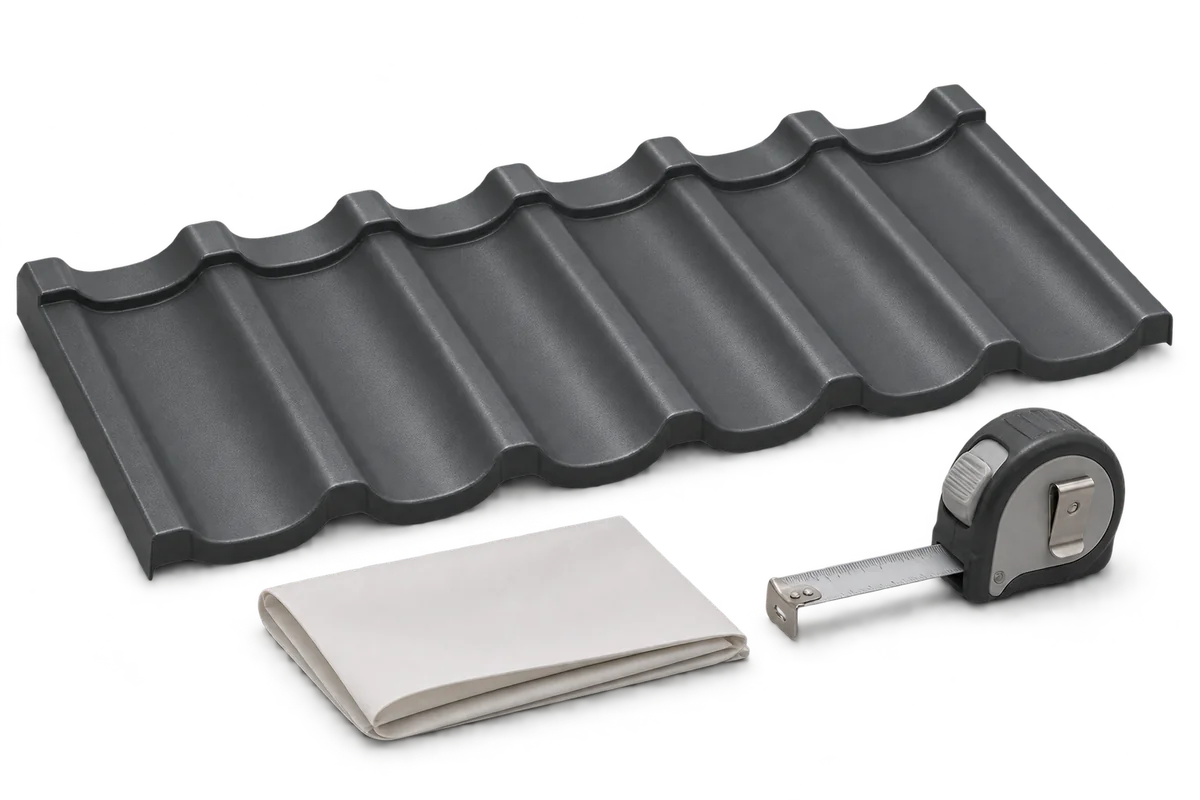
A roof calculator helps you organise measurements and estimate material quantities. Start by distinguishing the area of the roof slopes from the…
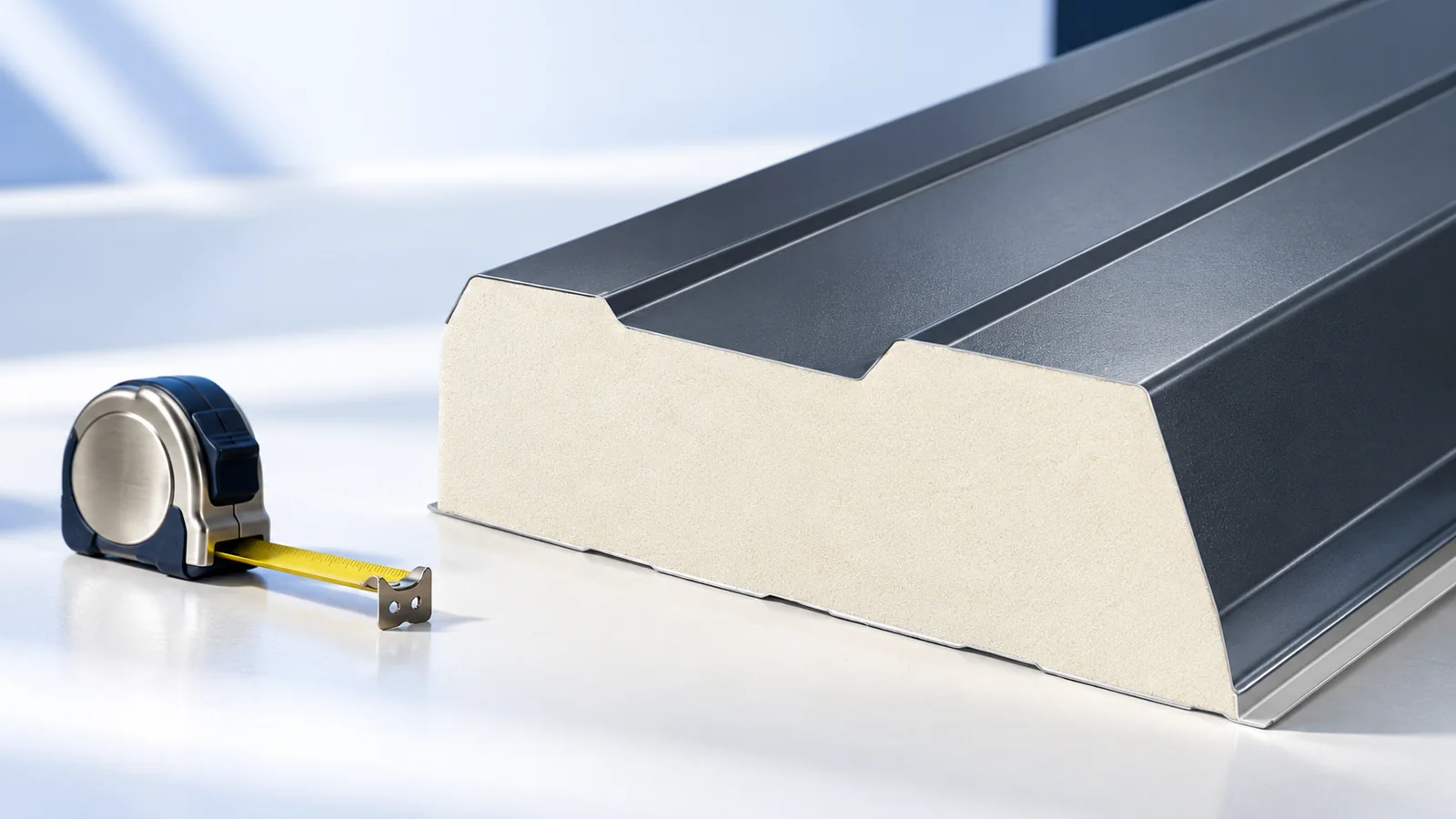
Start with the roof section and support plan when choosing a sandwich panel. The two steel facings and insulating core act together…
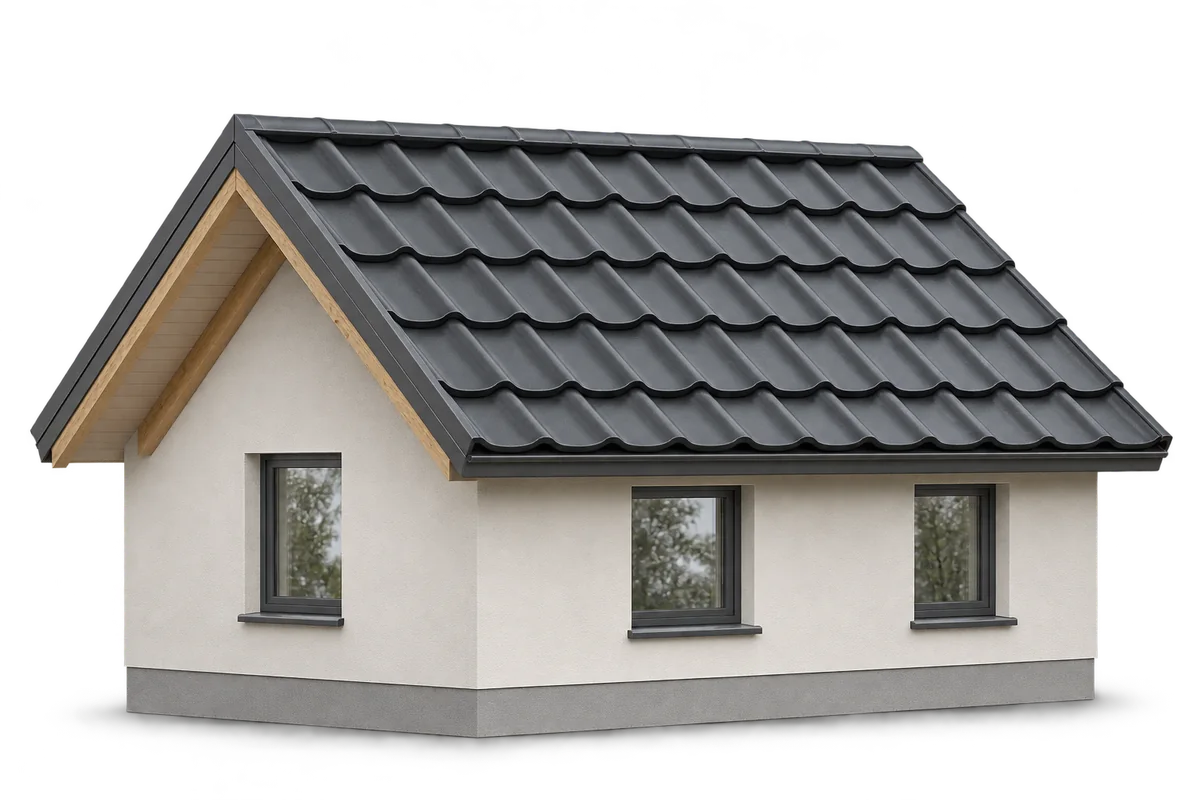
A gable roof has two slopes that meet at the ridge. This simple shape makes the roof covering easier to lay out…
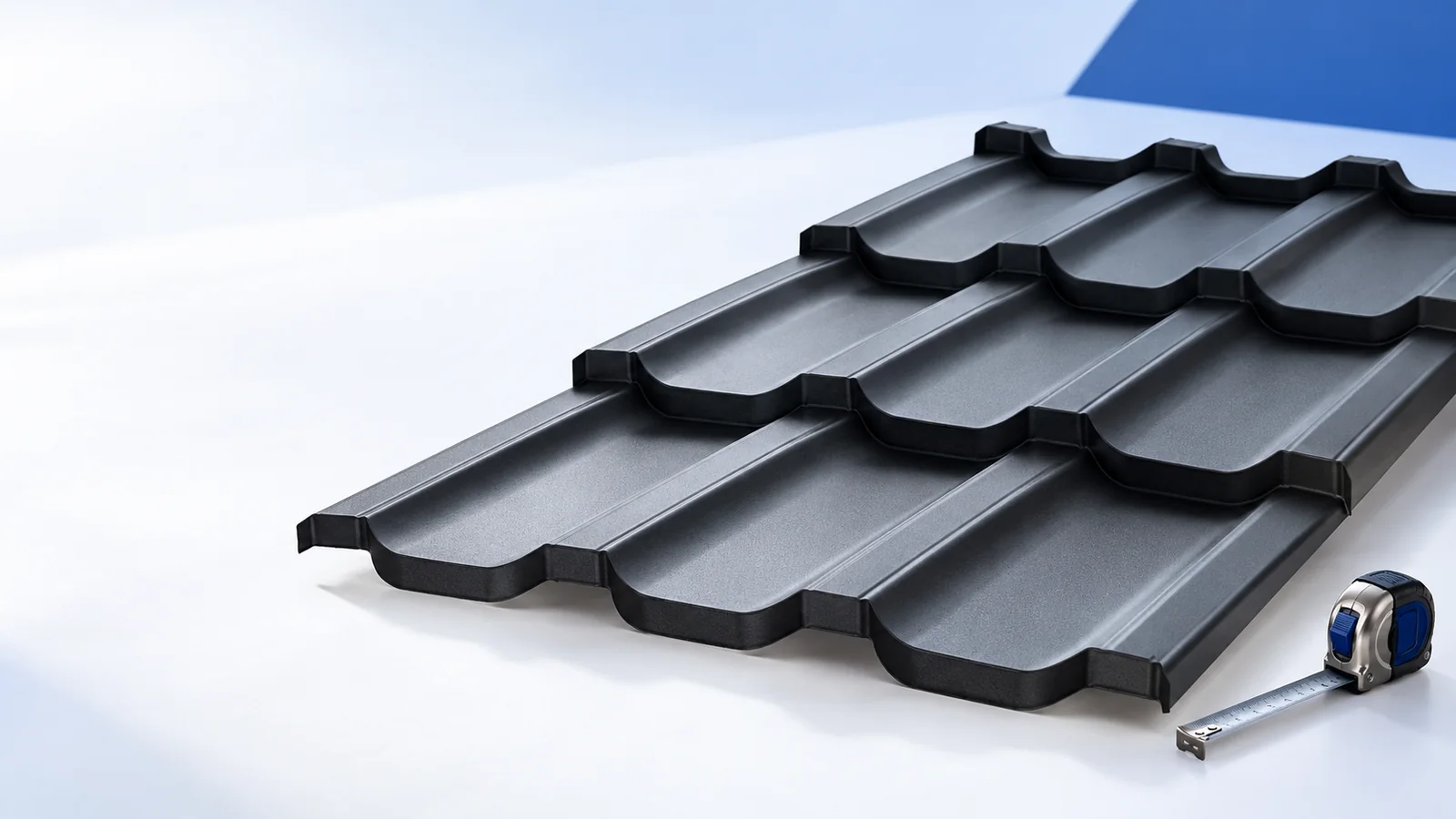
Ask the supplier for a sheet layout based on measurements of the completed roof frame. It should identify the profile, coating and…
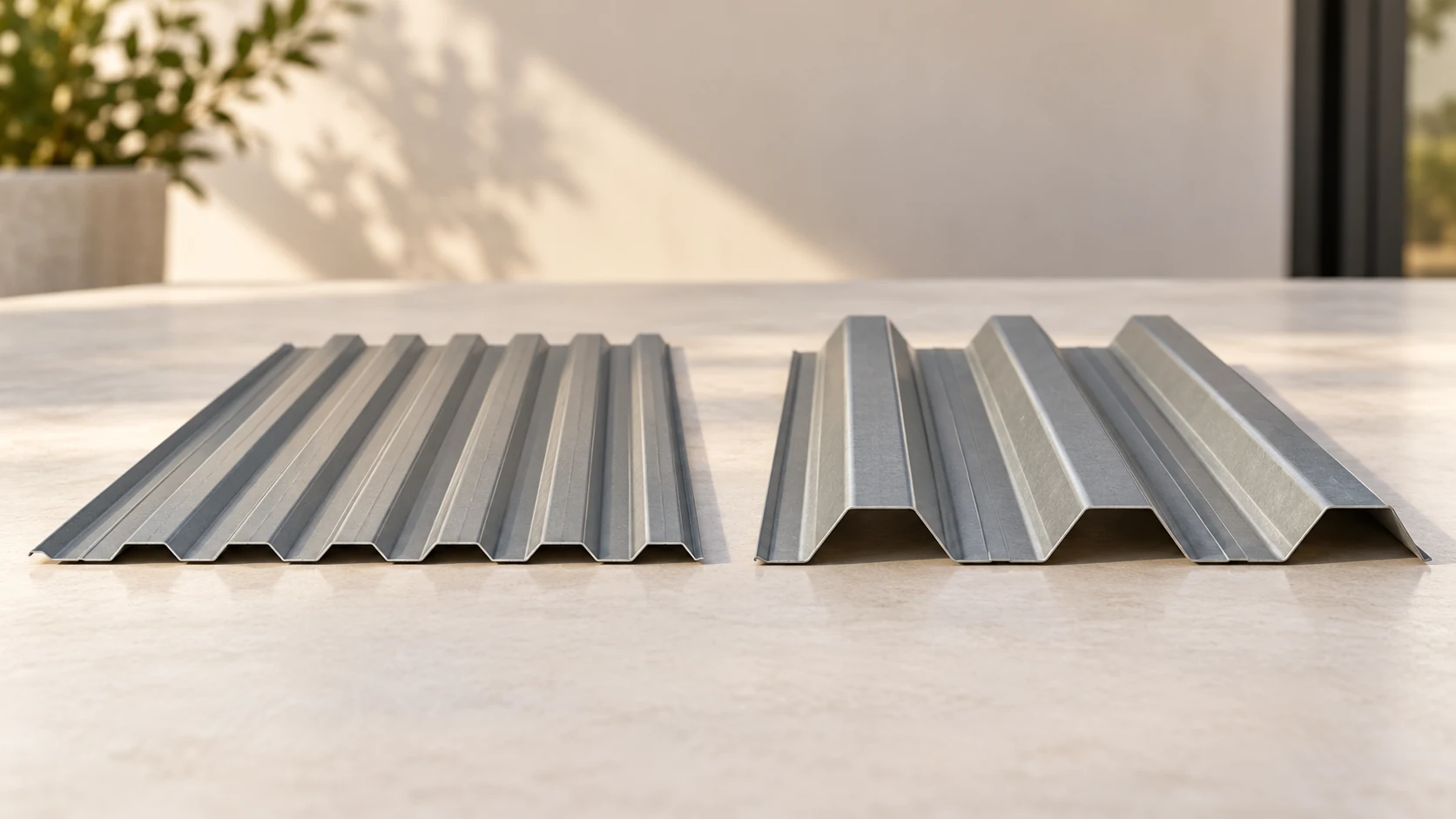
Changing the depth of a trapezoidal steel sheet changes its stiffness and can also change its effective cover width. Compare T18 and…
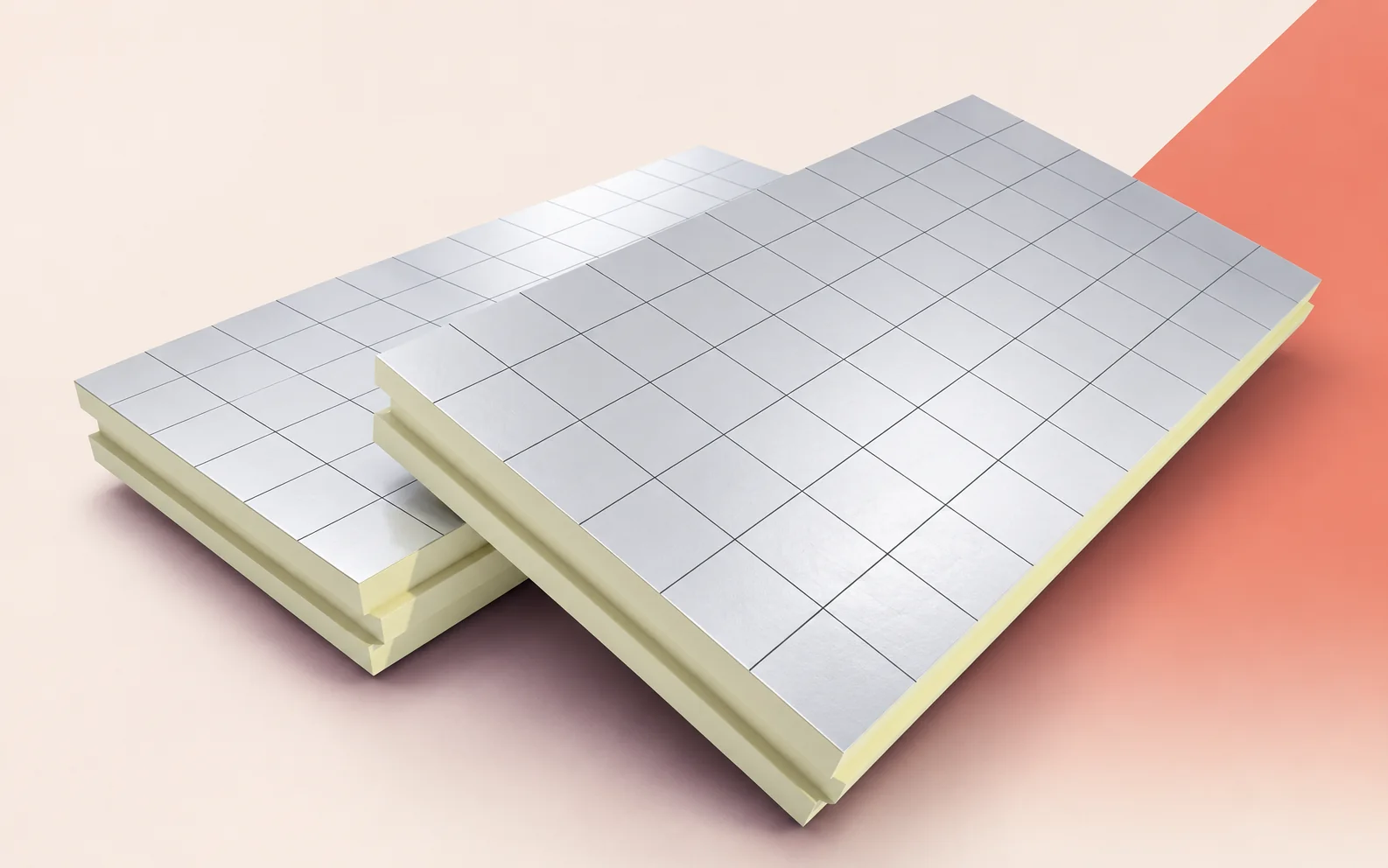
Choose a window bay when inspecting Utherm Wall LE in a cavity wall. Here the crew can see the main insulation layer,…
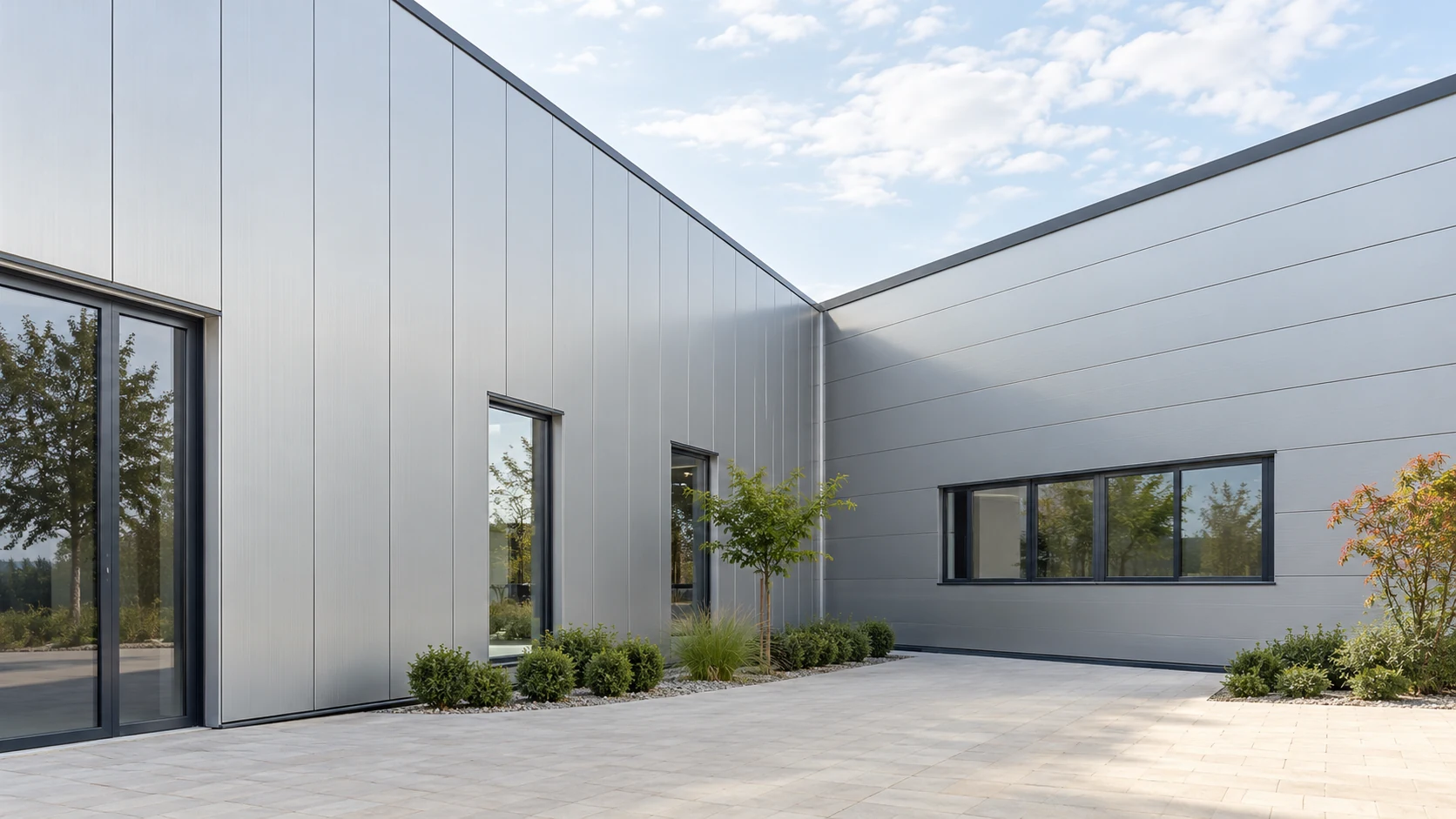
Panel orientation affects façade appearance, the supporting structure and the number of junctions to detail. Draw the same wall in both orientations…
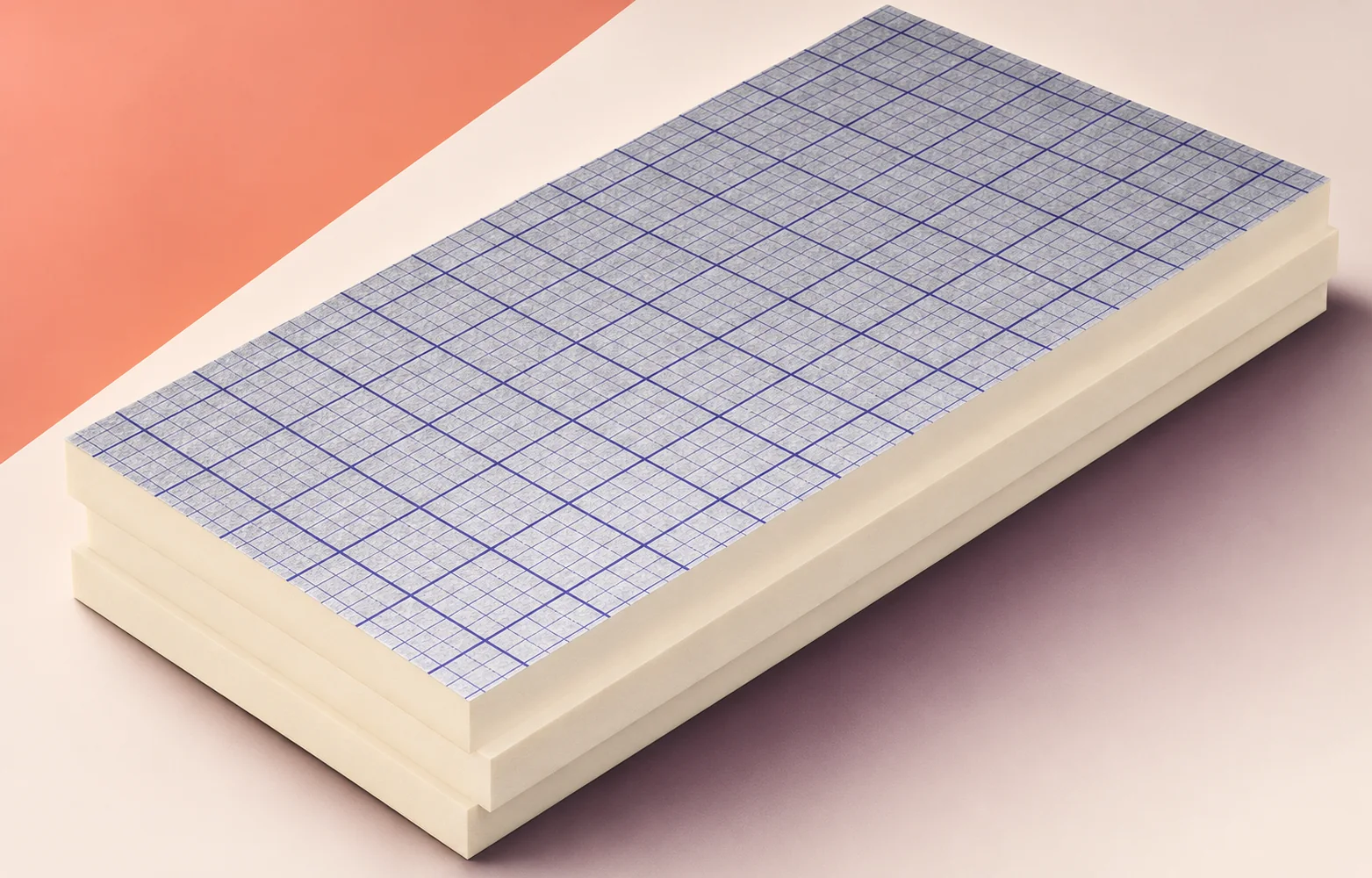
When swissporPIR Alu arrives for several industrial buildings, assign each pallet to a specific work area before lifting it to the roof.…