






PIR and XPS insulation in commercial buildings: where does each belong?
PIR insulation
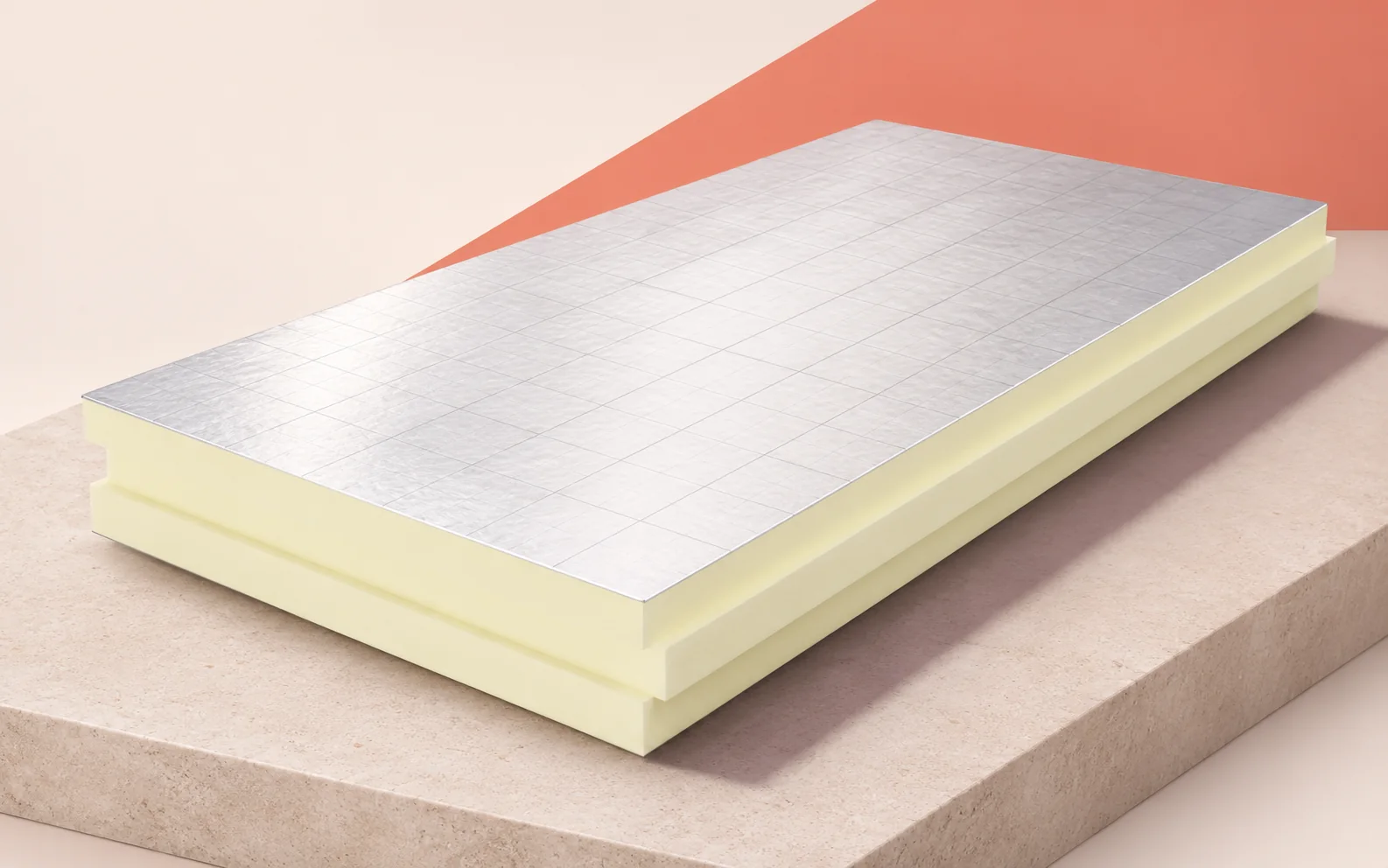
On a large project, compare PIR and XPS zone by zone. The choice depends on thermal performance, delivery logistics and conditions in service. PIR boards can save space, but a table of thermal conductivity values alone cannot tell you which product suits each part of the building. For a specified thermal resistance R, compare the thickness and cost of boards that achieve it. Where space sets the limit, compare the resistance each board achieves at the available thickness. Keep these calculations separate. Over a large area a thinner layer changes the volume of material required. The number of deliveries also depends on how the boards are packed.
In this article
How much space can PIR save?
Check board dimensions and pack sizes. Select a grade of XPS and compare it with PIR boards that provide the same thermal resistance. Use the actual thicknesses in the delivery plan. This lets you quantify both the space saved in the assembly and the volume to transport for the proposed substitution.
Assessing exposure to water
If you suspect water ingress, inspect the entire assembly, including the facings and joints. A surface that feels dry can still conceal damp layers. Establish the cause before covering the affected material. Its actual condition and the system requirements determine whether work can proceed.
Moisture exposure can vary across one building. Insulation below the waterproofing faces different conditions from insulation above it on an inverted roof. Review the product choice whenever the layer sequence changes. Low water absorption of a PIR core alone does not qualify the board for both positions. For XPS too, check the documentation for the intended exposure.
Short-term compression and long-term creep
Pressure under an equipment foot persists after installation. Determine the magnitude and duration of the load and the area over which the layer above the insulation spreads it. A short-term compression test does not establish an allowable pressure for years of service. If the manufacturer declares compressive creep (CC), check the assessment period and conditions stated with the designation.
Distinguish distributed loads from concentrated loads in plant areas. Small equipment feet concentrate forces that an average load across the roof would obscure. Both PIR and XPS require a designed load path. Interpret the compression designation CS and the creep data separately. A drawing of the load zones gives a better basis for specifying insulation than a single value applied across the site.
Facings and fixings affect substitution
For each PIR or XPS item in the bill of quantities, name the material touching each face of the board. A bonded installation needs a verified combination of facing, adhesive and substrate. If the delivered facing differs, clarify the substitution with the supplier. Sanding off a factory layer on site changes the product being installed.
Changing the insulation after the installation method has been approved may mean checking adhesives, membranes and fixings again. On a large job this affects a substantial area. Complete that review before deliveries begin. Boards of similar thickness can have different requirements for contact with adjacent materials. Allow time in the programme for approval of the complete assembly before the first installation trial.
Choosing insulation for individual zones
If a quotation proposes one product throughout, request supporting documentation for each application. The same board may encounter very different service conditions. Base any claim for polyurethane insulation on the properties actually declared for the product.
Zoning allows each product to meet a specific need. PIR boards may suit areas with limited headroom. A zone with a different moisture exposure needs a product suitable for those conditions. Detail the transition as well as the zones themselves. A colour change on a plan tells the installer little about how to continue the insulation or secure the boards along the junction.
Comparing assemblies that perform the same function
Break the enquiry down by hall zone. For each line give the area, available height, required thermal resistance, loads and moisture exposure. Ask bidders to identify the board type, thickness and document supporting the proposed use. That way a price for an equipment-bearing floor will not end up alongside a roof board price in the same comparison.
Include installation logistics and the risk of delays from missing accessories in the cost comparison. A polyurethane board may reduce thickness, but its quotation should cover the full scope of installation. Compare it with XPS in an assembly that performs the same function. When service conditions differ, a price difference alone tells you little about the savings available.
Information to collect for a large project
Loads vary across commercial premises. A board suitable for a clear area may be unsuitable beneath an individual support. Base the PIR or XPS specification on the actual distribution of forces. Dividing the total equipment weight by the entire floor or roof area conceals the load at the supports.
List the zones, loads and moisture conditions in a schedule. Assign a specific product to each line, then compare installed thickness and cost. This makes it possible to use PIR where its characteristics matter. Record the basis for every substitution so that purchasing, design and installation teams work to the same specification throughout phased deliveries.

Free quote
What to include in your enquiry
Tell us how you plan to use the material, the dimensions and the quantity you need. Include the thickness, grade or variant name, along with the delivery town or your preferred collection branch. For a specific product, add its name or a link to the product page. We will reply to the email address you provide to discuss availability and the terms of your order.
Read next

A bonded roof with Powerdeck F has two interfaces to check. The first secures the insulation to its substrate. The second bonds…
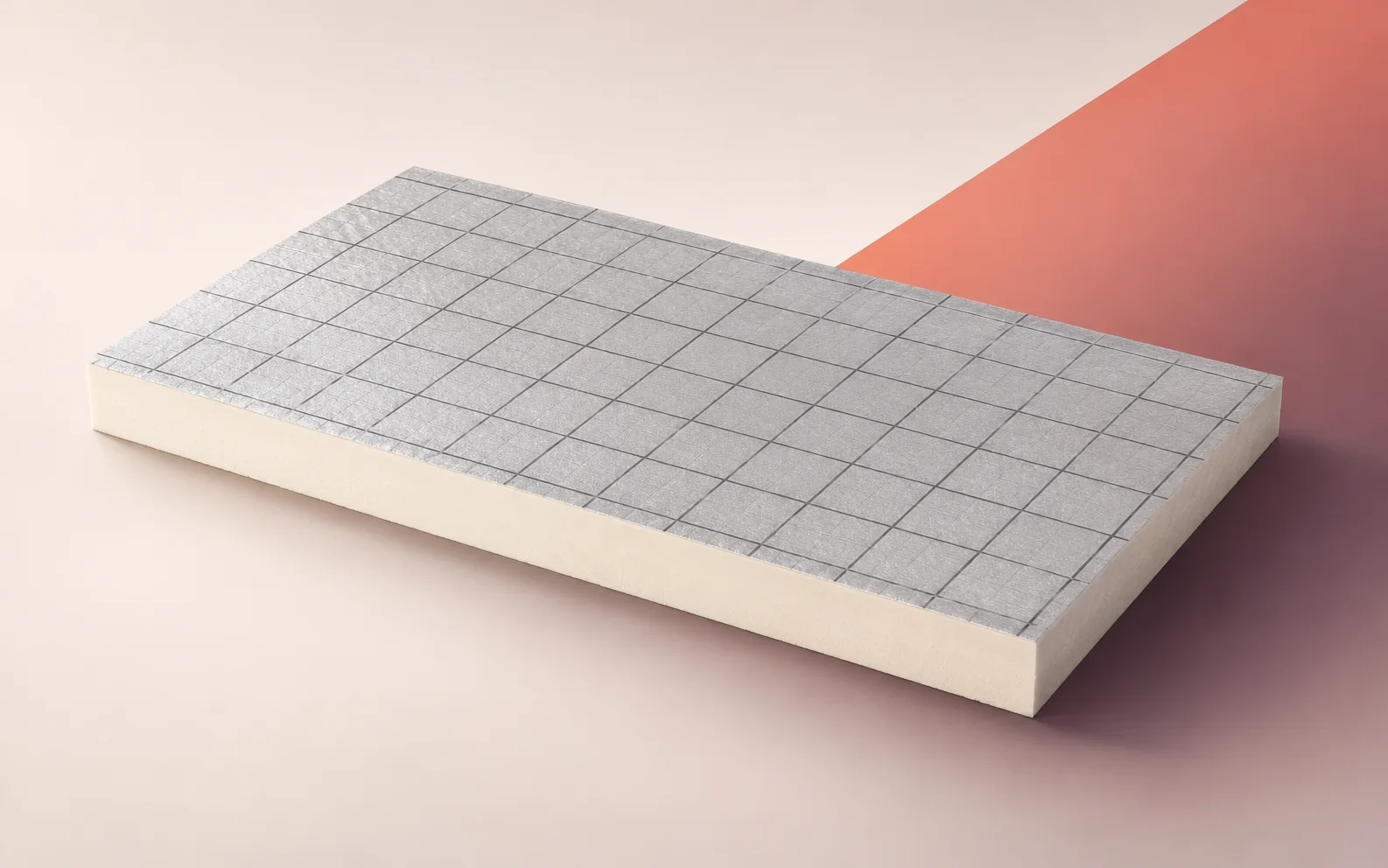
How should you set out IDELCO α-therm ROOF PIR boards on an industrial flat roof? Start with a plan showing rooflights, plant…
A good contractor can explain how they will build to your design, define exactly what their quote covers and show how each…
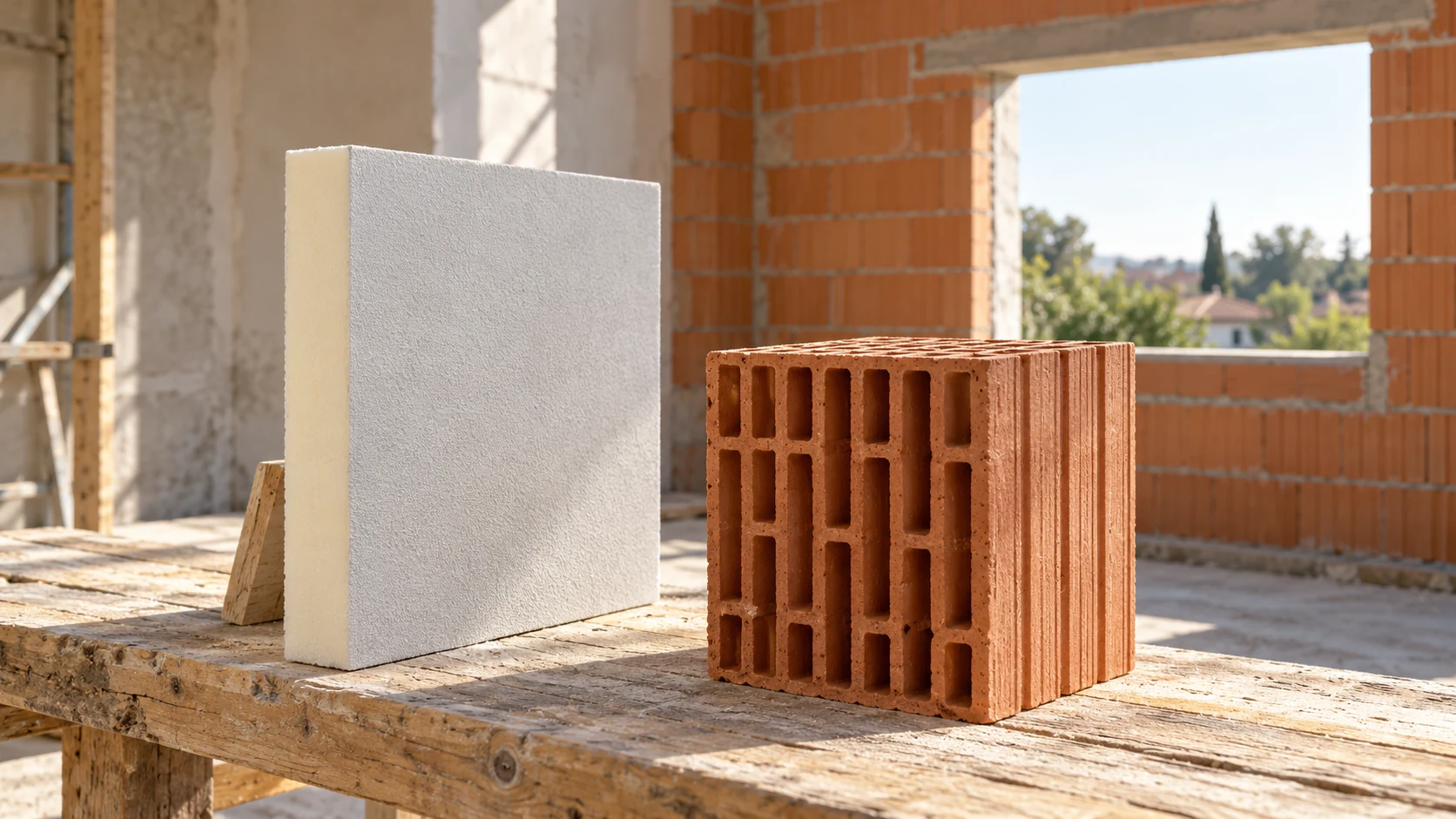
Block thickness alone cannot determine insulation thickness. You need the properties of the masonry, mortar, ring beams and intended finish. With PIR,…
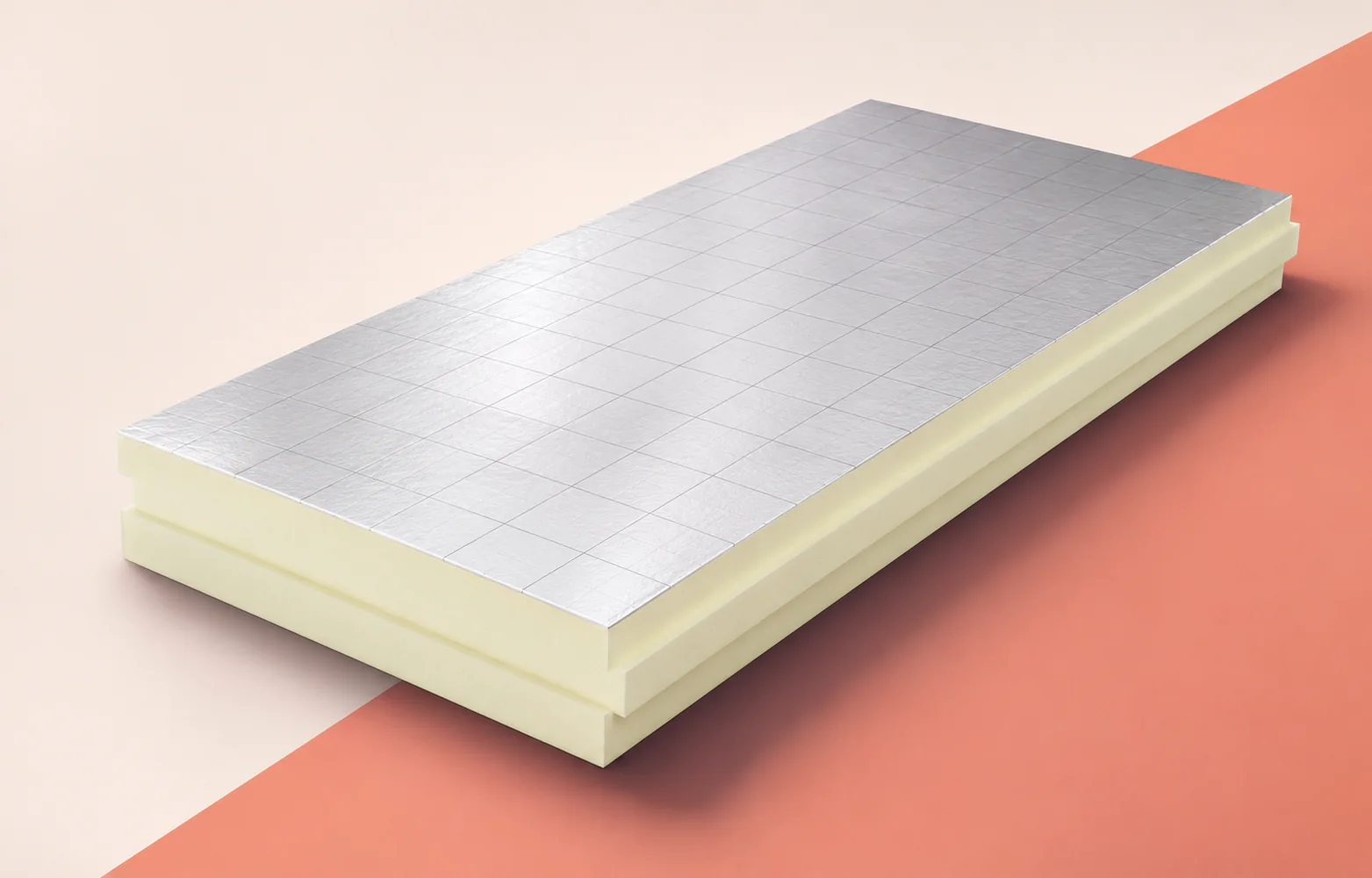
On a large site, the choice of PIR insulation board affects how deliveries are checked, how the work is phased and which…

A cold surface, poor ventilation, rain penetrating the façade and a leaking pipe can leave similar marks. Several causes can coexist. Before…
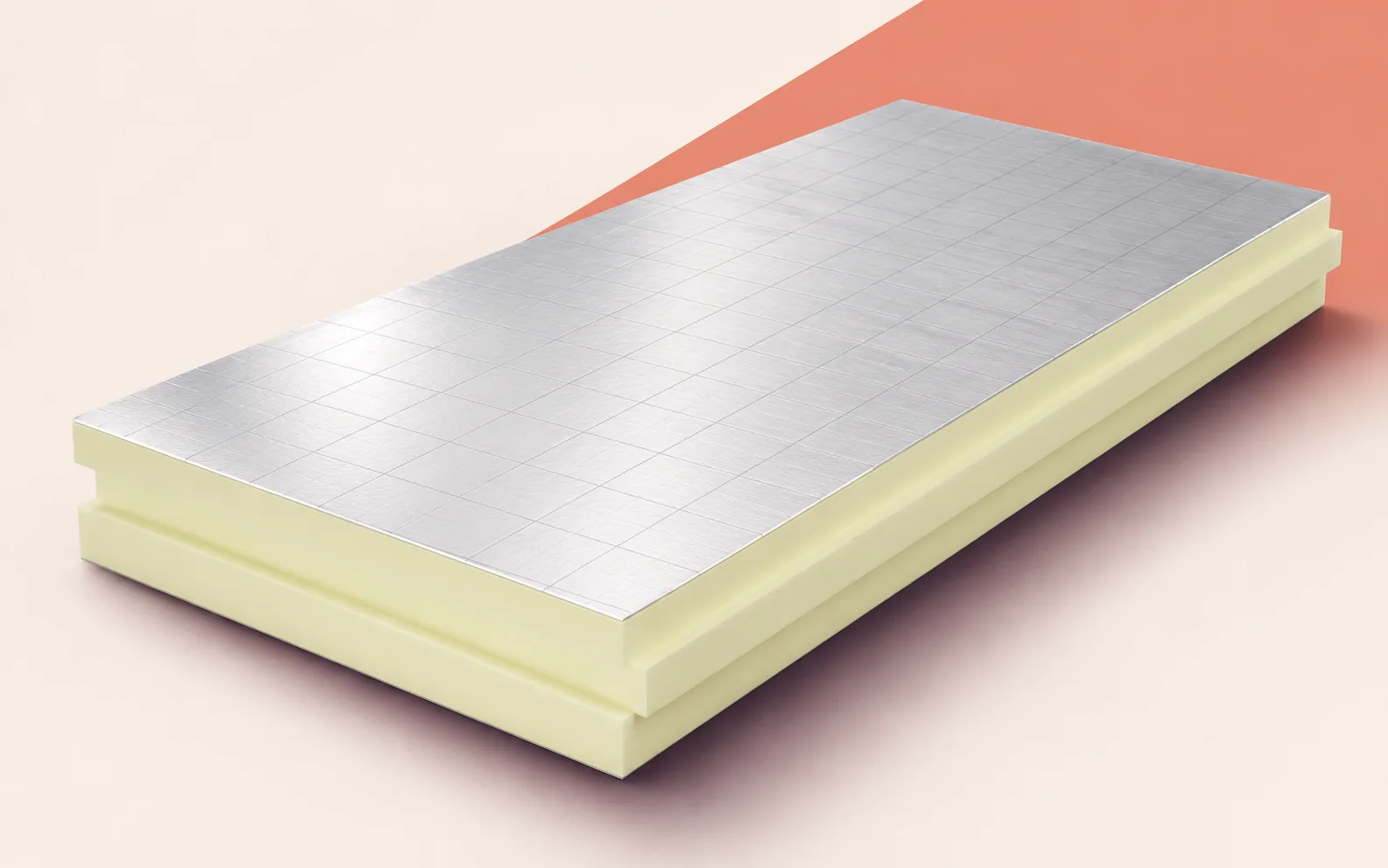
Choosing between PIR and mineral wool in an industrial or commercial building starts with three separate questions. How much thermal resistance is…
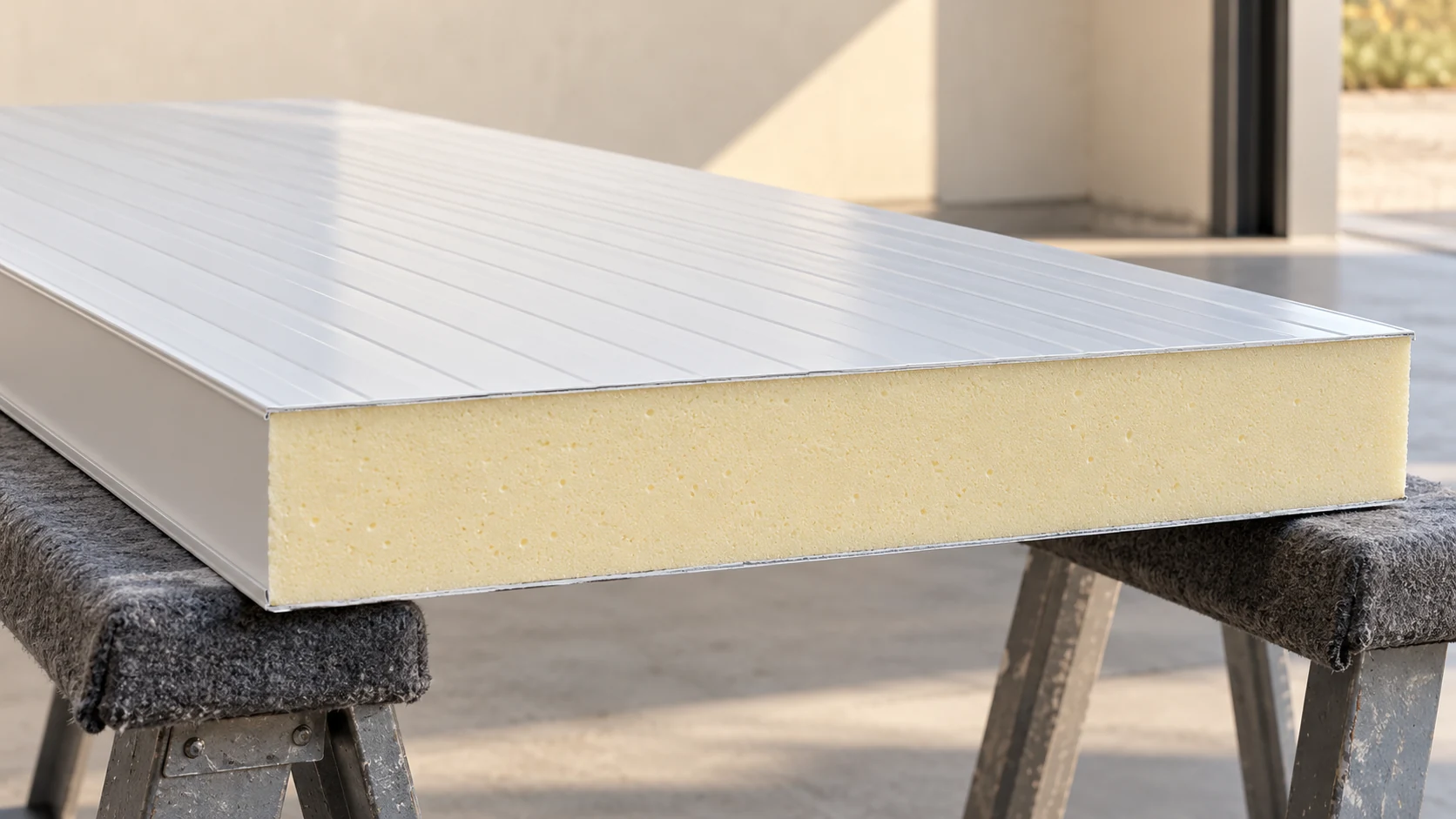
A short panel can suit a small room, but first check its length against the plinth and head details. White facings and…
