






Why does a north-facing corner get damp even when the room is heated?
PIR insulation
At a glance
A cold surface, poor ventilation, rain penetrating the façade and a leaking pipe can leave similar marks. Several causes can coexist. Before ordering insulation, establish when and where the damp appears. Mark the stain on a sketch, noting its height and distance from the window, floor and ceiling. Take a dated photograph and repeat it after rain and after several dry days. Note whether the problem worsens after cooking, bathing or a long absence. This record helps distinguish weather effects from patterns of use. Insulation is useful only as part of a remedy that addresses the cause.
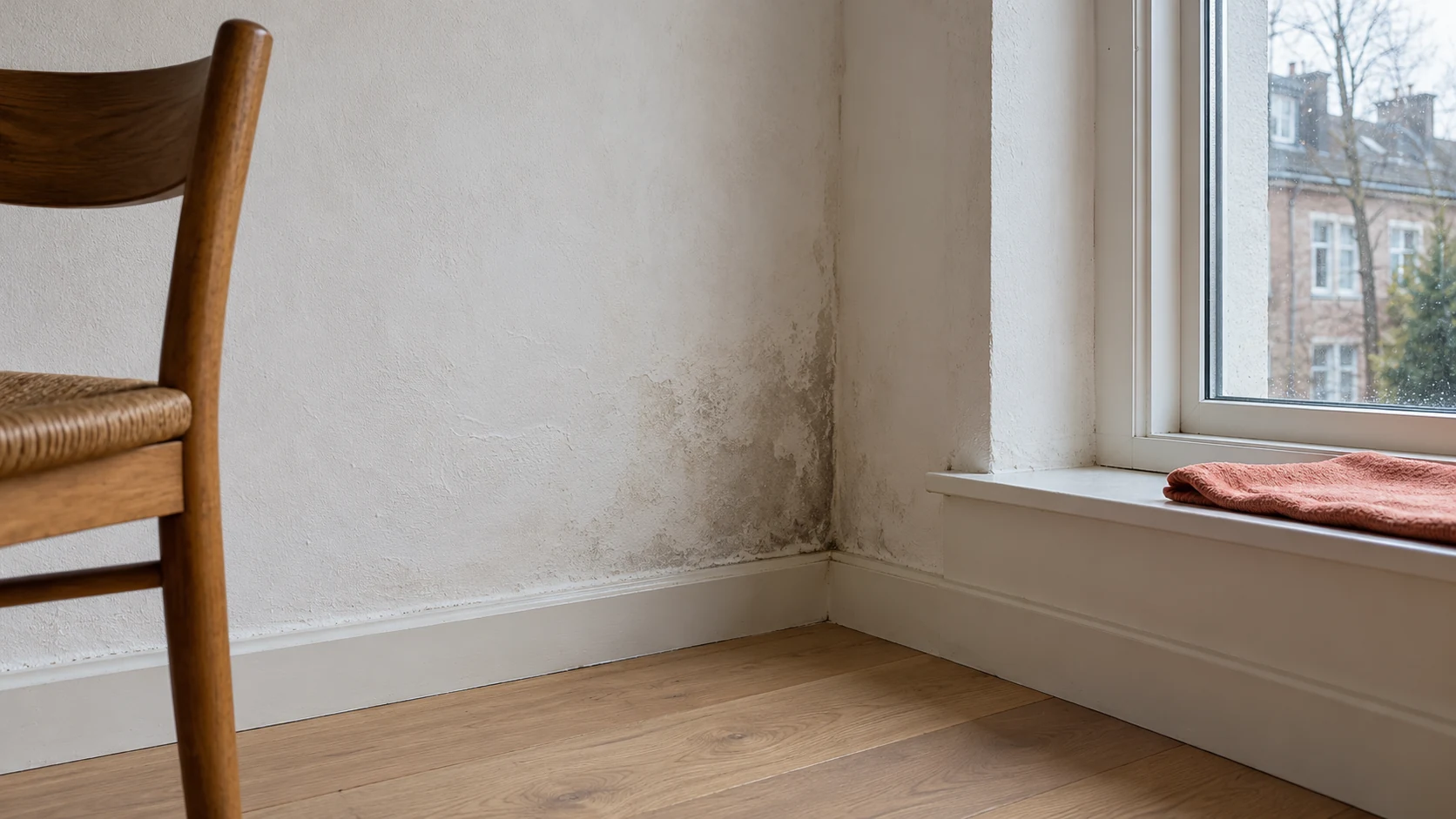
Map the signs of damp
Inspect adjoining rooms and the outside of the wall. A stain near the ceiling may point to the roof or a pipe; one near the floor may have a different source. A dark corner alone does not identify the defect. Record its extent and have it inspected before painting over it.
Measure surface and air conditions
A thermometer in the middle of a room cannot tell you how cold the wall is behind a cupboard. Track air temperature and relative humidity alongside the surface temperature at the stain. Use instruments suited to the range and material. A wood moisture meter does not automatically give reliable readings in masonry.
Take a series of readings and record the time, weather and heating pattern. Thermal imaging also requires suitable conditions: reflections from glossy surfaces and solar heating can distort the picture. If the actual moisture content of a material is needed, let the investigator choose the test method.
Rule out water entering from outside
Inspect gutters, flashings, joints and the junction between window and façade. Look for splashing at the plinth and cracks beneath the sill. North-facing walls usually receive less sun, but condensation is not the only possible explanation for stains. A mark that appears after wind-driven rain calls for an inspection of the weather seal.
Stop the water at its point of entry, then assess drying and the condition of the plaster. A vapour-tight board on the inside of a damp wall may restrict drying towards the room. Let the condition of the wall determine when to insulate, rather than counting days since the gutter repair.
Check thermal bridges and air circulation
An external corner, reinforced concrete column or uninsulated ring beam may have a colder inside surface than the middle of the wall. High indoor humidity compounds the problem. At 20°C and 60% relative humidity, for example, the dew point is about 12°C. That value applies to these conditions; it is not a universal pass mark for walls.
Visible droplets are only one sign of surface moisture. The duration of high humidity at the surface and conditions immediately around it also matter. Fitted furniture restricts circulation and can leave the wall colder. Check that the ventilation works and that replacement air can enter as intended.
Match the repair to the cause
Where a thermal bridge is responsible, the design should cover its full extent. A patch of insulation over the stain may simply move the coldest point to its edge. External and internal insulation affect masonry temperature and drying differently. The choice depends on the wall and the options available.
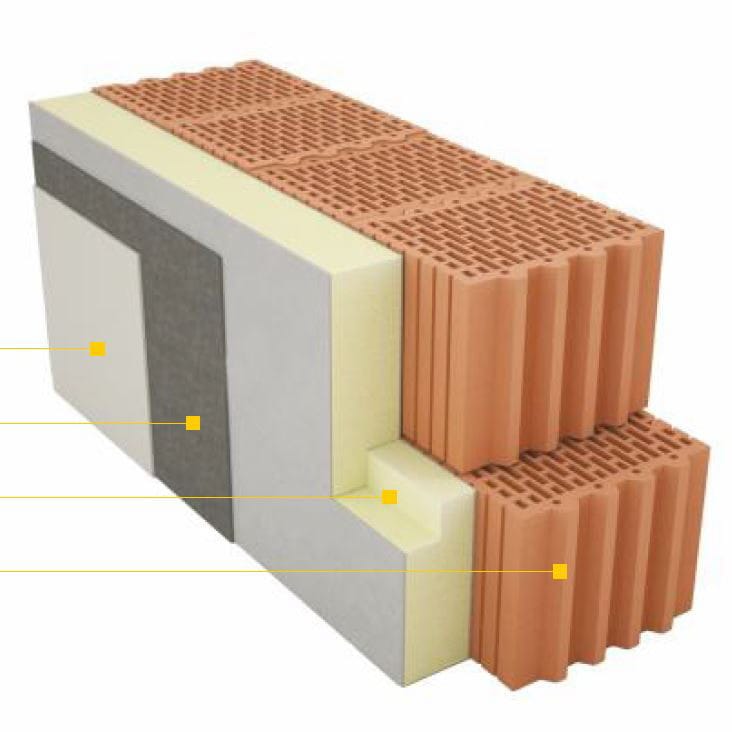
Internal PIR insulation requires a heat and moisture assessment and airtight junctions. A simplified model does not capture every route taken by air or water. Leaking old masonry may need further investigation. Plan the removal of damaged finishes and preparation for the new work separately.
Check the result under changing conditions
After the repair, monitor the same points. Compare periods with similar weather and room use; a few warm days prove little. Record changes to heating or ventilation so you can tell which measures affected the corner.
Inspect the insulation junctions at the ceiling, floor and window before covering them. Keep photographs and material details. If the stain returns, investigate that location again before increasing insulation thickness. Watch the corner particularly closely during the first cold spell and the first heavy rain.
Questions and answers
Does a north-facing wall always need thicker insulation?
Orientation alone does not decide this. Assess the construction, exposure to sun, moisture, thermal bridges and room use. Orientation is just one piece of evidence.
Is moving the cupboard away from the damp corner enough?
Better air circulation may improve surface conditions, but it cannot repair a leak or eliminate a significant thermal bridge. Identify the moisture source and check the effect of the measures taken.

Free quote
What to include in your enquiry
Tell us how you plan to use the material, the dimensions and the quantity you need. Include the thickness, grade or variant name, along with the delivery town or your preferred collection branch. For a specific product, add its name or a link to the product page. We will reply to the email address you provide to discuss availability and the terms of your order.
Read next
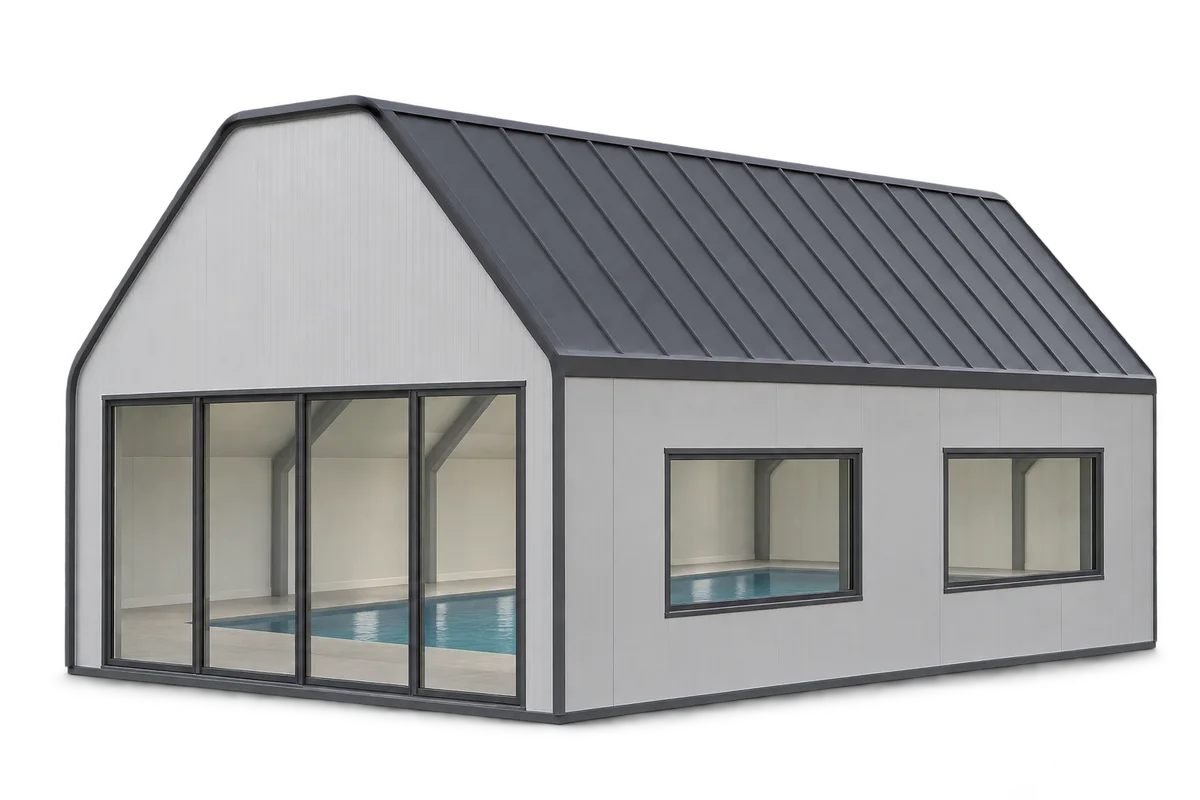
A roof over a heated pool has to withstand warm, humid air and the chemicals used to treat the water. Specify the…
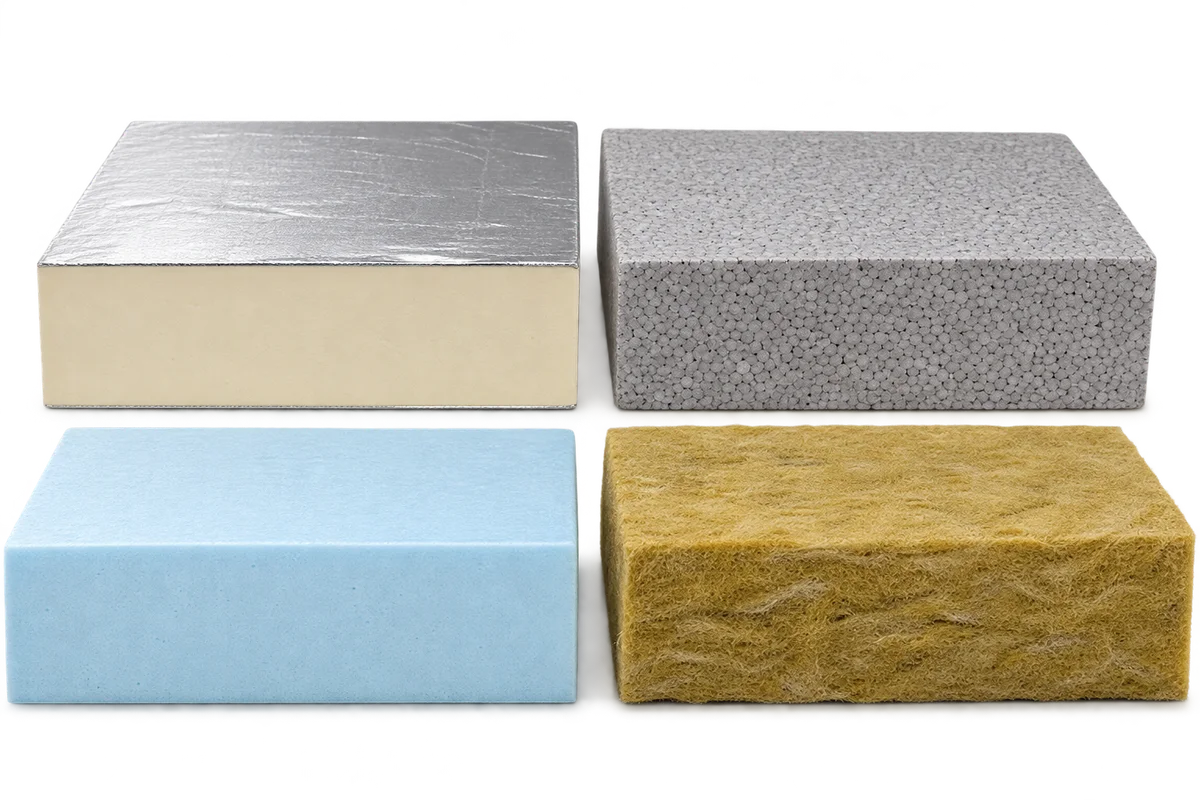
An environmental product declaration, or EPD, provides environmental impact data for the product it describes, but it is not a simple insulation…
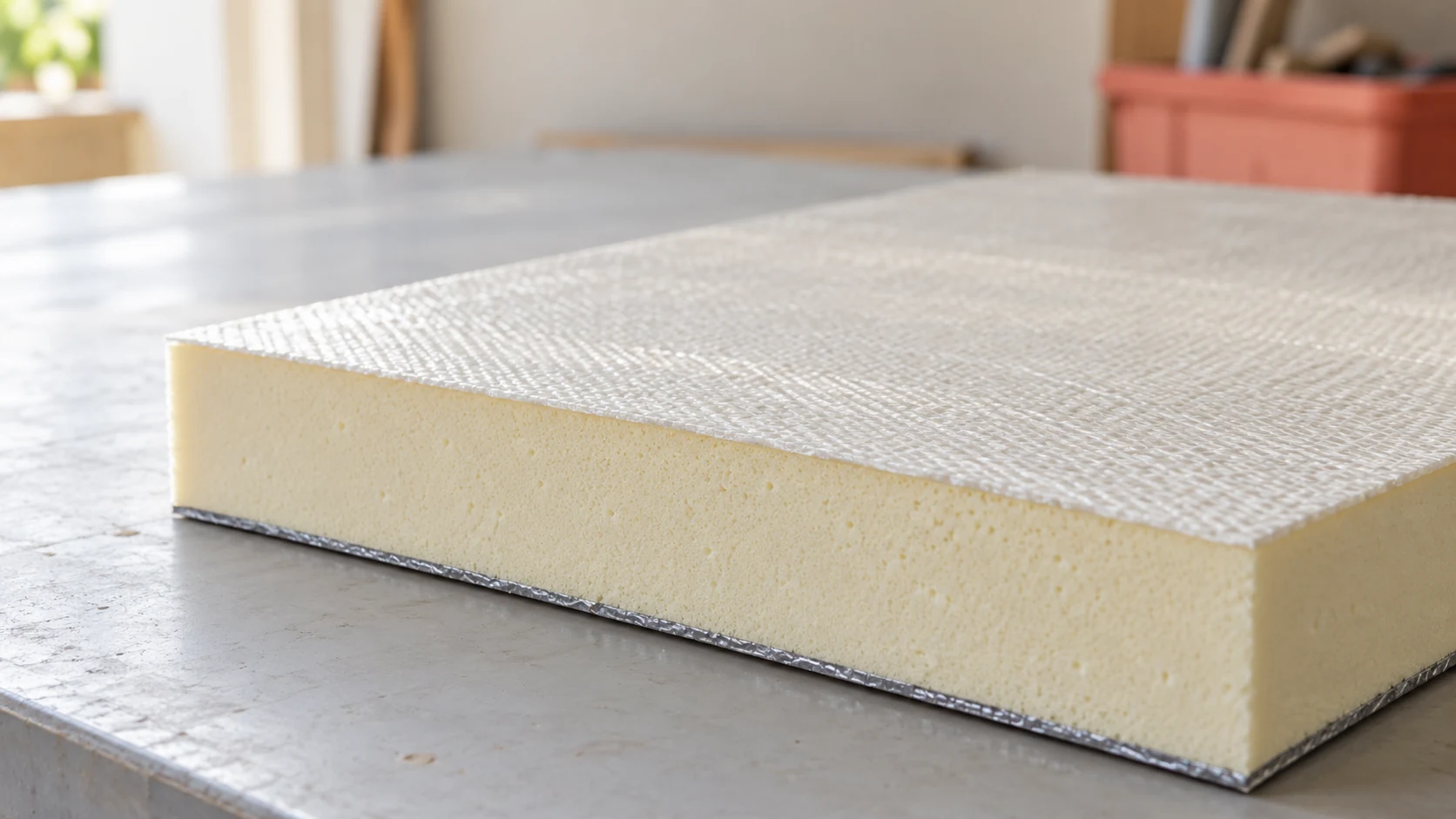
Glass-reinforced resin can form the inner facing of a PIR panel. It changes how that side of the enclosure is protected and…
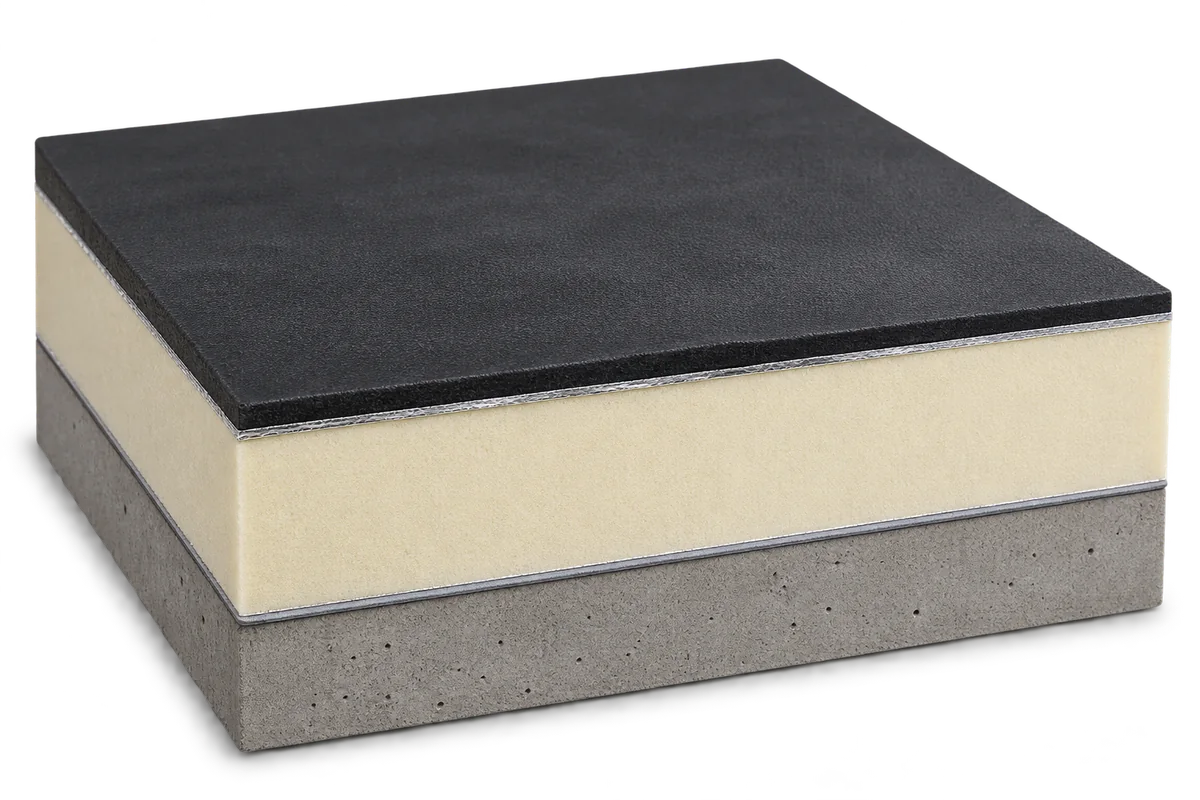
Choose the waterproofing and insulation for a flat roof together. The deck, layer order, fixing method and intended use determine which combinations…
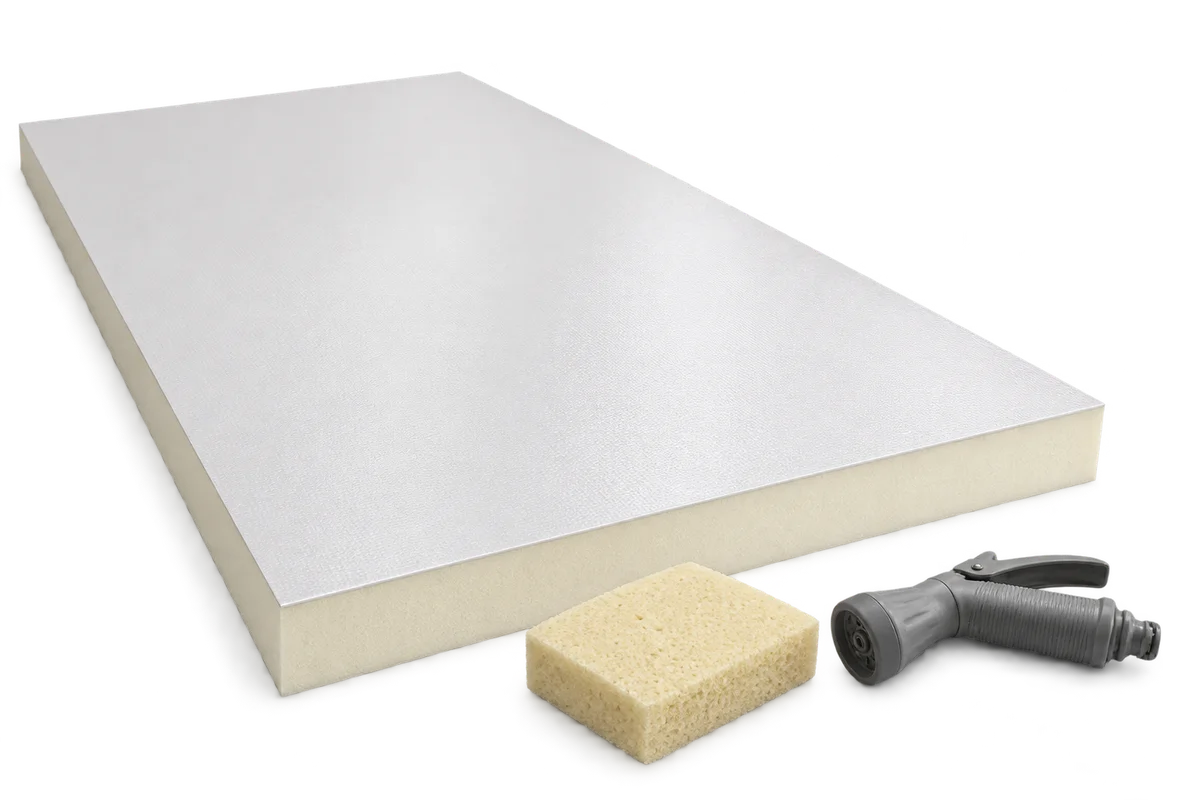
From the floor, a chip in a pale barn ceiling can look like a small stain. Before washing, mark the spots where…
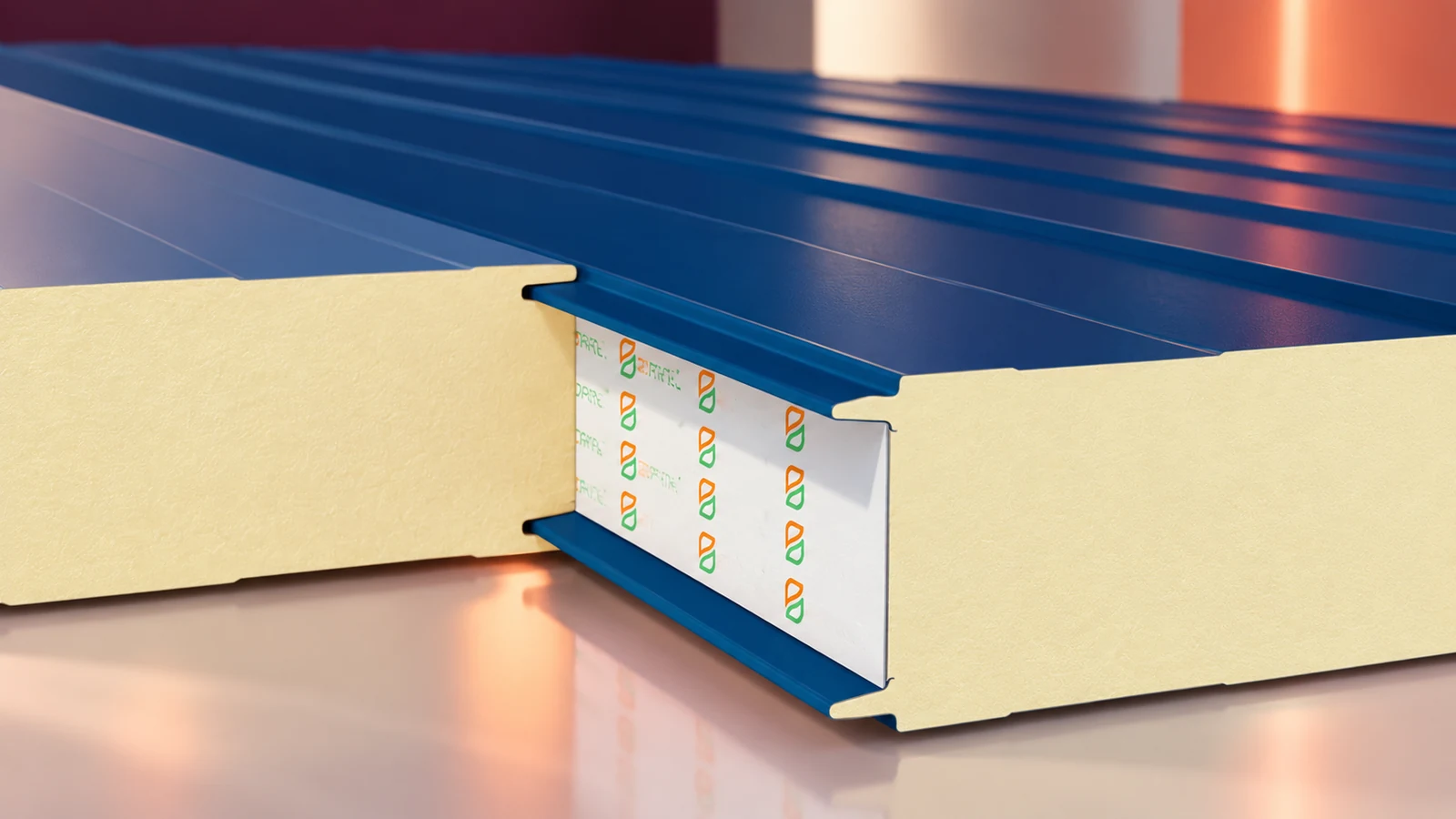
PIR sandwich panels are factory-bonded elements with an insulating core and metal facings. They are made for walls, roofs and specialist enclosures…
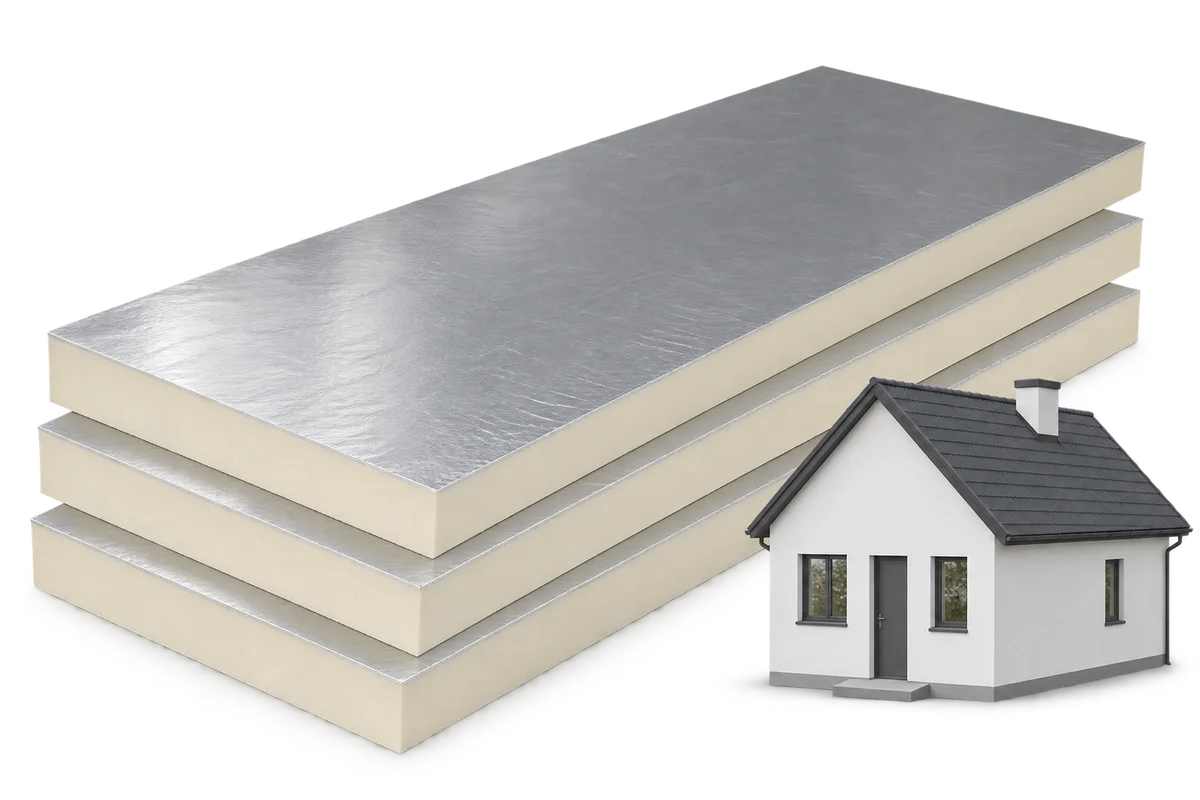
PIR insulation can reduce heat loss through the treated building element, but it does not set the heating controls for you. After…
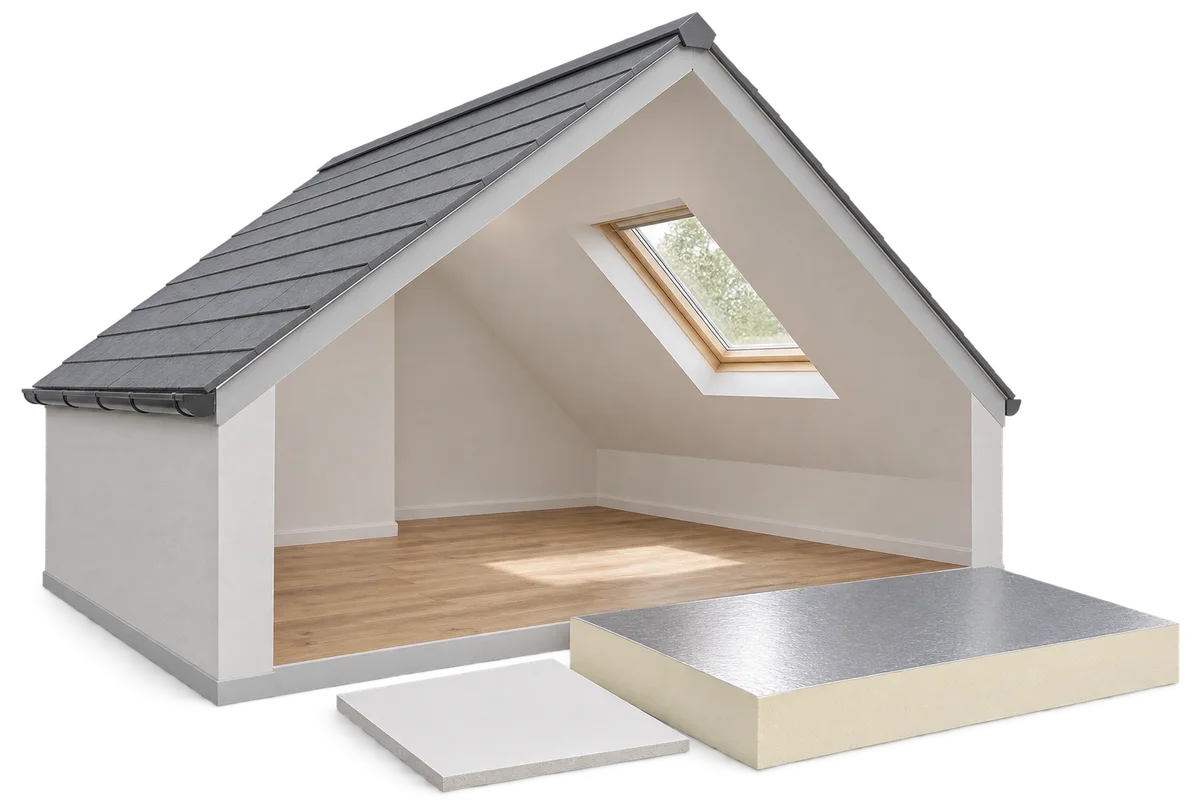
A loft fit-out starts well before the first plasterboard goes up. Inspect the roof, plan the insulation and establish how the layers…
