






Receiving and inspecting swissporPIR Alu deliveries on a large project
PIR insulation
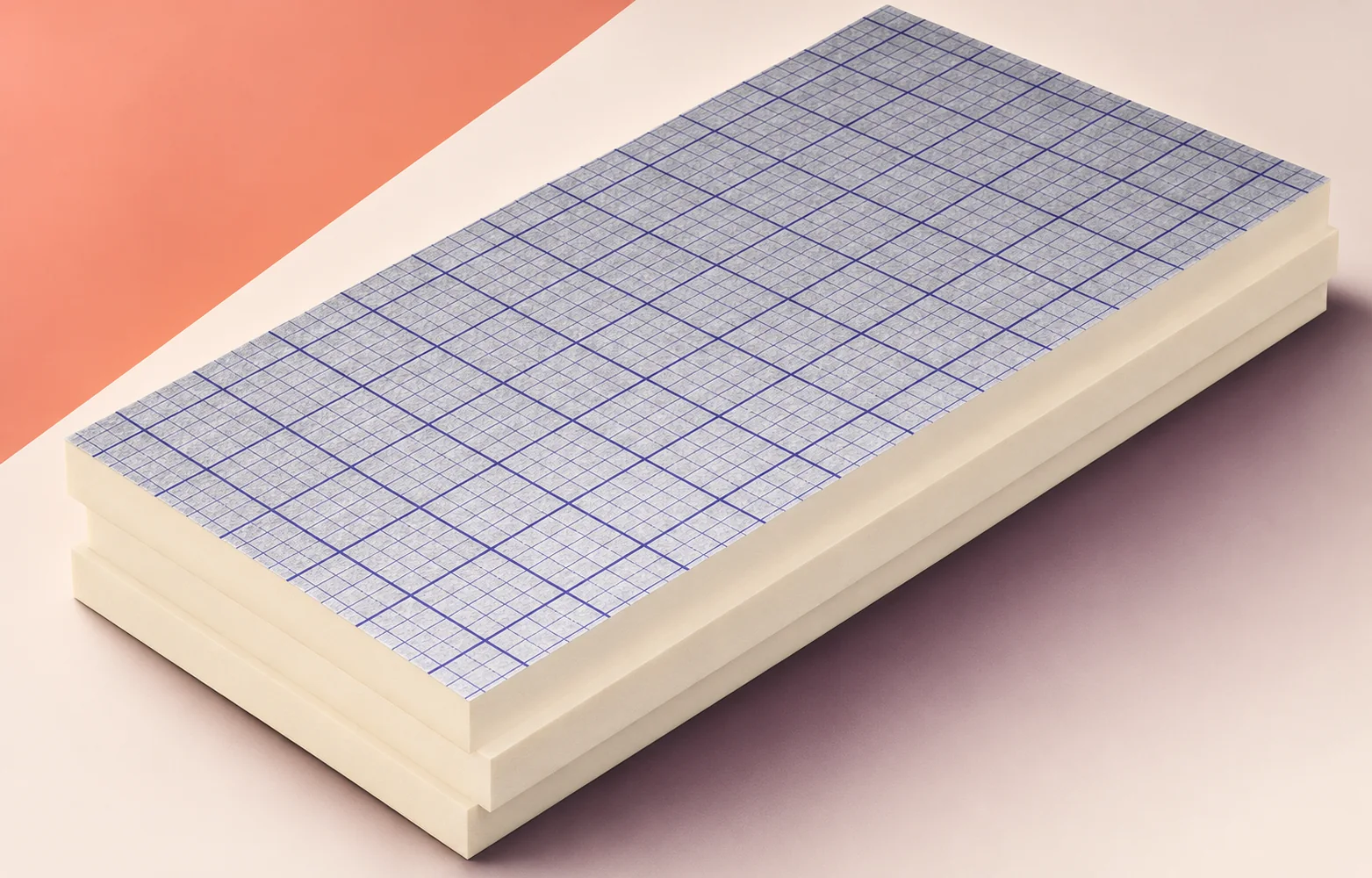
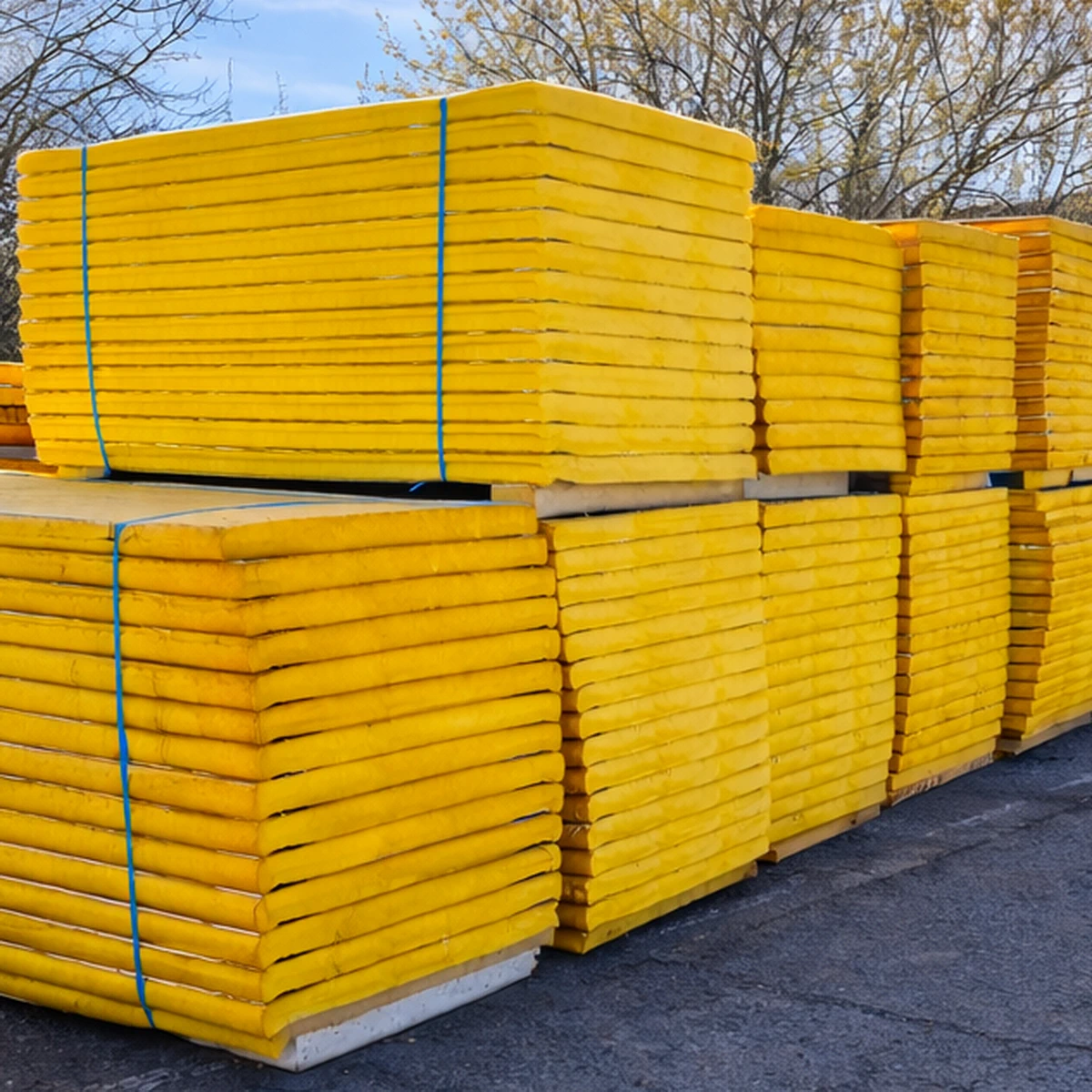
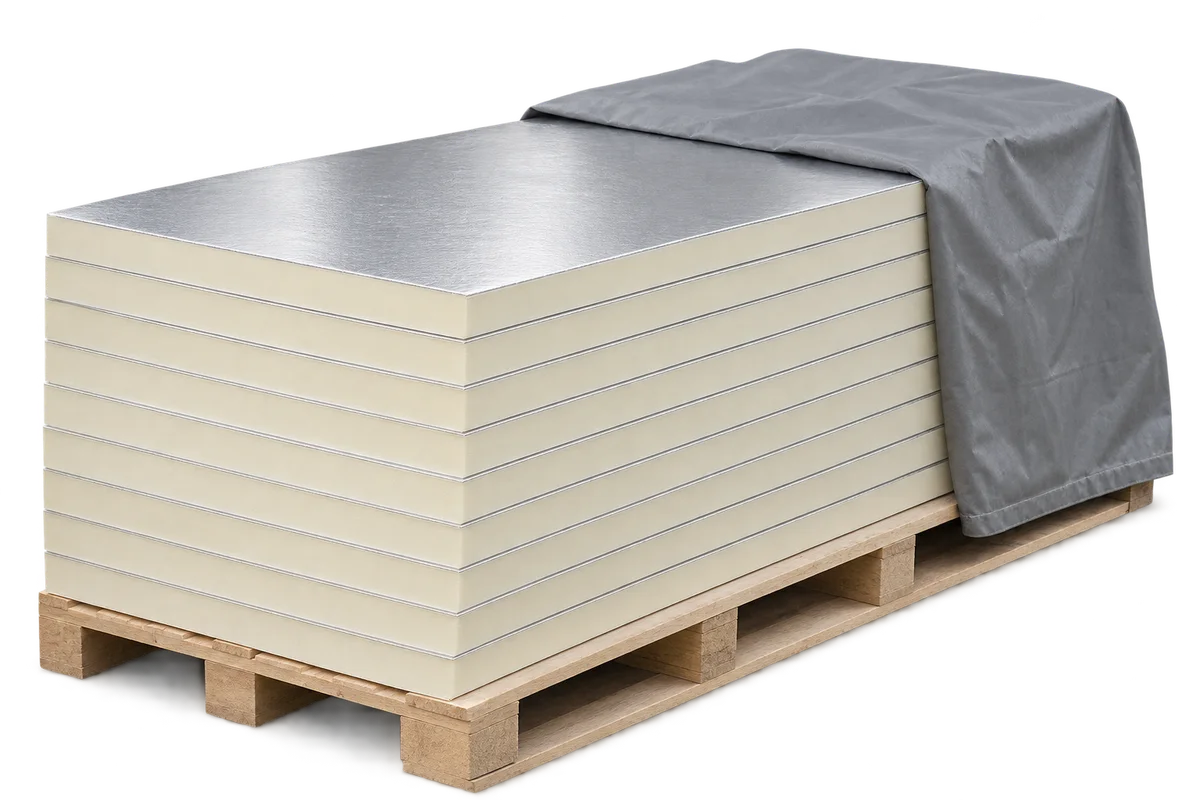
When swissporPIR Alu arrives for several industrial buildings, assign each pallet to a specific work area before lifting it to the roof. Match the label to the order, inspect the corners and underside of the pack, then mark the storage location on the plan. A damaged pack can then be isolated, documented and replaced without interrupting work elsewhere. Delivery order also depends on how many boards the crew can install and protect from rain. The following checks follow a pallet from unloading and storage to the inspection before the insulation is covered.
In this guide
Identifying a pallet at unloading
Identify the delivery by building and installation area. Copy the variant, thickness, dimensions, edge profile and any batch reference from the label. Photograph the label before distributing packs among crews.
Damage or an incorrect delivery?
Where a corner is crushed, examine the profile and core of adjacent boards in the pack. Record the number affected and photograph the damage alongside the delivery identifier. Keep them apart from boards issued for installation until assessed.
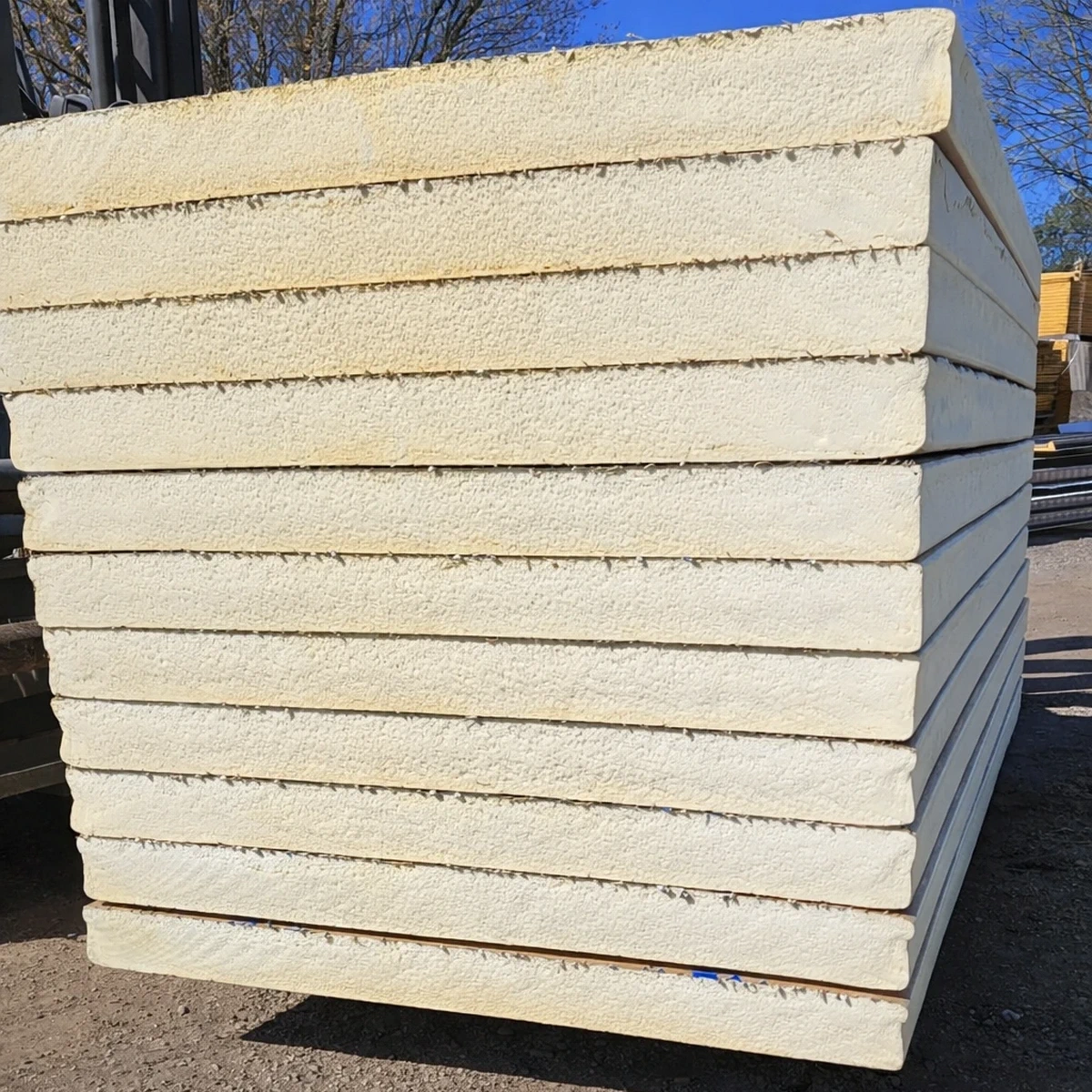
An undamaged board may still have the wrong edge for the cutting layout. Compare its cross-section with the order. The declared thermal conductivity of 0.022 W/(m·K) does not distinguish between thicknesses or joint types.
Dry storage for full and opened packs
Prepare a dry, firm, level storage area with horizontal supports holding packs clear of the ground. Protect them from rain and direct sunlight. When opening one pack, check that the remaining stock is still covered.
Keep the batch identifier with the first remaining board in an opened pack. Arrange access so that a full pallet need not be moved whenever a crew requires a single board of another thickness.
Inspection after rain
After rain, start with packs at the edge of the shelter and at the lowest point in the storage area. Inspect the underside of the packaging and open it where water ingress is suspected. Record the boards inspected and those set aside for replacement.
On the roof, inspect the exposed edge of the previous work area separately. Lift loose boards where water may have collected. Replace wet insulation before closing the roof and mark the area replaced on the plan.
Before lifting a pallet onto the roof
Agree the crane landing point with the person responsible for the structure. Establish the weight of the entire delivery unit, its bearing area and the allowable load for that roof bay. Include other materials already stored there.
Once unwrapped, lightweight boards need protection against gusts. Identify who will receive the pack and how the remaining stock will be secured. Keep working routes and roof outlets clear during breaks too.
Splitting deliveries between buildings
Schedule quantities according to bay readiness. A building with its deck complete may need the next load sooner than a larger one awaiting deck inspection. Match the number of packs opened to the area that can be waterproofed after laying.
If installation is delayed, revise the unloading time and location before dispatch. Pass the changes to the storekeeper, crane operator and roof crew. One programme change need not result in the same pack being moved three times.
Accounting for a part-used pallet
Suppose eight boards from a pack of twelve are issued to building A, two are set aside as damaged and two remain dry in storage. Count only the two available boards against the next requirement. Keep the batch reference and installation location of the eight issued boards in the record for building A.

Free quote
What to include in your enquiry
Tell us how you plan to use the material, the dimensions and the quantity you need. Include the thickness, grade or variant name, along with the delivery town or your preferred collection branch. For a specific product, add its name or a link to the product page. We will reply to the email address you provide to discuss availability and the terms of your order.
Read next

A home can use little energy in operation and still have significant environmental impacts from its materials, maintenance or replacement work. Reducing…
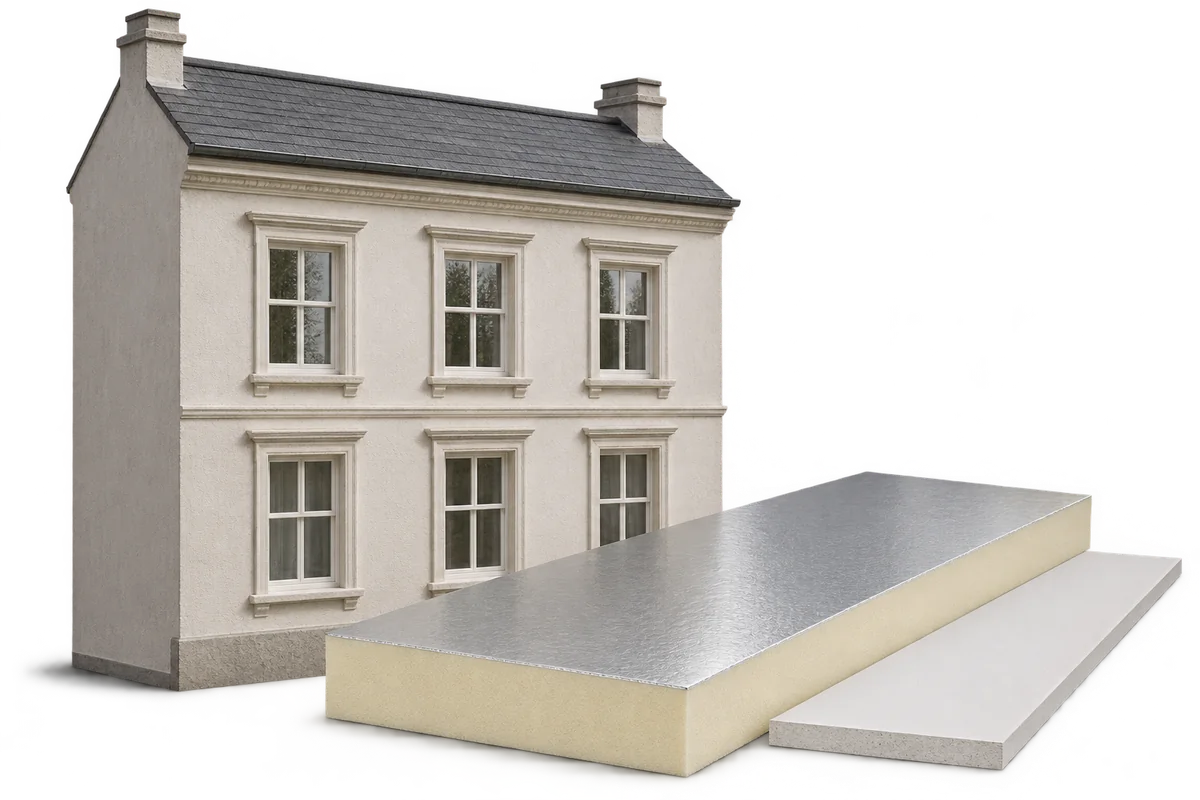
Before choosing insulation or finishes for a historic building, establish which features give it its character, what condition it is in and…
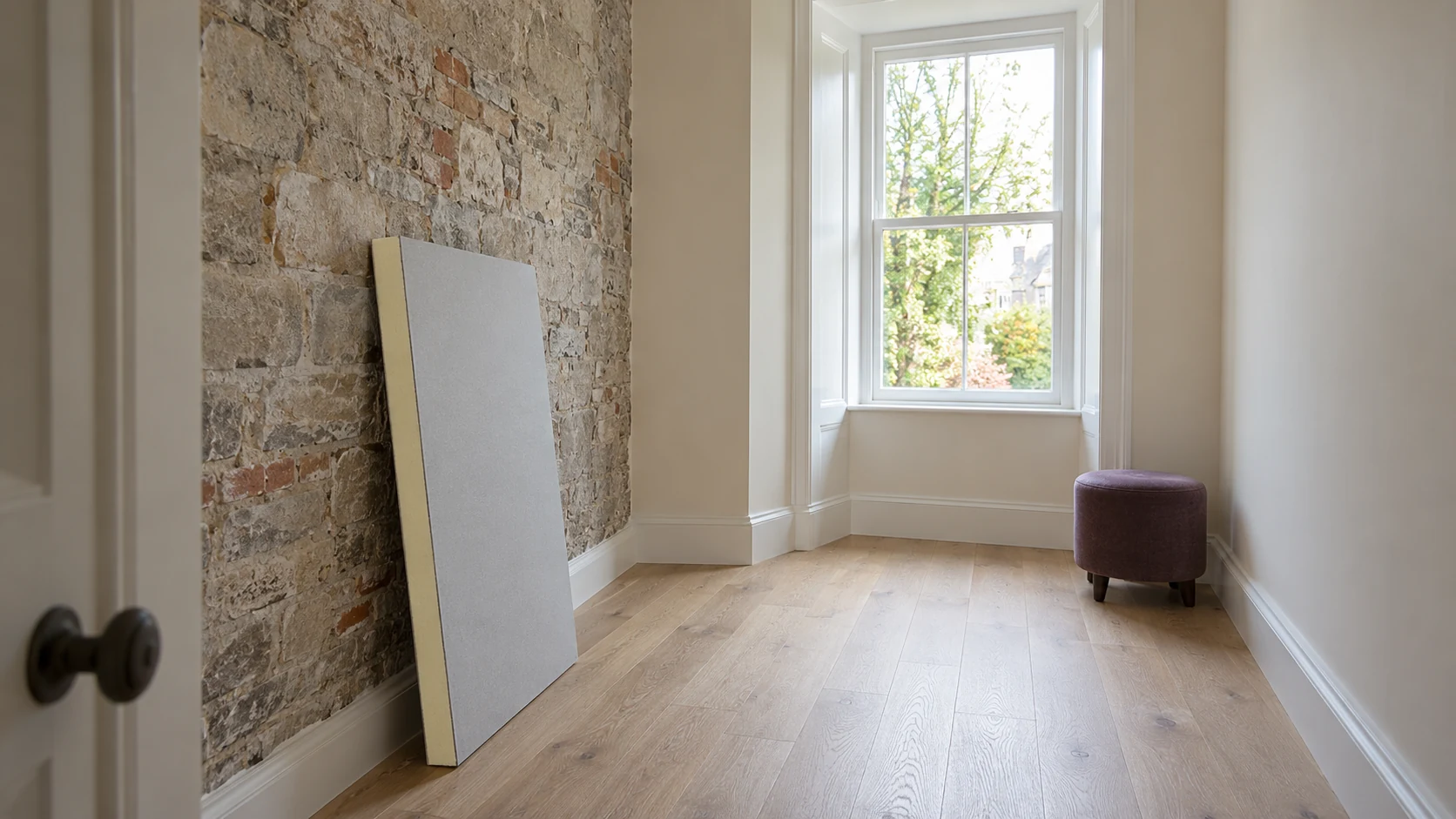
When the façade cannot be made thicker, every centimetre inside the room counts. Allow for the fixings and finish as well as…
At a house viewing, the seller shows an invoice for PIR boards and photographs of a renovation. To connect these records to…
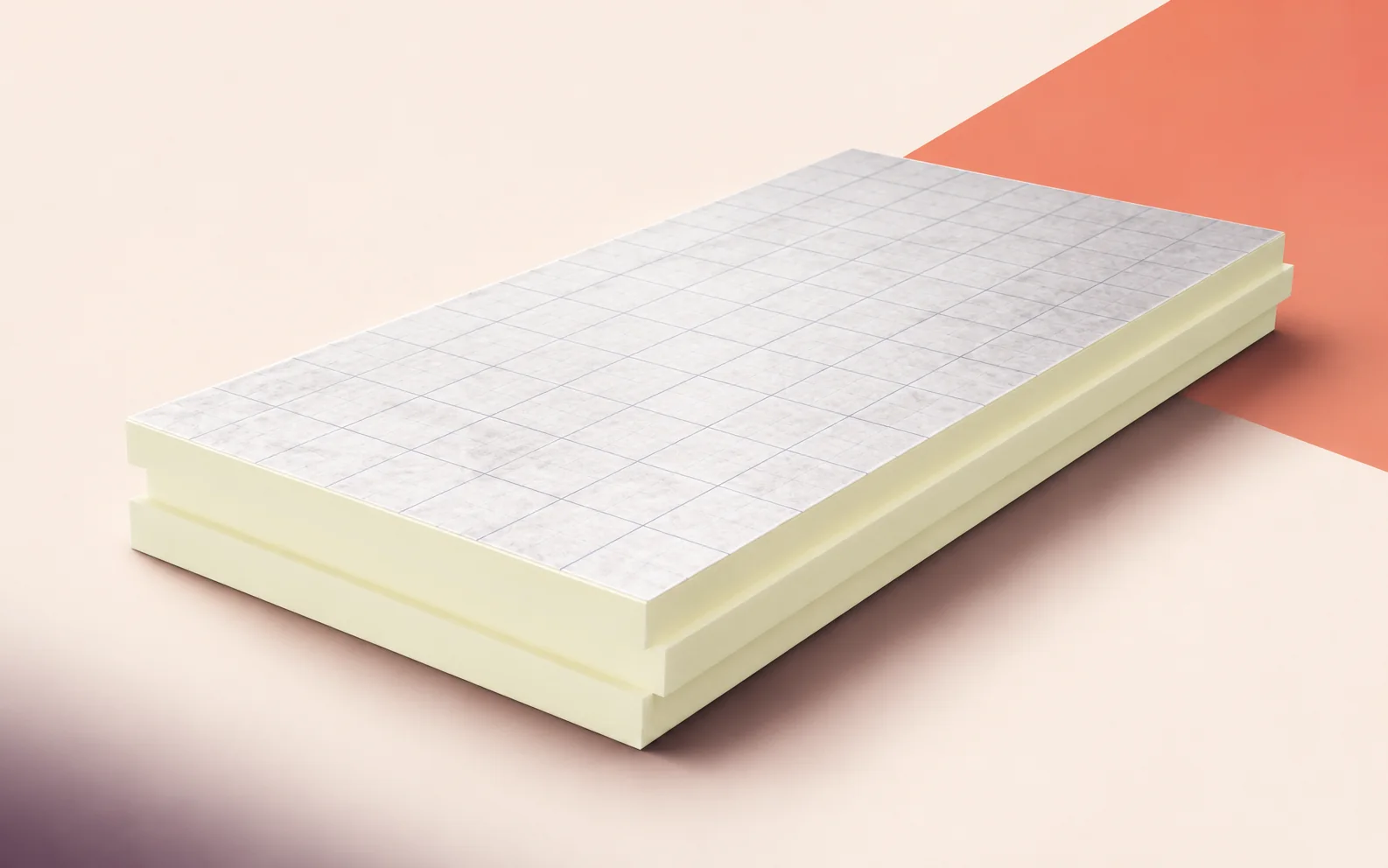
On an industrial roof being refurbished, the space beneath the existing parapet flashing may determine which insulation fits. The termPIR MAX 19…
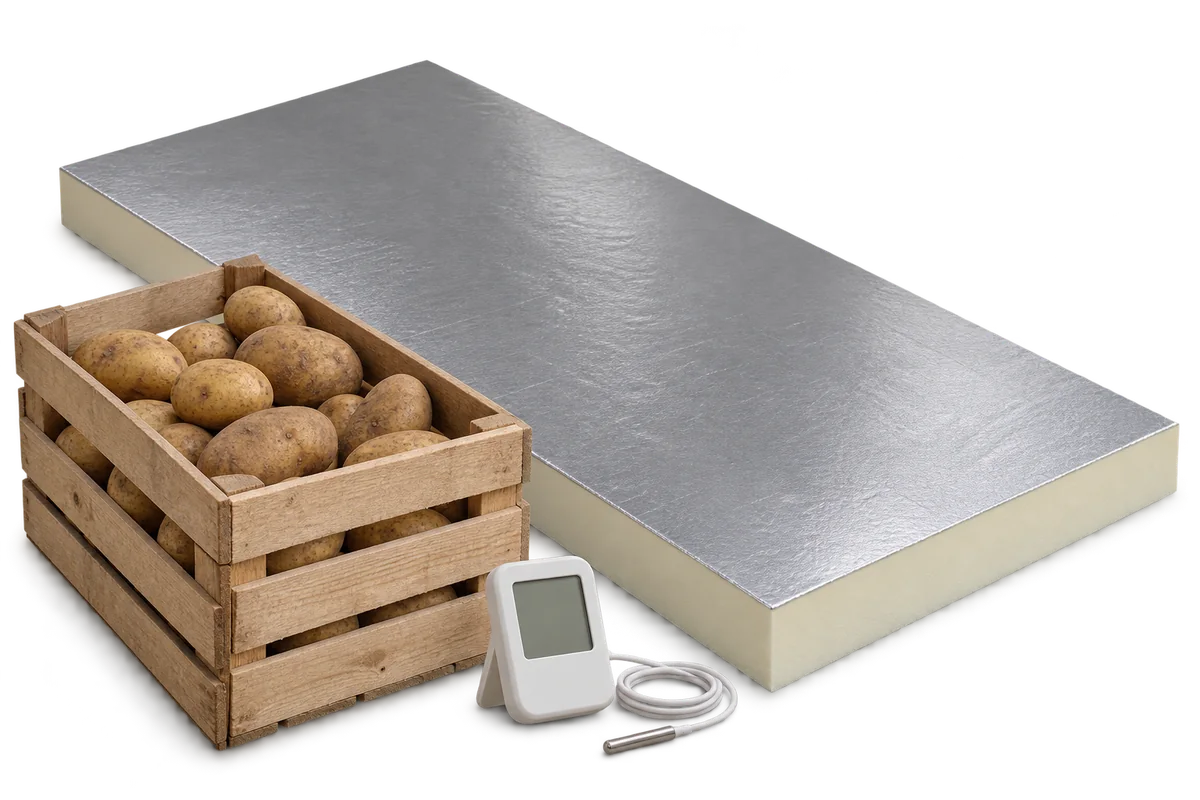
The withdrawal of a sprout suppressant formerly used in potato stores changed storage practices. Residues in older buildings need separate assessment even…

An unheated warehouse wall and the envelope of a continuously heated office face different conditions. In a workshop, the time doors stand…
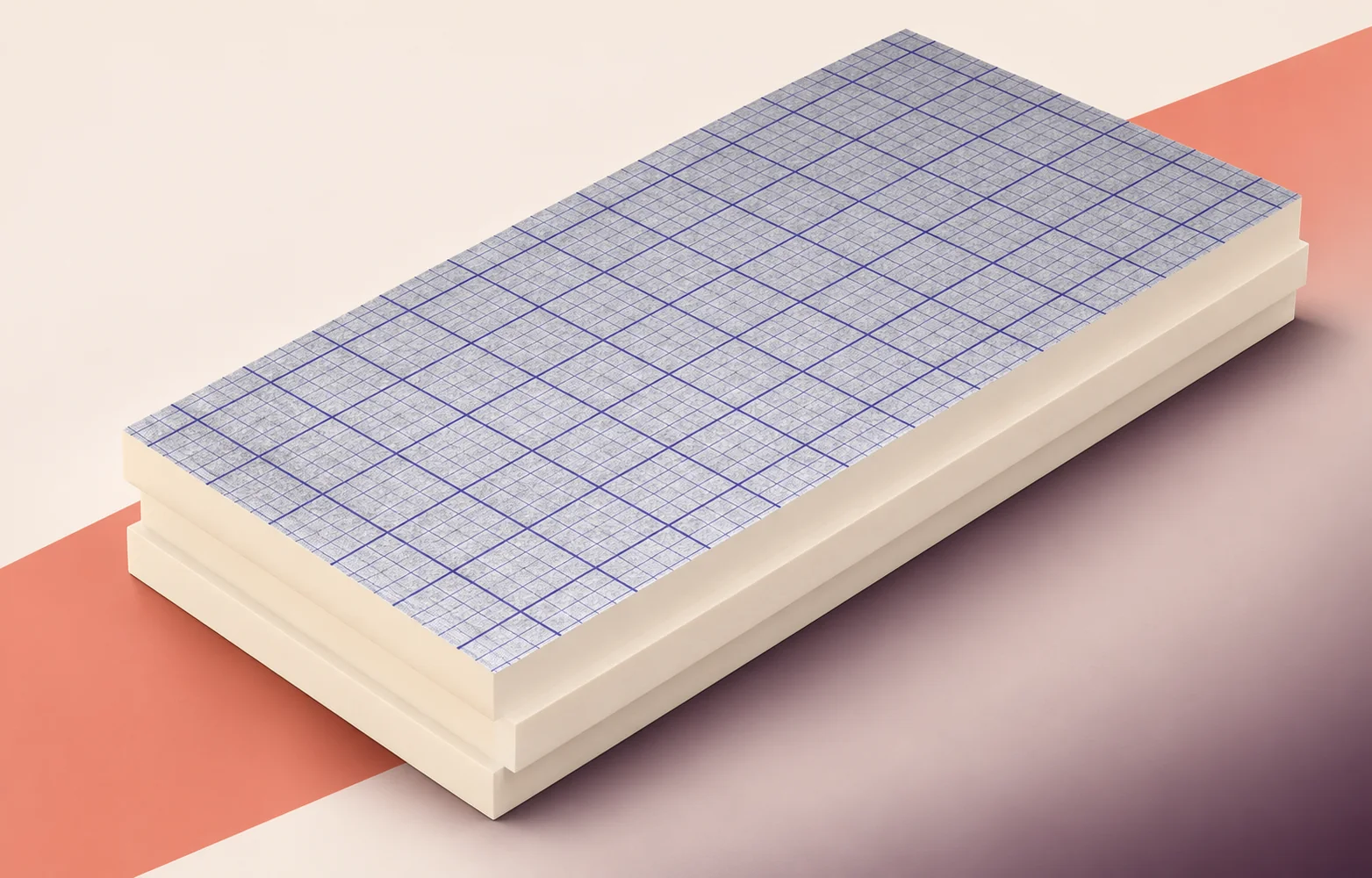
Start laying swissporPIR Alu on an industrial roof in a bay that includes an outlet and a known profile of steel deck.…
