






XPS beneath warehouse floors: rack loads, forklift traffic and insulation creep
XPS insulation
Choosing XPS beneath a warehouse floor starts with two figures from the operating plan: the reaction at a loaded rack foot and the wheel load of a forklift carrying goods. The first may act at the same point for years. The second moves and repeatedly crosses the same floor joints. The concrete slab spreads both loads onto the insulation. Its thickness, stiffness, support and permissible floor deformation are inputs to the calculation. The designer selects the XPS grade for long-term creep, thermal performance and moisture exposure. Retain these figures for any later change to the rack layout.
In this guide
Start with the warehouse layout
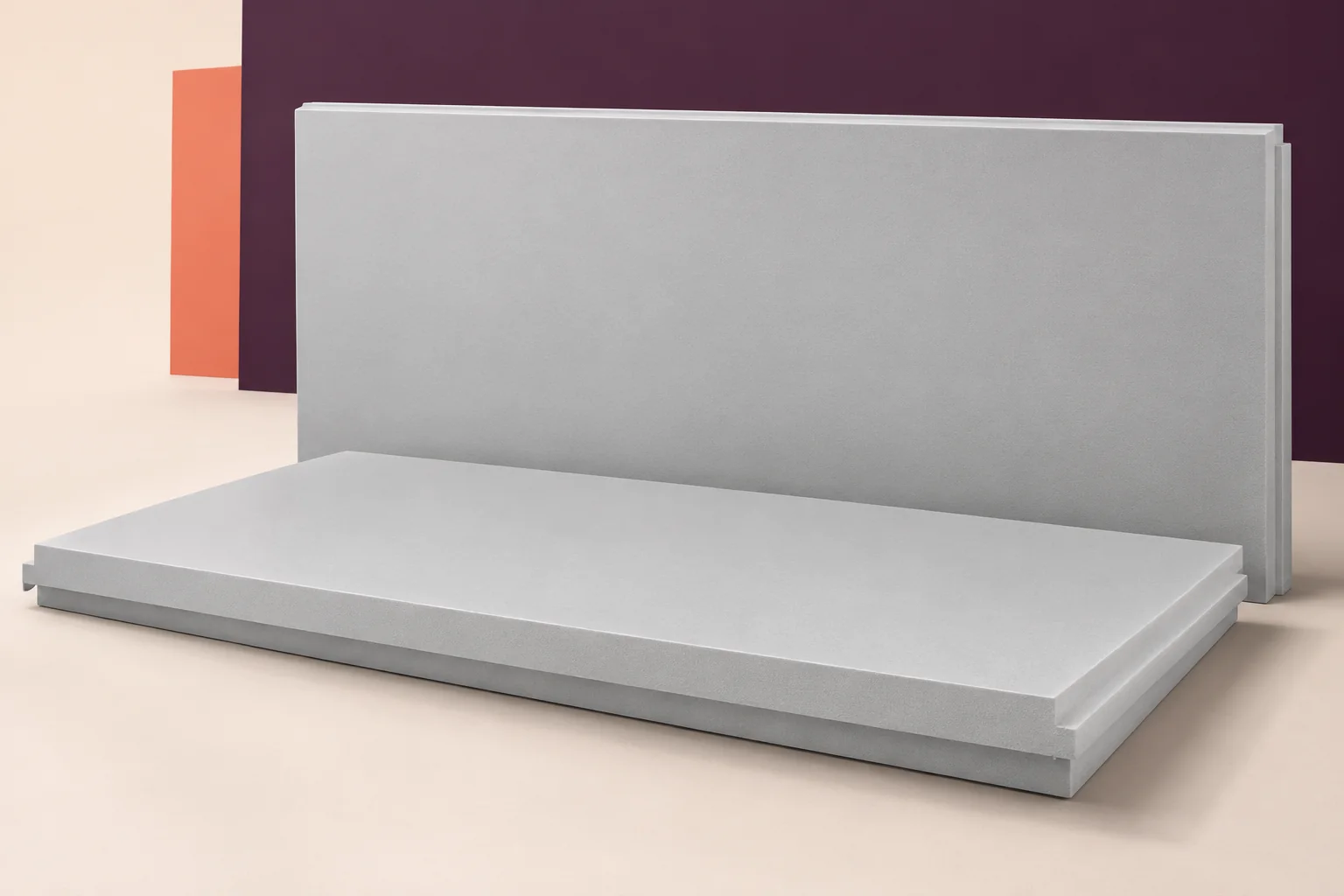
Extruded polystyrene comes in grades with different mechanical properties. The designer can match a grade to the loads in a particular area. Averaging the stored mass over the whole warehouse can conceal the points that govern the design of both the slab and the insulation.
How the slab spreads pressure onto the XPS
The pressure directly under a rack foot differs from the stress reaching the insulation. Between them lies the structural slab. Its thickness, reinforcement, stiffness and joints affect load distribution. Assess the XPS together with the actual concrete slab specified for that location.
A stronger XPS grade cannot compensate for an inadequately designed slab. A coordinated build-up provides insulation and carries the imposed loads. Check deflection and differential settlement as well, particularly with tall racking where the behaviour of the finished floor affects operation.
Creep under sustained loads
A loaded rack can stand in one place for many years. Under sustained pressure, XPS deforms progressively, a process known as creep. The CS figure alone does not give the permissible stress for long-term loading. Use the declared CC performance together with the design assumptions.
Creep data refer to stated test conditions. Read the figures for the proposed grade and thickness and establish the permissible deformation of the entire floor. This ties the selection to the storage loads and to the tolerances the warehouse can accommodate.
Forklift traffic and stationary racking
Forklift wheels apply moving loads. Braking and turning affect the floor, particularly at joints. Assess vehicle movements together with the wearing surface, joints and supporting layers. Obtain wheel loads for the forklift in its loaded operating condition.
The XPS lies beneath the load-spreading slab. Level support and a consistent board layout help provide predictable bearing conditions. Coordinate levels and junction details at doors, loading docks and changes in floor construction before warehouse operations begin.
Heat flow and moisture in the floor
In a temperature-controlled warehouse, XPS limits heat flow between the floor and the ground or an adjoining cooler area. Its low water absorption is useful in damp surroundings. Design the waterproofing and consider the direction of vapour movement separately, especially for chilled storage.
Choose thickness for the required thermal performance. A board with high compressive strength may have a different thermal conductivity from another grade. Compare the declared thermal resistance at the thickness offered alongside the mechanical properties.
Organising installation over a large floor area
Inspect the substrate and locate service penetrations before laying the boards. Follow the planned layout and fit adjoining edges closely. Their low weight helps crews handle them across large areas. Set out construction traffic routes to protect completed sections.
XPS manufacturers include URSA, Ravago and Austrotherm. Specify the actual product grade in the order. Divide deliveries by concrete pour and keep labels with the floor records so that the installed material can be traced to each part of the building.
Reassessing the floor when equipment changes
A warehouse may later take different racking or heavier vehicles. The records for the insulation and slab allow the designer to check new loads against the original assumptions. A change in footplate or wheel contact area deserves particular attention even if total weight stays the same.
A suitable XPS grade combines thermal resistance, moisture performance and mechanical properties for the intended floor. When comparing bids, include the slab design, installation quality and expected duty. Sustained loading and local pressure concentrations should be accounted for in the priced specification.

Free quote
What to include in your enquiry
Tell us how you plan to use the material, the dimensions and the quantity you need. Include the thickness, grade or variant name, along with the delivery town or your preferred collection branch. For a specific product, add its name or a link to the product page. We will reply to the email address you provide to discuss availability and the terms of your order.

Read next
An environmental product declaration, or EPD, provides environmental impact data for the product it describes, but it is not a simple insulation…
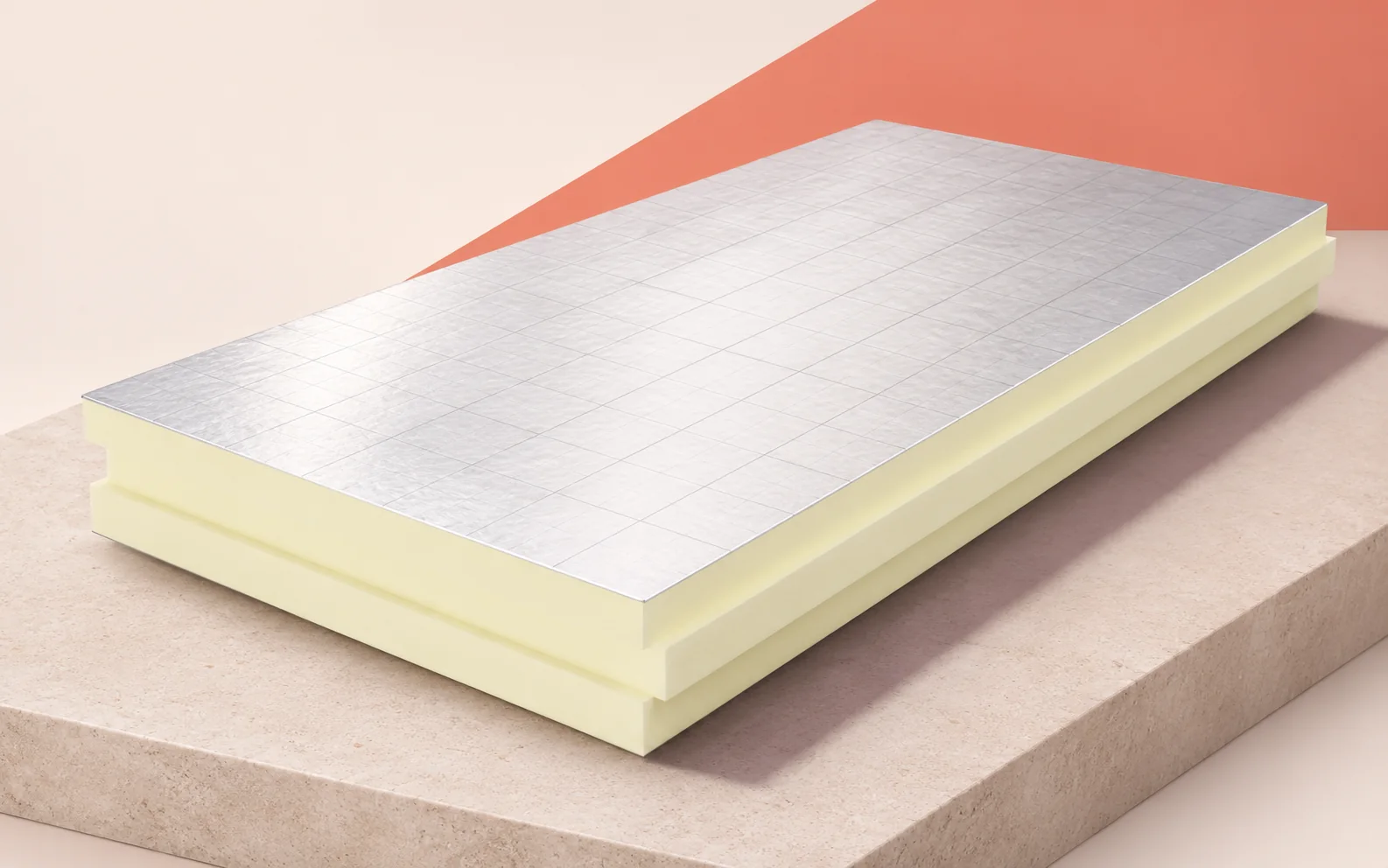
On a large project, compare PIR and XPS zone by zone. The choice depends on thermal performance, delivery logistics and conditions in…
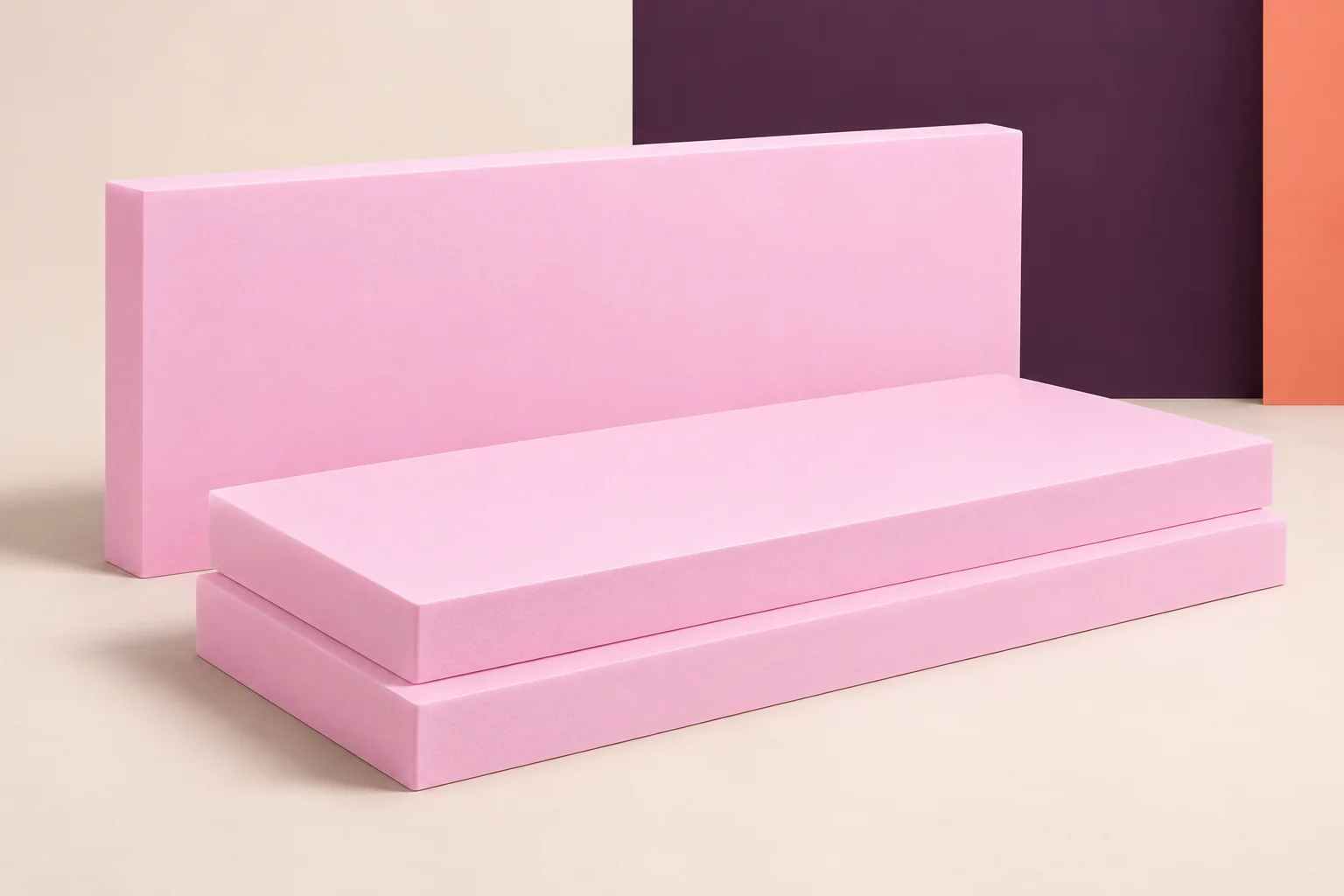
Mark the machine feet, rack uprights and transport routes on the workshop plan before choosing underfloor XPS. For each machine, record its…
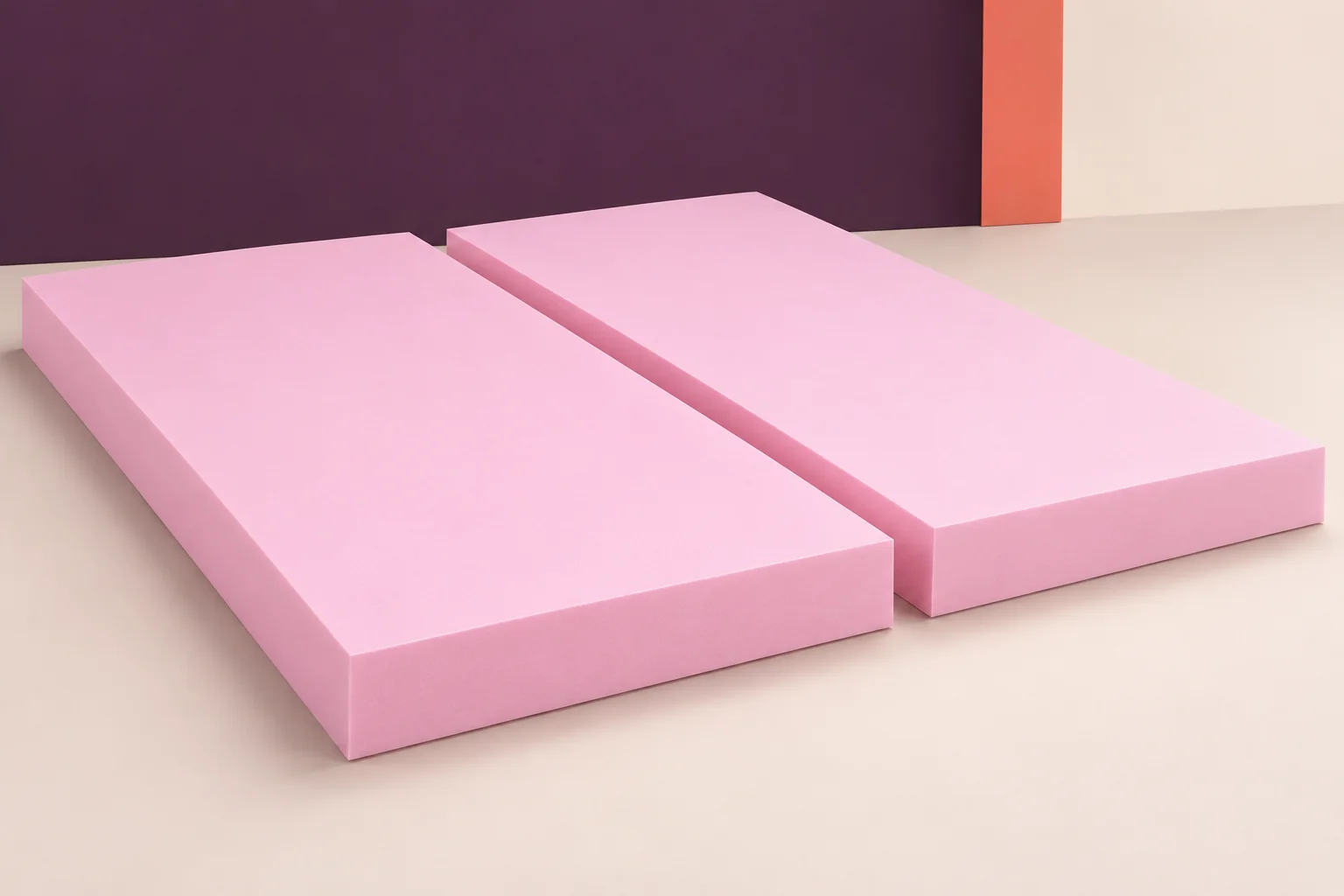
In a food processing plant, the wash bay, production line, dry store and cold room place different demands on the floor. XPS…
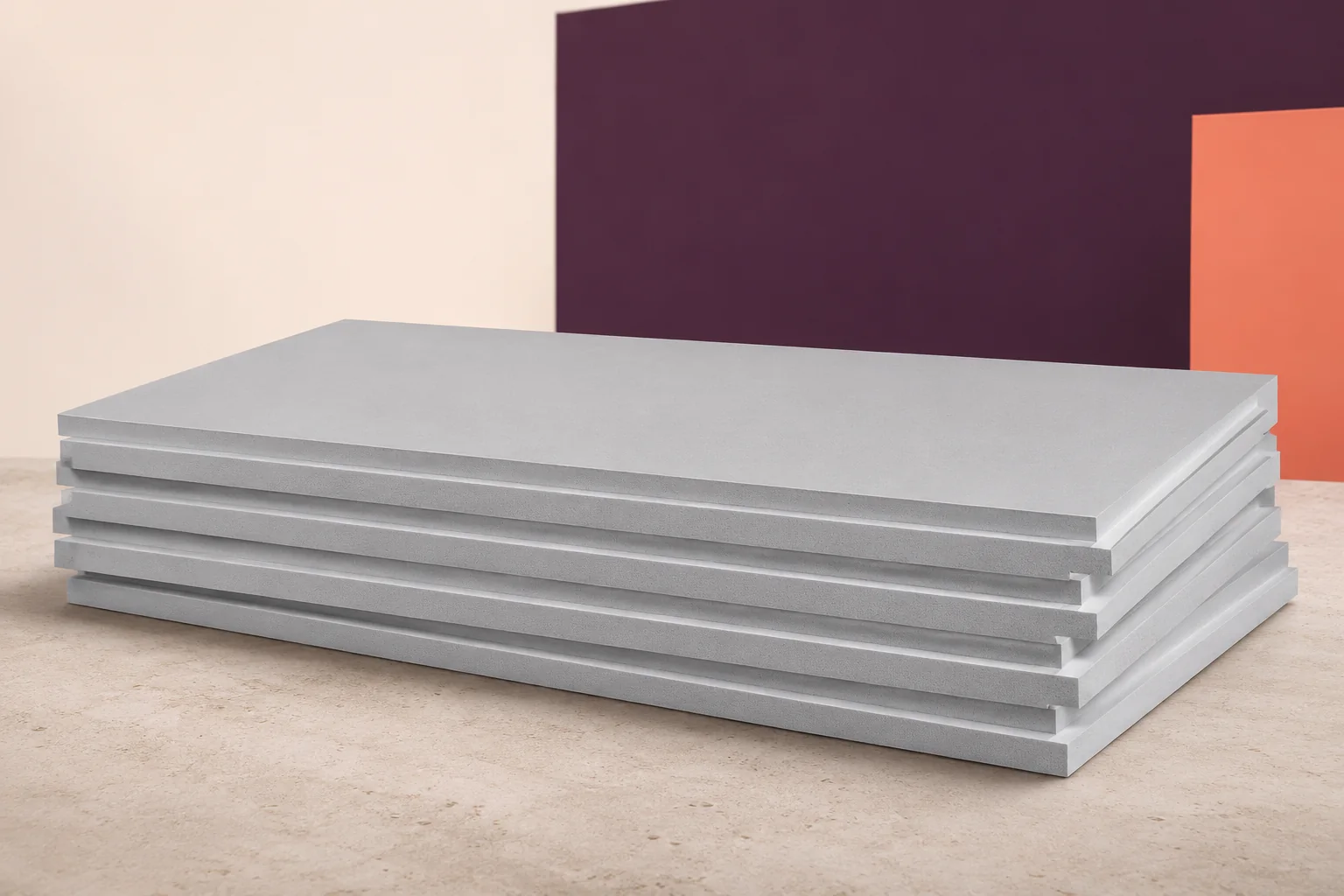
At a loading dock, draw the thermal boundary from the warehouse floor past the door and around the leveller pit. This shows…
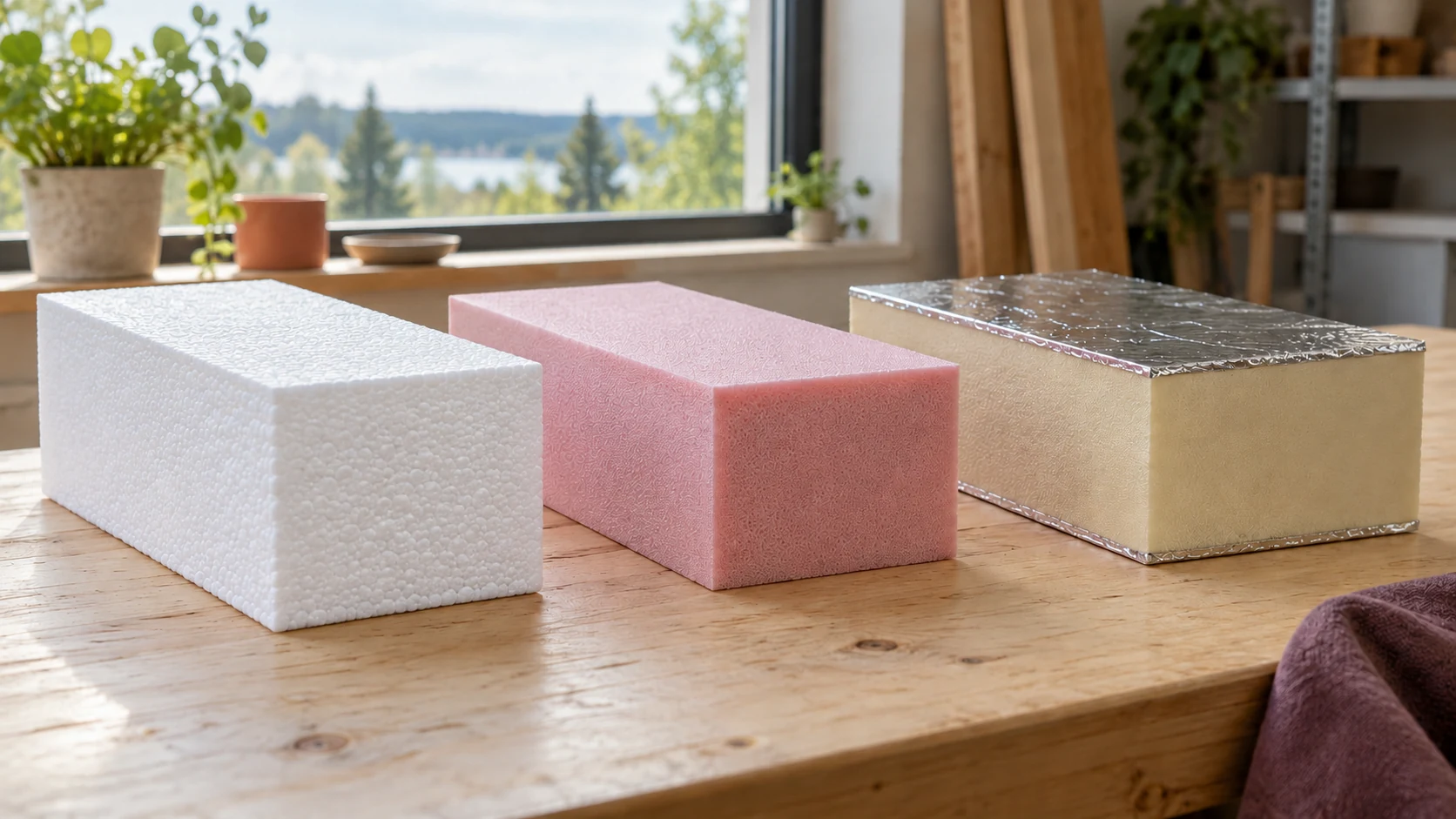
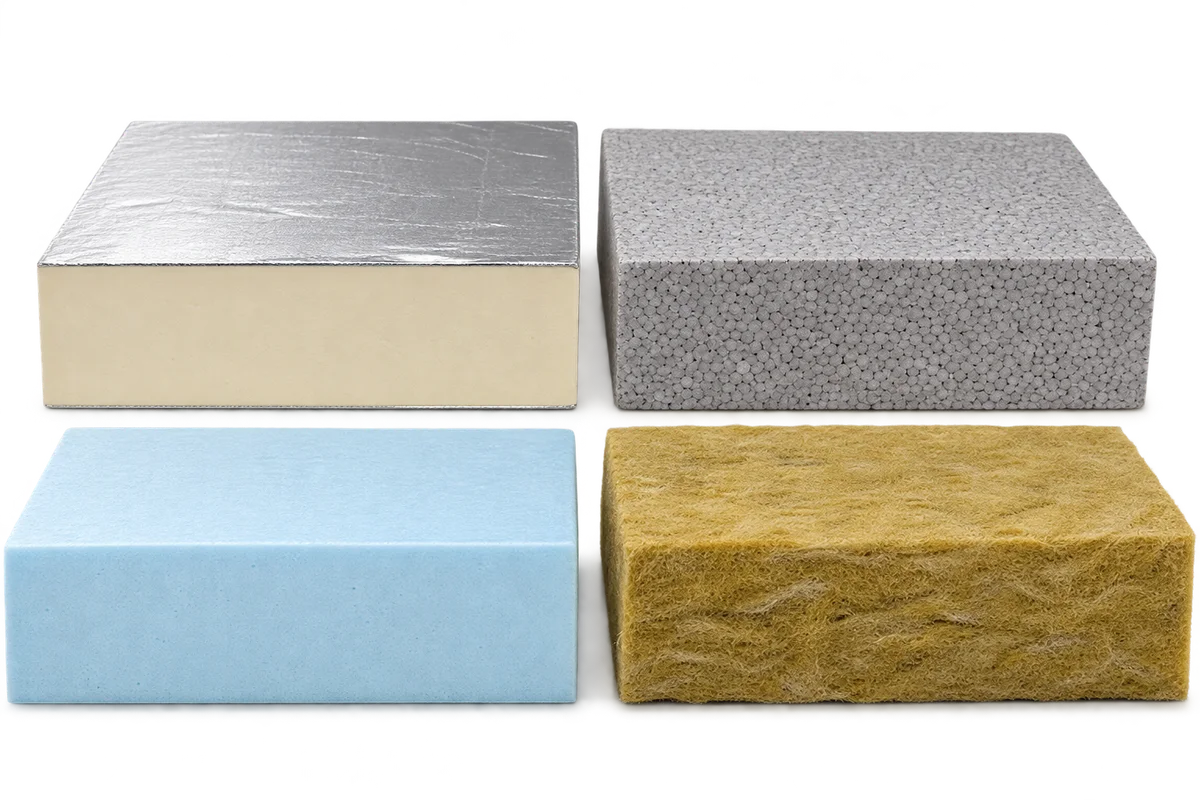
A single building may need several types of insulation. Compare EPS, XPS and PIR for a specific wall, floor or roof rather…
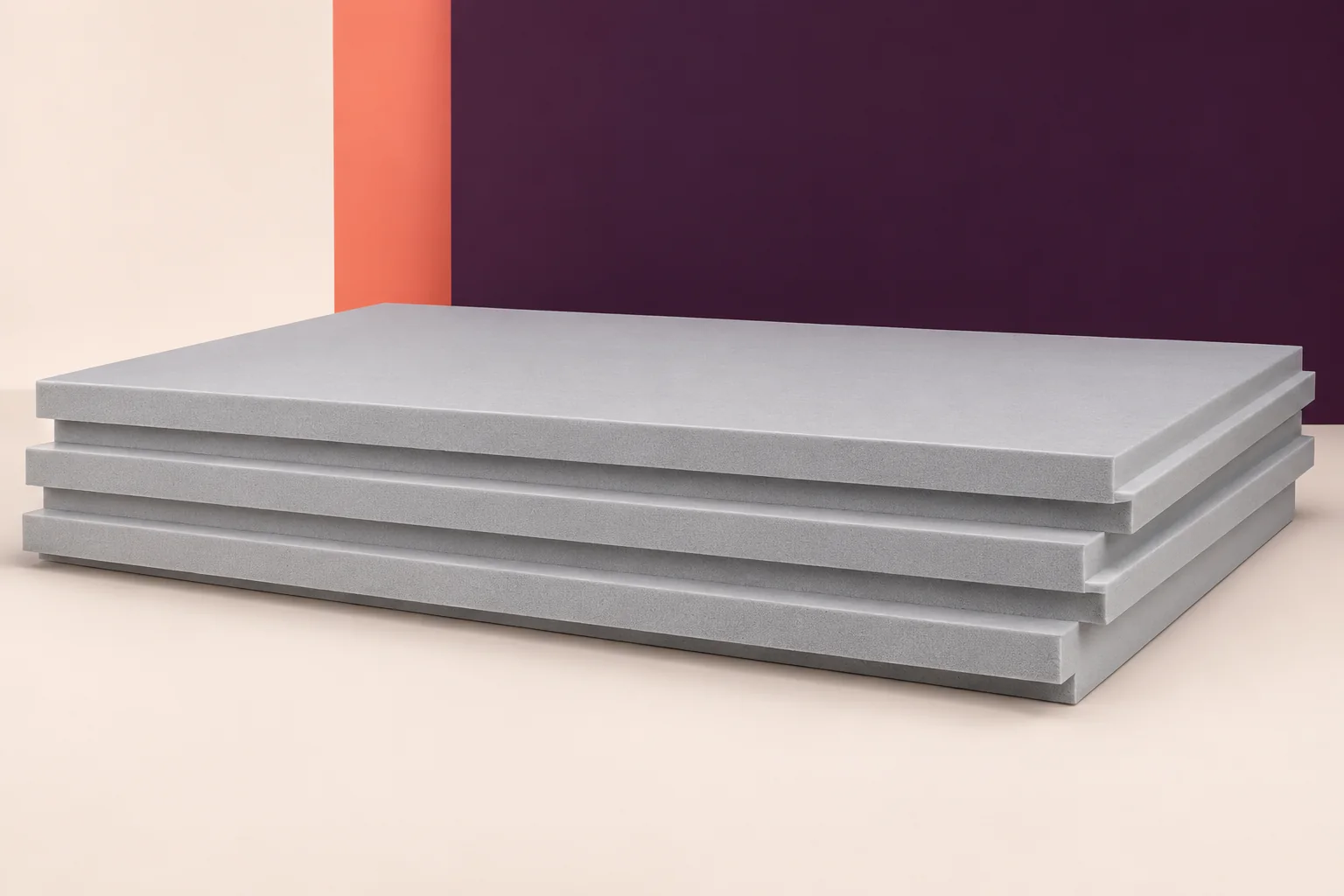
Compare XPS offers by the cost per square metre of the finished insulation layer in each part of the building. Check the…
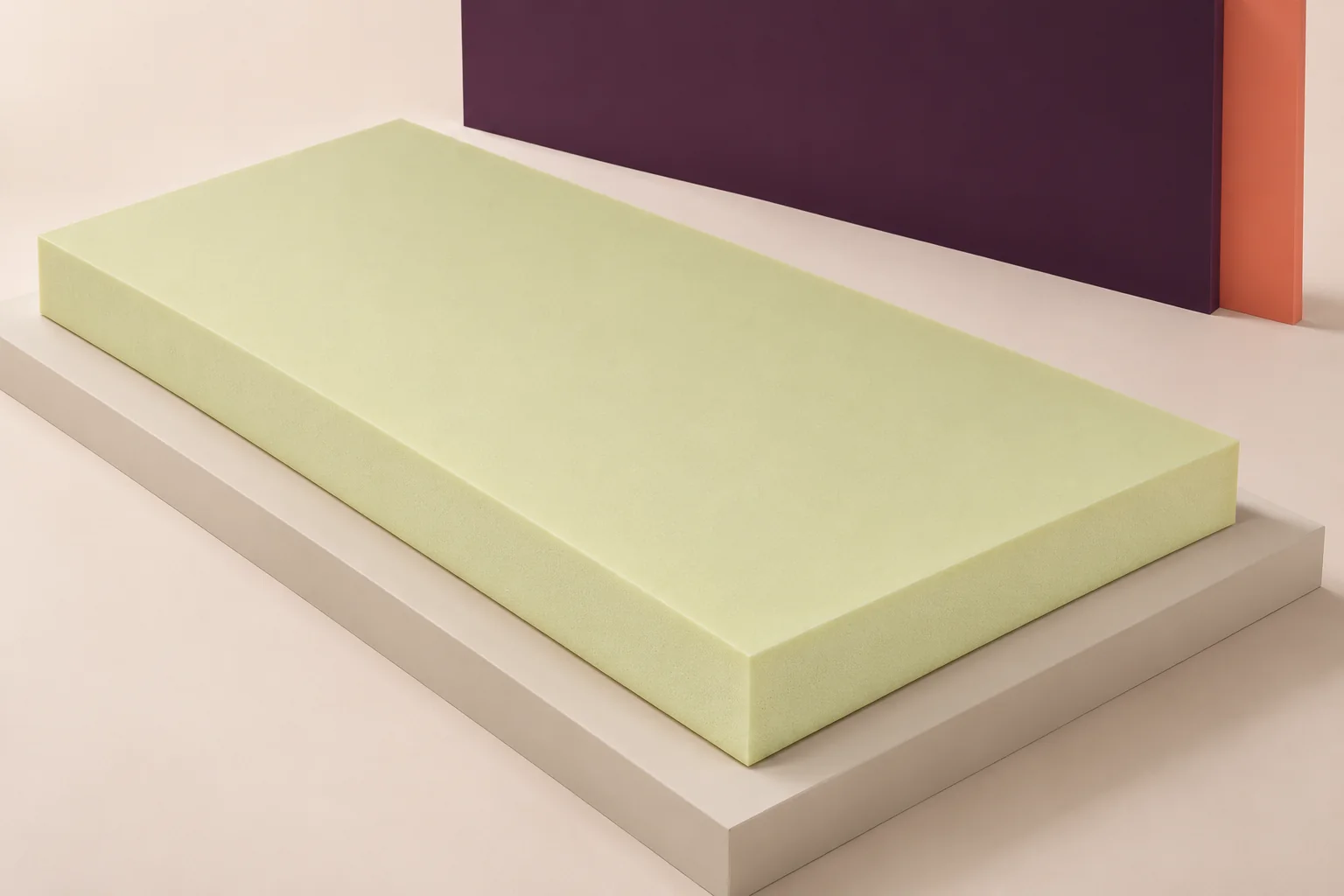
Specify XPS separately for each part of the project. Insulation beneath a loaded slab, against a basement wall, in a cold store…
