






What does XPS insulation cost for an industrial building?
XPS insulation
Compare XPS offers by the cost per square metre of the finished insulation layer in each part of the building. Check the required thickness, thermal resistance, load and moisture exposure before comparing prices. A pack of thicker boards can cover considerably less area than a similarly priced pack of thinner ones. Use effective coverage, the number of layers and a cutting plan to calculate order quantities. Then add delivery, unloading, base preparation and installation. A comparison on this basis shows where a saving is possible while still meeting the requirements for the floor, foundation or roof.
In this guide
Set a common basis for comparison
For each zone, compare prices only among boards that satisfy the same technical brief.
A lower XPS grade may be sufficient in another part of the building. Separating applications in the estimate avoids paying for unnecessary properties and shows where savings are possible without reducing the performance required elsewhere.
Calculate the cost of the finished XPS layer
Establish whether the price is per pack, square metre or cubic metre. For a pack price you need its effective coverage. To convert a volume price, you also need thickness. Packs in two thicknesses may cost much the same yet cover very different floor areas.
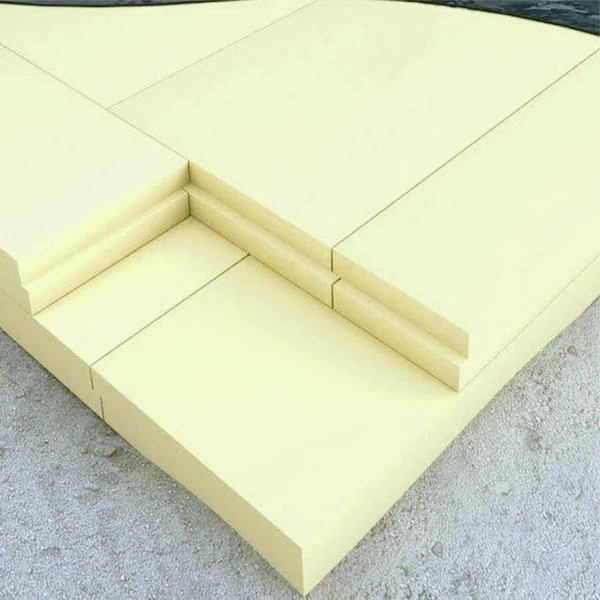
For rebated boards, calculate coverage from effective dimensions because adjoining edges overlap. Show the cost per square metre of the specified layer. If the design calls for several layers, enter the quantity and cost of each and allow for the approved laying pattern.
Compare conductivity together with thickness
The thermal resistance of a homogeneous layer is its thickness divided by its thermal conductivity. A board with lower conductivity may achieve a given resistance in less space. The actual thickness advantage depends on the product data and the requirements for the entire construction.
Check the mechanical specification too. Similar thermal resistance does not establish equivalence under a sustained load. Tabulate conductivity, thermal resistance R, compressive stress CS and the required creep data CC for the specified thickness. This exposes offers priced for a lower-performing board where that property matters.
Allow for cutting and offcuts
Regular board sizes and straightforward cutting speed up laying over open areas. Actual consumption depends on the building geometry, columns and services. Narrow strips and numerous penetrations increase waste. Draw a representative bay before ordering the full quantity.
Larger offcuts can often be reused if the specified joints are maintained. Small scraps pieced together arbitrarily are unsuitable for a critical layer. A cutting plan reduces waste and fitting time. Derive the allowance from each work area rather than applying the same percentage everywhere.
Include base preparation and ancillary materials
XPS needs adequate support and compatible adjoining layers. A stronger board still requires the specified levelling, sealing and protection. Some applications also need adhesive or separation layers. Include these items in both offers.
Light boards that are easy to cut can save installation time. The saving depends on site organisation. Prepared penetrations, marked levels and an inspected base let the crew proceed directly. Repeated remedial work can outweigh a small difference in board price.
Account for transport and reserve stock
Bulky packs need suitable storage space. Compare lead times, staged deliveries and unloading arrangements. Ordering too early extends storage time, while an undersized delivery can interrupt installation. Set a reserve that fits the programme.
XPS manufacturers include Ravago, Austrotherm and swisspor. Compare the particular grade and thickness available rather than relying on a general description such as Styrodur. Check whether shortages can be made up quickly. A similar colour gives no assurance that another board can be substituted.
Assess energy use for the whole building
XPS can reduce heat flow through the insulated element. Energy savings vary with temperature, ventilation, door openings, other layers and operating hours. In cold stores the calculation must also account for refrigeration operation and heat entering by other routes.
Assess extruded polystyrene within a calculation for each complete design option. This can show whether extra thickness brings a worthwhile benefit. State the assumptions. A difference in conductivity or the energy price for a single period is insufficient to establish a specific payback time.
Free quotation for the complete insulation build-up
List XPS, cutting allowance, transport, base preparation and installation in the final comparison. Alongside the costs, record which properties demonstrate that the offers are equivalent. Differences in price can then be traced to individual items, including any omitted layer, thickness or property.
A cost-effective XPS purchase meets the design requirements and arrives in the right quantity when needed. An accurate estimate reduces surplus material and rework while preserving the required performance. Match the supply to the design and programme before accepting a cheaper line item.

Free quote
What to include in your enquiry
Tell us how you plan to use the material, the dimensions and the quantity you need. Include the thickness, grade or variant name, along with the delivery town or your preferred collection branch. For a specific product, add its name or a link to the product page. We will reply to the email address you provide to discuss availability and the terms of your order.
Read next
In an industrial building clad with sandwich panels, XPS can insulate the floor, foundation walls and plinth where the selected grade suits…
The position of the waterproofing is the starting point for choosing flat roof insulation. On a warm roof the insulation sits below…
On a large project, compare PIR and XPS zone by zone. The choice depends on thermal performance, delivery logistics and conditions in…
Mark the machine feet, rack uprights and transport routes on the workshop plan before choosing underfloor XPS. For each machine, record its…
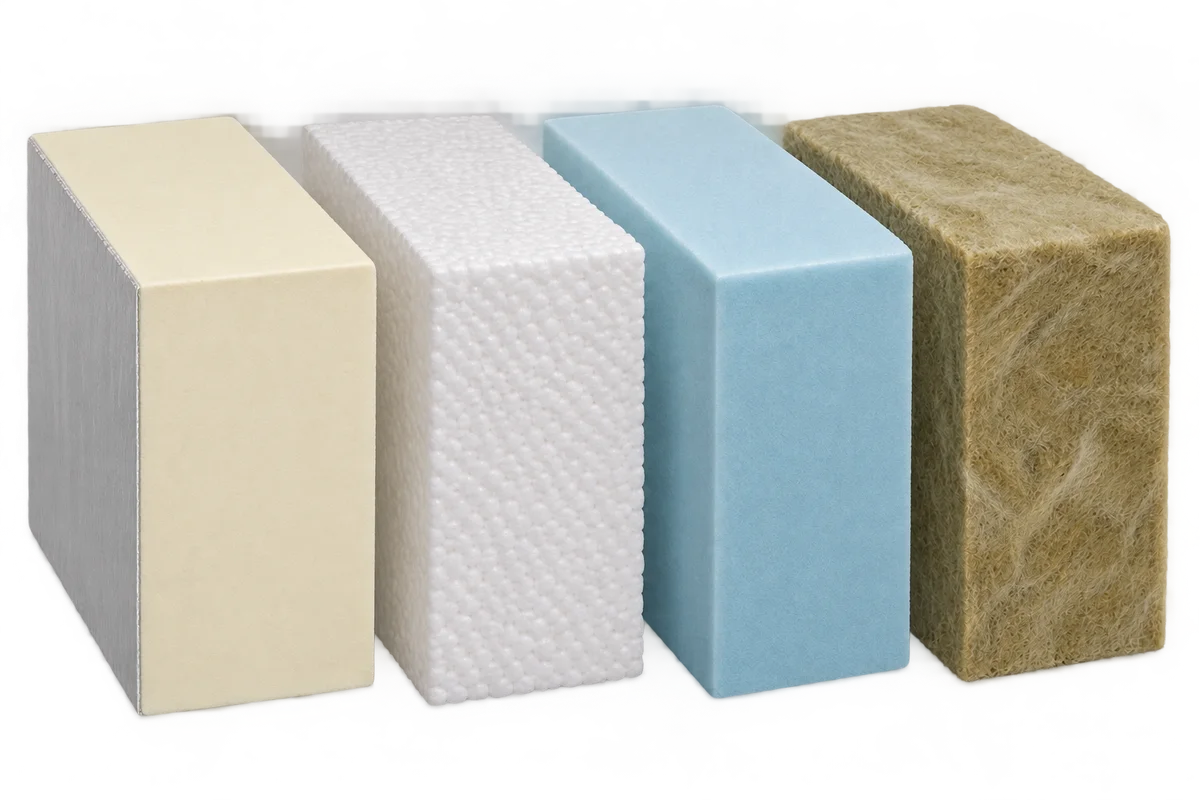
Different insulation materials can work together in one building element when each solves a specific problem. PIR can keep the build-up thin,…
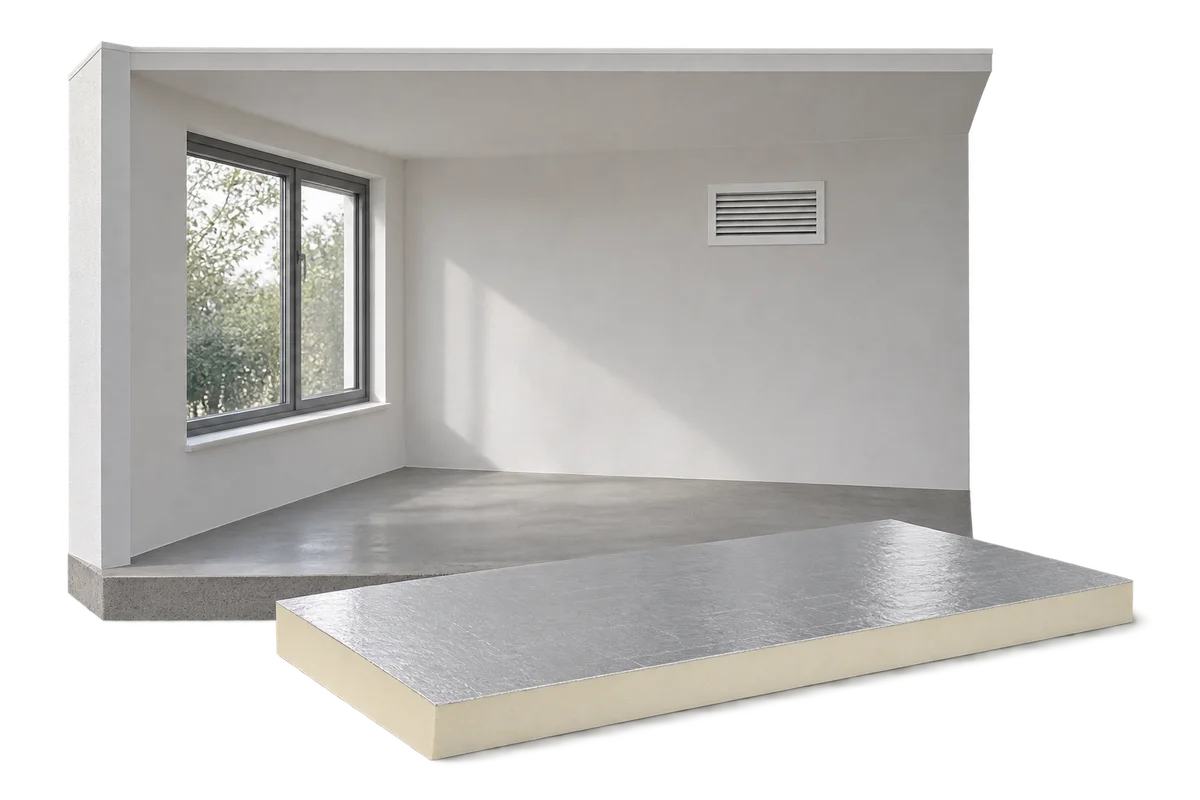
A damp basement should not be assessed in the same way as a heated upstairs room. In summer, warm air entering a…
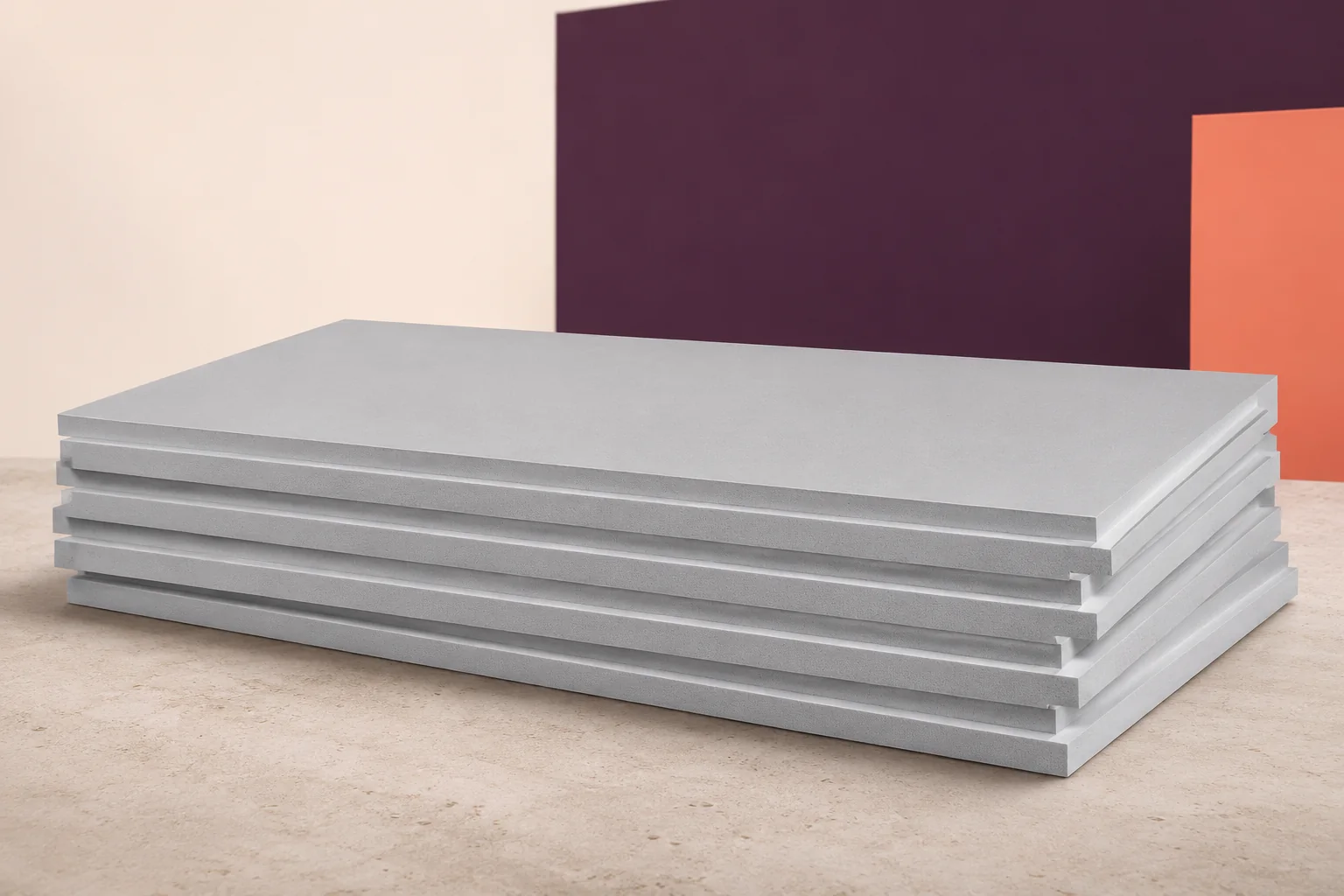
At a loading dock, draw the thermal boundary from the warehouse floor past the door and around the leveller pit. This shows…
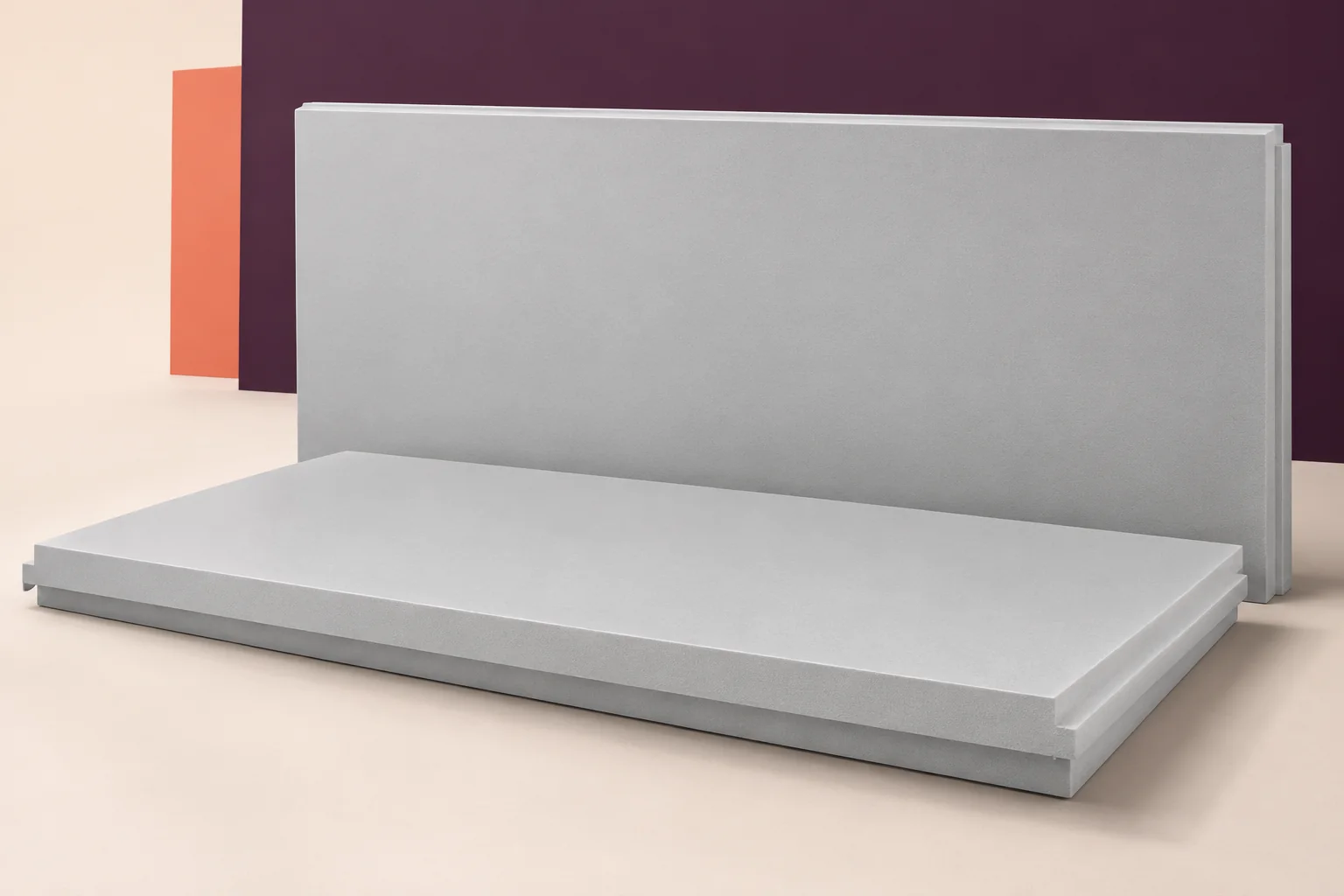
Choosing XPS beneath a warehouse floor starts with two figures from the operating plan: the reaction at a loaded rack foot and…
