What keeps a standing seam roof weathertight?
Metal roofing
At a glance
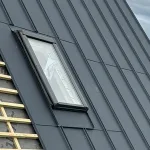
A raised seam keeps the joint between sheets above the main path of runoff. That helps shed water, but does not guarantee that the whole roof is weathertight. Pitch, seam closure, substrate and the details around interruptions all matter. A chimney or roof window breaks an otherwise continuous strip and needs particular attention. Mechanically closed seams and factory snap-lock panels may look alike, yet each has its own conditions of use. Do not carry the minimum pitch or sealing method from one system over to another.
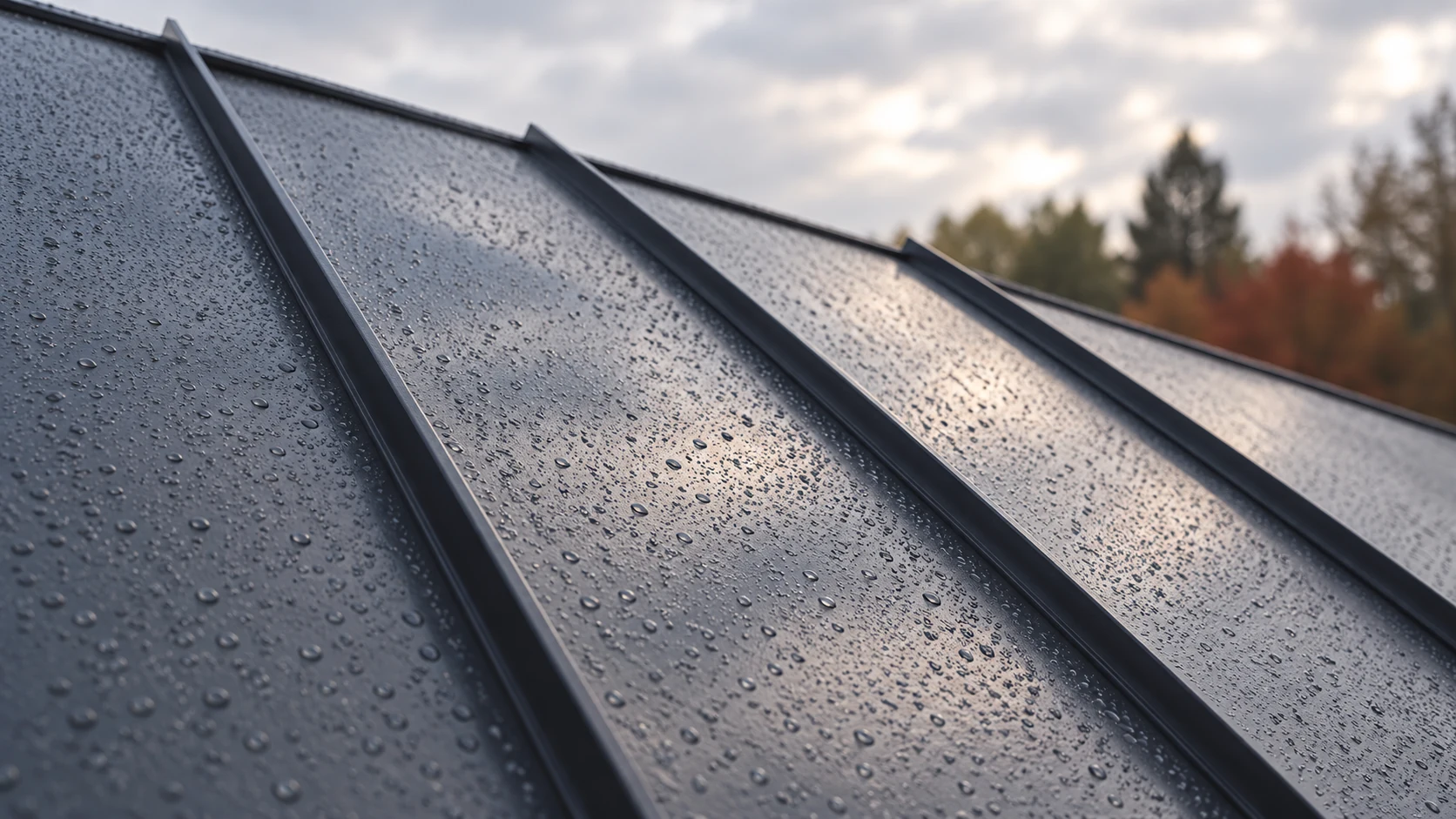
Which seam does the design specify?
Before ordering, record the joint type, strip width, panel lengths and substrate build-up, plus details at eaves, ridge and chimneys. “Standing seam roofing” is too vague for a complete order. Similar lines seen from the street may conceal quite different joints.
Why is a 14% pitch not 14 degrees?
Roof pitch can be expressed as an angle or a percentage. A 14% gradient means a rise of 14 cm for each horizontal metre, equivalent to about 8°. Confusing the units may lead to selecting a covering outside its permitted range.
Some snap-lock profiles specify a minimum of 14%. That is an example, not a rule for all standing seams. Check current documentation for the exact panel. End laps, roof windows and other penetrations may also call for a different detail.
Where is water most likely to expose poor detailing?
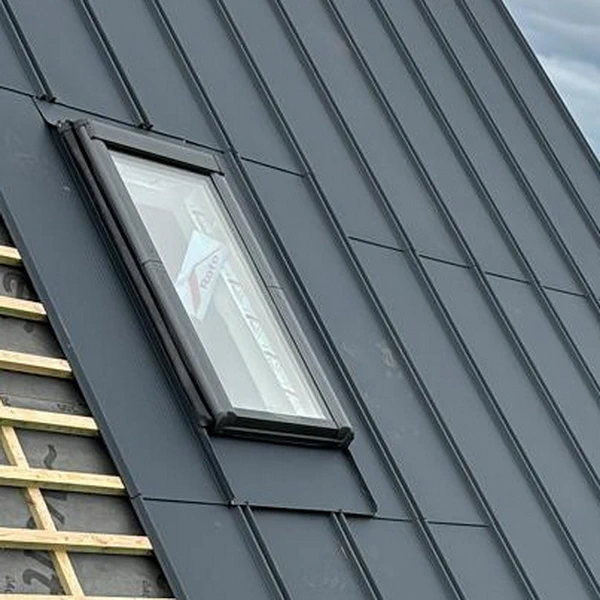
Pay particular attention to chimneys, valleys, roof windows and upper wall abutments. Here runoff changes direction or meets an obstruction. Flashings must discharge it onto the correct layer. A wide bead of surface sealant cannot compensate for incorrectly arranged sheets underneath.
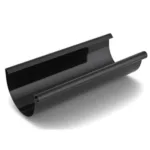
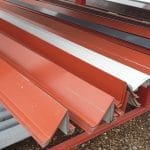
Inspect the seam ends at the eaves. An incorrect fold or gutter position can direct water under the panel. At the ridge, protection from rain must coexist with any specified ventilation. Select trims for the particular covering; similar shapes are not necessarily interchangeable.
How does the metal respond to temperature changes?
A long strip expands and contracts as it warms and cools. The attachment must accommodate that movement, using the clips, holes or fixing zones specified for the system. Follow the project and product documents rather than practices borrowed from another covering.
Locking a panel at several arbitrary points may cause stress and distortion, sometimes visible only in sunlight. Do not add screws through the exposed pan as a quick fix. First locate any restraint and check substrate flatness; treating the symptom alone may worsen the joint.
Does a wet underside mean the seam is leaking?
Not necessarily. Moisture can condense when warm air reaches the cool underside of the covering. Check the layer build-up and how moisture reaches it. Water after rainfall and droplets after a cold night point to different possible causes.
Record when and where moisture appears. Inspect adjacent penetrations, the underlay and the air paths intended to remain open. Sealing an entire ridge indiscriminately may close the ventilation route needed for drying. Choose the repair once the cause is established.
What should be agreed before handover?
Arrange to inspect details before they are covered. Photographs of chimney joints and the area under ridge flashings help with later service. Check layer continuity, coating condition and removal of swarf. Straight seam lines do not prove that concealed details are sound.
Agree how future equipment will be fixed. Solar panels, a chimney access platform or an extra cable must not inadvertently restrict the roof. Confirm accessories are approved for the specific seam. Each new penetration needs an appropriate sealing detail and support.
List details requiring a later inspection in the handover record. For a repaired roof, retain a description of previous leaks so later observations can be compared with the original fault.
Questions and answers
Is standing seam roofing maintenance-free?
No. Inspect the finish, flashings and penetrations, and remove accumulated debris. Maintenance depends on the material, surroundings and conditions of use.
Will extra silicone improve any joint?
No. An unplanned sealant can obstruct drainage or restrict sheet movement. Diagnose the leak first, then choose sealing compatible with the detail and coating.

Free quote
What to include in your enquiry
Tell us how you plan to use the material, the dimensions and the quantity you need. Include the thickness, grade or variant name, along with the delivery town or your preferred collection branch. For a specific product, add its name or a link to the product page. We will reply to the email address you provide to discuss availability and the terms of your order.

Read next
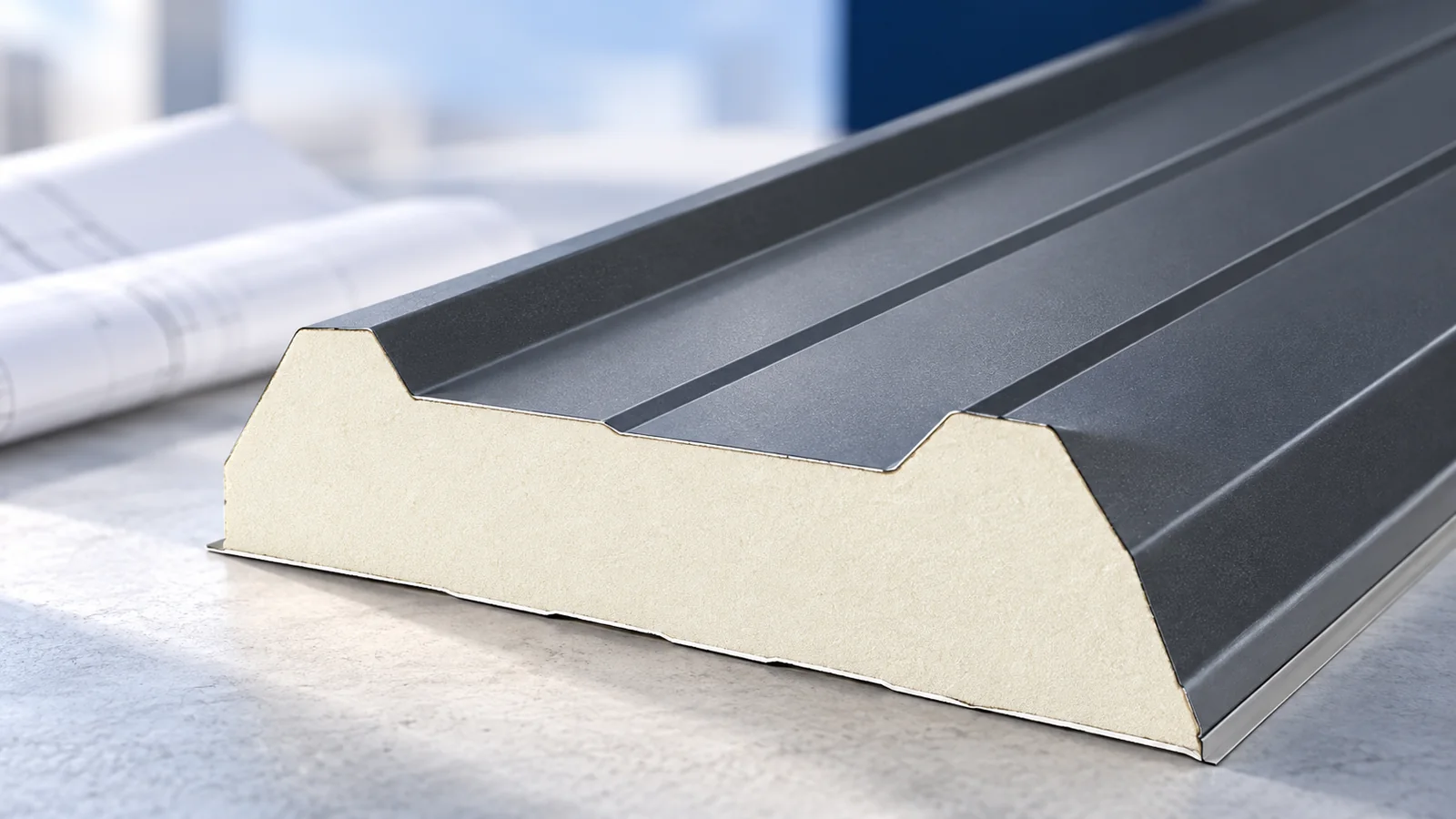
A sandwich roof panel combines the weathering sheet, insulation and inner face in one factory-bonded unit. It can close a heated garage,…
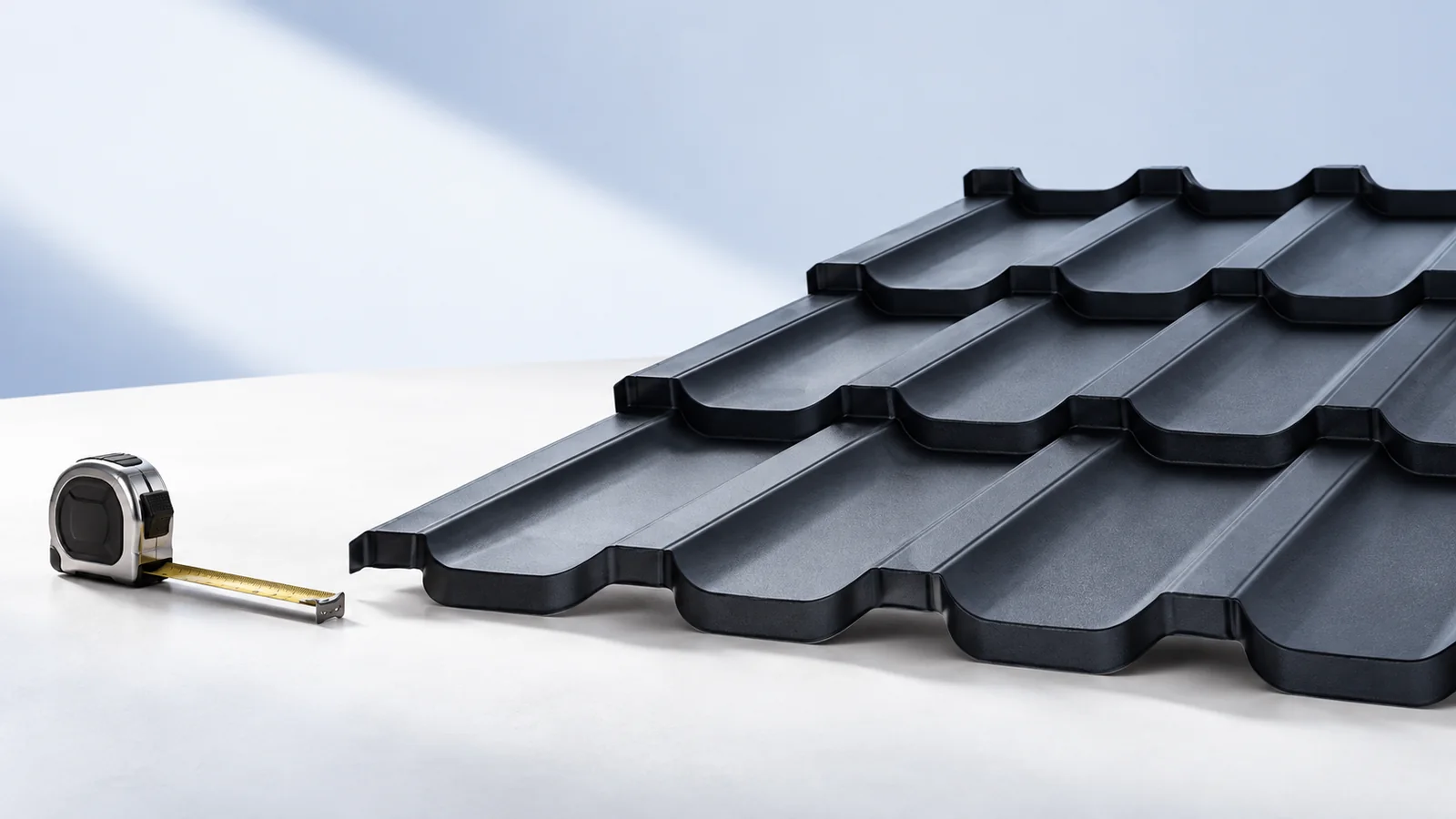
Metal roof tiles suit a new roof when the permitted pitch, supporting layers and installation method match the design. Before comparing prices,…
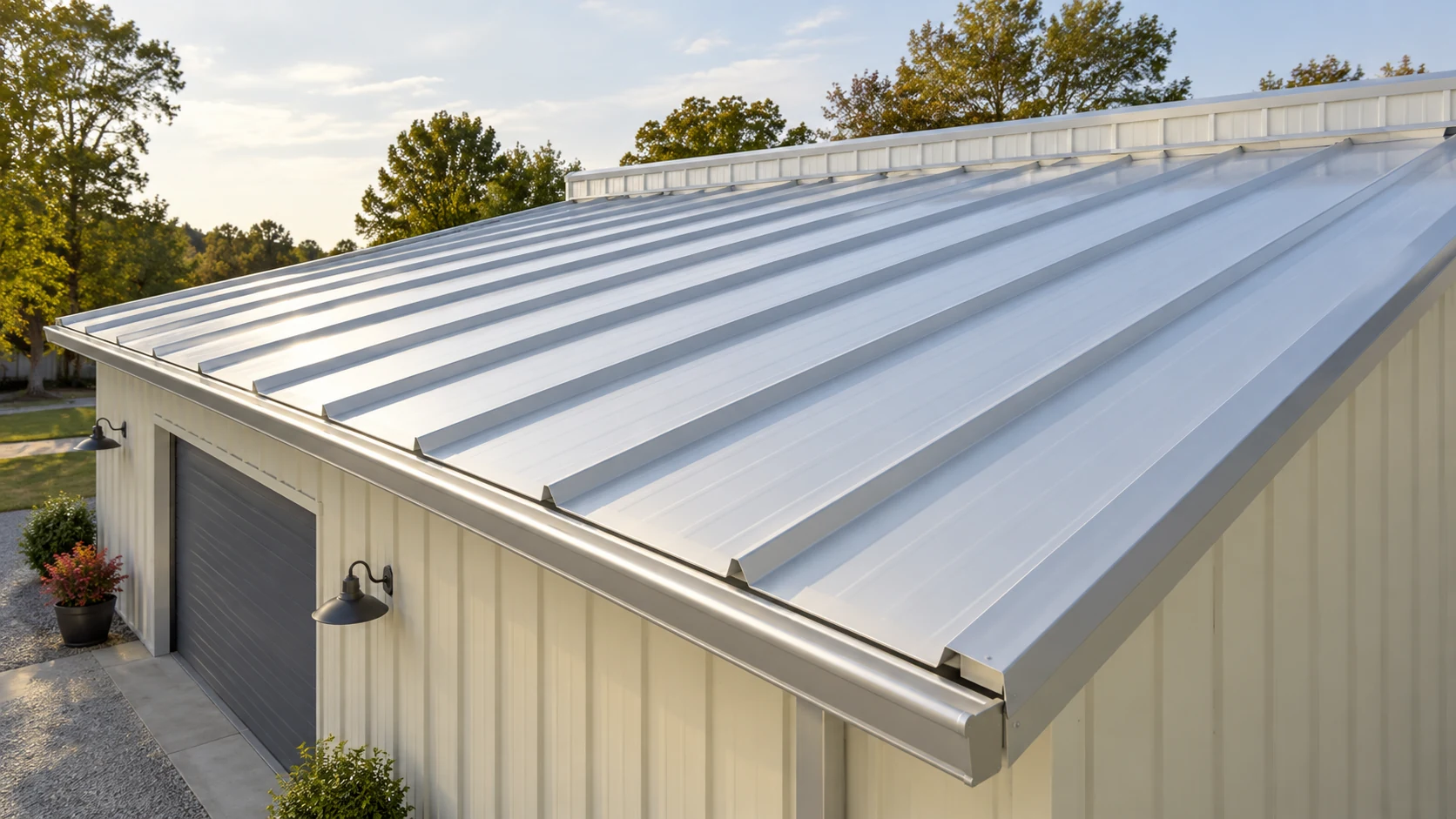
A roof that looks flat still needs a reliable drainage path. For a sandwich panel roof, check the minimum pitch for the…
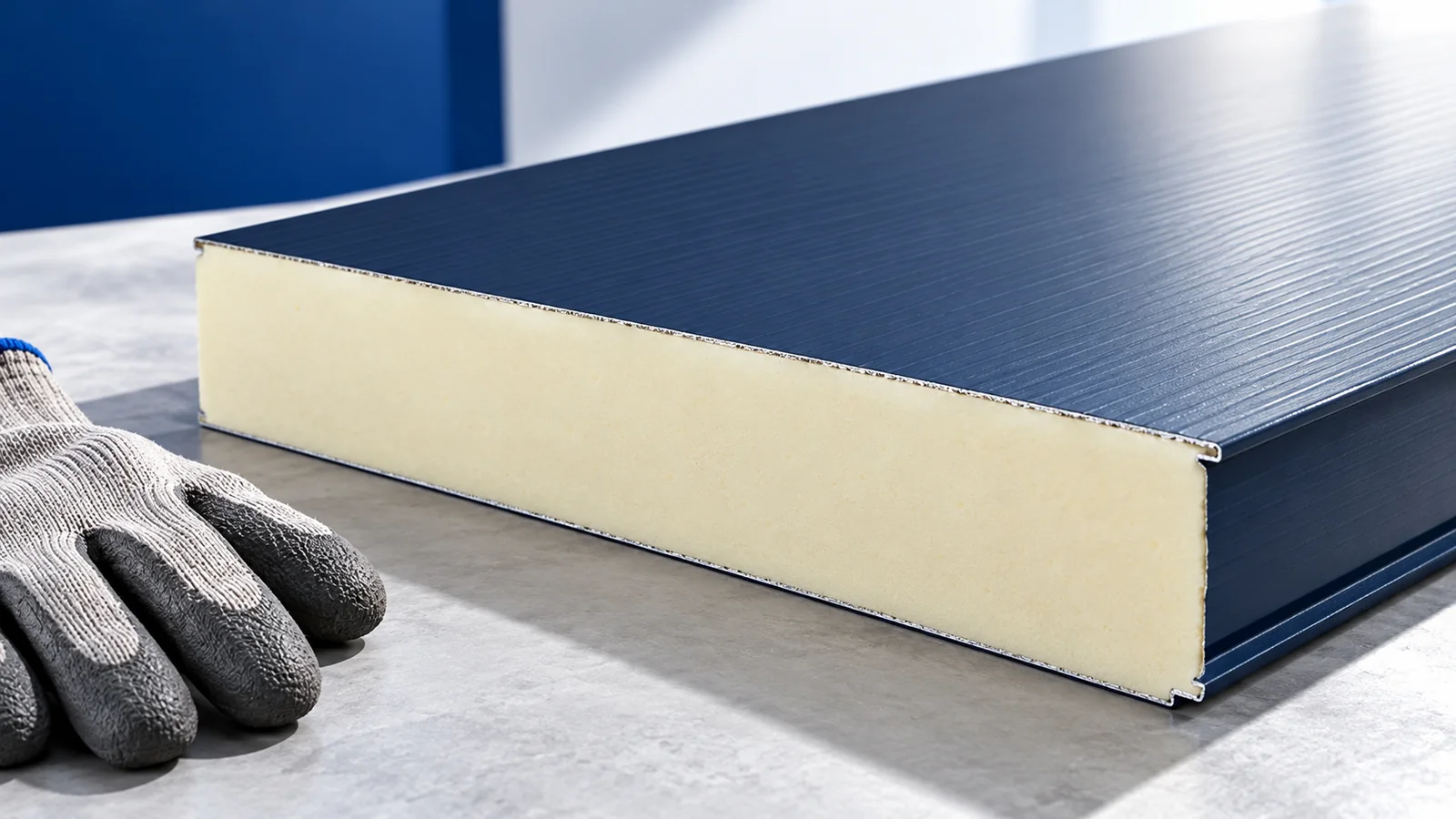
Look at the whole elevation before choosing a metal roof from a sample. Shallow trapezoidal ribs cast fine shadows; a deeper profile…
Roof and wall panels enclose the same building but serve different purposes. A single specification can coordinate the drawings, quantities, details and…
In Poland, start with the municipality where the property stands. Ask whether it is accepting applications and whether its scheme covers dismantling…
The frame, pitch and shape of a house roof determine which coverings you can consider. Cut-to-length metal tile sheets suit straightforward runs.…
A concealed gutter can give a metal roof a straight eaves line if the detail leaves room for the gutter, the downpipe,…