Where should you buy sandwich panels to minimise the cost of the finished envelope?
Purchasing and logistics
At a glance
Start with the area that will actually go into the building. A low price per square metre can mean unsuitable lengths or an incomplete batch. Compare stock, made-to-order panels and outlet lots by cost per installed square metre and by the full scope of delivery. Specify the application, core, thickness, facings and required performance, then attach lengths and piece counts. Asking only for 200 m² of panels invites offers with different coatings, joints or quantities of waste. They may look comparable until you try to build the same wall.
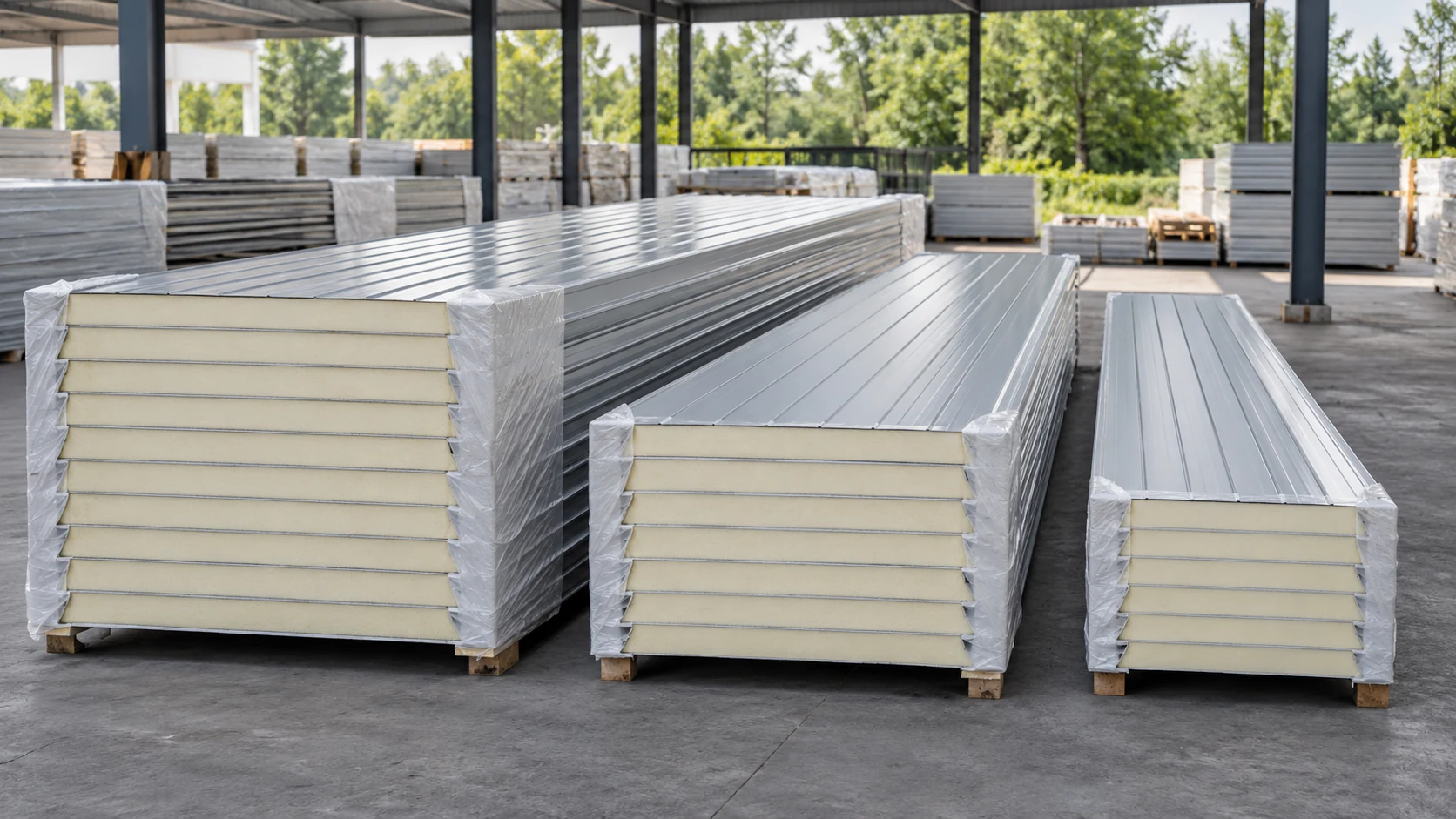
Why price the same finished result?
Evaluate alternatives separately. Another colour or length may be acceptable if the design and cutting plan permit it. A new core or fastening system is more than a purchasing adjustment: it may change performance and the installer’s work.
What does cost per installed square metre reveal?
Take two hypothetical lots for 180 m² of cladding. The first requires 190 m² at about €28.73/m², totalling €5,459.40 excluding VAT. The second requires 218 m² at about €25.26/m², or €5,506.21. Figures were converted before rounding. The larger amount of unused material makes the lower-rate lot €46.81 dearer.
Divide each total by 180 m²: the material costs about €30.33 and €30.59 per installed square metre excluding VAT. Add freight, flashings and labour to compare the finished envelopes. The assumed rates illustrate the method, not a current price list or supplier ranking.
When does made-to-measure production pay off?
Exact lengths can reduce cuts and simplify delivery sequencing on repetitive wall and roof layouts. A single colour batch can also help. Verify dimensions against the frame first: an error repeated across many panels is harder to put right than one miscut.
Confirm minimum order size, tolerances and lead time. Do not order solely from sketch dimensions. Check eaves, system-specific laps and the position of openings. Custom production makes sense once these details are settled.
Find out when lengths must be signed off. Changing the cutting schedule after production starts can be difficult and may require a separate agreement.
When can stock or outlet panels work well?
Stock works well for a simple building that can use the available lengths. Inspect the panels and record defects. A scratch in a concealed area differs from a damaged joint; do not assume every flaw can be hidden under a flashing.
When combining batches, check joints and shades. A colour difference may only show on a large façade. Size spare stock to the cuts and replacement needs rather than a fixed percentage. A last cheap pack has little value if you cannot complete the wall with matching material.
Which costs may sit outside the quotation?
Establish who pays for unloading and waiting time. Obtain prices for cutting, packing and preparing nonstandard lots. Long panels may require a different vehicle. A second trip for missing flashings or a few panels can erase a saving.
Check whether the quoted unit is a square metre of cover, a whole panel or something else. Compare payment terms and reservation periods. If the frame is not ready, check the quotation’s expiry date; do not plan around an unconfirmed rate.
How do you make a final comparison?
Use the same rows for each offer: material value, installed area, accessories, delivery and labour. Add limitations such as missing documentation, site cutting or a lack of matching spares. Read the total alongside those conditions to see what it buys.
Obtain final confirmation of the batch and date. Match the order to the latest cutting schedule and give the recipient a copy. Checking price, quantity and condition against one order reduces last-minute misunderstandings and surcharges.
Questions and answers
Is buying from the manufacturer always cheaper?
No. Batch size, freight, timing and how well the lengths fit all count. Compare the complete cost of your order.
Should I buy extra low-priced panels as spares?
Only when the cutting or replacement plan justifies it. Surplus takes up space, needs proper storage and may not suit a later extension.

Free quote
What to include in your enquiry
Tell us how you plan to use the material, the dimensions and the quantity you need. Include the thickness, grade or variant name, along with the delivery town or your preferred collection branch. For a specific product, add its name or a link to the product page. We will reply to the email address you provide to discuss availability and the terms of your order.

Read next
The end wall of a hall scheduled for a future extension has two different jobs over time. Today it keeps out the…
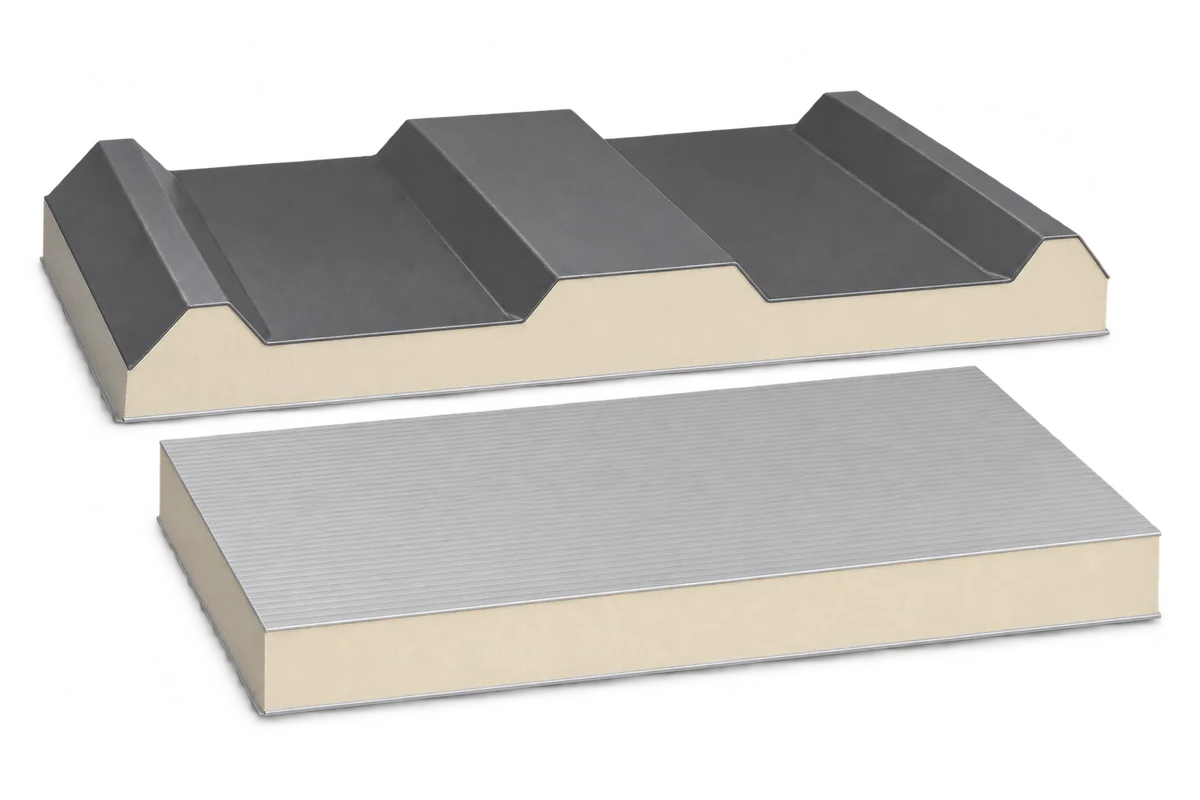
When extending a sandwich panel building, new elements must be considered alongside the existing cladding; ordering a similar thickness and colour is…
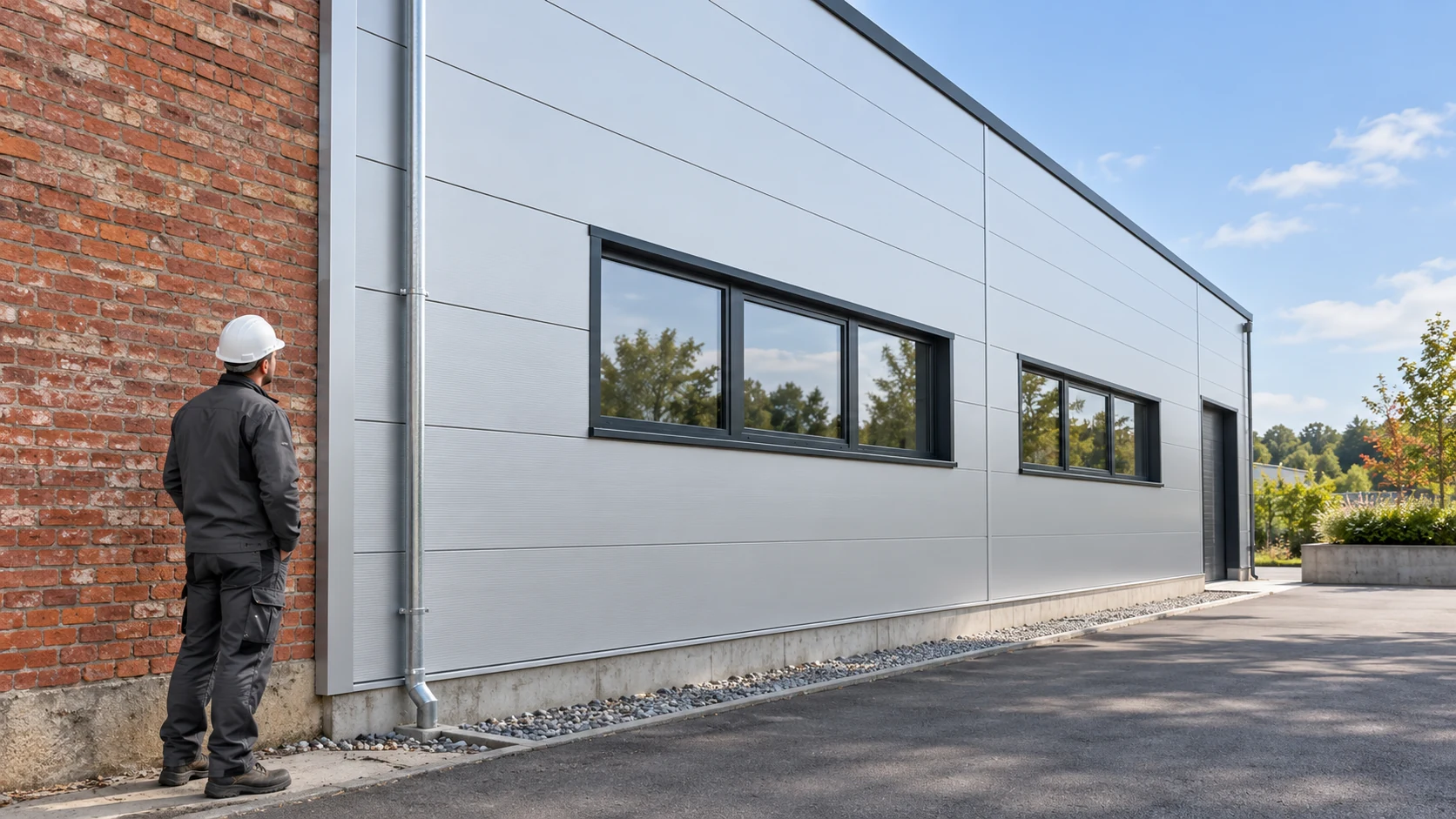
Before cladding an existing masonry wall, establish its condition and how the new loads will reach the structure. Panels should not conceal…
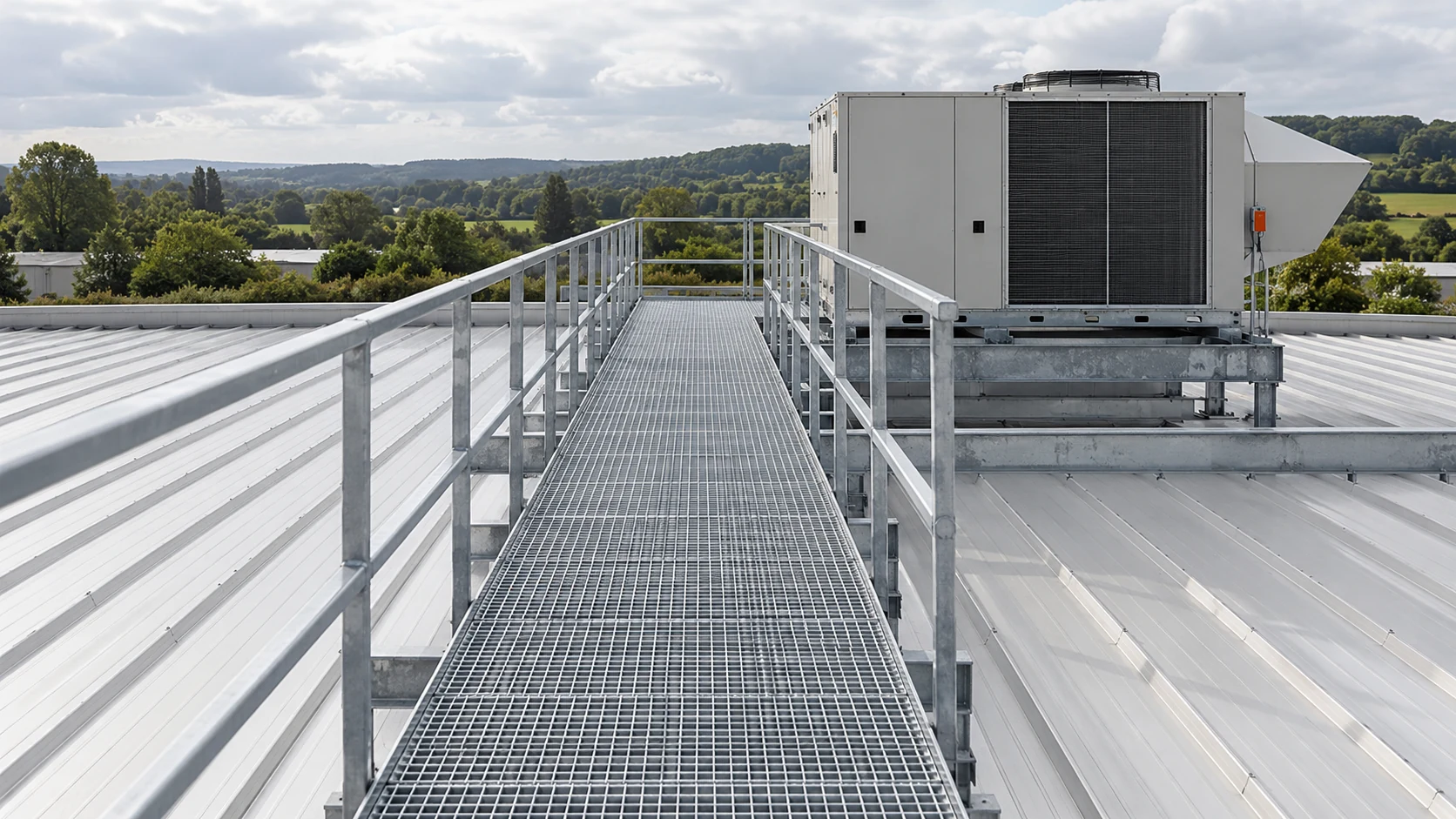
Plan roof access around the maintenance task, the equipment involved and how often people need to reach it. An occasional gutter inspection…
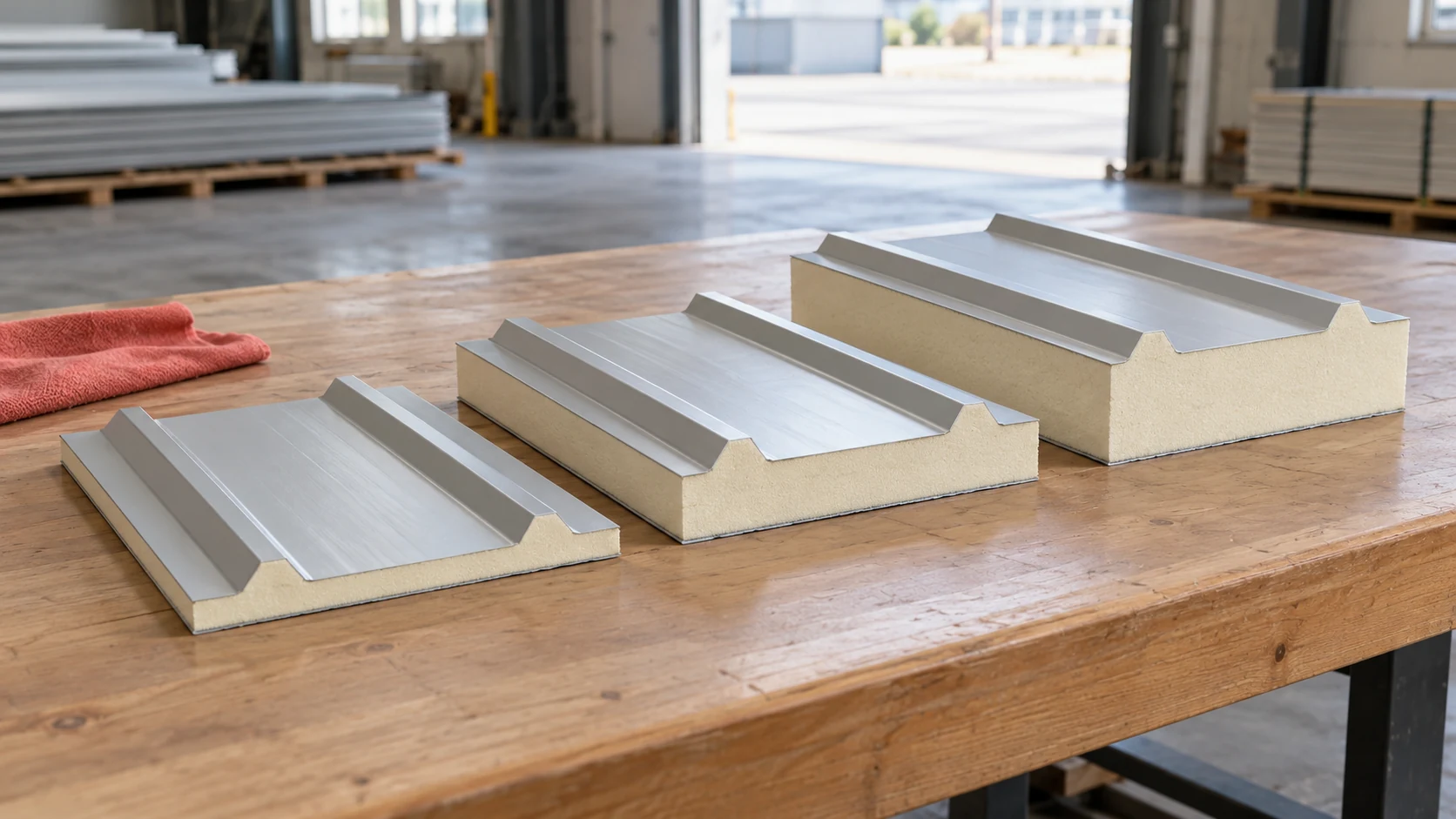
Choose roof panel thickness by comparing complete configurations against the building design. Start with indoor temperature, humidity and heating hours. A warehouse,…
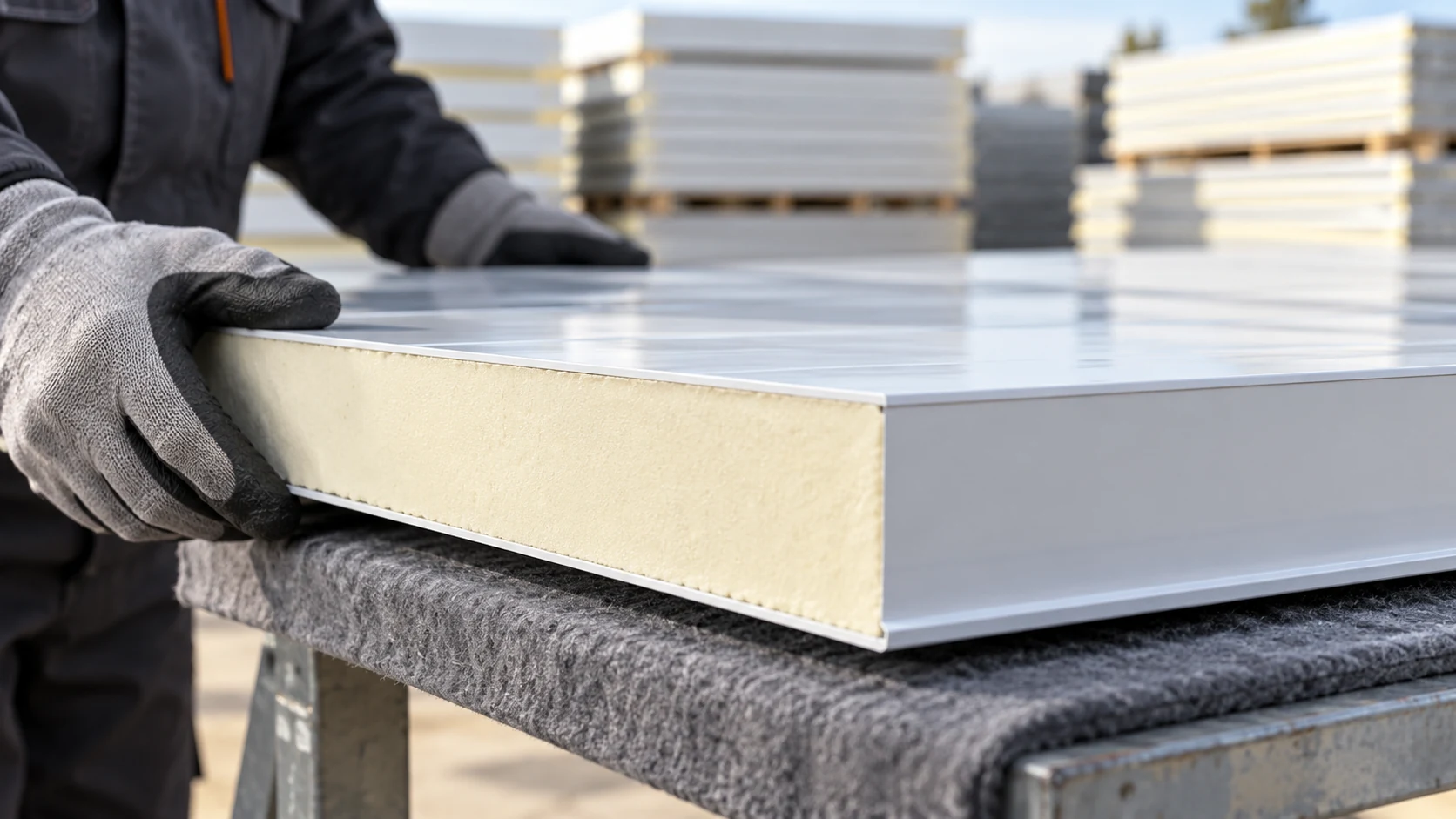
A sandwich panel price refers to a particular product and unit of sale. Check whether the quote is for a square metre…
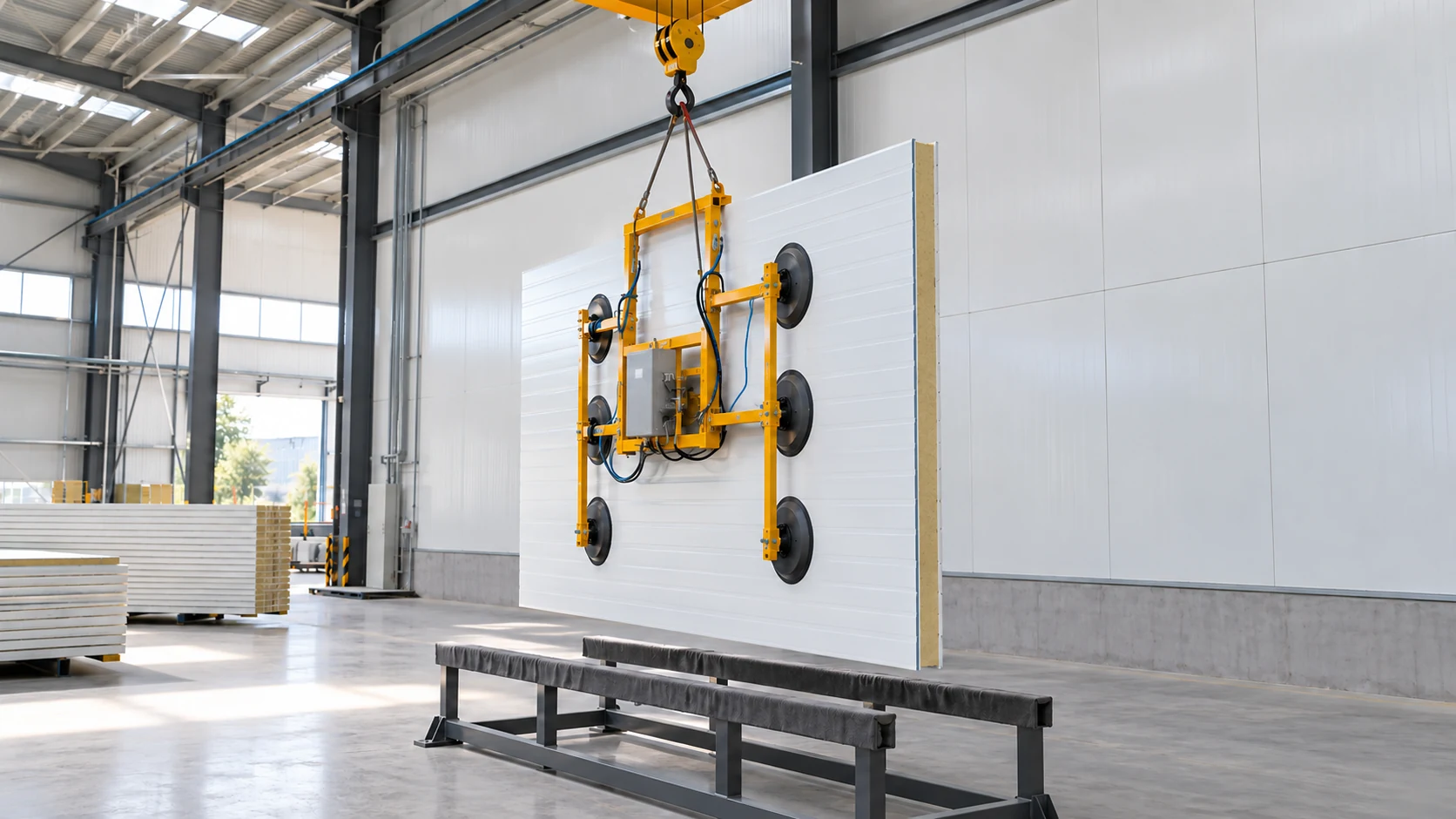
Wall panels and their junctions with the roof need an agreed installation sequence. Identify the work that must be inspected before the…
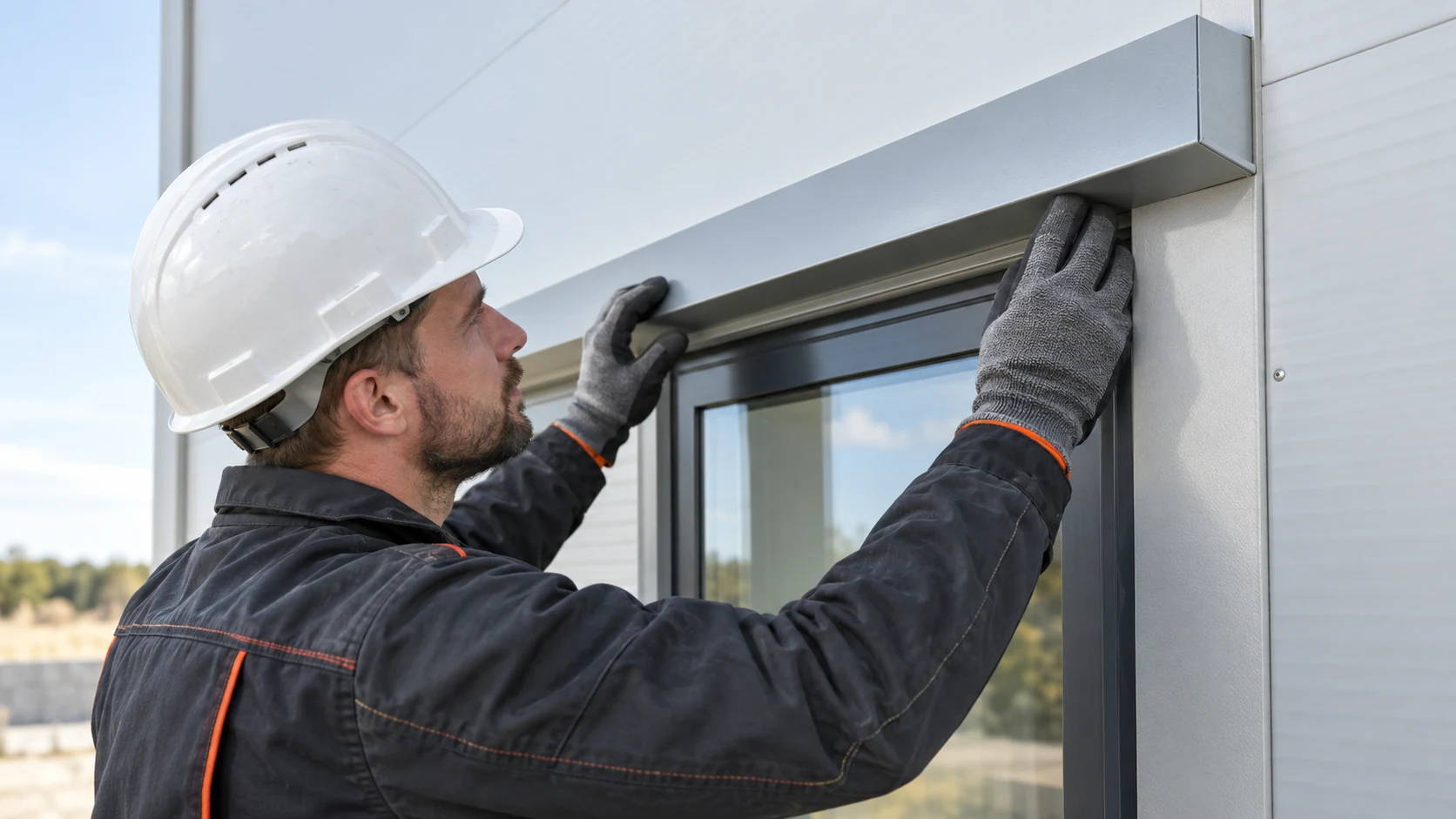
Inspect sandwich panel work in stages while each junction is still accessible. Start with the frame, then inspect the first panel and…