






Snap-lock or mechanically seamed roofing: which joint suits your roof?
Metal roofing
At a glance
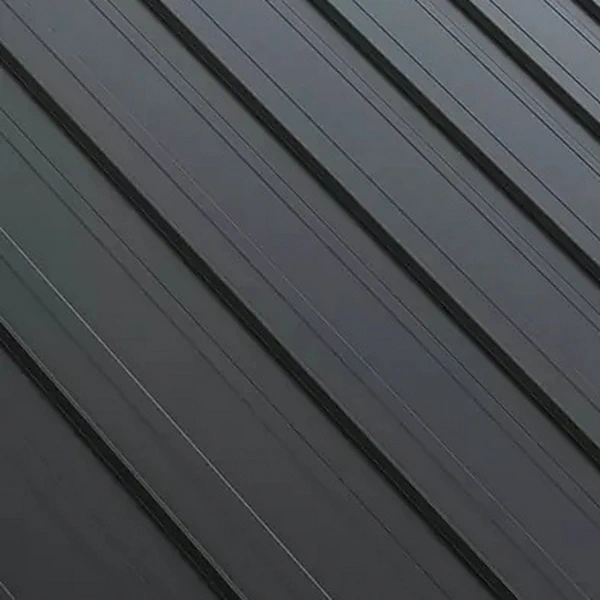
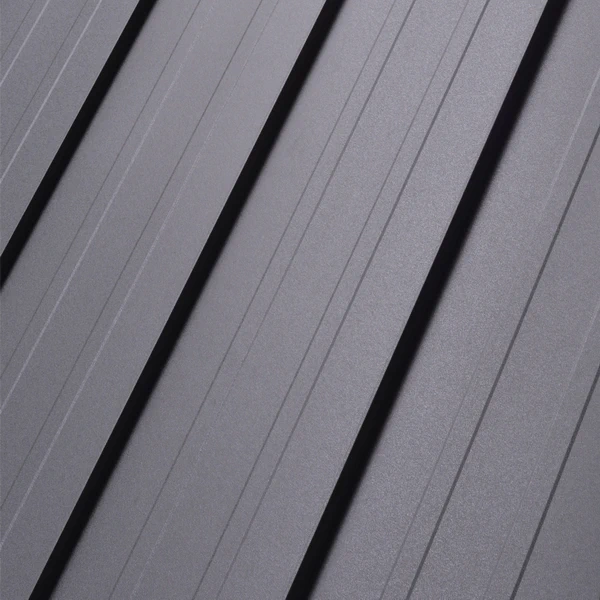
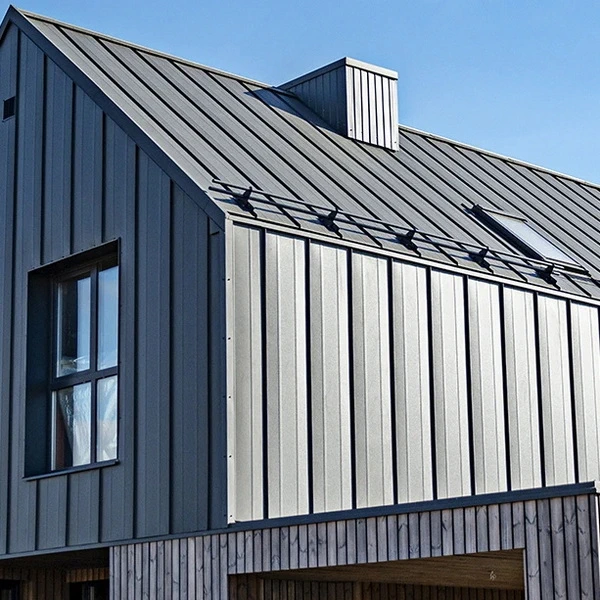
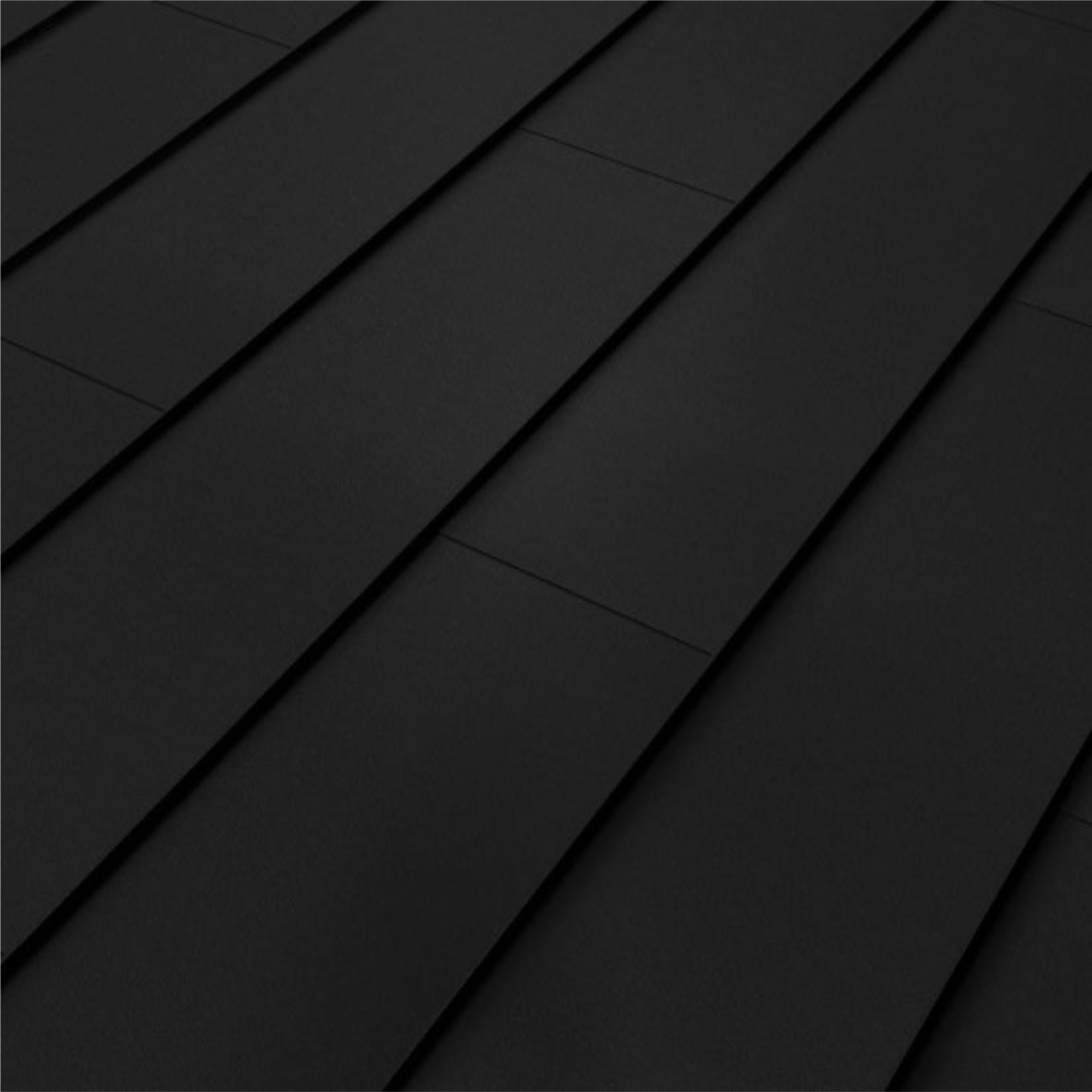
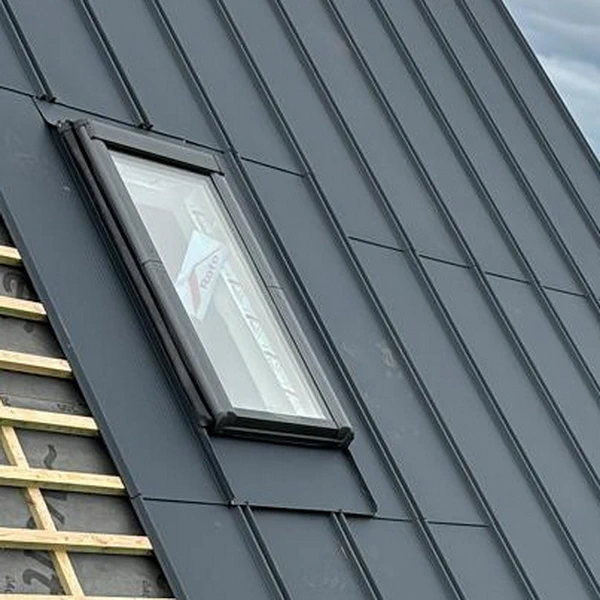
Similar vertical ribs on two roofs can conceal quite different joints. Snap-lock panels have factory-formed edges that engage with one another. In traditional standing seam roofing, the edges of adjoining metal strips are folded together and closed with seaming tools. The number and arrangement of folds distinguish a single seam from a double seam. The choice affects the supporting deck, junction details and installation work. A photograph of a finished roof shows the appearance, but cannot tell you whether that system will work on your building.
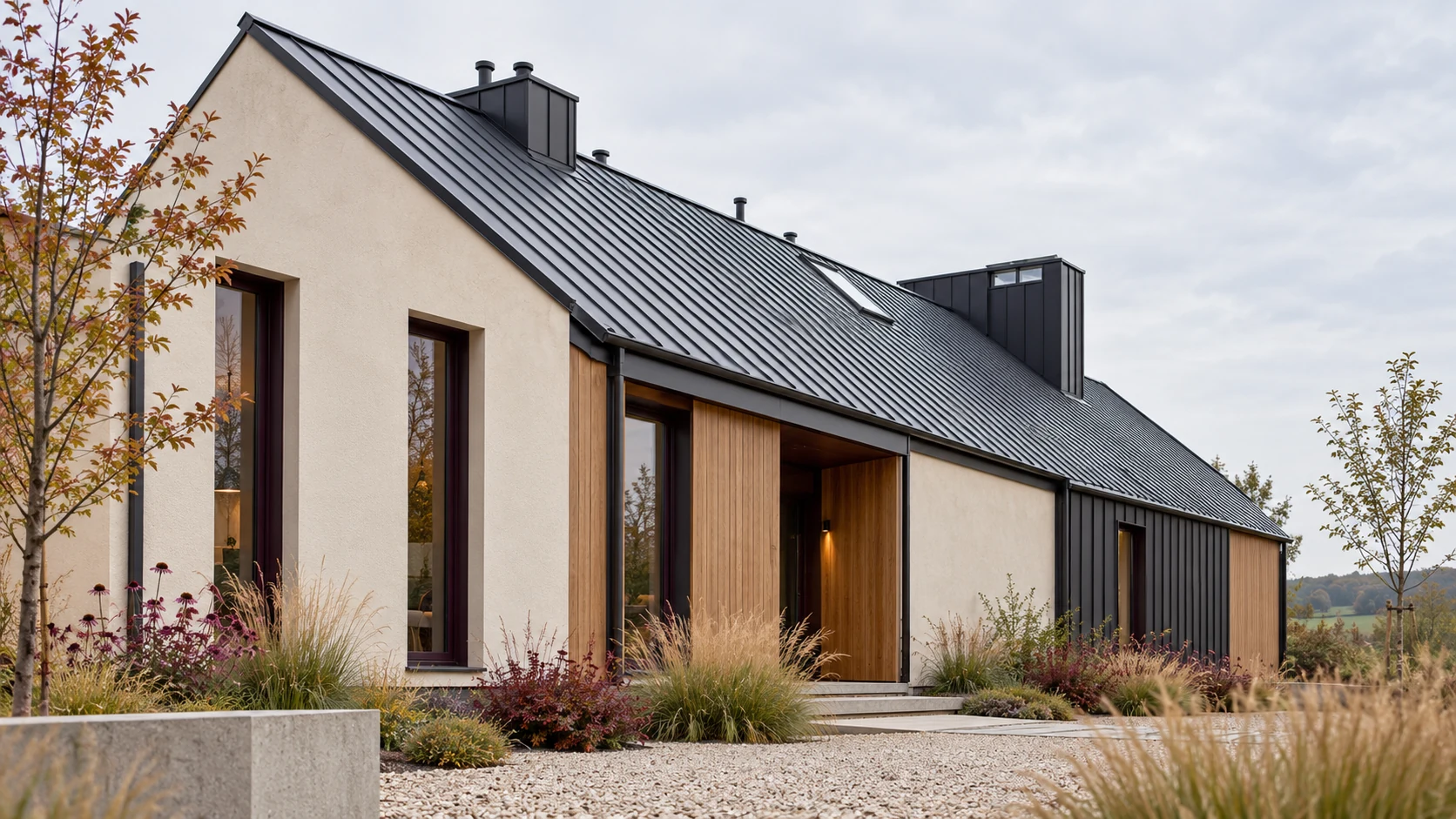
Find out what the supplier means by standing seam
Specify both system and material in your enquiry. “Standing seam” alone tells you neither the permitted pitch nor the support required. Ask to see the eaves, ridge and penetration details: they tell you more than the name on the quotation.
Check how the substrate must be prepared
Support arrangements and separation layers vary by system. The surface must be stable and even. Irregularities can show through the wide, flat pans; pressing the panel down harder will not remove them.
When reroofing, compare the proposed build-up with the existing roof. Battens spaced for tiles may not suit a metal panel. Include additional layers or different supports in the estimate; a sheet-only price excludes that preparation.
Allow the metal to expand and contract
Metal changes length with temperature. The fixing arrangement must accommodate the expected movement. Depending on the system, this may involve special holes, clips or specified fixed points. Extra rigid fixings are no substitute.
On long strips, check the junctions with flashings as well. A trapped edge can introduce stress and distortion. There is no universal length at which every panel must be split: the material, geometry, fixing method and system limits determine the layout. Establish these before ordering.
Match the seam to water exposure and roof geometry
A traditional double seam is used where the detail calls for a tighter joint. This does not make it suitable for every pitch. Cross joints, sealing and the treatment of obstacles on the roof slope also matter.
Snap-lock panels have limits too. Profiles that look alike may have different interlocks and installation requirements. On roofs with dormers or several chimneys, review these details first: forming them can affect labour costs more than the speed of laying a clear roof slope.
Compare the installation work involved
Mechanical seaming requires properly prepared strips and a roofer skilled in forming the seam. Factory profiles remove some operations, but the first panel must still be aligned carefully. An error there can carry across successive strips. Both systems need accurately formed ends.
Ask the installers about their experience with your chosen roof and request an example of a similar chimney or ridge. Agree which flashings will be made on site, which must be ordered and who prepares the substrate. That is more useful than a general claim to fit every type of sheet roofing.
For an unusual detail, agree on a short trial section. It lets you assess the end profile, sequence of operations and appearance of the seam before repeating it across the roof. Record the scope of the trial in your agreement with the roofer.
Examine a sample and consider future roof equipment
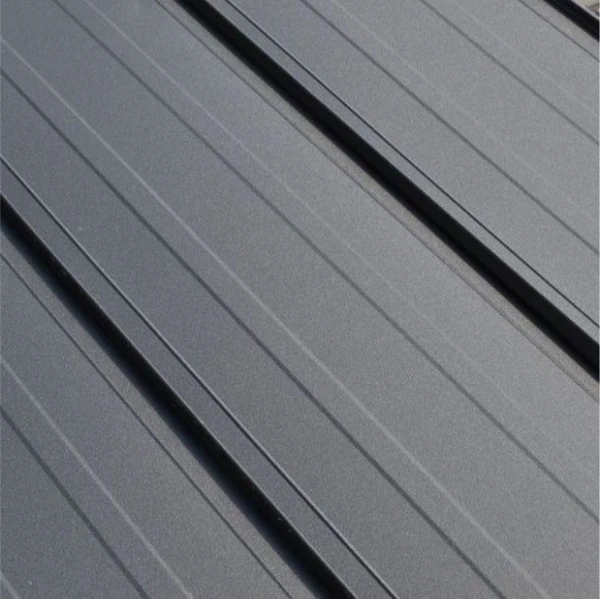
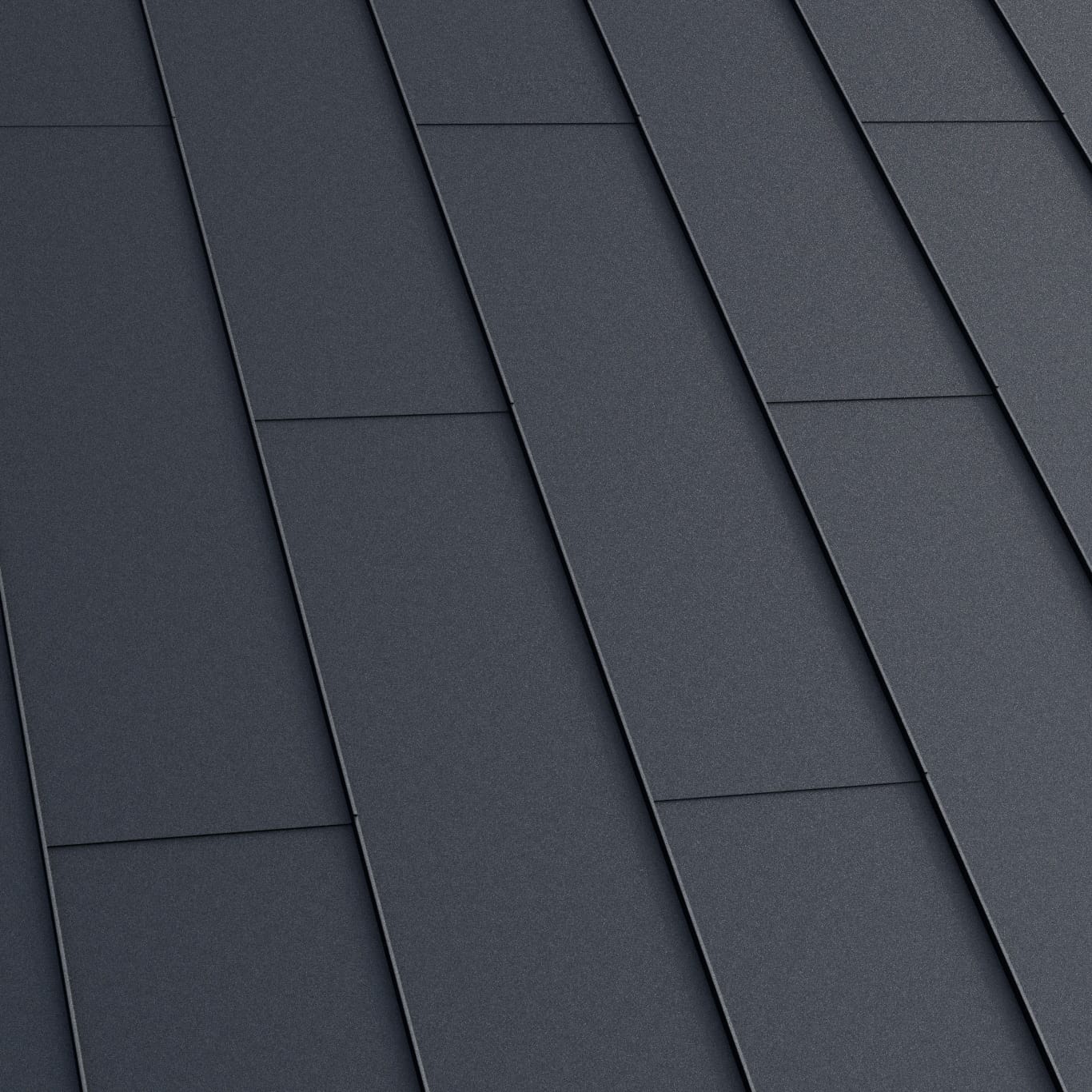
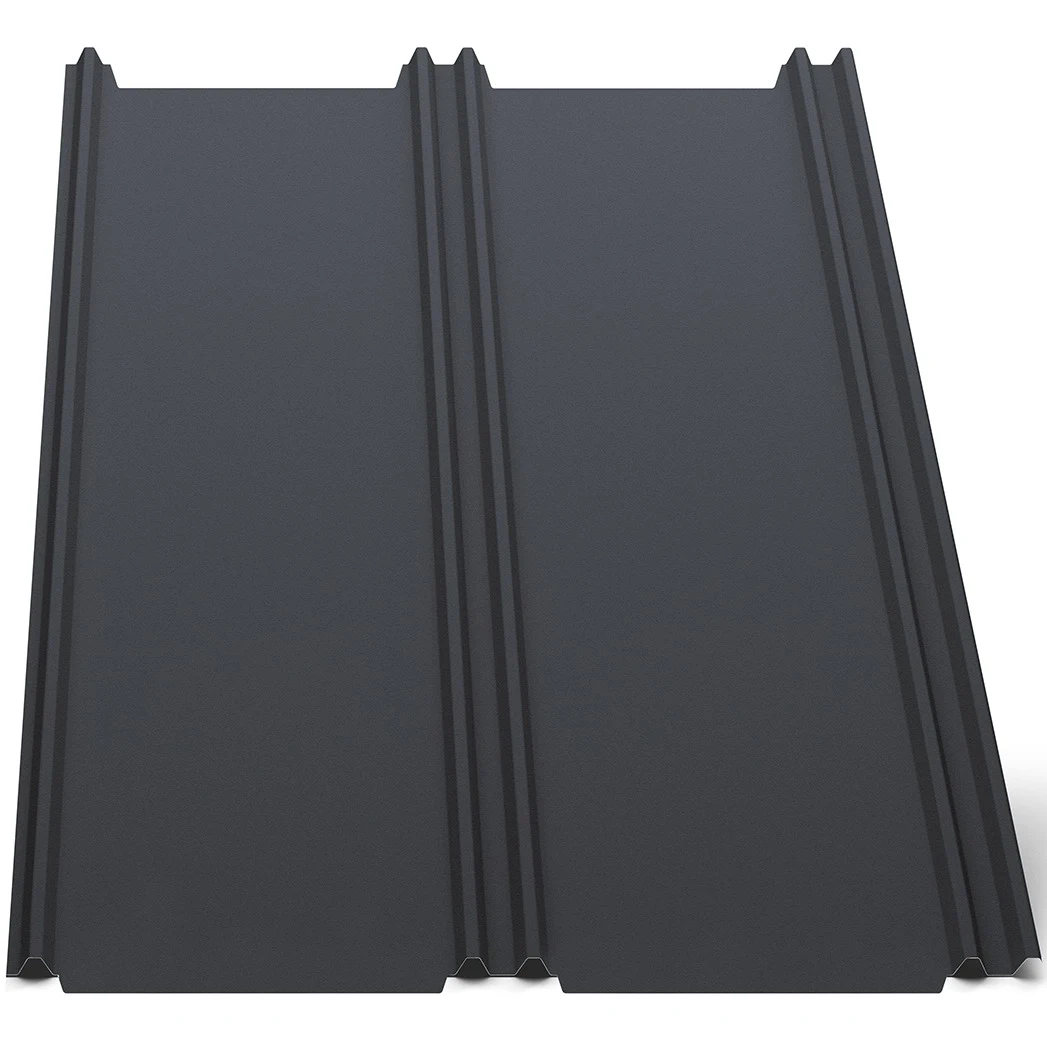
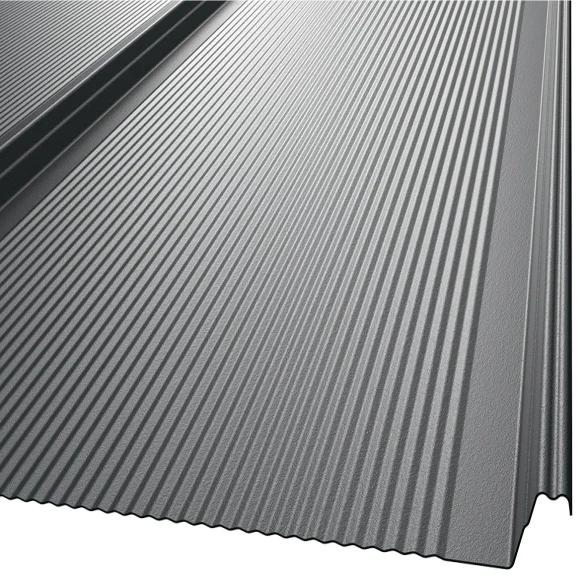
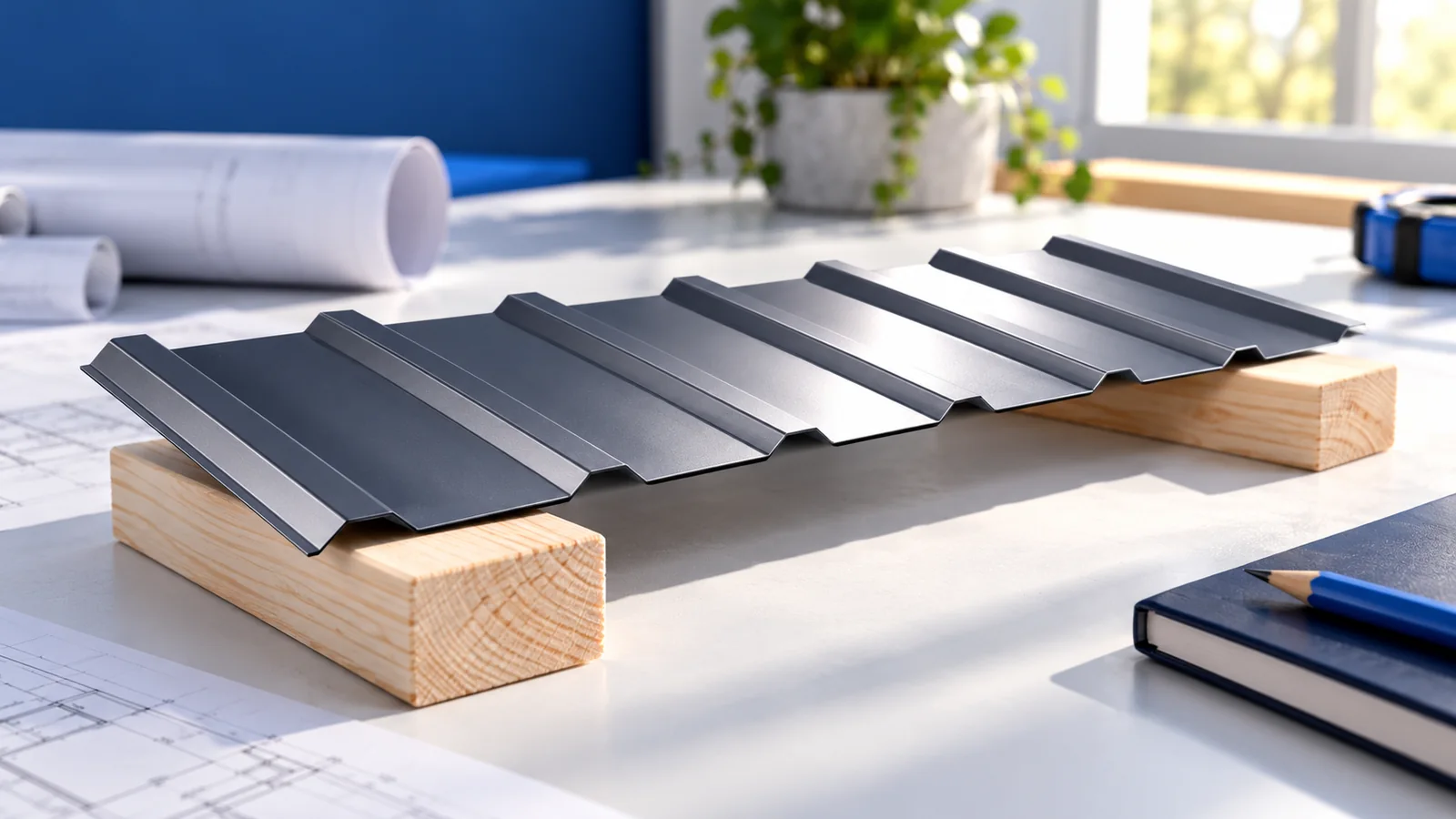
Use a sample to judge the seam height, width of the flat pan and surface texture. A wide strip gives a different rhythm from a narrow panel. One available snap-lock profile has a cover width of 307 mm; this is one format, not a standard width for all such roofs.
Plan the fixings for solar panels or other roof equipment before installation. A clamp that fits one seam may not suit another; additional loads must be carried by the structure. Retain the system details at handover so future accessories can be selected by specification rather than appearance.
Questions and answers
Are a double standing seam and a snap-lock panel the same product?
No. The edges are formed and closed differently. Check the installation requirements for each system separately.
Can I drive extra screws through the flat part of a panel?
Do not add them at will. Extra holes can compromise weather resistance and restrict thermal movement. Use only the fixing arrangement specified for the system.

Free quote
What to include in your enquiry
Tell us how you plan to use the material, the dimensions and the quantity you need. Include the thickness, grade or variant name, along with the delivery town or your preferred collection branch. For a specific product, add its name or a link to the product page. We will reply to the email address you provide to discuss availability and the terms of your order.
Read next
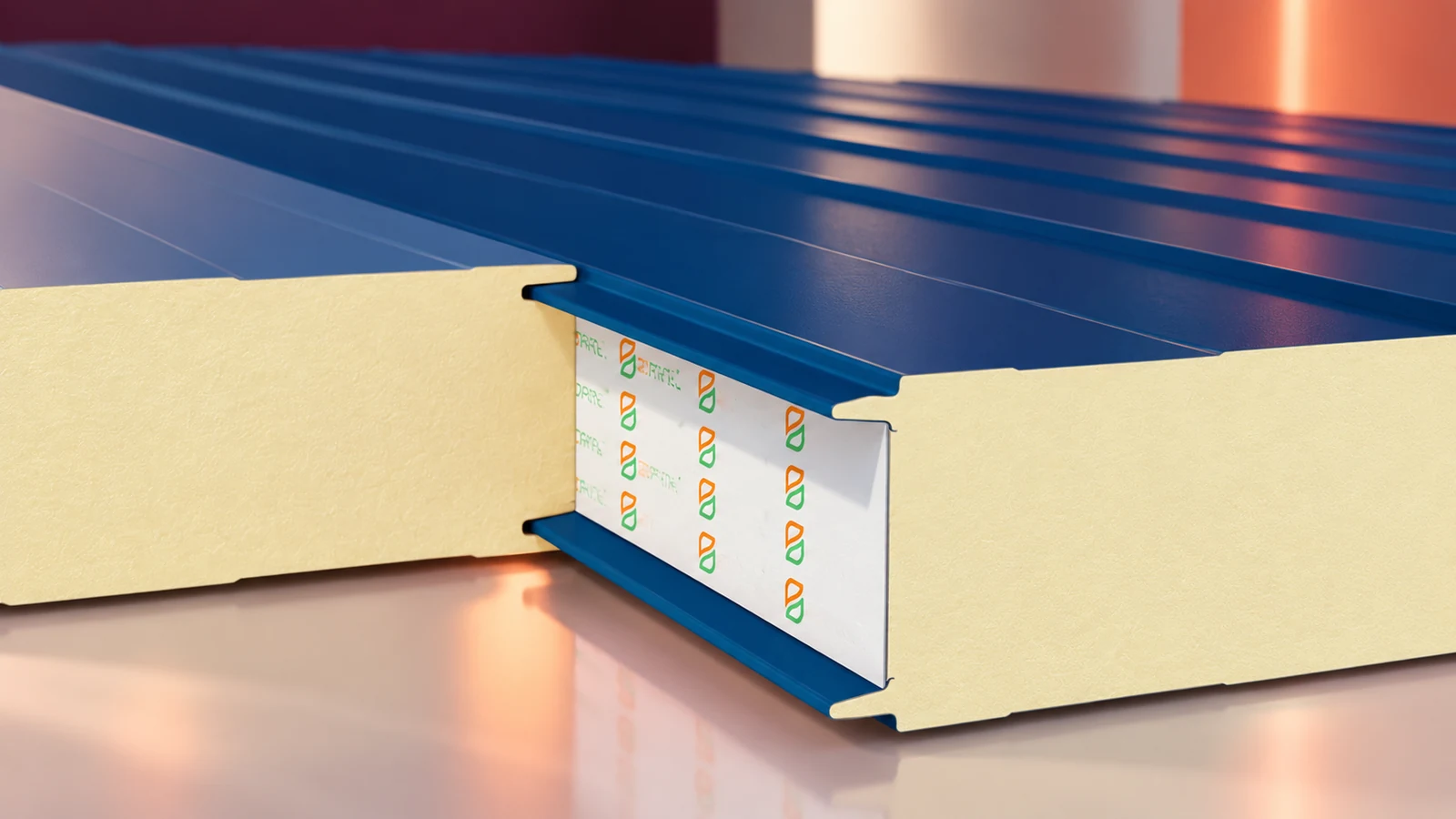
PIR sandwich panels are factory-bonded elements with an insulating core and metal facings. They are made for walls, roofs and specialist enclosures…
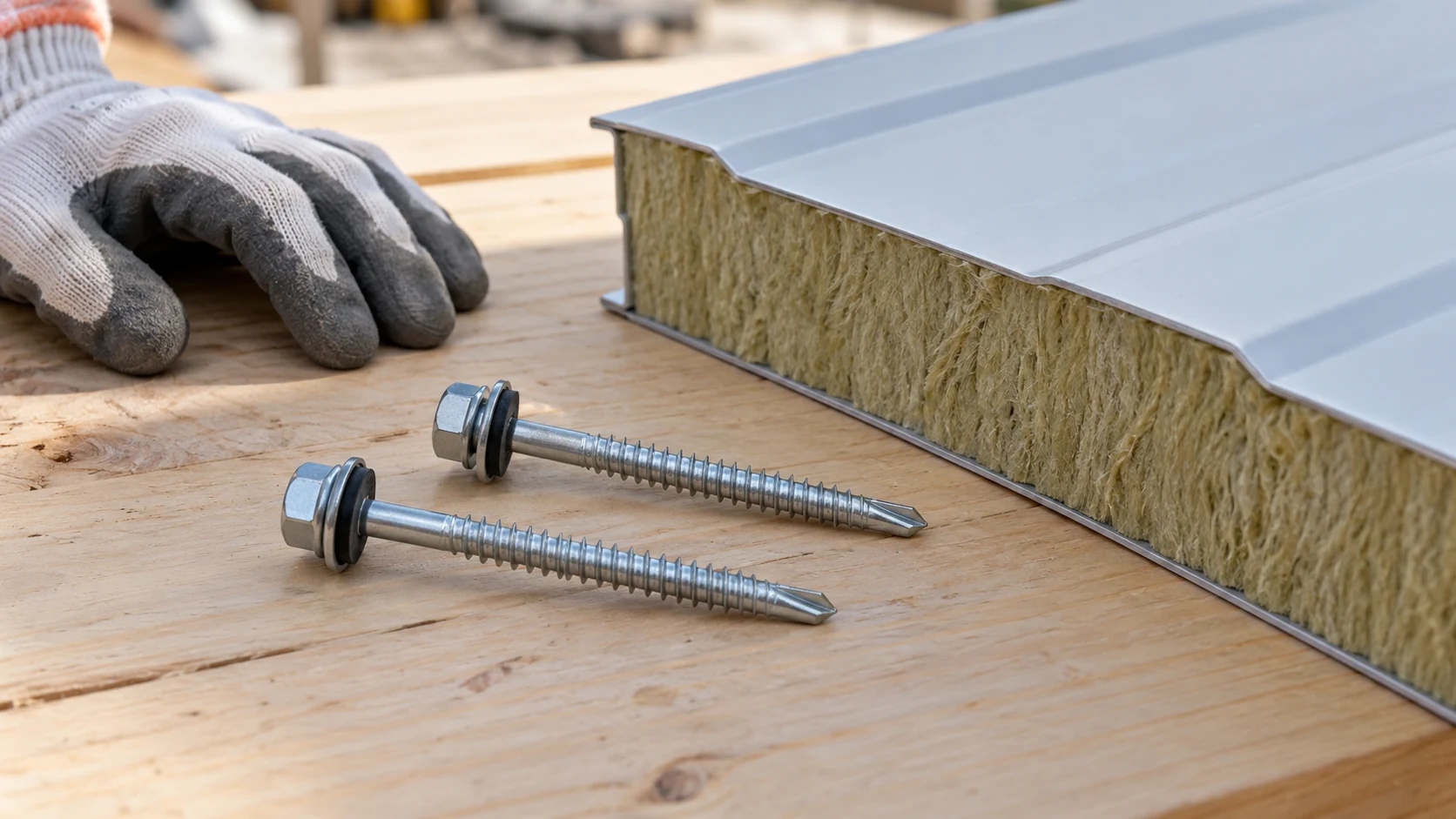
A panel fixing must suit the panel, support and expected loads. Wool thickness alone is not enough to select a screw. Check…
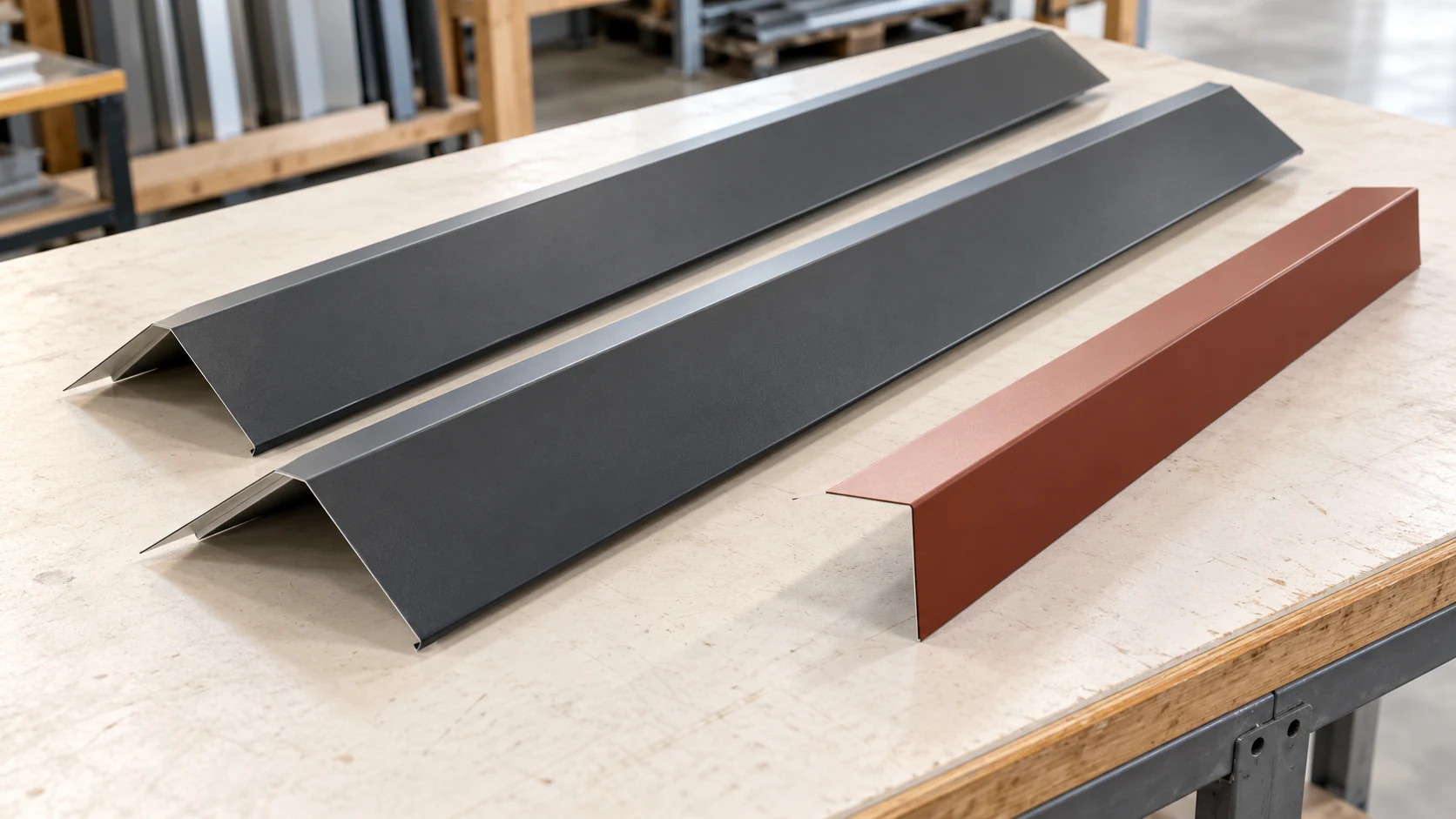
The roof area alone tells you little about how many flashings to order. Mark each eaves, verge, ridge and valley on the…
Wall panels and their junctions with the roof need an agreed installation sequence. Identify the work that must be inspected before the…
Before booking transport or lifting equipment, find the weight of each panel and each pack. A figure in kilograms per square metre…
Before cladding an existing masonry wall, establish its condition and how the new loads will reach the structure. Panels should not conceal…
A roof estimate starts with slope dimensions and ends with the weatherproof details. Distinguish the area to be covered from the quantity…
A wall plate forms the bearing between the rafters and the supporting wall in many timber roofs. Its size, joints and anchors…
