






Choosing membranes for an insulated roof
Insulation and lofts
Trace three paths on a section through the roof. Where can indoor air reach a cold surface? How can water that gets beneath the covering reach the eaves? In which direction can the insulation dry? The answers guide the choice of the internal air and vapour control layer and the external underlay. For each membrane, check its declared vapour resistance, permitted substrates and jointing system. Pay particular attention to the facings on PIR boards and to connections at roof windows, walls and service penetrations.
Which layer faces the room?
On the room side, the specified layer controls vapour diffusion and helps maintain airtightness. Its continuity matters at walls, windows and services. Warm, moist air passing through a gap can reach a colder part of the roof and release moisture there as condensation.
Allow for tapes and seals when ordering the membrane. Plan the cable runs and lining supports before installation to reduce the number of later penetrations. On an existing roof, establish how the current layers can dry before adding a layer with high vapour resistance.
What does the underlay do beneath the covering?
Outside the insulation, the underlay can drain water that gets past the covering and reduce wind movement through the insulation. Follow the drainage detail to the eaves. For a low-resistance membrane, check whether the manufacturer permits direct contact with insulation or installation on continuous decking.
Older underlays with higher vapour resistance may need a ventilated gap. Filling that space during insulation work can impede drying. Look for the product markings and installation details. If they are illegible, assess the roof build-up before deciding how much insulation can be added.
How do you interpret the Sd value?
The Sd value, given in metres, is the thickness of still air with the same resistance to water vapour diffusion as the material. A lower value allows vapour to diffuse more readily. Some vapour control layers have a fixed value, others vary with humidity. Use the stated value or range and the design conditions for your roof.
Indoor ventilation carries away moisture produced in the home. Vapour diffusion through materials and air movement through a leak are distinct processes. The roof detail must provide continuous airtightness and insulation while allowing the intended drying path.
How do PIR facings affect the build-up?
A PIR board can have a facing with high vapour resistance. Assess the facing, board joints and surrounding layers together. If a supplier proposes a board of the same thickness with a different facing, recheck the moisture behaviour of the assembly.
Over-rafter insulation needs continuous details at the eaves, ridge and openings. Confirm that adhesives and tapes bond to the chosen facing. The documentation for the complete system specifies which functions the aluminium facing can perform and which separate layers the roof requires.
How should joints and penetrations be sealed?
Select jointing products for the substrate and the installation temperature. Dust or surface moisture can weaken a bond even if the tape initially sticks. Masonry and timber may need different preparation from smooth membrane surfaces. Use the adhesive specified for each junction.
Group service routes where practical and detail every pipe, cable and structural penetration. Leave enough movement allowance at joins so movement of the structure does not pull a seal apart. A membrane stretched tight around a pipe can tear at its edge.
What should the materials schedule include?
List every membrane and mark its position on the roof section. Include material for laps and upstands, joint tapes, sealants, penetration seals and any primer. Compare complete systems that fulfil the same requirements, including the work needed to prepare difficult substrates.
Inspect and photograph the joints before the lining conceals them. Record the exact product names alongside the photographs. If moisture appears later, this record helps identify the layer involved and trace how air, vapour or water reached it.

Free quote
What to include in your enquiry
Tell us how you plan to use the material, the dimensions and the quantity you need. Include the thickness, grade or variant name, along with the delivery town or your preferred collection branch. For a specific product, add its name or a link to the product page. We will reply to the email address you provide to discuss availability and the terms of your order.
Read next
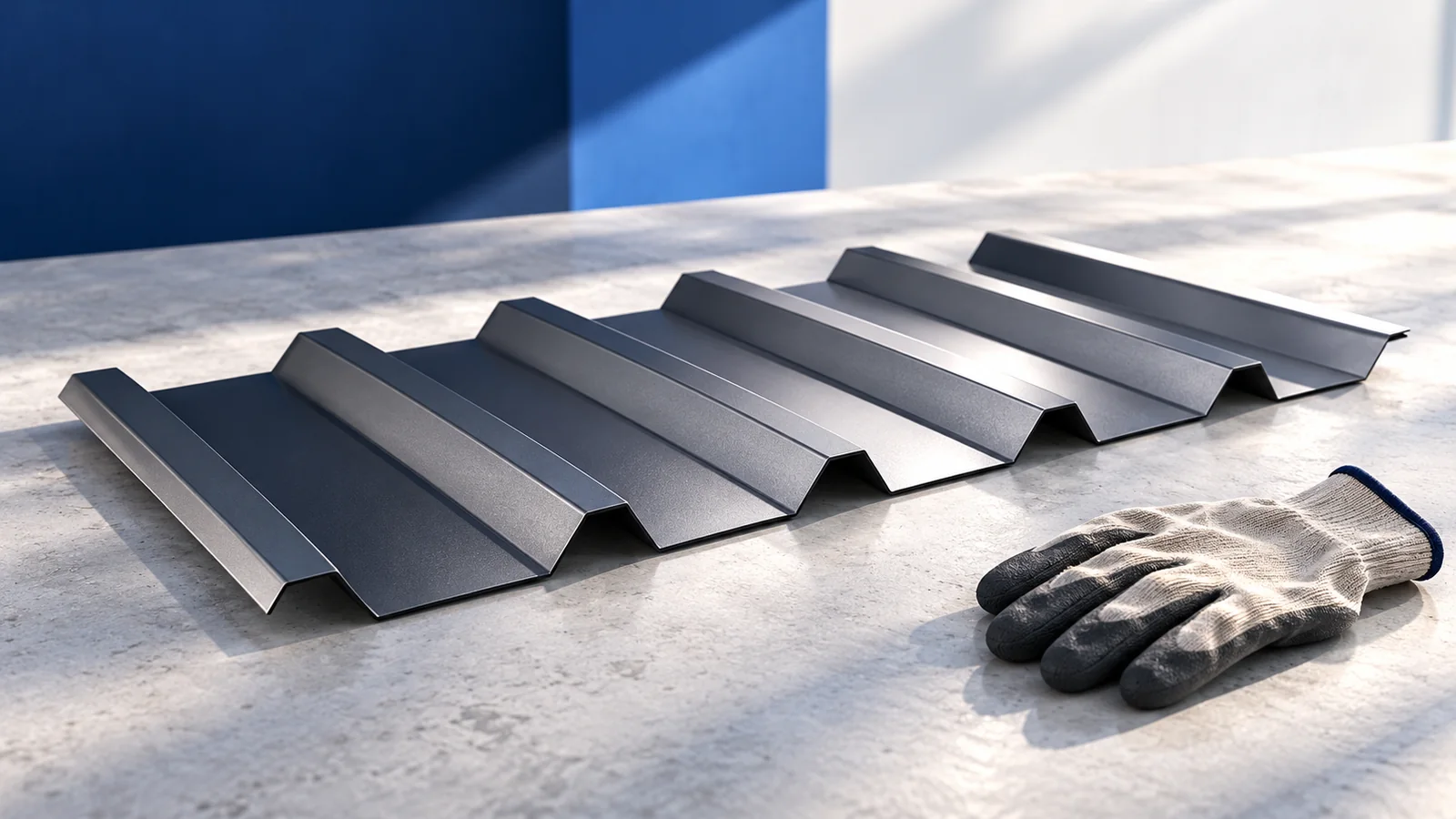
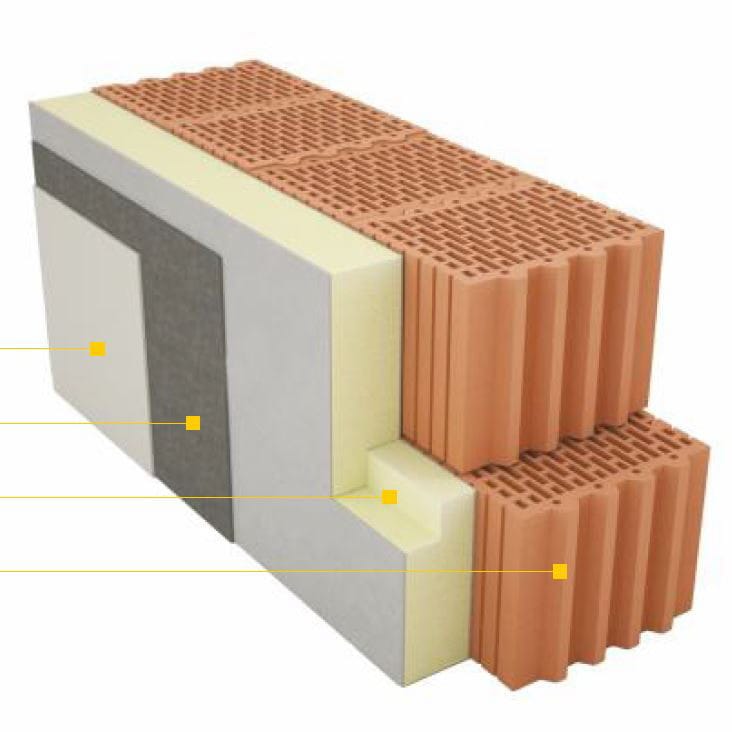
To assess a T35 roof sheet, put its cross-section drawing beside the purlin layout. The ribs are usually about 35 mm high,…
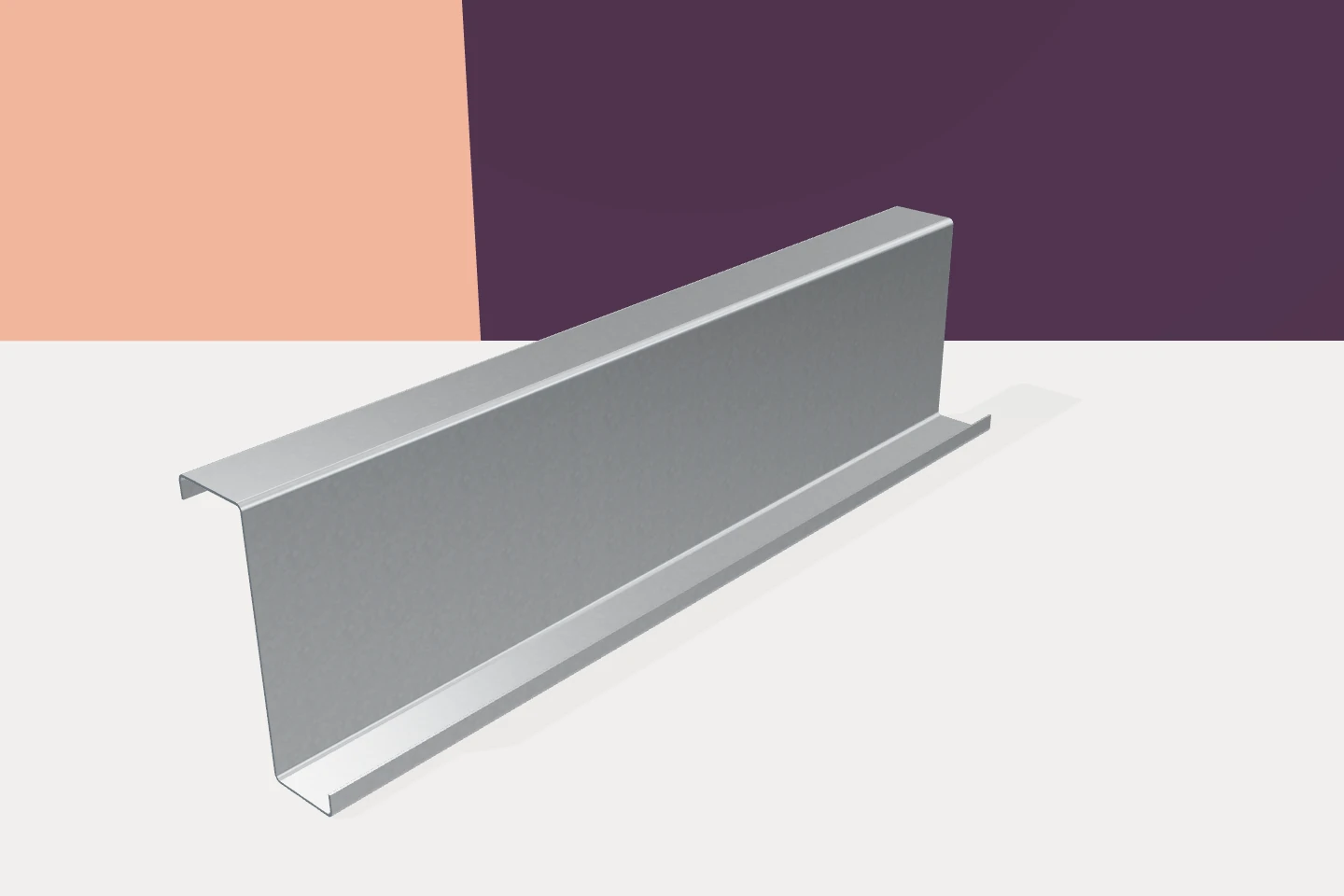
Z purlins are widely used on lightweight industrial roofs. For a sandwich panel roof, the section depth tells only part of the…
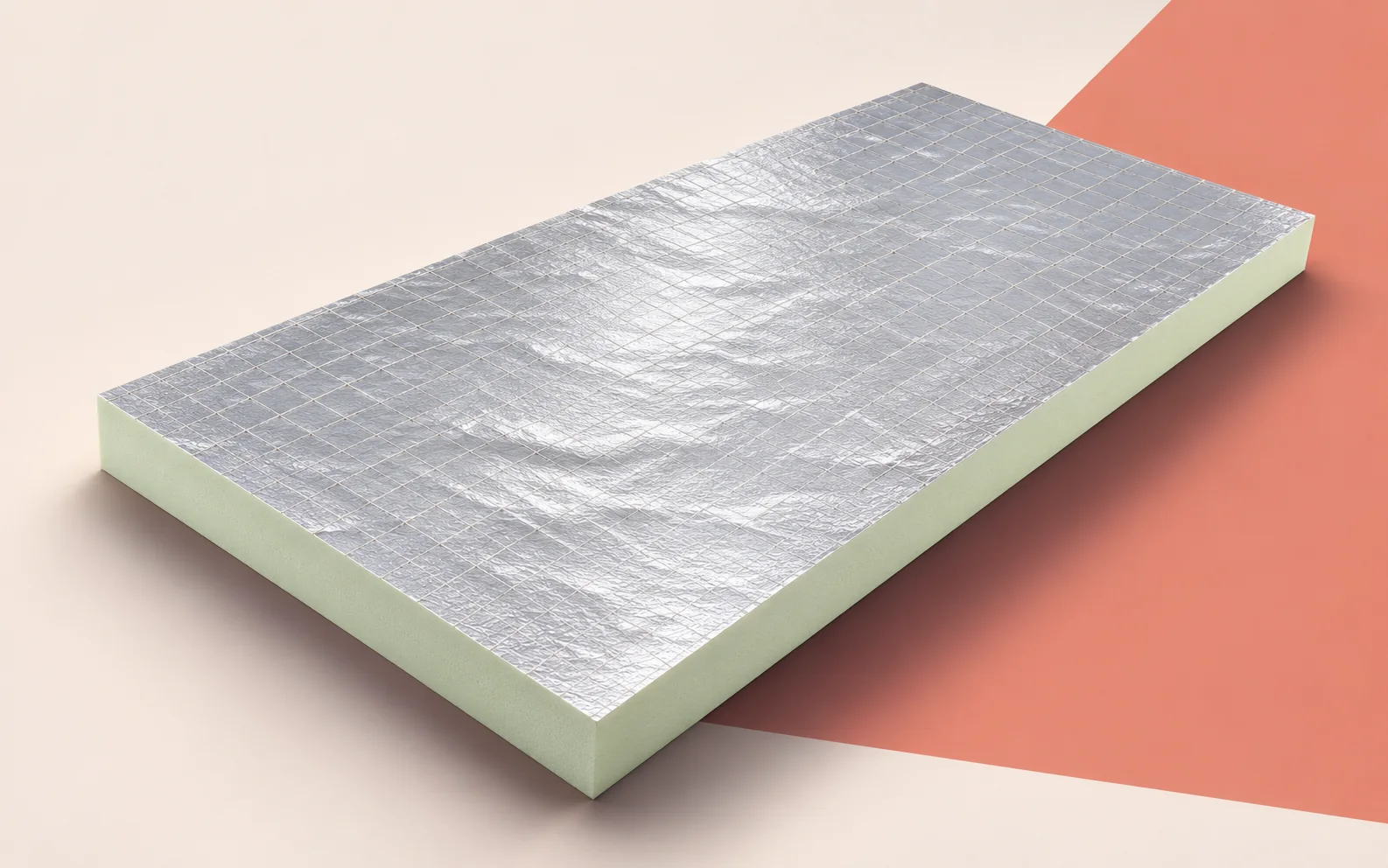
A row of rooflights creates two different tasks for a crew laying Utherm Roof LE on a hall roof. Board size affects…
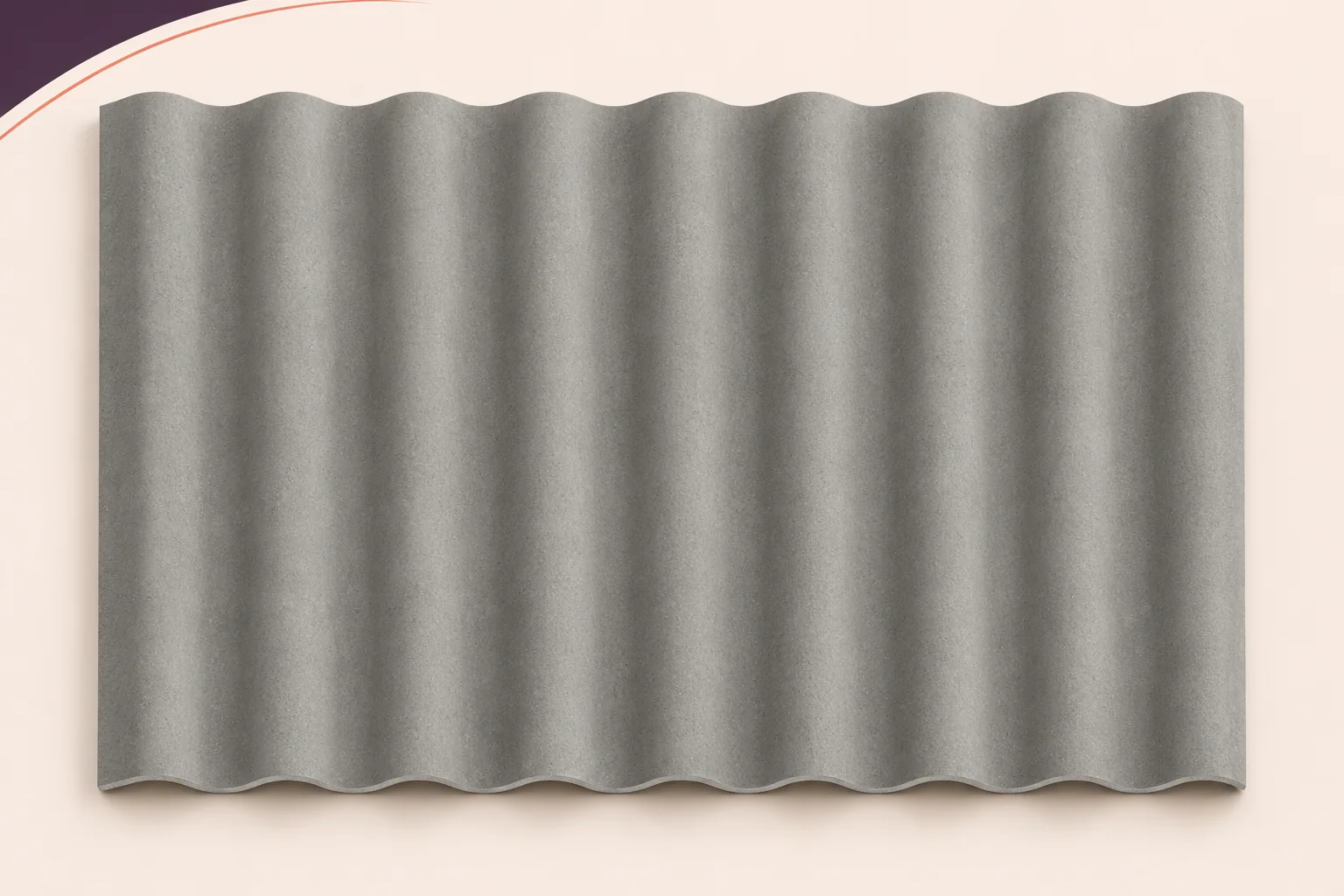
Corrugated fibre-cement sheets and insulated sandwich panels can both roof an industrial building. They provide different parts of the roof assembly. Fibre…
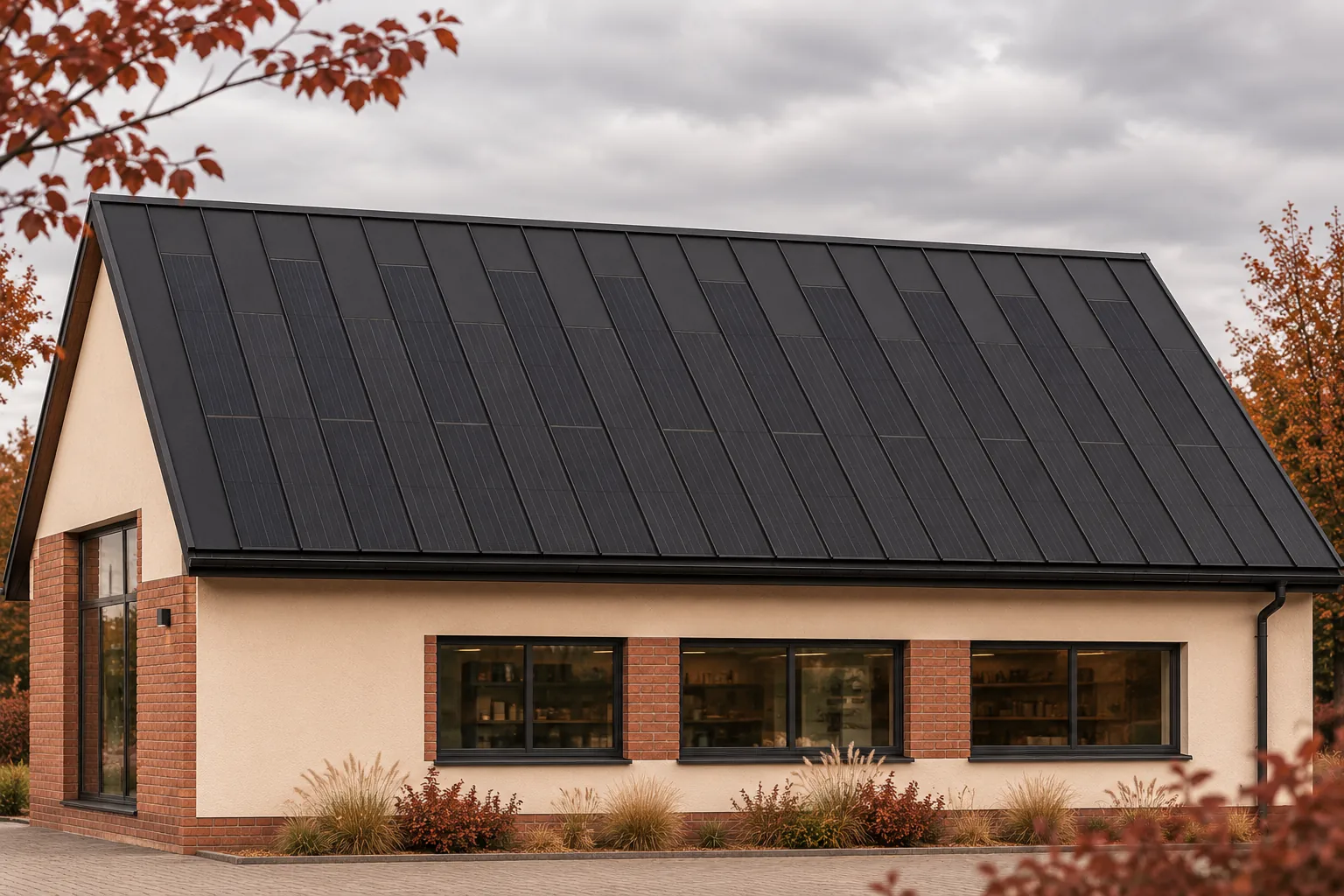
Replacing a roof covering with an integrated photovoltaic roof can disrupt a business. How much depends on the building, the work involved…
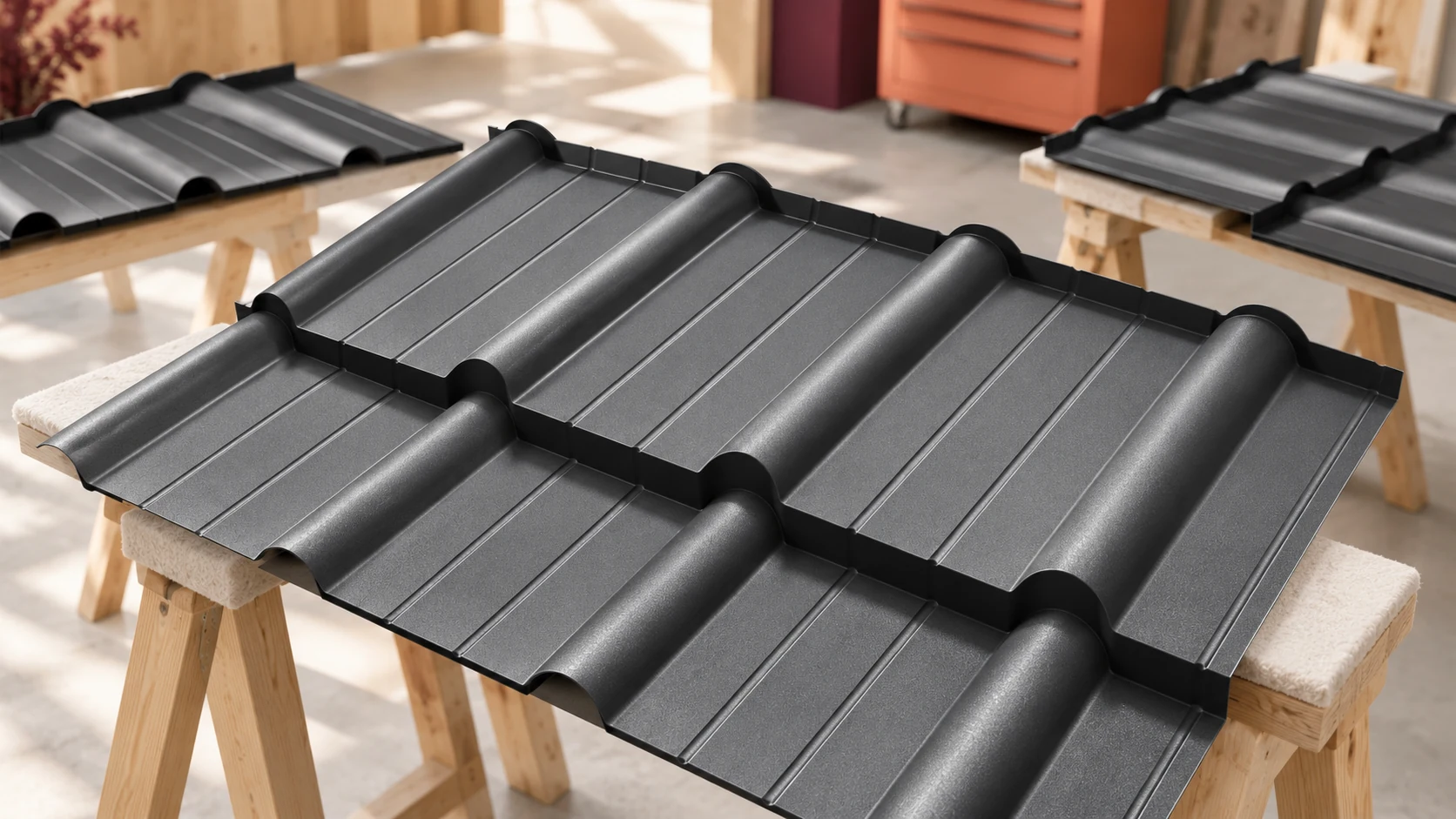
Sheet format affects how a roof is delivered and installed. A long sheet can cover an uninterrupted strip of slope, whereas small…
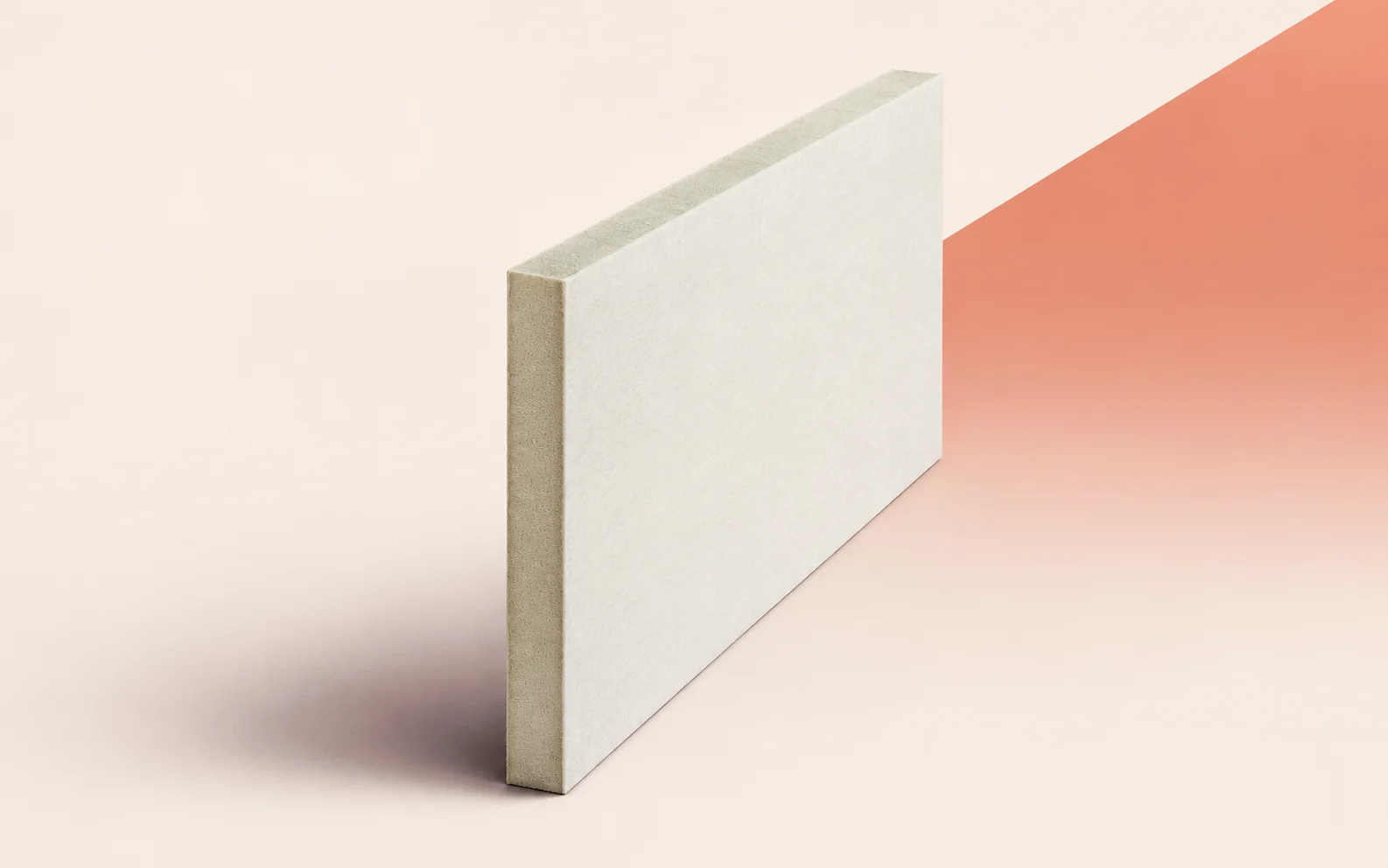
On a hall roof insulated with IKO enertherm MG, plan the end of each day’s work so the roofers can inspect the…
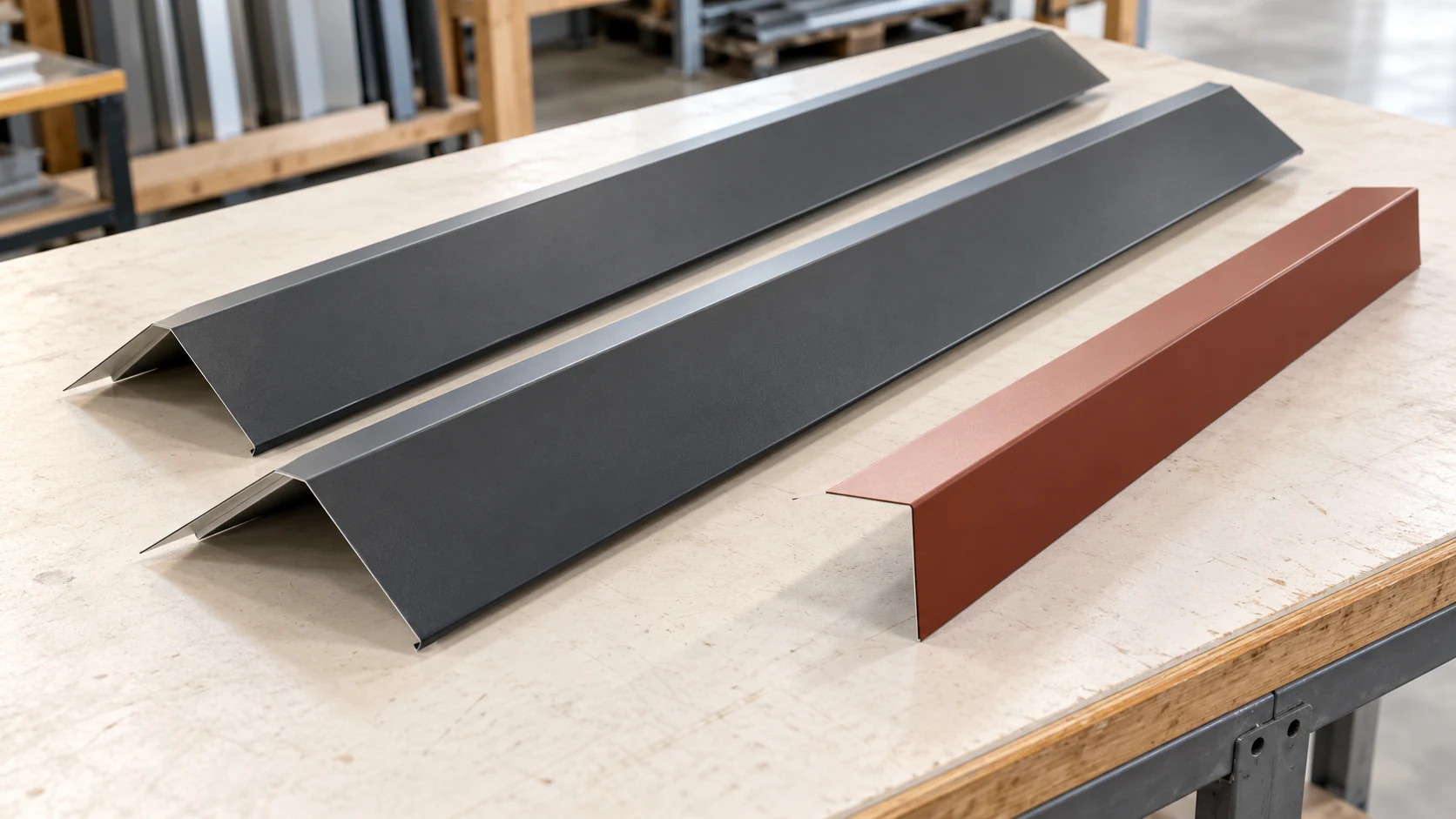
The roof area alone tells you little about how many flashings to order. Mark each eaves, verge, ridge and valley on the…
