






Should you repair the roof or replace the whole covering?
Roof repairs and maintenance
A leaking chimney flashing can often be repaired while the surrounding roof covering still has years of service left. The decision changes if several sheets have rusted through or the fixings have lost their grip. Ask a roofer to trace the water, inspect the supporting layers and identify what must be opened up. Compare the cost of restoring a dry, serviceable roof over the period you expect to use it. Include access and scaffolding in both estimates, especially if loft insulation or solar panels will soon require a second visit.
How do you trace the damage?
Ask when the stain appears. Rain with wind from one direction points the inspection towards exposed junctions, while dampness in cold weather may also be condensation. Inspect the loft and the outside of the roof. Water can travel along a layer before dripping onto the ceiling some distance from where it entered.
Map the extent of the damage. One corroded sheet calls for a different response from holes across an entire slope. Inspect the fasteners, supports and insulation as well. A new covering over a wet or damaged substrate leaves the underlying fault in place. Establish the technical scope before requesting material prices or choosing a colour.
When will a local repair last?
Local work is practical when the cause is clear, the damaged area is accessible and the rest of the covering is sound. A roofer might renew a flashing, remake a lap, touch up damaged coating or replace a single sheet. The repair must shed water reliably and suit the existing material. A bead of sealant on the surface can conceal a defective joint.
Check that the replacement sheet matches the original profile, including the shape of the side lap. Even the same nominal colour can look different beside a weathered coating. Discuss the likely appearance and, on a prominent slope, compare a sample against the existing sheets.
Which signs point to replacement?
Widespread coating failure, perforated steel and leaks in several places can make further patching uneconomic. Check whether the supports will still hold new fixings. If framing has deteriorated or moisture is trapped throughout the assembly, allow for those repairs when specifying the replacement.
Repeated failures at one joint deserve a closer look. Measure the pitch, check the lap and trace the drainage or drying path. If the existing detail directs water back under the sheeting, reproducing it with new sheets will recreate the leak. Include the correction in the specification.
How do insulation and solar plans affect the decision?
Insulating a loft changes the temperature and moisture conditions in the roof. Assess the layers, airtightness and ability to dry. PIR boards can be useful where depth is limited. Locate leaks and check damp timber before the insulation hides surfaces that are currently accessible.
Compare the expected remaining life of the covering with the planned service life of a photovoltaic array. Having to remove and reinstall modules for reroofing adds expense. Check the loadbearing structure and proposed fixing points to determine whether the roof can serve throughout that period.
How can you compare the two estimates?
A repair estimate should include access, fall protection, materials and any exploratory opening. For replacement, add stripping, disposal, substrate repairs, flashings and drainage. Give both contractors the same description of the finished roof so the estimates cover an equivalent result.
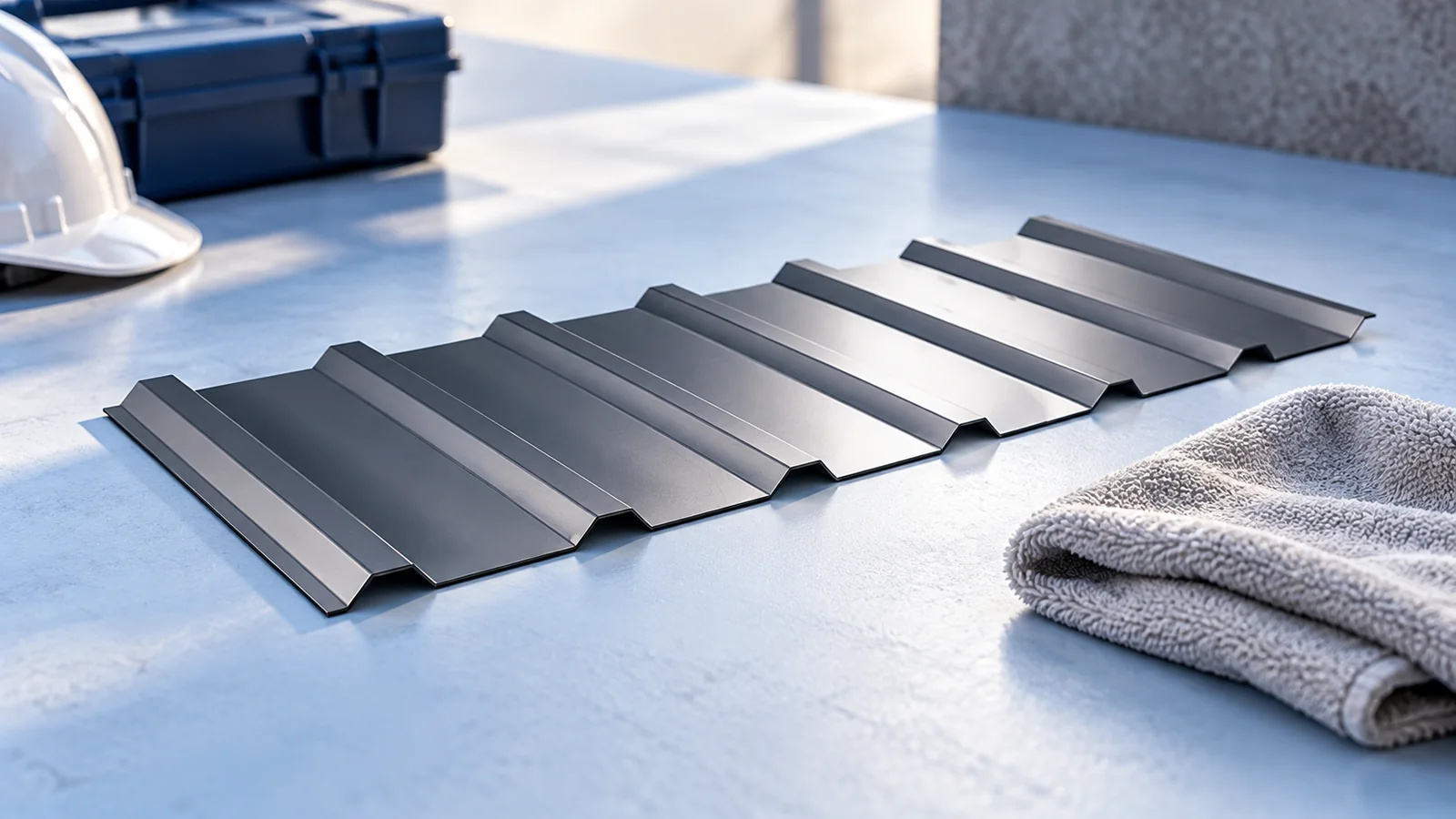
For a new covering, compare T18 and T35 trapezoidal steel sheets with cut-to-length or modular tile-effect sheets against the design. Cutting waste, transport and junction detailing affect the installed cost. Insulated roof panels may also suit a heated commercial building. Each system requires compatible supports and an appropriate installation method.
What should the inspection report tell you?
Request a written inspection report covering causes, repair options and limits of the inspection. Identify urgent temporary protection, the permanent remedy and areas to open up. Assumptions in the estimate should be explicit so that you can assess the likelihood of extra work once the covering is lifted.
Keep the photos and agree when to inspect the repaired area. A targeted repair makes sense where you can judge the condition of the remaining roof with confidence. Renewal can address extensive wear or provide access to rebuild damaged layers. The cause, extent and future use of the building carry more weight than the age of the covering or the size of a ceiling stain alone.

Free quote
What to include in your enquiry
Tell us how you plan to use the material, the dimensions and the quantity you need. Include the thickness, grade or variant name, along with the delivery town or your preferred collection branch. For a specific product, add its name or a link to the product page. We will reply to the email address you provide to discuss availability and the terms of your order.
Read next
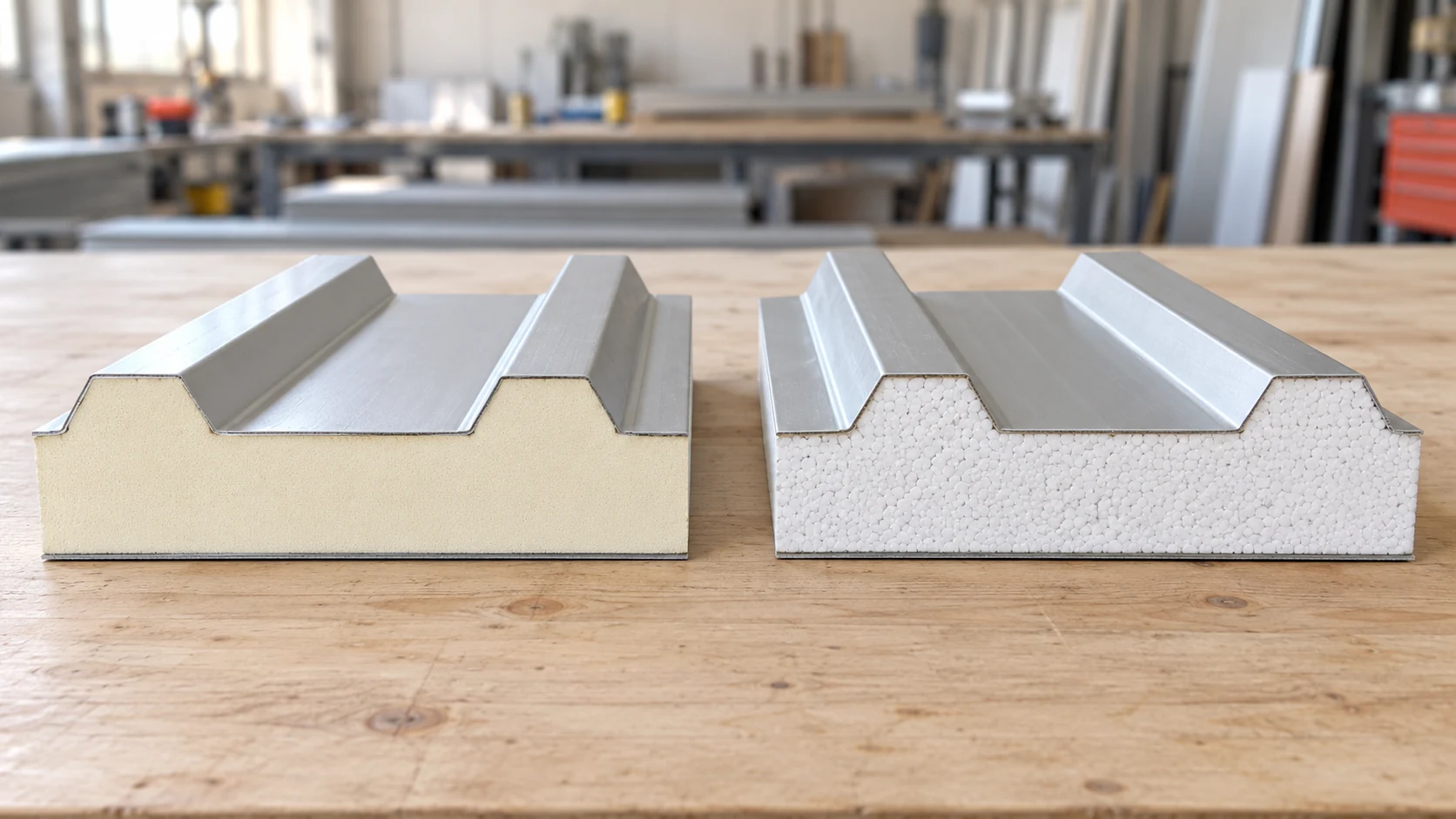
Compare PIR and EPS roof panels against the same design brief. Set the required U-value, loads, fire performance and exposure conditions, then…
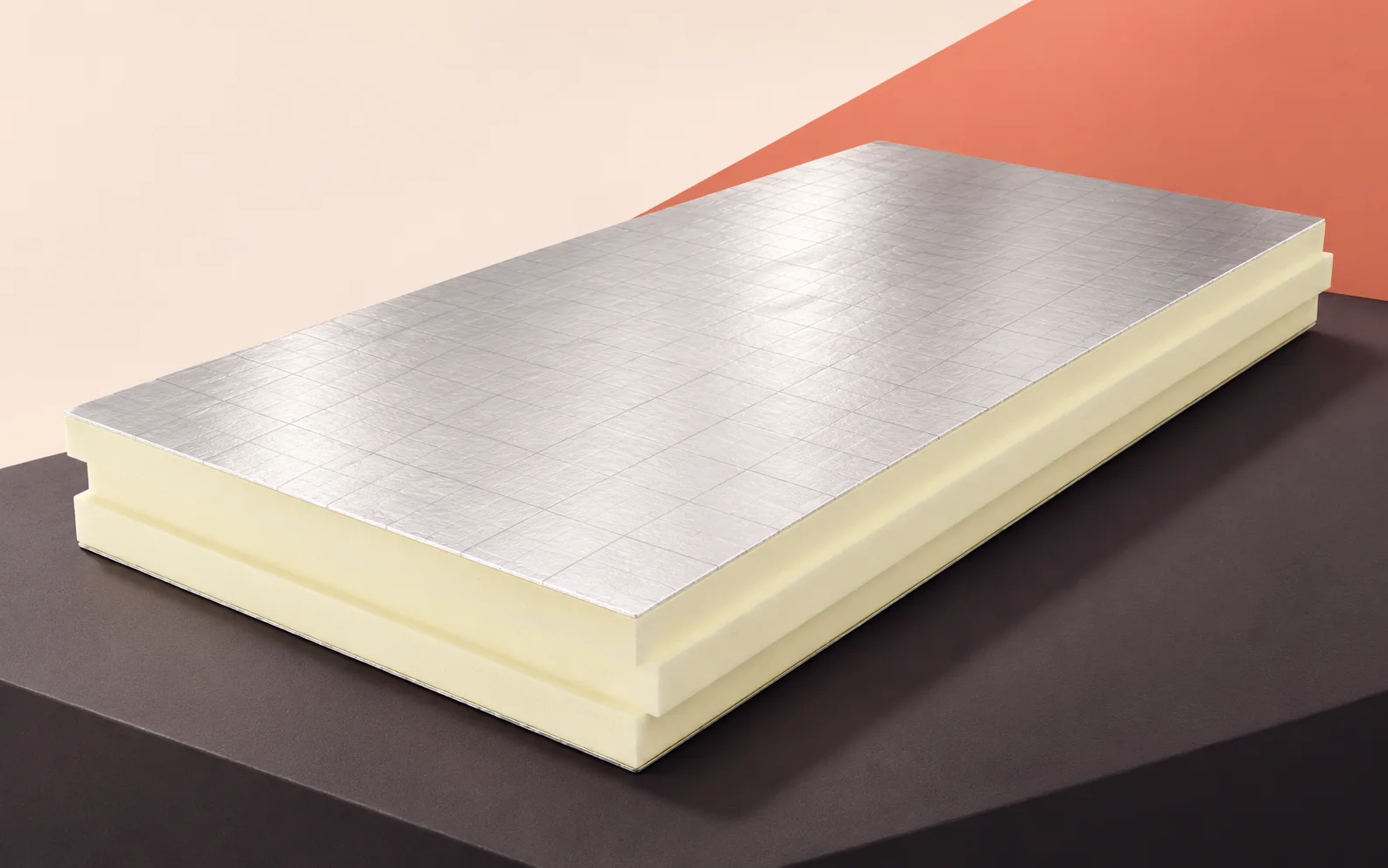
On a flat industrial roof, design the insulation, waterproofing, outlets and rooftop plant together. PIR boards can reduce the thickness and weight…
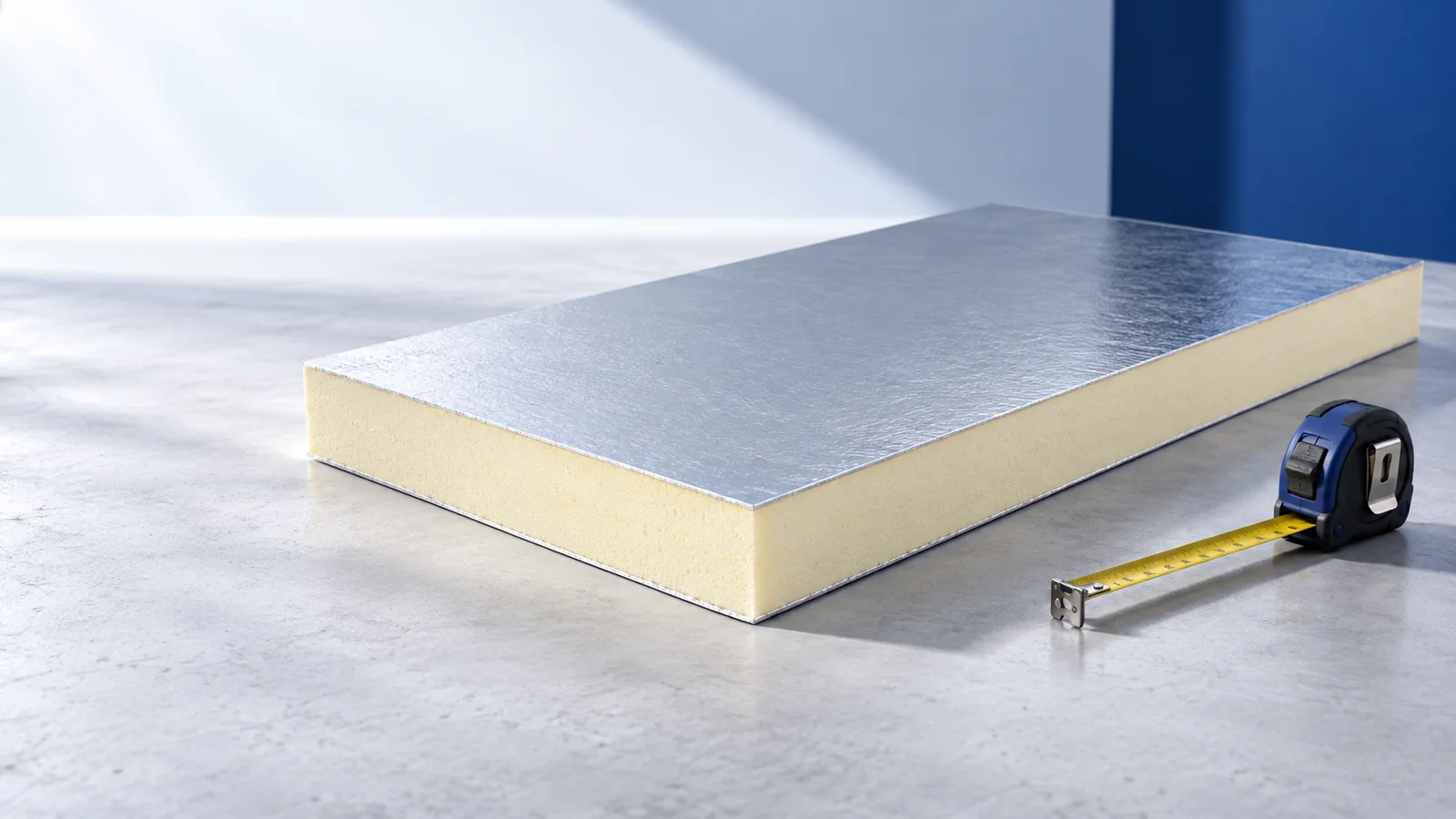
Trace the boundary of the heated rooms on a section through the building. For an unheated loft it may run across the…
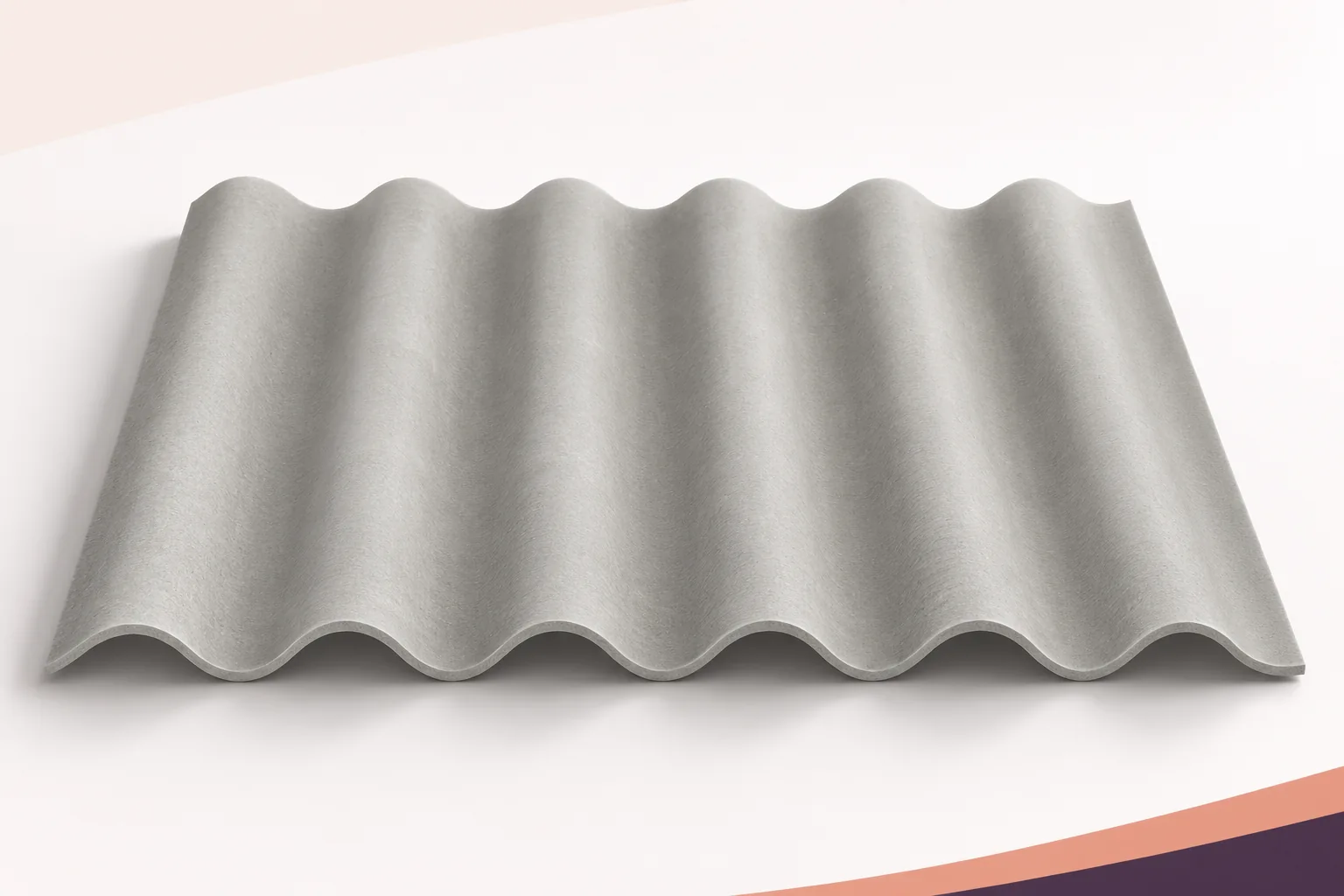
An industrial building’s envelope must keep out the weather and maintain the conditions required inside. Corrugated fibre cement sheets can form the…
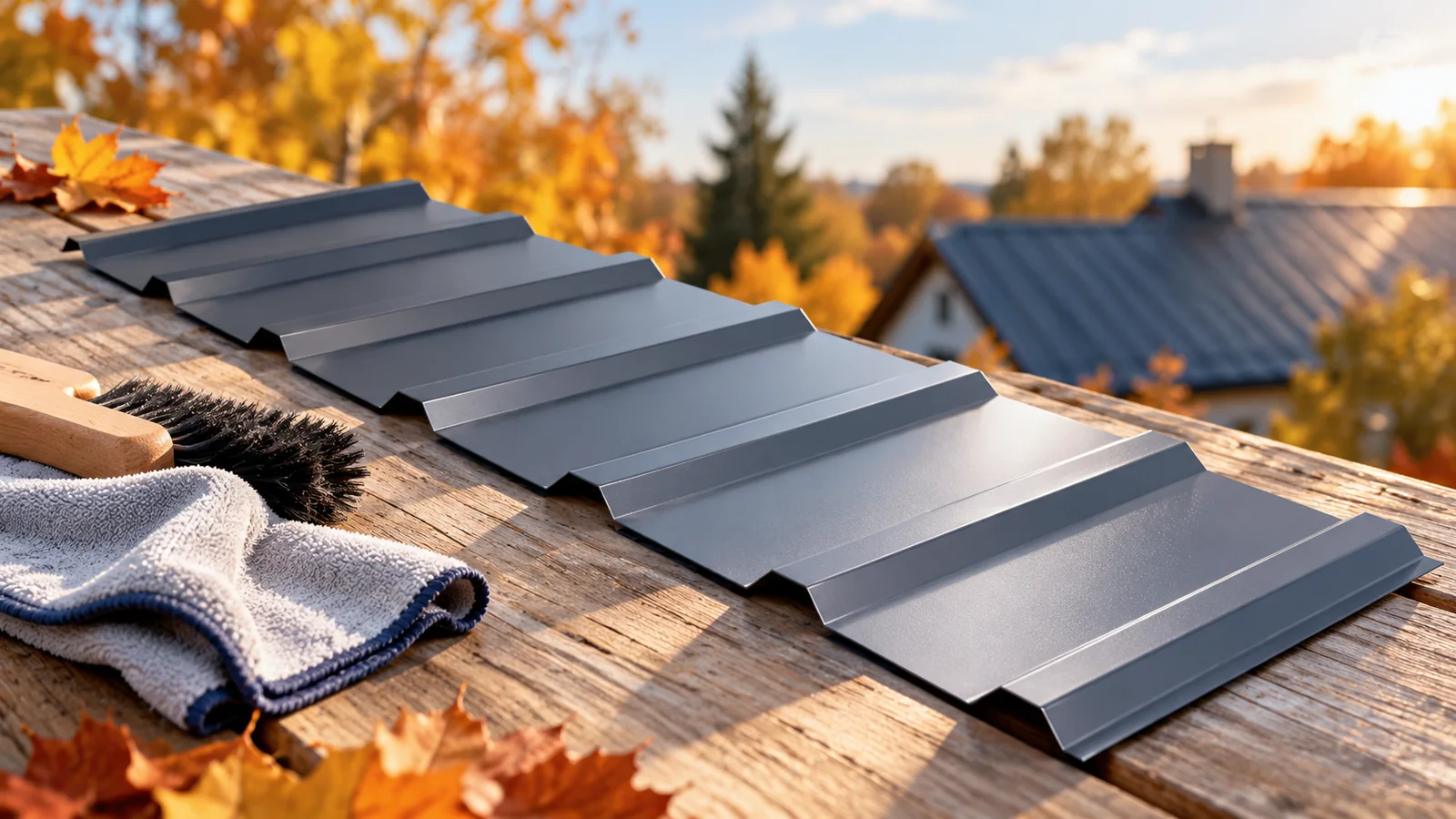
Start the autumn roof inspection from the ground and the loft. Look for overflow marks beneath gutters, displaced flashings and damp patches…
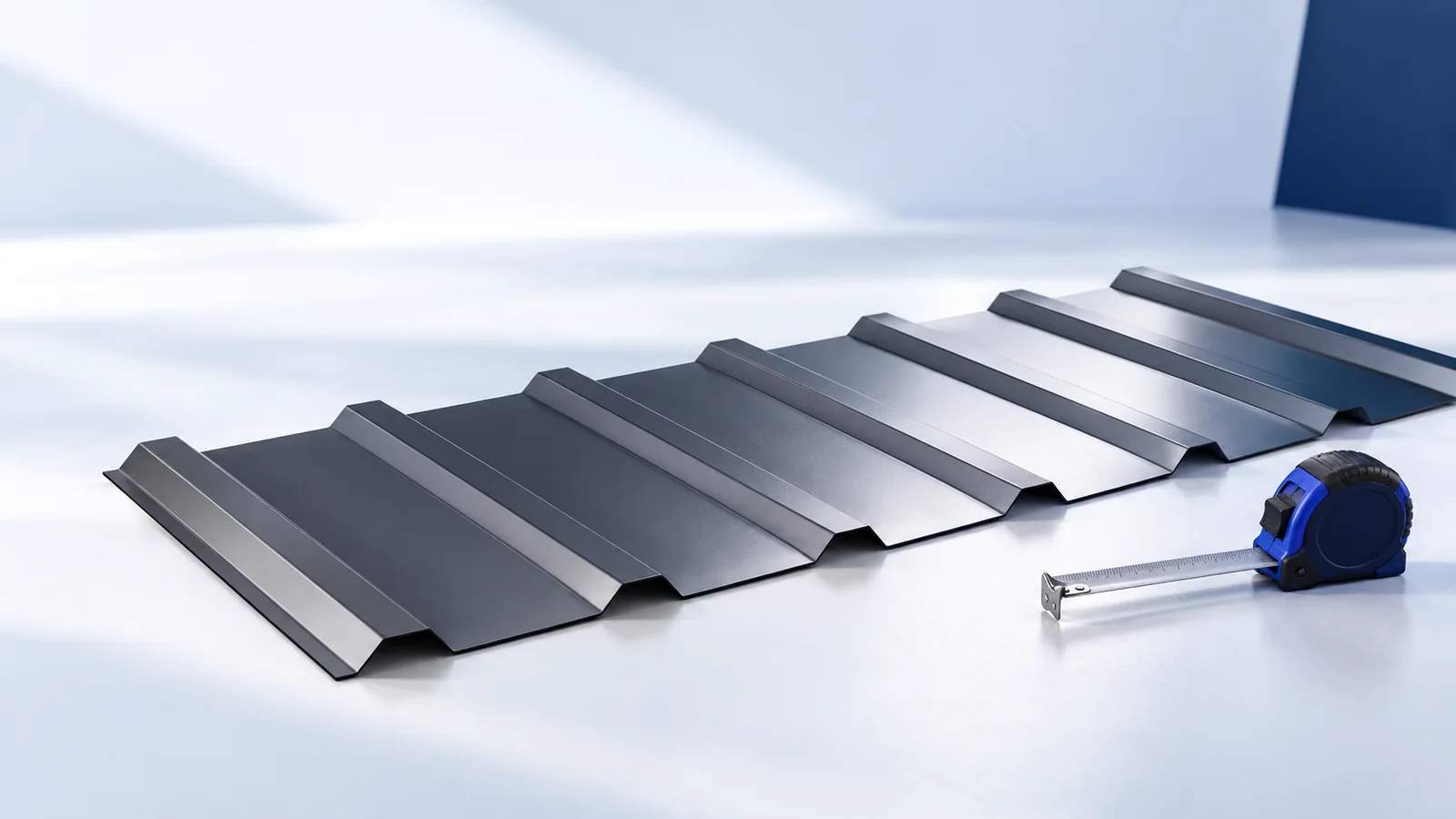
Check the roof while the parts that keep it dry are still visible. Start with the bearing lines and the fixing schedule…
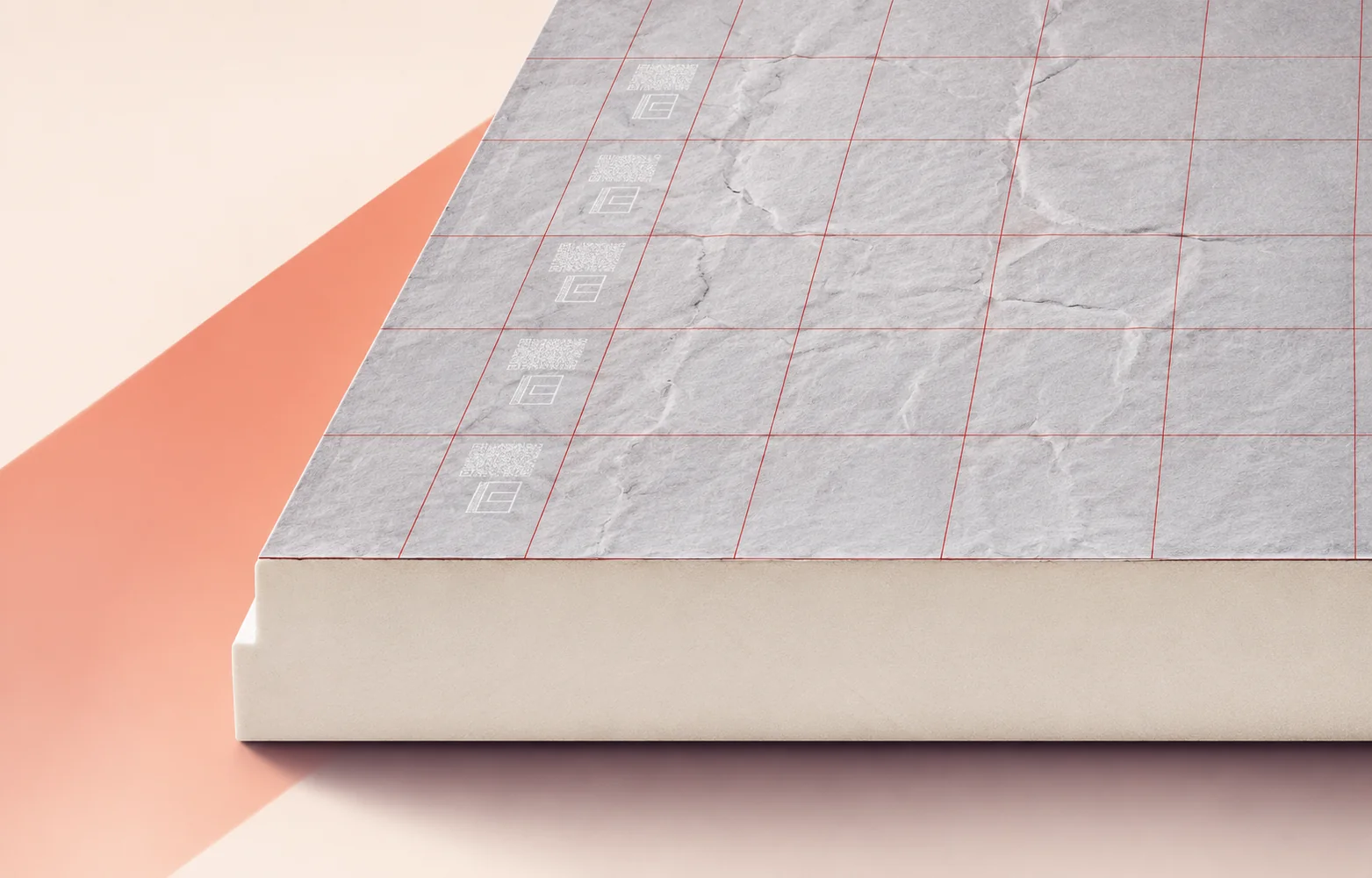
Three dimensions matter when ordering Thermano Deck for an industrial roof: insulation thickness, effective board cover and the distance between details that…
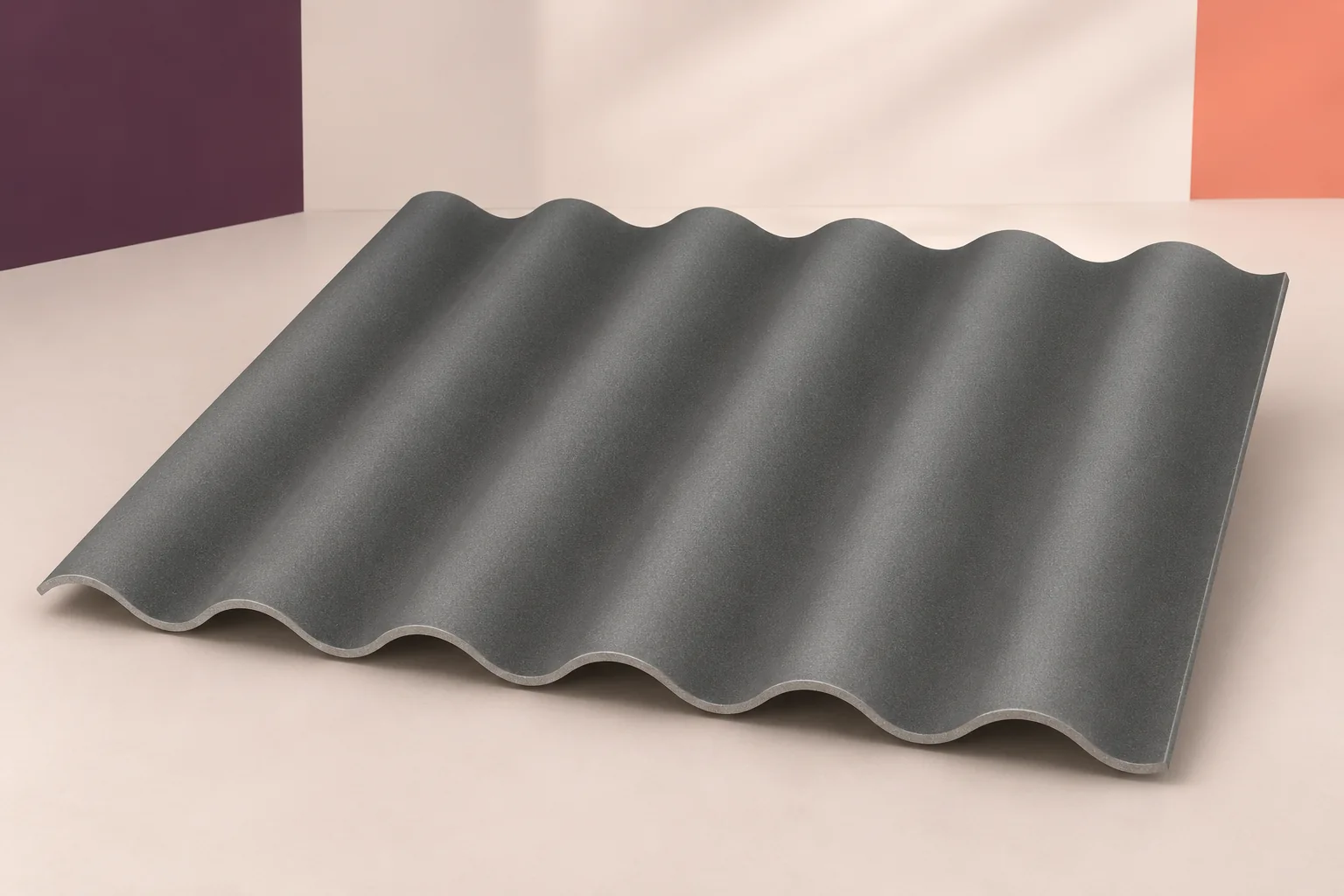
Installing photovoltaics changes the loads on an industrial roof. Before choosing a mounting system, have the sheets, purlins, fixings and primary structure…
