






Fibre-cement roofing for an unheated warehouse
Fibre-cement roofing
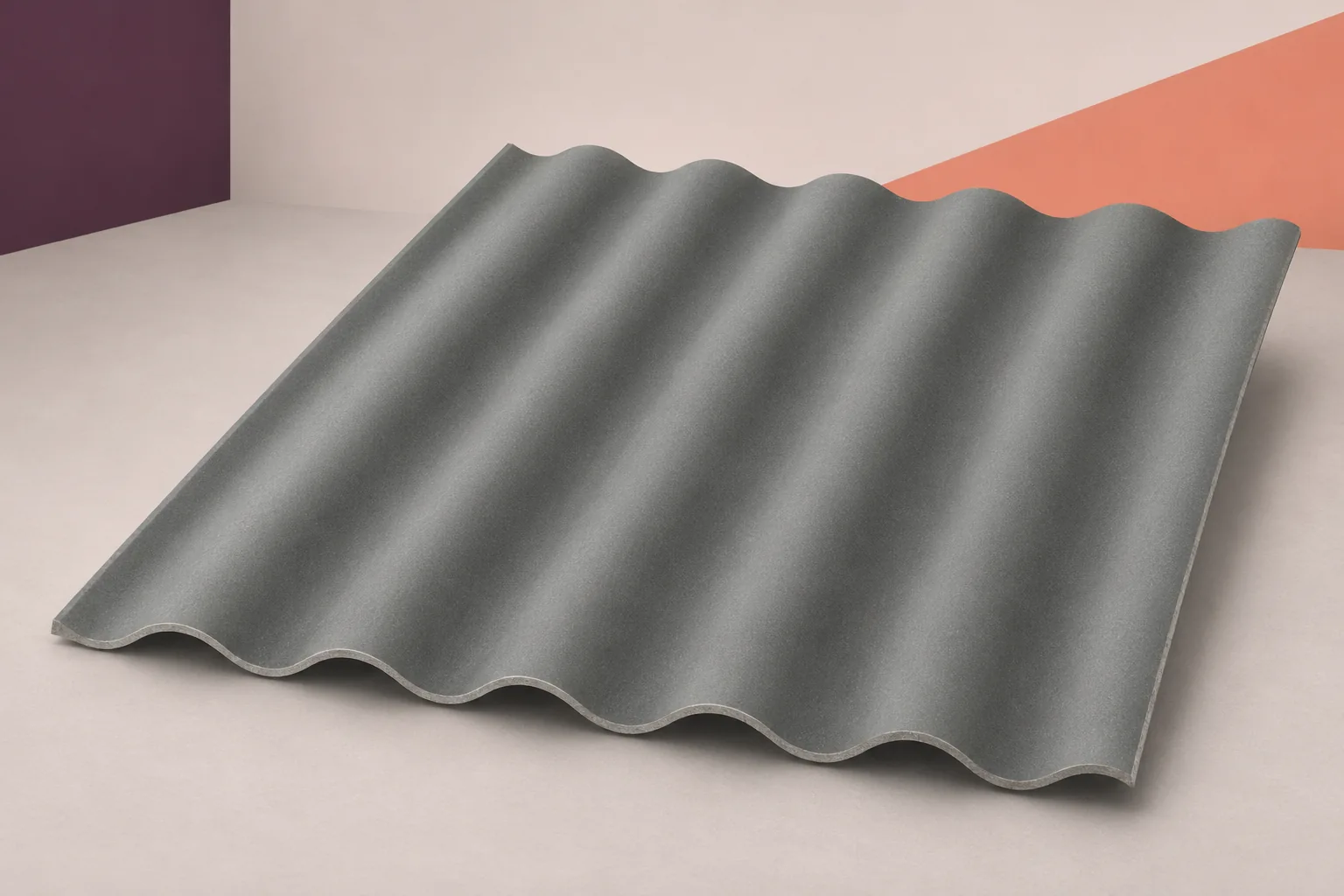
An unheated warehouse needs a roof that protects its stock from rain and stands up to the weather. Corrugated fibre cement can provide the outer covering. Its suitability depends on the structure, moisture levels and the sensitivity of the goods. Goods that tolerate brief wetting have different storage requirements from cardboard, paper or precision instruments. Establish the permissible conditions and how deliveries are packaged. A correctly installed fibre-cement roof keeps out rain. Controlling the humidity inside the building also requires suitable ventilation and operating practices, even where there is no heating.
In this guide
Start with the goods in storage
Check how much moisture arrives with deliveries, vehicles and the materials themselves. The choice of roof alone cannot establish the storage climate. Particularly sensitive stock may need additional protection regardless of whether the warehouse is heated.
Condensation can occur without heating
Roof and air temperatures vary throughout the day. Water vapour can condense on cooler surfaces. Fibre cement can temporarily absorb some moisture, yet droplets can still form. Assess the actual air exchange before closing openings against wind-driven rain. Record whether wet patches follow rainfall or appear in dry weather. A leak and condensation have different causes and require different repairs.
Coordinate ventilation with the warehouse layout
Design the airflow for the storage conditions. Open doors provide an intermittent air change, and racks or stockpiles can obstruct planned flow paths. Identify inlets, outlets and areas that need monitoring. Keep a ventilating ridge open as designed and provide weather protection appropriate to the building’s exposure. Resolve these two functions together.
Large doors affect loads and airflow
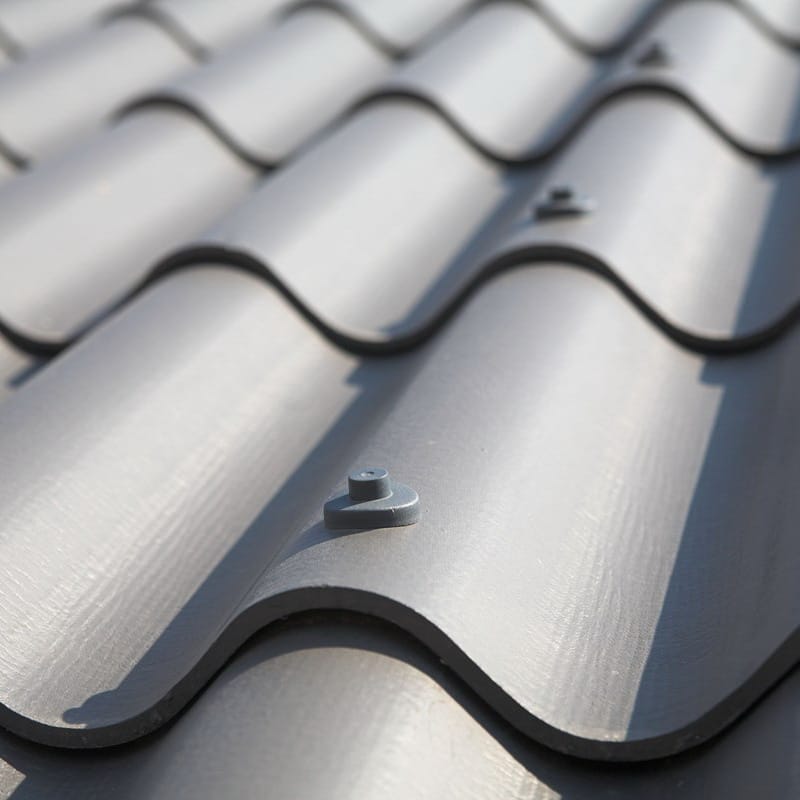
Tell the structural designer how often large doors stay open during operations. Openings affect wind loads and air exchange. Fibre-cement sheets need supports and fixings designed for these conditions, with a separate assessment of edge zones where necessary. A fixing layout from a smaller enclosed building may be unsuitable. Review the assumptions if the operating pattern changes after handover.
Plan daylight around goods and traffic
Position rooflights for the aisles and tasks while limiting direct sunlight on sensitive goods. A rooflight that matches the corrugation still needs compatible supports, fixings and weather seals. Treat translucent panels separately in the maintenance plan. A matching profile gives no assurance that a panel can carry a person or equipment.
Protect stock during repairs
Plan to cordon off the area below a damaged sheet and move stock safely. Local replacement can require adjacent connections to be opened. Keep the sheet profile, fitting and fastener details and delivery dates. Check that high fixed racks leave enough room for access equipment. Otherwise a small repair could interrupt work across the warehouse.
Monitor the first period of use
Inspect the eaves, ridge and penetrations from safe positions without walking directly on the sheets. Note the weather and operating conditions when damp marks appear. Actual storage or ventilation may differ from the design assumptions even where the roof is sound. Check drainage as well. A blocked gutter and moisture condensing below a roof slope call for different action.
Specify the stock, moisture sources and normal door operation before choosing a roof. Use those conditions to plan the covering, ventilation and maintenance access.

Free quote
What to include in your enquiry
Tell us how you plan to use the material, the dimensions and the quantity you need. Include the thickness, grade or variant name, along with the delivery town or your preferred collection branch. For a specific product, add its name or a link to the product page. We will reply to the email address you provide to discuss availability and the terms of your order.
Read next
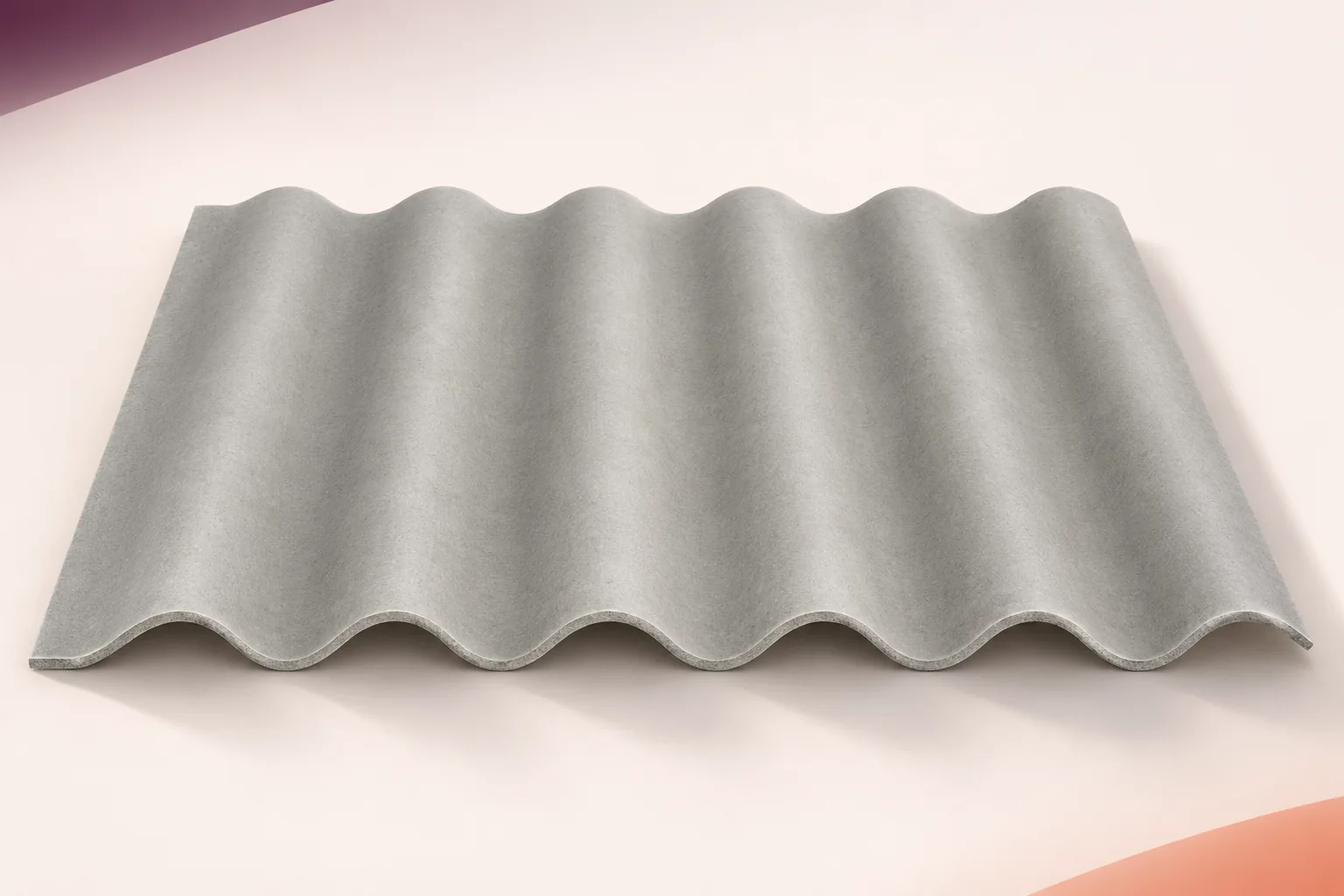
Daylight can improve working conditions in an industrial building if it reaches the right places. Lay out the rooflights in relation to…
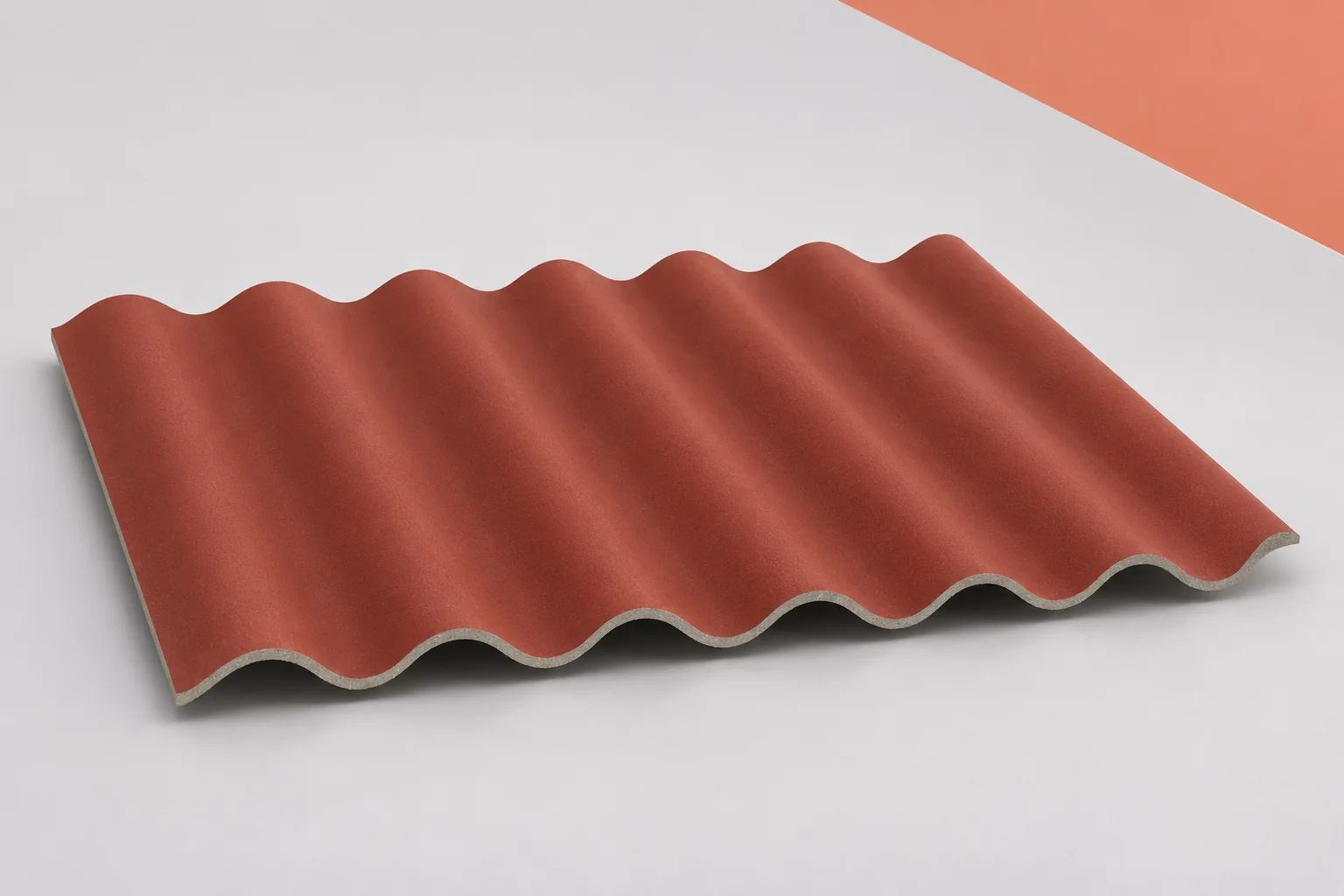
Wind forces vary across a large roof. The corners, edges, height of the building and openings in its walls all influence the…
A factory roof is exposed to conditions set by the production process as well as by the weather. Temperature, steam, dust and…
A roof sheet’s reaction-to-fire classification describes a particular product. Assess the fire resistance of the roof assembly separately, taking account of the…
Corrugated fibre-cement sheets and insulated sandwich panels can both roof an industrial building. They provide different parts of the roof assembly. Fibre…
Fibre-cement sheets do not rust like steel. An industrial roof still contains metal fixings, flashings and structural members whose durability may govern…
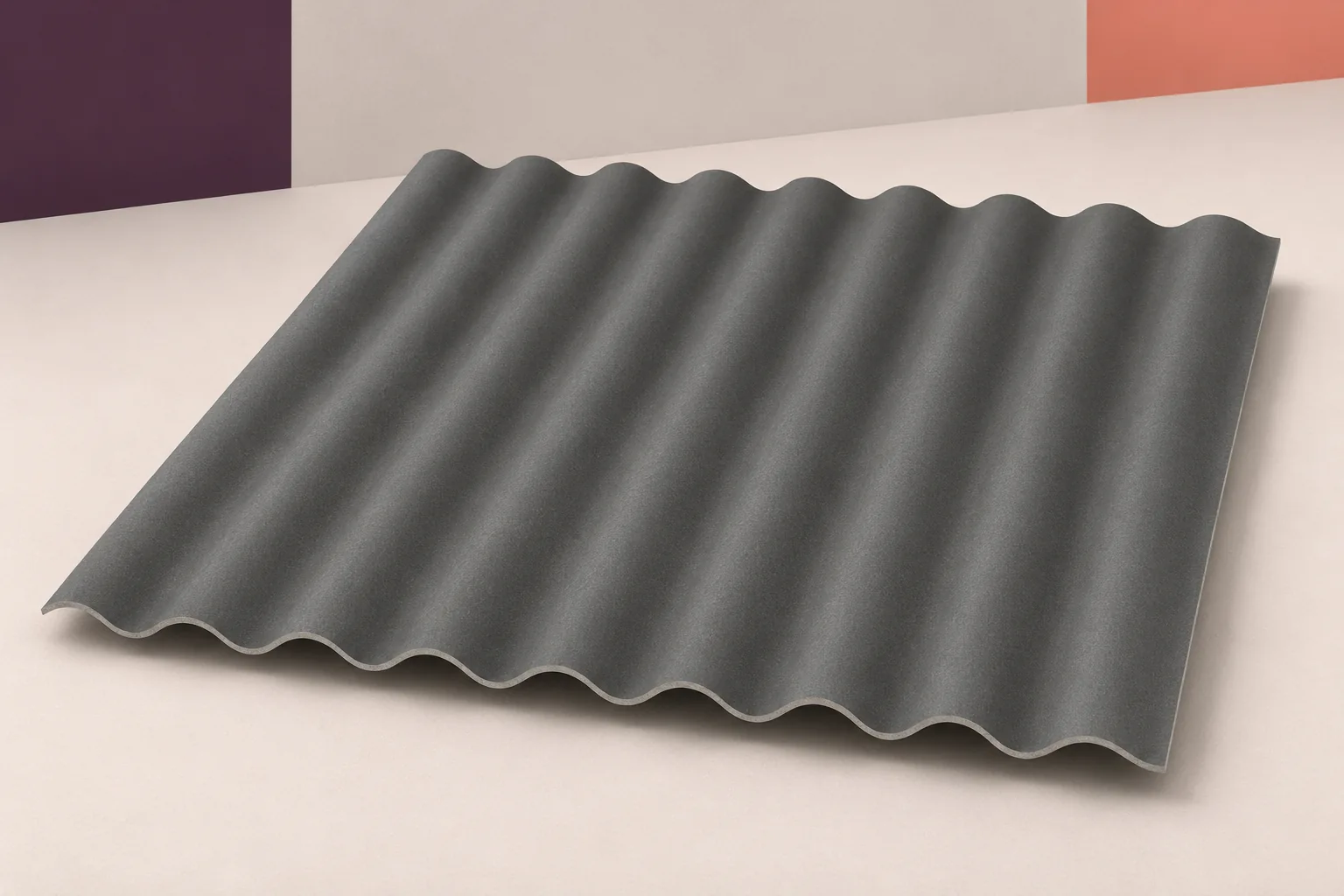
When steel purlins support corrugated fibre-cement roofing, design the sheets, fasteners and steelwork together. Check the design loads, distances between supports and…
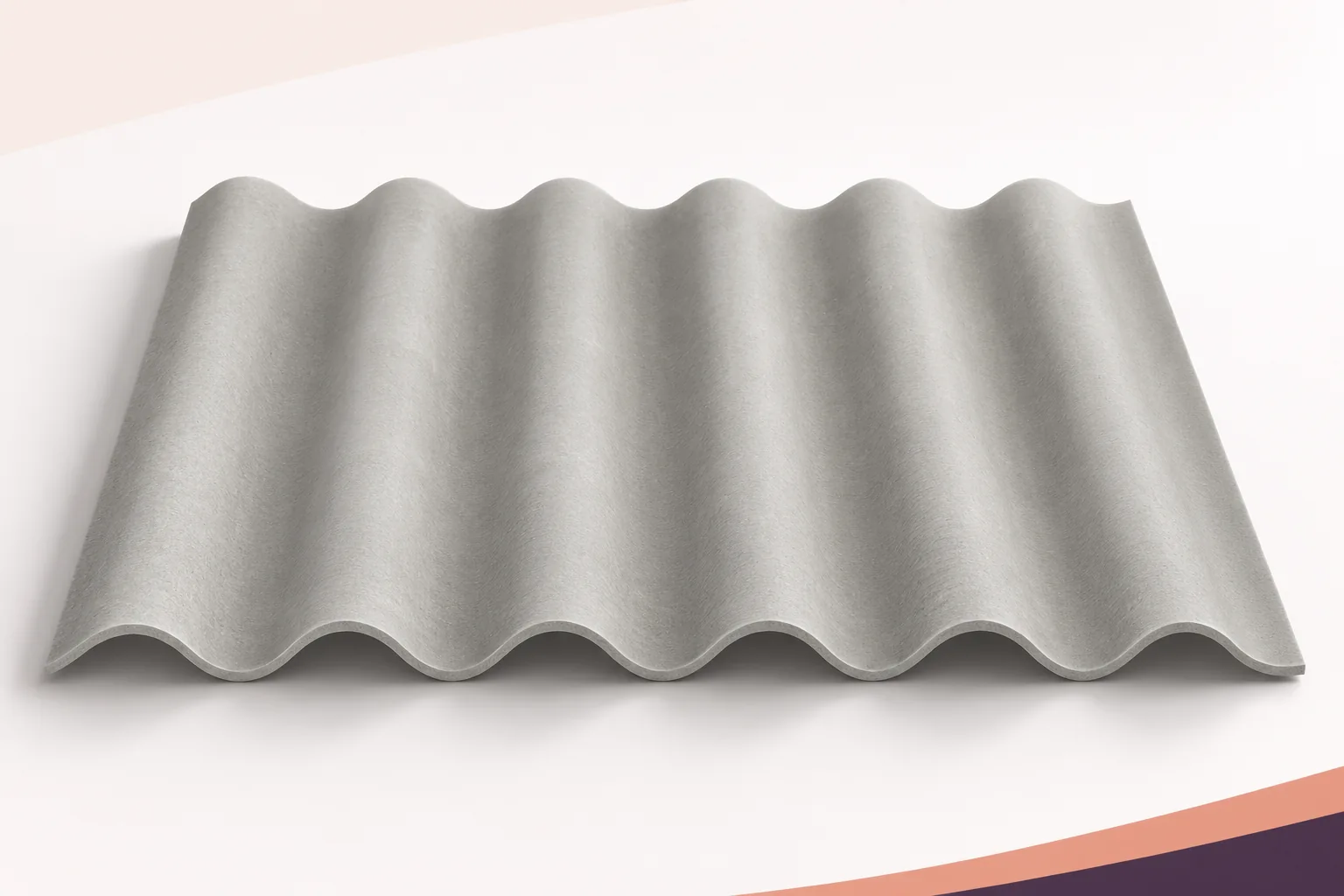
An industrial building’s envelope must keep out the weather and maintain the conditions required inside. Corrugated fibre cement sheets can form the…
