Panels · Sheet metal · Insulation · Accessories

Buying PIR boards for a large project: specification, deliveries and batch checks

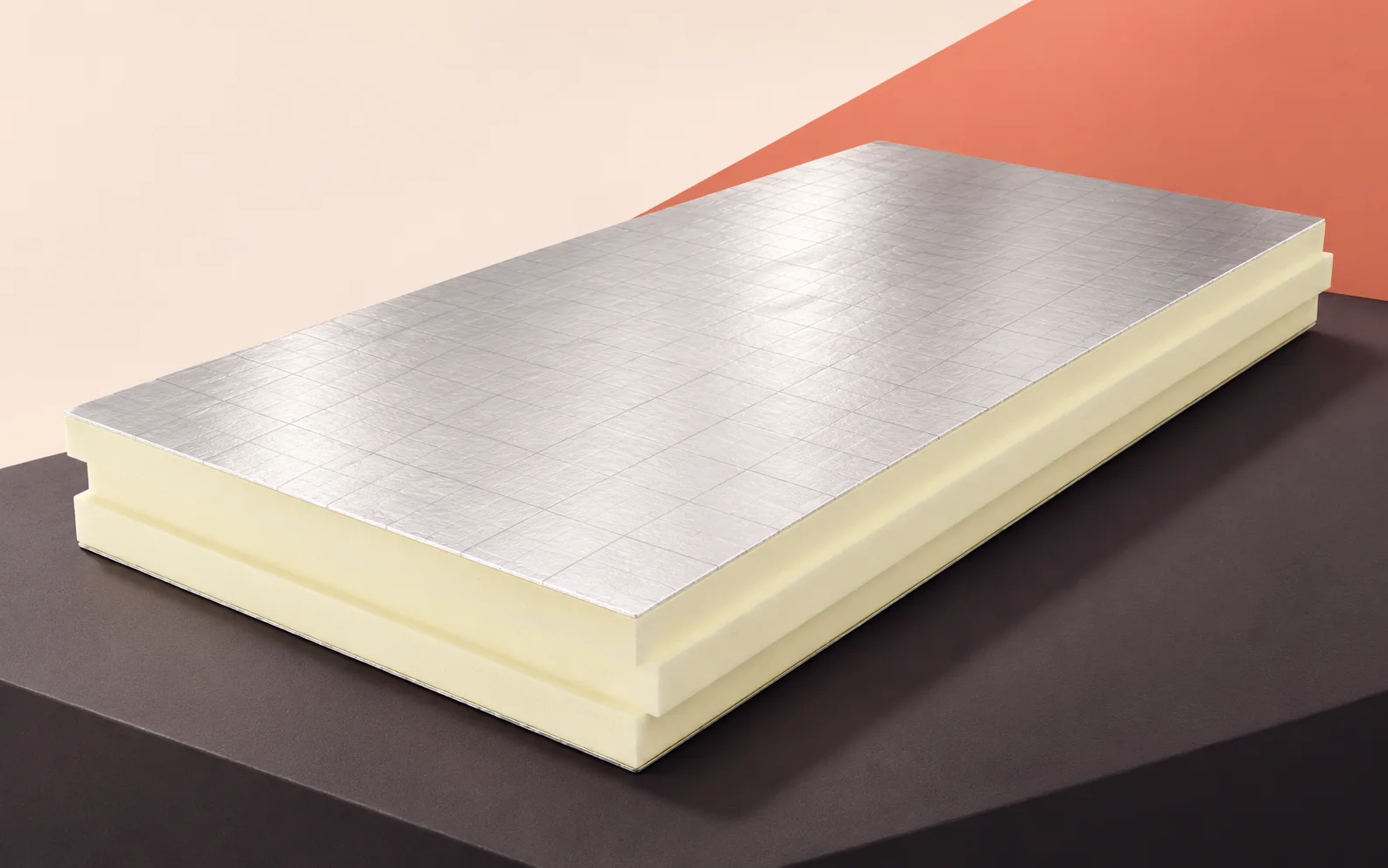
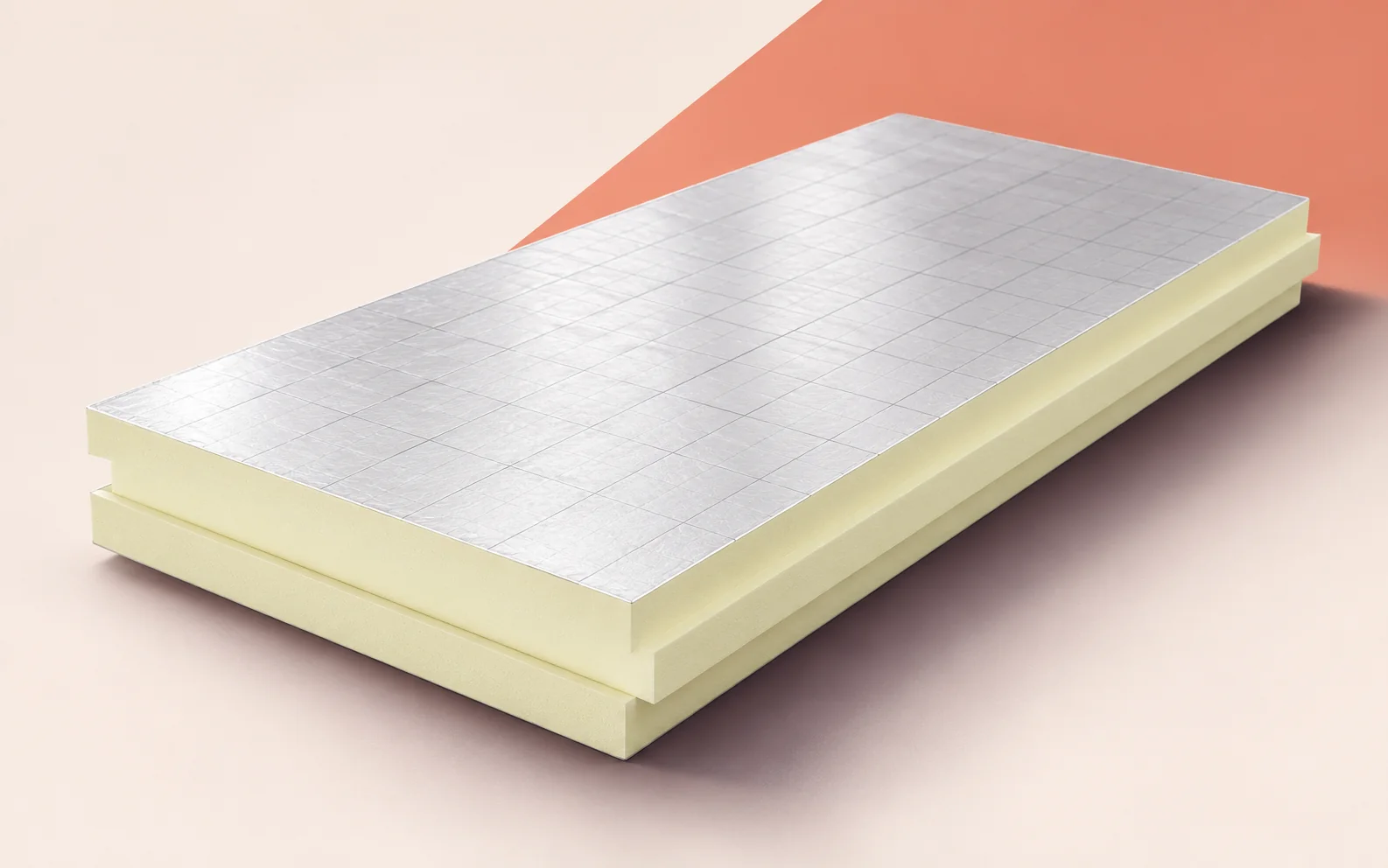
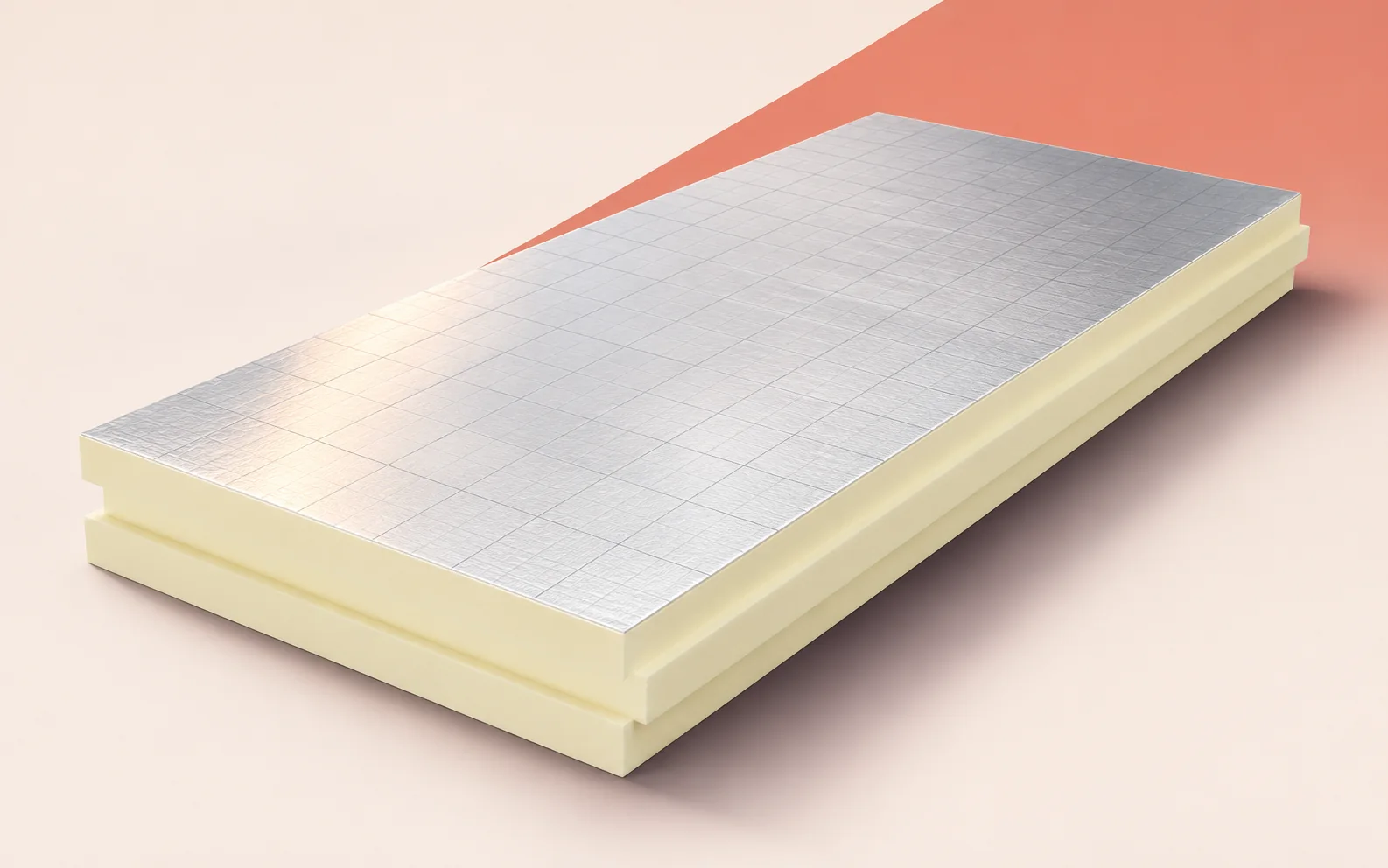
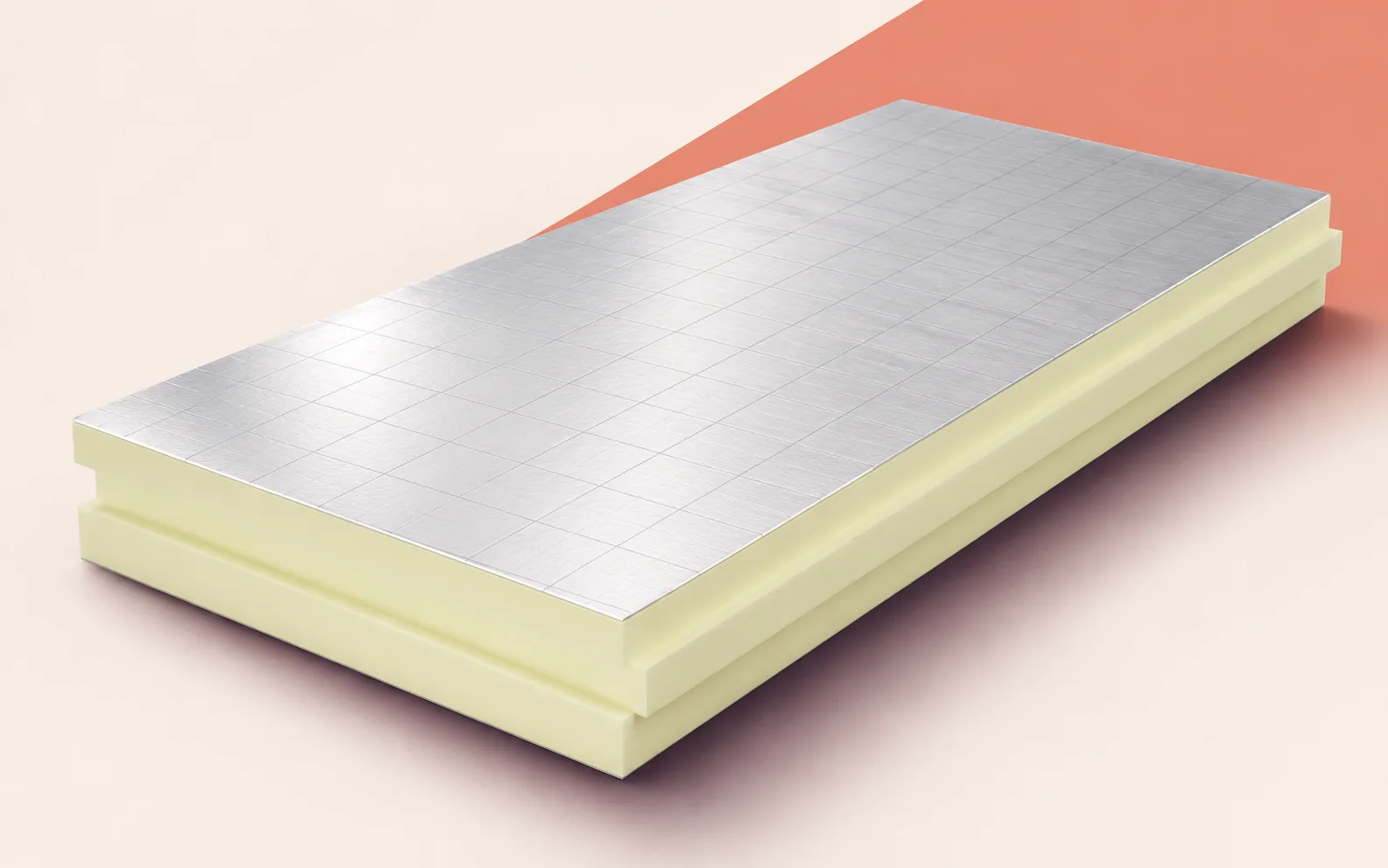
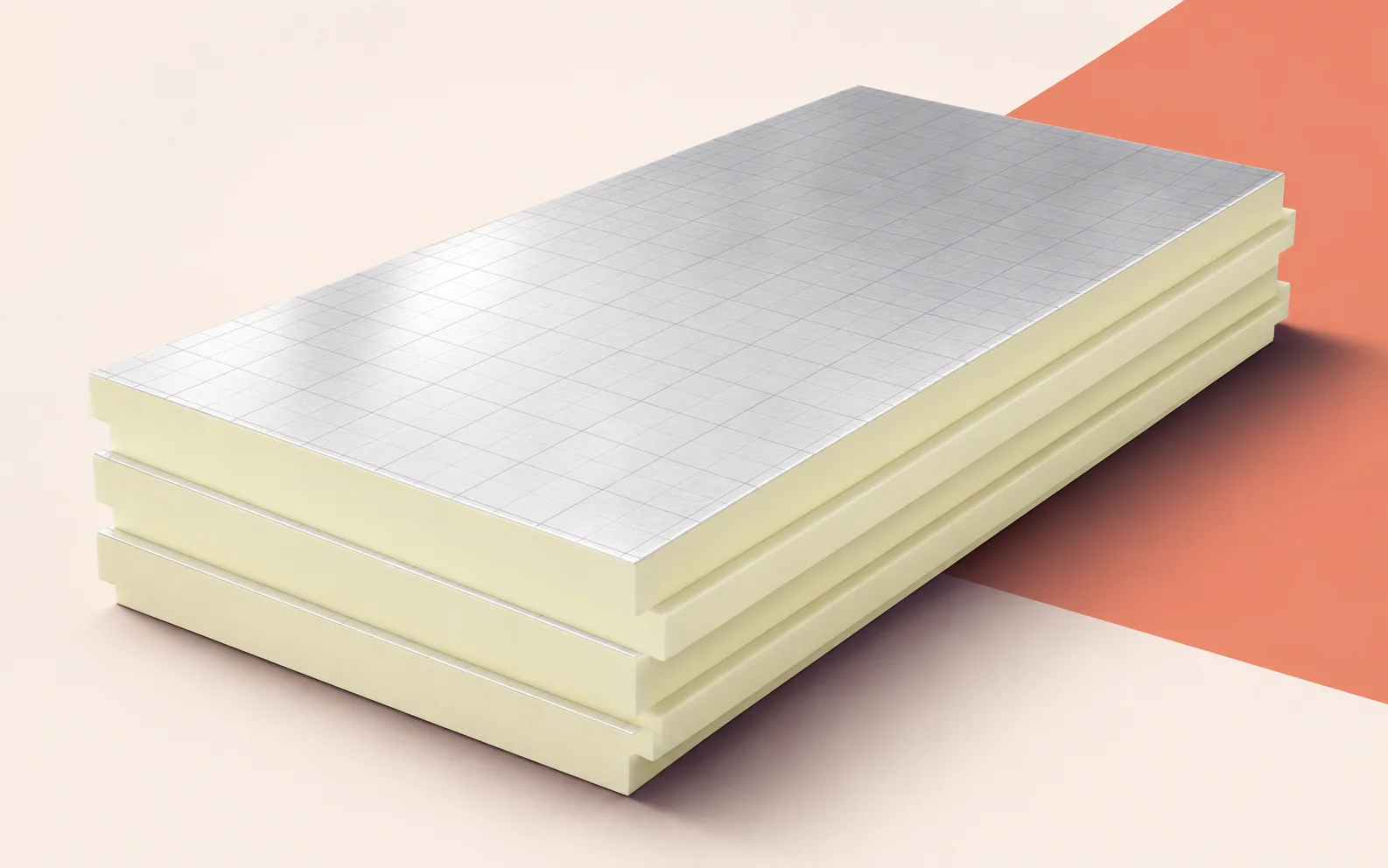
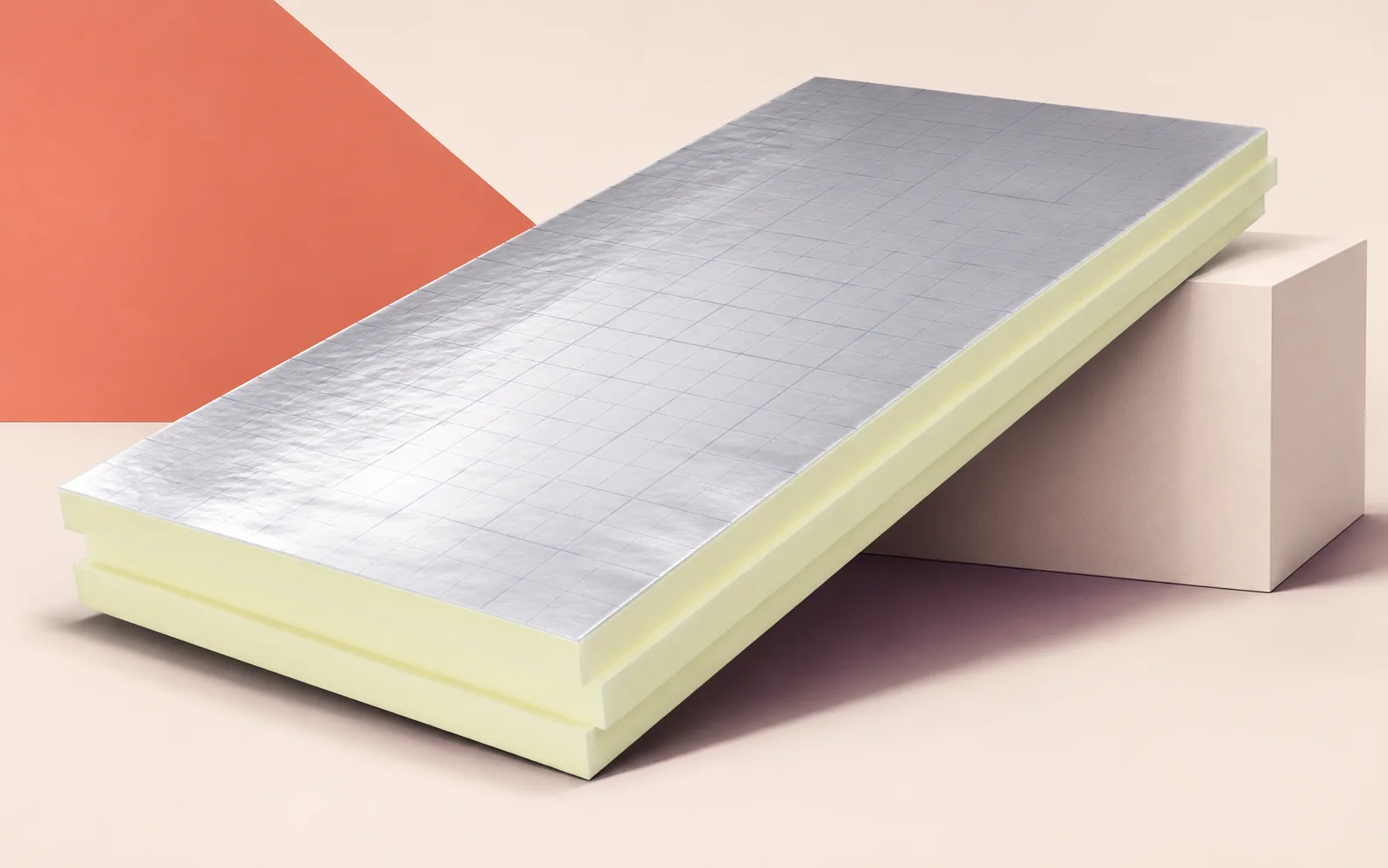
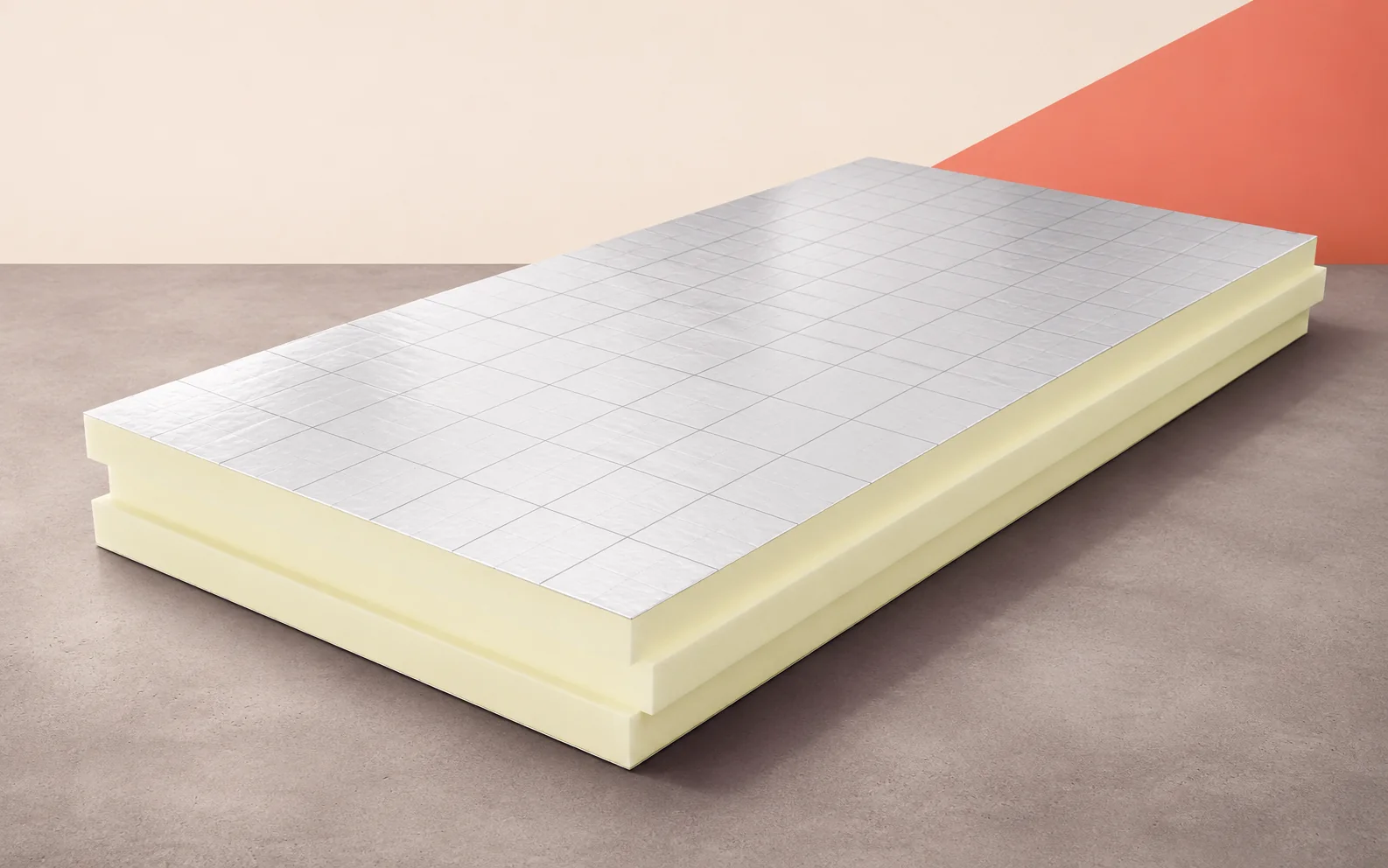
On a large order, a small discrepancy in the board specification can affect an entire delivery. Specify the PIR facing, dimensions and intended use, together with the accessories, delivery schedule and batch checks. Similar-looking boards can differ in facing, strength and suitability. Obtain the current technical data sheet, declaration of performance and installation instructions before purchasing. Retain the batch number with the delivery documents and record where the boards were installed. If a discrepancy emerges, these records identify the affected section and help the crew keep working in areas where the correct assembly has been installed.
By |2026-11-13T15:50:43+01:0013 November 2026|PIR insulation|Comments Off on Buying PIR boards for a large project: specification, deliveries and batch checks

PIR boards in industrial walls: insulation zones, fixings and moisture

PIR insulation can be useful where wall thickness is restricted. In a large building, choose the board to suit the frame, external finish and conditions in each zone. Thermal conductivity alone cannot establish whether a board fits the wall design. A continuous layer of PIR outside the wall can reduce thermal bridging across the structure. Columns and rails form repeated junctions, changing both the heat-flow path and the positions available for fixings. Set out the insulation in relation to the structural grid and draw the junctions where it crosses the frame or meets the rest of the façade.

By |2026-11-13T15:50:41+01:0013 November 2026|PIR insulation|Comments Off on PIR boards in industrial walls: insulation zones, fixings and moisture

PIR insulation in industrial and office floors: assessing loads by zone

The floor beneath an office desk serves a different purpose from the floor beneath a rack or a machine. Select PIR insulation together with the screed or load-spreading layer and the expected pattern of loading. A high compressive stress rating alone does not establish suitability for the intended use. Where build-up height is limited, the low thermal conductivity of PIR can help fit the required insulation beneath the screed. Set the finished floor levels for adjoining zones before choosing board thicknesses. The office wing and the hall may need different floor sections even where their finished surfaces meet at the same level.

By |2026-11-13T15:50:40+01:0013 November 2026|PIR insulation|Comments Off on PIR insulation in industrial and office floors: assessing loads by zone

PIR insulation on a flat industrial roof: drainage, plant and phased works

On a flat industrial roof, design the insulation, waterproofing, outlets and rooftop plant together. PIR boards can reduce the thickness and weight of the insulating layer. Their selection also depends on the loads, maintenance access and type of roof covering. Aluminium laminate, glass tissue and bituminous facings provide different surfaces for the layers above. On a large roof, a facing error can spread across many square metres before it is noticed. Check the first delivery as a complete assembly: identify the board and its facing, the specified adhesive or fixing, and the waterproofing to be installed over it.

By |2026-11-13T15:50:39+01:0013 November 2026|PIR insulation|Comments Off on PIR insulation on a flat industrial roof: drainage, plant and phased works

Above-rafter PIR insulation on large pitched roofs: setting out and detailing

On a large pitched roof, laying PIR boards above the rafters creates a continuous insulating layer across both the timber and the spaces between rafters. This helps reduce heat flow through the timber. The boards, roof covering and fixings need to work together. Regular rafter spacing lends itself to a repeatable layout, but edges and changes in roof pitch need their own details. Before laying a whole slope, install a trial section covering a full structural bay. Use it to agree the installation sequence and check how the insulation meets the roof covering, including at a more demanding junction.

By |2026-11-13T15:50:38+01:0013 November 2026|PIR insulation|Comments Off on Above-rafter PIR insulation on large pitched roofs: setting out and detailing

PIR and fibrous insulation in industrial buildings: choosing by zone

The production hall, offices and loft above the staff facilities can each call for a different form of insulation. Choose PIR boards, cellulose or wood fibre to suit the structure, use and heat gains in each zone. Rigid PIR boards have a defined thickness and facing. Cellulose can be blown into prepared cavities, a process that may fit well into the production of identical prefabricated units. On an uninterrupted roof slope, board dimensions and the rate at which the crew can lay them matter more. Plan the installation separately for the hall envelope and the adjoining rooms.

By |2026-11-13T15:50:36+01:0013 November 2026|PIR insulation|Comments Off on PIR and fibrous insulation in industrial buildings: choosing by zone

PIR and mineral wool in industrial buildings: choosing insulation by function

Choosing between PIR and mineral wool in an industrial or commercial building starts with three separate questions. How much thermal resistance is required? What are the fire requirements? What acoustic performance does the space need? Conditions can vary even across one large hall. At the same thermal resistance R, a thinner PIR board can simplify a window reveal or eaves detail. Where there is ample space, other properties and installed cost may carry more weight. Compare products intended for the actual assembly. Readily available thermal conductivity figures alone are a poor basis for matching a PIR roof board with a mineral wool product.

By |2026-11-13T15:50:35+01:0013 November 2026|PIR insulation|Comments Off on PIR and mineral wool in industrial buildings: choosing insulation by function

PIR and XPS insulation in commercial buildings: where does each belong?

On a large project, compare PIR and XPS zone by zone. The choice depends on thermal performance, delivery logistics and conditions in service. PIR boards can save space, but a table of thermal conductivity values alone cannot tell you which product suits each part of the building. For a specified thermal resistance R, compare the thickness and cost of boards that achieve it. Where space sets the limit, compare the resistance each board achieves at the available thickness. Keep these calculations separate. Over a large area a thinner layer changes the volume of material required. The number of deliveries also depends on how the boards are packed.

By |2026-11-13T15:50:34+01:0013 November 2026|PIR insulation|Comments Off on PIR and XPS insulation in commercial buildings: where does each belong?

PIR insulation thickness on large roofs. Comparing thermal performance

On a large roof, even a small change in insulation thickness can substantially alter the quantity ordered. Record the thermal conductivity, thickness and intended application of each PIR board under consideration. Many boards with particular facings have a declared conductivity of 0.022 W/(m·K). Other facings or thicknesses may have a different declared value, even within the same range. Tie each figure to the exact product and to the roof build-up used in the calculation. State in the specification whether the figure is the product’s declared conductivity or the design value adopted for a particular calculation.

By |2026-11-13T15:50:33+01:0013 November 2026|PIR insulation|Comments Off on PIR insulation thickness on large roofs. Comparing thermal performance

PIR boards in commercial and industrial buildings. From insulation core to finished roof or wall

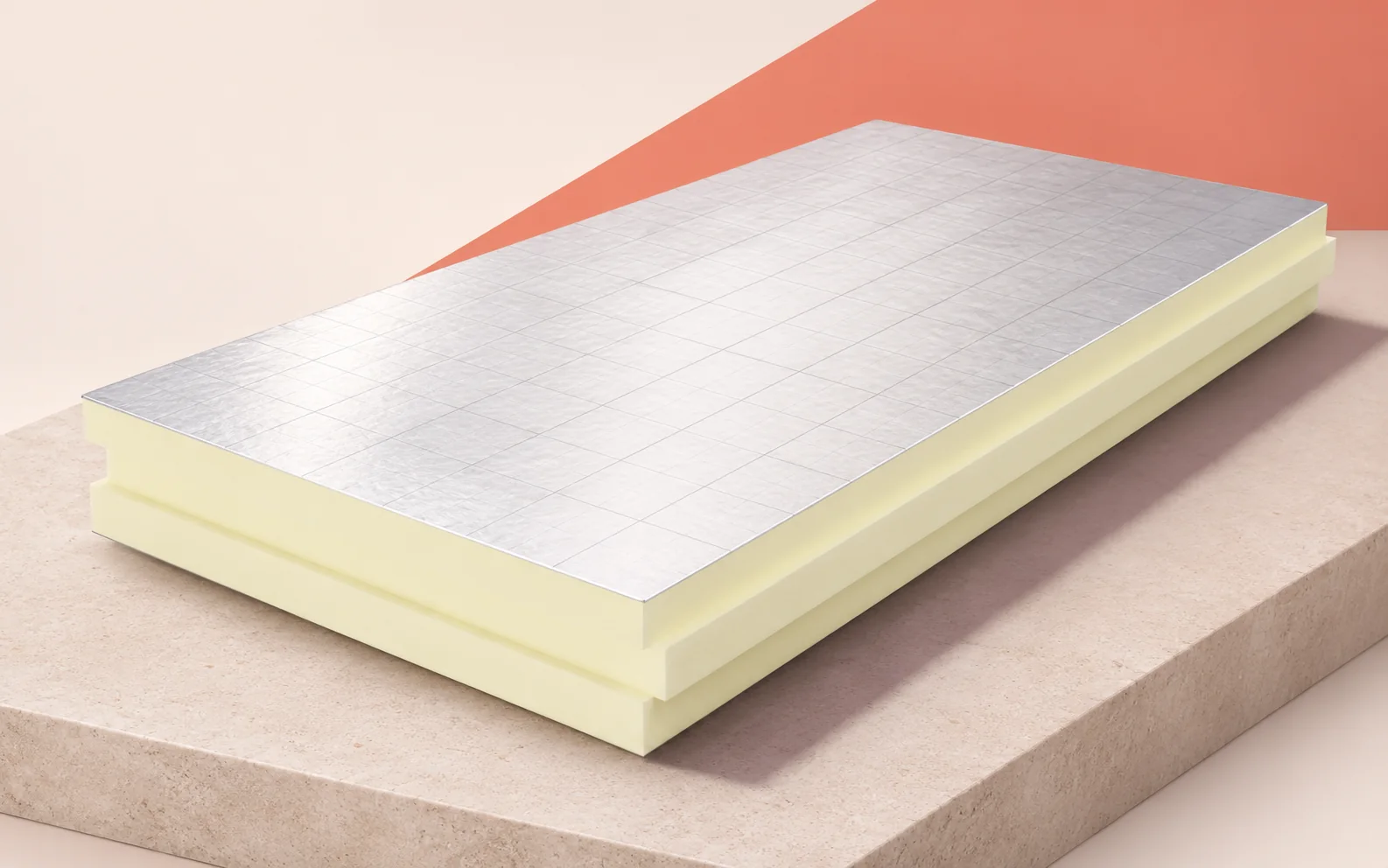
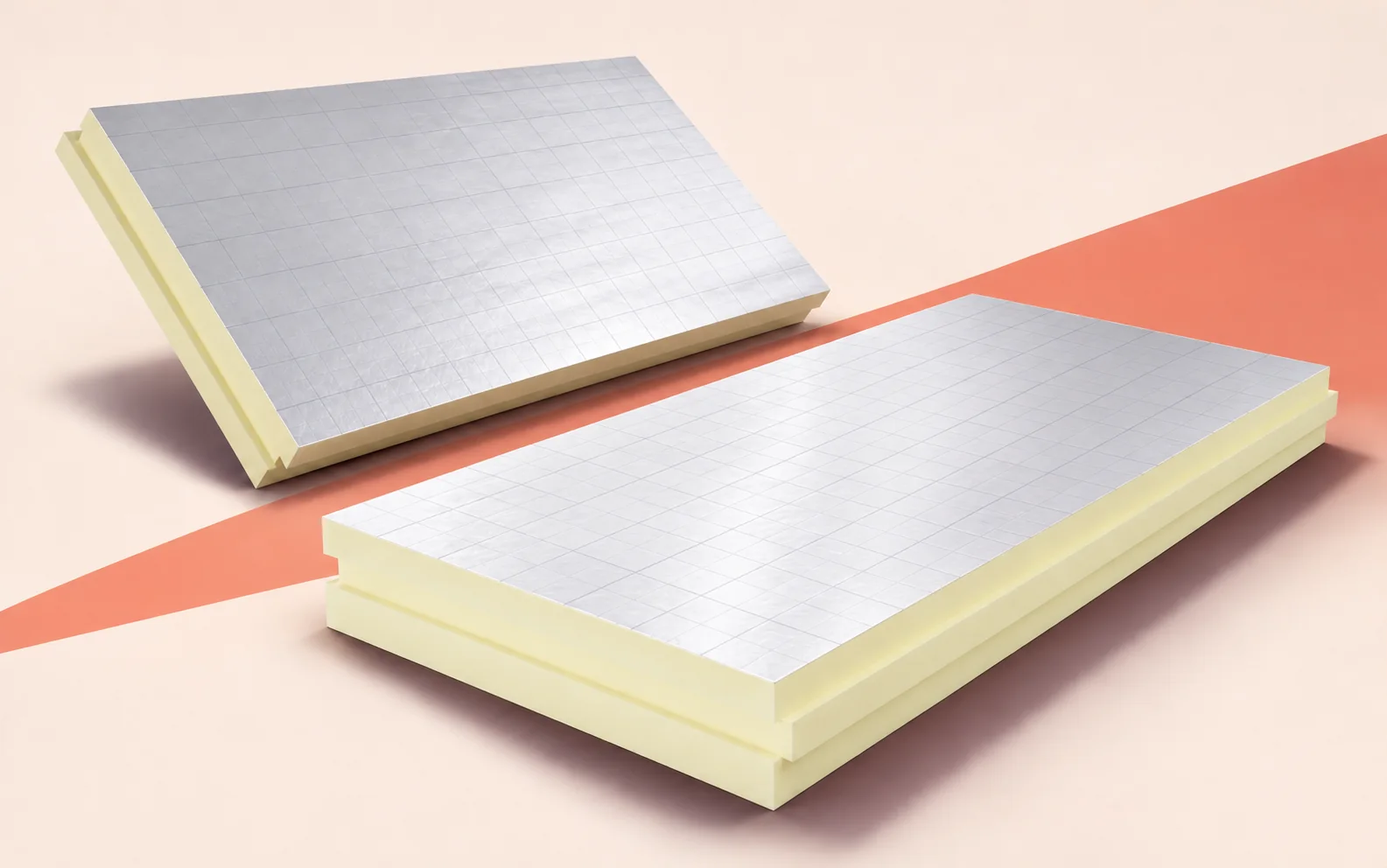
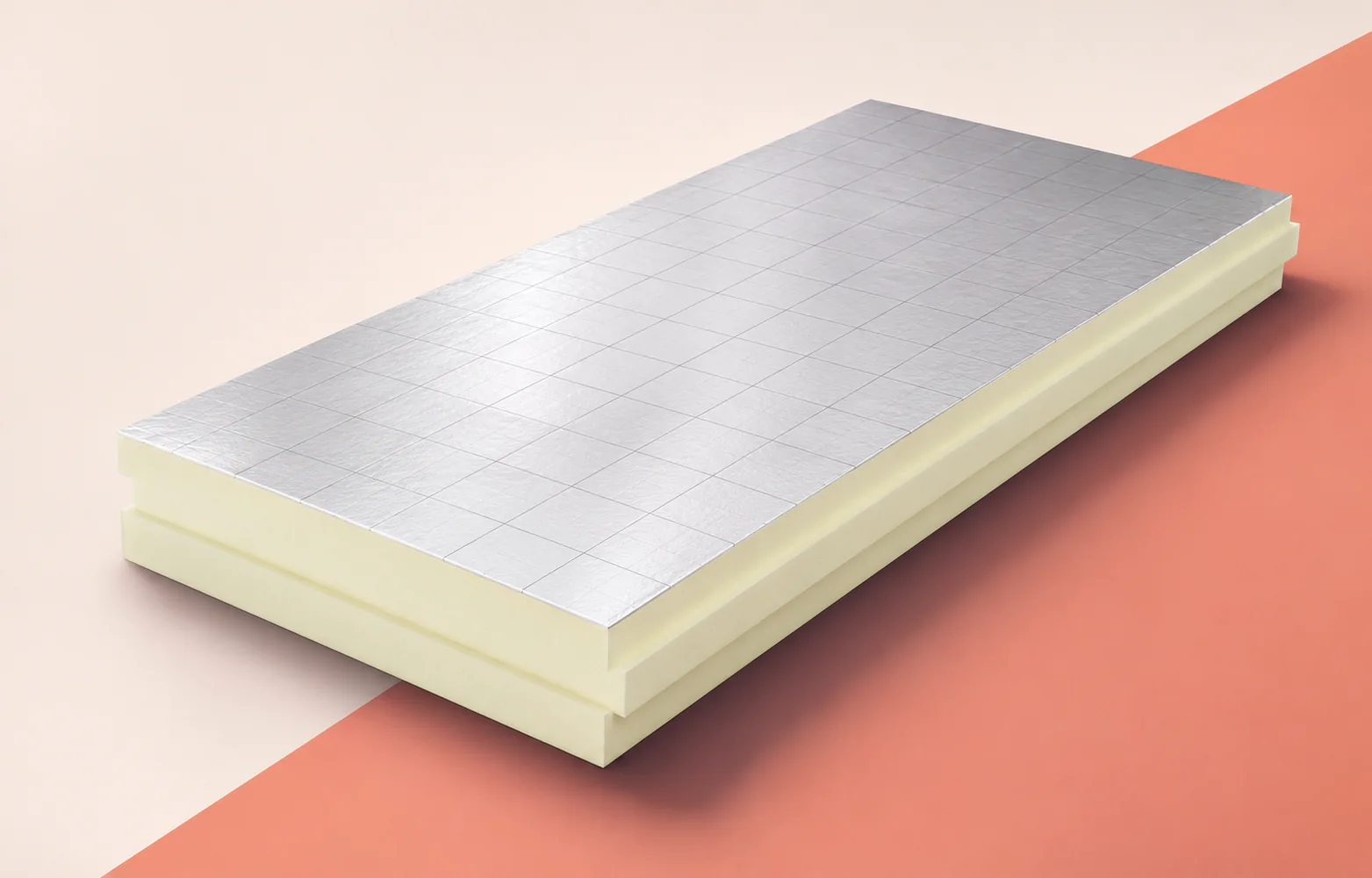
On a large site, the choice of PIR insulation board affects how deliveries are checked, how the work is phased and which adhesives and membranes can be used. The core is factory-formed rigid polyisocyanurate foam. Its closed cells help limit heat conduction. The declared properties also depend on the formulation, board thickness and facing. A figure for one board in a catalogue cannot be assumed to apply across the range. Specify the product variant and thickness range for delivery checks. When assessing the complete roof or wall, account for the supports, joints and layers on either side of the insulation.

By |2026-11-13T15:50:31+01:0013 November 2026|PIR insulation|Comments Off on PIR boards in commercial and industrial buildings. From insulation core to finished roof or wall
Back to top